
Blog
11R22.5 Tires: The Complete Commercial Fleet Guide

Aug
The 11R22.5 tire size represents one of the most widely adopted specifications in commercial trucking worldwide. This metric-based designation defines a tire engineered specifically for medium to heavy-duty applications, from regional delivery trucks to long-haul tractor-trailers. Understanding the technical parameters, performance characteristics, and proper selection criteria for this tire size enables fleet managers and distributors to make informed purchasing decisions that directly impact operational efficiency, safety margins, and total cost of ownership. Whether you're managing a growing distribution fleet or sourcing inventory for wholesale customers, the 11R22.5 format delivers a proven balance of load capacity, durability, and versatility across diverse commercial applications.
Decoding the 11R22.5 Tire Specification
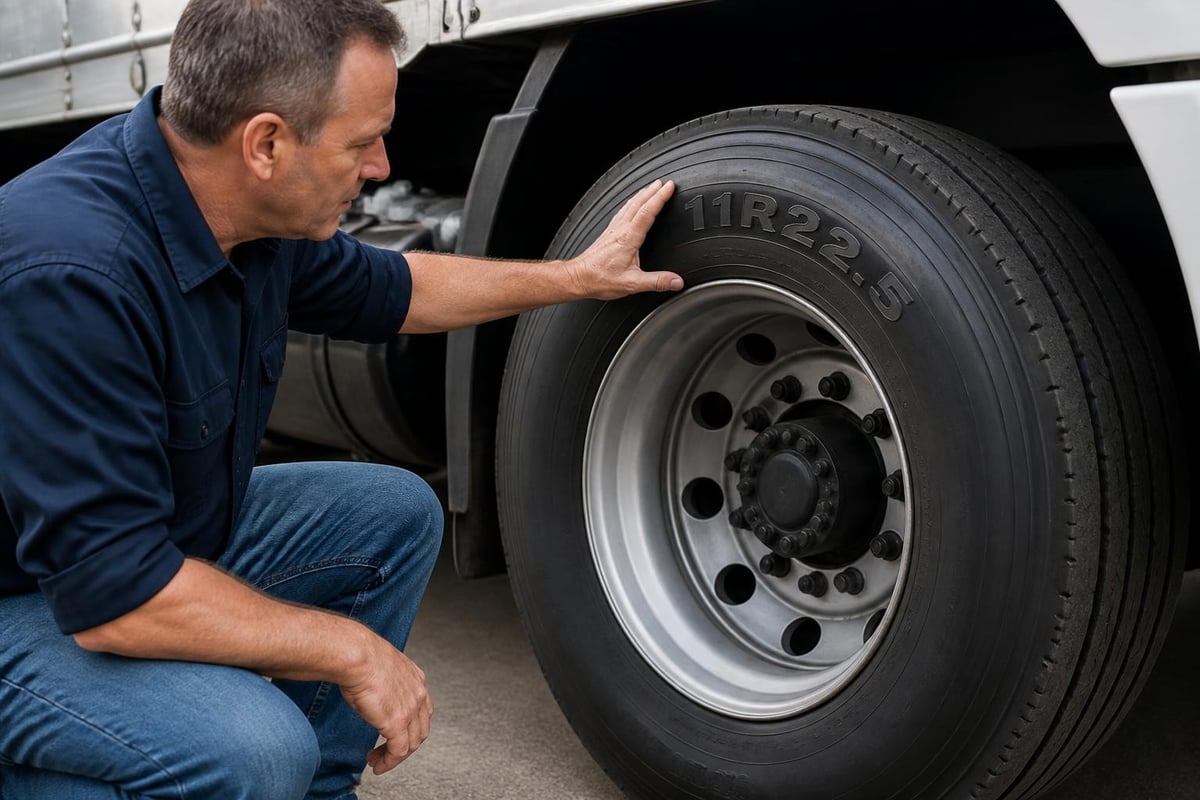
The alphanumeric code 11R22.5 contains specific dimensional and construction information that determines compatibility and performance capabilities. The "11" indicates the tire's approximate width in inches when mounted on a specified rim width. This measurement translates to roughly 279 millimeters across the tread face, providing substantial contact area for weight distribution and traction.
The "R" designation signifies radial construction, where internal steel belts run perpendicular to the direction of travel. This architecture delivers superior heat dissipation, improved fuel economy, and longer tread life compared to bias-ply alternatives. Radial construction has become the industry standard for commercial applications due to these measurable performance advantages.
Understanding Rim Diameter and Fitment
The "22.5" denotes the rim diameter in inches, a critical measurement for ensuring proper mounting. This size has emerged as the predominant standard for Class 7 and Class 8 commercial vehicles in North America and many international markets. When determining if an 11R22.5 tire fits your vehicle, you must verify wheel well clearance, suspension geometry, and load requirements beyond simple rim compatibility.
Key fitment considerations include:
- Approved rim widths typically ranging from 7.50 to 8.25 inches
- Overall diameter affecting speedometer calibration and gear ratios
- Section width clearance within wheel wells and between dual assemblies
- Load index matching to axle weight ratings
Load Ratings and Performance Classifications
Every 11R22.5 tire carries a load index that specifies maximum weight capacity at recommended inflation pressures. Common load indices for this size range from 144 to 148, corresponding to single-tire capacities between 5,900 and 7,160 pounds at maximum pressure. For dual-wheel configurations, the combined capacity determines safe axle loading limits.
Speed ratings provide equally important performance boundaries. Most commercial applications utilize "L" rated tires (75 mph) or "M" rated versions (81 mph) depending on operational profiles. Regional delivery fleets operating primarily in urban environments may prioritize different characteristics than long-haul operations maintaining highway speeds for extended periods.
| Load Index | Single Capacity (lbs) | Dual Capacity (lbs) | Typical Application |
|---|---|---|---|
| 144 | 5,900 | 10,620 | Regional delivery, light haul |
| 146 | 6,610 | 11,900 | Mixed service, medium haul |
| 148 | 7,160 | 12,880 | Heavy haul, long distance |
Position-Specific Design Features
The three primary axle positions require distinct tread patterns and construction priorities. Steer tires emphasize directional stability and responsive handling through continuous center ribs and precise siping patterns. The Goodyear Armor Max MSA 11R22.5 exemplifies advanced steer tire engineering with enhanced casing durability for demanding applications.
Drive position tires prioritize traction and torque transfer through aggressive lug patterns and deeper tread depths. Stone ejectors embedded in groove bases prevent retention that can lead to casing damage. Trailer tires focus on rolling resistance efficiency and even wear distribution, as they carry load without transmitting power or steering input.
Application Categories and Fleet Integration
Regional haul operations typically accumulate 50,000 to 100,000 miles annually with frequent stop-and-start cycles, loading dock maneuvers, and mixed road surfaces. These duty cycles demand tires with reinforced sidewalls to resist curb damage, cut-resistant tread compounds, and optimized casing construction for retreadability.
Long-haul applications prioritizing fuel efficiency and high-mileage durability benefit from low-rolling-resistance compounds and aerodynamic sidewall profiles. Roadmaster 11R22.5 options provide exceptional traction and stability across extended highway miles while maintaining predictable wear characteristics.
Matching tires to operational profiles:
- Urban delivery: Prioritize cut resistance, curb protection, wet traction
- Regional distribution: Balance durability with fuel efficiency across 300-500 mile routes
- Long-haul transport: Maximize fuel economy, high-speed stability, retreadability
- Mixed service: Select all-season compounds with versatile tread patterns
For fleets requiring consistent performance across variable terrain and weather conditions, the Dynamo DST990 All-Season 11R22.5 incorporates broad 5-rib tread design for precise handling alongside features that extend service life. When building or expanding commercial fleets, reviewing our complete tire categories helps identify the optimal specifications for each axle position and operational requirement.

Tread Patterns and Compound Technologies
Rib designs feature continuous circumferential grooves that channel water away from the contact patch while maintaining maximum rubber-to-road contact. Five-rib configurations dominate steer applications for their proven balance of wear resistance and handling precision. Four-rib patterns may reduce rolling resistance slightly while sacrificing some lateral stability.
Lug patterns incorporate independent tread blocks separated by wide grooves for enhanced traction on compromised surfaces. Closed-shoulder lugs improve wear characteristics on paved roads while maintaining off-highway capability. Open-shoulder designs maximize self-cleaning properties for construction sites and unpaved routes where mud and debris accumulation affects performance.
Seasonal Considerations and All-Weather Performance
All-season compounds formulated for commercial applications maintain flexibility across temperature ranges while resisting accelerated wear from highway friction and heat generation. Sipe density and geometry affect wet traction and snow performance without compromising dry handling or tread life expectations.
Compound characteristic trade-offs:
- Harder compounds extend tread life but may reduce traction on wet or cold surfaces
- Softer formulations improve grip and ride quality at the expense of faster wear rates
- Silica-enhanced compounds balance these factors with improved fuel efficiency
Winter-rated options incorporating specialized compounds and aggressive siping become necessary for operations in northern climates or mountain passes where snow and ice create hazardous conditions. The additional investment in cold-weather capability directly reduces accident risk and maintains schedule reliability during challenging seasonal periods.
Inflation Pressure Management and Load Optimization
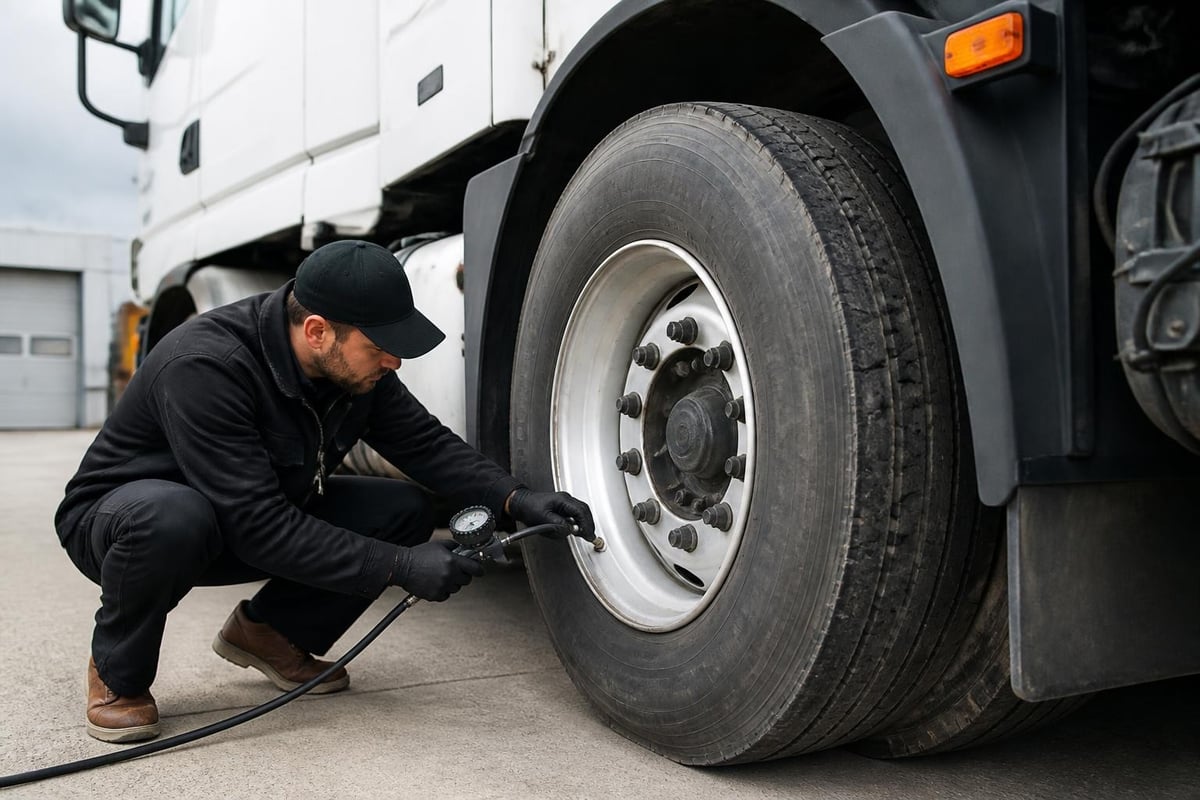
Proper inflation represents the single most critical factor affecting tire performance, longevity, and safety margins. Under-inflation by just 10 percent increases rolling resistance by 1-2 percent while accelerating irregular wear patterns and heat buildup. Over-inflation reduces contact patch area, concentrating loads on center ribs and creating harsh ride quality.
Commercial operations should implement systematic pressure monitoring protocols that account for load variations, ambient temperature changes, and natural permeation rates. Cold inflation pressures must be set according to manufacturer specifications based on actual axle loads, not maximum ratings unless operating at full capacity continuously.
| Inflation Variance | Fuel Economy Impact | Tread Life Impact | Safety Risk |
|---|---|---|---|
| -20% | +4% consumption | -25% life | Blowout risk, handling degradation |
| -10% | +2% consumption | -12% life | Heat buildup, irregular wear |
| Correct | Baseline | 100% expectation | Minimal |
| +10% | -1% consumption | -8% life (center wear) | Ride harshness, reduced traction |
Tire Pressure Monitoring Systems (TPMS)
Modern fleet management increasingly incorporates real-time pressure monitoring that alerts drivers and maintenance personnel to developing issues before they result in roadside failures. These systems provide measurable return on investment through reduced fuel costs, extended tire life, and minimized downtime from preventable failures.
Maintenance Protocols and Service Life Extension
Regular rotation schedules based on tread depth measurements rather than arbitrary mileage intervals maximize uniform wear across all wheel positions. Steer tires typically wear faster than drive or trailer positions due to higher heat generation and steering loads. Rotating high-wear positions to lower-stress locations before reaching minimum depth extends total fleet tire investment.
Visual inspections during pre-trip procedures identify developing issues including irregular wear patterns, sidewall damage, embedded debris, and abnormal bulging. Early detection enables corrective action before minor concerns escalate into safety hazards or catastrophic failures requiring emergency roadside service.
Systematic inspection checklist:
- Tread depth measurement at multiple points across width
- Sidewall condition including cuts, abrasions, weather checking
- Valve stem integrity and cap presence
- Foreign object penetration in tread grooves
- Abnormal wear patterns indicating alignment or pressure issues
Alignment specifications directly impact tire wear rates and fuel consumption through rolling resistance changes. Annual alignment verification prevents the gradual drift that occurs through normal operation, curb strikes, and pothole impacts. The investment in precision alignment service returns multiples in extended tire life and reduced fuel costs.
Retreading Economics and Sustainability Considerations
Premium casings engineered for multiple service lives represent significant economic advantages for high-mileage operations. A quality 11R22.5 casing can typically support two or three retreads before reaching retirement criteria, effectively quadrupling the value extracted from the original tire investment. This economic model requires proper maintenance and removal at appropriate tread depths to preserve casing integrity.
Retreading also delivers substantial environmental benefits by diverting waste from landfills and reducing raw material consumption. Each retreaded tire saves approximately 15 gallons of oil compared to new tire manufacturing. For large fleets replacing hundreds of tires annually, the cumulative environmental impact becomes significant.
Casing Inspection and Retread Eligibility
Professional casing inspection evaluates structural integrity through shearography, visual examination, and dimensional verification. Acceptable casings show no evidence of sidewall damage, belt separation, or excessive previous repairs. Retread facilities apply new tread rubber using proven bonding processes that deliver service life comparable to original equipment when applied to quality casings.
Organizations operating mixed fleets with varying duty cycles can implement tiered tire programs that assign premium new tires to demanding applications while deploying retreads in lower-stress positions. Trailer-specific 11R22.5 options often prove ideal candidates for retreading due to their moderate wear patterns and lower operating temperatures compared to drive positions.
Procurement Strategies for Distributors and Fleet Operators
Volume purchasing agreements with tire manufacturers provide price advantages that directly impact bottom-line profitability. Distributors serving commercial accounts benefit from establishing relationships with producers offering consistent quality, reliable supply chains, and competitive wholesale pricing structures. Factory-direct sourcing eliminates intermediary markups while ensuring product authenticity and warranty support.
Diversifying inventory across multiple tread patterns and load ratings enables responsiveness to varied customer requirements without excessive stock levels. Strategic inventory management balances availability for common specifications against capital efficiency for slower-moving variants. Data-driven reorder points based on historical demand patterns prevent stockouts during peak seasons.
Distributor inventory optimization factors:
- Regional climate requirements (all-season versus winter-rated)
- Dominant fleet applications (urban delivery versus long-haul)
- Price sensitivity versus performance priorities
- Lead times from manufacturing facilities
- Storage capacity and carrying cost considerations
Quality certifications including DOT approval, ECE compliance, and ISO manufacturing standards provide market credibility and regulatory acceptance across international borders. Distributors expanding into new geographic markets must verify that tire specifications meet local requirements for commercial vehicle operation.
Performance Testing and Quality Validation
Laboratory testing protocols evaluate tire performance across standardized conditions measuring rolling resistance, wet traction, endurance capacity, and high-speed stability. These controlled assessments provide objective comparisons between competing products and validate manufacturer claims regarding fuel efficiency improvements or extended service life.
Field testing in actual operating environments adds real-world validation that accounts for variables including driver behavior, road conditions, maintenance practices, and load distributions. Progressive fleets conduct controlled trials comparing new tire options against existing specifications, measuring fuel consumption changes, wear rates, and driver feedback before committing to fleet-wide adoption.
| Test Category | Measurement Method | Performance Indicator |
|---|---|---|
| Rolling Resistance | Dynamometer load cell | Fuel economy impact |
| Wet Traction | Controlled surface braking | Safety margin in adverse conditions |
| Endurance | Extended high-load operation | Service life prediction |
| Noise Emission | Sound level meters | Driver comfort, regulatory compliance |
Warranty Coverage and Manufacturer Support
Comprehensive warranty programs protect against manufacturing defects while establishing clear parameters for coverage eligibility. Typical commercial tire warranties specify minimum remaining tread depth, acceptable wear patterns, and proper maintenance documentation requirements. Understanding warranty terms before purchase prevents disputes during claim processes.
Technical support resources including application guides, pressure charts, and maintenance recommendations add value beyond the physical product. Manufacturers providing responsive technical assistance help distributors serve their customers effectively while building long-term business relationships. For comprehensive maintenance guidance applicable across tire types, reference our essential maintenance tips for OTR tires which translate to commercial applications.
Regulatory Compliance and Safety Standards
Department of Transportation (DOT) regulations establish minimum performance criteria, labeling requirements, and manufacturing quality standards for commercial vehicle tires. The DOT code embossed on sidewalls identifies manufacturing location, production date, and tire size while enabling recall traceability if safety issues emerge.
Load range designations (typically "G" or "H" for 11R22.5 applications) indicate ply rating and maximum pressure capacity. These specifications must align with vehicle manufacturer recommendations and actual operating loads to maintain regulatory compliance and insurance coverage validity. Operating beyond rated capacities creates liability exposure and safety hazards.
Critical regulatory markings:
- DOT identification code for manufacturing traceability
- Load index and speed rating matching application requirements
- Maximum inflation pressure and load capacity
- Country of origin and manufacturing date code
European ECE certification enables market access across European Union member states and other adopting regions. Distributors serving international markets benefit from dual certification (DOT and ECE) that provides regulatory acceptance across broader geographic territories without maintaining separate inventory.
Cost Analysis and Total Ownership Calculations
Initial purchase price represents only one component of total tire cost over service life. Fuel consumption impacts directly tied to rolling resistance compound selection often exceed the original tire cost over 100,000 miles of operation. Low-rolling-resistance options commanding 10-15 percent price premiums frequently deliver positive return on investment through fuel savings within the first year.
Maintenance labor costs including mounting, balancing, rotation, and pressure management add to total ownership expenses. Selecting durable tires with extended service intervals reduces these recurring costs while improving fleet uptime. Emergency roadside service calls resulting from preventable failures carry exponential cost impacts through vehicle downtime, towing charges, and schedule disruptions.
Total cost of ownership calculation components:
- Initial tire purchase price
- Mounting and balancing labor
- Fuel consumption over service life
- Rotation and maintenance labor
- Disposal fees or retreading costs
- Downtime cost from premature failures
Fleet management software incorporating tire cost tracking enables data-driven decision making based on actual performance metrics rather than purchase price alone. Organizations analyzing total cost per mile rather than cost per tire consistently achieve superior financial outcomes through strategic tire selection aligned with operational requirements.
OTR TIRE THAI manufactures premium commercial truck tires across all axle positions, delivering the durability and performance characteristics that demanding fleets require. Our commercial truck tire lineup includes optimized patterns for steer, drive, and trailer applications with factory-direct pricing that improves distributor margins while maintaining competitive positioning in local markets.
Emerging Technologies and Future Developments
Smart tire technology incorporating embedded sensors provides real-time data on temperature, pressure, and tread depth without external monitoring systems. These innovations enable predictive maintenance protocols that schedule tire service based on actual condition rather than conservative estimates, maximizing service life while maintaining safety margins.
Advanced tread compounds utilizing silica reinforcement and specialized polymers continue improving the traditional trade-off between rolling resistance and traction. These material science developments deliver measurable fuel economy improvements without sacrificing wet weather performance or service life expectations that fleet managers demand.
Sustainable manufacturing processes reducing water consumption, energy inputs, and volatile organic compound emissions address growing environmental priorities among corporate fleet operators. Life cycle assessments quantifying total environmental impact from raw material extraction through end-of-life disposal inform purchasing decisions for organizations committed to sustainability goals alongside operational efficiency.
Selecting the optimal 11R22.5 tire specification requires balancing immediate cost considerations against long-term performance, safety, and total ownership economics across your specific operational profile. Whether you're managing a growing commercial fleet or distributing tires to diverse customer segments, understanding these technical and practical considerations drives informed decisions that impact profitability and service reliability. OTR TIRE THAI delivers factory-direct commercial truck tires engineered for demanding applications, supported by technical expertise and competitive wholesale pricing that strengthens your market position across 80+ countries worldwide.
