
Blog
Hankook Tire Company: Growth, Innovation & Global Impact
Jul
The global tire manufacturing landscape features several major players, and the hankook tire company stands as one of the most significant contributors to this competitive industry. Founded in Seoul, Korea, in 1941, this manufacturer has transformed from a modest domestic operation into a worldwide supplier serving original equipment manufacturers and aftermarket distributors across six continents. For tire distributors and fleet managers evaluating supplier partnerships, understanding the operational scope, financial stability, and strategic direction of major manufacturers like the hankook tire company provides essential context for procurement decisions and long-term supply chain planning.
Corporate Structure and Global Operations
The hankook tire company operates through a diversified global manufacturing network that spans multiple continents, ensuring production capacity meets regional demand while maintaining consistent quality standards across facilities. The company's headquarters remains in Seoul, South Korea, where strategic planning and research and development activities concentrate executive leadership and innovation teams.
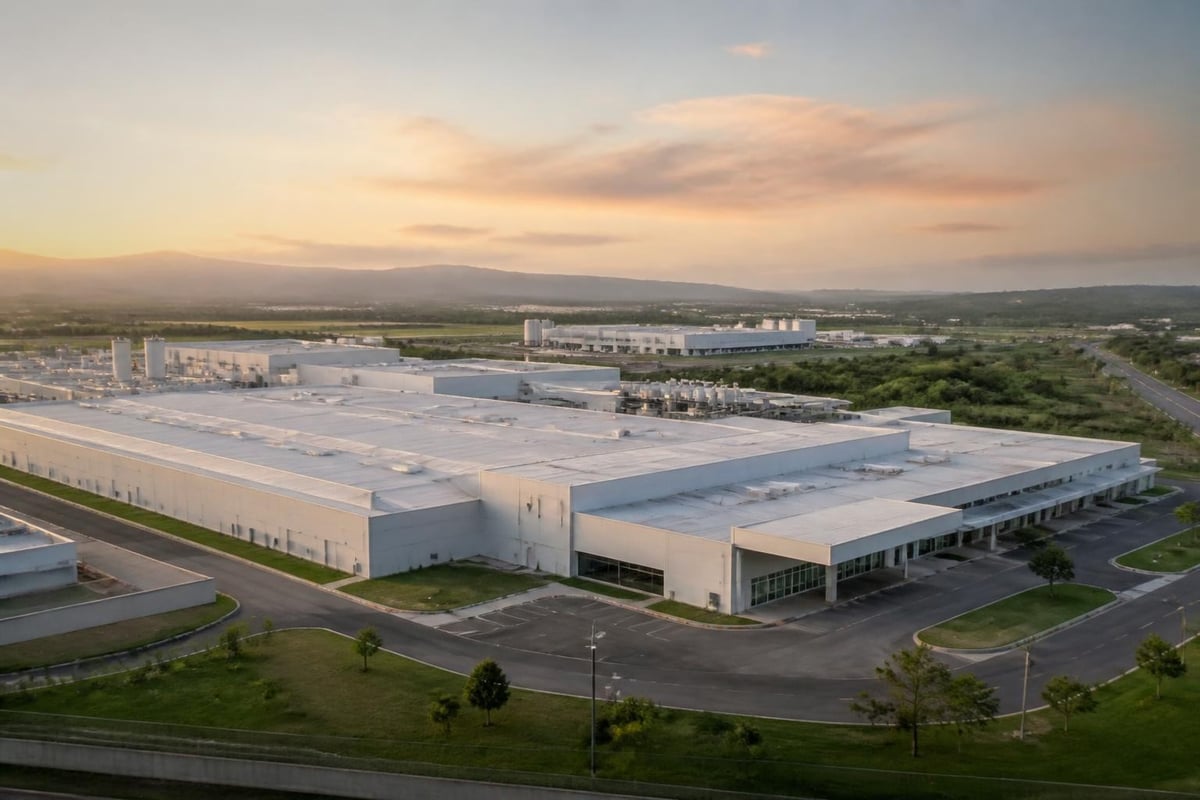
Manufacturing facilities operate in Korea, Hungary, Indonesia, China, and the United States, with each plant specializing in specific product categories aligned with regional market demands. The Hungarian facility, completed in 2007, serves European markets with passenger car radials and ultra-high-performance tires. The Tennessee plant, operational since 2017, focuses on tire sizes and specifications tailored to North American light truck and SUV preferences.
Production Capacity and Technological Infrastructure
Annual production capacity across all facilities exceeds 100 million units, positioning the hankook tire company among the world's largest tire manufacturers by volume. This scale enables competitive pricing through economies of production while maintaining rigorous quality control protocols at each manufacturing site.
The company invests heavily in automation and smart factory technologies. The Hungarian facility incorporates Industry 4.0 principles, with interconnected sensors monitoring compound mixing, curing temperatures, and final inspection parameters in real time. These digital systems reduce defect rates and ensure consistency across production batches, a critical consideration for distributors managing inventory for multiple clients with strict specification requirements.
Financial Performance and Market Position
Understanding the financial health of tire manufacturers helps distributors assess supplier stability and long-term partnership viability. The hankook tire company’s 2025 financial results demonstrate sustained revenue generation and profitability across diverse market conditions.
| Financial Metric | 2024 Result | 2025 Result | Year-over-Year Change |
|---|---|---|---|
| Revenue (KRW trillion) | 9.41 | 21.20 | +125% |
| Operating Profit (KRW trillion) | 1.76 | 1.84 | +4.5% |
| Operating Margin | 18.7% | 8.7% | -10.0 pp |
The 2025 revenue of EUR 13.19 billion and operating profit of EUR 1.15 billion reflect the company's ability to maintain profitability while navigating raw material cost fluctuations and shifting consumer demand patterns. These figures indicate operational resilience that distributors value when committing to multi-year supply agreements.
Quarterly Performance Trends
Examining quarterly results provides granular insight into seasonal patterns and market responsiveness. The Q2 2025 revenue of EUR 3,378.3 million represents strong second-quarter performance, historically a peak sales period for replacement tires as consumers prepare vehicles for summer driving conditions.
The Q3 2025 financial results highlighted record quarterly sales of KRW 2.71 trillion and operating profit of KRW 519.2 billion, demonstrating the hankook tire company's ability to capitalize on seasonal demand spikes while controlling production costs. For distributors planning inventory purchases, these quarterly patterns inform optimal ordering cycles and warehouse capacity planning.
Product Portfolio and Market Segments
The hankook tire company manufactures tires across multiple categories, serving passenger vehicles, light trucks, commercial trucks, buses, and specialized applications. This diversification reduces dependence on any single market segment and provides distributors with a comprehensive product range from a single manufacturer relationship.
Passenger Car and Light Truck Categories
Passenger car radial (PCR) tires constitute the largest segment by volume, with product lines spanning economy, mid-range, and premium performance categories. The Ventus line targets performance enthusiasts and original equipment applications on sporty vehicles, while the Kinergy series emphasizes fuel efficiency and all-season versatility for mainstream sedans and crossovers.
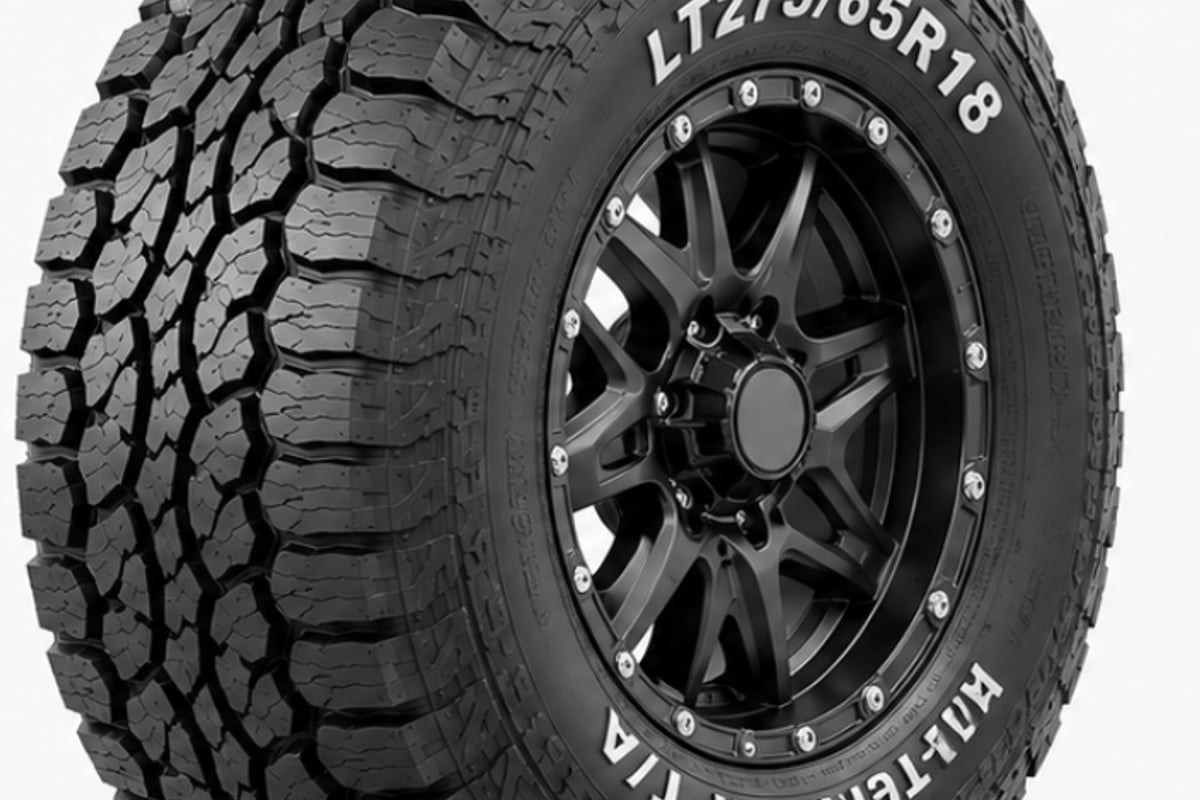
Light truck tires address the growing SUV and pickup truck markets in North America and emerging economies. The Dynapro series offers highway terrain, all-terrain, and mud-terrain variants, allowing fleet managers to specify appropriate tread patterns based on operational environments. For distributors serving construction companies or utility fleets operating mixed-terrain routes, Semi Truck Tires from Thailand provide an alternative sourcing option with similar performance characteristics and competitive pricing structures.
Commercial and Specialty Applications
Medium and heavy commercial truck tires represent a significant portion of the hankook tire company's business-to-business sales. The Smart series encompasses steer, drive, and trailer position tires engineered for long-haul trucking operations, regional delivery routes, and mixed-service applications.
- Steer position: Five-rib patterns optimized for straight-line stability and even wear distribution
- Drive position: Deep lug designs with stone ejectors for traction and durability
- Trailer position: Low-rolling-resistance compounds supporting fuel economy initiatives
Fleet operators evaluating tire suppliers compare total cost of ownership, which includes purchase price, fuel efficiency impact, retreading potential, and average miles to removal. The hankook tire company's commercial tire specifications align with these evaluation criteria, offering competitive positioning against established North American and European brands.
Research and Development Initiatives
Innovation drives competitive differentiation in the mature tire manufacturing industry. The hankook tire company operates research and development centers in Korea, Germany, China, and the United States, with approximately 700 engineers focused on compound chemistry, structural engineering, and performance testing.
Material Science and Compound Development
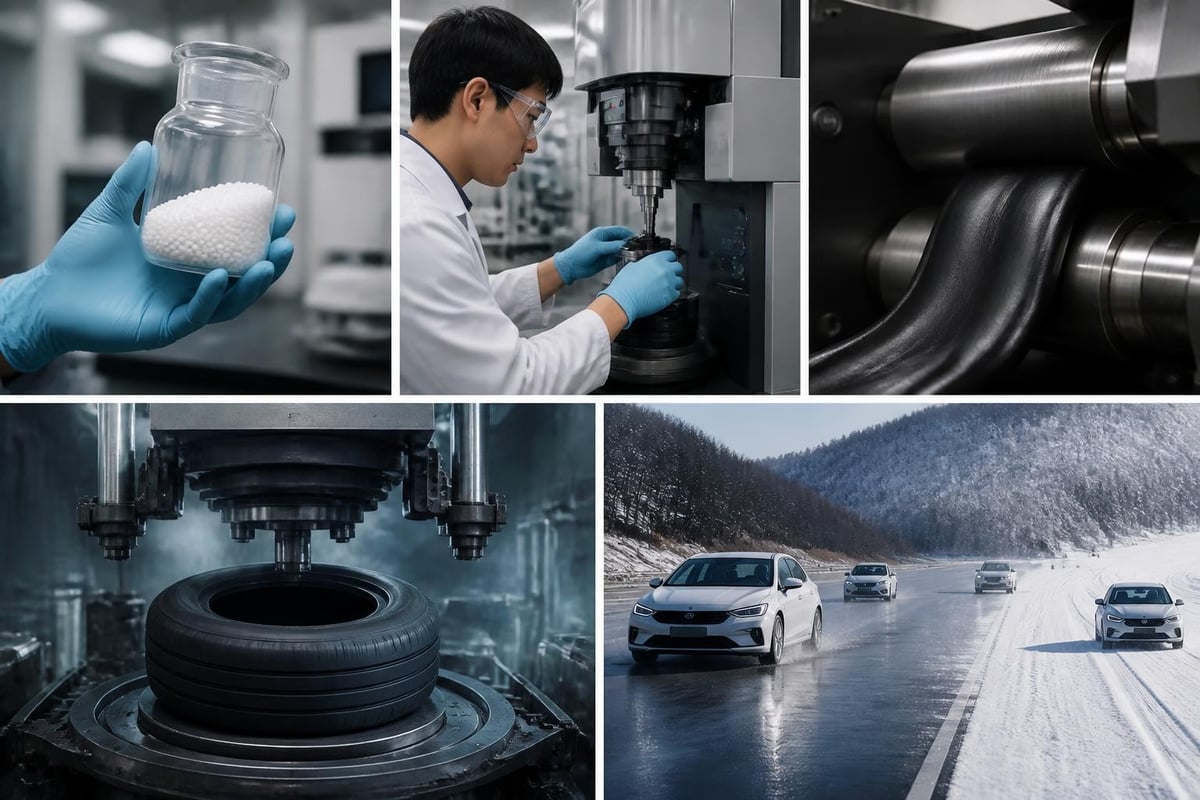
Modern tire performance depends heavily on compound formulation, balancing conflicting objectives like wet traction, rolling resistance, tread wear, and noise generation. The company's Kontrol Technology integrates multiple design elements:
- Silica-enhanced compounds that improve wet grip without sacrificing tread life
- Carbon black optimization for structural reinforcement and heat dissipation
- Polymer blends customized for specific climate zones and use cases
- Nano-particle additives that enhance molecular bonding and durability
These compound innovations emerge from extensive laboratory testing and real-world validation across diverse operating environments. The hankook tire company's annual reports detail R&D expenditures as a percentage of revenue, typically ranging from four to six percent, demonstrating sustained commitment to technological advancement.
Smart Tire and Connected Vehicle Technologies
Emerging automotive technologies create new opportunities for tire manufacturers. The hankook tire company invests in smart tire systems that monitor internal pressure, temperature, and tread depth through embedded sensors. These systems transmit data to vehicle telematics platforms, enabling predictive maintenance scheduling and reducing roadside failures.
Connected tire technology aligns with fleet management priorities around uptime maximization and maintenance cost control. For distributors serving commercial fleets, the ability to offer tires with integrated monitoring capabilities provides a value-added service beyond the physical product. Research on extended tire models for vehicle stability control demonstrates the academic foundation supporting these commercial applications.
Original Equipment Manufacturer Relationships
Original equipment (OE) tire supply contracts provide manufacturers with volume stability and brand visibility while demanding rigorous quality standards and just-in-time delivery capabilities. The hankook tire company supplies tires to major automotive manufacturers including Volkswagen Group, Ford, General Motors, Hyundai-Kia, and several premium European brands.
OE partnerships require multi-year product development cycles, with tire specifications defined during vehicle design phases three to five years before production launch. This long lead time demands financial stability and technical capabilities that smaller manufacturers struggle to maintain. The hankook tire company's successful OE portfolio validates its engineering competence and manufacturing consistency.
Implications for Aftermarket Distributors
OE supply relationships influence aftermarket product strategies. Tires developed for specific vehicle models often transition to replacement market offerings, allowing consumers to purchase the same specifications their vehicles originally equipped. For distributors, stocking OE-equivalent products addresses customer requests for exact replacement matches while avoiding the premium pricing of dealer parts departments.
The hankook tire company markets its OE heritage in aftermarket communications, highlighting which tire models serve as factory equipment on popular vehicle platforms. This positioning strategy helps distributors overcome brand preference challenges when competing against longer-established tire manufacturers with deeper market penetration.
Sustainability and Environmental Initiatives
Environmental regulations increasingly influence tire manufacturing operations, from raw material sourcing through end-of-life disposal. The hankook tire company implements sustainability programs across its value chain, addressing regulatory compliance requirements while appealing to environmentally conscious fleet operators and consumers.
Key environmental initiatives include:
- Renewable energy integration at manufacturing facilities, targeting carbon neutrality by 2050
- Sustainable natural rubber sourcing through partnerships with certified plantations
- Recycling programs for production scrap and end-of-life tires
- Low-rolling-resistance designs that reduce vehicle fuel consumption and emissions
- Water conservation systems that recycle cooling water in manufacturing processes
For distributors serving corporate fleets with sustainability mandates, the ability to source tires from manufacturers with documented environmental programs supports their clients' ESG (environmental, social, governance) reporting requirements. The hankook tire company's sustainability credentials provide procurement teams with the documentation needed to justify supplier selections within corporate responsibility frameworks.
Competitive Positioning and Market Challenges
The global tire industry operates with intense competition across multiple dimensions including price, performance, brand reputation, and distribution coverage. The hankook tire company competes against three distinct manufacturer categories: global mega-brands (Michelin, Bridgestone, Goodyear), regional specialists (Continental, Pirelli), and emerging producers from China and other developing markets.
| Competitive Factor | Hankook Positioning | Strategic Approach |
|---|---|---|
| Brand Recognition | Mid-tier, growing | OE partnerships + motorsports sponsorships |
| Price Point | 15-25% below premium brands | Value proposition without budget-tier perception |
| Distribution Coverage | Expanding globally | Independent dealer networks + retail chains |
| Product Range | Comprehensive across segments | Avoid niche focus, compete broadly |
| Innovation Reputation | Developing | R&D investment + smart tire technologies |
Market share varies significantly by region. The hankook tire company maintains strong positions in Korea (over 40% domestic share) and growing presence in Europe and North America (approximately 4-6% replacement market share in each region). These market dynamics create opportunities for distributors seeking alternatives to market-dominant brands while avoiding the quality uncertainty associated with unknown manufacturers.
Challenges and Strategic Responses
Raw material cost volatility presents ongoing challenges for all tire manufacturers. Natural rubber, synthetic rubber, carbon black, and steel pricing fluctuates based on commodity markets, energy costs, and global demand patterns. The hankook tire company manages input cost variability through:
- Long-term supply contracts with raw material vendors
- Geographic sourcing diversification across multiple supplier regions
- Compound reformulation to reduce dependency on price-volatile materials
- Strategic inventory management during favorable pricing periods
Currency exchange rate movements affect profitability for manufacturers operating globally. With production facilities in multiple currency zones and sales denominated in dozens of currencies, the hankook tire company employs hedging strategies to minimize foreign exchange impact on reported earnings. The detailed financial results published quarterly illustrate these financial management practices.
Distribution Network and Channel Strategy
Effective distribution networks determine market access and competitive positioning in the tire industry. The hankook tire company employs a multi-channel strategy encompassing independent tire dealers, automotive service chains, wholesale distributors, online retailers, and original equipment service channels.
Independent tire dealers constitute the primary channel in most markets, representing approximately 60-70% of replacement tire sales volume. The company supports dealer networks through:
- Territory protection policies that prevent price competition among nearby dealers
- Marketing development funds for local advertising and promotion
- Training programs covering product knowledge and sales techniques
- Inventory financing options that reduce dealers' working capital requirements
- Digital tools for inventory management and customer quotations
Wholesale Distribution Relationships
Wholesale distributors serve smaller independent dealers and commercial fleet accounts that purchase in lower volumes than justify direct manufacturer relationships. For businesses like OTR TIRE THAI, which specializes in comprehensive tire ranges for distributors worldwide, understanding how manufacturers like the hankook tire company structure their wholesale programs provides competitive intelligence for positioning alternative product sources.
Wholesale programs typically offer:
- Volume-tiered pricing that rewards larger purchase commitments
- Extended payment terms (net 30-90 days) supporting cash flow management
- Consolidated shipping to reduce inbound freight costs
- Technical support and warranty administration
- Co-branding opportunities for private label programs
The hankook tire company's wholesale strategy balances direct market presence with distributor partnerships, recognizing that comprehensive geographic coverage requires leveraging established distribution networks rather than building redundant infrastructure.
Innovation in Manufacturing and Quality Control
Modern tire manufacturing combines traditional rubber processing techniques with advanced automation and quality control systems. The hankook tire company's facilities illustrate this evolution, incorporating both time-tested processes and cutting-edge technologies.
Production Process Overview
Tire manufacturing follows a multi-stage process:
- Compound mixing: Raw materials blend according to proprietary formulas
- Component preparation: Sidewalls, belts, and tread layers formed separately
- Tire building: Components assembled on rotating drums into "green" tires
- Curing: Green tires placed in molds, heated under pressure to vulcanize rubber
- Inspection: Visual, dimensional, and performance testing before warehouse release
Each stage incorporates quality checkpoints. The hankook tire company employs X-ray inspection systems that detect internal structural defects invisible to visual inspection, uniformity testing machines that measure force variation and dimensional consistency, and automated visual inspection systems using machine vision algorithms to identify surface imperfections.
Industry 4.0 Implementation
Smart manufacturing technologies transform traditional tire production:
- IoT sensors monitoring equipment performance and predicting maintenance needs
- Digital twins simulating production scenarios before physical implementation
- AI-powered quality control identifying defect patterns across production batches
- Automated guided vehicles optimizing material movement within facilities
- Real-time production tracking providing visibility into order status and delivery timelines
For distributors evaluating supplier capabilities, manufacturers implementing these technologies demonstrate commitment to consistent quality and operational efficiency. The hankook tire company's technology investments position it competitively against both established brands and emerging competitors with newer facilities.
Market Trends and Future Outlook
Several macro trends shape the tire industry's evolution over the coming decade. The hankook tire company's strategic planning addresses these trends through product development, capacity expansion, and partnership formation.
Electric Vehicle Adaptation
Electric vehicles present unique tire requirements including:
- Higher load capacity to accommodate battery weight
- Lower rolling resistance to maximize driving range
- Reduced noise generation (more noticeable without engine sound)
- Instant torque management requiring different tread compounds
The company develops EV-specific tire lines addressing these requirements, positioning for anticipated electric vehicle market growth. For distributors serving fleets transitioning to electric vehicles, understanding which manufacturers offer EV-optimized products informs inventory planning and supplier selection decisions.
Autonomous Vehicle Preparation
Autonomous and semi-autonomous vehicles rely on predictable tire behavior for accurate path planning and stability control algorithms. The hankook tire company collaborates with automotive manufacturers developing autonomous systems, ensuring tire performance characteristics align with sensor inputs and control system expectations. Research on advanced tire models demonstrates the technical complexity underlying these partnerships.
Digitalization of Distribution
E-commerce platforms increasingly disrupt traditional tire distribution, with consumers purchasing online for delivery or installation at service locations. The hankook tire company invests in digital sales tools, online fitment guides, and dealer integration platforms that enable omnichannel purchasing experiences. Distributors adapting to digital commerce trends require manufacturer support through product data feeds, digital marketing assets, and integrated inventory visibility systems.
Strategic Partnerships and Joint Ventures
Collaboration accelerates market entry and technology development. The hankook tire company pursues strategic partnerships in key growth markets and emerging technology domains.
In China, joint ventures with local manufacturers provide market access while navigating regulatory requirements favoring domestic production. The company's Jiaxing facility operates as a wholly foreign-owned enterprise, demonstrating China's evolving openness to direct foreign investment in manufacturing sectors.
Technology partnerships focus on smart tire development and connected vehicle systems. Collaborations with sensor manufacturers, telematics providers, and automotive software companies integrate tire monitoring capabilities with broader vehicle management platforms. These partnerships create differentiated product offerings that distributors can market to technology-conscious fleet operators.
The hankook tire company exemplifies how mid-tier manufacturers compete globally through operational excellence, strategic partnerships, and sustained innovation investment. For tire distributors evaluating supplier portfolios, understanding manufacturers' financial stability, production capabilities, and market positioning informs strategic sourcing decisions. OTR TIRE THAI provides distributors with comprehensive tire solutions across agricultural, commercial, industrial, and specialty segments, offering factory-direct pricing and international quality standards that complement diverse supplier portfolios serving global markets.
