
Blog
Tire Sales Strategies for Distributors in 2026

Jul
The tire industry continues to evolve rapidly as distributors navigate shifting market dynamics, changing consumer preferences, and new technological developments. Understanding effective tire sales strategies has become essential for distributors who want to maintain competitive advantages in an increasingly crowded marketplace. With global tire shipments stabilizing and new opportunities emerging in electric vehicle applications and specialty segments, distributors must refine their approach to inventory management, customer relationships, and market positioning to achieve sustainable growth in 2026 and beyond.
Understanding Current Market Dynamics
The tire sales landscape in 2026 reflects a complex interplay of supply chain improvements, evolving consumer behavior, and regional market variations. According to the U.S. Tire Manufacturers Association’s November 2025 forecast, total U.S. tire shipments are projected to increase slightly in 2025, signaling a stabilizing market after years of volatility. This stabilization creates both challenges and opportunities for distributors who must balance inventory levels against uncertain demand patterns.
Independent dealers have experienced continued growth in retail tire sales as of August 2025, with sellout trends showing strength across various regions. However, this growth has not been uniform across all segments. The commercial truck tire market faces different pressures than passenger car segments, requiring distributors to adopt segment-specific strategies.

Regional Variations and Distribution Channels
Different geographic markets present unique tire sales opportunities and challenges. North American distributors benefit from robust commercial fleet activity, while European markets show increasing demand for fuel-efficient and environmentally compliant products. Asian markets continue to expand across all segments, with particularly strong growth in agricultural and industrial applications.
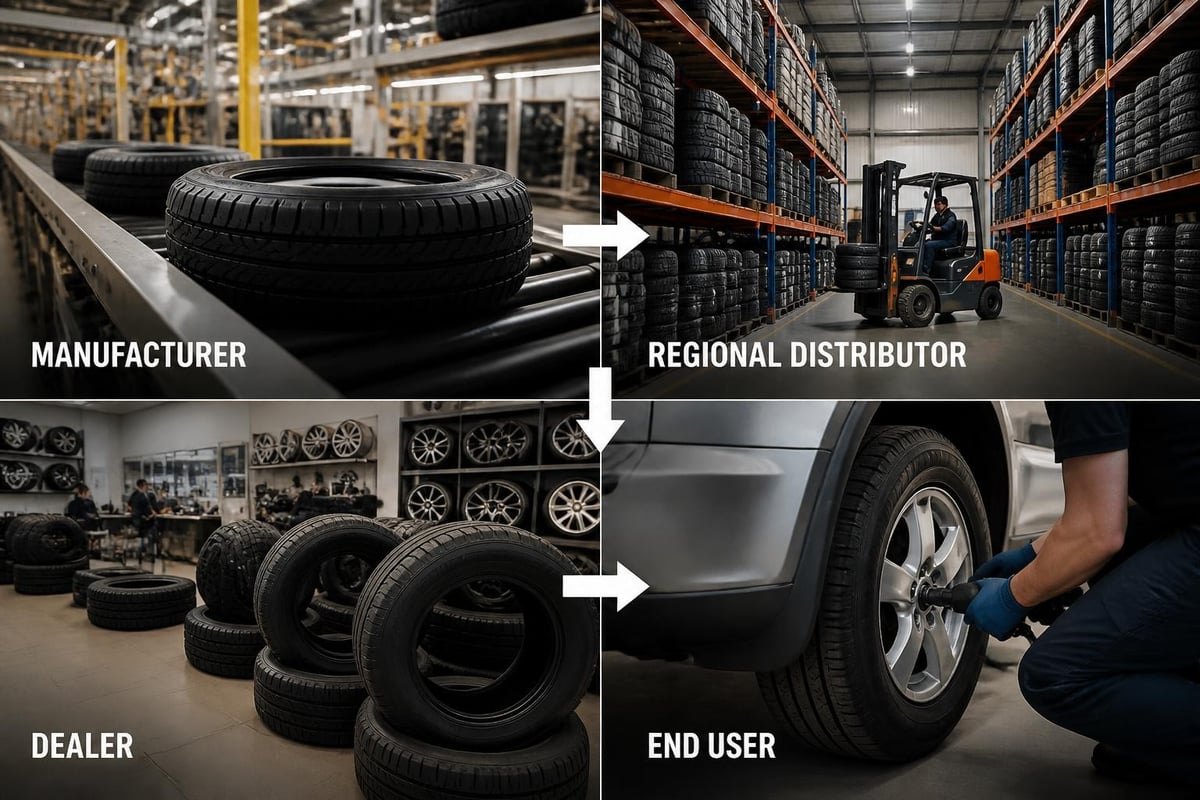
Distribution channels have also fragmented, creating new pathways to market:
- Traditional wholesale distributors serving independent dealers
- Direct-to-fleet programs for large commercial operations
- E-commerce platforms reaching smaller buyers
- Regional consolidators aggregating demand
- Specialized industrial equipment dealers
Each channel requires different pricing strategies, service levels, and technical support commitments. Successful distributors in 2026 will excel at managing multiple channels simultaneously without creating internal competition or channel conflict.
Pricing Strategies That Drive Profitability
Effective pricing remains one of the most critical factors in tire sales success. Distributors must balance competitive pressure against margin requirements while accounting for freight costs, inventory carrying expenses, and payment terms. Consumer preferences show a clear trend towards value-oriented products, with buyers seeking optimal balance between price and quality rather than simply choosing the lowest-cost option.
This shift creates opportunities for distributors who can articulate value propositions beyond basic pricing. Technical specifications, warranty coverage, service life expectations, and total cost of ownership become important selling points. Distributors who invest in sales training and technical knowledge enable their teams to have these higher-level conversations with customers.
Volume-Based and Loyalty Programs
Tiered pricing structures reward larger purchases and repeat business while protecting distributors from constant price pressure. Effective programs typically include:
- Base wholesale pricing for standard orders
- Volume discounts at predetermined purchase thresholds
- Annual rebates based on total yearly purchases
- Early payment incentives to improve cash flow
- Exclusive product access for top-tier customers
These programs must be carefully structured to avoid margin erosion while genuinely rewarding customer loyalty. The most successful distributors review and adjust their programs quarterly based on actual purchase patterns and competitive intelligence.
| Pricing Tier | Annual Purchase Volume | Discount Level | Additional Benefits |
|---|---|---|---|
| Standard | Below $50,000 | Base price | Standard warranty |
| Silver | $50,000 – $150,000 | 5-8% | Extended terms |
| Gold | $150,000 – $400,000 | 9-12% | Marketing support |
| Platinum | Above $400,000 | 13-15% | Exclusive products |
Inventory Management and Product Mix
Strategic inventory management directly impacts tire sales performance and profitability. Distributors must maintain sufficient stock to meet immediate demand while avoiding excess inventory that ties up capital and risks obsolescence. The breadth of product offerings in 2026 makes this balancing act increasingly complex, with thousands of SKUs across passenger, commercial, agricultural, and specialty segments.
Data-driven inventory systems have become essential tools for modern tire distributors. These systems analyze historical sales patterns, seasonal variations, regional preferences, and emerging trends to optimize stock levels across locations. Leading distributors now use predictive analytics to anticipate demand shifts before they fully materialize in sales data.
Balancing Breadth and Depth
Distributors face a fundamental choice between carrying a wide range of products (breadth) or maintaining deep inventory in fewer SKUs (depth). The optimal approach depends on market positioning, customer base composition, and warehouse capacity. Large regional distributors typically favor breadth to serve diverse customer needs, while specialized distributors achieve competitive advantages through depth in specific segments.
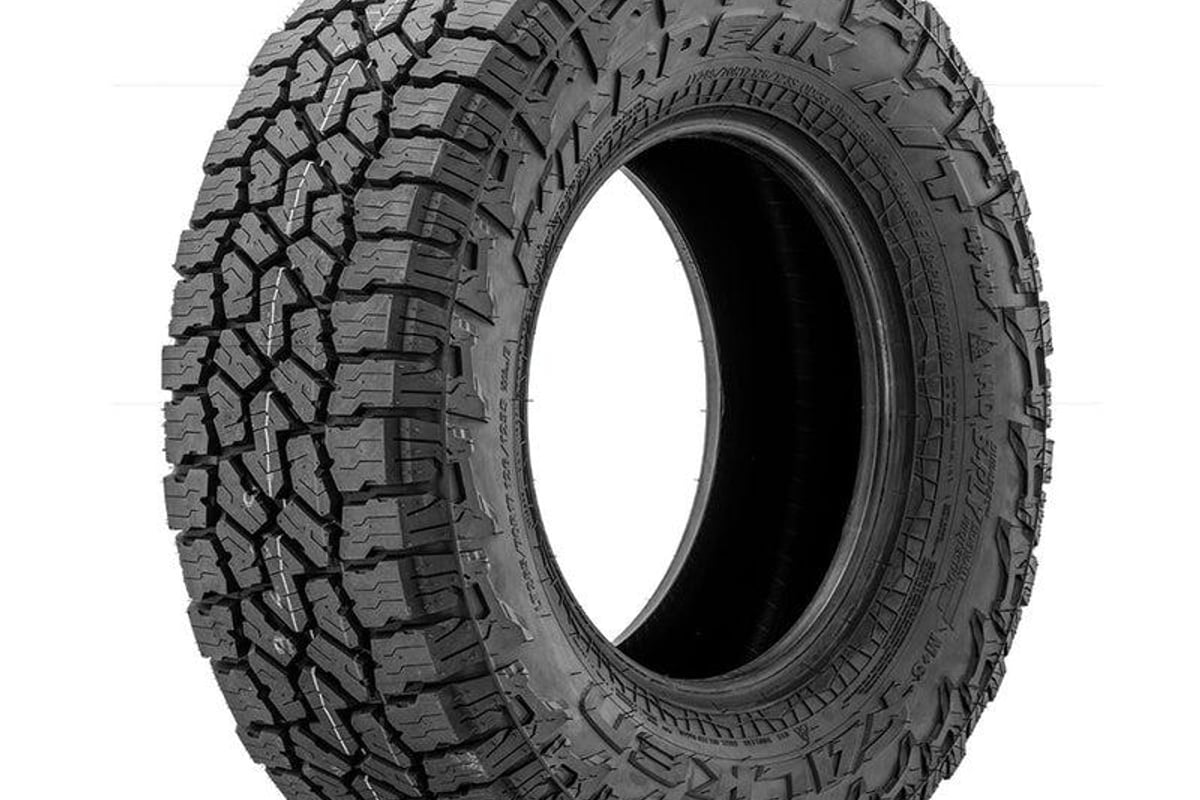
For manufacturers like those producing semi truck and bus radial TBR tires, finding distributors who maintain appropriate inventory depth ensures consistent product availability. Our Semi Truck Tires from Thailand cover steer, drive, and trailer positions with specialized patterns for each application, requiring distributors to stock multiple SKUs to serve commercial fleet customers effectively.
Customer Relationship Management in Tire Sales
Building and maintaining strong customer relationships separates successful tire distributors from marginal performers. While price and product availability matter, customers increasingly value technical expertise, responsive service, and proactive communication. Distributors who invest in relationship-building activities see higher customer retention rates, larger average order sizes, and more predictable revenue streams.
Modern customer relationship management extends beyond personal interactions to include digital touchpoints, educational content, and value-added services. Distributors should maintain regular contact through multiple channels:
- Quarterly business reviews with major accounts
- Technical training sessions on new products
- Email newsletters with industry updates
- Online ordering portals for convenience
- Mobile apps for inventory checks and quotes
These touchpoints keep distributors top-of-mind when purchasing decisions occur while demonstrating ongoing commitment to customer success.
Technical Support as a Competitive Advantage
The complexity of modern tire technology creates opportunities for distributors with strong technical capabilities. Customers increasingly seek guidance on proper tire selection for specific applications, maintenance best practices, and troubleshooting performance issues. Distributors who provide expert technical support differentiate themselves from competitors who function purely as order takers.
Effective technical support programs include documented product specifications, application guides, installation instructions, and troubleshooting resources. Sales teams should receive ongoing training on tire technology, industry standards, and competitive products to answer questions confidently and accurately.
Marketing and Lead Generation Approaches
Proactive marketing efforts expand tire sales beyond existing customer bases and create new growth opportunities. While referrals and repeat business provide stable revenue foundations, systematic lead generation activities identify new prospects and market segments. Distributors in 2026 employ diverse marketing tactics across traditional and digital channels.
Digital marketing has become particularly important for tire distributors. Research on search engine advertising demonstrates measurable impact on sales over time, making paid search a valuable channel for distributors targeting commercial buyers. Organic search visibility through content marketing and technical resources also drives qualified traffic from buyers researching tire options.
Content Marketing for Authority Building
Educational content establishes distributors as trusted authorities in their markets. Effective content addresses customer questions, explains technical concepts, and provides practical guidance. Common content formats include:
- Blog articles on tire selection and maintenance
- Product comparison guides for different applications
- Video tutorials on installation procedures
- Downloadable specification sheets
- Case studies demonstrating successful applications
- Industry trend reports and market analysis
This content serves multiple purposes simultaneously, supporting both lead generation and customer education while improving search engine visibility for relevant keywords.
Adapting to Industry Trends and Disruptions
The tire industry faces several significant trends that will reshape tire sales strategies in coming years. Understanding these trends and adapting proactively positions distributors for sustained success. Industry analysis for 2026 highlights electric vehicle adoption, recycling regulations, and sustainability requirements as key factors affecting tire shops and distributors.
Electric vehicles present both challenges and opportunities for tire distributors. EVs require specialized tires designed to handle increased weight and instant torque delivery while maintaining low rolling resistance for maximum range. As EV adoption accelerates, distributors must expand their product knowledge and inventory to serve this growing segment effectively.
Sustainability and Environmental Compliance
Environmental regulations increasingly influence tire sales and distribution. Many jurisdictions now mandate tire recycling programs, impose restrictions on certain materials, and require documentation of environmental compliance. Distributors must understand these regulations and help customers navigate compliance requirements.
Sustainability also affects purchasing decisions as fleet operators and retail customers prioritize environmentally responsible products. Tire manufacturers focusing on sustainable materials, reduced rolling resistance, and extended service life gain competitive advantages with environmentally conscious buyers.
| Trend | Impact on Distributors | Required Response |
|---|---|---|
| EV Adoption | New tire specifications | Expand product knowledge |
| Sustainability | Customer preferences shift | Stock eco-friendly options |
| Digital Commerce | More online purchasing | Enhance digital capabilities |
| Fleet Consolidation | Fewer, larger customers | Develop enterprise programs |
| Supply Chain Complexity | Availability challenges | Diversify supplier base |
Navigating Economic Cycles and Market Fluctuations
Economic conditions significantly impact tire sales across all segments. Commercial tire demand correlates closely with freight volumes and industrial activity, while passenger tire sales respond to consumer confidence and discretionary spending. Distributors must develop strategies that maintain profitability through both growth periods and downturns.
Recent market data shows these cyclical patterns clearly. Goodyear’s 2.3% decline in tire sales during Q2 2025 illustrates how even major manufacturers face sales pressure during certain periods. Meanwhile, retail sellout data shows flattening after months of growth, demonstrating the importance of monitoring market indicators closely.
Successful distributors build resilience through several approaches. Financial discipline maintains healthy cash reserves and credit lines for weathering slow periods. Product diversification across multiple segments reduces dependence on any single market. Geographic expansion spreads risk across regions with different economic cycles.
Building Competitive Advantages Through Service Excellence
Superior service quality creates lasting competitive advantages that pricing alone cannot overcome. When distributors consistently deliver exceptional service, customers develop loyalty that withstands competitive pricing pressure. Service excellence in tire sales encompasses multiple dimensions including order accuracy, delivery reliability, problem resolution, and proactive communication.
Leading distributors establish service standards across their organizations and measure performance against these benchmarks. Common metrics include:
- Order fulfillment accuracy rates
- On-time delivery percentages
- Average response times to inquiries
- Customer satisfaction scores
- Return and complaint resolution times
- Technical support availability and quality
Regular monitoring of these metrics identifies improvement opportunities and ensures consistent customer experiences across all touchpoints.

Developing Sales Team Capabilities
The quality of sales personnel directly affects tire sales outcomes. Professional, knowledgeable sales representatives build trust with customers and close business more effectively than undertrained or unprofessional staff. Distributors should invest in comprehensive training programs covering product knowledge, sales techniques, customer service skills, and industry regulations.
Ongoing professional development keeps sales teams current with new products, emerging trends, and evolving customer needs. Regular training sessions, product demonstrations, and industry education ensure representatives maintain expertise throughout their careers. Compensation structures should reward both individual performance and team collaboration to build cohesive sales organizations.
Leveraging Technology for Sales Efficiency
Technology adoption has become essential for competitive tire sales operations. Modern distributors employ sophisticated systems for inventory management, order processing, customer relationship management, and business analytics. These technologies improve operational efficiency while enhancing customer experiences through faster response times and greater accuracy.
Key technology investments for tire distributors include enterprise resource planning systems integrating all business functions, customer relationship management platforms tracking interactions and opportunities, e-commerce websites enabling online ordering, and business intelligence tools providing actionable insights from sales data. Mobile applications extend these capabilities to field sales representatives and customers.
Integration between systems eliminates duplicate data entry and ensures consistency across the organization. When a sales representative updates customer information in the CRM system, that change should automatically flow to the ERP system, e-commerce platform, and any other connected applications. This integration reduces errors while saving time for more productive activities.
Successful tire sales in 2026 require distributors to excel across multiple dimensions including pricing strategy, inventory management, customer relationships, and service delivery. Market trends toward electric vehicles, sustainability, and digital commerce create both challenges and opportunities for forward-thinking distributors. By understanding these dynamics and implementing proven strategies, tire distributors can achieve profitable growth while building lasting competitive advantages. OTR TIRE THAI partners with distributors across more than 80 countries, providing premium quality tires at wholesale prices across agricultural, commercial, industrial, and specialty segments. Our comprehensive product range and commitment to international quality standards help distributors meet diverse customer needs while maintaining competitive pricing and reliable availability.
