Blog
All Season Tyres: Complete Guide for Fleet Managers

Jul
The global tire industry has witnessed a significant shift in recent years as fleet managers and vehicle operators increasingly recognize the practical advantages of all season tyres. Unlike traditional summer or winter tire configurations that require seasonal swaps, all season tyres offer a compelling compromise for commercial operations seeking to optimize both performance and operational efficiency. For distributors and fleet operators managing diverse vehicle portfolios across varying climatic zones, understanding the technical specifications, performance characteristics, and strategic applications of all season tyres has become essential to maintaining competitive advantage while ensuring driver safety and minimizing total cost of ownership.
Understanding All Season Tyre Technology
All season tyres represent an engineering evolution designed to bridge the performance gap between dedicated summer and winter tire compounds. The fundamental challenge tire manufacturers face is developing a tread compound and pattern that maintains flexibility and grip across a temperature range spanning from below freezing to summer heat.
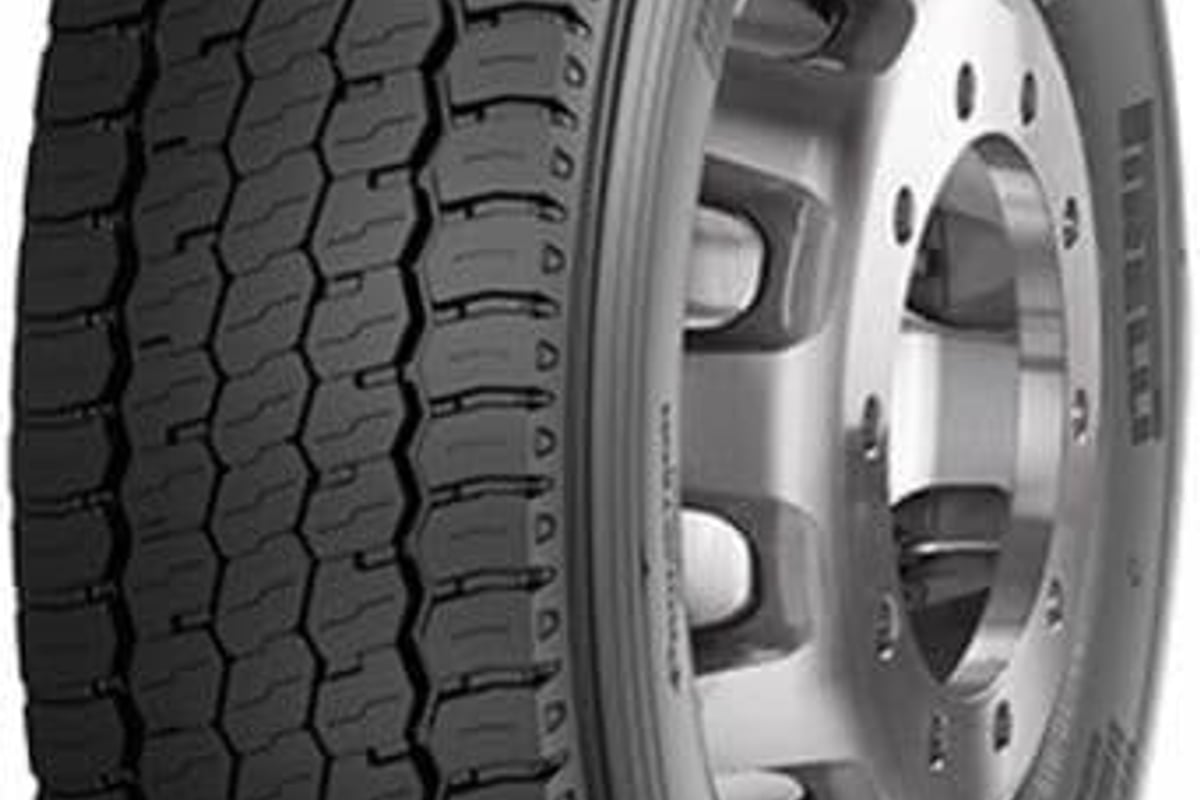
Modern all season tyres utilize specialized rubber compounds that remain pliable in cold conditions while resisting excessive wear during warmer months. The tread pattern typically features moderate siping-those small slits cut into the tread blocks-that provide additional biting edges for traction on wet or light snow-covered surfaces without compromising dry-weather stability.
Key Design Elements
The construction of all season tyres incorporates several critical components that differentiate them from seasonal alternatives:
- Tread compound formulation balancing winter grip with summer durability
- Moderate tread depth typically ranging from 10/32" to 12/32" when new
- Symmetrical or asymmetrical patterns optimized for multi-directional water evacuation
- Reinforced sidewall construction for commercial vehicle load requirements
- Variable void ratios managing snow traction and hydroplaning resistance
According to Continental’s technical specifications, the tread compound in quality all season tyres contains a higher percentage of natural rubber and silica than summer tires, enhancing cold-weather flexibility while maintaining heat resistance during sustained highway operation.

Performance Characteristics Across Operating Conditions
Fleet managers evaluating all season tyres must understand performance trade-offs across different operational scenarios. While these tyres excel in moderate conditions, they represent a compromise rather than specialized optimization for extreme environments.
Wet Weather Performance
In wet conditions, all season tyres demonstrate reliable hydroplaning resistance through circumferential grooves that channel water away from the contact patch. The siping density provides additional edges that bite through water films, maintaining traction during acceleration and braking. Testing by independent automotive organizations shows that premium all season tyres perform within 5-10% of dedicated summer tires in wet braking distances at temperatures above 45°F.
Dry Pavement Operations
On dry roads, all season tyres deliver predictable handling and stable cornering characteristics suitable for commercial vehicle operations. The tread blocks maintain sufficient stiffness to resist excessive squirm during loaded cornering, though dedicated summer tires typically offer superior dry grip due to their optimized compound formulations.
| Condition | All Season Performance | Summer Tyre Comparison | Winter Tyre Comparison |
|---|---|---|---|
| Dry (>50°F) | 85-90% | 100% baseline | 70-75% |
| Wet (>45°F) | 90-95% | 100% baseline | 75-80% |
| Light Snow | 80-85% | 40-50% | 100% baseline |
| Ice | 60-65% | 30-35% | 100% baseline |
Cold Weather and Light Snow Capability
The defining advantage of all season tyres emerges in transitional weather conditions. When temperatures drop below 45°F but roads remain primarily clear with occasional snow, all season tyres maintain adequate traction without the dramatic performance degradation exhibited by summer tires. The TyreSafe organization confirms that vehicles equipped with quality all season tyres demonstrate 40-60% better snow traction than summer tires while maintaining year-round serviceability.
Commercial Fleet Applications and Strategic Deployment
For commercial operations, all season tyres offer distinct advantages in specific deployment scenarios. Understanding where these tires deliver optimal value helps fleet managers make informed procurement decisions that balance performance requirements with operational economics.
Regional Delivery and Urban Operations
Vehicles operating primarily in metropolitan areas with mild winter conditions represent ideal candidates for all season tyre deployment. Delivery vans, service trucks, and urban commercial vehicles benefit from eliminating seasonal tire changes while maintaining adequate performance during occasional winter weather events.
The cost-benefit analysis becomes particularly favorable when considering labor costs and downtime associated with twice-yearly tire swaps. A fleet of 50 vehicles can save 100-150 labor hours annually by maintaining a single set of all season tyres rather than managing seasonal changeovers.
Light Truck and SUV Configurations
Light commercial trucks and SUVs used for mixed-surface operations frequently leverage all season tyres to maintain traction across varied terrain. Light truck tire applications increasingly incorporate all-season tread patterns that deliver acceptable performance on job sites while providing confident highway transportation.
For distributors serving construction, utility, and service industries, offering quality all season tyres for light trucks addresses a growing market segment that values operational simplicity without compromising safety margins.

Selection Criteria for Commercial Operations
Choosing appropriate all season tyres for commercial fleets requires evaluating multiple technical and operational factors beyond simple price comparison. Fleet managers should develop systematic selection processes that account for specific use cases and performance requirements.
Load Rating and Durability Specifications
Commercial vehicle applications demand tires engineered to handle sustained loads while delivering acceptable service life. When evaluating all season tyres, verify that load index ratings exceed maximum vehicle weights with appropriate safety margins. Most commercial applications require Load Range E or higher construction to accommodate payload requirements.
Premium all season tyres designed for commercial service typically feature reinforced internal belt packages and enhanced sidewall construction compared to passenger car variants. These structural improvements prevent premature failure under loaded conditions while maintaining ride quality.
Tread Life Expectations and Warranty Coverage
Realistic tread life projections significantly impact total cost calculations for fleet operations. Quality all season tyres from reputable manufacturers should deliver 40,000-60,000 miles in commercial service when properly maintained and rotated according to manufacturer specifications.
- Highway-dominant operations: 50,000-65,000 mile expectancy
- Mixed urban/highway service: 40,000-50,000 mile expectancy
- Heavy urban stop-and-go: 35,000-45,000 mile expectancy
- Loaded trailer applications: 30,000-40,000 mile expectancy
According to comprehensive tire testing, tread life varies significantly across brands and price points, with premium offerings typically delivering 25-35% longer service life than economy alternatives. For commercial operations seeking to optimize tire investments, understanding quality tire specifications helps identify products that deliver superior value over their service life.
Three-Peak Mountain Snowflake Certification
Fleet managers operating in regions with mandatory winter tire regulations should verify that selected all season tyres carry the Three-Peak Mountain Snowflake (3PMSF) symbol. This certification indicates the tire has passed standardized snow traction testing and meets minimum performance thresholds for winter service.
The 3PMSF designation has become increasingly important as European and North American jurisdictions expand winter tire requirements. Some all season tyres carry the M+S (Mud and Snow) marking without achieving 3PMSF certification, offering substantially lower snow performance than certified alternatives.
Cost Analysis and Total Ownership Economics
The financial case for all season tyres extends beyond purchase price to encompass multiple operational cost factors that impact fleet profitability. Sophisticated fleet managers develop comprehensive total cost of ownership models that capture direct and indirect expenses across the tire service lifecycle.
Initial Investment Considerations
All season tyres typically command 10-25% price premiums over comparable summer tires due to more complex compound formulations and tread designs. However, this incremental cost must be evaluated against the expense of purchasing and storing dual tire sets for seasonal deployment.
| Cost Component | All Season Strategy | Dual Set Strategy |
|---|---|---|
| Initial tire purchase | $800-1,200/vehicle | $1,200-1,800/vehicle |
| Seasonal changeover (2x/year) | $0 | $120-200/vehicle |
| Storage costs | Minimal | $50-100/vehicle |
| Annual total (first year) | $800-1,200 | $1,370-2,100 |
For fleets operating 20+ vehicles, all season tyres eliminate storage facilities for off-season inventory and reduce inventory management complexity. The operational simplification allows maintenance teams to focus resources on critical vehicle systems rather than managing tire changeovers.
Fuel Efficiency Impact
Rolling resistance characteristics significantly influence fuel consumption in commercial operations. Quality all season tyres engineered with low-rolling-resistance compounds can achieve fuel economy comparable to summer tires while maintaining adequate winter traction. Expert analysis from tire manufacturers suggests that premium all season tyres typically reduce fuel economy by 1-3% compared to optimized summer tires, representing acceptable trade-offs for most commercial applications.
For highway-intensive operations where fuel costs represent 20-30% of operating expenses, even small efficiency differences compound significantly over vehicle lifetimes. Fleet managers should request rolling resistance coefficients during tire selection to quantify fuel impact across their specific duty cycles.

Maintenance Requirements and Service Life Optimization
Maximizing all season tyre performance and longevity requires disciplined maintenance protocols that address the unique characteristics of these products. Commercial fleets should implement systematic inspection and rotation schedules that account for compound properties and tread wear patterns.
Pressure Management and Temperature Monitoring
All season tyres demonstrate greater pressure sensitivity across temperature ranges than summer-only products due to their compound formulations. Establishing robust tire pressure monitoring protocols prevents underinflation that accelerates shoulder wear and compromises fuel efficiency.
Modern tire pressure monitoring systems (TPMS) provide real-time inflation data that enables proactive pressure maintenance. For commercial fleets without TPMS infrastructure, weekly manual pressure checks at ambient temperature provide minimum oversight to prevent premature tire degradation.
Rotation Intervals and Pattern Optimization
Regular rotation extends all season tyre life by distributing wear evenly across all wheel positions. Commercial vehicles should implement rotation schedules every 6,000-8,000 miles or during routine maintenance intervals, whichever occurs first.
The appropriate rotation pattern depends on vehicle configuration and drive type. For front-wheel drive commercial vans and light trucks, a forward cross pattern moves front tires straight back while crossing rear tires to opposite front positions. Rear-wheel drive vehicles typically benefit from a rearward cross pattern that reverses this sequence.
Alignment and Suspension System Integration
Proper wheel alignment critically impacts all season tyre performance and service life. Misalignment causes uneven tread wear that reduces both traction and longevity, potentially degrading a tire's winter performance characteristics before the tread reaches minimum depth specifications.
Commercial vehicles should receive alignment verification every 12,000 miles or whenever handling characteristics change. Suspension component wear also influences tire performance, making comprehensive tire inspection protocols essential for maintaining fleet safety and efficiency.
Regional Climate Considerations and Geographic Deployment
The suitability of all season tyres varies significantly based on regional climate patterns and temperature extremes. Fleet managers must evaluate local weather data and operating conditions to determine where all season configurations deliver acceptable performance versus scenarios requiring dedicated seasonal tires.
Moderate Climate Applications
Regions experiencing mild winters with average low temperatures above 20°F represent optimal environments for all season tyre deployment. Areas including the southern United States, coastal regions, and moderate European climates allow all season tyres to perform near their design intent throughout the annual cycle.
In these markets, the What Car? analysis demonstrates that quality all season tyres deliver 90%+ of summer tire performance during warm months while providing adequate winter traction during occasional cold weather events. This performance envelope matches requirements for most commercial operations in moderate climates.
Cold Weather Limitations
Fleet managers operating in regions with sustained sub-freezing temperatures and significant snowfall should carefully evaluate whether all season tyres meet safety and performance requirements. Areas experiencing winter average temperatures below 15°F or routine snowfall exceeding six inches typically benefit from dedicated winter tire deployment.
The compound formulations in all season tyres begin losing flexibility below 10°F, resulting in reduced traction and extended braking distances on ice and packed snow. Commercial operations prioritizing driver safety in severe winter conditions should consider dedicated winter tire programs rather than compromising with all season alternatives.
Multi-Regional Fleet Strategies
For distributors and fleet operators managing vehicles across diverse climate zones, implementing tiered tire strategies optimizes both performance and cost efficiency. Vehicles permanently assigned to moderate regions can utilize all season tyres year-round, while units operating in severe winter climates receive dedicated seasonal tire sets.
This targeted approach allows fleet managers to capture all season tyre benefits where appropriate while ensuring adequate winter performance in demanding environments. Geographic vehicle tracking systems facilitate implementation by identifying which units qualify for all season deployment based on operational territories.
Industry Standards and Regulatory Compliance
Commercial tire selection must account for applicable regulatory requirements and industry standards that govern minimum performance thresholds and safety specifications. Understanding these frameworks ensures fleet compliance while protecting operators from liability exposure.
Department of Transportation Certification
In the United States, all commercial vehicle tires must meet Department of Transportation (DOT) specifications covering construction quality, performance characteristics, and labeling requirements. All season tyres intended for commercial service should display proper DOT certification markings confirming compliance with Federal Motor Vehicle Safety Standards.
Fleet managers purchasing tires for commercial operations should verify DOT approval and request documentation confirming compliance with current standards. Reputable tire manufacturers maintain comprehensive certification portfolios demonstrating adherence to international quality benchmarks.
European ECE Regulations
European markets impose additional requirements through Economic Commission for Europe (ECE) regulations that establish performance standards for tire noise, wet grip, and rolling resistance. Commercial fleets operating in European territories must ensure all season tyres meet applicable ECE specifications and display proper labeling.
The European tire label provides standardized information about fuel efficiency, wet grip performance, and exterior noise levels, enabling informed comparison across products. Distributors serving European markets should familiarize themselves with these requirements to ensure product compliance.
Winter Tire Mandate Compliance
Several jurisdictions including parts of Canada, Scandinavia, and Alpine regions enforce mandatory winter tire requirements during specified months. Fleet managers must verify whether proposed all season tyres satisfy local winter tire mandates or if dedicated winter products are required.
Many modern all season tyres carrying 3PMSF certification meet winter tire requirements in most jurisdictions, though some localities maintain specific standards that exclude certain all season products. Consulting with local transportation authorities before deployment prevents compliance issues and potential fines.
Emerging Technologies and Future Developments
The tire industry continues advancing all season tyre technology through materials science innovations, manufacturing process improvements, and data-driven performance optimization. Understanding emerging trends helps fleet managers anticipate future capabilities and plan long-term procurement strategies.
Advanced Compound Formulations
Recent developments in polymer chemistry enable tire manufacturers to create increasingly sophisticated all season compounds that narrow performance gaps with dedicated seasonal tires. Silane-modified silica compounds demonstrate improved wet traction while maintaining low rolling resistance, addressing two historically competing objectives.
Nano-scale reinforcing fillers enhance compound strength and durability without increasing weight or sacrificing flexibility. These material advances allow current generation all season tyres to deliver performance characteristics that rival dedicated summer tires in moderate conditions while maintaining acceptable winter capability.
Intelligent Tread Design Systems
Computer-aided design and finite element analysis enable engineers to optimize tread patterns with unprecedented precision. Modern all season tyres incorporate variable pitch sequences that minimize road noise, strategically positioned sipes that activate under specific load conditions, and three-dimensional geometry that maintains tread block stiffness during cornering while enhancing snow traction.
These sophisticated designs allow single tread patterns to perform effectively across diverse conditions that previously required multiple specialized configurations. Fleet managers benefit from simplified inventory management while maintaining performance standards across their operational envelope.
Predictive Wear Monitoring Integration
Emerging sensor technologies embedded within tire structures enable real-time monitoring of tread depth, temperature, and pressure conditions. These systems provide predictive analytics that forecast remaining service life and identify developing issues before they compromise safety or performance.
For commercial fleets managing hundreds of vehicles across dispersed locations, predictive tire monitoring reduces inspection costs while improving maintenance scheduling accuracy. Integration with fleet management systems allows automated work order generation when tires approach replacement thresholds, optimizing maintenance efficiency.
All season tyres deliver compelling value for commercial fleets operating in moderate climates where year-round performance, operational simplicity, and cost efficiency align with business objectives. By understanding technical specifications, deployment strategies, and maintenance requirements, fleet managers can leverage these versatile products to optimize their tire programs while maintaining safety and performance standards. As a leading tire manufacturer serving distributors worldwide, OTR TIRE THAI offers premium quality all season tyres engineered to meet the demanding requirements of commercial operations, backed by international certifications and competitive wholesale pricing that helps your business deliver value to customers across diverse markets.