
Blog
Great Tire Brands: How to Choose Quality Tires in 2026
Aug
Selecting the right tires requires understanding what separates great tire brands from mediocre ones. In 2026, the global tire market continues to evolve with advanced materials, smarter manufacturing processes, and increasingly sophisticated performance metrics. Whether you're a fleet manager, distributor, or procurement specialist, recognizing the hallmarks of quality tire manufacturing helps you make informed decisions that balance performance, safety, longevity, and total cost of ownership. This guide examines the characteristics that define great tire brands and provides actionable criteria for evaluating manufacturers across passenger, commercial, and specialty segments.
What Defines Great Tire Brands in Today's Market
Great tire brands share several fundamental attributes that set them apart from commodity manufacturers. These characteristics extend beyond marketing claims to measurable outcomes in real-world applications.
Performance Consistency Across Product Lines
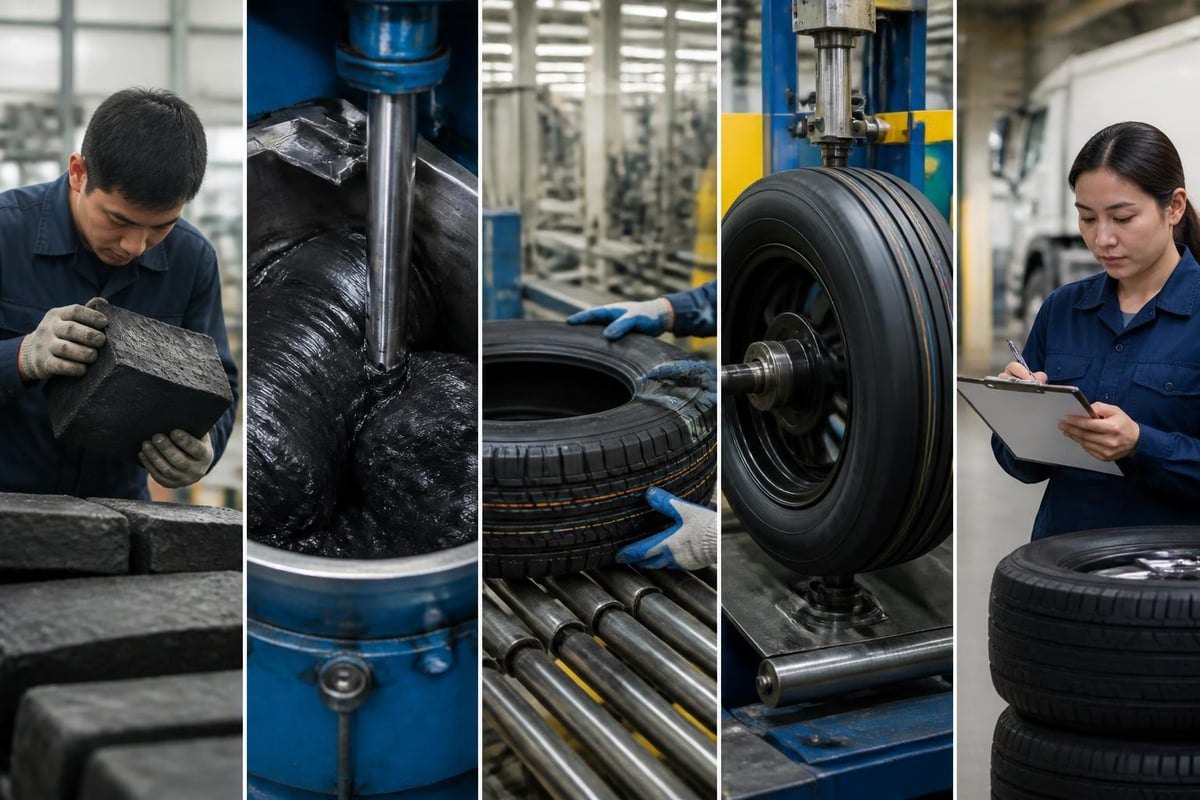
Top-tier manufacturers maintain strict quality control standards that ensure consistent performance whether you're purchasing passenger car radials, commercial truck tires, or specialty OTR products. This consistency stems from:
- Advanced compound formulation with precise mixing ratios
- Computerized quality checks at every production stage
- Rigorous batch testing for uniformity and balance
- Statistical process control to minimize variation
When evaluating manufacturers, examine their entire product portfolio rather than focusing solely on flagship models. Great tire brands deliver reliable performance across their complete range, not just in premium segments where profit margins support additional investment.
| Quality Indicator | Premium Brands | Mid-Tier Brands | Budget Brands |
|---|---|---|---|
| Compound consistency | ±2% variation | ±5% variation | ±10% variation |
| Manufacturing tolerances | ISO/TS 16949 | ISO 9001 | Variable |
| Testing frequency | Every batch | Sample testing | Periodic audits |
| Warranty coverage | 5-7 years | 3-5 years | 1-3 years |
Independent Testing and Certification Standards
Credible tire brands submit their products to independent evaluation by organizations such as Consumer Reports, which conducts comprehensive testing for braking distance, snow traction, hydroplaning resistance, noise levels, and tread wear. These third-party assessments provide objective data that helps buyers verify manufacturer claims.
Look for certifications including DOT (Department of Transportation), ECE (Economic Commission for Europe), and region-specific standards that demonstrate compliance with safety and performance benchmarks. Great tire brands actively pursue these certifications across their global distribution networks rather than treating them as optional add-ons for specific markets.
Key Performance Categories That Matter
Understanding how manufacturers excel in specific performance domains helps match tire brands to your application requirements. Different use cases demand different priorities.
Wet and Dry Traction Engineering
Traction performance directly affects vehicle safety and operational efficiency. Premium manufacturers invest heavily in tread pattern simulation, compound chemistry, and real-world validation testing to optimize grip across varying conditions.
Critical traction factors include:
- Tread pattern geometry and void ratio
- Sipe density and orientation for wet surfaces
- Compound glass transition temperature for cold weather
- Contact patch pressure distribution
Tire Rack’s comprehensive testing methodology demonstrates how controlled track testing reveals performance differences between brands. Their instrumented vehicles measure braking distances, lateral acceleration, and subjective handling characteristics that correlate with real-world safety outcomes.
Tread Life and Wear Characteristics
Total cost of ownership depends heavily on how many miles you extract from each tire. Great tire brands engineer tread compounds that resist abrasion while maintaining flexibility throughout the tire's service life.
Evaluating tread life requires examining:
- Manufacturer tread wear warranties (measured in miles or kilometers)
- Uniform Tire Quality Grading (UTQG) treadwear ratings
- Field performance data from fleet operators
- Wear pattern symmetry across the contact patch
The Tire Industry Association publishes industry-wide statistics on average tread life by category, providing useful benchmarks for comparing manufacturer claims against market norms. Be cautious of brands that significantly exceed industry averages without supporting test data, as these claims often fail to materialize in actual service.
Commercial and Specialty Tire Considerations
While passenger car tires receive the most consumer attention, commercial and specialty segments reveal perhaps even more about a manufacturer's technical capabilities and quality commitment.
Heavy-Duty Construction and Casing Durability
Commercial truck tires, agricultural tires, and OTR products endure significantly higher loads and harsher operating conditions than passenger vehicles. Great tire brands engineering their commercial lines with reinforced casings, heat-resistant compounds, and damage-resistant sidewalls.
Evaluate commercial tire manufacturers based on:
- Ply rating and load capacity margins
- Retreadability and casing life potential
- Cut and puncture resistance in the tread and sidewall
- Heat dissipation characteristics for sustained highway speeds
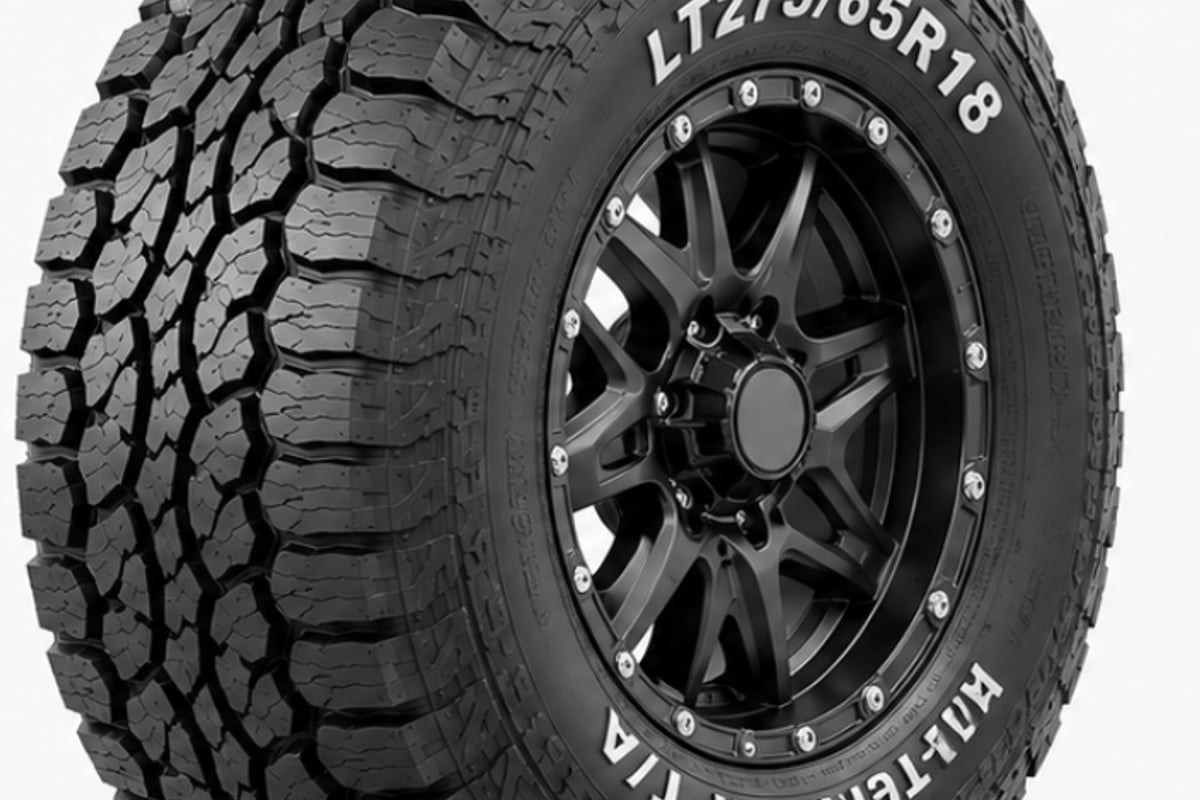
Our semi truck tires from Thailand exemplify these engineering priorities with steer tires featuring optimized five-rib patterns for straight-line stability, drive tires using deep closed-shoulder lug designs with stone ejectors, and trailer tires built with low-rolling-resistance compounds that help fleets meet EPA SmartWay efficiency standards.
| Tire Position | Key Design Feature | Performance Benefit |
|---|---|---|
| Steer | Five-rib stability pattern | Even wear, precise tracking |
| Drive | Closed-shoulder lug with ejectors | Long-haul durability, traction |
| Trailer | Low-rolling-resistance compound | Fuel efficiency, SmartWay compliance |
Application-Specific Engineering
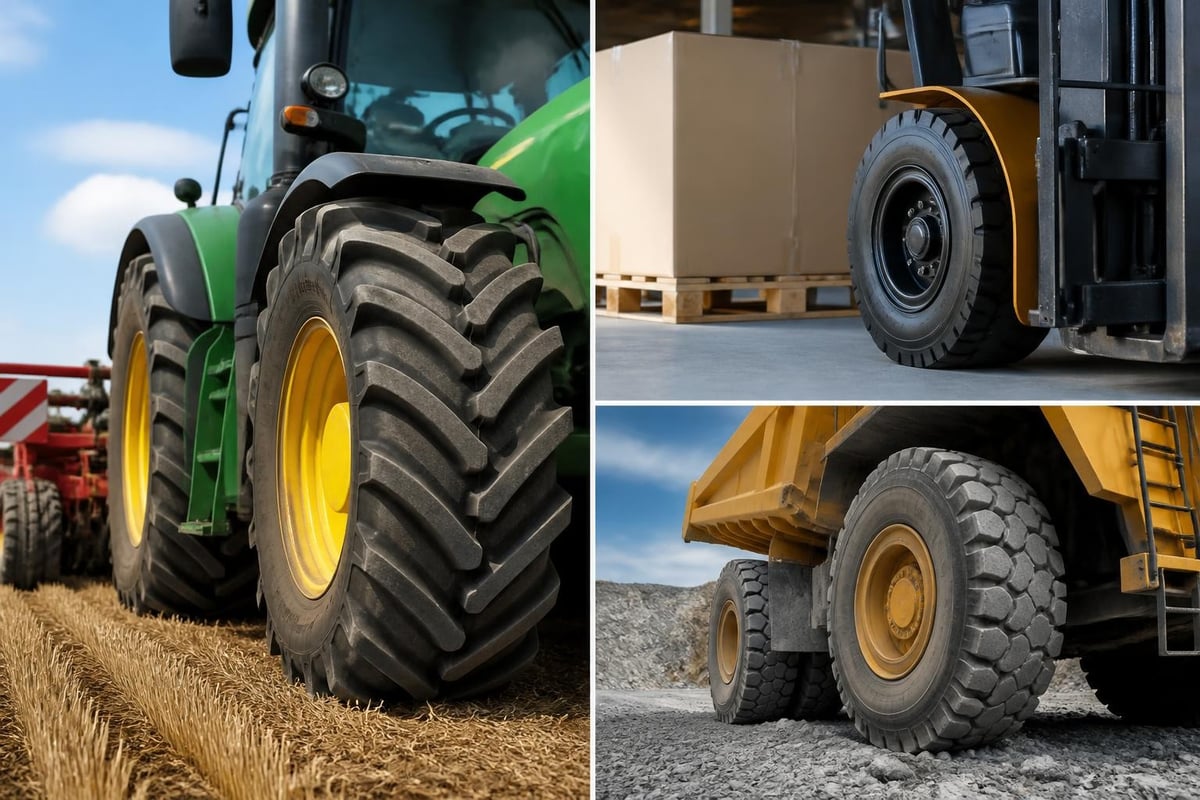
Specialty segments such as agricultural, forklift, and industrial tires require manufacturers to understand unique operational demands. Great tire brands maintain dedicated engineering teams for each specialty category rather than adapting passenger tire designs.
Agricultural tires must balance soil compaction minimization with traction in muddy conditions. Forklift tires prioritize stability during load handling and resistance to tearing on rough warehouse floors. Each application demands specific compound formulations, tread patterns, and construction methods.
Warranty Coverage and Customer Support Infrastructure
Great tire brands back their products with comprehensive warranty programs and accessible customer support networks. These commitments reveal manufacturer confidence and provide practical recourse when issues arise.
Understanding Warranty Terms
Tire warranties typically cover three distinct areas:
- Tread life warranties guarantee a minimum mileage before the tire wears to 2/32" remaining depth
- Materials and workmanship warranties protect against manufacturing defects
- Road hazard coverage (when offered) provides replacement for punctures and impact damage
Read warranty fine print carefully, noting exclusions for commercial use, off-road operation, or specific vehicle types. Some manufacturers offer pro-rated coverage that reduces reimbursement as the tire ages, while others maintain full coverage throughout the warranty period.
Premium brands typically provide longer warranty periods and more favorable adjustment terms. They also maintain clear documentation requirements and streamlined claim processes that minimize downtime when warranty service is needed.
Global Distribution and Technical Support
For international distributors and fleet operators spanning multiple countries, manufacturer support infrastructure becomes critically important. Great tire brands establish regional distribution centers, technical support teams, and training programs that ensure consistent service quality worldwide.
Assess manufacturer support capabilities by examining:
- Number of countries served and regional warehouse locations
- Availability of technical data sheets in local languages
- Training programs for installation and maintenance best practices
- Response time for technical inquiries and warranty claims
Safety Performance and Third-Party Validation
Tire safety extends beyond basic manufacturing quality to encompass how tires perform in emergency situations and interact with vehicle safety systems.
Crash Avoidance and Vehicle Dynamics
Modern vehicles increasingly rely on electronic stability control, anti-lock braking systems, and advanced driver assistance features. These systems function optimally only when tires provide predictable, consistent grip characteristics.
The Insurance Institute for Highway Safety evaluates how vehicle systems work together to prevent crashes, and tire performance plays a crucial role in these assessments. Great tire brands design their products to complement electronic safety systems rather than simply meeting minimum traction standards.
Key safety performance metrics include:
- Emergency braking distance from 60 mph on wet and dry surfaces
- Lateral stability during evasive maneuvers
- Hydroplaning resistance at highway speeds
- Snow and ice traction for winter-rated products
Testing organizations publish detailed methodology explaining how they measure these characteristics, providing transparency that helps buyers understand what performance ratings actually mean in practice.
Load Capacity and Speed Rating Accuracy
Commercial and specialty tire applications demand accurate load capacity ratings and appropriate speed ratings for the intended service. Great tire brands conduct extensive validation testing to ensure their published specifications provide adequate safety margins.
Underrating load capacity creates obvious safety risks, but overrating capacity can be equally problematic by encouraging operators to exceed safe operating parameters. Reputable manufacturers use conservative rating methodologies and clearly document operating limitations for mixed service conditions.
Environmental Responsibility and Sustainability
Environmental performance has become an increasingly important differentiator among great tire brands as regulations tighten and customers prioritize sustainability.
Manufacturing Process Efficiency
Leading manufacturers invest in energy-efficient production equipment, waste reduction programs, and renewable energy sources. These initiatives reduce environmental impact while often improving product consistency through better process control.
Examine manufacturer sustainability reports for specific metrics:
- Energy consumption per tire manufactured
- Percentage of renewable energy in production mix
- Waste diversion rates and recycling programs
- Water usage and treatment processes
The EPA provides guidance on tire recycling and end-of-life tire management, highlighting the environmental significance of both manufacturing efficiency and product durability. Longer-lasting tires reduce the total number of units required over a vehicle's lifetime, directly decreasing resource consumption and waste generation.
Rolling Resistance and Fuel Efficiency
Lower rolling resistance reduces fuel consumption and associated emissions, delivering both environmental and economic benefits. Great tire brands engineer low-rolling-resistance compounds that maintain traction and durability while minimizing energy losses as the tire flexes during operation.
For commercial fleets, even small improvements in rolling resistance translate to significant fuel savings over millions of annual miles. Look for tires verified under programs such as EPA SmartWay or carrying the European Union tire label indicating fuel efficiency ratings.
Evaluating Brand Reputation and Market Position
Beyond measurable specifications, brand reputation provides valuable signals about long-term reliability and manufacturer stability.
Industry Recognition and Awards
Trade associations, testing organizations, and industry publications regularly recognize manufacturers for innovation, quality, and customer satisfaction. While awards should never be the sole evaluation criteria, consistent recognition across multiple independent sources validates manufacturer claims.
Great tire brands typically earn recognition in categories including:
- Product innovation and technology advancement
- Manufacturing quality and process excellence
- Customer service and warranty support
- Sustainability and environmental stewardship
Research the credibility of awarding organizations to distinguish meaningful recognition from marketing-driven awards that essentially function as paid endorsements.
Market Longevity and Financial Stability
Tire purchases represent multi-year commitments considering warranty periods and fleet standardization benefits. Partnering with financially stable manufacturers reduces risks of discontinued product lines, unavailable replacement inventory, or unsupported warranty claims.
Investigate manufacturer history, ownership structure, and market presence. Companies with decades of continuous operation, multiple manufacturing facilities, and diversified product portfolios typically offer greater long-term partnership stability than startups or brands dependent on single-facility production.
Price-Performance Balance and Total Cost Analysis
While premium tire brands command higher initial prices, total cost of ownership calculations often reveal competitive or superior value compared to budget alternatives.
Calculating True Cost Per Mile
Total tire cost includes purchase price, installation, maintenance, fuel consumption impact, and replacement frequency. Develop a standardized cost-per-mile calculation that accounts for all these factors:
Total Cost Per Mile = (Purchase Price + Installation + Fuel Impact + Maintenance) / Expected Tread Life
Premium tires with 25 percent longer tread life and 5 percent better fuel efficiency frequently cost less per mile than budget tires despite 30-40 percent higher purchase prices. This calculation becomes increasingly compelling for high-mileage commercial operations where annual tire expenditures represent significant budget line items.
Volume Purchasing and Distributor Programs
Great tire brands typically offer structured pricing programs for distributors and fleet customers that improve cost competitiveness at scale. These programs may include:
- Volume rebates based on annual purchase quantities
- Cooperative marketing support for distributors
- Technical training and certification programs
- Priority allocation during supply constraints
When comparing brands, factor in available programs and support rather than focusing solely on per-unit list prices. A manufacturer offering comprehensive distributor support and competitive wholesale pricing often delivers better overall value than one with slightly lower unit costs but minimal partnership infrastructure.

Regional Manufacturing Excellence
Tire manufacturing has become increasingly globalized, with great tire brands operating facilities across multiple continents to serve local markets efficiently while maintaining consistent quality standards.
Thailand's Tire Manufacturing Sector
Thailand has emerged as a significant tire manufacturing hub, producing high-quality products for export to over 80 countries worldwide. Thai manufacturers combine modern production technology with competitive labor costs and strategic geographic positioning for Asian, European, and Middle Eastern distribution.
Quality Thai tire manufacturers achieve international certifications including DOT and ECE, demonstrating their ability to meet stringent safety and performance standards. Advanced testing facilities within Thailand enable comprehensive product validation without requiring expensive overseas certification processes.
For distributors seeking competitive pricing without compromising quality, evaluating Thai manufacturers offers access to factory-direct wholesale pricing on products meeting international specifications. This manufacturing base serves both replacement market distributors and OEM suppliers requiring large-volume consistency.
Making Your Brand Selection Decision
Synthesizing all evaluation criteria into a final brand selection requires balancing multiple priorities specific to your operational requirements and market positioning.
Developing a Weighted Decision Matrix
Create a systematic evaluation framework that assigns importance weights to each criterion based on your specific priorities:
| Criterion | Weight | Brand A Score | Brand B Score | Brand C Score |
|---|---|---|---|---|
| Tread life warranty | 20% | 8/10 | 7/10 | 6/10 |
| Independent test results | 15% | 9/10 | 8/10 | 7/10 |
| Price competitiveness | 25% | 6/10 | 8/10 | 9/10 |
| Distributor support | 15% | 8/10 | 7/10 | 5/10 |
| Product range breadth | 10% | 9/10 | 7/10 | 8/10 |
| Warranty terms | 15% | 8/10 | 7/10 | 6/10 |
| Weighted Total | 100% | 7.65 | 7.45 | 7.25 |
This structured approach prevents single factors from dominating decisions and forces explicit acknowledgment of trade-offs between competing priorities. Adjust weights to reflect whether you prioritize initial cost savings, maximum product life, broadest selection, or other factors most critical to your business model.
Pilot Testing Before Full Commitment
Before standardizing on a new tire brand across your entire operation or inventory, conduct controlled pilot testing with representative sample sizes. Deploy new tires in comparable conditions alongside your current standard, tracking performance metrics including:
- Actual tread life versus warranty claims
- Fuel consumption changes in commercial applications
- Customer feedback and satisfaction scores
- Warranty claim frequency and resolution experience
Document results systematically to support objective comparison. Great tire brands welcome pilot programs and often provide favorable pricing for test quantities, confident their products will validate marketing claims when subjected to real-world evaluation.
Selecting great tire brands requires balancing performance metrics, safety validation, warranty support, and total cost analysis across your specific application requirements. By systematically evaluating manufacturers against objective criteria and conducting pilot testing before full-scale adoption, you minimize risk while optimizing value. OTR TIRE THAI manufactures premium quality tires across agricultural, forklift, solid, TBR truck, PCR passenger, OTR, and industrial specialty categories, offering factory-direct wholesale pricing with international certifications to distributors in over 80 countries. Contact us today to discuss how our product range and distributor support programs can meet your tire sourcing needs.
