
Blog
Truck Tire Inspection: Best Practices for 2026
Aug
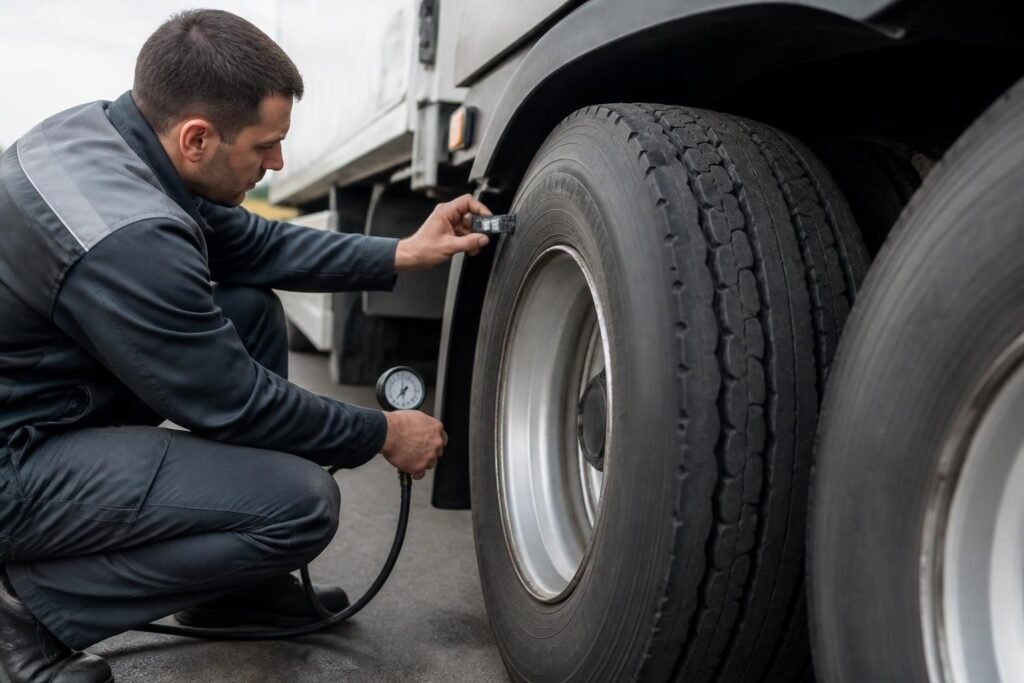
Commercial vehicle safety depends heavily on proper tire maintenance, yet tire-related failures remain one of the leading causes of roadside breakdowns and accidents in the trucking industry. A systematic truck tire inspection program not only protects drivers and cargo but also ensures regulatory compliance and maximizes your fleet's return on investment. Whether you operate a single vehicle or manage hundreds of trucks across multiple terminals, understanding the fundamentals of tire inspection will help you prevent costly downtime and extend tire service life.
Understanding Regulatory Requirements
The Commercial Vehicle Safety Alliance (CVSA) sets the standard for roadside inspections across North America, and tires represent a critical component of every inspection level. According to CVSA operational policies, inspectors examine tires for specific defects that can place a vehicle out of service immediately.
Out-of-Service Criteria
The 2025 North American Standard Out-of-Service Criteria establishes clear thresholds for tire violations. Any tire on the steering axle with tread depth below 4/32 inch will result in an out-of-service order, while drive and trailer axles require minimum 2/32 inch tread depth.
Beyond tread depth, inspectors look for:
- Exposed belt or ply material anywhere on the tire
- Sidewall cuts that expose cords or extend deeper than the cord body
- Tread separation or chunks missing from the tread surface
- Inflation issues including obvious under-inflation or bulges indicating internal damage
- Mismatched tire sizes on the same axle
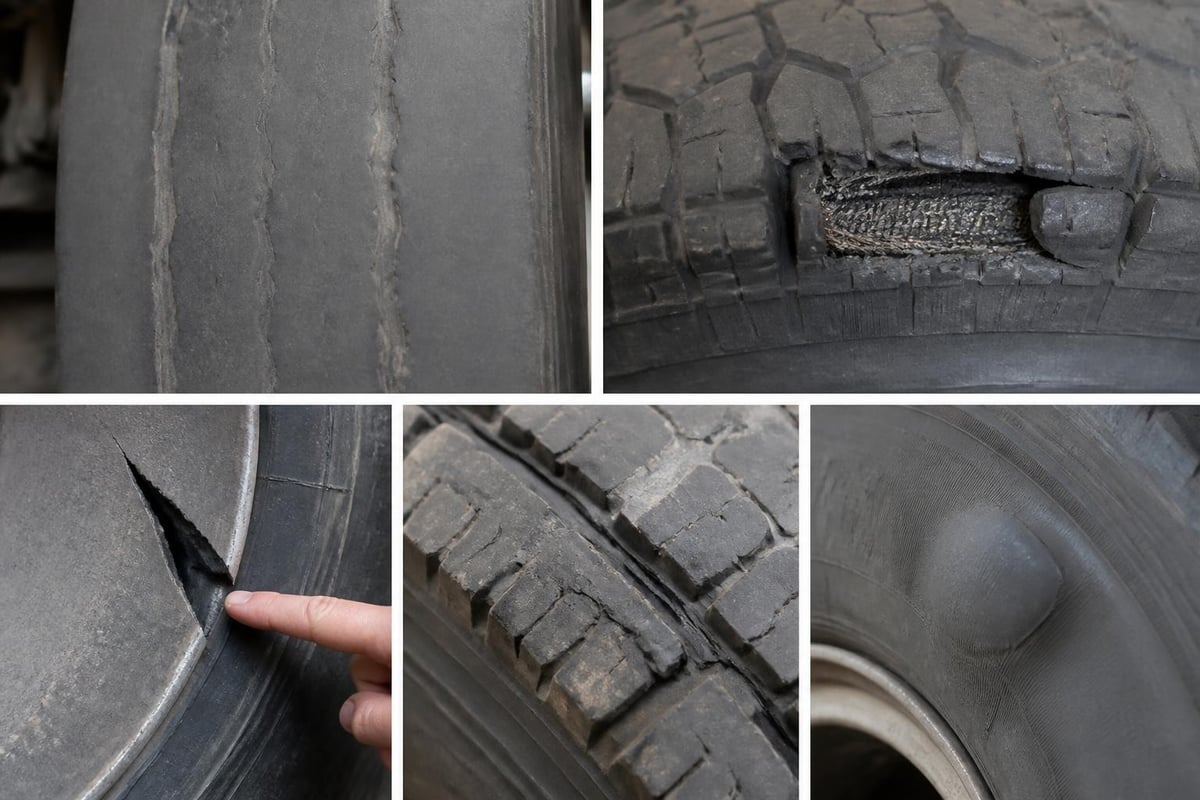
Understanding these criteria helps fleet managers establish internal inspection standards that exceed minimum requirements, creating a buffer zone before tires approach regulatory limits.
Pre-Trip and Daily Inspection Protocol
Professional drivers conduct truck tire inspection as part of their daily pre-trip routine, but the quality of these inspections varies significantly. Training drivers to recognize early warning signs prevents small issues from escalating into roadside emergencies.
Visual Inspection Checklist
A thorough visual inspection takes approximately three to five minutes per vehicle when performed systematically. Drivers should walk around the entire vehicle in daylight conditions, examining each tire from multiple angles.
| Inspection Point | What to Check | Warning Signs |
|---|---|---|
| Tread depth | Use depth gauge | Approaching 4/32" (steer) or 2/32" (drive/trailer) |
| Sidewalls | Cuts, cracks, bulges | Cords visible, weather cracking, abnormal bulging |
| Tread surface | Wear patterns, debris | Uneven wear, embedded objects, cupping |
| Valve stems | Condition, caps | Cracks, missing caps, air leaks |
| Dual spacing | Proper clearance | Tires touching, debris trapped |
The NHTSA tire safety guidance emphasizes the importance of consistent inspection procedures, noting that many tire failures result from gradual degradation that could have been detected during routine visual checks.
Inflation Pressure Verification
Proper air pressure represents the single most critical factor in tire performance and longevity. Under-inflation causes excessive flexing and heat buildup, while over-inflation reduces the contact patch and increases impact damage risk.
Check tire pressure when tires are cold, before the vehicle has been driven. Ambient temperature affects pressure readings-for every 10-degree Fahrenheit change, tire pressure changes by approximately 1-2 psi. Maintain a calibrated pressure gauge at each terminal and verify accuracy quarterly against a master gauge.
Comprehensive Periodic Inspections
While daily pre-trip inspections catch obvious problems, detailed periodic inspections reveal developing issues before they cause failures. Fleet maintenance schedules should include thorough truck tire inspection at specific mileage intervals or monthly, whichever comes first.
Tread Depth Measurement
Professional tire technicians measure tread depth at multiple points across the tire width and around the circumference. This reveals wear patterns that indicate alignment issues, suspension problems, or improper inflation maintenance.
- Shoulder wear suggests under-inflation or overloading
- Center wear indicates over-inflation
- Feathering points to toe misalignment
- Cupping reveals suspension or balance issues
Document tread depth measurements in maintenance records to track wear rates. Abnormally fast wear indicates underlying mechanical problems requiring immediate attention. The industry best-practice guidance from the Technology & Maintenance Council recommends specific measurement protocols for different tire positions.
Sidewall and Bead Inspection
Remove wheels from service and thoroughly clean tires before detailed inspection. This allows technicians to examine the bead area, inner sidewall, and valve stem mounting-areas not visible during mounted inspections.
Look for bead damage from improper mounting, inner liner deterioration, and valve stem cracks. These defects often develop gradually and escape detection until catastrophic failure occurs.
Age and Condition Assessment
Tire age affects material properties independent of tread wear. Research from the Transport Research Laboratory demonstrates that rubber compounds oxidize over time, reducing flexibility and increasing crack susceptibility.
The Department of Transportation (DOT) date code stamped on the sidewall indicates manufacturing week and year. A code ending in "2621" means the tire was manufactured in the 26th week of 2021. Many fleets establish maximum service life policies regardless of tread depth, typically removing tires from steer axles after six to seven years.
Environmental Factors
Environmental exposure accelerates aging. Tires stored or operated in high-heat climates, exposed to direct sunlight, or subjected to ozone from electrical equipment age faster than those in controlled conditions.
During truck tire inspection, look for weather cracking in the sidewall grooves. Fine surface cracks may be cosmetic, but deep cracks penetrating the rubber compound indicate material degradation requiring tire removal.
Technology-Enhanced Inspection Methods
Modern fleets increasingly supplement visual inspections with technology solutions that improve consistency and documentation. Tire pressure monitoring systems (TPMS), automated tread depth scanners, and thermal imaging cameras provide objective data that enhances traditional inspection methods.
Automated Tread Measurement
Drive-over tread depth scanners measure all tire positions simultaneously as vehicles pass over sensors at 2-5 mph. These systems create digital records, trend wear rates, and alert managers when tires approach replacement thresholds.
While initial investment costs are substantial, large fleets recover expenses through improved tire life and reduced roadside failures. The technology eliminates measurement inconsistency between different inspectors.
Thermal Imaging Applications
Infrared cameras detect abnormal heat patterns indicating under-inflation, brake drag, or bearing problems before physical damage becomes visible. Regular thermal surveys during truck tire inspection help identify developing issues in their earliest stages.
Position-Specific Inspection Considerations
Different axle positions experience unique stress patterns requiring tailored inspection focus. Steer tires face different challenges than drive or trailer position tires, and inspection protocols should reflect these differences.
Steer Axle Priorities
Steer tires carry the highest safety criticality since failures directly affect vehicle control. Focus inspection efforts on:
- Tread depth uniformity across the tire width
- Irregular wear patterns suggesting alignment issues
- Sidewall condition since steer tires flex during turns
- Age compliance with fleet policies for critical positions
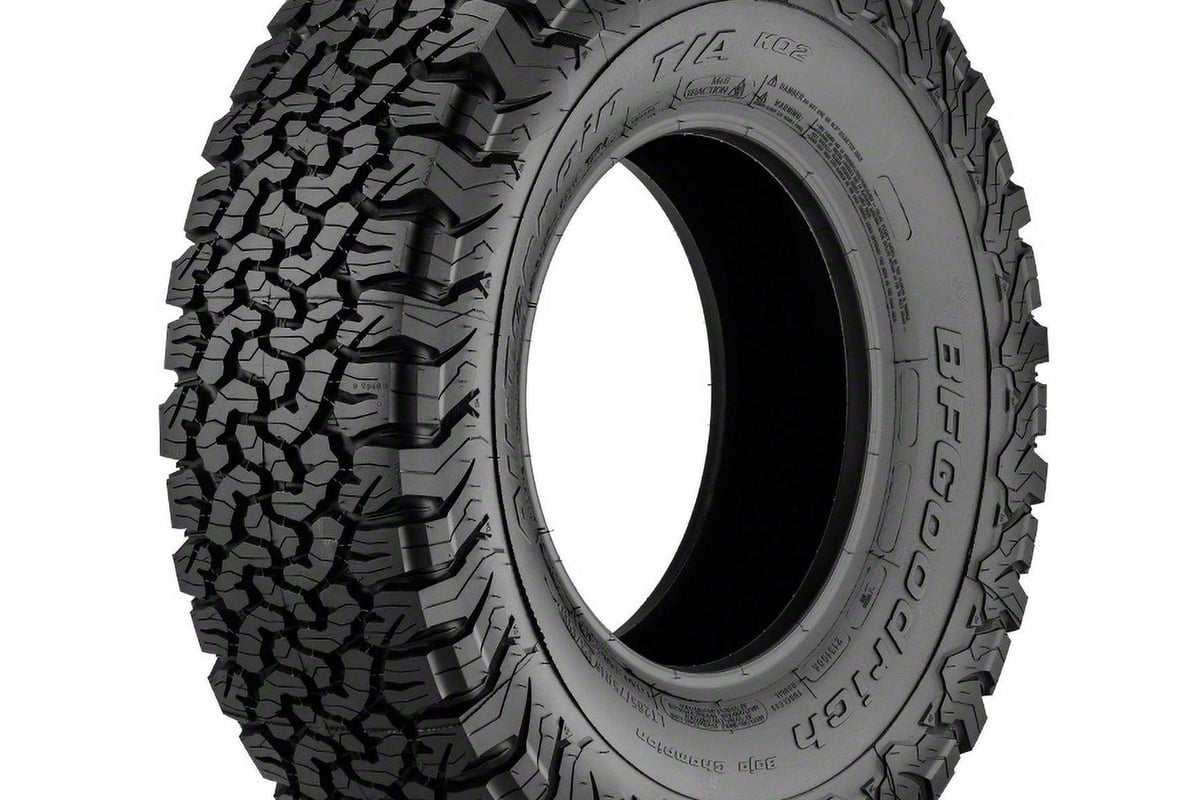
Our semi truck tires manufactured in Thailand feature optimized five-rib patterns specifically engineered for even wear distribution across the steer axle, helping fleets extend replacement intervals while maintaining safety margins. Semi Truck Tires from Thailand cover all three positions with designs tailored to each position's unique demands.
Drive Axle Inspection Focus
Drive tires endure torque loads, traction demands, and often operate in tandem configurations. During inspection, verify:
- Stone retention in tread grooves that can drill through casings
- Dual spacing to prevent heat buildup from tire contact
- Step wear between inner and outer duals indicating pressure imbalance
- Lug tearing from excessive torque or gravel roads
The research on tire-pavement contact behavior for heavy trucks provides technical context for understanding how drive tire wear patterns develop and what they indicate about vehicle operation.
Trailer Position Considerations
Trailer tires typically log lower miles per year but often sit stationary for extended periods. This creates unique inspection requirements focusing on flat-spotting, weather checking from UV exposure, and bearing-related heat damage.
Documentation and Record Management
Comprehensive inspection records serve multiple purposes: regulatory compliance demonstration, warranty claim support, tire performance trending, and maintenance scheduling. Establish systematic documentation procedures that capture essential data without creating administrative burden.
Essential Data Points
Every truck tire inspection should record:
| Data Element | Purpose | Retention Period |
|---|---|---|
| Date and mileage | Trend analysis | Life of tire |
| Tread depth (all positions) | Wear rate calculation | Life of tire |
| Inflation pressure | Maintenance verification | 6 months minimum |
| Visible defects | Safety and warranty | Life of tire + 2 years |
| Inspector identification | Accountability | Life of tire |
Digital maintenance management systems streamline data entry and enable powerful analytics. Cloud-based platforms allow drivers to photograph defects during roadside inspections, automatically associating images with vehicle and tire records.

Common Inspection Mistakes to Avoid
Even experienced technicians sometimes overlook critical issues during routine inspections. Understanding common pitfalls helps improve inspection quality across your maintenance operation.
Rushing the process represents the most frequent mistake. Allocate sufficient time for thorough inspection rather than treating it as a checkbox exercise. A missed defect costs far more than an extra five minutes of inspection time.
Measuring tread depth in only one location fails to detect irregular wear patterns. Always measure at multiple points across the tread width and around the circumference.
Ignoring minor damage allows small problems to escalate. A nail in the tread or small sidewall cut requires immediate evaluation, not deferred attention.
Checking pressure on hot tires after operation produces artificially high readings. Always verify pressure when tires are cold or adjust readings according to manufacturer specifications.
Focusing only on tread while neglecting sidewalls, beads, and valve stems creates blind spots where catastrophic failures develop undetected.
Tire Matching and Replacement Strategy
Proper tire matching during replacement affects vehicle handling, wear patterns, and overall safety. Industry standards require matching tire sizes on the same axle, but best practices extend beyond minimum requirements.
Replacement Guidelines
When replacing tires, consider these factors:
- Tread depth differential between new and used tires should not exceed 4/32 inch on the same axle
- Tread pattern should match across dual positions to prevent uneven wear
- Construction type (radial vs. bias) must never mix on the same axle
- Load rating must meet or exceed the original equipment specification
Some fleets rotate drive tires to trailer positions when tread depth approaches drive axle minimums, extending total tire life. This strategy requires careful tracking to ensure proper matching and prevent placing aged tires in critical positions.
Training and Competency Development
Effective truck tire inspection depends on properly trained personnel who understand what to look for and why it matters. Invest in comprehensive training programs for both drivers and maintenance technicians.
Driver Training Components
Driver training should cover:
- Pre-trip inspection procedures specific to your fleet's equipment
- Recognition of common defects through visual examples
- Proper measurement techniques for tread depth and inflation pressure
- Reporting protocols for discovered issues
- Consequences of inspection failures for safety and compliance
Hands-on training with actual defective tires provides more effective learning than classroom instruction alone. Maintain a collection of failed tires showing various defect types for training purposes.
Technician Certification
Maintenance technicians benefit from formal tire service training covering mounting procedures, repair limitations, and advanced inspection techniques. Industry associations offer certification programs that validate technician competency and provide continuing education opportunities.
Seasonal Inspection Adjustments
Seasonal temperature changes and weather conditions require adjustments to standard inspection protocols. Winter operations in northern climates present different challenges than summer heat in southern regions.
Cold Weather Considerations
Winter temperature drops cause significant pressure loss in tires. A tire properly inflated at 70°F will lose approximately 15 psi when ambient temperature drops to 0°F. More frequent pressure checks during truck tire inspection become essential during seasonal transitions.
Cold weather also hardens tire compounds, increasing susceptibility to impact damage and reducing traction. Inspect for chunk-outs and cuts more frequently when operating on frozen, rutted roads.
Hot Weather Protocols
Summer heat increases tire operating temperatures, particularly in the drive and trailer positions. Enhanced thermal stress accelerates aging and can trigger failures in tires with latent defects.
During hot weather operations, supplement standard inspections with mid-trip pressure checks on long hauls. Inspect for signs of over-heating such as rubber degradation or unusual odors after operation.
Integration with Maintenance Programs
Truck tire inspection should integrate seamlessly with broader preventive maintenance programs rather than existing as an isolated activity. Tire condition often provides early warning signs of mechanical problems elsewhere on the vehicle.
Abnormal tire wear patterns indicate alignment, suspension, or brake issues requiring attention. Systematic inspection and documentation help maintenance managers identify these problems before they cause extensive component damage.
Create inspection checklists that link tire findings to recommended follow-up actions. When a technician notes shoulder wear, the system should automatically flag the vehicle for alignment verification. This closed-loop approach ensures discovered issues receive appropriate resolution.
Implementing a rigorous truck tire inspection program protects your fleet investment while ensuring regulatory compliance and driver safety. By combining systematic visual inspections, accurate measurements, comprehensive documentation, and appropriate technology, you create a sustainable tire management strategy that reduces costs and prevents roadside failures. OTR TIRE THAI manufactures premium TBR tires engineered for extended service life and even wear patterns, supplying distributors in over 80 countries with factory-direct wholesale pricing and international quality standards that support your fleet's maintenance excellence.
