
Blog
Best Winter Tires for SUV: Top Picks & Buying Guide
Sep
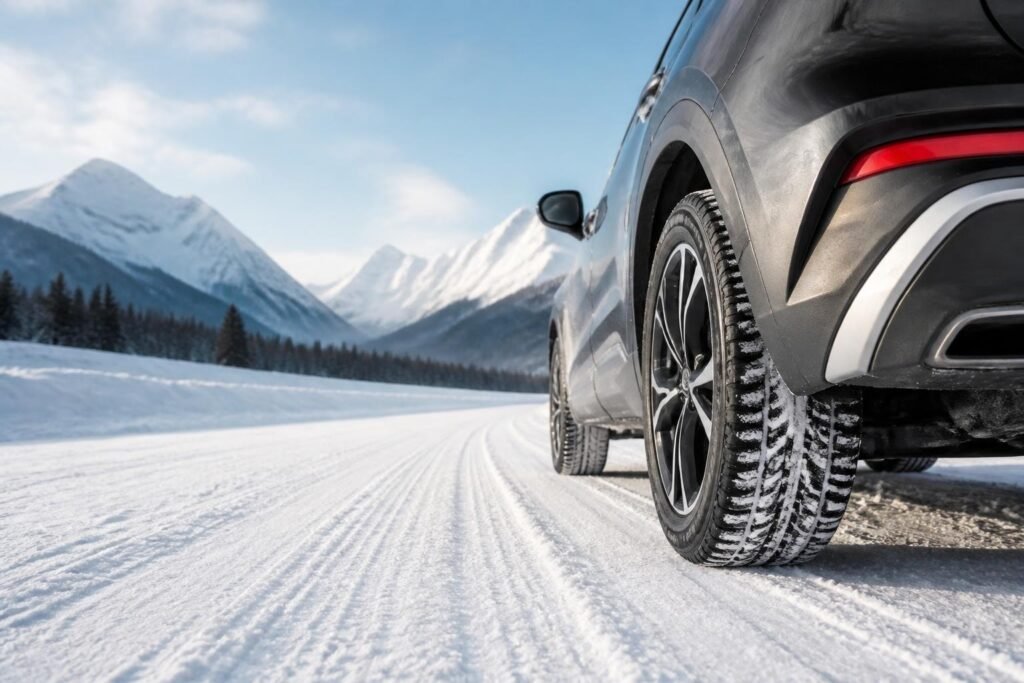
When winter weather arrives, equipping your SUV with proper tires becomes essential for safety and control. The best winter tires for SUV applications deliver superior traction on snow and ice, shorter braking distances in freezing conditions, and confident handling when temperatures drop below 45°F. Unlike all-season tires, dedicated winter rubber uses specialized compounds and tread patterns engineered specifically for cold-weather performance. This guide examines the critical factors that separate exceptional winter SUV tires from mediocre options, helping fleet managers and distributors select the right products for diverse climates and driving conditions.
Understanding Winter Tire Technology for SUVs
Modern winter tires employ three core technologies that work together to maximize cold-weather performance. Specialized rubber compounds remain flexible at freezing temperatures, maintaining grip when all-season tires harden and lose traction. Aggressive tread patterns feature thousands of biting edges and deep grooves that channel slush and expel snow. Sipe density-the network of thin slits cut into tread blocks-creates additional gripping surfaces on ice.
The Three-Peak Mountain Snowflake (3PMSF) symbol certifies that a tire meets industry testing standards for severe snow service. This certification requires tires to deliver at least 110% of the traction index achieved by a reference tire in standardized snow testing. While valuable, the 3PMSF mark represents minimum performance; top-tier winter tires often exceed these baseline requirements by significant margins.
Key Performance Metrics
When evaluating the best winter tires for SUV vehicles, professionals assess multiple performance dimensions:
- Snow traction: Acceleration and climbing ability on packed and loose snow
- Ice braking: Stopping distance on glare ice at various temperatures
- Slush handling: Hydroplaning resistance and steering response in wet snow
- Dry performance: Handling precision and braking on bare pavement
- Noise comfort: Cabin sound levels during highway cruising
- Tread life: Expected mileage before replacement
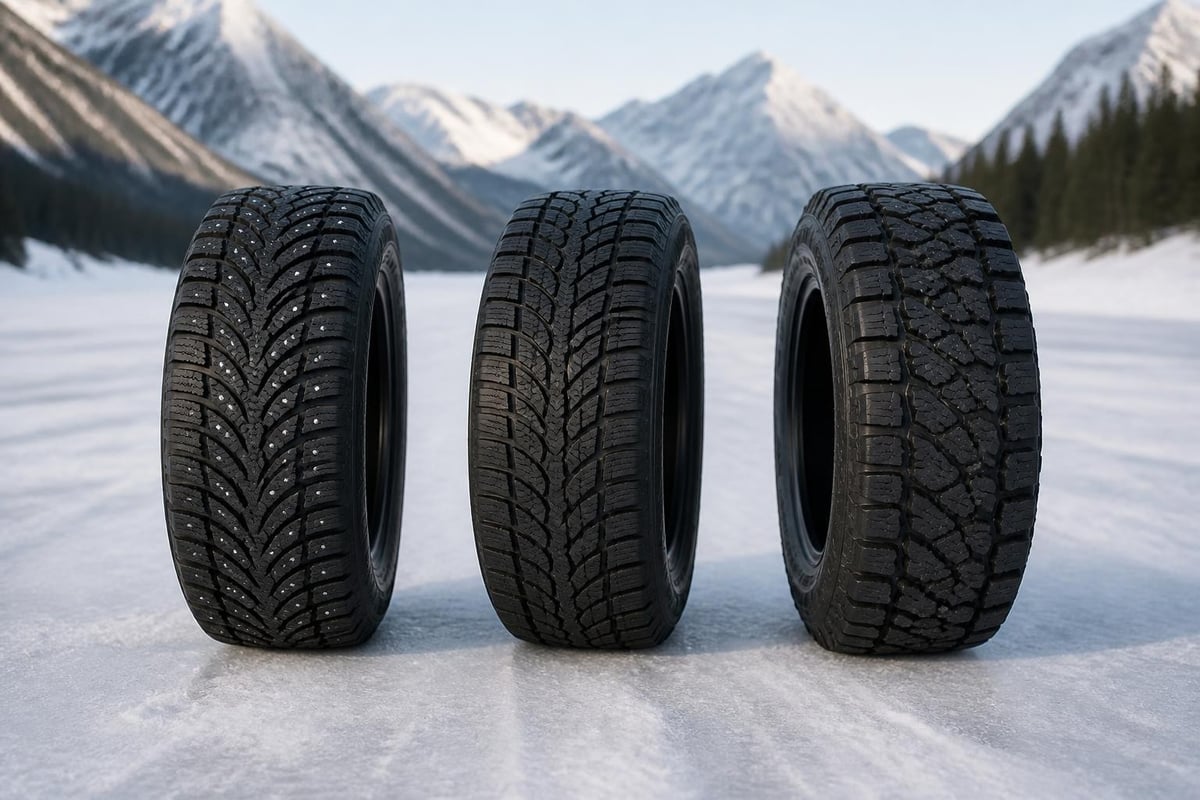
SUV-specific challenges include higher vehicle weight, elevated center of gravity, and greater momentum during braking. The best winter tires for SUV applications address these factors through reinforced internal construction, optimized tread-block stiffness, and compounds that balance grip with durability.
Categories of Winter Tires for SUVs
Winter tire selection depends on your primary use case, climate severity, and vehicle type. Three distinct categories serve different SUV applications.
Studless Ice-and-Snow Tires
Premium studless tires dominate the market for passenger SUVs and crossovers in regions with consistent winter weather. These tires prioritize maximum grip on ice and packed snow through advanced siping, hydrophilic (water-attracting) tread compounds, and micro-pore technology that creates suction on ice surfaces.
Leading examples excel in independent testing for ice braking and lateral traction. They typically feature directional tread patterns with continuous center ribs for stability and aggressive shoulder blocks for cornering bite. Modern studless designs now rival studded tires for ice performance while delivering quieter operation and better dry-road handling.
Performance Winter Tires
Performance-oriented SUVs benefit from winter tires engineered to preserve sporty handling characteristics. These products use lower-profile designs, stiffer sidewalls, and tread patterns optimized for responsive steering. While they sacrifice some deep-snow traction compared to traditional winter tires, they excel on plowed highways and deliver superior dry-pavement performance.
This category suits drivers in mixed climates who encounter occasional snow and ice but spend most winter miles on cleared roads. Performance winter tires maintain the steering precision and cornering stability that SUV owners expect while providing adequate cold-weather safety margins.
Winter-Rated All-Terrain Tires
Light-truck and full-size SUV owners often prefer all-terrain tires that carry the 3PMSF certification. These designs combine off-road capability with legitimate winter performance, eliminating the need for seasonal tire changes. They feature open tread patterns with large tread blocks, aggressive void ratios, and reinforced construction for heavy-duty service.
While winter-rated all-terrain tires cannot match dedicated studless tires for ice braking, they provide excellent snow traction and year-round versatility. Fleet operators appreciate the simplified inventory management and extended service intervals these tires enable. For distributors serving markets with pickup trucks and body-on-frame SUVs, this category represents significant volume opportunity.
For operations requiring durable light-truck winter performance, our Light Truck Tires (LT) range includes all-terrain patterns engineered for both on-road comfort and genuine cold-weather capability, certified to meet 3PMSF standards while delivering the long tread life commercial fleets demand.
Comparative Performance Analysis
Understanding how different winter tire designs perform across various conditions helps match products to specific customer needs. The table below synthesizes data from multiple testing programs and field evaluations.
| Tire Category | Ice Braking | Deep Snow | Dry Handling | Tread Life | Noise Level |
|---|---|---|---|---|---|
| Premium Studless | Excellent | Excellent | Good | 40-60k mi | Moderate |
| Performance Winter | Very Good | Good | Excellent | 35-50k mi | Low |
| Winter AT | Good | Very Good | Very Good | 50-70k mi | Moderate-High |
| Budget Studless | Good | Very Good | Fair | 30-40k mi | Moderate-High |
Premium studless tires from leading manufacturers consistently achieve the shortest stopping distances on ice, often beating competing products by 10-20 feet from 40 mph. This advantage stems from years of compound research and computer-optimized siping patterns that maximize edge count without compromising block rigidity.
Regional Climate Considerations
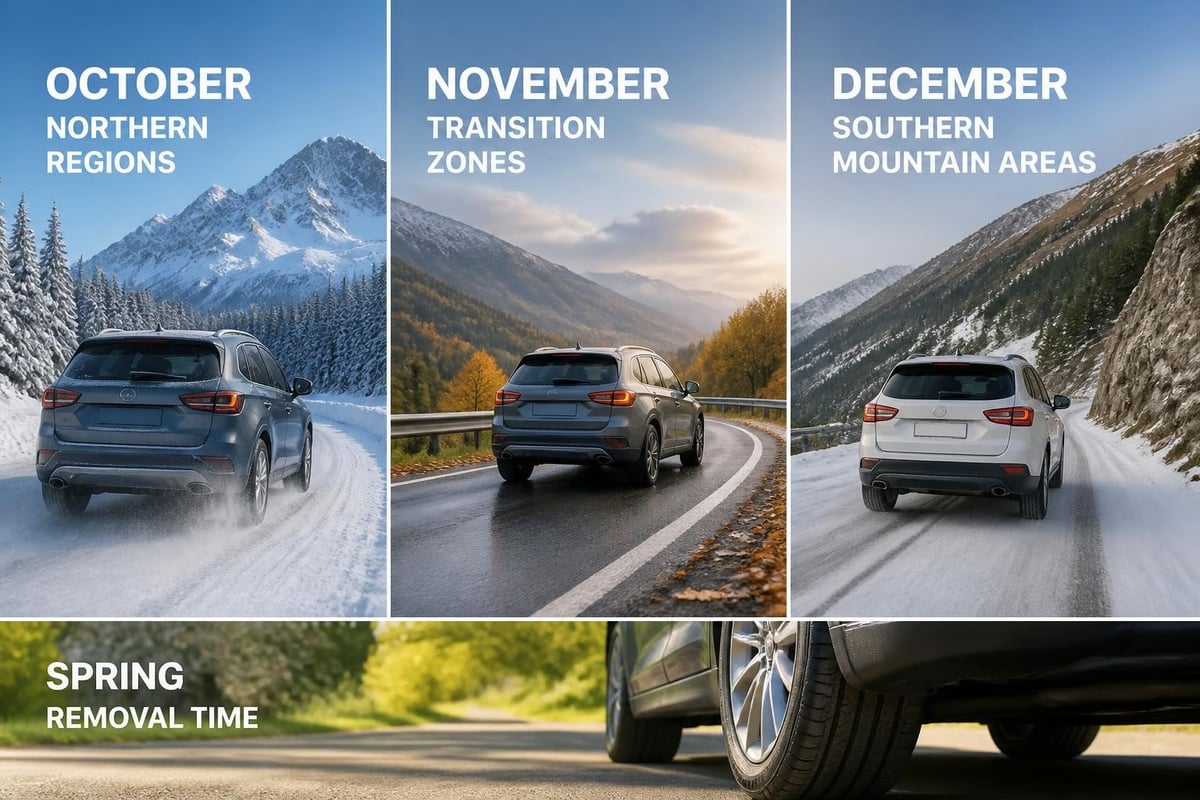
Tire selection should align with local winter conditions. Northern tier states and Canadian provinces with sustained sub-freezing temperatures and heavy snowfall demand maximum ice-and-snow performance. Here, premium studless tires deliver measurable safety advantages and justify their higher upfront cost through superior accident avoidance.
Transition zones-mid-Atlantic, Pacific Northwest, and mountain states-experience variable conditions ranging from dry pavement to occasional ice storms. Performance winter tires or high-quality studless models work well in these markets, providing winter security without the compromises of aggressive snow tires during dry spells.
Southern regions with infrequent winter weather present different calculations. When snow arrives once or twice per season, dedicated winter tires may sit unused for months. Winter-rated all-terrain tires offer practical compromise, delivering adequate cold-weather performance while serving year-round duty.
Installation and Seasonal Timing
Optimal winter tire performance requires proper installation timing and adherence to best practices. Mount winter tires when daytime temperatures consistently fall below 45°F, typically October through November in northern climates. Rubber compounds engineered for cold weather begin outperforming all-season tires at this threshold, even on dry pavement.
Complete Set Requirements
Always install winter tires on all four wheel positions. Mounting winter tires only on drive wheels creates dangerous handling imbalances. Front-only installation on front-wheel-drive SUVs improves acceleration but leaves the rear end prone to oversteer during braking and cornering. Rear-only mounting on rear-drive SUVs provides better acceleration but compromises steering control.
Tire manufacturers and safety organizations universally recommend four-tire installation. The modest cost difference between two and four tires pales compared to accident risk and insurance liability from mixed configurations.
Pressure Monitoring in Cold Weather
Tire pressure drops approximately one PSI for every 10°F temperature decrease. This means tires properly inflated at 70°F in autumn may run 6-8 PSI low by mid-winter. Underinflation reduces tread contact, increases fuel consumption, and accelerates shoulder wear.
Check pressures monthly during winter, measuring when tires are cold (before driving or at least three hours after shutdown). Inflate to the vehicle manufacturer's recommended pressure, found on the door placard. Do not inflate to the maximum pressure listed on the tire sidewall, which represents the tire's structural limit rather than the optimal operating pressure for your SUV.
Size Selection and Load Ratings
Selecting the best winter tires for SUV applications requires matching both diameter and load capacity to your vehicle's specifications. Winter tires must meet or exceed the load index of the original equipment tires. SUVs-particularly three-row models and those used for towing-impose substantial weight that cheaper passenger-car tires cannot safely support.
The load index number appears on the tire sidewall following the size designation. For example, in the marking "265/70R17 115T," the 115 indicates a load capacity of 2,679 pounds per tire. Multiply this figure by four to determine total vehicle capacity. Heavy SUVs require load indexes of 110 or higher; large models often specify 115-120.
Plus-Sizing and Minus-Sizing Considerations
Some winter tire buyers "minus-size" by selecting slightly smaller diameter wheels with taller-profile tires. This approach offers several advantages: lower purchase cost, greater sidewall cushioning over potholes, and improved ride comfort. Moving from 20-inch to 18-inch wheels, for example, reduces tire cost by 20-30% while increasing snow traction through taller, more flexible sidewalls.
Ensure minus-sizing maintains proper load capacity and doesn't create clearance issues with brake components. Plus-sizing-installing larger wheels and lower-profile tires-rarely benefits winter performance and typically increases cost while reducing ride quality and snow capability.
Maintenance and Storage Best Practices
Proper maintenance extends winter tire service life and preserves performance characteristics. Rotate tires every 5,000-7,000 miles to promote even wear. SUVs with staggered fitments (different front and rear sizes) require side-to-side rotation only; standard square setups allow full cross-rotation patterns.
Monitor tread depth throughout the season. Winter tires lose effectiveness below 6/32-inch depth, well before the legal minimum of 2/32 inch. The best winter tires for SUV use begin with 11-13/32 inch of tread depth when new, providing 2-3 seasons of service depending on annual mileage.
Off-Season Storage Guidelines
When spring arrives and temperatures consistently exceed 45°F, remove winter tires promptly. Warm-weather use accelerates tread wear and degrades specialized rubber compounds. Clean tires thoroughly before storage to remove corrosive road salt and brake dust.
Store tires in a cool, dry, dark location away from electric motors, battery chargers, and other ozone sources. Stack unmounted tires horizontally or hang them on hooks. Mounted tire-and-wheel assemblies should be stacked horizontally or stored on a tire rack; never hang mounted assemblies by the wheel, as this can distort the tire bead over months of storage.
Place tires in opaque plastic bags to minimize moisture and light exposure. Avoid storing tires outdoors, in attics, or near furnaces where temperature extremes accelerate aging. Properly stored winter tires remain serviceable for 6-8 seasons, even if calendar age exceeds manufacturers' typical recommendations.
Evaluating Value Beyond Initial Cost
While premium winter tires command 30-50% price premiums over budget alternatives, total cost of ownership calculations often favor higher-quality products. Testing data shows that top-tier tires deliver 25-40% longer tread life than economy options, narrowing the real price gap.
Superior ice braking performance provides insurance value that's difficult to quantify but potentially invaluable. A tire that stops 15 feet shorter on ice could prevent a single accident that costs thousands in deductibles, insurance increases, and injury risk. Fleet managers increasingly recognize this equation and specify premium winter tires despite tighter budgets.
Warranty and Manufacturer Support
Quality manufacturers back their winter tires with comprehensive warranties covering defects and, increasingly, tread-life guarantees. Premium products often include 40,000-50,000-mile tread warranties despite being seasonal tires. These guarantees provide recourse if tires wear prematurely due to manufacturing issues.
Manufacturer support extends beyond warranties to technical assistance, fitment databases, and product training. Distributors working with established brands gain access to resources that help them serve customers effectively and minimize costly returns or sizing errors.
Testing Standards and Certification
Understanding winter tire certification helps distributors and fleet buyers make informed decisions. The 3PMSF symbol indicates compliance with ASTM F1805 testing protocols, which measure acceleration traction on medium-packed snow. While this standard provides a meaningful baseline, it doesn't capture ice braking, handling, or longevity performance.
European tire labels add valuable information, displaying ratings for wet grip, fuel efficiency, and external noise. ADAC testing in Germany subjects tires to rigorous evaluation across 18 performance criteria, providing granular comparative data that helps identify the best winter tires for SUV applications in diverse conditions.
Independent testing by consumer organizations supplements manufacturer claims with unbiased field data. These tests typically evaluate 8-12 tire models in identical vehicle applications, measuring braking distances, handling limits, and subjective characteristics. Results reveal meaningful performance differences that justify price variations among competing products.
Future Trends in Winter Tire Technology
Winter tire development continues advancing on multiple fronts. Nano-silica compounds improve ice grip while reducing rolling resistance for better fuel economy. 3D siping-where sipes interlock in three dimensions rather than simply cutting straight through tread blocks-maintains block rigidity for better handling while preserving ice-biting edges.
Sustainable materials increasingly appear in tire construction. Bio-based oils derived from soybeans and rapeseed now replace some petroleum-derived components in tread compounds, reducing environmental impact without compromising performance. Silica derived from rice husk ash offers another renewable ingredient that enhances wet and winter traction.
Digital technologies will soon enable "smart" winter tires with embedded sensors monitoring tread depth, temperature, and pressure in real-time. These systems will alert drivers to developing issues and provide data for fleet management optimization. For distributors, connected tire technology creates service revenue opportunities beyond simple product sales.
Selection Framework for Different SUV Types
Matching winter tire characteristics to specific SUV categories ensures optimal performance and customer satisfaction. Compact crossovers benefit from tires emphasizing fuel efficiency and quiet operation alongside winter grip. These lighter vehicles don't require the heavy-duty construction needed by larger SUVs, allowing compound engineers to optimize for comfort and economy.
Mid-size and full-size SUVs demand robust construction that handles vehicle weight and towing loads. Look for tires with reinforced sidewalls, high load indexes, and proven durability in fleet applications. These vehicles often see highway and family duty, so noise comfort and tread life become important selection criteria alongside snow performance.
Performance SUVs require winter tires that preserve sporty driving dynamics. Prioritize products with responsive handling, strong dry-pavement grip, and minimal compromise to the vehicle's intended character. Owners of luxury performance SUVs expect winter safety without sacrificing the driving experience they purchased.
Light Truck and Body-on-Frame SUVs
Traditional truck-based SUVs present unique tire requirements. Heavy-duty construction, substantial unsprung weight, and frequent towing duty demand light-truck-rated tires rather than passenger products. Winter-rated LT tires combine the load capacity and durability these vehicles require with legitimate cold-weather performance certified by 3PMSF testing.
For these applications, all-terrain patterns with winter certification often provide the best compromise. They deliver the off-road capability and rugged appearance owners expect while meeting winter safety requirements. Tread life typically exceeds passenger winter tires thanks to deeper initial tread depth and more durable rubber compounds.
Selecting the best winter tires for SUV applications requires balancing multiple performance factors with budget constraints and regional climate conditions. Premium studless tires deliver maximum ice-and-snow capability, performance winter tires suit mixed-use scenarios, and winter-rated all-terrain designs provide year-round versatility for light trucks. When you're ready to source high-quality tires for your distribution network or fleet, OTR TIRE THAI offers comprehensive tire solutions including passenger car radial and light truck options manufactured to international standards and delivered at wholesale pricing to distributors in over 80 countries.
