
Blog
Premium Tires: Quality, Performance & Value Guide 2026
Sep
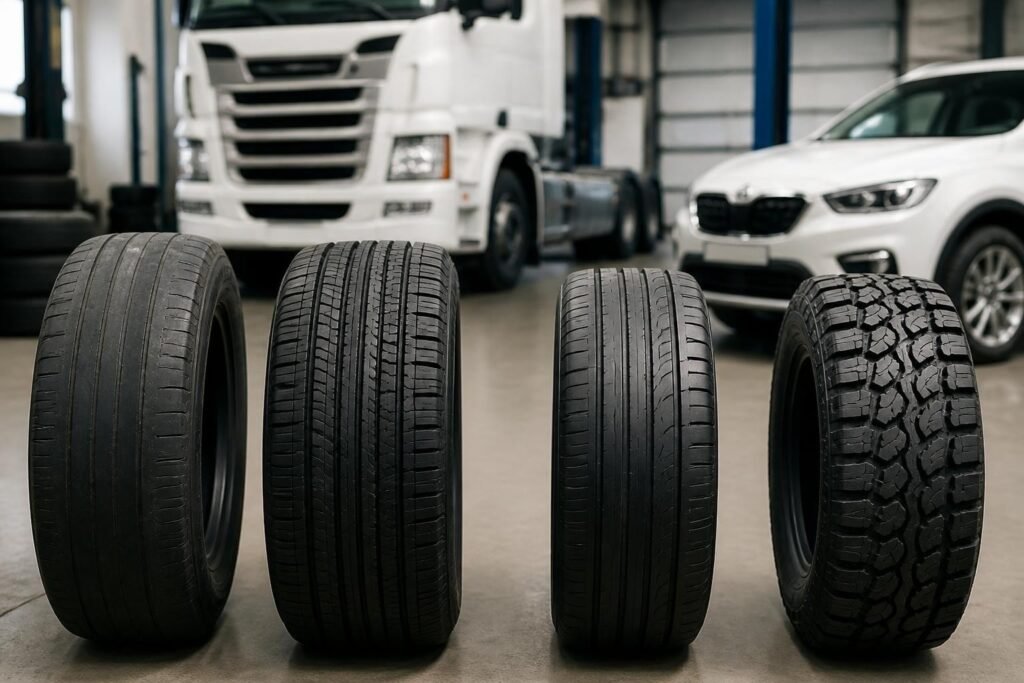
The tire market continues to evolve rapidly, with manufacturers investing heavily in research and development to meet growing demands for safety, efficiency, and longevity. Premium tires represent the pinnacle of tire engineering, combining advanced materials, sophisticated tread designs, and rigorous quality control to deliver superior performance across diverse operating conditions. For fleet managers, distributors, and commercial operators, understanding what distinguishes premium tires from budget alternatives is essential for making informed purchasing decisions that balance upfront costs against total ownership value. This guide explores the key characteristics, benefits, and selection criteria that define the premium tire segment in 2026.
Defining Premium Tires in Today's Market
Premium tires are characterized by their use of high-grade materials, advanced manufacturing processes, and extensive testing protocols that exceed basic regulatory requirements. These products typically feature proprietary rubber compounds engineered for specific performance attributes such as reduced rolling resistance, enhanced wet traction, or extended tread life under demanding conditions.
Major manufacturers invest millions in research facilities and testing programs to validate their premium tire offerings. According to industry market data, the global tire market continues to shift toward higher-value products as consumers and commercial operators recognize the long-term benefits of quality construction.
Material Science and Compound Technology
The foundation of any premium tire lies in its compound formulation. Modern premium tires incorporate:
- Silica-enhanced tread compounds that improve wet grip without sacrificing tread life
- Multi-compound construction with different polymers optimized for tread, sidewall, and base layers
- Nano-materials that strengthen molecular bonds and resist heat buildup
- Eco-friendly oils replacing traditional petroleum-based softeners for environmental compliance
These advanced materials contribute directly to measurable performance improvements in fuel economy, handling precision, and stopping distances across varied road surfaces.
Performance Characteristics That Matter
Premium tires deliver quantifiable advantages in several critical performance categories. Understanding these metrics helps buyers evaluate whether the price premium justifies the investment for their specific application.
Rolling Resistance and Fuel Efficiency
Rolling resistance directly impacts fuel consumption in all vehicle types. Premium tires engineer their tread design and compound chemistry to minimize energy loss as the tire deforms under load. European tire labeling standards provide standardized ratings that enable direct comparison across tire models.
Lower rolling resistance translates to measurable fuel savings over a tire's service life. For commercial fleets operating thousands of miles annually, the fuel savings from premium tires often offset the higher purchase price within the first year of operation.
| Performance Metric | Budget Tire Range | Premium Tire Range | Impact |
|---|---|---|---|
| Rolling Resistance Coefficient | 0.010-0.012 | 0.006-0.008 | 3-5% fuel savings |
| Wet Braking (60-0 mph) | 180-200 feet | 150-170 feet | Shorter stopping distance |
| Tread Life Rating | 40,000-50,000 miles | 60,000-80,000 miles | Extended replacement intervals |
| Noise Level | 72-75 dB | 68-71 dB | Quieter operation |
Wet and Dry Traction Performance
Traction performance in wet conditions represents one of the most critical safety attributes of any tire. Premium tires employ sophisticated siping patterns and groove designs that evacuate water efficiently from the contact patch, maintaining rubber-to-road contact even in heavy rain.
Independent testing organizations evaluate wet braking, cornering stability, and hydroplaning resistance under controlled conditions. Premium tires consistently outperform budget alternatives in these standardized tests, providing fleet operators with documented safety improvements.
Dry traction also benefits from premium tire technology. The contact patch shape, tread block stiffness, and compound adhesion all contribute to responsive handling and shorter braking distances on dry pavement. These characteristics prove especially valuable in emergency maneuvers where fractions of a second matter.
Construction Quality and Durability Standards
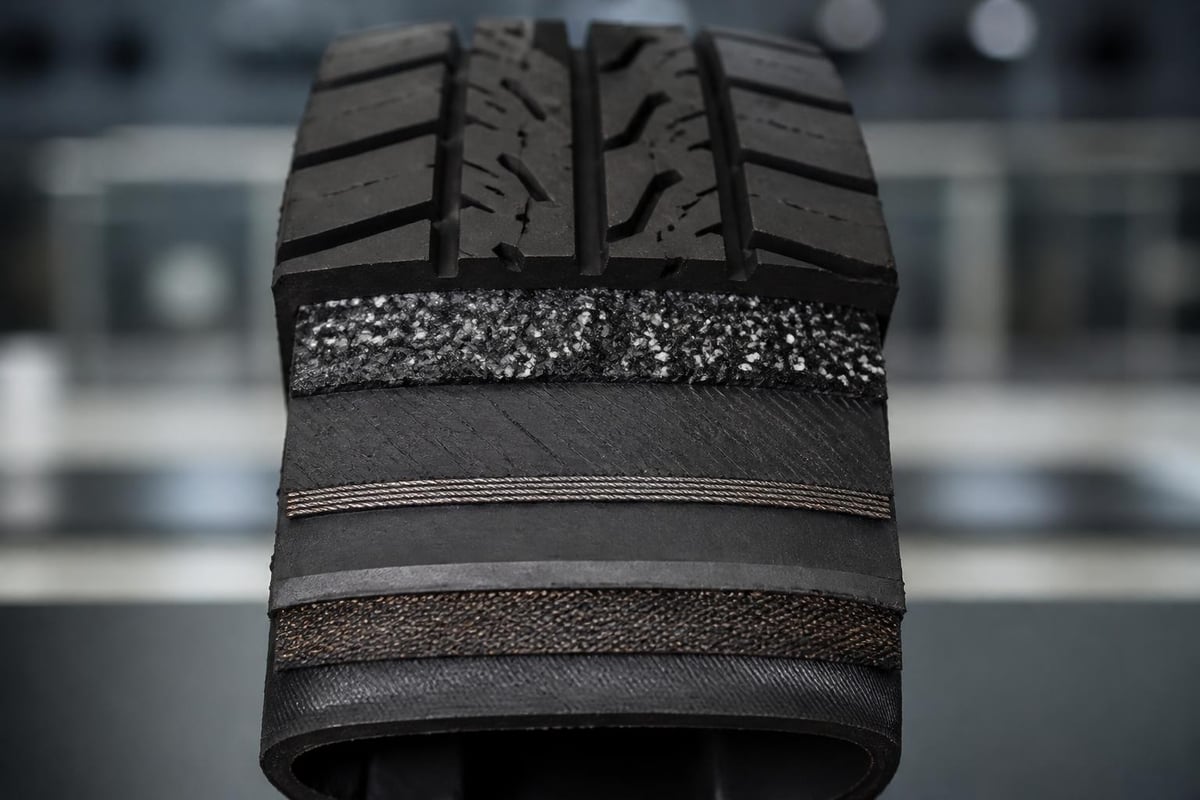
The internal architecture of premium tires sets them apart from standard offerings. Multi-ply construction, reinforced belts, and precision manufacturing tolerances all contribute to longer service life and more predictable wear patterns.
Casing and Belt Design
Premium tires utilize high-tensile steel belts wrapped at precise angles to optimize load distribution and minimize tread squirm during acceleration and braking. The casing construction typically features:
- Multiple polyester or nylon plies providing strength and flexibility
- Steel belt packages with optimized cord angles for stability
- Cap plies over the belt package to maintain shape at highway speeds
- Reinforced bead bundles ensuring secure mounting and air retention
This robust construction resists impact damage from road hazards and maintains structural integrity even when operated near maximum load ratings for extended periods.
Manufacturing Precision and Quality Control
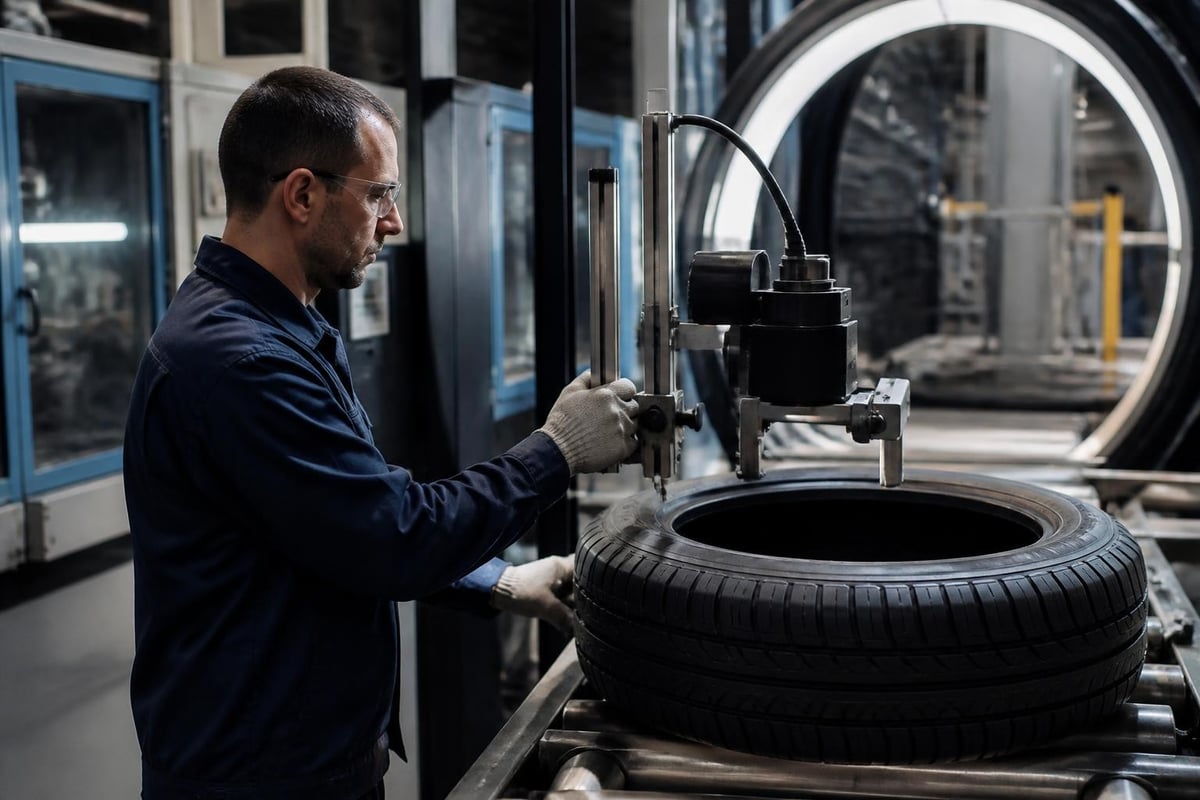
Premium tire manufacturers implement rigorous quality control at every production stage. Automated inspection systems check for dimensional accuracy, balance, and uniformity to tolerances measured in hundredths of millimeters. Each tire undergoes:
- X-ray inspection of internal belt placement
- Uniformity testing to measure force variation
- Balance verification with correction weights applied as needed
- Visual inspection for surface defects or inconsistencies
These quality standards ensure consistent performance across production batches and minimize the risk of premature failure due to manufacturing defects.
Application-Specific Premium Tire Categories
Different vehicle types and operating environments demand specialized tire designs. Premium tire lines address these diverse requirements with purpose-built products optimized for specific applications.
Commercial Truck and Fleet Applications
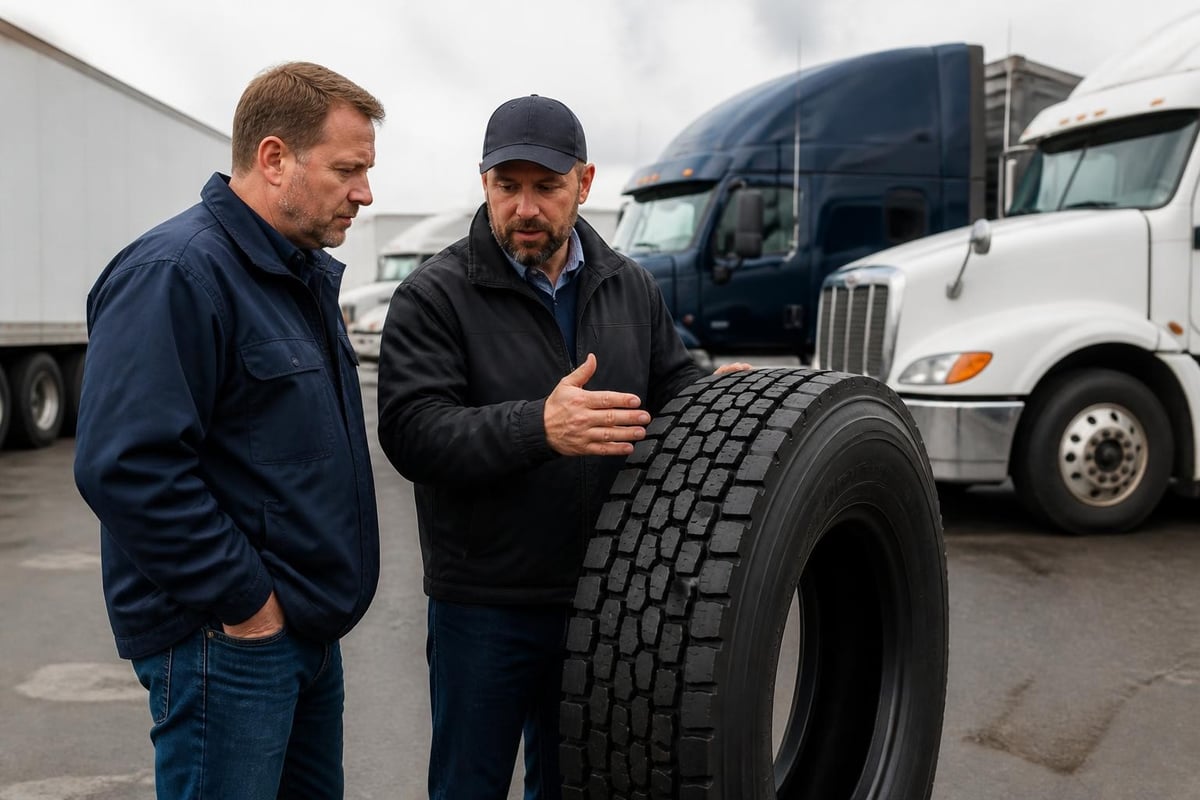
Commercial operations place extreme demands on tire performance. Premium commercial tires balance durability, fuel efficiency, and retreadability to minimize total cost of ownership. Fleet managers evaluating premium options should consider tread depth, casing strength, and compound formulations designed for specific axle positions.
Our Semi Truck Tires from Thailand demonstrate how premium commercial tires address these requirements across steer, drive, and trailer positions. Steer tires feature optimized five-rib patterns for straight-line stability, while drive tires incorporate deep closed-shoulder lug designs with stone ejectors for long-haul durability on mixed surfaces. Trailer tires utilize low-rolling-resistance compounds that help fleets meet efficiency standards and reduce fuel costs per mile.
Passenger and Light Truck Segments
Premium passenger car tires prioritize comfort, quietness, and all-weather capability alongside performance characteristics. Advanced tread compounds maintain flexibility in cold temperatures while resisting excessive wear in summer heat. Tread patterns balance water evacuation with low noise generation through computer-optimized pitch sequencing.
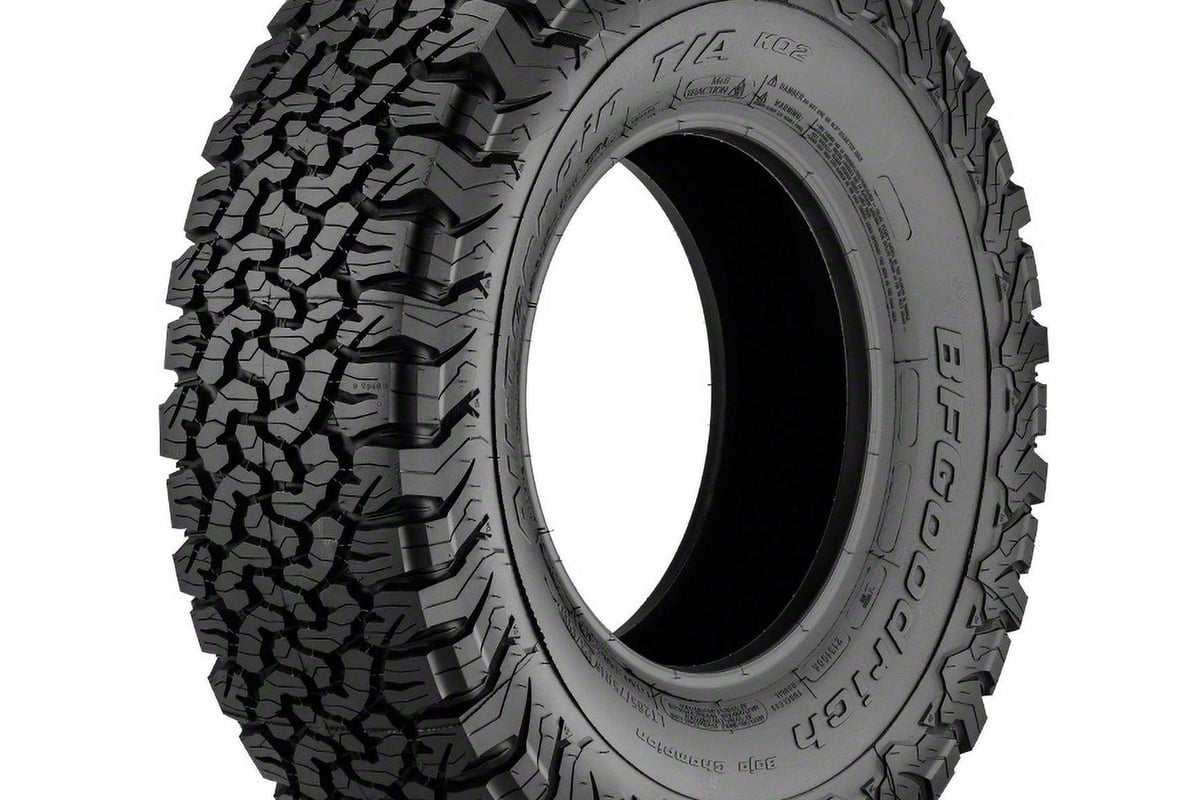
Light truck applications span highway-oriented designs for urban delivery to aggressive all-terrain patterns for off-road capability. Premium offerings in this category deliver measured improvements in:
- Tread wear uniformity across the full service life
- Puncture resistance in sidewall and tread areas
- Load-carrying capacity with reinforced construction
- Ride comfort through optimized casing flexibility
Economic Considerations and Total Cost Analysis
The higher purchase price of premium tires requires justification through total cost of ownership analysis. Smart buyers look beyond the invoice price to evaluate lifetime value based on actual operating costs.
Calculating Cost Per Mile
Total tire cost per mile incorporates purchase price, fuel consumption, maintenance requirements, and expected service life. Premium tires with 50% longer tread life and 4% better fuel economy often deliver lower cost per mile despite 30-40% higher purchase prices.
Consider a commercial truck traveling 100,000 miles annually:
| Cost Factor | Budget Tire | Premium Tire | Annual Difference |
|---|---|---|---|
| Tire Purchase (set of 8) | $2,400 | $3,200 | +$800 |
| Replacement Interval | 50,000 miles | 75,000 miles | Fewer changes |
| Fuel Savings (4% @ $3.50/gal, 6 mpg) | Baseline | $583/year | +$583 |
| Downtime Reduction | Baseline | $200/year | +$200 |
| Net Annual Impact | $4,800 | $4,017 | $783 savings |
This analysis demonstrates how premium tires can reduce operating costs despite higher upfront investment, particularly for high-mileage commercial applications.
Warranty Coverage and Support
Premium tire manufacturers typically back their products with comprehensive warranty programs covering defects, road hazards, and accelerated wear. These warranties provide financial protection and demonstrate manufacturer confidence in product quality.
Warranty terms vary significantly between manufacturers, but premium offerings generally include:
- Extended mileage warranties (60,000-80,000 miles for passenger tires)
- Road hazard protection for the first 50% of tread life
- Free replacement for manufacturing defects
- Prorated credit for early tread wear beyond normal use
Technology Innovations Driving Premium Performance
The tire industry continues advancing rapidly, with premium products serving as platforms for breakthrough technologies before they migrate to mainstream offerings. Tire Technology International regularly covers innovations emerging from research laboratories into commercial production.
Smart Tire Technology and Sensors
Embedded sensors in premium tires monitor temperature, pressure, and tread depth in real time. Fleet management systems integrate this data to optimize maintenance schedules, prevent failures, and maximize tire life. Early detection of abnormal conditions allows corrective action before minor issues escalate into costly roadside failures.
Tire pressure monitoring systems (TPMS) have evolved from basic low-pressure alerts to sophisticated analytics platforms. Premium tires with integrated sensors provide:
- Continuous pressure monitoring at each wheel position
- Temperature tracking to identify brake or bearing issues
- Load distribution analysis across multiple axles
- Predictive maintenance alerts based on operating patterns
- Fleet-wide data aggregation for optimization insights
Sustainable Materials and Environmental Impact
Environmental concerns drive innovation in premium tire development. Manufacturers increasingly incorporate renewable materials and design for end-of-life recycling. Premium tires lead this shift through:
- Natural rubber from certified sustainable sources
- Recycled steel in belt packages
- Bio-based oils replacing petroleum derivatives
- Silica from rice hull ash as tread reinforcement
These environmentally responsible materials maintain performance standards while reducing the carbon footprint of tire production and disposal. Research on tire efficiency and fuel economy highlights the broader environmental impact of tire choices beyond just manufacturing processes.
Selection Criteria for Premium Tire Procurement
Distributors and fleet managers evaluating premium tire options should apply systematic selection criteria aligned with their specific operational requirements. A structured evaluation process ensures optimal tire-to-application matching.
Matching Tires to Operating Conditions
Different operating environments prioritize different performance attributes. Urban delivery fleets need tires optimized for frequent starts and stops, while long-haul operations value fuel efficiency and high-mileage durability. Consider these application factors:
Urban/Regional Operations:
- Enhanced sidewall protection against curb damage
- Cut and chip resistant compounds for city streets
- Optimized tread patterns for wet traction
- Lower rolling resistance for stop-and-go efficiency
Long-Haul Highway:
- Maximum fuel efficiency through low rolling resistance
- High-mileage tread compounds
- Retreadable casings for multiple service lives
- Cool-running compounds minimizing heat buildup
Mixed Service:
- Balanced tread designs for varied surfaces
- All-weather capability including snow traction
- Robust construction for unpaved roads
- Versatile performance across load ranges
Evaluating Manufacturer Reputation and Support
Premium tire selection extends beyond product specifications to include manufacturer capabilities. Distributors should assess:
- Global distribution network and parts availability
- Technical support for application engineering
- Warranty administration and claims processing
- Product training and sales support resources
- Quality certifications (ISO, DOT, ECE, etc.)
Established manufacturers with decades of tire production experience bring valuable technical expertise to challenging applications. Their engineering teams can recommend optimal tire specifications for unique operating requirements and provide data-driven solutions to performance challenges.
Regional Standards and Certification Requirements
Premium tires sold internationally must meet regulatory requirements in each target market. Understanding these standards helps buyers verify product quality and ensure legal compliance.
International Quality Certifications
Major markets impose specific testing and labeling requirements:
Department of Transportation (DOT) – United States:
- Standardized testing for treadwear, traction, and temperature resistance
- Uniform tire quality grading (UTQG) labels
- Manufacturing date codes and plant identification
Economic Commission for Europe (ECE):
- Harmonized testing standards across European markets
- Mandatory labeling for rolling resistance, wet grip, and noise
- Winter tire certifications (3PMSF symbol)
China Compulsory Certification (CCC):
- Required for passenger and commercial tires sold in China
- Performance testing at accredited laboratories
- Factory audits and ongoing compliance monitoring
Premium tire manufacturers maintain certifications across all major markets, demonstrating their commitment to international quality standards and facilitating global distribution.
Premium tires deliver measurable advantages in performance, safety, and total cost of ownership through advanced materials, precision manufacturing, and application-specific engineering. Whether you operate commercial fleets requiring maximum uptime or distribute tires to demanding markets worldwide, selecting quality products from established manufacturers ensures optimal results. OTR TIRE THAI manufactures premium quality tires across agricultural, commercial truck, passenger car, and specialty segments, delivering international quality standards at wholesale prices to distributors in over 80 countries with the technical support and product range to meet your specific requirements.
