
Blog
Best Truck Tires: 2026 Buyer’s Guide for Fleets
Sep
Selecting the best truck tires represents one of the most consequential decisions fleet managers and owner-operators make each year. The right tires directly impact fuel costs, safety margins, payload capacity, maintenance schedules, and overall operational uptime. In 2026, tire technology has advanced considerably, with low rolling resistance compounds, enhanced tread patterns, and smart manufacturing techniques delivering measurable performance gains across commercial truck segments. Whether you operate a fleet of Class 8 semi-trucks, medium-duty delivery vehicles, or light pickup trucks, understanding the key selection criteria-from load ratings and tread design to seasonal performance and total cost of ownership-ensures you maximize return on investment while keeping drivers safe on the road.
Understanding Truck Tire Categories
Truck tires are not one-size-fits-all. The category you choose depends on vehicle class, application, and operating environment. Truck/Bus Radial (TBR) tires serve Class 7 and Class 8 heavy-duty trucks, designed for long-haul freight, regional distribution, and vocational applications. These tires typically range from 22.5-inch rim diameters and carry heavy loads across thousands of miles.
Commercial truck tires for medium-duty applications fit box trucks, delivery vans, refuse haulers, and dump trucks. They use 17.5-inch and 19.5-inch rim sizes and bridge the gap between light-truck and heavy-duty segments. These tires prioritize durability in stop-and-go urban routes, resistance to curb damage, and extended service life under mixed loading conditions.
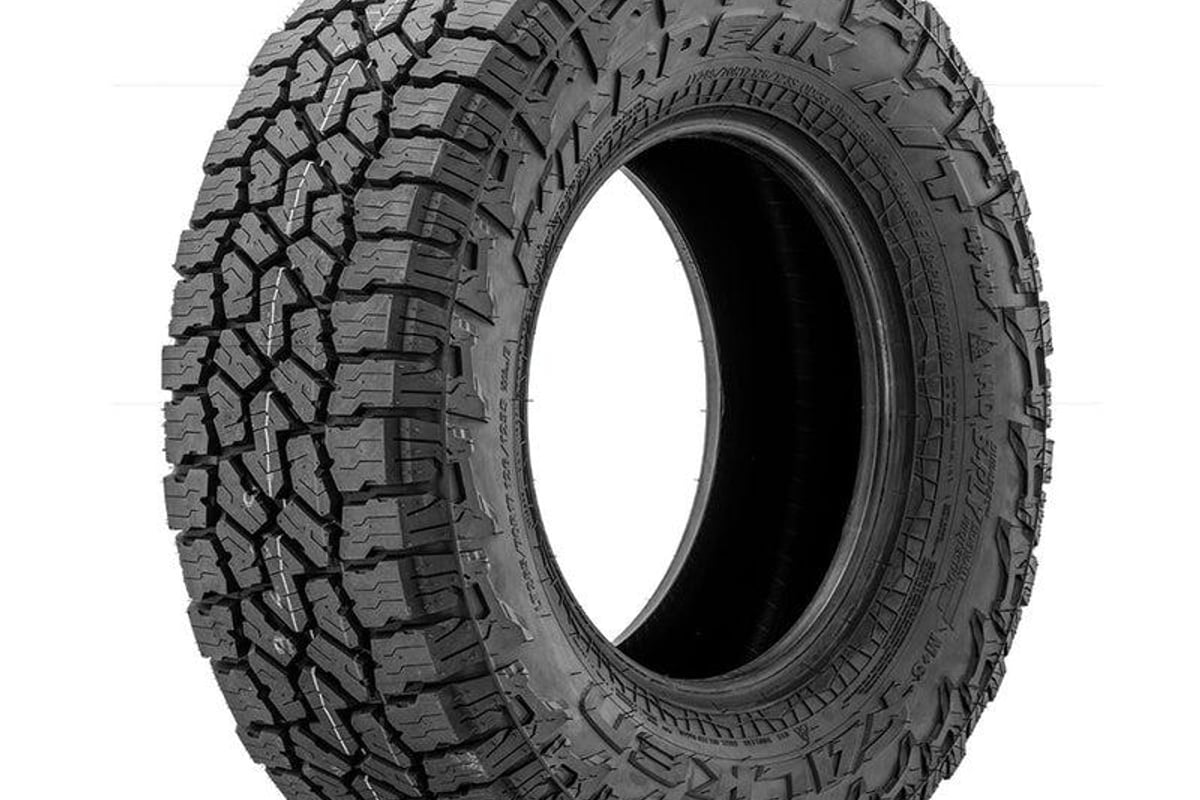
Light truck (LT) tires serve pickup trucks, SUVs, and smaller commercial vehicles rated below 10,000 pounds gross vehicle weight. This category splits into highway terrain (HT), all-terrain (AT), and mud-terrain (MT) patterns based on on-road versus off-road usage profiles.
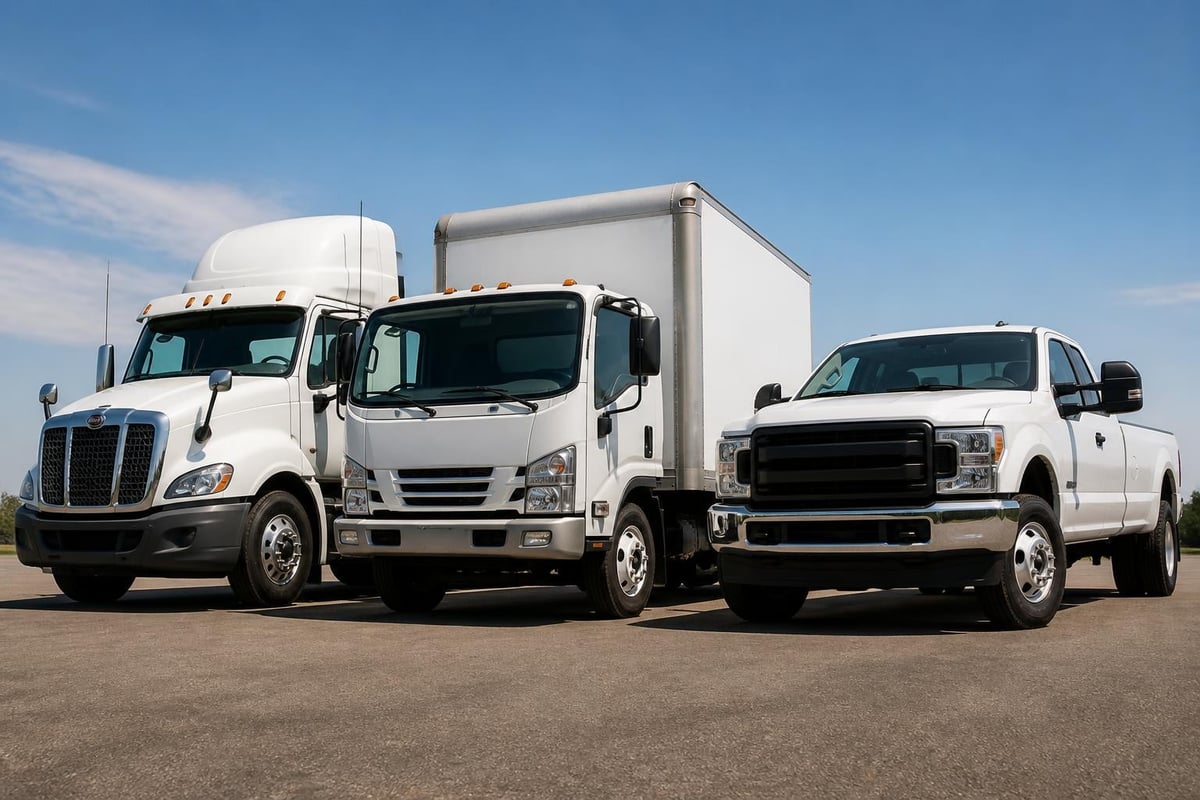
Understanding these distinctions is critical when evaluating which tires qualify as the best truck tires for your specific operation. A long-haul TBR tire optimized for interstate fuel economy will fail prematurely if mounted on a refuse truck making 200 stops per day on city streets.
Key Performance Factors in Tire Selection
Tread Life and Durability
Tread depth directly correlates with service life. New truck tires typically measure 18/32" to 24/32" tread depth, depending on position and application. Steer-position tires prioritize handling precision and even wear, often using five-rib designs that distribute contact pressure uniformly. Drive-position tires need aggressive tread blocks with stone ejectors to handle torque loads and maintain traction on varied surfaces. Trailer-position tires focus on low rolling resistance and fuel efficiency since they carry no driving forces.
Compound formulation determines how well tread rubber resists abrasion, cuts, and oxidation. Premium compounds balance wear resistance with grip, while budget tires often sacrifice one for the other. Independent testing by organizations like Consumer Reports provides objective comparisons of treadwear performance across brands and models.
| Tire Position | Typical Tread Depth | Primary Function | Key Wear Factor |
|---|---|---|---|
| Steer | 18/32" – 20/32" | Directional control | Alignment, inflation |
| Drive | 22/32" – 24/32" | Traction, torque transfer | Power application, road surface |
| Trailer | 16/32" – 18/32" | Load support, efficiency | Overloading, drag |
Rolling Resistance and Fuel Economy
Rolling resistance measures the energy lost as a tire deforms under load. Lower rolling resistance translates directly into fuel savings. The EPA SmartWay program verifies low rolling resistance tires that meet strict fuel-efficiency thresholds, helping fleets quantify potential savings.
A reduction of 5% in rolling resistance can improve fuel economy by 1-2% across a fleet. For a typical Class 8 truck consuming 20,000 gallons annually, that represents 200-400 gallons saved per vehicle per year. Multiply across a 50-truck fleet, and the savings exceed $60,000 annually at current diesel prices.
Factors affecting rolling resistance:
- Tread compound flexibility
- Casing construction (number of plies, belt angles)
- Inflation pressure maintenance
- Tread pattern design and void ratio
- Tire weight and sidewall stiffness
Research published in the International Journal of Automotive Technology demonstrates that testing methodology significantly affects rolling resistance measurements, underscoring the importance of standardized verification programs when comparing tire efficiency claims.
Traction and Safety Performance
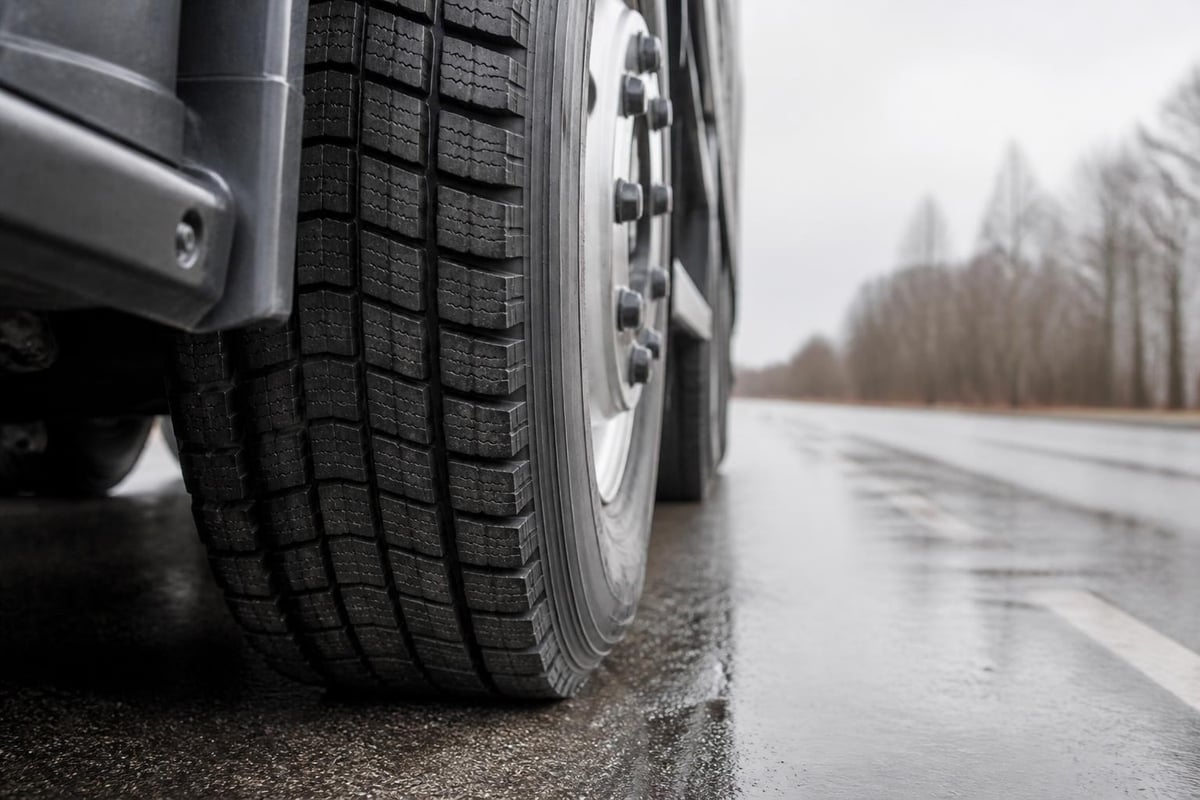
Grip performance varies dramatically by weather conditions and road surface. The best truck tires maintain consistent traction across wet pavement, dry asphalt, light snow, and emergency braking scenarios. Tread pattern design-particularly sipe density, groove depth, and block edge count-determines water evacuation and snow bite.
Wet traction depends on tread void ratio and compound hysteresis. Tires with circumferential grooves channel water away from the contact patch, while lateral sipes create biting edges that penetrate the water film. Stopping distances on wet roads can vary by 30-40 feet among tire models, a difference that determines whether you avoid a collision or cause one.
Winter performance requires a different approach. Siping density increases for snow bite, and specialized compounds remain flexible at low temperatures. Three-peak mountain snowflake (3PMSF) certification identifies tires that meet minimum snow traction standards, essential for operations in northern climates or mountain routes.
Application-Specific Tire Recommendations
Long-Haul Interstate Operations
Long-haul fleets prioritize fuel economy, high-mileage durability, and retreadability. Steer tires need precise tracking and even wear to reach 150,000+ miles before removal. Five-rib patterns with closed shoulders deliver the stability needed for extended highway cruising.
Drive tires for long-haul service use closed-shoulder lug designs that balance traction with fuel efficiency. Deep original tread depth (23/32" or 24/32") extends time to first retread. Stone ejectors prevent penetrations that lead to casing damage.
Trailer tires represent the biggest fuel-economy opportunity. Low rolling resistance trailer tires can deliver 4-6% better fuel economy compared to standard designs. SmartWay-verified trailer tires pay for themselves within the first 30,000-40,000 miles of service through fuel savings alone.
Our TBR lineup addresses all three positions with application-engineered designs. Semi truck tires from Thailand feature optimized five-rib steer patterns, deep closed-shoulder drive lugs with stone ejectors, and SmartWay-compliant trailer compounds that reduce fleet fuel costs per mile while maintaining the durability international distributors expect.
Regional Distribution and Delivery
Regional operations involve more frequent starts, stops, and lower average speeds. Tires experience higher scrub forces during turns and acceleration events. Drive-position tires need aggressive tread blocks that maintain traction on varied surfaces while resisting irregular wear from power application in stop-and-go traffic.
Tread compound selection shifts toward cut and chip resistance for operations that encounter construction zones, warehouse yards, and unpaved delivery sites. Reinforced shoulder ribs protect against curb damage during backing maneuvers at loading docks.
Fuel economy remains important but takes a secondary role to durability and retreadability. Regional tires typically reach 100,000-120,000 miles before first removal, with proper maintenance extending total casing life through two or three retreads.
Vocational and Off-Road Service
Vocational trucks-dump trucks, concrete mixers, refuse haulers, logging trucks-operate in the harshest environments. These applications demand maximum cut resistance, puncture protection, and sidewall strength. Tread patterns feature deep, widely spaced lugs that self-clean mud, gravel, and debris.
Load capacity becomes critical. Vocational tires often carry maximum legal axle weights across uneven terrain where dynamic loading exceeds static ratings. E-rated and F-rated load ranges provide the reinforcement needed to prevent casing fatigue and sidewall failures.
Off-road traction patterns sacrifice fuel economy for grip. Wide tread blocks with aggressive edges bite into soft soil, gravel, and loose rock. These tires wear faster on pavement, making them suitable only for operations that spend the majority of time off hard surfaces.
Maintenance Practices That Extend Tire Life
Inflation Pressure Management
Proper inflation represents the single most important maintenance factor. Underinflation by just 10% increases rolling resistance by 1-2%, reduces fuel economy, accelerates shoulder wear, and generates excessive heat that breaks down internal structure. Overinflation reduces contact patch size, causing center wear and reduced traction.
Best practices for inflation management:
- Check pressure weekly when tires are cold (before operation)
- Use nitrogen inflation to reduce pressure fluctuations
- Install tire pressure monitoring systems (TPMS) on critical assets
- Maintain pressure within 5 psi of manufacturer recommendation
- Adjust pressure based on actual load and ambient temperature
The AAA tire safety resources provide detailed guidance on inspection procedures and pressure maintenance schedules that reduce roadside failures and extend service life.
Rotation and Alignment
Tire rotation equalizes wear patterns across axle positions. For trucks with dual rear wheels, rotating inside and outside positions prevents one tire from wearing faster due to position-specific forces. Rotation intervals of 5,000-8,000 miles work well for most operations.
Alignment specification:
- Steer axle toe: 0° to 1/8" total toe-in
- Thrust angle: Less than 0.10°
- Camber: Manufacturer specification (typically 0° to 0.5° positive)
Misalignment causes rapid irregular wear. A steer tire running 0.25° out of specification can wear out 30,000 miles early. Annual alignment checks catch problems before they destroy casings worth hundreds of dollars.
Tread Depth Monitoring
Legal minimum tread depth is 4/32" for steer tires and 2/32" for drive and trailer positions. However, removing tires at these minimums sacrifices performance and safety. Recommended removal depths are 6/32" for steers, 4/32" for drives, and 4/32" for trailers.
| Tire Position | Legal Minimum | Recommended Removal | Performance Impact Below Minimum |
|---|---|---|---|
| Steer | 4/32" | 6/32" | Reduced wet traction, longer stopping distances |
| Drive | 2/32" | 4/32" | Loss of traction, increased risk of roadside failure |
| Trailer | 2/32" | 4/32" | Minimal performance impact, retread eligibility loss |
Regular tread depth measurements identify wear patterns early. Uneven wear signals alignment issues, improper inflation, or mechanical problems that need immediate attention.
Seasonal Considerations and Regional Variations

Winter Operations
Trucks operating in snow-belt states need winter-capable tires or chains. The 3PMSF certification ensures tires meet minimum snow traction standards. All-season truck tires often include this rating, eliminating the need for dedicated winter tires in regions with moderate snowfall.
Cold-temperature compound technology maintains flexibility below freezing. Standard rubber compounds harden in cold weather, reducing grip and increasing stopping distances. Winter-rated compounds use silica-based formulations that remain pliable down to -20°F.
Chain laws vary by state. California, Oregon, Washington, and mountain states enforce chain requirements during winter storms. Carrying chains and knowing installation procedures prevents delays and fines.
Summer Heat Challenges
High ambient temperatures and hot pavement accelerate tire aging. Heat buildup from underinflation or overloading can cause catastrophic failures. Fleet maintenance best practices recommend increasing inspection frequency during summer months.
Heat management strategies:
- Increase pressure by 5 psi during sustained high-temperature operation
- Monitor tire temperatures with infrared thermometers during pre-trip inspections
- Avoid parking loaded trailers in direct sun for extended periods
- Replace tires showing heat rings or weather cracking immediately
Smart Tire Technologies and Future Trends
Tire Pressure Monitoring Systems
TPMS technology has evolved from basic pressure sensors to comprehensive tire management platforms. Modern systems track pressure, temperature, and load distribution in real time. Data flows to fleet management software, triggering alerts when parameters exceed thresholds.
Benefits of TPMS implementation:
- 50-80% reduction in tire-related roadside failures
- 5-7% improvement in fuel economy through optimized inflation
- Extended tire life through early detection of slow leaks and underinflation
- Reduced maintenance labor (remote monitoring replaces manual checks)
Predictive Analytics and AI
Artificial intelligence algorithms now analyze tire performance data to predict failure events before they occur. Machine learning models identify patterns that indicate imminent problems-abnormal temperature trends, gradual pressure loss, irregular wear progression-allowing preventive intervention.
Fleet management platforms integrate tire data with vehicle telematics, fuel consumption, and route information. Predictive models optimize tire selection for specific routes, recommend rotation schedules based on actual wear patterns, and identify vehicles with mechanical issues causing premature tire wear.
Sustainable Materials and Circular Economy
Environmental concerns drive innovation in tire manufacturing. Recycled materials, bio-based compounds, and sustainable natural rubber sources reduce the carbon footprint of new tire production. Retreading programs extend tire life while consuming 70% less energy than manufacturing new tires.
The Transportation Research Board analysis on tires and fuel economy examines the broader environmental implications of tire design choices, providing context for fleet sustainability initiatives.
Total Cost of Ownership Analysis
Initial Purchase Price vs. Lifetime Value
The best truck tires rarely carry the lowest purchase price. A premium tire costing 20% more than a budget alternative often delivers 40-50% longer service life and 3-5% better fuel economy. Over the tire's lifetime, the premium option costs significantly less per mile.
TCO calculation factors:
- Purchase price per tire
- Expected tread life (miles to removal)
- Fuel economy impact (gallons saved annually)
- Retreadability (number of retreads casing supports)
- Maintenance requirements (balancing, repairs, roadside failures)
- Downtime costs (lost revenue from tire-related breakdowns)
Retread Programs
Retreading extends casing life while reducing cost per mile by 40-60% compared to new tires. A premium TBR casing supports two to four retreads, delivering 400,000-600,000 total miles from a single casing investment. Proper maintenance-maintaining inflation, avoiding curb damage, preventing heat damage-preserves casing integrity for multiple retreads.
Retreading best practices:
- Remove tires at recommended tread depths (preserves casing)
- Inspect casings for cuts, punctures, and sidewall damage
- Work with certified retread shops using quality materials
- Track casing serial numbers to monitor individual tire performance
- Balance retreaded tires to prevent irregular wear
| Tire Investment | New Tire | First Retread | Second Retread | Third Retread |
|---|---|---|---|---|
| Cost | $450 | $180 | $180 | $180 |
| Expected Miles | 150,000 | 125,000 | 125,000 | 100,000 |
| Cost per Mile | $0.003 | $0.0014 | $0.0014 | $0.0018 |
Selecting the Right Tire Partner
Quality Certifications and Standards
Department of Transportation (DOT) certification ensures tires meet minimum safety standards for North American highways. Economic Commission for Europe (ECE) certification covers European markets. Quality tires carry both certifications, demonstrating compliance with rigorous testing protocols.
ISO 9001 quality management certification indicates a manufacturer follows standardized processes that ensure consistent product quality. Third-party testing verification from organizations like Consumer Reports provides additional confidence in performance claims.
Warranty Coverage and Support
Comprehensive warranty coverage protects against manufacturing defects and premature wear. Premium tire manufacturers offer mileage warranties, road-hazard protection, and free replacement for defective tires. Understanding warranty terms-coverage periods, pro-rated adjustments, exclusions-helps evaluate true product value.
Technical support matters when problems arise. Responsive manufacturers provide field engineers who analyze failure modes, recommend corrective actions, and adjust specifications for challenging applications. This support minimizes downtime and prevents recurring problems.
Choosing the best truck tires requires balancing multiple factors-application requirements, performance priorities, total cost of ownership, and long-term fleet objectives. No single tire model excels in every category, making it essential to match tire specifications to your specific operating profile and business goals. OTR TIRE THAI manufactures premium TBR, commercial, and light truck tires that deliver the performance international distributors demand, backed by DOT and ECE certifications and factory-direct wholesale pricing that maximizes your competitive advantage in over 80 countries worldwide.
