
Blog
Tire Load Rating: Complete Guide for Fleet Managers

Sep
Understanding tire load rating is fundamental to fleet safety, regulatory compliance, and operational efficiency. Every tire manufactured today carries a specific load capacity designation that determines the maximum weight it can safely support at a given inflation pressure. For fleet managers, distributors, and vehicle operators worldwide, selecting tires with appropriate load ratings prevents premature failures, reduces liability risks, and ensures vehicles perform as designed. This comprehensive guide explores the technical foundations, regulatory requirements, and practical applications of tire load ratings across commercial and industrial applications.
What Is Tire Load Rating and Why It Matters
A tire load rating represents the maximum load a tire can carry at its specified inflation pressure when operated under normal conditions. This rating appears on every tire sidewall as part of the service description, typically following the tire size marking. The load index-a two- or three-digit numerical code-corresponds to a specific weight capacity measured in pounds or kilograms.
The U.S. Tire Manufacturers Association provides detailed guidance on how load ratings correlate with inflation pressure and vehicle requirements. This standardized system ensures consistency across manufacturers and enables proper tire selection regardless of brand or origin.
How Load Index Numbers Work
Load index values range from 0 to 279, with each number representing a precise load capacity. For example, a load index of 121 corresponds to 3,197 pounds (1,450 kg) per tire, while an index of 150 indicates 7,385 pounds (3,350 kg) capacity. These values follow internationally standardized tables maintained by organizations like the Tire and Rim Association (TRA) and the European Tyre and Rim Technical Organisation (ETRTO).
Key characteristics of load index systems:
- Each index number increases load capacity incrementally
- Standards remain consistent across passenger, light truck, and commercial categories
- Dual marking (such as 121/120) indicates different capacities for single versus dual configurations
- Higher numbers always represent greater load-carrying ability
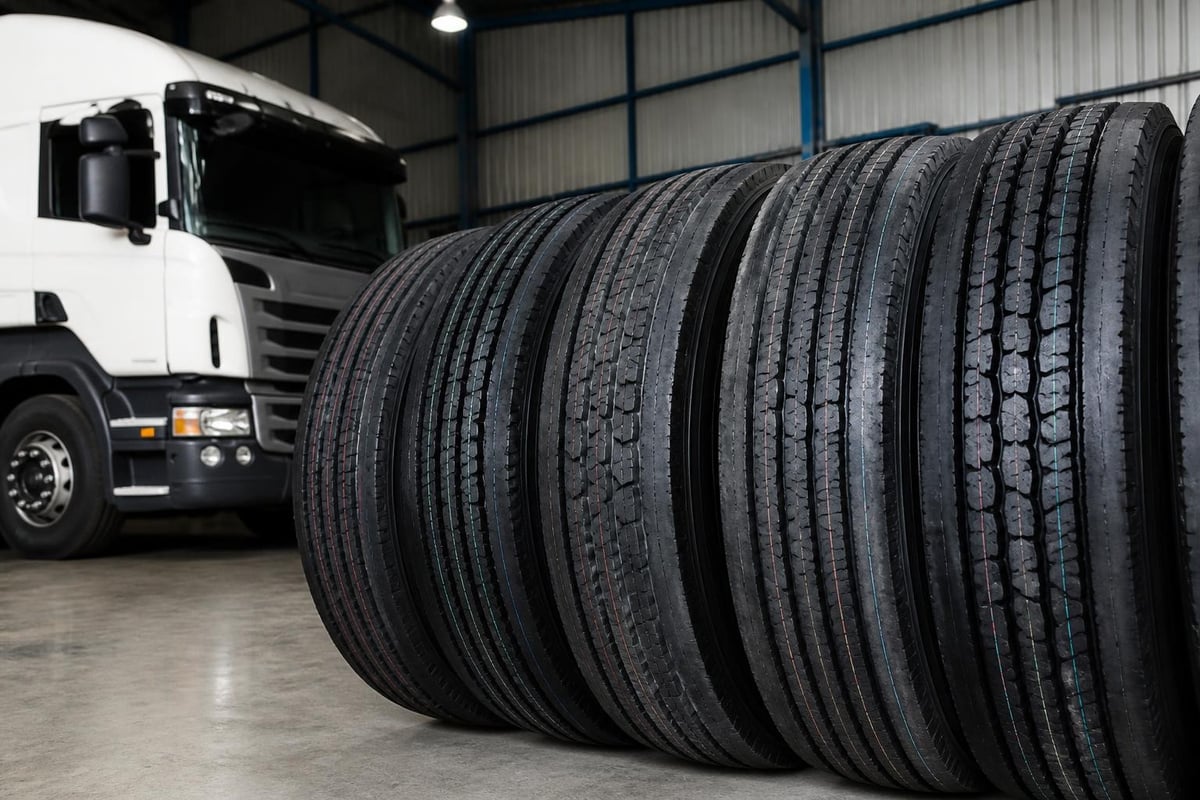
Commercial truck tires often display dual load indices because single rear tires carry more load than dual assemblies. A marking of 150/146, for instance, shows 7,385 pounds for single fitment and 6,610 pounds when paired in a dual configuration.
Regulatory Standards Governing Tire Load Rating
Multiple regulatory frameworks govern tire load rating requirements across different markets. In the United States, Federal Motor Vehicle Safety Standard 110 establishes mandatory requirements for tire selection and vehicle load capacity information. This regulation mandates that replacement tires must meet or exceed the load rating specified on the vehicle's certification placard.
The ETRTO standards document provides comprehensive technical recommendations for European markets, covering load ratings for passenger cars, commercial vehicles, industrial applications, and specialty tires. These standards define test procedures, marking requirements, and usage conditions that manufacturers must follow.
International Harmonization Through ISO Standards
ISO 4000-1:2024 establishes international requirements for passenger car tires and rims, including precise definitions of service descriptions and load index markings. This standard facilitates global trade by creating unified technical specifications that manufacturers in Thailand, Europe, North America, and other regions can reference.
Canadian regulations also address tire load rating through the Motor Vehicle Safety Regulations, which include specific definitions and labeling requirements. These parallel U.S. standards while incorporating metric measurements and Canadian-specific vehicle classifications.
| Regulatory Body | Geographic Scope | Primary Focus | Key Document |
|---|---|---|---|
| FMVSS 110 | United States | Legal requirements for tire selection | 49 C.F.R. §571.110 |
| ETRTO | Europe | Technical recommendations and test standards | ETRTO Standards Manual |
| ISO | International | Harmonized specifications across markets | ISO 4000 series |
| Transport Canada | Canada | Safety regulations and marking requirements | MVSR Part 1038 |
Understanding Load Capacity Tables and Calculations
Tire manufacturers publish load capacity tables that translate load index numbers into actual weight values. These tables account for multiple variables including tire construction, inflation pressure, speed rating, and intended use category. The relationship between inflation pressure and load capacity follows precise engineering formulas developed through decades of industry research.
For commercial applications, load calculations become more complex. A typical semi-truck configuration involves multiple axles, each with different load distributions. Front steer axles carry less weight than rear drive or trailer axles, requiring different tire load ratings at each position.
Factors affecting actual load capacity:
- Cold inflation pressure (measured before operation)
- Ambient temperature and operating conditions
- Single versus dual tire configurations
- Speed and duration of operation
- Road surface and terrain characteristics
The historical development of TRA load formulas shows how industry standards evolved to balance safety margins with practical load-carrying needs. These formulas incorporate safety factors that account for dynamic loading, impact forces, and material fatigue over the tire's service life.
Inflation Pressure and Load Relationship
Proper inflation pressure is critical to achieving rated load capacity. Underinflation reduces load-carrying ability, increases heat buildup, and accelerates wear. A tire inflated to 80% of its recommended pressure may lose 20-30% of its load capacity, creating dangerous overload conditions even when gross vehicle weight appears within limits.
Modern tire pressure monitoring systems help fleets maintain correct inflation, but manual pressure checks remain essential. Cold tire pressure-measured after the vehicle has been stationary for at least three hours-provides the most accurate reading for load capacity verification.

Tire Load Rating Across Different Vehicle Categories
Different vehicle types require distinct approaches to load rating selection. Passenger car tires typically range from load index 75 (853 pounds) to 105 (2,039 pounds), while light truck tires extend from 100 to 129. Commercial truck tires cover indices from 120 through 160 or higher, depending on application and axle position.
Passenger and Light Truck Applications
For passenger vehicles and light trucks, replacement guidance from USTMA emphasizes matching or exceeding the original equipment load rating. Vehicle manufacturers select tire load ratings based on maximum gross vehicle weight rating (GVWR), which includes the vehicle itself plus maximum cargo and passenger capacity.
Light truck tires use either standard (SL) or extra load (XL) designations. Extra load tires carry higher capacities at increased inflation pressures-typically 41-42 PSI compared to 35-36 PSI for standard load tires. This distinction becomes crucial when upfitting vehicles for commercial use or when adding aftermarket equipment that increases vehicle weight.
Commercial Truck and Bus Radial Tires
Semi truck and bus radial (TBR) tires represent the most demanding load rating applications. A typical Class 8 tractor-trailer combination may have a gross combination weight rating of 80,000 pounds in the U.S., requiring careful load distribution across multiple axles and tire positions.
TBR tire position requirements:
- Steer position: Front axle tires prioritize steering response and even wear, typically using load indices from 135-150
- Drive position: Rear traction axles demand higher load capacity and traction, using indices from 144-156
- Trailer position: Free-rolling trailer axles emphasize low rolling resistance and durability, with indices from 144-154
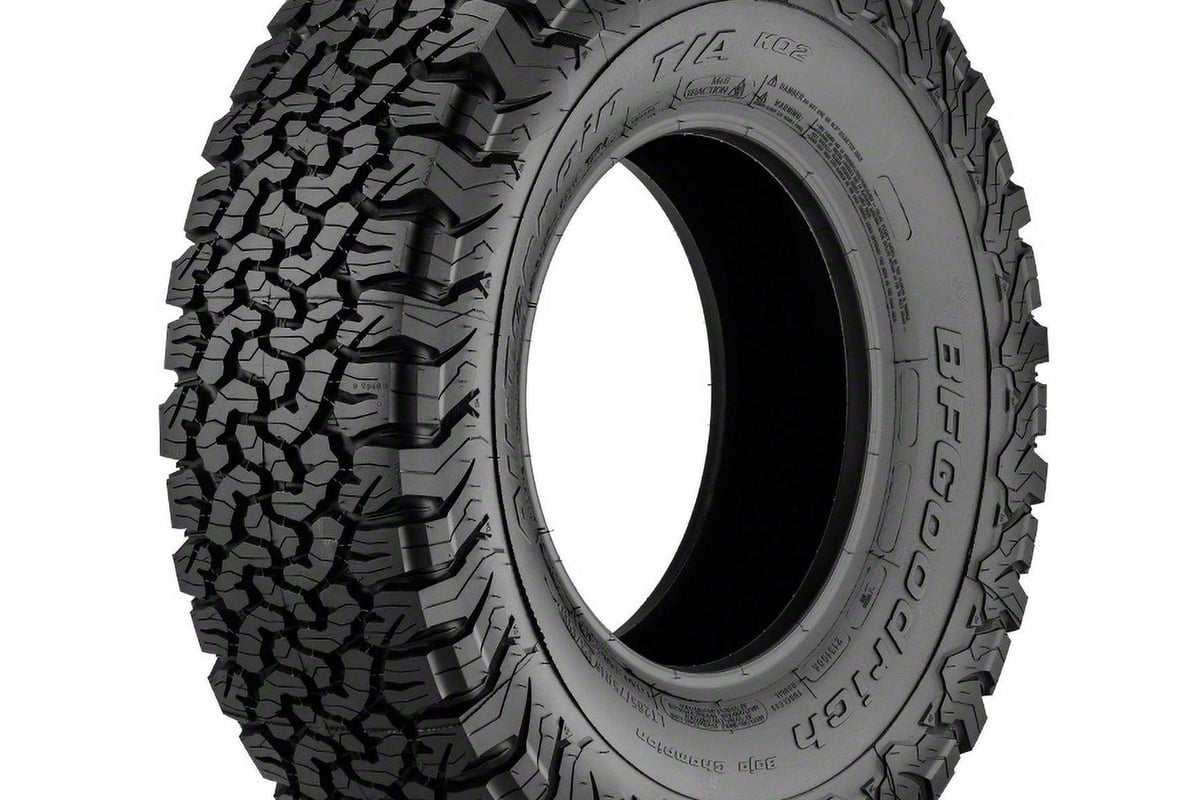
OTR TIRE THAI manufactures Semi Truck Tires from Thailand covering all three positions with load ratings optimized for long-haul efficiency. Steer tires feature five-rib patterns for stability with load indices meeting North American and European fleet requirements, while drive tires incorporate deep lugs and appropriate load capacity for heavy-duty applications.
Agricultural and Off-The-Road Applications
Agricultural tires, forklift tires, and OTR mining tires use specialized load rating systems that account for unique operating conditions. These tires often operate at lower speeds but carry extreme loads across uneven terrain. Load ratings must accommodate not just static weight but also dynamic forces from impacts, turning under load, and severe duty cycles.
Industrial solid tires for forklifts and material handling equipment follow different load capacity standards than pneumatic tires, with ratings based on rim width, tire diameter, and intended load capacity at specific operating speeds.
Practical Load Rating Selection for Fleet Operations
Selecting appropriate tire load ratings requires analyzing actual vehicle weights, load distributions, and operating conditions. Fleet managers should never rely solely on tire size when specifying replacements-load index verification prevents costly mistakes and safety hazards.
Step-by-Step Load Rating Verification
- Locate the vehicle certification placard showing GVWR and tire specifications
- Calculate the maximum weight per tire by dividing axle loads by number of tires
- Identify the required load index from standardized load tables
- Select replacement tires meeting or exceeding the required index
- Verify inflation pressure matches the load capacity requirements
For mixed fleets operating across international borders, consider that load index requirements may vary between jurisdictions. European regulations often specify different load margins than North American standards, particularly for commercial vehicles operating under different weight limits.
| Vehicle Type | Typical GVWR Range | Load Index Range | Inflation Pressure Range |
|---|---|---|---|
| Passenger Car | 3,000-5,000 lbs | 75-105 | 30-35 PSI |
| Light Truck/SUV | 5,000-10,000 lbs | 100-126 | 35-50 PSI |
| Medium-Duty Truck | 10,001-26,000 lbs | 115-135 | 65-95 PSI |
| Class 8 Tractor-Trailer | 26,001-80,000 lbs | 135-160 | 100-120 PSI |
Load Rating Mistakes That Compromise Safety
Common errors in tire load rating selection create significant risks. Underloading-using tires with insufficient load capacity-is perhaps the most dangerous mistake. This practice increases heat generation, accelerates structural degradation, and can lead to catastrophic tire failure at highway speeds.
Critical mistakes to avoid:
- Installing passenger car tires on light trucks without verifying load capacity
- Mixing load indices across the same axle
- Relying on tire size alone without checking load index
- Failing to adjust inflation pressure when changing load conditions
- Ignoring dual versus single load capacity differences
Some fleet operators mistakenly believe that upsizing to wider tires automatically increases load capacity. While tire dimensions influence load ratings, the load index marking provides the definitive specification. A wider tire with a lower load index may actually have less capacity than a narrower tire with a higher index.
Temperature and Speed Rating Interactions
Load capacity ratings assume specific speed ranges and ambient temperatures. The speed rating symbol that follows the load index (such as R, S, or H) indicates the maximum speed at which the tire can sustain its rated load. Operating above the speed rating or in extreme temperatures may require load capacity reductions according to manufacturer guidelines.
High-speed operation generates additional heat within the tire structure. This heat affects the rubber compounds, steel belts, and casing materials that together determine load-carrying capacity. Some manufacturers publish load/speed adjustment tables for operations exceeding standard conditions.
Documentation and Compliance Tracking
Maintaining proper documentation of tire load ratings supports regulatory compliance and liability management. Fleet operators should retain records showing that replacement tires meet or exceed OE specifications, including load index verification.
SAE industry recommended practices reference maximum tire load rating definitions that align with broader vehicle engineering standards. These practices guide automotive engineers in matching tire specifications to vehicle performance requirements during design and throughout the vehicle lifecycle.
Essential documentation elements:
- Original equipment tire specifications from vehicle certification
- Replacement tire load index and speed rating
- Installation date and odometer reading
- Inflation pressure verification records
- Periodic weight verification for loaded vehicles
Digital fleet management systems now incorporate tire specification tracking, alerting managers when replacement tires fail to meet minimum load rating requirements. These systems integrate with tire inventory management to prevent specification errors during procurement and installation.
Future Trends in Load Rating Technology
Tire load rating systems continue to evolve with advances in materials science, manufacturing processes, and vehicle technology. Modern tire compounds and construction techniques enable higher load capacities at lower weights, improving fuel efficiency while maintaining safety margins.
Electric commercial vehicles present new challenges for tire load ratings. Battery packs add significant weight compared to diesel powertrains, requiring careful tire selection to accommodate increased axle loads while maximizing range through low rolling resistance designs.
Smart tire technologies incorporating embedded sensors may eventually provide real-time load monitoring, alerting operators when actual loads approach or exceed rated capacity. These systems could integrate with vehicle telematics to optimize load distribution and prevent overload conditions before they create safety hazards.
Sustainability and Load Rating Optimization
Fleet sustainability initiatives increasingly focus on tire selection optimization. Choosing tires with appropriate load ratings-neither significantly under- nor over-specified-reduces material consumption and extends service life. This approach balances safety requirements with environmental considerations and total cost of ownership.
Retreading programs for commercial tires depend on proper initial load rating selection. Tires operated within their rated capacity throughout their first life retain structural integrity necessary for successful retreading, maximizing the total miles generated per casing and reducing waste.
Understanding tire load rating fundamentals enables informed purchasing decisions that balance safety, compliance, and operational efficiency across diverse vehicle applications. Whether managing passenger car fleets, commercial truck operations, or industrial equipment, proper load rating verification protects assets and personnel while optimizing tire performance. OTR TIRE THAI manufactures premium tires across all major categories with load ratings certified to international standards, serving distributors in over 80 countries with technical support to ensure proper specification matching for every application.
