
Blog
Wholesale Tire Company Guide: Sourcing & Distribution 2026

Oct
The wholesale tire industry plays a critical role in connecting manufacturers with retail dealers, fleet operators, and commercial customers worldwide. A wholesale tire company serves as the essential bridge in the supply chain, managing inventory, logistics, and distribution at scale while maintaining competitive pricing and product availability. As global tire demand continues to grow across agricultural, commercial, and industrial sectors, understanding how wholesale operations function becomes increasingly important for buyers seeking reliable supply partners and manufacturers looking to expand their distribution networks.
Understanding the Wholesale Tire Company Business Model
A wholesale tire company operates on fundamentally different principles than retail tire shops or direct-to-consumer brands. The primary focus centers on volume purchasing from manufacturers, efficient warehousing, and rapid fulfillment to authorized dealers and distributors.
Key operational elements distinguish wholesale operations:
- Bulk purchasing directly from tire factories and manufacturing facilities
- Multi-brand inventory management across various tire categories
- Regional or global distribution networks with strategically located warehouses
- Credit terms and financing programs for dealer customers
- Technical support and product training for distribution partners
The profit margins in wholesale tire distribution are typically tighter than retail operations, with success dependent on operational efficiency and inventory turnover velocity. According to recent industry analysis, wholesale distributors have adapted their business models significantly over the past decade to address changing market dynamics and competitive pressures from online retailers.
Volume Economics and Pricing Strategy
Wholesale pricing reflects the economies of scale achieved through container-load purchases and direct manufacturer relationships. A wholesale tire company negotiates pricing based on annual volume commitments, payment terms, and exclusivity agreements in specific territories or product categories.

Price positioning must balance manufacturer costs, logistics expenses, competitive market rates, and sufficient margin for dealer customers to remain profitable. Most wholesale operations maintain pricing databases that account for:
- Base manufacturer cost plus freight and duties
- Currency fluctuations for international sourcing
- Seasonal demand variations and inventory carrying costs
- Competitive intelligence from regional and national wholesalers
- Volume tier discounts and promotional allowances
The 2025 Facts Issue highlights how wholesale pricing strategies have evolved to incorporate data analytics and dynamic pricing models that respond to real-time market conditions.
Sourcing Strategies for Wholesale Operations
Effective sourcing represents the foundation of any successful wholesale tire company. The selection of manufacturing partners directly impacts product quality, delivery reliability, pricing competitiveness, and brand reputation in target markets.
Global Manufacturing Partnerships
Thailand has emerged as a major tire manufacturing hub, with production facilities offering internationally certified products at competitive wholesale pricing. Manufacturers in Southeast Asia typically provide:
| Manufacturing Advantage | Business Impact |
|---|---|
| Lower production costs | Higher margin potential for distributors |
| Modern manufacturing facilities | Consistent quality and certification compliance |
| Flexible production runs | Customization options for private label programs |
| Established export infrastructure | Reliable container shipping and documentation |
When evaluating potential manufacturing partners, a wholesale tire company conducts comprehensive due diligence across multiple criteria. Quality certifications such as DOT, ECE, ISO, and INMETRO serve as baseline requirements. Factory audits assess production capacity, quality control processes, and supply chain stability.
Global trade data analysis reveals shifting patterns in tire imports, with Southeast Asian manufacturers gaining market share across North America, Europe, and Latin America. These trends reflect growing confidence in the quality and reliability of tires produced in Thailand and neighboring countries.
Product Category Specialization
Strategic wholesale tire companies often specialize in specific tire categories rather than attempting to compete across all market segments. Specialization allows deeper technical knowledge, stronger manufacturer relationships, and more efficient inventory management.
Common specialization strategies include:
- Agricultural and farm tire focus – serving dealer networks in rural markets with specialized equipment tires
- Commercial truck and bus concentration – providing TBR tires to fleet customers and truck service centers
- Industrial and specialty applications – forklift, solid, and OTR tires for construction and material handling
- Passenger and light truck distribution – PCR and LT tires for traditional tire retail outlets
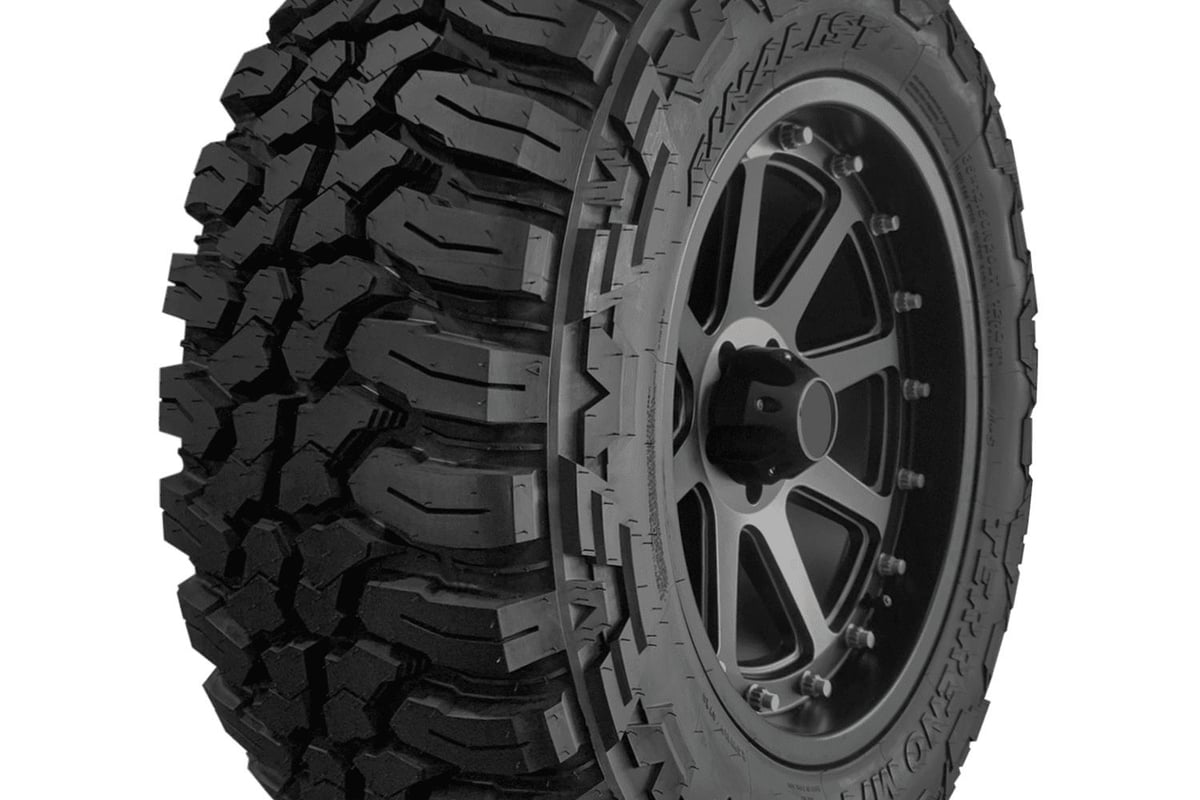
OTR TIRE THAI exemplifies the specialized manufacturer approach, concentrating on agricultural tires, forklift tires, solid tires, and commercial vehicle applications. This focused product range enables deeper expertise and more responsive service to wholesale distribution partners across our complete product categories.
Distribution Network Development
A wholesale tire company's geographic footprint and logistics capabilities determine its competitive position and service level to dealer customers. Distribution network design balances warehouse locations, inventory depth, and delivery speed against capital investment and operating costs.
Warehouse Strategy and Location Planning
Strategic warehouse placement reduces freight costs and delivery times while optimizing inventory turns. Key location considerations include:
- Proximity to major transportation hubs (ports, rail terminals, highway corridors)
- Access to target dealer populations and commercial fleet concentrations
- Labor availability for warehouse operations and delivery services
- Real estate costs and local business climate factors
- Cross-border logistics for international distribution networks
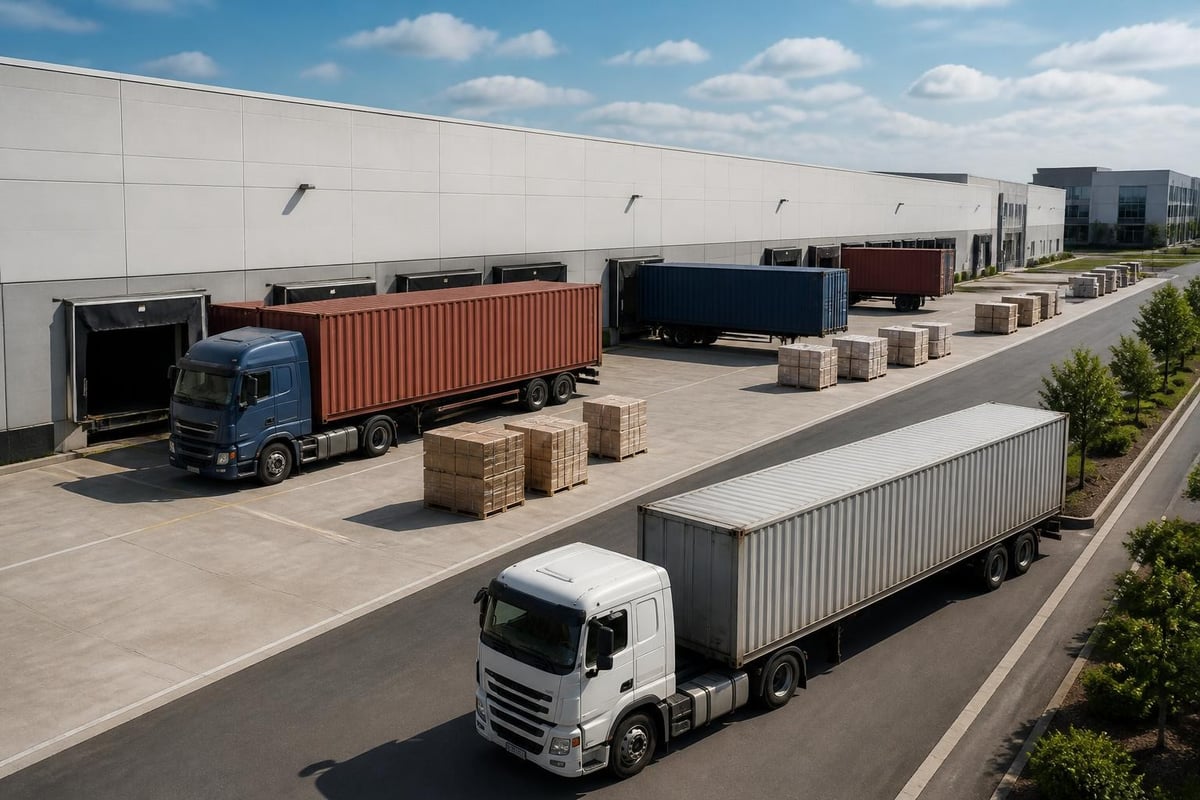
Multi-warehouse networks enable regional inventory positioning with faster replenishment cycles. A wholesale tire company serving the United States might operate primary distribution centers in strategic locations with satellite warehouses for rapid fulfillment in secondary markets.
Inventory Management Systems
Modern wholesale operations depend on sophisticated inventory management platforms that integrate purchasing, warehousing, sales, and logistics functions. These systems provide real-time visibility across:
| System Capability | Operational Benefit |
|---|---|
| Automated reorder points | Prevents stockouts on fast-moving SKUs |
| ABC inventory classification | Optimizes working capital allocation |
| FIFO/FEFO rotation tracking | Ensures proper stock rotation and freshness |
| Multi-location inventory visibility | Enables inventory sharing and transfers |
| Integrated freight calculation | Accurate delivered pricing for customers |
The Tire Industry Association provides resources and best practices for implementing inventory systems appropriate to wholesale distribution operations of various sizes and complexities.
Quality Assurance and Product Compliance
A wholesale tire company bears significant responsibility for the quality and regulatory compliance of products distributed to customers. This obligation extends beyond simply purchasing from certified manufacturers to implementing verification and testing protocols.
Certification and Testing Requirements
Different markets impose specific certification requirements for tire sales and distribution. Understanding and maintaining compliance across target markets represents a core competency for international wholesale operations.
Key certification frameworks include:
- DOT (Department of Transportation) – required for tire sales in the United States
- ECE (Economic Commission for Europe) – European market compliance standard
- INMETRO – Brazilian market certification requirement
- GCC – Gulf Cooperation Council certification for Middle East markets
- CCC (China Compulsory Certificate) – mandatory for Chinese market entry
Third-party testing and verification provide additional assurance beyond manufacturer certifications. Some wholesale tire companies maintain relationships with independent testing facilities to conduct spot-check verification of key performance parameters such as load capacity, speed ratings, and tread durability.
Warranty and Customer Support Programs
Warranty administration represents a significant service component for wholesale distribution. A wholesale tire company typically manages:
- Manufacturer warranty claim processing and reimbursement
- Customer communication regarding coverage terms and limitations
- Product defect investigation and field performance analysis
- Technical support for dealer questions on applications and specifications
Effective warranty programs build dealer confidence and loyalty while providing valuable feedback on product performance across different applications and market conditions. Forward-thinking distributors analyze warranty data to identify emerging issues and collaborate with manufacturers on continuous improvement initiatives.
Building Dealer and Distributor Relationships
The success of a wholesale tire company ultimately depends on the strength and breadth of its dealer network. Cultivating productive relationships requires more than competitive pricing and product availability.
Value-Added Services for Dealers
Modern wholesale distribution extends beyond basic product fulfillment to provide comprehensive support that helps dealer customers grow their businesses:
- Technical training programs on tire applications, sizing, and installation procedures
- Marketing support including point-of-sale materials, digital assets, and co-op advertising programs
- Business management resources addressing inventory optimization, pricing strategies, and customer service
- Industry event participation including trade shows, dealer meetings, and product launches
Credit and financing programs serve as critical differentiators in wholesale distribution. Flexible payment terms enable dealers to maintain optimal inventory levels without excessive working capital constraints. According to market research data, credit terms ranging from net 30 to net 90 days remain standard in the wholesale tire industry, with early payment discounts commonly offered to encourage faster remittance.
Territory Management and Exclusivity
Geographic territory assignments and exclusivity agreements structure the relationship between wholesale tire companies and their dealer networks. These arrangements balance the distributor's desire for market protection against the manufacturer's interest in maximum market penetration.
Territory structures typically follow one of several models:
- Exclusive territories – single dealer appointed for defined geographic area with category protection
- Semi-exclusive arrangements – limited number of dealers in market with performance requirements
- Open distribution – no territorial restrictions with dealers competing on service and local relationships
Performance expectations accompany exclusive territory grants, including minimum purchase commitments, inventory investment levels, and market development activities. Regular business reviews assess territory performance and alignment with growth objectives.
Logistics and Supply Chain Optimization
Efficient logistics operations separate successful wholesale tire companies from struggling competitors. The physical characteristics of tires-bulky, heavy, and requiring specific handling-create unique supply chain challenges.
International Shipping and Customs Clearance
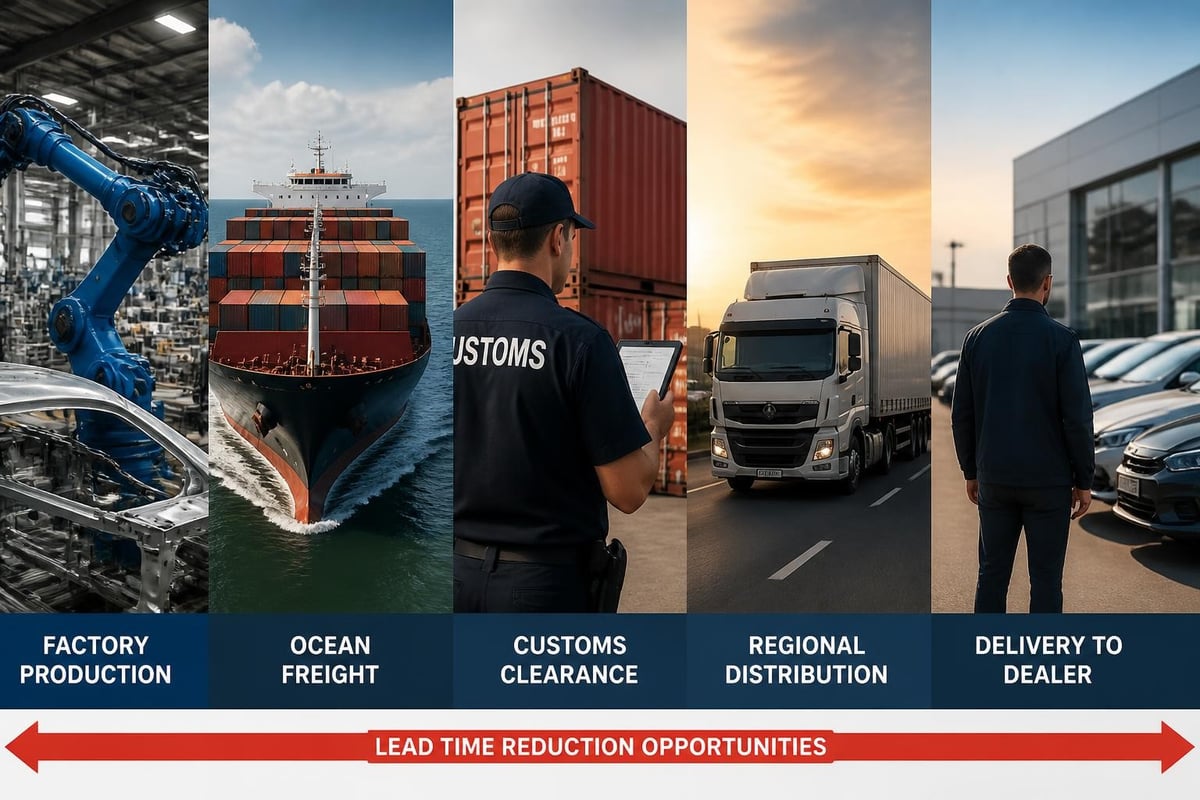
For wholesale tire companies sourcing from overseas manufacturers, container logistics and customs compliance represent critical competencies. Full container loads (FCL) provide the most economical unit costs, with 20-foot and 40-foot containers as standard options.
Container loading optimization maximizes the number of tires per shipment while ensuring proper weight distribution and damage prevention. Experienced logistics teams coordinate:
- Factory pickup and container loading supervision
- Bill of lading and commercial invoice preparation
- Customs broker relationships in destination countries
- Port handling and inland transportation to distribution centers
Transit times from major Asian manufacturing centers to North American and European markets typically range from 15 to 45 days depending on routing, with ocean freight rates fluctuating based on seasonal demand patterns and global shipping capacity.
Last-Mile Delivery Solutions
The final delivery from wholesale warehouse to dealer location represents a significant portion of total distribution costs. A wholesale tire company employs various delivery models based on geographic density, order patterns, and customer expectations:
| Delivery Model | Best Application |
|---|---|
| Company-operated fleet | Dense urban markets with high order frequency |
| Third-party LTL carriers | Dispersed rural dealers with smaller order sizes |
| Customer pickup | Large dealers with internal logistics capabilities |
| Drop-ship programs | Direct delivery from manufacturer for large orders |
Route optimization software enables efficient delivery scheduling that minimizes miles driven while maintaining service commitments. Many wholesale operations offer next-day or same-day delivery within primary service areas as a competitive differentiator.
Market Trends Shaping Wholesale Distribution
The wholesale tire industry continues to evolve in response to technological advances, changing customer expectations, and competitive dynamics. Understanding these trends helps position a wholesale tire company for sustained success.
Digital Transformation and E-Commerce Integration
Online ordering platforms have become table stakes for wholesale distribution. Dealer customers expect 24/7 access to inventory availability, pricing, order placement, and shipment tracking through web portals and mobile applications.
Digital capabilities now required by competitive wholesale operations include:
- Real-time inventory queries across all warehouse locations
- Online ordering with saved customer specifications and preferences
- Electronic invoicing and payment processing options
- Shipment tracking integration with carrier systems
- Digital catalog with detailed specifications, images, and application guides
The most advanced wholesale tire companies leverage data analytics to provide predictive recommendations based on historical purchasing patterns, seasonal trends, and emerging opportunities within each dealer's market.
Sustainability and Environmental Responsibility
Environmental considerations increasingly influence purchasing decisions throughout the tire supply chain. A wholesale tire company demonstrates sustainability commitment through:
- Partnering with manufacturers using sustainable materials and production processes
- Implementing tire collection and recycling programs for end-of-life disposal
- Optimizing logistics to reduce carbon footprint per tire delivered
- Supporting retreading programs that extend tire life and reduce waste
Transparency regarding environmental practices and supply chain sustainability helps wholesale distributors align with corporate responsibility initiatives of fleet customers and environmentally conscious retail dealers.
Private Label Programs and Brand Development
Some wholesale tire companies develop proprietary tire brands through private label partnerships with manufacturers. These programs offer several strategic advantages:
- Higher profit margins compared to established branded products
- Exclusive product offerings that differentiate from competitors
- Greater control over pricing and promotional strategies
- Opportunity to build brand equity and customer loyalty
Successful private label development requires significant investment in quality control, brand development, marketing support, and warranty administration. The strategy works best for established wholesale tire companies with strong dealer relationships and market credibility.
Financial Management and Profitability Drivers
Operating a wholesale tire company requires substantial working capital investment and careful financial management to achieve sustainable profitability in a competitive, margin-sensitive business.
Working Capital and Cash Flow Optimization
Inventory investment represents the largest working capital requirement for wholesale distribution. A typical wholesale tire company carries 60 to 120 days of inventory based on product mix, lead times, and service level commitments.
Cash conversion cycle management focuses on three key metrics:
- Days inventory outstanding (DIO) – how long inventory remains in stock before sale
- Days sales outstanding (DSO) – how long receivables remain unpaid after sale
- Days payable outstanding (DPO) – how long the company takes to pay supplier invoices
Optimizing these metrics improves cash flow without sacrificing service levels. For detailed product specifications that help dealers make faster purchasing decisions, reference our complete product inventory.
Performance Metrics and KPI Tracking
Data-driven management enables continuous improvement and competitive advantage. Leading wholesale tire companies monitor comprehensive performance dashboards that track:
| Metric Category | Key Performance Indicators |
|---|---|
| Sales performance | Revenue per dealer, average order value, new customer acquisition |
| Operational efficiency | Order fill rate, inventory turns, delivery on-time percentage |
| Financial health | Gross margin percentage, operating expense ratio, return on assets |
| Customer satisfaction | Net promoter score, order accuracy rate, complaint resolution time |
Regular analysis of these metrics identifies opportunities for improvement and early warning signals of emerging challenges. Benchmarking against industry standards provides context for performance evaluation and goal setting.
Risk Management and Business Continuity
A wholesale tire company faces various risk exposures that require proactive management and mitigation strategies. Comprehensive risk planning protects business continuity and financial stability.
Supply Chain Disruption Management
Recent global events have highlighted the vulnerability of international supply chains to disruption. Prudent wholesale tire companies implement multiple risk mitigation approaches:
- Multi-sourcing strategies – relationships with manufacturers in different countries and regions
- Safety stock buffers – strategic inventory reserves for critical fast-moving products
- Alternative logistics routing – flexibility to shift between ports and transportation modes
- Supplier financial monitoring – early warning systems for manufacturer financial distress
Crisis management protocols outline specific response procedures for various disruption scenarios, ensuring rapid decision-making when supply chain issues emerge.
Credit and Collections Risk
Extending credit to dealer customers creates exposure to payment defaults and bad debt losses. Effective credit management balances sales growth objectives with risk mitigation through:
- Credit application review and reference verification for new accounts
- Credit limit assignment based on financial strength and payment history
- Ongoing monitoring of account aging and payment patterns
- Escalating collection procedures for overdue accounts
- Credit insurance or factoring for high-risk accounts
Maintaining bad debt losses below industry benchmarks (typically 0.5% to 1.5% of sales) requires disciplined credit policies and consistent enforcement of payment terms.
Building a successful wholesale tire company requires expertise across sourcing, logistics, dealer relationships, and financial management. Strategic partnerships with quality-focused manufacturers enable competitive pricing and reliable supply for growing distribution networks. OTR TIRE THAI delivers premium tires at wholesale prices to distributors in over 80 countries, backed by international certifications and comprehensive product ranges across agricultural, commercial, industrial, and specialty tire categories. Contact our distribution team to explore wholesale partnership opportunities and factory-direct pricing for your market.
