
Blog
Best Snow Tires for SUV: Expert Selection Guide 2026
Aug
Winter driving conditions demand specialized equipment, and selecting the best snow tires for SUV applications can mean the difference between confident handling and dangerous skids. Sport utility vehicles carry unique requirements due to their higher center of gravity, increased weight, and diverse usage patterns ranging from daily commutes to off-road adventures. Understanding the technical specifications, performance characteristics, and safety certifications of winter tires ensures your SUV maintains optimal traction when temperatures drop below 45°F and precipitation turns roads into hazardous surfaces.
Understanding Winter Tire Technology for SUVs
Modern snow tires incorporate advanced rubber compounds that remain flexible in freezing temperatures, unlike all-season tires that harden and lose grip. The specialized tread designs feature deeper grooves and thousands of microscopic biting edges called sipes that grip snow and ice surfaces.
Key Performance Indicators
When evaluating the best snow tires for SUV vehicles, three primary metrics determine real-world performance. Traction ratings measure the tire's ability to grip wet surfaces and snow-covered roads during acceleration and braking. Temperature resistance indicates how well the tire dissipates heat during extended highway driving. Treadwear ratings project the tire's longevity under normal operating conditions.
Testing organizations employ standardized procedures to generate these ratings:
- Controlled acceleration tests on packed snow
- Emergency braking measurements on ice
- Lateral grip assessments during cornering
- Hydroplaning resistance at various speeds
- Noise level monitoring at highway speeds
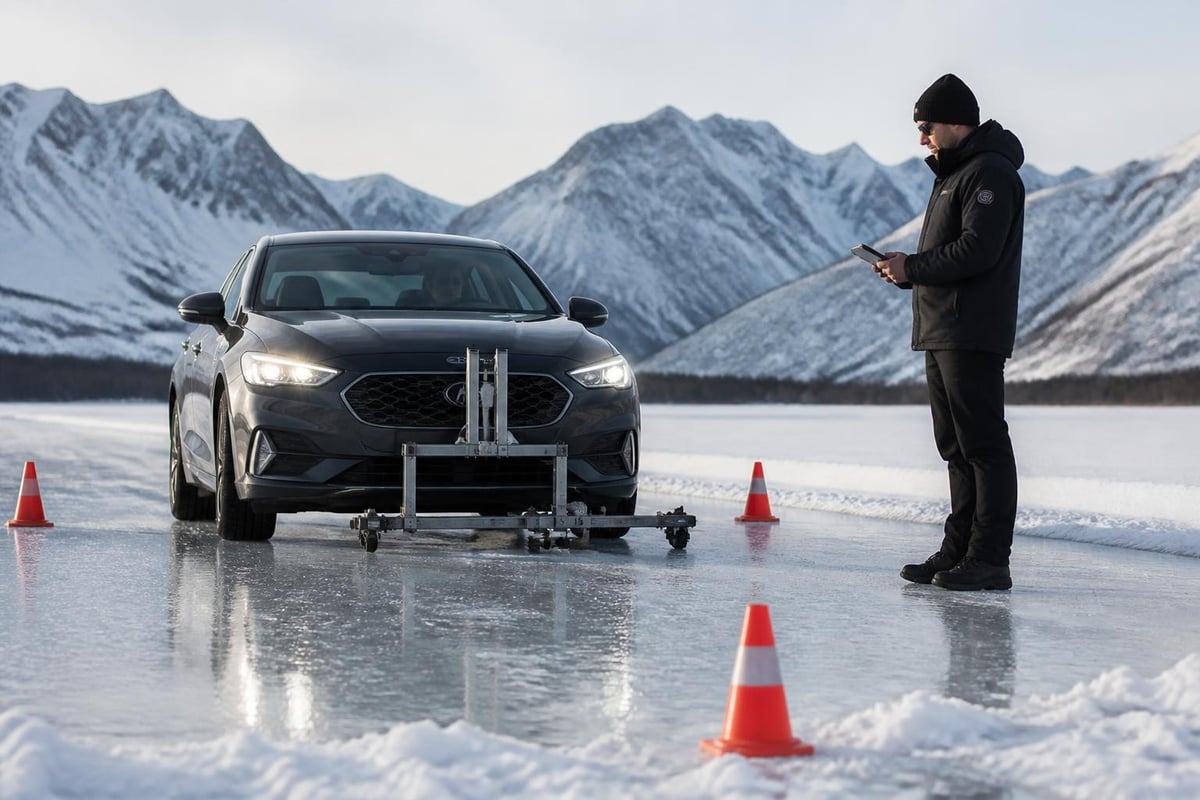
The Three-Peak Mountain Snowflake (3PMSF) symbol represents the industry standard for severe snow service. Consumer Reports testing methodologies provide additional validation beyond manufacturer claims, offering independent verification of winter tire capabilities.
Top-Rated Winter Tires for SUV Applications
Performance variations across tire models reflect different engineering priorities and target use cases. Some manufacturers optimize for ice traction, while others emphasize snow handling or longevity.
Premium Winter Tire Comparison
| Tire Model | Ice Traction | Snow Handling | Highway Comfort | Treadlife (miles) |
|---|---|---|---|---|
| Bridgestone Blizzak DM-V2 | Excellent | Excellent | Very Good | 40,000 |
| Michelin X-Ice Snow SUV | Excellent | Excellent | Excellent | 45,000 |
| Continental VikingContact 7 | Outstanding | Excellent | Very Good | 42,000 |
| Nokian Hakkapeliitta R5 SUV | Outstanding | Outstanding | Good | 50,000 |
| Goodyear Ultra Grip Ice WRT | Very Good | Excellent | Very Good | 38,000 |
The Bridgestone Blizzak DM-V2 utilizes a multi-cell compound that removes the thin water layer on ice surfaces, dramatically improving grip. Its directional tread pattern channels slush effectively while maintaining stability at highway speeds.
Michelin X-Ice Snow SUV tires feature V-shaped tread blocks with intricate sipe patterns that multiply biting edges. According to detailed winter tire testing from Capital One, this design delivers consistent performance throughout the tire's lifespan rather than degrading as tread wears.
Studless vs. Studded Options
Regional regulations and typical driving conditions determine whether studless or studded configurations offer advantages. Studless tires dominate most markets due to their versatility and year-round legality.
Studless advantages:
- Legal in all fifty states throughout winter
- Quieter operation on bare pavement
- No road surface damage
- Better wet traction on treated roads
- Suitable for mixed winter conditions
Studded configurations excel on pure ice but face legal restrictions in many jurisdictions. States like Washington, Oregon, and Alaska permit studded tires during specific winter months, while California and several southern states prohibit them entirely.
Sizing and Fitment Considerations
Proper tire sizing ensures compatibility with your SUV's suspension geometry, speedometer calibration, and electronic stability systems. The alphanumeric code on your current tires reveals critical specifications.
Decoding Tire Size Markings
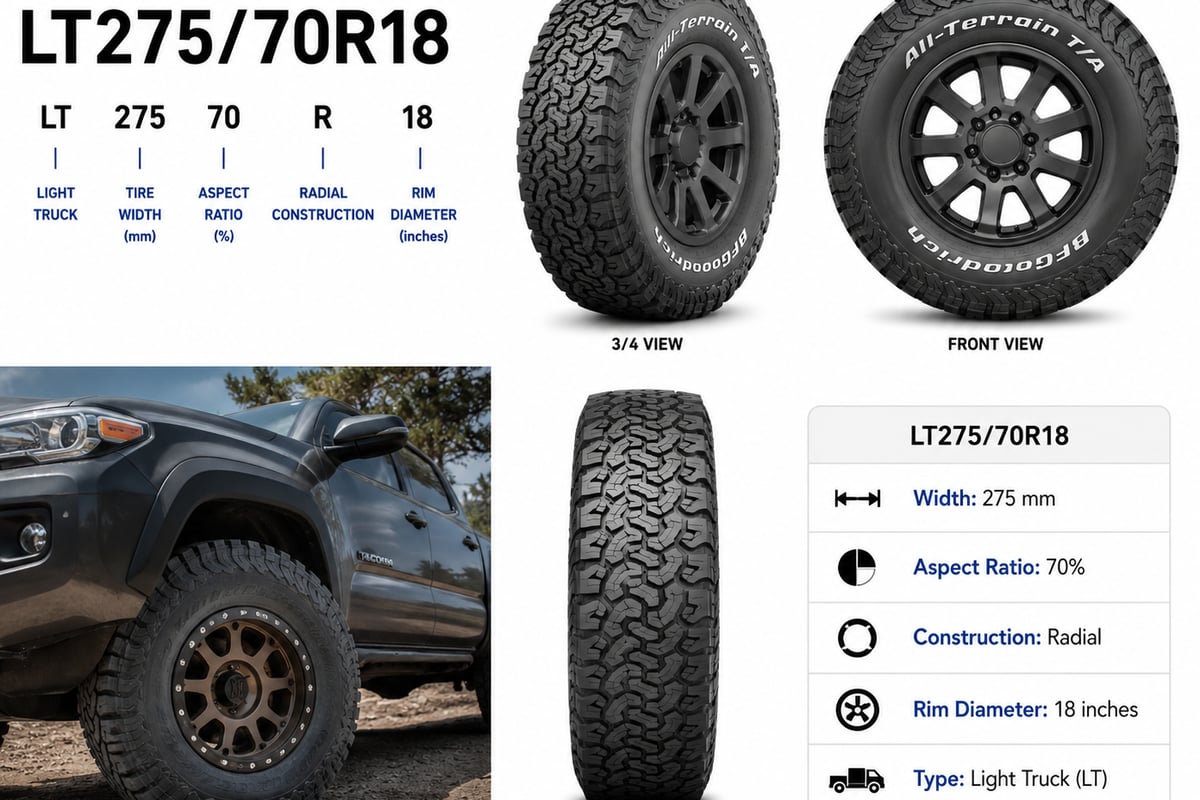
A typical SUV tire size reads "265/70R17 115T," where each segment communicates specific information:
- 265 represents section width in millimeters
- 70 indicates aspect ratio (sidewall height as percentage of width)
- R denotes radial construction
- 17 specifies wheel diameter in inches
- 115 shows load index (2,679 pounds per tire)
- T reveals speed rating (118 mph maximum)
Deviating from manufacturer recommendations can trigger dashboard warning lights, compromise handling characteristics, and void warranty coverage. Some SUV owners install smaller-diameter winter wheel packages, which reduces initial investment while maintaining proper overall diameter through increased sidewall height.
Installation and Seasonal Transition
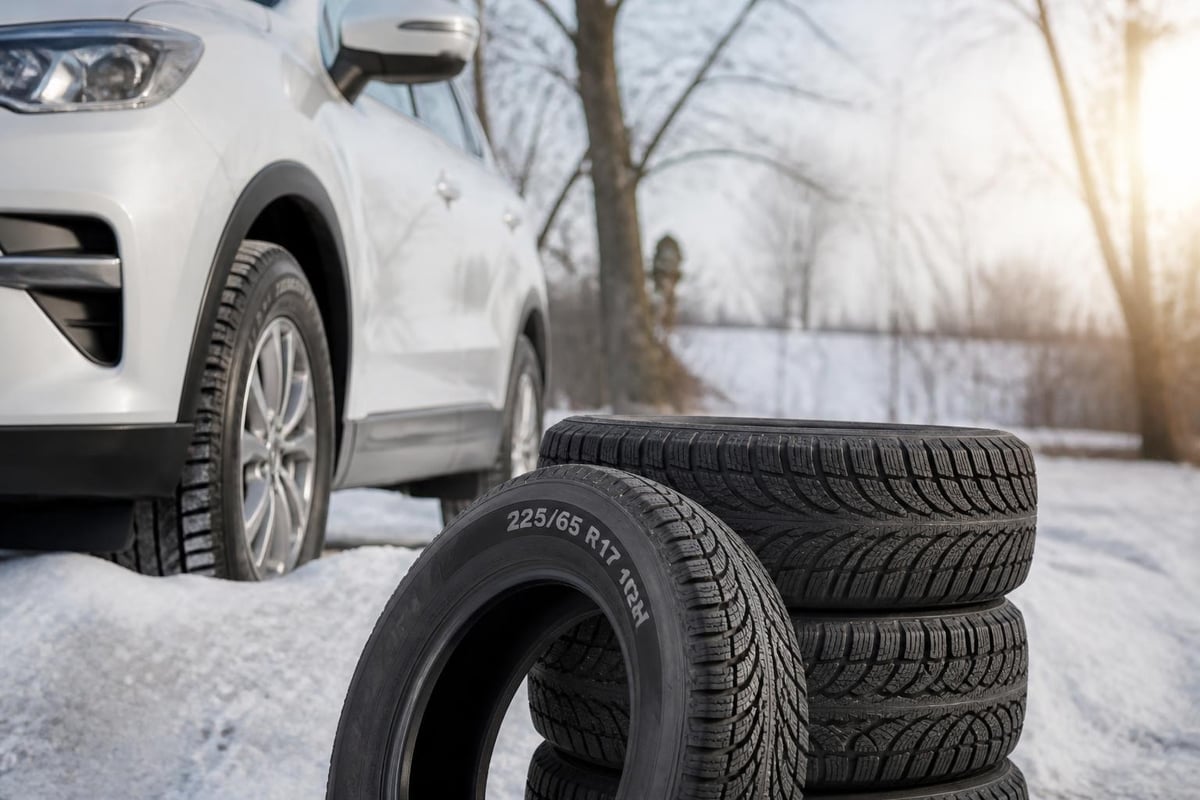
Complete four-wheel installation of the best snow tires for SUV vehicles ensures balanced handling and prevents unpredictable vehicle dynamics. Installing winter tires on front axles only creates dangerous oversteer in rear-wheel-drive SUVs, while rear-only installation causes understeer in front-wheel-drive models.
Professional installation includes several critical services beyond mounting and balancing. Torque specifications for lug nuts prevent wheel detachment or warped brake rotors. Tire pressure monitoring system (TPMS) sensors require programming or transfer from summer wheels. Alignment verification ensures even treadwear throughout the winter season.
Optimal Timing for Installation
Temperature thresholds rather than calendar dates should trigger seasonal tire changes. Research on winter tire performance demonstrates that summer tire compounds lose effectiveness below 45°F, even on dry pavement.
Install winter tires when:
- Consistent daytime temperatures remain below 50°F
- First frost appears in overnight forecasts
- Snow appears in extended weather predictions
- Before first snowfall for optimal preparation
Storage of off-season tires requires climate-controlled environments away from direct sunlight, ozone sources, and petroleum products. Stacking unmounted tires horizontally or storing mounted tire-wheel assemblies vertically preserves structural integrity.
Performance Features and Technology
Advanced engineering differentiates premium winter tires from budget alternatives. Material science innovations and computer-aided tread design create measurable performance advantages.
Tread Compound Chemistry
Winter-specific rubber compounds incorporate higher percentages of natural rubber and silica compared to all-season formulations. These ingredients maintain elasticity at temperatures where conventional compounds crystallize and lose grip. Some manufacturers add specialized oils that migrate to the tread surface during operation, continually renewing grip properties.
The best snow tires for SUV applications balance contradictory requirements. Soft compounds maximize cold-weather traction but accelerate wear during warm spells. Harder formulations extend longevity but sacrifice grip. Premium manufacturers develop multi-compound treads with softer cap compounds for traction and firmer base compounds for structural support.
Tread Design Elements
| Feature | Function | Performance Impact |
|---|---|---|
| Directional grooves | Water/slush evacuation | Reduces hydroplaning risk |
| 3D sipes | Multi-directional biting edges | Improves ice braking |
| High void ratio | Snow packing/release | Enhances deep snow traction |
| Shoulder blocks | Lateral stability | Strengthens cornering grip |
| Stone ejectors | Debris removal | Prevents tread damage |
Directional tread patterns optimize water channeling but require specific rotation patterns. Symmetric designs allow flexible rotation schedules and emergency spare tire use. Asymmetric patterns combine features from both approaches, designating inside and outside mounting positions.
SUV-Specific Requirements
Sport utility vehicles present distinct challenges compared to passenger cars. Their elevated ground clearance, increased weight, and higher centers of gravity demand tires engineered for specific load ranges and handling characteristics.
Load Range and Ply Ratings
SUV curb weights frequently exceed 5,000 pounds before adding passengers and cargo. Winter tire load indices must match or exceed original equipment specifications to safely support vehicle weight. Load range designations indicate ply rating and maximum inflation pressure:
- Load Range SL (Standard Load): Adequate for compact crossovers
- Load Range XL (Extra Load): Suitable for mid-size SUVs
- Load Range E: Required for full-size body-on-frame SUVs
Under-rated tires risk catastrophic failure when supporting excessive weight. Over-rated tires deliver harsh ride quality through unnecessarily stiff sidewalls. Continental’s SUV tire guidance emphasizes matching load capacity to actual vehicle requirements rather than defaulting to maximum ratings.
All-Wheel Drive Considerations
All-wheel drive systems provide superior traction during acceleration but offer no advantage during braking or cornering. The best snow tires for SUV models with AWD multiply the inherent traction benefits through enhanced grip at all four contact patches.
Popular misconceptions suggest AWD eliminates the need for winter tires. Physics demonstrates that all vehicles rely exclusively on tire-to-road friction for directional control and stopping power. AWD systems cannot overcome the fundamental limitations of summer tire compounds on snow and ice.
Budget and Value Analysis
Winter tire investments range from $100 to $300 per tire for SUV applications before installation costs. Price premiums reflect research and development expenses, manufacturing quality, and expected performance lifespan.
Total Cost of Ownership
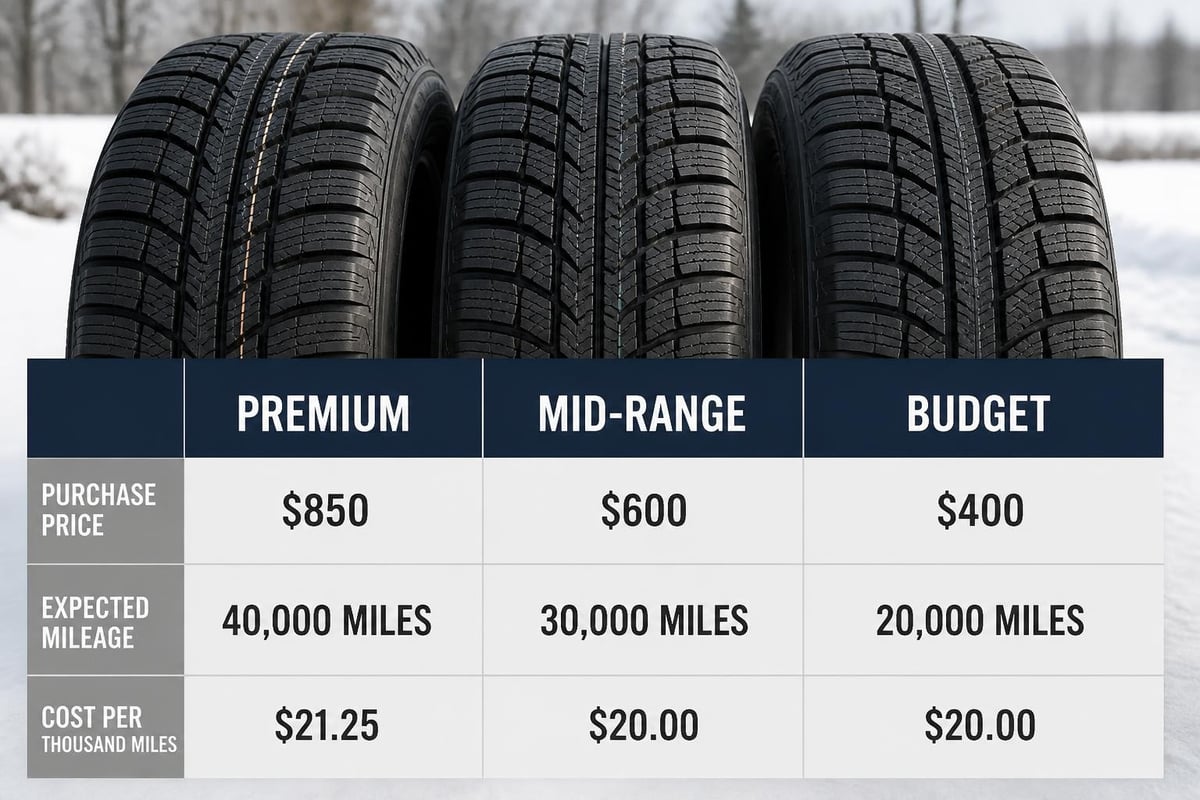
Initial purchase price represents only one component of true ownership costs. Calculating dollars per thousand miles driven reveals value differences across price points:
Premium tier calculation:
- Purchase price: $280 × 4 = $1,120
- Expected lifespan: 50,000 miles
- Cost per thousand miles: $22.40
Mid-range calculation:
- Purchase price: $180 × 4 = $720
- Expected lifespan: 40,000 miles
- Cost per thousand miles: $18.00
Budget tier calculation:
- Purchase price: $120 × 4 = $480
- Expected lifespan: 30,000 miles
- Cost per thousand miles: $16.00
These calculations exclude performance differences that affect safety margins during emergency maneuvers. Discount Tire’s analysis suggests that premium tires often deliver superior value through extended treadlife and reduced replacement frequency.
For distributors seeking quality winter tire options, understanding manufacturer capabilities matters significantly. Light truck tire manufacturers in Thailand and other Asian markets have developed sophisticated winter tire production capabilities that meet international safety standards while offering competitive pricing structures for wholesale distribution.
Maintenance and Care Practices
Proper maintenance extends winter tire lifespan and maintains optimal performance throughout multiple seasons. Regular inspections identify developing issues before they compromise safety or require premature replacement.
Pressure Monitoring
Tire pressure decreases approximately one PSI for every 10°F temperature drop. Weekly pressure checks during winter months prevent underinflation that accelerates tread wear and reduces fuel efficiency. Inflate tires to vehicle manufacturer specifications found on the driver's door jamb placard, not the maximum pressure stamped on tire sidewalls.
Digital pressure gauges provide accuracy within 0.5 PSI compared to mechanical gauges that drift over time. Check pressures when tires are cold, before driving more than one mile or after three-hour rest periods. TPMS warning lights illuminate at 25% below recommended pressure, indicating significant underinflation that already affects performance.
Rotation Schedules
Rotating winter tires every 5,000 to 7,000 miles equalizes wear patterns across all four positions. Front tires on front-wheel-drive SUVs wear faster due to steering loads and drive torque. Rear tires on rear-wheel-drive models experience accelerated wear from power delivery.
Standard rotation patterns include:
- Forward cross for front-wheel-drive SUVs
- Rearward cross for rear-wheel-drive SUVs
- X-pattern for all-wheel-drive SUVs
- Front-to-back for directional tread patterns
Professional technicians inspect tread depth, sidewall condition, and uneven wear indicators during rotations. Wear patterns reveal alignment issues, suspension problems, or improper inflation practices requiring correction.
Regional Climate Factors
Geographic location and typical winter severity influence tire selection priorities. Coastal regions with wet, mild winters demand different characteristics than inland areas experiencing sustained sub-zero temperatures.
Climate-Specific Recommendations
Pacific Northwest (wet snow, moderate cold): Focus on hydroplaning resistance and wet traction. Tires with high void ratios and advanced siping excel in slush and rain-snow transitions. Temperature rarely drops low enough for studded tires to justify their pavement noise and surface damage.
Mountain States (heavy snow, extreme cold): Prioritize deep snow traction and ice performance. Aggressive tread patterns with large tread blocks bite through powder while maintaining edge grip on frozen surfaces. Consider studded options where legal for maximum ice security on steep grades.
Great Plains (ice storms, wind-blown snow): Emphasize ice traction and crosswind stability. Tires with dense siping networks and optimized tread stiffness resist the polishing effect of wind-packed snow while maintaining predictable handling in gusty conditions.
Northeast (mixed conditions, freeze-thaw cycles): Select versatile performers with balanced capabilities. Frequent temperature swings between freezing and thawing create the most challenging conditions, requiring tires that adapt to bare pavement, black ice, and fresh snow within single driving sessions.
Safety and Legal Compliance
Winter tire regulations vary significantly across jurisdictions. Some regions mandate winter tire installation during specific calendar periods, while others require chains or traction devices only during active winter storms.
State and Provincial Requirements
Quebec enforces mandatory winter tire installation from December 1 through March 15 for all registered vehicles. Tires must display the Three-Peak Mountain Snowflake symbol, excluding older M+S-only rated tires from compliance.
British Columbia requires winter tires on most highways from October 1 through March 31. Accepted tires include 3PMSF rated models or M+S rated tires with minimum 3.5mm tread depth.
Alaska has no statewide winter tire mandate but requires studded tire removal by May 1 in southern regions. Northern areas permit year-round studded tire use due to extended winter conditions.
Understanding these requirements prevents citations and ensures insurance coverage remains valid during winter accidents. Detailed resources from SimpleTire’s winter tire guide outline jurisdiction-specific regulations across North America.
Performance Testing Results
Independent testing organizations evaluate winter tires through standardized procedures that measure objective performance metrics. These assessments provide unbiased comparisons beyond marketing claims.
2026 Testing Highlights
Recent evaluations from Consumer Reports winter tire testing identified performance leaders across key categories. Ice braking tests measure stopping distances from 30 mph on smooth ice surfaces. Snow traction evaluations assess acceleration capability and hill-climbing performance on 8% grades.
Top performers demonstrated 15-20% shorter braking distances compared to category averages. The best snow tires for SUV segments achieved these results through innovative tread technologies and compound formulations.
Dry pavement handling remains important since winter tires spend significant time on bare roads. Premium models minimize the performance gap between winter and summer tires through advanced construction techniques, while budget alternatives show noticeable reductions in cornering limits and steering response.
Real-World User Feedback
Customer reviews complement laboratory testing with practical usage insights. Drivers report on treadwear rates, noise levels during daily commuting, and performance degradation over multiple seasons. Aggregated feedback from thousands of users identifies durability issues and unexpected performance characteristics.
Common praise themes for top-rated winter tires include:
- Confidence-inspiring ice braking
- Predictable handling at highway speeds
- Minimal noise penalty versus all-season tires
- Extended treadlife exceeding manufacturer estimates
Frequent criticisms of lower-tier options mention:
- Rapid tread wear during warm spells
- Significant road noise on concrete surfaces
- Diminished performance after first season
- Poor dry pavement handling
Advanced Features in Modern Winter Tires
Technology integration continues advancing winter tire capabilities. Computer simulation, advanced materials, and manufacturing precision create measurable improvements with each product generation.
Digital Tread Design
Finite element analysis software models millions of tread variations before physical prototypes enter testing. Engineers simulate snow compaction, ice scraping, and water evacuation through digital iterations that identify optimal patterns. This process reduces development time while expanding the design space beyond traditional empirical methods.
Some manufacturers incorporate wear indicators that change tread appearance as depth decreases, providing visual confirmation of remaining service life. Alignment indicators built into shoulder blocks reveal suspension issues through abnormal wear patterns before they require professional diagnosis.
Sustainable Materials
Environmental considerations drive ingredient selection for new tire formulations. Bio-based oils derived from renewable sources replace petroleum compounds in tread formulations. Silica from rice husk ash substitutes for mined silica while maintaining grip characteristics. These sustainable materials reduce environmental impact without compromising winter performance.
Recycling programs accept worn winter tires for reprocessing into various applications. Crumb rubber from recycled tires appears in playground surfaces, athletic tracks, and asphalt additives. Some manufacturers offer discounts on new tire purchases when customers return worn sets for recycling.
Selecting the best snow tires for your SUV involves balancing performance requirements, budget constraints, and regional climate factors to ensure optimal winter safety. Whether you prioritize ice traction for steep mountain roads or wet handling for coastal commutes, understanding tire technology and testing results guides informed decisions. As a distributor or fleet operator seeking reliable winter tire options, OTR TIRE THAI manufactures premium quality light truck and passenger car radial tires at wholesale prices, delivering international quality standards to over 80 countries worldwide.
