
Blog
295 75R22.5 Steer Tires: Complete Guide for Fleet Managers
Aug
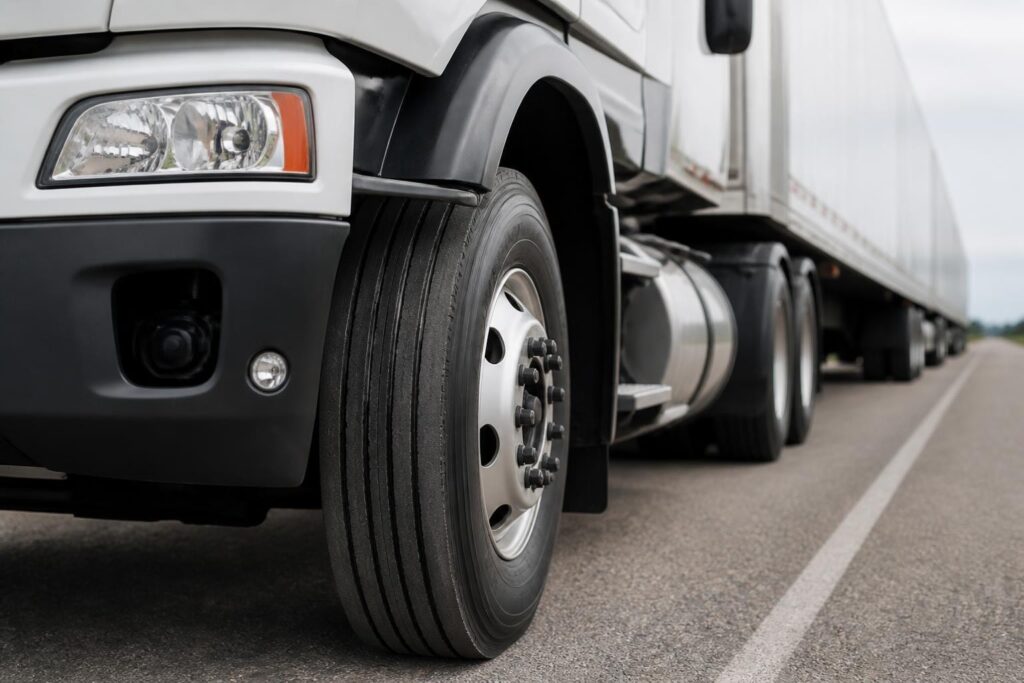
Fleet managers and commercial truck operators consistently rely on 295 75r22 5 steer tires as the industry standard for Class 8 tractors and heavy-duty highway applications. This tire size has dominated the North American trucking market for over two decades, representing the optimal balance between load capacity, fuel efficiency, and handling characteristics. Understanding the technical specifications, performance benefits, and proper maintenance of these tires directly impacts fleet operating costs, driver safety, and regulatory compliance. Whether you're managing a long-haul fleet or regional distribution network, selecting the right steer tire configuration requires knowledge of tread design, load ratings, and operational demands specific to your routes.
Understanding 295 75R22.5 Tire Specifications
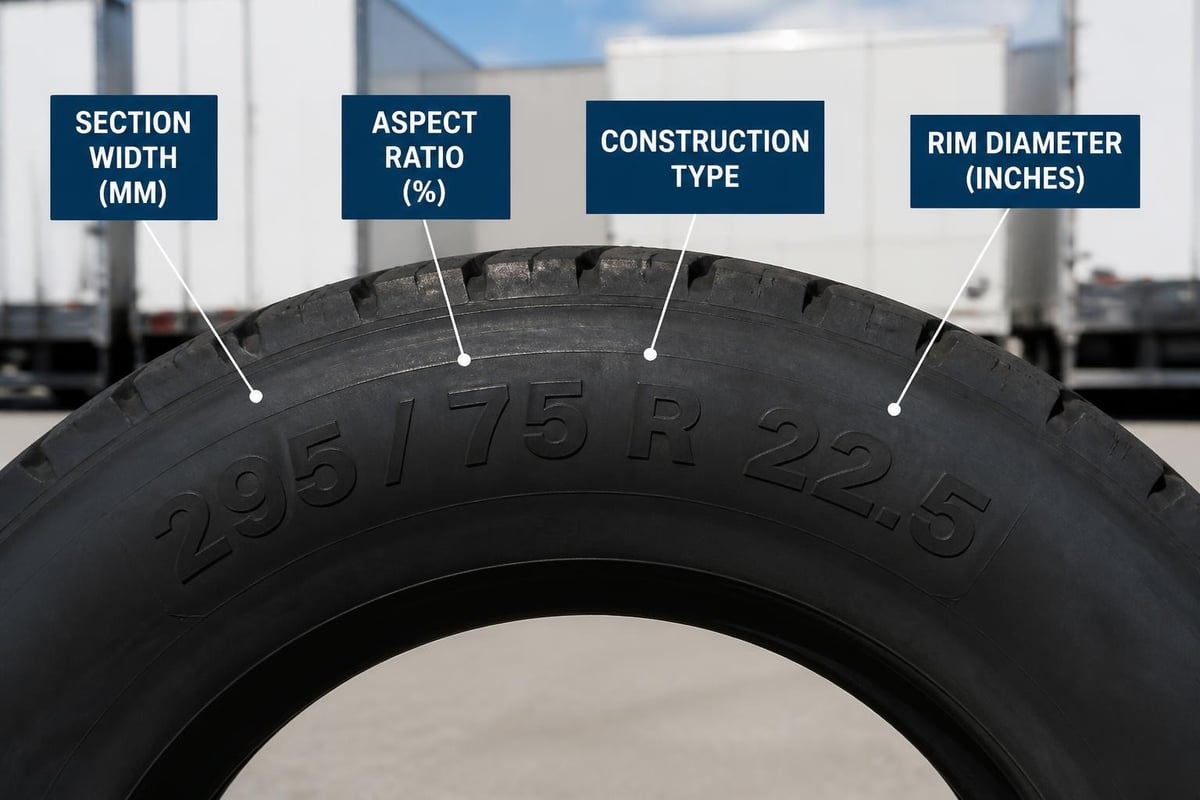
The metric designation 295 75r22 5 steer tires communicates precise dimensional and structural information that determines fitment and performance capabilities. The first number, 295, represents the tire's section width in millimeters from sidewall to sidewall when properly mounted and inflated. The aspect ratio of 75 indicates that the sidewall height equals 75 percent of the section width, creating a profile that balances ride comfort with stability. The "R" confirms radial construction, where internal steel belts run perpendicular to the direction of travel for improved durability and heat dissipation. Finally, 22.5 specifies the wheel diameter in inches, a size that has become the de facto standard for commercial truck applications.
Load Range and Ply Rating Considerations
Commercial tire load ratings directly influence payload capacity and inflation pressure requirements. Most 295 75r22 5 steer tires carry a load range of G or H, corresponding to 14-ply or 16-ply rated construction. A load range G tire typically supports 6,175 pounds at 110 PSI on a single wheel, while load range H increases capacity to 6,610 pounds at 120 PSI. These ratings ensure that steer axles, which typically carry 12,000 to 13,200 pounds on tandem configurations, maintain adequate safety margins.
Key Load Range Specifications:
- Load Range G: 6,175 lbs per tire at 110 PSI
- Load Range H: 6,610 lbs per tire at 120 PSI
- Typical steer axle weight: 12,000-13,200 lbs
- Safety margin requirement: 15-20% above loaded weight
- Speed rating: Typically L (75 mph) or M (81 mph)
The U.S. EPA’s SmartWay program recognizes 295/75R22.5 tires in their fuel efficiency verification process, highlighting the size's importance in meeting environmental compliance standards.
Steer Tire Tread Design and Performance
Steer position tires require fundamentally different tread architecture than drive or trailer tires. The five-rib pattern has become the industry standard for 295 75r22 5 steer tires because it delivers predictable handling, even wear, and excellent wet traction. The continuous center rib provides straight-line stability at highway speeds, while intermediate ribs feature multiple sipes that bite into wet pavement for enhanced braking performance. Shoulder ribs are typically solid or lightly siped to resist irregular wear patterns caused by turning forces and alignment variations.
Critical Tread Features for Steer Applications
Modern steer tire designs incorporate engineering refinements that extend service life and improve safety margins. Stone ejectors within groove channels prevent debris accumulation that leads to casing damage. Specialized compounds balance rolling resistance for fuel economy against wear resistance for long tread life. According to industry data from Modern Tire Dealer, the 295/75R22.5 size continues to dominate as the top truck tire specification in North America.
| Tread Feature | Steer Tire Function | Performance Benefit |
|---|---|---|
| Five-rib pattern | Directional stability | Reduced driver fatigue |
| Center rib continuity | Straight tracking | Fuel efficiency gain |
| Cross-groove siping | Water evacuation | Wet braking safety |
| Stone ejectors | Debris removal | Casing protection |
| Shoulder design | Turning resistance | Even wear distribution |
Premium manufacturers engineer steer tires with optimized tread depth, typically ranging from 18/32" to 20/32" when new. This additional rubber volume compared to drive tires (which start at 23/32" to 28/32") reflects the different wear patterns and service expectations for front axle positions.
Selecting the Right Steer Tire for Your Operation
Fleet application directly determines which steer tire characteristics deliver optimal value. Long-haul operations prioritize fuel efficiency and high-mileage durability, with many fleets expecting 150,000 to 250,000 miles from premium 295 75r22 5 steer tires under ideal conditions. Regional delivery operations emphasize wet traction and resistance to curb damage, while vocational applications in construction or logging require reinforced sidewalls and aggressive tread compounds that resist cutting and chipping.
Application-Specific Selection Criteria
Long-Haul Highway Operations:
- Low rolling resistance compounds
- Optimized casing design for multiple retreads
- Extended tread life warranties (6+ years)
- EPA SmartWay verification preferred
- Fuel efficiency gains of 3-5% versus baseline
Regional and Urban Delivery:
- Enhanced wet traction ratings
- Reinforced shoulder blocks for curb resistance
- Tread patterns with improved debris ejection
- Mileage expectations: 100,000-175,000 miles
- Scrub resistance for frequent turning
The design philosophy behind steer tire selection balances initial purchase price against total cost of ownership. OTR TIRE THAI manufactures TBR tires optimized for various applications, with steer patterns engineered specifically for different duty cycles and operating environments.
Maintenance Practices That Maximize Steer Tire Life
Proper inflation pressure management represents the single most critical factor in steer tire longevity and safety. Under-inflation generates excessive heat buildup in sidewalls, accelerating rubber degradation and increasing failure risk. Over-inflation reduces the tire's contact patch, concentrating wear in the center ribs and compromising wet traction. Fleet managers should establish weekly cold inflation checks, adjusting pressure based on load conditions and ambient temperature variations.
Systematic Inspection Protocol
Monthly detailed inspections identify developing issues before they progress to roadside failures. Trained technicians should measure tread depth at multiple points across each tire using calibrated gauges, recording measurements to track wear patterns. Irregular wear indicates alignment problems, with inside shoulder wear suggesting toe-out conditions and outside shoulder wear pointing to toe-in misalignment. Any 295 75r22 5 steer tires showing more than 2/32" difference in tread depth across the face require immediate alignment correction.
Monthly Inspection Checklist:
- Measure and record tread depth at four points per tire
- Inspect sidewalls for cuts, bulges, or weathering cracks
- Examine valve stems and cores for leaks or damage
- Check for embedded stones or debris in grooves
- Document irregular wear patterns with photos
- Verify inflation pressure when tires are cold
- Review alignment specifications if wear patterns appear
Professional wheel alignment should occur every 100,000 miles minimum, or immediately when irregular wear develops. Misalignment not only destroys tire value but also creates handling instabilities that compromise driver safety. The relationship between proper maintenance and tire performance cannot be overstated-well-maintained steer tires deliver predictable handling characteristics that drivers depend on during emergency maneuvers.
Regulatory Compliance and Safety Standards
Federal Motor Carrier Safety Regulations mandate specific requirements for steer tire condition and performance. Steer axle tires must maintain minimum tread depth of 4/32" across any two adjacent major grooves, significantly deeper than the 2/32" requirement for drive and trailer positions. This stricter standard recognizes the critical role steer tires play in vehicle control and braking performance. Inspectors at roadside checks specifically target steer tire condition, and violations result in immediate out-of-service orders.
DOT Tire Markings and Date Codes
Every 295 75r22 5 steer tires carries Department of Transportation markings that provide essential information about manufacturing origin, size specifications, and production date. The four-digit date code reveals the week and year of manufacture-for example, "0826" indicates the eighth week of 2026. Industry best practices recommend removing tires from steer positions when they reach seven years of age, regardless of remaining tread depth, due to rubber oxidation and structural degradation over time.
| Regulatory Requirement | Specification | Enforcement Level |
|---|---|---|
| Minimum tread depth | 4/32" in two adjacent grooves | Federal mandate |
| Maximum age (recommended) | 7 years from manufacture | Industry standard |
| Load capacity rating | Must meet or exceed axle weight | Federal mandate |
| Regroovable markings | If applicable to tire design | Optional feature |
| Speed rating | Appropriate for vehicle class | Manufacturer spec |
Tire performance certifications extend beyond basic DOT approval. According to reports from Truck News, major manufacturers continue innovating steer tire technology with features like advanced tread compounds and optimized casing designs that meet evolving efficiency standards.
Fuel Efficiency Impact of Steer Tire Selection
Rolling resistance accounts for approximately 15-20 percent of a Class 8 truck's total fuel consumption on highway operations. While drive axle tires carry the majority of load and generate the most rolling resistance, steer tires contribute measurably to overall fuel economy. Low rolling resistance (LRR) 295 75r22 5 steer tires incorporate specialized compounds and optimized tread patterns that reduce energy loss as the tire flexes during rotation.
Quantifying Fuel Savings
Fleet fuel economy testing demonstrates that upgrading from standard to LRR steer tires can improve overall fuel efficiency by 1-2 percent. For a fleet operating 100 trucks averaging 100,000 miles annually at 6.5 MPG and $3.50 per gallon fuel cost, a 1.5 percent efficiency gain delivers approximately $80,750 in annual savings. These gains compound over the tire's service life, often justifying premium pricing for fuel-efficient tire lines.
Fuel Efficiency Calculation Example:
- Fleet size: 100 trucks
- Annual miles per truck: 100,000
- Baseline fuel economy: 6.5 MPG
- Fuel cost: $3.50 per gallon
- LRR improvement: 1.5%
- Annual fuel savings: $80,750
The SmartWay tire verification program provides independent testing data that helps fleet managers identify high-efficiency tire options, including numerous 295/75R22.5 steer tire models that meet stringent rolling resistance thresholds.
Retreading Considerations for Steer Position
Industry debate continues regarding the appropriateness of retreaded tires for steer axle service. Federal regulations permit properly retreaded tires on steer positions, provided they meet the same tread depth and condition requirements as new tires. However, many fleet policies restrict steer positions to new tires only, citing the critical safety function and liability concerns associated with front axle tire failures.
Cost-benefit analysis framework comparing new versus retreaded steer tire options based on casing condition, mileage history, and operational risk factors
Casing Quality and Retread Success
Premium 295 75r22 5 steer tires feature robust casings engineered for multiple retread cycles when operated within specifications. Careful casing inspection identifies structural issues that disqualify casings from retread eligibility. Key inspection points include belt separation, sidewall penetrations beyond 1/4 inch depth, irregular wear exceeding 3/32" variation, and evidence of prolonged under-inflation damage. Casings with verified service history and proper maintenance records deliver the best retread performance.
Fleets that pursue steer axle retreading typically implement conservative policies requiring casings from original fleet service only, complete maintenance documentation, and premium retread processes using leading manufacturers. This approach balances cost savings against risk management, with successful programs reporting steer retread performance approaching virgin tire standards.
Emerging Technologies and Future Developments
Tire manufacturers continue advancing steer tire technology through materials science, tread design optimization, and smart tire capabilities. Recent innovations include silica-enhanced tread compounds that simultaneously improve rolling resistance and wet traction-traditionally opposing characteristics. Computer-optimized tread patterns use finite element analysis to predict and minimize irregular wear patterns before production begins.
Smart Tire Integration
Tire pressure monitoring systems (TPMS) have evolved from simple alerts to sophisticated data platforms that track pressure, temperature, and load conditions in real time. Advanced systems communicate wirelessly with fleet management platforms, enabling predictive maintenance scheduling based on actual tire condition rather than fixed intervals. For 295 75r22 5 steer tires specifically, these systems identify slow leaks, monitor temperature spikes that indicate bearing problems, and alert managers to under-inflation before significant damage occurs.
Recent product launches from major manufacturers, as covered by Movin’ Out magazine, emphasize extended removal miles and enhanced fuel efficiency, demonstrating the industry's commitment to reducing fleet operating costs through tire technology advancement.
Tire Pricing and Total Cost Analysis
Purchase price represents only one component of total tire cost. Comprehensive analysis must account for expected service life, fuel efficiency impact, maintenance requirements, and retreadability. Premium 295 75r22 5 steer tires commanding 20-30 percent higher initial costs frequently deliver 40-50 percent longer service life and measurable fuel savings that result in lower cost per mile over the tire's lifetime.
| Cost Component | Economy Tire | Premium Tire | Difference |
|---|---|---|---|
| Purchase price | $350 | $455 | +30% |
| Expected miles | 125,000 | 175,000 | +40% |
| Cost per mile (purchase) | $0.0280 | $0.0260 | -7% |
| Fuel efficiency impact | Baseline | -1.5% fuel | ~$0.0050/mi |
| True cost per mile | $0.0280 | $0.0210 | -25% |
This analysis excludes additional benefits including reduced roadside failures, improved retread casing value, and enhanced driver confidence from superior wet traction and handling characteristics. Forward-thinking fleet managers increasingly adopt total cost of ownership (TCO) analysis rather than focusing solely on acquisition price.
Proper Installation and Mounting Procedures
Correct mounting practices directly influence steer tire performance and safety. Wheel assembly must be clean and free from rust, with all mounting surfaces inspected for damage or distortion. Rim width compatibility requires verification-295 75r22 5 steer tires specify rim widths typically ranging from 8.25 to 9.00 inches, with 8.25 being most common. Mounting tires on incorrect rim widths compromises bead seating and can lead to catastrophic failures.
Torque Specifications and Balancing
Wheel nut torque specifications vary by vehicle manufacturer and hub configuration, typically ranging from 450 to 500 foot-pounds for Class 8 tractors. Technicians should tighten nuts in a star pattern to ensure even pressure distribution, then re-torque after 25-50 miles of operation and again at first service interval. Dynamic balancing of steer wheels minimizes vibration that causes driver fatigue and accelerates component wear, though some fleet operations consider balancing cost-prohibitive for commercial applications.
Installation Best Practices:
- Inspect rim for damage and corrosion
- Verify correct rim width specification
- Install new valve stems with each tire
- Apply proper lubricant to bead areas
- Inflate in safety cage to seat beads
- Set final pressure per load requirements
- Torque nuts to specification in star pattern
- Re-torque at 25-50 miles
Proper installation extends beyond mechanical procedures to include documentation. Recording tire serial numbers, installation dates, and starting tread depths creates the service history essential for warranty claims and performance analysis.
Seasonal Considerations and Climate Impact
Operating environment significantly affects 295 75r22 5 steer tires performance and longevity. Winter conditions present unique challenges including reduced traction on ice and snow, accelerated tread wear from abrasive road treatments, and inflation pressure fluctuations from temperature swings. Tire pressure decreases approximately 1 PSI for every 10°F temperature drop, requiring more frequent monitoring during seasonal transitions.
Summer Heat Management
High ambient temperatures and sustained highway speeds generate significant heat in steer tires. Excessive heat degrades rubber compounds and can precipitate belt separation or blowouts if tires are under-inflated or overloaded. Summer operations in southern climates demand vigilant pressure monitoring and may benefit from slightly reduced loads or enhanced cooling periods during extended runs. Understanding your operational environment helps optimize tire selection and maintenance protocols for maximum reliability across seasonal variations.
Selecting and maintaining 295 75r22 5 steer tires requires balancing technical specifications, operational demands, and cost considerations to optimize fleet performance and safety. Whether your operation emphasizes long-haul efficiency, regional versatility, or vocational durability, proper tire management directly impacts your bottom line. OTR TIRE THAI manufactures premium TBR tires for steer, drive, and trailer positions, delivering international quality standards at wholesale pricing to distributors across more than 80 countries. Contact our technical team to discuss how our steer tire solutions can enhance your fleet's performance and profitability.
