
Blog
Radial All Season Tires: Complete 2026 Guide
Jul
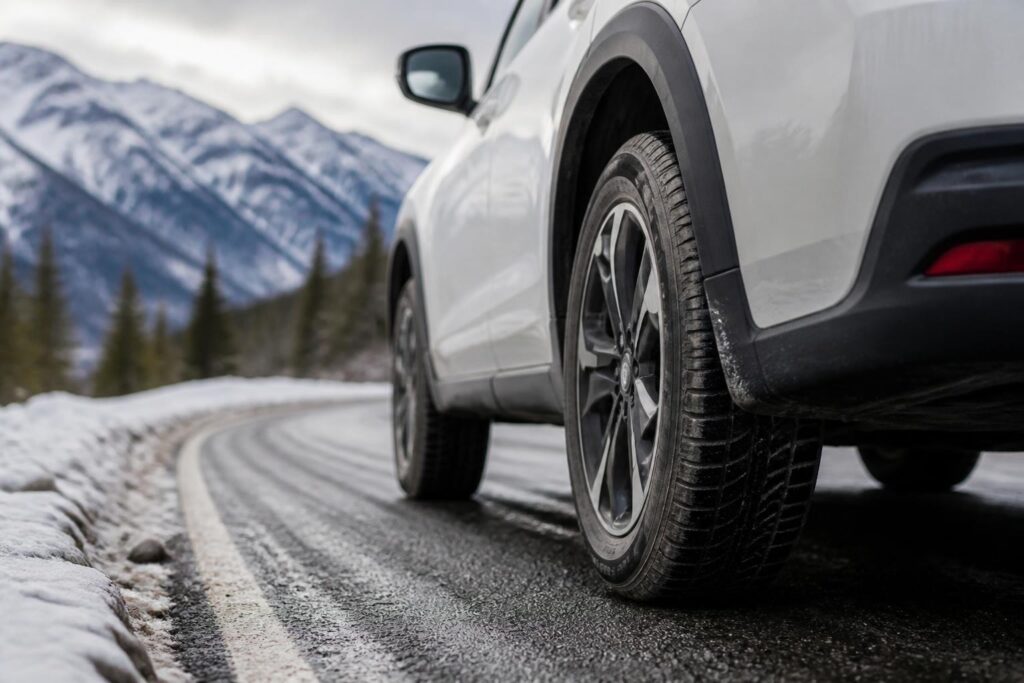
Radial all season tires represent one of the most significant advancements in tire technology, offering drivers a versatile solution that performs reliably across diverse weather conditions and temperature ranges. Unlike their bias-ply predecessors, radial construction provides superior handling, fuel efficiency, and tread life. As we navigate 2026's evolving automotive landscape, understanding the engineering principles, performance characteristics, and selection criteria for radial all season tires has become essential for fleet managers, distributors, and vehicle owners seeking optimal year-round performance without the hassle of seasonal tire changes.
Understanding Radial Tire Construction
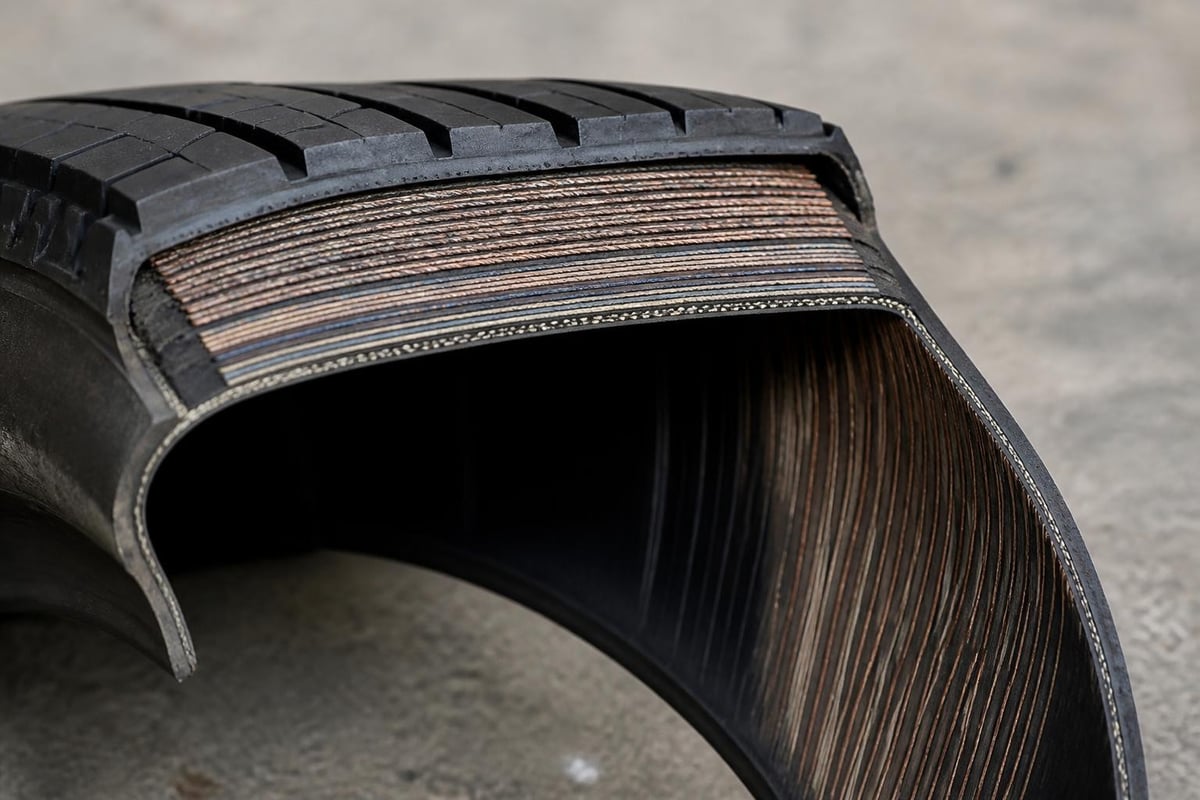
The fundamental difference between radial and bias-ply tires lies in how the internal cords are arranged within the tire body. Radial tires feature cord plies that run perpendicular to the direction of travel, extending from bead to bead at 90-degree angles to the centerline. This configuration creates a flexible sidewall that allows the tire to better absorb road irregularities while maintaining a stable contact patch.
Steel belts sit beneath the tread in radial construction, running circumferentially around the tire. These belts provide structural rigidity to the tread area while the sidewalls remain compliant. This separation of functions delivers multiple performance advantages that have made radial design the industry standard since the 1970s.
Key Structural Components
Modern radial all season tires incorporate several critical layers:
- Inner liner that prevents air permeation and maintains inflation pressure
- Body plies running radially from bead to bead for sidewall flexibility
- Steel belt package providing tread stability and puncture resistance
- Cap plies that overlay the steel belts for high-speed stability
- Tread compound formulated for balanced performance across temperature ranges
The bead area features high-tensile steel wires that anchor the tire securely to the wheel rim. This precise engineering ensures the tire maintains its intended shape under load and during cornering forces. The combination of these elements creates a tire structure that outperforms traditional bias construction in virtually every measurable category.
All Season Versatility and Performance Parameters
All season tires bridge the performance gap between dedicated summer and winter tires, offering acceptable traction across a broad temperature range. The tread compounds used in radial all season tires remain pliable in temperatures from below freezing to summer heat, maintaining grip on wet and dry pavement as well as providing limited traction in light snow conditions.
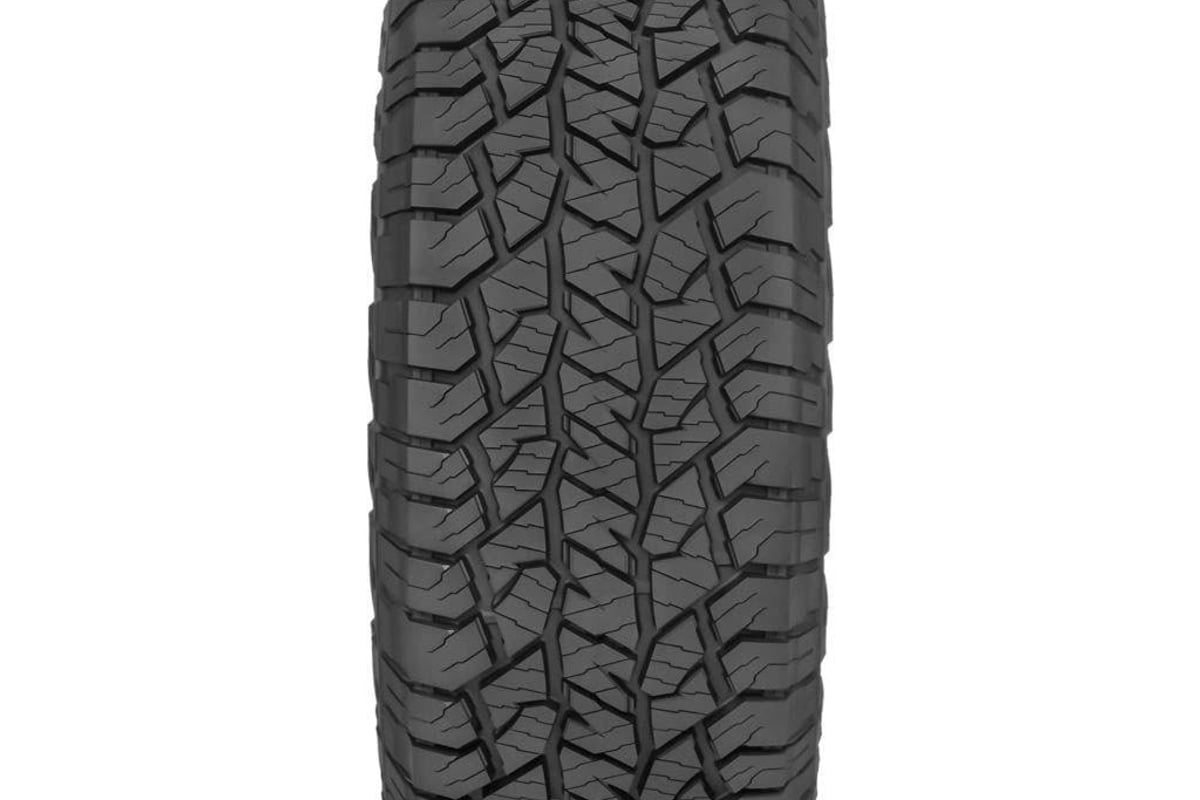
Tread pattern design plays a crucial role in all season capability. Engineers create siping patterns that channel water away from the contact patch while maintaining sufficient rubber surface for dry grip. Circumferential grooves evacuate water to resist hydroplaning, while lateral grooves and sipes provide biting edges for light winter conditions.
| Performance Category | Summer Tires | All Season Tires | Winter Tires |
|---|---|---|---|
| Dry Traction | Excellent | Very Good | Good |
| Wet Traction | Excellent | Very Good | Good |
| Snow Traction | Poor | Fair to Good | Excellent |
| Ice Traction | Poor | Fair | Very Good |
| Tread Life | Good | Very Good | Fair |
| Temperature Range | 45°F+ | 0°F to 100°F+ | Below 45°F |
Compound Technology Evolution
The rubber compounds in 2026 radial all season tires incorporate advanced silica blends and polymer chains that adapt to temperature changes. These materials maintain flexibility in cold weather without becoming too soft in high temperatures, a balance that previous generations struggled to achieve consistently.
Manufacturers continuously refine these formulations to improve the three-season performance envelope. Modern compounds resist hardening in cold temperatures better than tires from even five years ago, expanding the practical temperature range where all season tires deliver safe performance.
Selection Criteria for Commercial Applications
Choosing appropriate radial all season tires for commercial vehicles requires evaluating multiple factors beyond simple size compatibility. Load rating, speed rating, and expected service conditions all influence which tire specifications will deliver optimal performance and longevity.
Load Index and Speed Rating
Every tire sidewall displays a load index number and speed rating letter that indicate maximum weight capacity and sustained speed capability. For commercial applications, matching these specifications to actual operating conditions prevents premature failure and ensures safety margins.
Common speed ratings for all season radials include:
- S-rated (112 mph): Standard for many passenger vehicles
- T-rated (118 mph): Popular for sedans and crossovers
- H-rated (130 mph): Common for performance-oriented vehicles
- V-rated (149 mph): Higher performance applications
- Z-rated (149+ mph): Performance and sports vehicles
The load index works in conjunction with inflation pressure to determine total weight capacity. Commercial distributors must verify that selected tires meet or exceed the gross vehicle weight rating when fully loaded.
Performance Characteristics Across Vehicle Categories
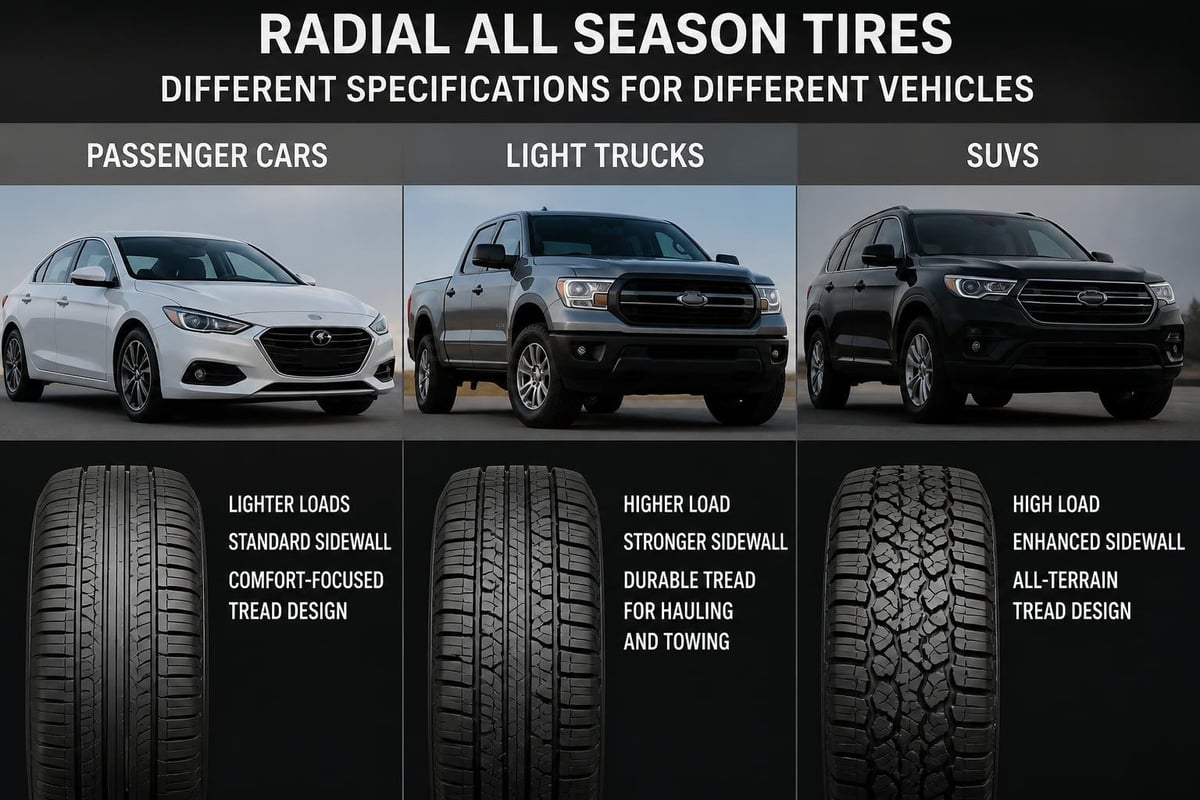
Different vehicle types demand specific performance attributes from their radial all season tires. Passenger cars prioritize ride comfort and fuel efficiency, while light trucks and SUVs require additional load capacity and potentially off-road capability.
Passenger car radial all season tires typically feature symmetrical or asymmetrical tread patterns optimized for quiet operation and long tread life. The compounds emphasize low rolling resistance to maximize fuel economy without sacrificing wet traction. These tires work well for sedans, coupes, and minivans operating primarily on paved roads.
Light truck applications introduce different requirements. Light truck radial tires need reinforced sidewalls to handle higher loads and resist damage from curb strikes or debris. OTR TIRE THAI manufactures light truck tires that balance on-road comfort with the durability demanded by commercial pickup fleets and delivery vehicles operating in varied environments.
Tread Wear Indicators and Lifespan
Radial all season tires incorporate tread wear indicators molded into the grooves at 2/32-inch depth. When the tread surface wears down to these indicators, the tire has reached the legal minimum depth in most jurisdictions and requires replacement. However, wet traction and snow performance deteriorate significantly before reaching this point.
For optimal all season performance, many experts recommend replacement when tread depth reaches 4/32 inch. At this depth, water evacuation capability diminishes noticeably, increasing hydroplaning risk. Regular rotation every 5,000 to 7,000 miles helps maximize tread life by distributing wear evenly across all positions.
Regional Climate Considerations
Geographic location significantly impacts whether radial all season tires provide adequate year-round performance. Regions with mild winters and minimal snowfall benefit most from all season tires, while areas experiencing severe winter conditions may require dedicated winter tires for several months each year.
The three-peak mountain snowflake (3PMSF) symbol identifies all season tires that meet specific snow traction testing criteria. These tires perform better in winter conditions than standard all season designs, though they still cannot match dedicated winter tire performance on ice and deep snow.
Climate-based tire strategy matrix:
| Climate Zone | Temperature Range | Precipitation | Recommended Strategy |
|---|---|---|---|
| Mild (South) | 40°F to 95°F | Light to moderate rain | All season year-round |
| Moderate (Central) | 20°F to 90°F | Mixed rain and light snow | All season with 3PMSF rating |
| Cold (North) | -10°F to 80°F | Heavy snow and ice | Winter tires Nov-Mar, all season Apr-Oct |
| Mountain | Variable with altitude | Heavy snow at elevation | Dedicated winter plus all season |
Fleet operators managing vehicles across multiple regions must consider the most demanding conditions when specifying tire requirements. A single all season tire specification may not serve all operating environments equally well.
Maintenance Practices for Extended Service Life
Proper maintenance significantly extends the service life of radial all season tires while maintaining performance and safety characteristics. Inflation pressure monitoring, regular rotation, and periodic alignment checks form the foundation of effective tire maintenance programs.
Inflation Pressure Management
Maintaining correct inflation pressure ranks as the single most important tire maintenance task. Under-inflation increases rolling resistance, generates excessive heat, and accelerates shoulder wear. Over-inflation reduces the contact patch size, causing rapid center tread wear and diminishing wet traction.
Check tire pressure monthly when tires are cold, before driving or at least three hours after operation. The vehicle manufacturer's recommended pressure appears on the driver's door jamb placard, not on the tire sidewall. The sidewall number indicates maximum pressure, not the optimal operating pressure for your vehicle.
Modern tire pressure monitoring systems (TPMS) alert drivers to significant pressure loss, but they typically trigger only after pressure drops 25% below specification. Regular manual checks catch minor pressure variations before they impact performance or safety.
Performance Testing and Certification Standards
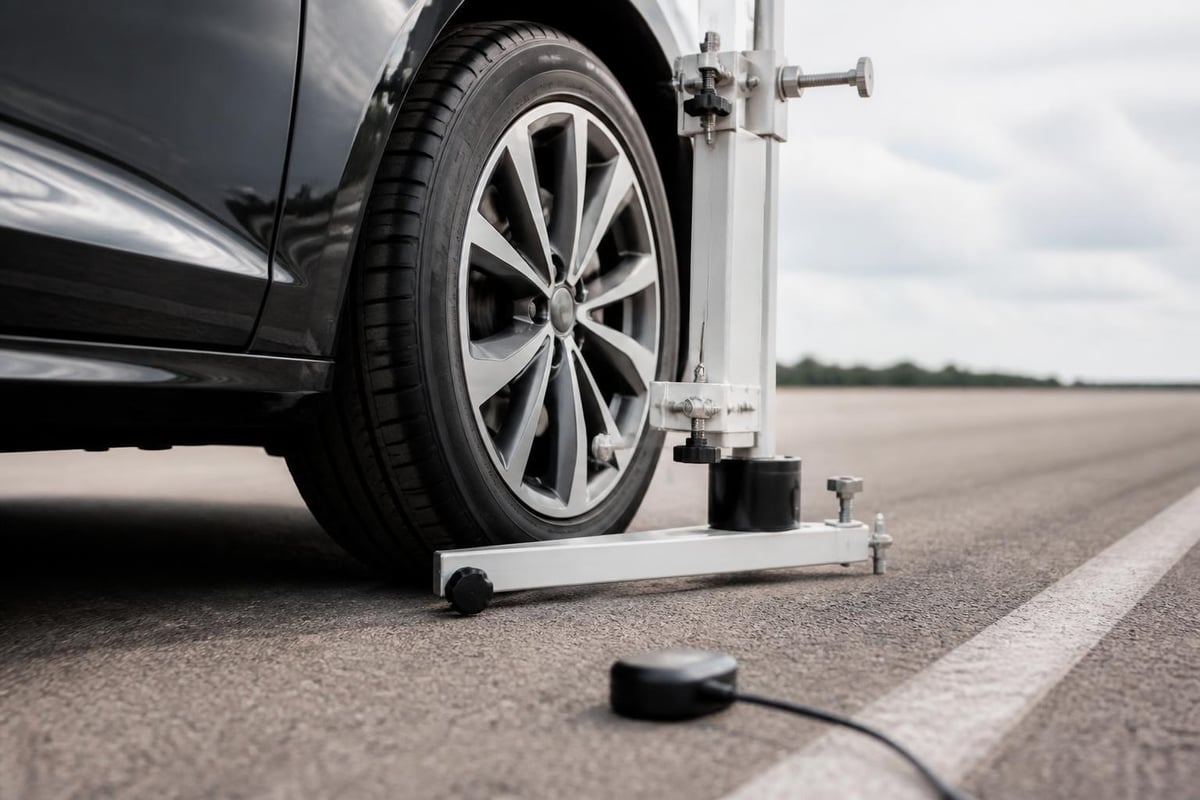
Radial all season tires sold in North America must meet Department of Transportation (DOT) safety standards that govern construction quality, dimensional tolerances, and performance minimums. The DOT number molded into every tire sidewall identifies the manufacturing plant and production date.
European ECE regulations impose additional requirements for tires marketed internationally. Many manufacturers pursue both certifications to access global markets. These standards ensure baseline performance levels, though they represent minimums rather than benchmarks for premium products.
Independent testing organizations evaluate tires across numerous performance categories including dry braking, wet braking, handling, hydroplaning resistance, snow traction, rolling resistance, and tread wear. Publications like Consumer Reports and Tire Rack compile this data, helping consumers compare options within their budget range.
Quality Assurance in Manufacturing
Leading tire manufacturers implement rigorous quality control throughout the production process. Raw material testing verifies compound specifications before mixing. Automated inspection systems check for dimensional accuracy and surface defects during building. Post-cure inspection includes visual examination, uniformity measurement, and destructive testing of sample tires.
Understanding DOT certification processes helps distributors evaluate manufacturer capabilities and compliance standards. Factories serving international markets maintain multiple certifications and undergo regular audits to verify continued compliance.
Comparison with Seasonal Tire Alternatives
While radial all season tires offer convenience and adequate performance for many applications, understanding their limitations compared to seasonal alternatives helps inform appropriate tire selection decisions. Summer tires deliver superior dry and wet performance in warm weather, while winter tires provide dramatically better cold-weather traction.
Summer tire compounds optimize grip at temperatures above 45°F, using minimal siping and maximum contact patch area for responsive handling. These tires excel in performance driving scenarios but become dangerously slippery when temperatures drop below freezing. The compound hardens in cold weather, losing grip on both wet and dry pavement.
Winter tires feature aggressive tread patterns with thousands of sipes that bite into snow and ice. The rubber compounds remain flexible at temperatures well below zero, maintaining grip when summer and all season tires fail. However, these same characteristics cause rapid tread wear and reduced fuel efficiency when used in warm weather.
| Feature | All Season | Summer | Winter |
|---|---|---|---|
| Tread Compound | Multi-temperature blend | High-grip summer formula | Cold-flexible rubber |
| Siping Density | Moderate | Minimal | Extensive |
| Groove Depth | 10/32" to 12/32" | 8/32" to 10/32" | 12/32" to 14/32" |
| Tread Life | 50,000-70,000 miles | 30,000-50,000 miles | 25,000-40,000 miles |
| Ideal Temperature | 0°F to 100°F+ | 45°F+ | Below 45°F |
| Cost Efficiency | Best for single set | Premium performance cost | Requires storage/swapping |
Sizing and Fitment Specifications
Tire size designations encode multiple specifications in a standardized format. A tire marked "225/60R16 98H" reveals width (225mm), aspect ratio (60% of width), construction type (R for radial), rim diameter (16 inches), load index (98), and speed rating (H). Understanding this nomenclature prevents fitment errors and ensures proper performance.
Plus-Sizing and Performance Impact
Vehicle owners sometimes install larger diameter wheels with lower-profile tires to enhance appearance and handling response. This "plus-sizing" maintains overall diameter while reducing sidewall height. A vehicle originally equipped with 16-inch wheels might upgrade to 17-inch or 18-inch wheels with correspondingly lower aspect ratios.
Plus-sizing affects ride quality, with shorter sidewalls transmitting more road impact to the suspension. It may also influence speedometer accuracy if overall diameter changes significantly. Manufacturers like Goodyear offer extensive fitment guides that help identify appropriate plus-size alternatives while maintaining proper load capacity and overall diameter.
Cost Analysis and Total Ownership Economics
Evaluating radial all season tire costs requires looking beyond initial purchase price to consider total cost of ownership over the tire's service life. Factors including tread life, fuel efficiency impact, and maintenance requirements all contribute to the complete economic picture.
Initial purchase price varies based on several factors:
- Brand reputation and marketing investment
- Manufacturing quality and materials specification
- Performance testing and development costs
- Warranty coverage and customer support programs
- Distribution channel and volume discounts
Premium tires from established manufacturers typically cost 30% to 50% more than budget alternatives, but often deliver proportionally longer tread life and better fuel efficiency. A tire that costs $150 and lasts 70,000 miles provides better value than a $90 tire lasting 40,000 miles.
Fuel efficiency differences between tire models seem small, typically measured in fractions of a mile per gallon. However, over tens of thousands of miles, these differences accumulate to meaningful fuel cost savings. Low rolling resistance radial all season tires can improve fuel economy by 1% to 3% compared to older designs.
Technological Innovations in 2026
The radial all season tire market continues evolving with new materials, construction techniques, and design approaches that push performance boundaries. Manufacturers invest heavily in research and development to deliver incremental improvements across multiple performance categories simultaneously.
Silica-enhanced tread compounds represent one of the most significant recent advances. These materials improve wet traction without sacrificing tread life or increasing rolling resistance. The microscopic silica particles create more gripping edges at the molecular level, enhancing performance on wet pavement.
Computer simulation now plays a crucial role in tread pattern development. Engineers model water evacuation, snow traction, and noise characteristics virtually before cutting physical test molds. This accelerates development cycles and enables more sophisticated designs than manual development methods could achieve.
Run-Flat Technology Integration
Some radial all season tires incorporate run-flat technology that allows continued driving for limited distances after complete air pressure loss. Reinforced sidewalls support the vehicle's weight even when the tire is deflated, enabling drivers to reach safe locations for repair or replacement.
Run-flat tires eliminate the need for spare tires, reducing vehicle weight and freeing up cargo space. However, they typically cost more than conventional tires, offer firmer ride quality, and may not be repairable after running flat. Vehicles must have tire pressure monitoring systems to alert drivers when run-flat mode activates.
Environmental Considerations and Sustainability
Tire manufacturing and disposal create environmental impacts that manufacturers increasingly address through sustainable practices and eco-friendly materials. The tire industry has made significant progress reducing energy consumption, minimizing waste, and developing recycling programs.
Modern radial all season tires incorporate more sustainable materials without compromising performance. Natural rubber from sustainably managed plantations supplements synthetic rubber derived from petroleum. Silica from rice hull ash and recycled materials reduce dependence on virgin resources.
Rolling resistance improvements directly translate to reduced fuel consumption and lower carbon emissions over the tire's service life. A tire that improves fuel economy by 2% prevents hundreds of pounds of CO2 emissions over 50,000 miles compared to a less efficient design. These incremental improvements across millions of tires create substantial environmental benefits.
End-of-life tire recycling options include:
- Retreading for commercial applications extending original tire life
- Tire-derived fuel for cement kilns and power generation
- Crumb rubber for playground surfaces and athletic tracks
- Civil engineering applications including road construction
- Pyrolysis processes recovering oil, carbon black, and steel
Responsible tire disposal prevents tires from accumulating in landfills or illegal dump sites. Many jurisdictions charge disposal fees at the point of sale to fund collection and recycling programs.
Distribution and Wholesale Market Dynamics
The global tire distribution network connects manufacturers with end users through multiple channels including dealerships, independent retailers, online sellers, and direct-to-consumer programs. Wholesale distributors play a critical role importing containers of tires and distributing them to regional retailers.
Thailand has emerged as a major tire manufacturing hub serving global markets with quality products at competitive prices. Manufacturers in Thailand produce tires meeting international certification standards for export to over 80 countries. The combination of modern manufacturing facilities, skilled workforce, and favorable logistics positions Thailand advantageously in the global tire market.
Distributors evaluating potential tire suppliers should assess multiple factors beyond unit price. Manufacturing certifications, quality consistency, warranty support, and logistics capabilities all impact the total value proposition. OTR TIRE THAI exemplifies manufacturers offering comprehensive product ranges from passenger car radials to specialized industrial applications.
Import Requirements and Documentation
Importing tires requires compliance with destination country regulations including safety certifications, labeling requirements, and customs documentation. DOT approval for the United States, ECE certification for Europe, and various national standards govern market access globally.
Proper documentation includes commercial invoices, packing lists, bills of lading, and certificates of origin. Some countries require additional certifications or testing reports. Working with experienced freight forwarders and customs brokers streamlines the import process and ensures regulatory compliance.
Installation Best Practices
Proper installation ensures radial all season tires deliver their designed performance and service life. Mounting equipment, balancing procedures, and torque specifications all affect how tires function on vehicles.
Modern tire changers with assist arms minimize risk of bead or sidewall damage during mounting. Technicians should verify rim condition before mounting, checking for corrosion, dents, or damage that could cause air leaks or improper seating. Lubricating the bead area facilitates mounting while reducing stress on tire components.
Critical installation steps include:
- Inspecting rim for damage and cleaning mounting surfaces
- Applying appropriate bead lubricant for smooth mounting
- Inflating to seating pressure (typically 35-40 psi) until beads pop
- Reducing to specified operating pressure after bead seating
- Balancing using dynamic or road force balancing equipment
- Torquing lug nuts to manufacturer specification in star pattern
- Checking TPMS sensor function and programming if required
Dynamic balancing addresses weight distribution around the tire and wheel assembly, minimizing vibration at highway speeds. Road force balancing goes further, measuring radial force variation that causes vibration even in perfectly balanced assemblies. This advanced technique identifies assemblies that should be remounted or replaced to eliminate persistent vibration issues.
Radial all season tires deliver reliable year-round performance for diverse applications when properly selected, maintained, and installed according to manufacturer specifications. Understanding construction principles, performance characteristics, and selection criteria enables informed decisions that balance cost, performance, and longevity. Whether you're managing a commercial fleet, operating a tire distribution business, or sourcing wholesale inventory for international markets, OTR TIRE THAI offers comprehensive tire solutions spanning passenger car radials, light truck tires, and specialized commercial applications, all manufactured to international quality standards and available at factory-direct wholesale pricing for distributors worldwide.
