
Blog
Tire Companies in USA: Market Leaders & Industry Insights
Jul
The United States tire industry represents one of the world's most dynamic and competitive markets, with annual sales exceeding 330 million units across passenger, light truck, and commercial segments. Understanding the landscape of tire companies in USA is essential for distributors, fleet managers, and procurement professionals seeking reliable suppliers and quality products. This comprehensive overview examines the major manufacturers, market trends, and distribution networks that define American tire commerce in 2026.
Major Tire Manufacturing Players in the US Market
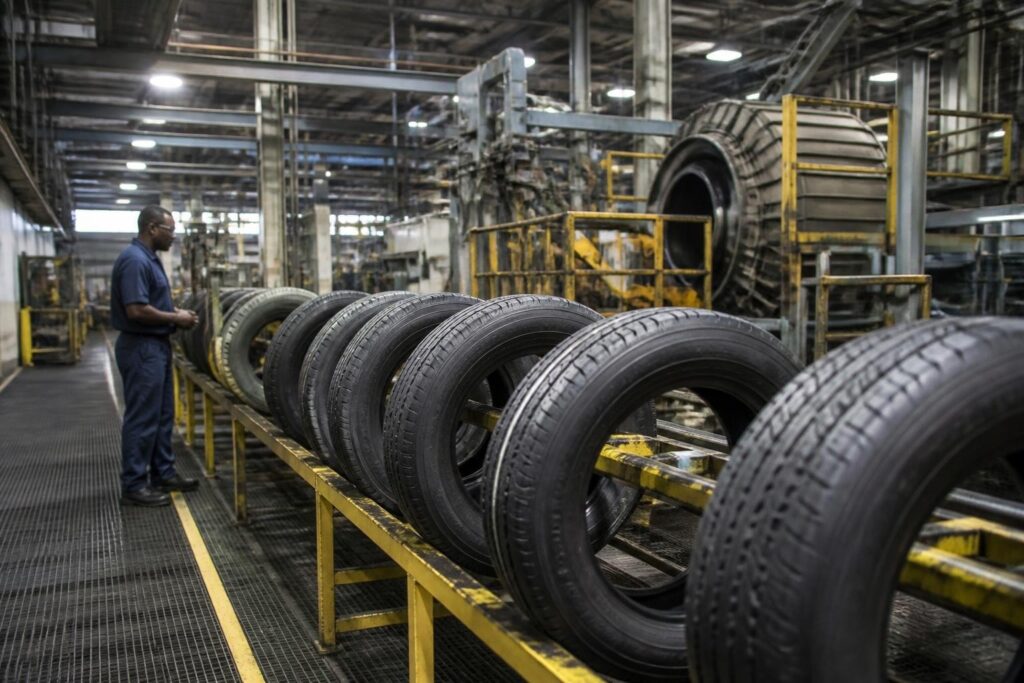
The tire companies in USA span both domestic manufacturers and international operations with significant American production facilities. These companies collectively employ over 60,000 workers across manufacturing, distribution, and research facilities.
Goodyear Tire & Rubber Company
Founded in 1898, Goodyear remains the largest American-owned tire manufacturer. The Akron, Ohio-based company operates multiple facilities across the United States, producing tires for passenger vehicles, commercial trucks, aircraft, and off-road equipment. Goodyear's domestic manufacturing footprint includes plants in Alabama, North Carolina, and Virginia, with each facility specializing in specific product categories.
The company maintains research and development centers focused on innovations in tire compounds, tread patterns, and smart tire technology. Their Cooper Tire acquisition in 2021 expanded their manufacturing capacity and product portfolio significantly.
Bridgestone Americas
As the North American subsidiary of Japan's Bridgestone Corporation, this entity operates the largest tire manufacturing network among tire companies in USA. With facilities in Tennessee, South Carolina, Iowa, and other states, Bridgestone Americas produces millions of tires annually for original equipment manufacturers and replacement markets.
Key manufacturing capabilities include:
- Passenger car radial tires with advanced fuel efficiency features
- Commercial truck tires for long-haul and regional applications
- Specialty tires for agricultural and mining equipment
- Run-flat technology for premium vehicle segments
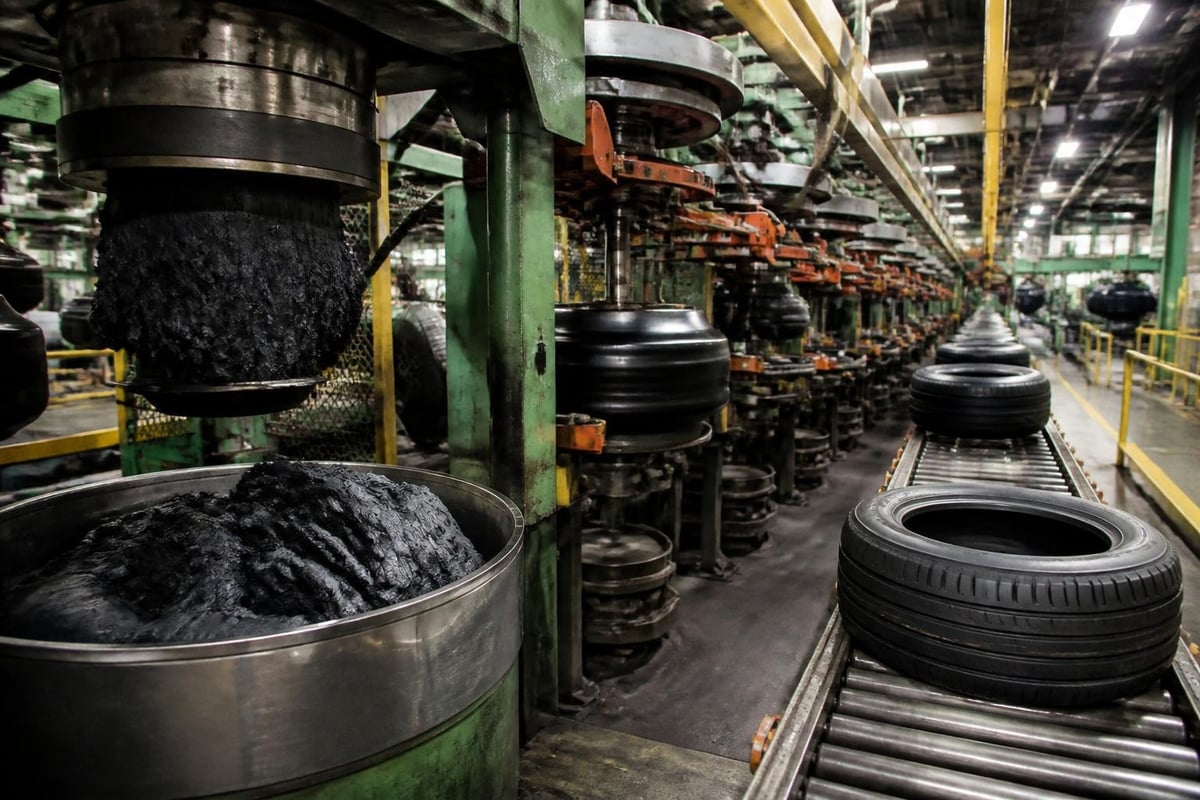
The company's manufacturing processes emphasize automation and quality control, with sophisticated production stages that ensure consistency across millions of units.
Continental Tire the Americas
Continental operates several manufacturing facilities in the United States, focusing primarily on passenger car and light truck tires. Their Sumter, South Carolina plant represents one of the most technologically advanced tire factories in North America, incorporating Industry 4.0 principles throughout production.
The German parent company has invested over $1.5 billion in US manufacturing infrastructure since 2015, demonstrating commitment to domestic production. Continental's facilities produce tires for both original equipment and aftermarket channels, with emphasis on premium performance segments.
Commercial Tire Segment and Distribution
Commercial vehicle tires represent a critical category for tire companies in USA, serving fleets that move goods across the nation's highways. This segment demands products engineered for durability, fuel efficiency, and total cost of ownership rather than just upfront price.
Fleet-Focused Manufacturers
Companies like Michelin North America maintain dedicated product lines for commercial applications. Their facilities in South Carolina and Alabama produce truck and bus radial (TBR) tires designed for steer, drive, and trailer positions. The company's research focuses on reducing rolling resistance to improve fuel economy, a priority for large fleet operators managing thousands of vehicles.
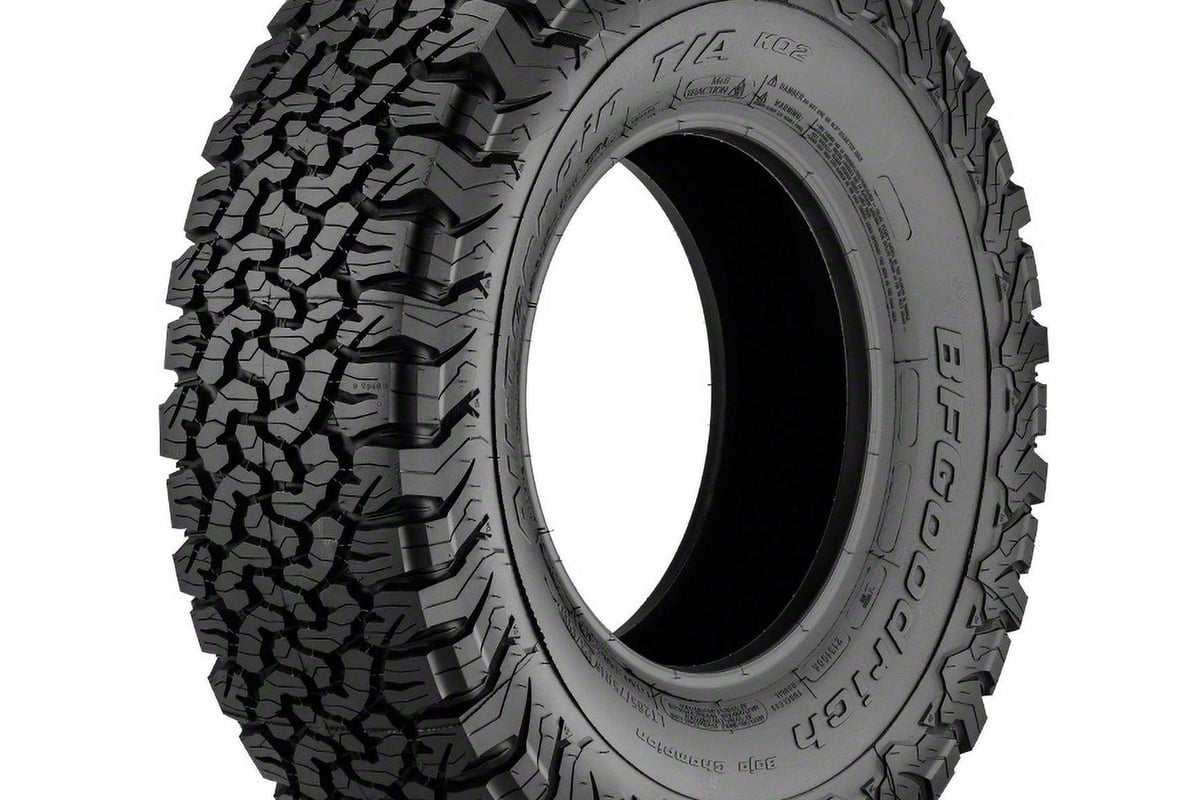
For distributors seeking wholesale opportunities, established brands offer programs tailored to commercial markets. Semi Truck Tires from Thailand provide fleet operators with TBR options covering all three positions, with steer tires featuring optimized five-rib patterns for straight-line stability and drive tires using deep closed-shoulder lug designs for long-haul durability.
Regional Distribution Networks
The distribution ecosystem for tire companies in USA includes multiple channels. National chains like Tire Discounters and Discount Tire operate hundreds of locations, while regional distributors serve independent retailers and commercial accounts. This multi-tier system ensures product availability across diverse geographic markets.
| Distribution Channel | Primary Customer | Typical Volume | Service Model |
|---|---|---|---|
| National Retail Chains | Individual Consumers | High | Installation & Warranty |
| Regional Distributors | Independent Shops | Medium-High | Wholesale & Logistics |
| Direct Fleet Sales | Commercial Operators | Variable | Account Management |
| OE Manufacturers | Auto Companies | Very High | Contract Supply |
Specialty and Off-Road Tire Production
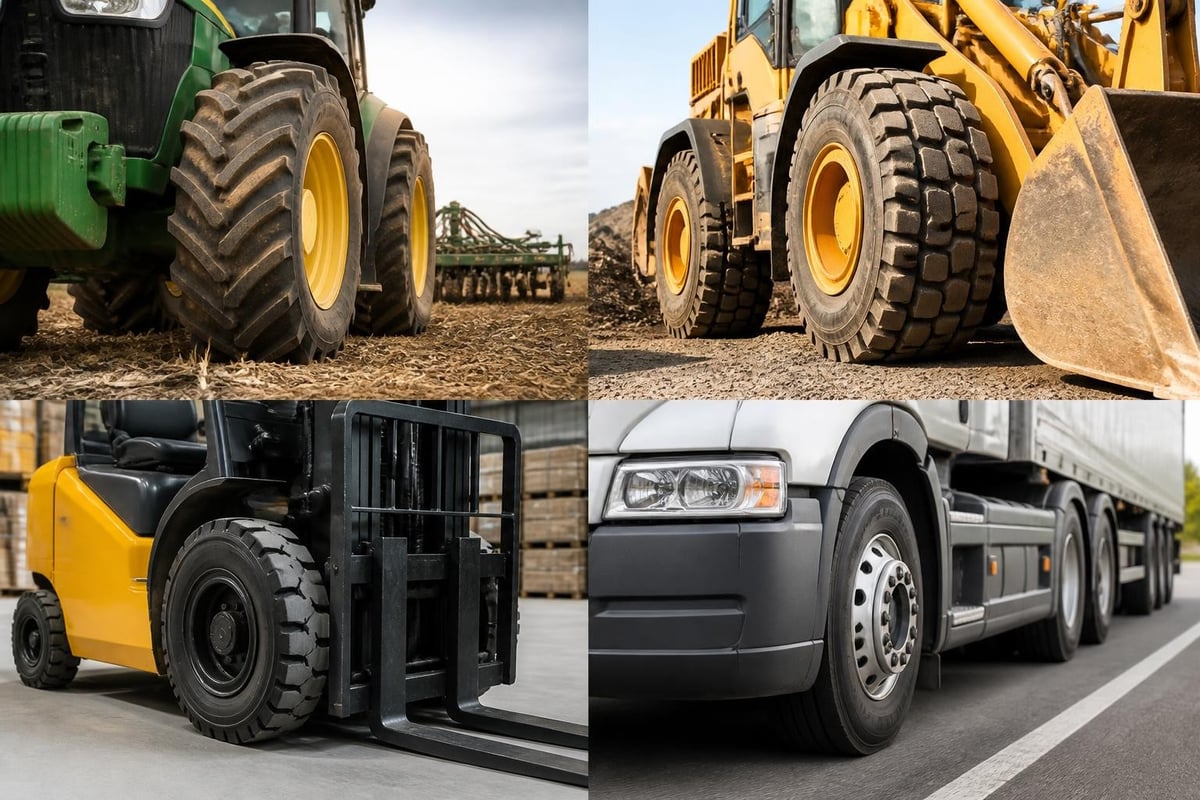
Beyond passenger and commercial segments, several tire companies in USA specialize in agricultural, construction, and industrial applications. These niche markets require specialized engineering and manufacturing capabilities.
Agricultural Tire Specialists
Titan International operates facilities in Illinois and Iowa producing agricultural tires for tractors, combines, and implements. The company serves original equipment manufacturers like John Deere and AGCO while also supplying the replacement market through dealer networks.
Alliance Tire Americas focuses exclusively on off-highway tires, with products designed for farming, forestry, and construction equipment. Their manufacturing emphasizes durability under heavy loads and resistance to soil chemicals and stubble damage.
Industrial and Material Handling Tires
Forklift and material handling tires represent another specialized category. These products must withstand constant operation in warehouses and distribution centers, often running 24/7 in multi-shift operations. Manufacturing processes for industrial tires incorporate reinforced sidewalls and specialized compounds resistant to cuts and punctures.
Companies producing solid tires for material handling equipment include Camso (now part of Michelin) and several smaller specialized manufacturers. These products eliminate puncture concerns while providing stability for precise load placement.
Import Presence and International Partnerships
While domestic manufacturing remains significant, tire companies in USA include substantial import operations. Asian manufacturers have established strong market presence through quality products and competitive pricing.
Asian Manufacturer Market Share
Korean manufacturers Hankook and Kumho operate US facilities while also importing substantial volumes. Hankook's Tennessee plant produces passenger and light truck tires, supplementing Korean production to serve North American demand.
Chinese tire manufacturers have grown market share significantly over the past decade, particularly in budget-conscious segments. Brands like Double Coin, Triangle, and Linglong offer competitive alternatives to established names, especially for commercial fleets managing cost per mile.
Thai tire manufacturing has emerged as a quality source for distributors seeking premium tires at wholesale prices. Thailand's tire industry benefits from established rubber supply chains and modern manufacturing facilities meeting international quality standards.
Quality Certifications and Standards
Regardless of origin, tire companies serving USA markets must meet Department of Transportation (DOT) requirements. These regulations mandate specific labeling, performance standards, and testing protocols. The tire production process for DOT-compliant products includes rigorous quality control checkpoints throughout manufacturing.
Key certifications include:
- DOT compliance for all tires sold in the United States
- FMVSS 139 standards for new passenger car tires
- SmartWay verification for fuel-efficient commercial tires
- ISO 9001 quality management systems
Market Trends Shaping the Industry
The landscape of tire companies in USA continues evolving based on technological advances, regulatory requirements, and changing customer expectations. Understanding these trends helps distributors and fleet managers make informed sourcing decisions.
Sustainable Manufacturing Initiatives
Environmental considerations increasingly influence tire production. Major manufacturers have committed to reducing carbon emissions, incorporating sustainable materials, and developing end-of-life recycling programs. Statistics show that the industry processes approximately 250 million scrap tires annually through various recycling and recovery programs.
Continental announced plans to use only sustainable materials in tire production by 2050, while Goodyear targets 100% sustainable materials by the same year. These commitments drive research into alternative rubber sources, recycled materials, and bio-based compounds.
Smart Tire Technology
Connected tire systems represent a growing segment among tire companies in USA. These products incorporate sensors monitoring pressure, temperature, and tread depth in real-time. For commercial fleets, smart tires provide data enabling predictive maintenance and optimized replacement schedules.
Manufacturers like Bridgestone offer tire pressure monitoring integrated with fleet management systems, reducing downtime and improving fuel efficiency. The technology particularly benefits long-haul operations where tire failures create significant cost and safety concerns.
Electric Vehicle Tire Requirements
The shift toward electric vehicles creates new demands for tire companies in USA. EVs require tires engineered for instant torque delivery, heavier vehicle weights, and lower rolling resistance to maximize range. Manufacturers have developed EV-specific product lines with reinforced construction and specialized compounds.
| EV Tire Feature | Purpose | Benefit |
|---|---|---|
| Lower Rolling Resistance | Maximize Range | 5-10% Efficiency Gain |
| Reinforced Sidewalls | Support Battery Weight | Extended Service Life |
| Noise-Reducing Foam | Compensate for Quiet Motors | Improved Comfort |
| Higher Load Index | Carry Battery Mass | Safety & Durability |
Wholesale Distribution Opportunities
For businesses seeking to establish or expand tire distribution operations, understanding supplier options among tire companies in USA proves essential. The market offers opportunities across multiple price segments and product categories.
Direct Import Considerations
Distributors increasingly source products directly from international manufacturers, bypassing traditional importer networks. This approach requires understanding customs regulations, quality verification, and container logistics, but can provide significant margin advantages.
Working with established manufacturers offering DOT-compliant products streamlines the import process. Suppliers maintaining quality certifications and established export operations reduce risk for new distributors entering the market.
Private Label Programs
Several tire companies in USA offer private label manufacturing, allowing distributors to build brand equity while sourcing quality products. These programs typically require minimum order quantities but provide differentiation in competitive markets.
Private label arrangements work particularly well in regional markets where distributors maintain strong dealer relationships and can provide technical support. The strategy allows smaller distributors to compete against national brands through value positioning rather than pure price competition.
Regional Manufacturing Considerations
Geographic distribution of manufacturing facilities among tire companies in USA impacts logistics costs, delivery times, and sourcing strategies for distributors and fleet operators.
Southern Manufacturing Concentration
The Southeast United States hosts the highest concentration of tire manufacturing facilities, benefiting from:
- Proximity to major ports for import/export operations
- Established automotive manufacturing clusters
- Favorable business climate and labor markets
- Access to interstate highway networks for distribution
Tennessee alone hosts major facilities from Bridgestone, Goodyear, and Hankook, creating a regional hub for tire production and research.
Midwest Agricultural Focus
Facilities in Iowa, Illinois, and neighboring states emphasize agricultural and specialty tire production. These locations provide proximity to farming equipment manufacturers and the agricultural heartland requiring replacement tires.
The concentration creates supply chain efficiencies for dealers serving farming communities, reducing freight costs and delivery times during peak planting and harvest seasons.
Quality Standards and Testing Protocols
Understanding how tire companies in USA maintain quality provides confidence for distributors and end users. Modern manufacturing incorporates multiple inspection stages and performance verification.
Manufacturing Quality Control
Tire manufacturing processes include quality checkpoints at each production stage. Raw material inspection verifies compound specifications before mixing. Component inspection ensures belt and bead wire meet dimensional tolerances. Final inspection includes visual examination, balance verification, and X-ray inspection for internal defects.
Leading manufacturers maintain statistical process control systems monitoring hundreds of variables throughout production. This data-driven approach identifies potential issues before they affect product quality.
Performance Testing Requirements
Beyond manufacturing quality, tire companies conduct performance testing across multiple criteria:
- Treadwear testing using controlled road courses
- Wet traction measurement on standardized surfaces
- Rolling resistance testing for fuel efficiency ratings
- High-speed endurance verification
- Load capacity confirmation under specified conditions
These tests ensure products meet stated performance specifications and regulatory requirements before reaching the market.
Future Outlook for the Industry
The tire industry in the United States continues adapting to technological changes, regulatory evolution, and shifting market demands. Tire companies in USA investing in research, sustainable practices, and manufacturing efficiency will maintain competitive advantages.
Electrification of commercial vehicles presents both challenges and opportunities. While EV-specific requirements demand new product development, they also create differentiation opportunities for manufacturers offering specialized solutions. The commercial fleet transition will occur gradually, allowing tire companies to develop and refine products as the market evolves.
Automation and advanced manufacturing technologies promise improved consistency and reduced costs. Facilities incorporating robotics, artificial intelligence, and predictive maintenance achieve higher throughput with fewer defects. These investments require significant capital but deliver long-term competitive advantages.
The tire companies in USA represent a sophisticated ecosystem of domestic manufacturers, international operations, and specialized producers serving diverse market segments. For distributors and fleet managers, understanding this landscape enables informed sourcing decisions aligned with quality requirements, budget constraints, and performance needs. OTR TIRE THAI offers distributors worldwide access to premium quality tires across agricultural, commercial truck, industrial, and specialty categories, with manufacturing expertise serving over 80 countries and established partner brands meeting international quality standards.
