
Blog
Tires on Truck: Complete Guide to Selection & Maintenance
Jul
Selecting the right tires on truck applications determines operational efficiency, safety compliance, and total cost of ownership across commercial fleets. Modern commercial vehicles demand specialized tire solutions engineered for specific axle positions, load capacities, and operating environments. Whether managing long-haul semi-trucks, regional delivery fleets, or specialized heavy-duty vehicles, understanding tire fundamentals enables informed purchasing decisions that maximize uptime and minimize per-mile costs. This comprehensive guide explores the critical factors that influence tire performance, regulatory compliance requirements, and maintenance protocols that extend service life.
Understanding Truck Tire Classifications and Positions
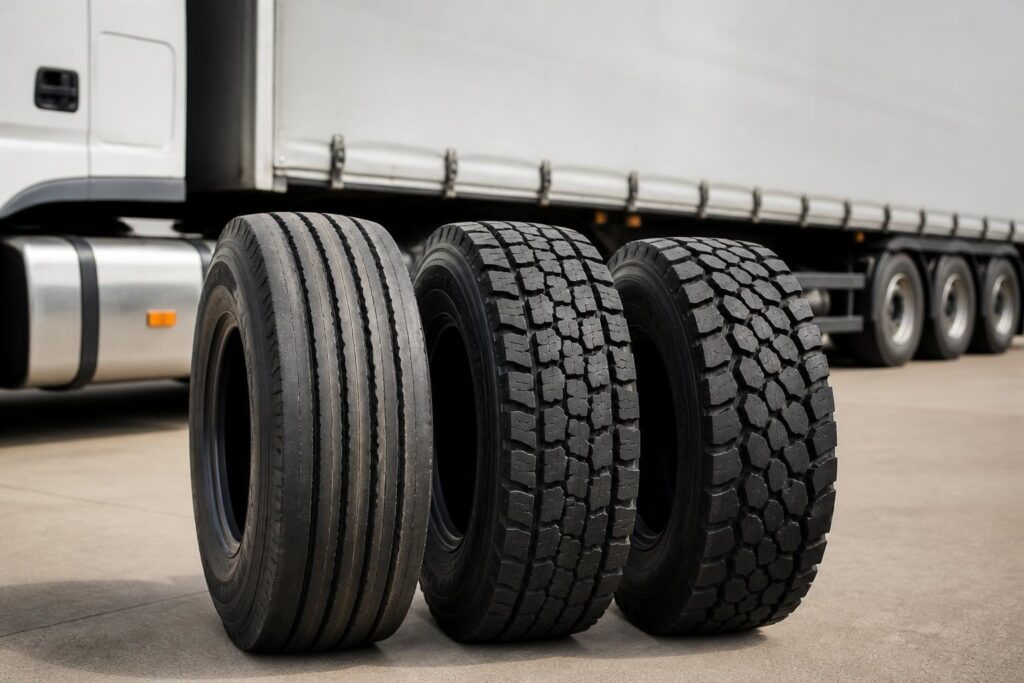
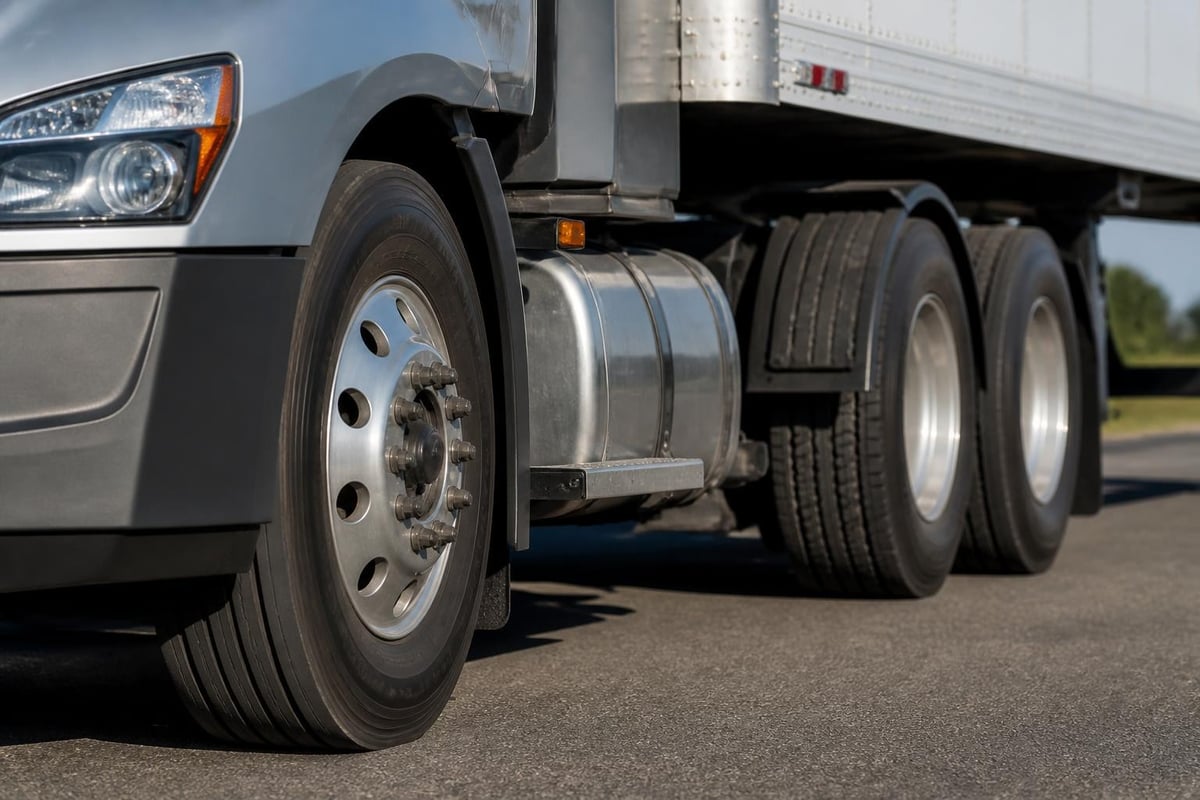
Commercial tires on truck applications fall into three primary position categories, each designed with distinct performance characteristics. Steer tires mount on front axles and feature ribbed tread patterns that deliver precise handling and even wear distribution. These tires require excellent traction for cornering and braking while maintaining straight-line stability at highway speeds.
Drive tires power the vehicle through aggressive lug patterns with deep grooves and stone ejectors. The tread compound balances traction needs with resistance to irregular wear patterns like heel-and-toe or cupping. Drive position tires experience the highest torque loads and require reinforced construction to handle acceleration, braking, and grade climbing.
Trailer tires prioritize fuel efficiency through low-rolling-resistance compounds and specialized rib designs. Since trailer axles are non-powered, these tires focus on even weight distribution and reduced heat buildup during extended highway operation.
Load Range and Ply Rating Specifications
Load range designations indicate the maximum air pressure and load capacity that tires on truck axles can safely support. Common load ranges include G (14 ply), H (16 ply), and J (18 ply), with higher ratings supporting heavier gross vehicle weights.
| Load Range | Ply Rating | Max PSI | Typical Application |
|---|---|---|---|
| G | 14 | 110 | Regional delivery, medium-duty trucks |
| H | 16 | 120 | Long-haul semi-trucks, heavy regional |
| J | 18 | 130 | Severe-duty, heavy-haul operations |
Proper load matching prevents premature failure and ensures compliance with federal tire regulations governing commercial vehicle safety. Underinflated or overloaded tires generate excessive heat that degrades internal structure and increases blowout risk.
Selecting Tires Based on Application Requirements
Highway terrain demands different performance characteristics than mixed-service or off-road operations. Long-haul tires on truck fleets prioritize fuel efficiency, even wear, and high-mileage durability. Regional delivery applications require all-weather traction with resistance to curbing damage and frequent stop-start cycles.
Tread Pattern Selection Criteria
Closed-shoulder designs reduce irregular wear and improve fuel economy by minimizing tread squirm at highway speeds. These patterns work well for 80% or more highway operation where wet traction needs are moderate.
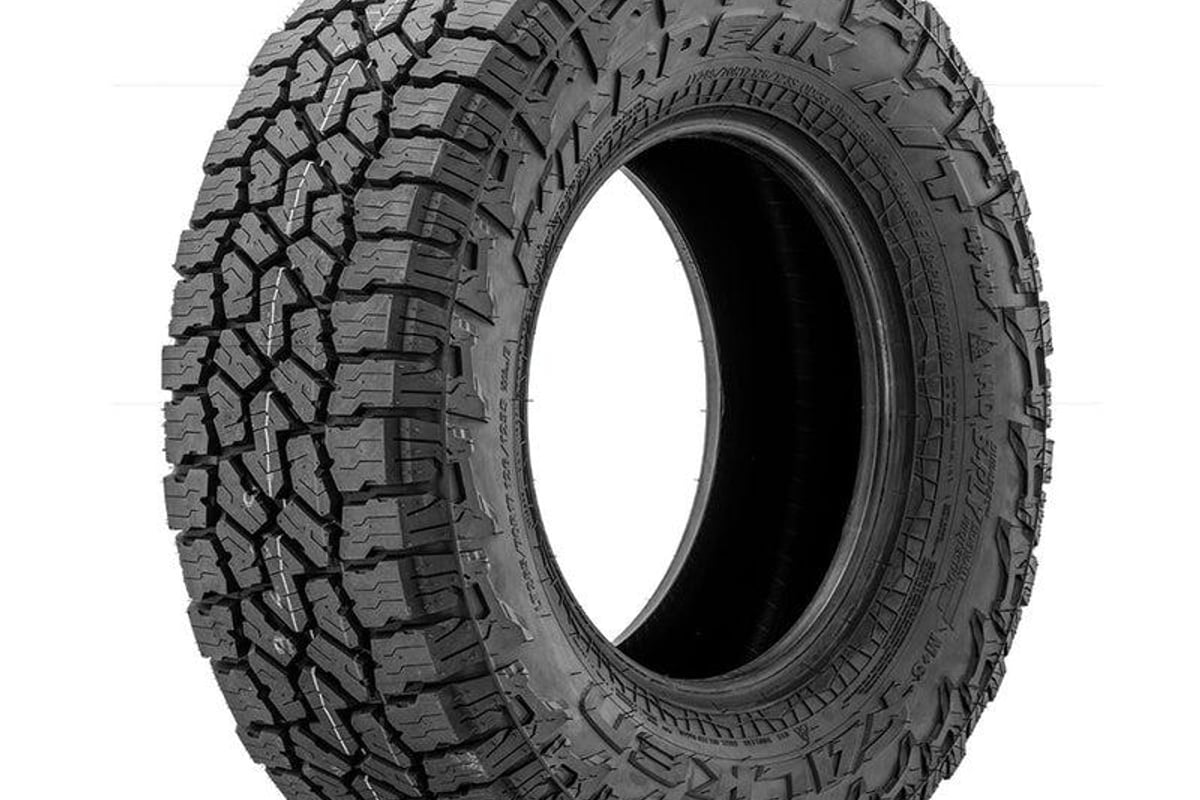
Open-shoulder patterns evacuate water and slush more effectively, making them suitable for mixed-service routes with significant wet weather exposure. The aggressive shoulder blocks provide additional biting edges for traction on unpaved surfaces or in snow.
All-position tires offer versatility for fleets that rotate tires between steer and drive positions. While not optimized for any single application, these designs reduce inventory complexity and simplify fleet management.
When specifying tires on truck fleets, consider operational factors including:
- Percentage of highway versus urban driving
- Average payload weight and load distribution
- Regional climate and precipitation patterns
- Road surface conditions (smooth asphalt, rough concrete, gravel)
- Annual mileage targets and replacement cycles
OTR TIRE THAI manufactures TBR tires engineered for diverse commercial applications, with patterns optimized for steer, drive, and trailer positions. Our Semi Truck Tires from Thailand feature compounds and constructions developed specifically for long-haul efficiency and regional durability.
Regulatory Compliance and Safety Standards
Federal Motor Vehicle Safety Standards establish minimum performance requirements for tires on truck applications in the United States. FMVSS 119 covers new pneumatic tires for vehicles with gross vehicle weight rating above 10,000 pounds, specifying endurance tests, high-speed performance, and strength requirements.
Tread Depth Requirements
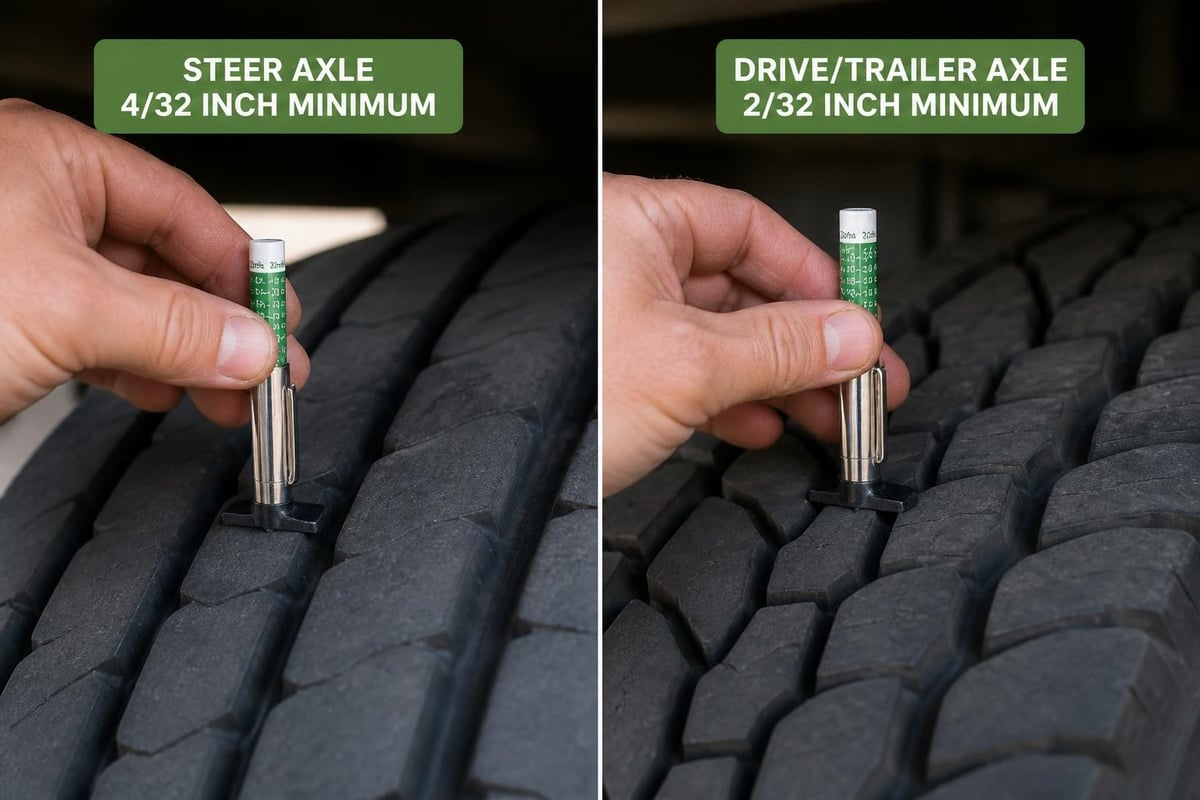
The 49 CFR 393.75 regulation mandates minimum tread depth measurements that vary by tire position:
- Steer axle tires: 4/32 inch minimum across all major grooves
- Drive and trailer axles: 2/32 inch minimum in major grooves
Operating tires below these minimums results in roadside violations, CSA safety score deductions, and potential out-of-service orders. Regular tread depth monitoring prevents compliance issues and identifies tires approaching replacement thresholds.
Sidewall Markings and Certification
DOT serial numbers stamped on tire sidewalls provide manufacturing date codes and plant identification. The four-digit date code indicates week and year of production, with the first two digits representing the week and last two indicating the year. A code of "2826" means the 28th week of 2026.
Certification markings include:
- DOT symbol: Indicates compliance with U.S. Department of Transportation standards
- ECE approval: European certification accepted in over 50 countries
- Load index and speed rating: Maximum load capacity and sustained speed capability
- Ply rating and max inflation: Structural strength and pressure limits
Maintenance Protocols That Extend Tire Life
Implementing systematic maintenance reduces the total cost of tires on truck fleets by maximizing original tread life and preventing premature removal. Bridgestone’s commercial tire maintenance guidelines emphasize five critical practices: proper inflation, regular inspections, timely rotation, wheel alignment, and storage protocols.
Inflation Pressure Management
Tire pressure directly influences contact patch geometry, heat generation, and wear patterns. Under-inflation by just 10% reduces tread life by approximately 15% while increasing fuel consumption by 1-2%. Over-inflation concentrates wear in the center ribs and reduces traction by decreasing contact area.
Daily pressure checks before operation prevent gradual air loss from degrading performance. Nitrogen inflation offers advantages for tires on truck applications, including:
- Reduced oxidation of rubber compounds and steel belts
- More stable pressure across temperature fluctuations
- Slower permeation through sidewalls compared to compressed air
- Extended valve core and wheel component life
Establish pressure targets based on actual load weights rather than maximum rated capacity. Dual tires require equal pressure to prevent uneven load distribution that causes rapid wear on the underinflated tire.
Visual Inspection Procedures
Pre-trip and post-trip inspections identify damage before failure occurs. Comprehensive inspection protocols should examine:
- Tread surface: Check for cuts, punctures, exposed belts, irregular wear
- Sidewalls: Look for bulges, cuts, weather checking, impact breaks
- Bead area: Verify proper seating, check for rim damage or rust
- Valve stems: Inspect for cracks, leaks, missing caps
- Wheel components: Examine lug nuts, hub seals, brake dust accumulation
Remove any embedded objects like nails or stones that can migrate deeper into the tread structure. Document findings to track recurring issues indicating alignment problems, brake imbalances, or suspension wear.
Tire Rotation and Replacement Strategies
Strategic rotation extends the service life of tires on truck fleets by equalizing wear across all wheel positions. Steer tires typically wear faster on shoulders due to turning forces, while drive tires experience center wear from torque loads.
Rotation Intervals and Patterns
Most manufacturers recommend rotation every 25,000 to 50,000 miles, though interval adjustments may be necessary based on observed wear rates. Common rotation patterns include:
| Pattern | Description | Application |
|---|---|---|
| Straight rotation | Move steer to trailer, drive to steer, trailer to drive | Single-screw tractors |
| Cross rotation | Diagonal movement between positions | Dual-screw configurations |
| Side-to-side | Swap left and right on same axle | Correcting uneven wear |
Directional tread patterns limit rotation options since tire orientation must maintain correct rolling direction. Non-directional designs offer maximum flexibility for position changes that optimize total fleet mileage.
Identifying Replacement Criteria
Beyond minimum legal tread depth, several factors indicate tires on truck applications require replacement:
- Irregular wear patterns: Cupping, scalloping, one-sided wear suggesting alignment or suspension issues
- Age-related degradation: Most manufacturers recommend removal after 6-10 years regardless of remaining tread
- Structural damage: Sidewall bulges, exposed cords, separated tread blocks
- Excessive weather checking: Deep cracks indicating ozone and UV damage to rubber compounds
National Truck Authority’s rotation guide provides detailed criteria for evaluating tire condition and determining optimal removal timing. Premature removal wastes tread life and inflates operating costs, while delayed replacement increases breakdown risk and liability exposure.
Preventing Tire Failures and Blowouts
Catastrophic tire failures pose significant safety risks and operational disruptions. Truck tire blowout prevention relies on addressing root causes through systematic maintenance and monitoring programs.
Primary Failure Mechanisms
Heat buildup from under-inflation, overloading, or excessive speed degrades rubber compounds and weakens steel belt adhesion. Internal temperatures exceeding 200°F accelerate oxidation and reduce tensile strength.
Road hazard damage includes punctures, cuts, and impact breaks from debris, potholes, or curb strikes. While minor punctures may be repairable, damage to sidewalls or shoulders typically requires replacement.
Mechanical wear from misalignment, unbalanced wheels, or brake drag creates uneven tread consumption that concentrates stress in remaining tread blocks. These localized high-stress zones become initiation points for belt separation and tread loss.
Monitoring Technologies
Advanced fleets implement tire pressure monitoring systems (TPMS) that provide real-time alerts when tires on truck applications deviate from target pressures. Automatic inflation systems maintain constant pressure by drawing from the vehicle's air supply, eliminating manual checks and reducing driver workload.
Infrared thermal imaging during routine inspections reveals hot spots indicating internal damage or impending failure. Temperature differentials of 20°F or more between tires in the same position warrant immediate investigation.
Cost Optimization Through Life-Cycle Management
Total cost of ownership for tires on truck fleets extends beyond initial purchase price to include mounting, maintenance, fuel impact, and disposal costs. Comprehensive life-cycle analysis identifies opportunities for reducing per-mile expenses while maintaining safety and reliability.
Retread Considerations
Retreading extends the service life of premium casings through application of new tread rubber to worn tire bodies. Quality retreads deliver 80-90% of new tire performance at 40-50% of replacement cost.
Ideal retreading candidates meet specific criteria:
- Casing condition: No structural damage, belt separation, or sidewall degradation
- Original tire quality: Premium manufacturers use superior materials that support multiple retreads
- Service history: Proper maintenance and rotation preserve casing integrity
- Tread wear pattern: Even wear indicates good alignment and balanced loads
Steer position retreads face stricter regulations and require more thorough inspection since front tire failures present greater safety risks than drive or trailer position failures.
Fuel Economy Impact
Rolling resistance directly affects fuel consumption, with tires contributing 15-20% of total resistance in highway operation. Low-rolling-resistance compounds reduce energy loss through tread flexing and heat generation.
A reduction of 10% in tire rolling resistance improves fuel economy by approximately 1-2%, translating to significant savings across high-mileage fleets. EPA SmartWay verified tires meet rigorous efficiency standards while maintaining traction and durability requirements.
| Tire Type | Rolling Resistance | Annual Fuel Cost (per truck) | 5-Year Savings |
|---|---|---|---|
| Standard | Baseline | $40,000 | – |
| Low-rolling-resistance | -10% | $39,200 | $4,000 |
| Premium efficiency | -15% | $38,800 | $6,000 |
Based on 100,000 annual miles, 6 MPG average, $3.50/gallon diesel
Winter Operation and Cold-Weather Performance
Seasonal temperature fluctuations affect the performance characteristics of tires on truck applications operating in northern climates. Rubber compounds stiffen in cold temperatures, reducing traction on ice and snow while increasing rolling resistance.
Cold-Weather Tire Selection
All-season tires maintain adequate performance across moderate temperature ranges but may struggle in severe winter conditions. The tread compound hardens below 40°F, reducing grip on frozen surfaces.
Winter-specific tires use specialized rubber formulations that remain pliable at sub-freezing temperatures. Deep siping creates additional biting edges that improve traction on ice and packed snow.
Regional regulations in certain areas mandate winter tires or tire chains during specific months. Compliance requirements vary by jurisdiction, with some states requiring chains when conditions warrant while others mandate seasonal tire changes.
Cold-Weather Maintenance Adjustments
Tire pressure drops approximately 1 PSI for every 10°F temperature decrease. A tire properly inflated at 75°F in autumn may be 10-15 PSI low during winter operation if not adjusted. Daily pressure checks become critical during seasonal transitions.
Pre-warming tires before departure in extreme cold reduces the risk of tread cracking and improves initial traction. Allow vehicles to idle briefly or drive at reduced speeds for the first few miles until operating temperatures stabilize.
Alignment and Suspension Integration
Wheel alignment directly influences wear patterns, fuel efficiency, and handling characteristics of tires on truck applications. Misalignment causes rapid, uneven tread consumption that shortens tire life and increases replacement frequency.
Alignment Specifications and Tolerances
Toe alignment measures the parallel relationship between tires on the same axle. Excessive toe-in or toe-out causes scrubbing that rapidly wears shoulder ribs. Specifications typically range from 0 to 1/8 inch total toe-in for steer axles.
Camber angle describes the vertical tilt of tires relative to the road surface. Positive camber tilts the top of the tire outward, while negative camber tilts inward. Most commercial vehicles target near-zero camber for even tread contact.
Caster angle affects steering stability and self-centering characteristics. While caster doesn't directly cause tire wear, incorrect settings influence handling and driver fatigue.
Schedule alignment checks every 50,000 miles or whenever irregular wear patterns appear. Impact events like pothole strikes or curb contact can immediately shift alignment settings and trigger accelerated wear.
Suspension Component Interaction
Worn suspension components including bushings, shocks, and springs allow excessive tire movement that generates irregular wear. Bouncing from failed shocks creates cupping patterns, while worn king pins cause feathered wear on steer tires.
Integrated maintenance programs address both tires and suspension systems to maximize component life and minimize total cost. Learn more about premium tire options that complement properly maintained suspension systems.
Fleet Management Best Practices
Large-scale operations benefit from centralized tire management programs that standardize purchasing, maintenance, and replacement decisions across multiple vehicles and locations. Data-driven approaches optimize inventory levels while ensuring consistent safety standards.
Tire Tracking and Record Systems
Digital fleet management platforms track individual tire serial numbers from purchase through removal, documenting:
- Installation date and initial tread depth
- Rotation history and position changes
- Pressure readings and inflation adjustments
- Damage events and repair records
- Removal criteria and final disposition
Historical data reveals patterns indicating recurring issues with specific tire models, supplier quality variations, or operational factors causing premature wear. Analytics identify top-performing tires that deliver lowest cost per mile and highest reliability.
Supplier Relationship Management
Establishing partnerships with tire manufacturers and distributors provides access to technical support, warranty assistance, and volume pricing advantages. Direct manufacturer relationships eliminate intermediary markups while ensuring product authenticity and quality control.
OTR TIRE THAI supplies commercial truck tires to distributors in over 80 countries, offering factory-direct pricing on DOT and ECE certified products. Our technical team assists with application selection, compound recommendations, and performance optimization for diverse fleet requirements.
Emergency Response Protocols
Roadside tire failures require rapid response to minimize downtime and maintain delivery schedules. Comprehensive emergency plans should include:
- 24/7 service provider network with response time commitments
- Spare tire inventory at strategic depot locations
- Driver training on safe tire change procedures and hazard protocols
- Communication systems for reporting failures and requesting assistance
- Vendor agreements specifying service level expectations and pricing
Pre-negotiated service contracts prevent price gouging during emergency situations while ensuring qualified technicians perform repairs according to manufacturer specifications.
Environmental Considerations and Disposal
End-of-life tire management poses environmental challenges due to volume, durability, and chemical composition. Responsible fleets implement disposal strategies that minimize landfill waste while recovering valuable materials.
Tire Recycling Programs
Modern recycling processes separate tires into constituent materials:
- Crumb rubber: Ground tire material used in playground surfaces, running tracks, asphalt modification
- Steel wire: Recovered metal recycled into new steel products
- Textile fiber: Cord material processed for industrial applications
- Pyrolysis oil: Fuel derived from thermal decomposition
Many jurisdictions impose disposal fees or require use of certified recyclers to ensure proper handling. Partner with service providers offering documented recycling chains that comply with environmental regulations.
Extended Producer Responsibility
Some regions implement take-back programs where tire manufacturers accept used tires for recycling or energy recovery. These initiatives reduce the burden on municipalities while creating circular economy systems that repurpose materials.
Tire-derived fuel (TDF) converts scrap tires into energy for cement kilns, paper mills, and power generation facilities. The high energy content of rubber makes it an effective supplemental fuel that reduces fossil fuel consumption.
Optimizing tires on truck applications requires balancing performance requirements, regulatory compliance, maintenance protocols, and total cost considerations. By implementing systematic selection criteria, establishing rigorous maintenance schedules, and leveraging data analytics, fleet operators maximize tire life while ensuring safety and reliability. OTR TIRE THAI provides comprehensive commercial tire solutions backed by international quality standards and technical expertise, helping distributors worldwide meet the demanding requirements of modern trucking operations with factory-direct pricing and proven performance.
