
Blog
Semi Truck Tire Shop: A Complete Guide for Fleets
Jul
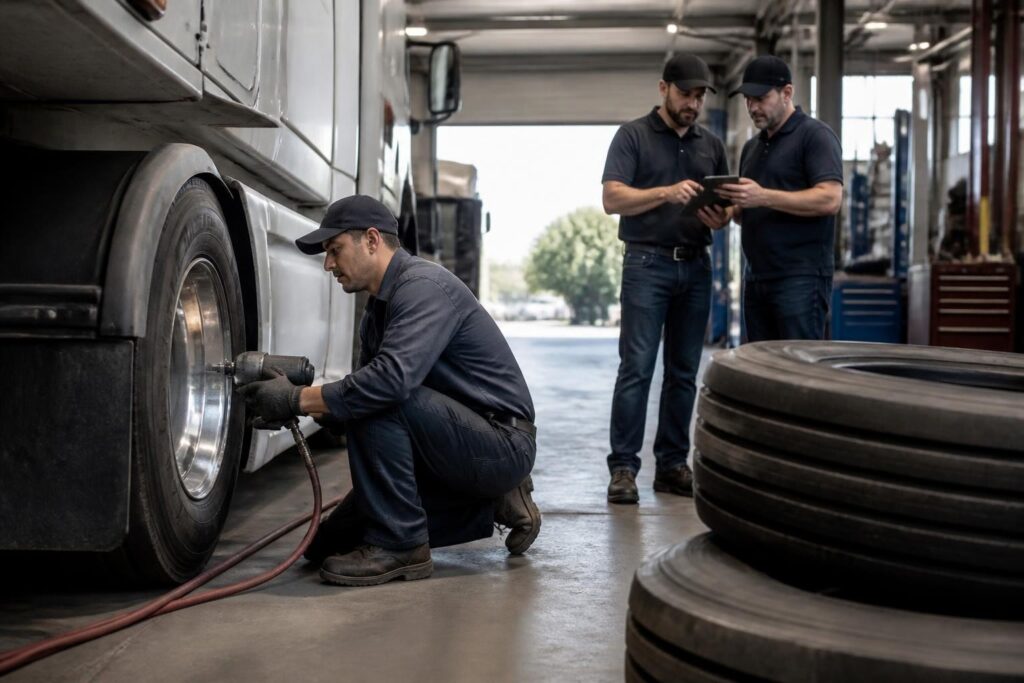
Operating a commercial trucking fleet requires strategic partnerships with service providers who understand the unique demands of long-haul transportation. Among these relationships, your choice of a semi truck tire shop stands as one of the most critical decisions for fleet efficiency, safety, and profitability. The right tire service partner does far more than mount and balance tires-they become an extension of your maintenance team, providing expertise that directly impacts your bottom line through reduced downtime, extended tire life, and improved fuel economy. With commercial truck tires representing a significant portion of fleet operating costs, understanding what separates exceptional tire shops from mediocre ones has never been more important for fleet managers and owner-operators alike.
Understanding Semi Truck Tire Shop Services
A full-service semi truck tire shop provides comprehensive solutions beyond basic tire replacement. Modern tire service centers cater specifically to commercial vehicles, offering specialized equipment and trained technicians who understand the complexities of TBR (truck and bus radial) tire systems.
Core Service Offerings
Professional tire shops deliver multiple essential services that keep commercial fleets operating safely and efficiently. Installation and balancing form the foundation, but the value extends much further.
- New tire sales across all positions (steer, drive, trailer)
- Tire rotation and balancing services for even wear distribution
- Emergency roadside assistance and mobile repair units
- Wheel alignment and suspension inspection
- Tire pressure monitoring system (TPMS) installation and calibration
- Fleet tire management programs with detailed tracking
Beyond these fundamentals, leading shops provide retread inspection and coordination, helping fleets maximize their tire investment. Retreading remains a cost-effective strategy for extending tire life when the casing remains structurally sound.
Specialized Equipment Requirements
Not every tire shop can properly service commercial trucks. The equipment investment required separates professional semi truck tire shops from passenger vehicle-focused operations.
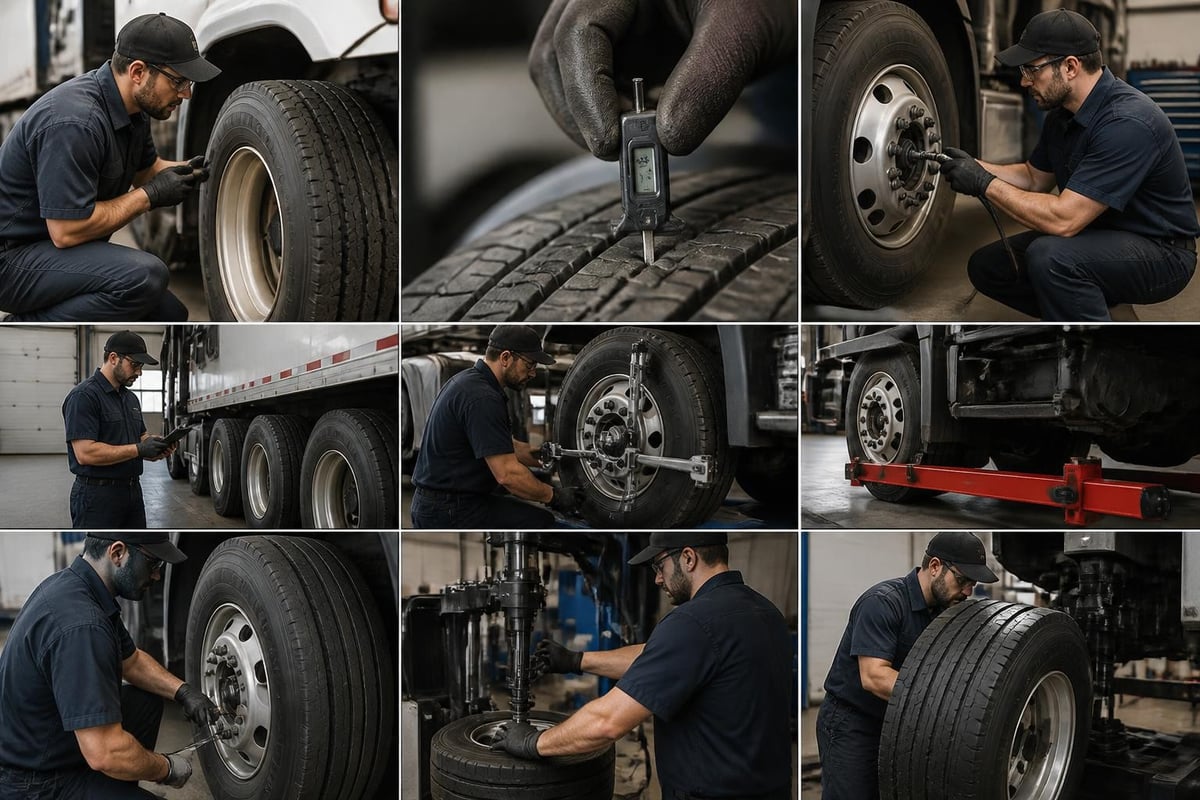
Heavy-duty tire changers capable of handling 22.5" and 24.5" commercial rims are essential. These machines must generate sufficient force to break the bead on truck tires without damaging the wheel. Precision wheel balancers designed for commercial applications ensure smooth operation at highway speeds, reducing vibration that accelerates suspension wear.
| Equipment Type | Purpose | Importance Level |
|---|---|---|
| Heavy-duty tire changer | Mount/dismount large commercial tires | Critical |
| Commercial wheel balancer | Eliminate vibration and uneven wear | Critical |
| Alignment rack | Correct steering geometry | High |
| Nitrogen inflation system | Maintain stable pressure | Medium |
| Tread depth gauges | Monitor wear patterns | High |
| Torque wrenches (calibrated) | Proper wheel nut tension | Critical |
Selecting the Right Semi Truck Tire Shop
Fleet managers face numerous options when choosing a tire service partner. Making an informed decision requires evaluating multiple factors that directly impact operational reliability.
Location and Accessibility
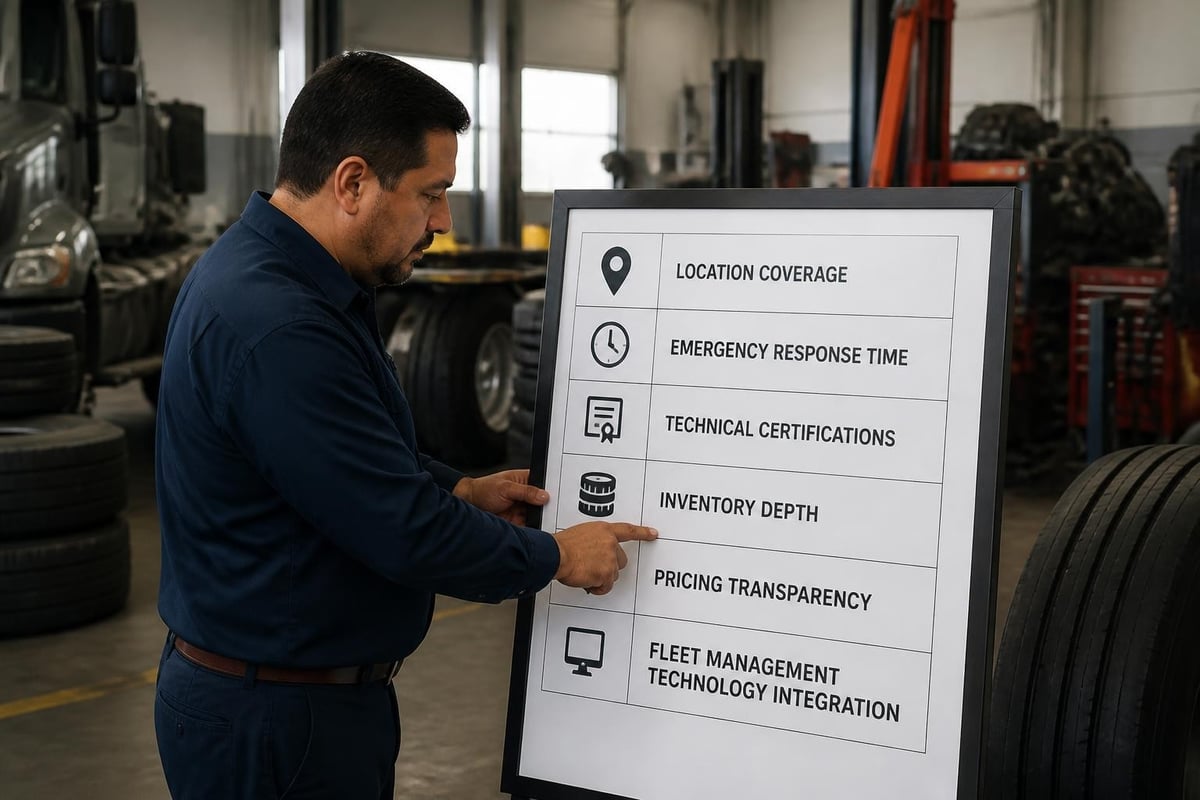
Geographic convenience matters significantly for commercial fleets. A semi truck tire shop located near major freight corridors or within your primary operating region minimizes deadhead miles when service is needed. Emergency situations particularly benefit from proximity-a blowout 200 miles from your regular shop creates cascading delays and costs.
Consider whether the shop offers mobile service capabilities. The best tire shops dispatch mobile units equipped to perform roadside repairs, replacements, and emergency services. This capability transforms potential multi-hour delays into manageable service events.
Technical Expertise and Certifications
Technician training and certification levels reveal a shop's commitment to professional service standards. Look for technicians who hold certifications from industry organizations, demonstrating competency in commercial tire service, wheel-end maintenance, and safety protocols.
Key qualifications include:
- Commercial tire service certifications
- Manufacturer-specific training programs
- Safety compliance certifications
- Alignment specialist credentials
- TPMS installation certification
The shop's experience with your specific truck makes and models matters equally. A technician familiar with your fleet's particular suspension systems, wheel configurations, and operational demands provides more efficient, accurate service than one learning on the job.
Inventory Depth and Brand Selection
Comprehensive inventory separates full-service operations from shops that must special-order most products. A quality semi truck tire shop stocks multiple tire brands across all three positions (steer, drive, trailer) in common sizes like 295/75R22.5 and 11R22.5.
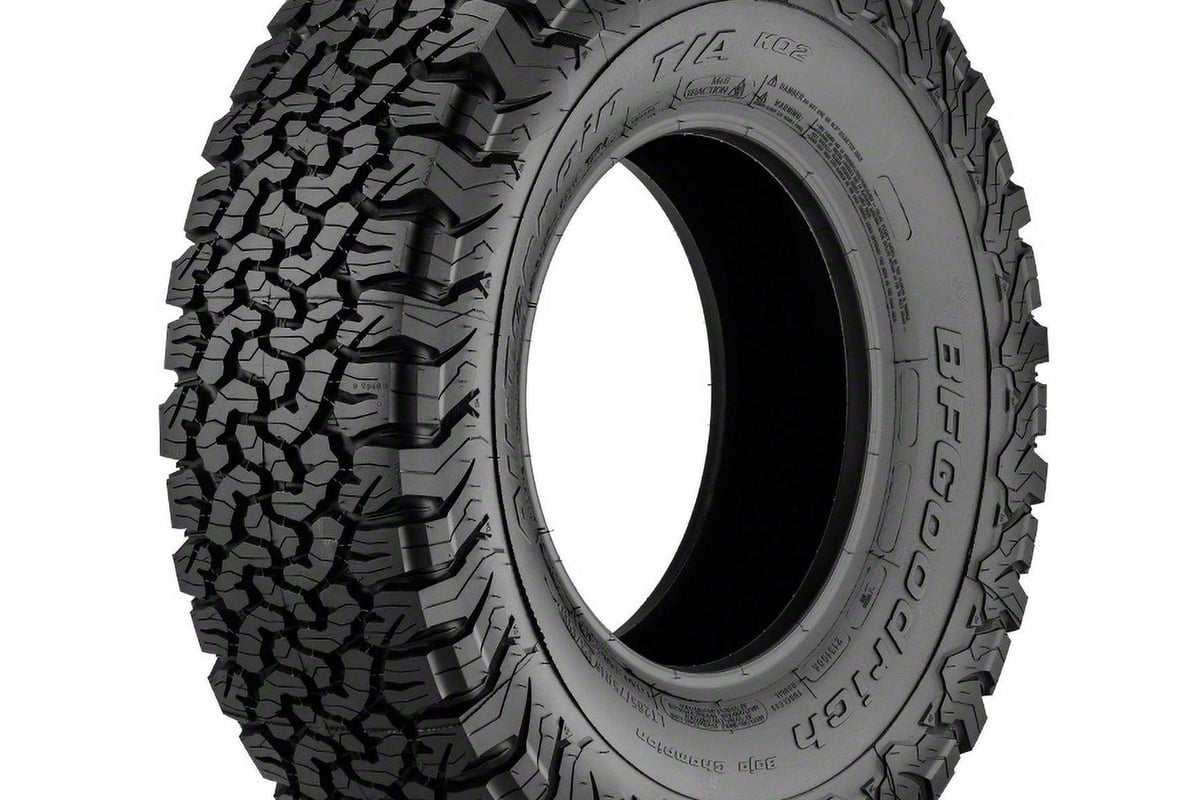
Brand diversity provides fleet managers with options matching specific route profiles and budget constraints. Premium tier brands deliver maximum mileage for long-haul operations, while value tier options suit regional routes with lower annual mileage. OTR TIRE THAI manufactures TBR tires engineered for all three positions, with steer tires featuring optimized five-rib patterns for stability, drive tires using deep closed-shoulder lug designs with stone ejectors, and trailer tires built with low-rolling-resistance compounds that help fleets meet efficiency standards.
Essential Maintenance Services
Regular maintenance delivered by a competent semi truck tire shop extends tire life significantly and prevents costly roadside failures. Establishing a systematic maintenance schedule pays dividends through reduced total cost of ownership.
Tire Rotation Protocols
Strategic rotation distributes wear evenly across all positions, maximizing the usable life of each tire. Drive position tires typically wear faster than steer or trailer positions due to higher torque loads and braking forces.
Professional shops develop rotation schedules based on your specific operation. Long-haul fleets often benefit from rotating tires every 25,000-40,000 miles, while regional operations may extend intervals slightly. Proper rotation protocols combined with inflation management can extend tire life by 15-20% compared to neglected tires.
Rotation patterns vary based on drive axle configuration. Single-drive tractors use different patterns than tandem-drive configurations. A knowledgeable semi truck tire shop technician understands these nuances and implements the correct pattern for your specific fleet composition.
Pressure Monitoring and Inflation Management
Maintaining proper tire pressure stands as the single most impactful maintenance practice for commercial tires. Under-inflation accelerates shoulder wear, increases heat buildup, and reduces fuel economy. Over-inflation creates harsh ride quality and accelerates center wear.
Professional tire shops utilize nitrogen inflation systems that provide more stable pressure across temperature fluctuations. Nitrogen molecules are larger than oxygen, reducing pressure loss through permeation. While air inflation remains perfectly acceptable, nitrogen offers marginal benefits for fleets prioritizing absolute consistency.
- Check pressure when tires are cold (before operation)
- Use calibrated gauges for accurate readings
- Document pressure readings for trend analysis
- Adjust seasonally to account for ambient temperature changes
Modern TPMS technology provides real-time monitoring that alerts drivers to pressure deviations before they cause damage. A quality semi truck tire shop installs and maintains these systems, integrating them with fleet management platforms for centralized monitoring.
Advanced Tire Management Programs
Forward-thinking tire shops offer comprehensive fleet tire management programs that transform tire service from reactive repairs to proactive asset management. These programs deliver measurable cost savings through data-driven decision making.
Digital Tracking and Analytics
Sophisticated tire shops deploy digital platforms that track every tire in your fleet from purchase through retirement. Individual tire serial numbers link to installation dates, position history, tread measurements, and maintenance events. This granular data enables precise calculation of cost per mile and identifies underperforming tires or patterns indicating mechanical issues.
Fleet managers access dashboards showing real-time fleet tire health, upcoming rotation schedules, and predictive replacement timelines. Understanding tire performance metrics helps optimize purchasing decisions and maintenance intervals for specific route profiles.
| Metric | Description | Typical Range |
|---|---|---|
| Miles per 32nd | Tread wear rate | 4,000-6,000 miles |
| Cost per mile | Total tire cost divided by miles | $0.025-$0.045 |
| Removal mileage | Average miles at retirement | 150,000-250,000 |
| Scrap rate | Percentage removed prematurely | <15% target |
Predictive Maintenance Scheduling
Data analytics enable predictive scheduling that prevents unexpected failures. By analyzing historical wear patterns, a semi truck tire shop can forecast when individual tires will reach minimum tread depth, scheduling proactive replacement during planned maintenance windows rather than emergency roadside events.
This approach minimizes unplanned downtime and allows fleets to budget tire expenses more accurately throughout the fiscal year. Predictive models account for vehicle assignment, typical routes, seasonal factors, and driver habits to generate remarkably accurate forecasts.

Tire Inspection Best Practices
Thorough inspection protocols identify developing problems before they escalate into safety hazards or catastrophic failures. Professional tire shops train technicians in systematic inspection techniques that catch issues invisible to untrained eyes.
Visual Inspection Criteria
Comprehensive visual inspection examines multiple aspects of tire condition. Systematic inspection procedures ensure nothing escapes notice during routine service visits.
Technicians evaluate:
- Tread depth across all grooves using precision gauges
- Irregular wear patterns indicating alignment or pressure issues
- Sidewall condition checking for cuts, punctures, or weather checking
- Bead area integrity where tire meets the rim
- Foreign object penetration in tread grooves
- Valve stem condition and proper sealing
- Age-related degradation through date code verification
Irregular wear patterns tell stories about vehicle condition. Shoulder wear on one side indicates camber misalignment. Cupping or scalloping suggests suspension problems. Center wear points to chronic over-inflation. An experienced semi truck tire shop technician reads these patterns, recommending corrective actions beyond simple tire replacement.
Tread Depth Management
Legal minimum tread depth varies by position-4/32" for steer tires, 2/32" for drive and trailer positions in most jurisdictions. However, many fleets establish more conservative removal criteria to maintain safety margins and prevent the performance degradation that occurs as tires approach legal minimums.
Measuring tread depth at multiple points across the tire width reveals uneven wear patterns. A tire with 8/32" in the center but 4/32" on the shoulders requires different intervention than one with uniform 6/32" across the full width. Proper measurement technique matters significantly.
Cost Optimization Strategies
Tire expenses represent a substantial portion of fleet operating costs. Strategic management through partnership with a competent semi truck tire shop reduces these expenses without compromising safety or reliability.
Retread Programs
Retreading extends tire life economically when casings remain structurally sound. Not all tires qualify for retreading-steer positions rarely accept retreads due to safety considerations, while drive and trailer positions benefit significantly from quality retread programs.
A professional tire shop inspects casings thoroughly before accepting them for retreading. Shearography and visual inspection identify internal separation and structural damage invisible from the exterior. Quality retreads from reputable manufacturers deliver performance comparable to new tires at 40-60% of the cost.
Retread candidate criteria:
- Original tire quality (premium casings retread better)
- Previous retread count (most casings accept 2-3 retreads)
- Structural integrity (no separation or significant damage)
- Remaining casing thickness
- Proper inflation and maintenance history
Volume Purchasing and Contracts
Establishing formal relationships with a semi truck tire shop through volume purchase agreements secures preferential pricing and service priority. Many shops offer tiered pricing based on annual volume, with significant discounts for fleets purchasing 100+ tires annually.
Negotiated service contracts can include provisions for emergency service response times, preferred scheduling, and dedicated account management. These agreements transform the relationship from transactional to strategic partnership.
| Program Element | Benefit | Typical Savings |
|---|---|---|
| Volume pricing | Reduced per-tire cost | 10-25% |
| Installation included | Labor cost elimination | 15-30% per tire |
| Rotation programs | Extended tire life | 15-20% more miles |
| Emergency service | Reduced downtime costs | Variable, significant |
| Casing management | Optimized retread value | 30-50% vs new |
Emergency Service Capabilities
Tire failures rarely occur at convenient times or locations. A semi truck tire shop's emergency service capabilities significantly impact fleet operational continuity and driver satisfaction.
Mobile Service Units
Leading tire shops operate mobile service vehicles equipped to perform complete tire service at roadside locations, truck stops, or customer facilities. These units carry common tire sizes, service equipment, and trained technicians capable of diagnosing and resolving most tire-related issues without towing.
Mobile service becomes particularly valuable for fleets operating extended hours or making time-sensitive deliveries. A driver experiencing a blowout at 2 AM receives the same quality service as during regular business hours, minimizing shipment delays and customer impact.
Response time commitments separate premium service providers from basic shops. Establishing service level agreements that guarantee maximum response times provides operational predictability and demonstrates the shop's commitment to your fleet's success.
24/7 Availability
Commercial trucking operates around the clock, requiring tire service partners with matching availability. A semi truck tire shop offering genuine 24/7/365 coverage provides peace of mind for fleet managers and drivers alike.
Verify that advertised 24-hour service includes actual technician dispatch, not simply answering service that schedules morning callbacks. Comprehensive preventive maintenance reduces emergency frequency, but having capable emergency support remains essential for operational resilience.
Technology Integration
Modern fleet management depends on technology platforms that integrate tire service data with broader maintenance and operational systems. Progressive tire shops offer digital integration capabilities that enhance visibility and decision making.
Fleet Management Software Compatibility
Leading semi truck tire shops integrate with popular fleet management platforms, automatically uploading service records, tire installations, and maintenance events to your central system. This integration eliminates manual data entry, reduces errors, and ensures comprehensive maintenance history travels with each vehicle.
API connections enable real-time data exchange, updating your fleet management system immediately when service occurs. Historical data becomes accessible for compliance reporting, warranty claims, and performance analysis without manual record compilation.
Electronic Invoicing and Reporting
Digital invoicing streamlines accounting processes and provides detailed transaction history. Electronic invoices include tire serial numbers, position installed, tread depth measurements, and technician notes-information valuable for long-term trend analysis.
Customized reporting delivers insights specific to your operational priorities. Monthly summaries might include miles per tire, cost per mile by vehicle, removal reasons, and preventable failure analysis. These reports inform purchasing decisions and identify vehicles requiring attention.
Environmental Considerations
Responsible tire management extends beyond operational efficiency to environmental stewardship. Proper tire maintenance and disposal reflect corporate sustainability commitments and often deliver cost savings simultaneously.
Proper Disposal and Recycling
Scrap tires represent environmental challenges when improperly disposed. Professional tire shops maintain relationships with certified recyclers who process used tires into useful products like rubberized asphalt, playground surfaces, and manufacturing feedstock.
Sustainable end-of-life options include:
- Tire-derived fuel for cement kilns and power generation
- Crumb rubber production for various applications
- Civil engineering projects using whole tires
- Retreading to extend service life
Partnering with environmentally responsible tire shops ensures your fleet's scrap tires avoid landfills and contribute to circular economy initiatives. Some jurisdictions impose disposal fees or require documentation of proper disposal-professional shops handle these requirements transparently.
Fuel Efficiency Impact
Tire selection and maintenance directly impact fuel consumption, representing both economic and environmental considerations. Low-rolling-resistance tires reduce the energy required to maintain highway speeds, delivering measurable fuel savings while reducing emissions.
Proper inflation management provides equally significant benefits. Under-inflated tires increase rolling resistance, forcing engines to work harder and consume more fuel. Studies consistently demonstrate that maintaining optimal pressure improves fuel economy by 0.5-1.0%, translating to thousands of dollars annually for larger fleets.
Seasonal Considerations
Regional operations face seasonal challenges requiring adjusted tire strategies. A knowledgeable semi truck tire shop provides guidance on seasonal tire selection and maintenance protocol adjustments.
Winter Operations
Fleets operating in snow-prone regions require tires designed for winter traction and temperature extremes. Drive position tires with aggressive lug patterns and siping technology deliver improved grip on snow and ice. Some operations install dedicated winter tires, while others specify all-season designs capable of year-round service.
Cold temperatures affect tire pressure significantly-tires lose approximately 1 PSI for every 10°F temperature decrease. Seasonal pressure adjustments maintain optimal inflation despite ambient temperature swings between summer and winter.
Chain installation and removal services become essential for mountain operations. Professional shops install and remove chains efficiently without damaging tires, maintaining chain tension properly to prevent tire damage during use.
Hot Weather Challenges
Extreme heat creates different tire challenges. Pavement temperatures exceeding 150°F accelerate tread wear and increase the risk of separation failures. Summer operations benefit from tires engineered with heat-resistant compounds and construction techniques that dissipate heat effectively.
Pressure increases with temperature-tires can gain 5-10 PSI during hot weather operation. Setting cold inflation pressure appropriately accounts for this expansion, preventing over-inflation at operating temperature. A quality semi truck tire shop educates drivers and maintenance personnel about temperature-related pressure dynamics.
Building Long-Term Partnerships
Successful fleet tire management depends on strong relationships with service providers who understand your business and prioritize your success. The best semi truck tire shop becomes a strategic partner rather than a transactional vendor.
Account Management and Support
Dedicated account representatives provide single points of contact who know your fleet, understand your operational priorities, and coordinate service delivery across multiple locations. These professionals proactively identify opportunities for improvement and present solutions aligned with your budget cycles and operational plans.
Regular business reviews analyze tire performance trends, benchmark costs against industry standards, and set goals for the coming period. This consultative approach elevates the relationship beyond simple tire procurement to strategic fleet management partnership.
Continuous Improvement Programs
Progressive tire shops embrace continuous improvement philosophies, regularly evaluating their service delivery and seeking customer feedback. Participating in supplier scorecards or vendor evaluation programs drives mutual accountability and improvement.
Joint goal setting aligns incentives-when your tire shop shares objectives for reduced cost per mile or extended average tire life, they become invested in delivering outcomes beyond simply selling products. This alignment creates win-win relationships that endure through industry cycles and operational changes.
Selecting and maintaining relationships with the right semi truck tire shop significantly impacts fleet profitability, safety, and operational reliability. By evaluating service capabilities, technical expertise, emergency support, and technology integration, fleet managers build partnerships that extend far beyond basic tire replacement. OTR TIRE THAI manufactures premium TBR tires specifically engineered for steer, drive, and trailer positions, delivering the quality and performance that professional tire shops and discerning fleets demand. Contact us to discover how our wholesale tire solutions support your fleet's success across global markets.
