
Blog
Car Tyres: Complete Guide for Performance and Safety
Jul
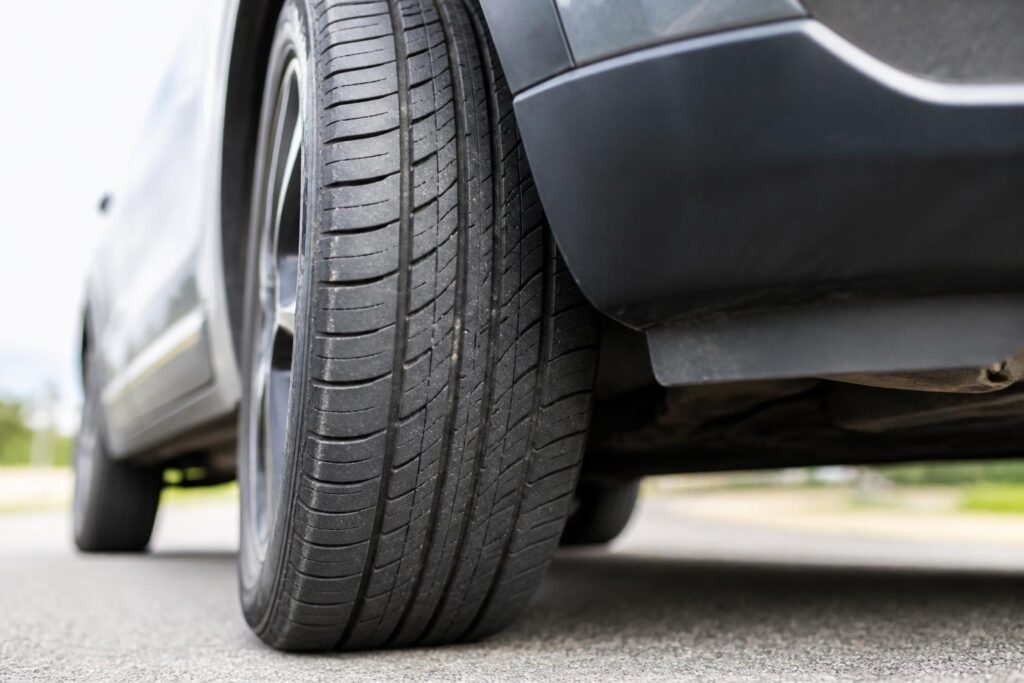
Understanding car tyres represents a critical aspect of vehicle safety, performance, and operational efficiency. These engineered marvels serve as the sole contact point between vehicles and road surfaces, translating driver inputs into controlled motion while supporting vehicle weight, absorbing road irregularities, and maintaining traction across diverse conditions. For fleet managers, distributors, and automotive professionals in 2026, comprehensive knowledge of tyre technology, selection criteria, and maintenance protocols directly impacts operational costs, safety records, and customer satisfaction.
Essential Components of Modern Car Tyres
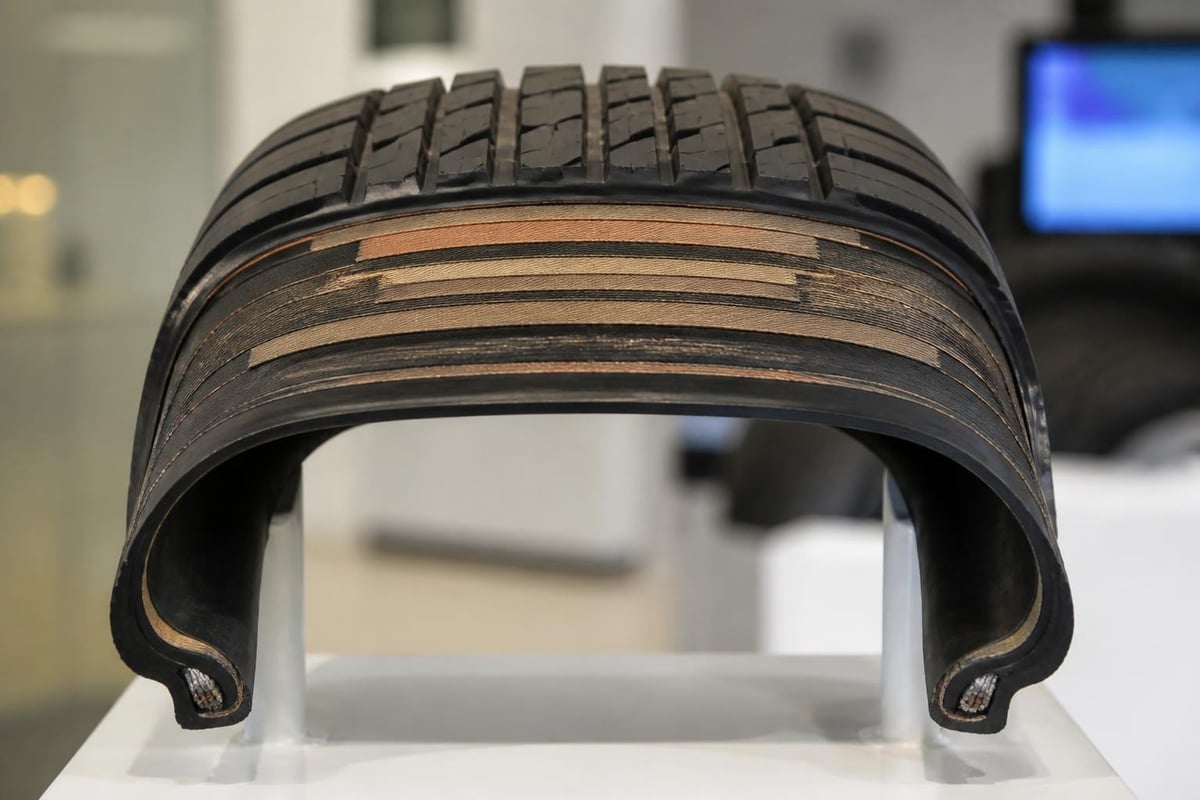
Car tyres consist of multiple engineered layers working in concert to deliver performance, safety, and longevity. The tread compound forms the outermost layer, formulated from synthetic and natural rubber blends enhanced with silica, carbon black, and proprietary additives that optimize grip, wear resistance, and fuel efficiency.
Beneath the tread, steel belts provide structural integrity and maintain tread shape under load and centrifugal forces. These belts, typically consisting of two or more layers of steel cords embedded in rubber, stabilize the contact patch and prevent tread distortion during high-speed operation.
Internal Architecture and Engineering
The carcass ply layer, constructed from polyester, rayon, or aramid cords, forms the tyre's foundational structure. This layer determines load-carrying capacity and influences ride comfort characteristics. Radial construction, where cords run perpendicular to the direction of travel, has become the dominant architecture for passenger car tyres due to superior fuel efficiency, heat dissipation, and tread life compared to bias-ply designs.
Key structural elements include:
- Bead bundles made from high-tensile steel wire that anchor the tyre to the wheel rim
- Inner liner composed of low-permeability rubber that retains air pressure
- Sidewall compounds engineered for flexibility and impact resistance
- Apex strips that distribute stress from the bead area into the sidewall
Categories and Applications of Car Tyres
The automotive tyre market encompasses multiple specialized categories designed for specific vehicle types, operating conditions, and performance requirements. According to Auto Care Association market research, the passenger car tyre segment continues to evolve with increasing demand for all-season versatility and extended tread life warranties.
Passenger Car Radial Tyres
Standard passenger car radial (PCR) tyres serve the mainstream automotive market, engineered to balance comfort, quietness, fuel efficiency, and reasonable longevity. These tyres typically feature symmetrical or asymmetrical tread patterns with four or five circumferential grooves for water evacuation and numerous lateral sipes for all-season traction.
Performance-oriented variants sacrifice some tread life and comfort for enhanced cornering grip and high-speed stability through wider contact patches, stiffer sidewalls, and specialized rubber compounds that maintain grip at elevated temperatures.
| Tyre Category | Primary Use | Tread Life | Performance Focus |
|---|---|---|---|
| Touring | Daily commuting | 60,000-80,000 miles | Comfort, quietness |
| Performance | Sporty driving | 40,000-50,000 miles | Handling, grip |
| All-Season | Year-round use | 50,000-70,000 miles | Versatility, value |
| Summer | Warm climates | 40,000-60,000 miles | Dry/wet traction |
| Winter | Snow/ice conditions | 30,000-40,000 miles | Cold weather grip |
Specialized Light Truck Applications
Light truck (LT) tyres address the demands of pickup trucks, SUVs, and commercial delivery vehicles. These tyres feature reinforced construction with higher load ratings, more aggressive tread patterns, and enhanced puncture resistance compared to standard passenger car tyres.
Highway terrain patterns optimize fuel economy and comfort for primarily paved-road operation. All-terrain designs incorporate larger tread blocks with deeper voids for competent off-road capability while maintaining acceptable on-road manners. Mud-terrain tyres prioritize extreme off-road traction through widely spaced, interlocking lugs at the expense of road noise and fuel efficiency.
Tyre Selection Criteria for Fleet Operations
Choosing appropriate car tyres requires systematic evaluation of operational parameters, performance priorities, and total cost of ownership. Fleet managers must balance initial purchase price against expected service life, fuel consumption impacts, and safety performance across their specific duty cycles.
Load and Speed Rating Fundamentals
Every tyre carries standardized load and speed ratings molded into the sidewall. The load index indicates maximum weight capacity per tyre at proper inflation pressure, while the speed rating designates sustained high-speed capability. A tyre marked 225/45R17 94W carries a load index of 94 (1,477 pounds per tyre) and a W speed rating (168 mph sustained capability).
Critical selection factors include:
- Vehicle manufacturer specifications listed in the owner's manual and driver's door jamb
- Operating environment considering climate, road surface quality, and typical weather exposure
- Duty cycle characteristics including average trip distances, highway versus city driving ratios
- Performance priorities balancing fuel economy, tread life, and handling requirements
Research from the Center for Automotive Research demonstrates that proper tyre selection aligned with operational profiles can reduce fleet operating costs by 8-12% through optimized fuel consumption and extended replacement intervals.

Maintenance Protocols for Extended Service Life
Systematic maintenance directly influences tyre longevity, vehicle safety, and fuel efficiency. Industry data indicates that proper maintenance protocols can extend tyre service life by 20-30% while improving fuel economy by 3-5% compared to neglected tyres.
Pressure Management Systems
Maintaining proper inflation pressure represents the single most critical maintenance activity. Under-inflation by just 20% increases rolling resistance (reducing fuel economy), accelerates shoulder wear, and elevates internal heat generation that can lead to structural failure. Over-inflation reduces the contact patch, compromising traction and causing accelerated center tread wear.
Modern tyre pressure monitoring systems (TPMS) alert drivers to significant pressure losses, but monthly manual pressure checks remain essential. Pressure should be measured when tyres are cold, before vehicle operation, and adjusted to vehicle manufacturer specifications rather than the maximum pressure molded on the tyre sidewall.
Rotation and Alignment Protocols
Regular rotation equalizes wear across all tyre positions, compensating for different loading and stress patterns between front and rear axles. Most manufacturers recommend rotation every 5,000-8,000 miles, following patterns appropriate to the vehicle's drive configuration and tyre type.
Standard rotation patterns:
- Front-wheel drive: Forward cross pattern
- Rear-wheel drive: Rearward cross pattern
- All-wheel drive: X-pattern rotation
- Directional tyres: Front-to-rear same-side swaps
Wheel alignment verification should occur annually or whenever handling abnormalities appear. Misalignment causes rapid, uneven wear patterns including feathering, one-shoulder wear, and scalloping while degrading fuel economy and vehicle handling precision.
Understanding Tread Wear Patterns and Diagnostics
Tread wear analysis provides valuable diagnostic information about vehicle condition, maintenance quality, and operating practices. Systematic inspection enables early detection of mechanical issues and optimization of replacement timing.
Common Wear Indicators
Center wear indicates chronic over-inflation, reducing the contact patch to the central tread ribs. Shoulder wear on both edges signals sustained under-inflation, where excessive sidewall flexing generates heat and accelerates degradation. One-shoulder wear typically results from alignment issues, specifically excessive camber angle.
| Wear Pattern | Primary Cause | Secondary Factors | Corrective Action |
|---|---|---|---|
| Center wear | Over-inflation | Aggressive acceleration | Reduce pressure to spec |
| Edge wear | Under-inflation | Heavy loading | Increase pressure, check capacity |
| One-shoulder | Camber misalignment | Suspension damage | Professional alignment |
| Feathering | Toe misalignment | Worn steering components | Alignment and inspection |
| Cupping | Worn suspension | Imbalanced wheels | Replace components, balance |
Diagonal wear patterns across the tread face, called feathering, indicate toe misalignment where tyres scrub laterally with each revolution. Cupping or scalloping creates high-low variations around the circumference, typically caused by worn shock absorbers, unbalanced wheels, or misalignment.
Environmental and Performance Considerations
Car tyres significantly impact vehicle environmental footprint through rolling resistance, particulate emissions, and end-of-life disposal challenges. According to Emissions Analytics research, tyre wear generates particulate matter emissions that can exceed tailpipe emissions from modern vehicles, creating increasing regulatory and environmental scrutiny.
Rolling Resistance and Fuel Economy
Rolling resistance, the energy required to maintain tyre rotation, directly affects fuel consumption. Low rolling resistance (LRR) tyres incorporate specialized tread compounds, optimized carcass construction, and reduced weight to minimize energy losses. Fleet adoption of LRR tyres can improve fuel economy by 4-7% compared to conventional designs.
The Auto Care Factbook reports that commercial fleets increasingly specify fuel-efficient tyres as part of comprehensive sustainability initiatives, with payback periods typically under 18 months through fuel savings alone.
For operators running medium-duty commercial vehicles, commercial truck tires engineered with low-rolling-resistance compounds deliver measurable fuel savings while maintaining the durability required for demanding urban delivery cycles. The optimized tread patterns reduce energy consumption without compromising traction or service life.
Sustainable Materials and Recycling
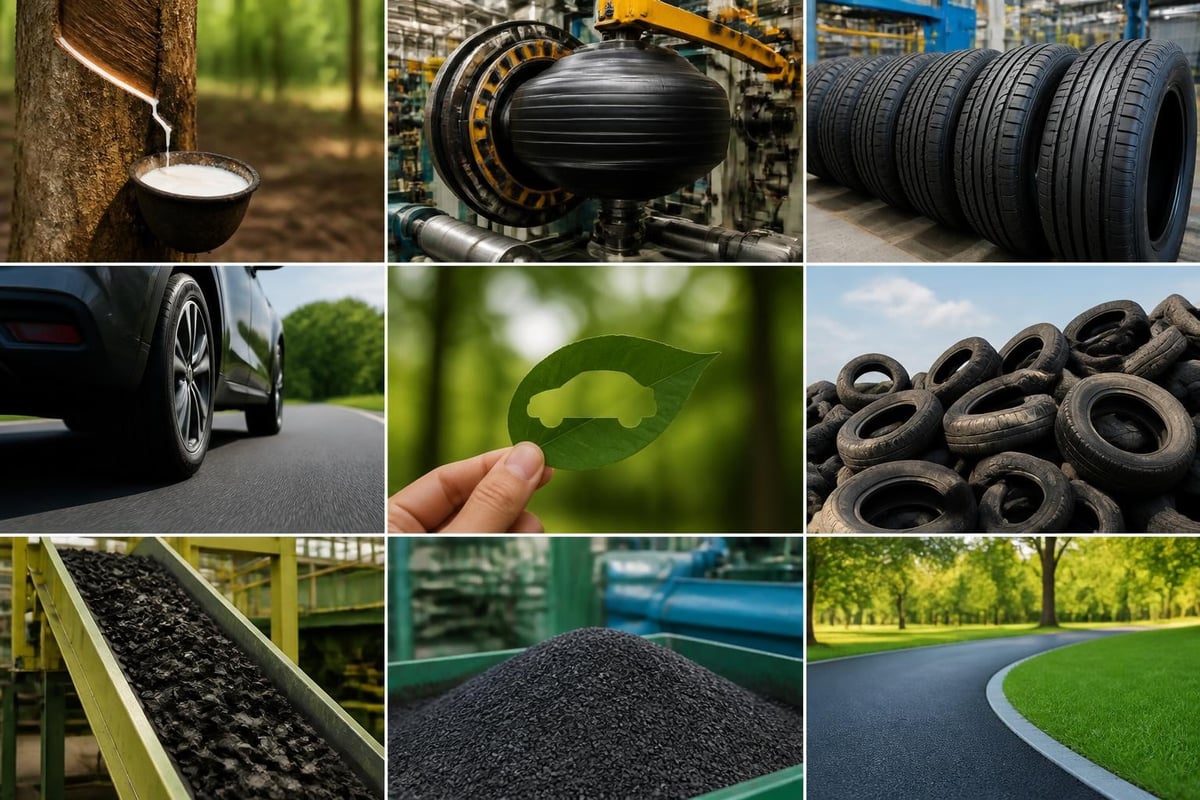
Tyre manufacturers increasingly incorporate sustainable materials including natural rubber from certified sources, recycled steel, and silica derived from rice husk ash. End-of-life tyre management has evolved substantially, with 2026 recycling rates exceeding 80% in developed markets through applications including rubberized asphalt, playground surfaces, and tire-derived fuel.
Advanced Technologies in Modern Car Tyres
Tyre technology continues advancing through materials science innovations, intelligent sensing capabilities, and computational design optimization. These developments enhance safety, extend service life, and enable predictive maintenance strategies.
Smart Tyre Integration
Embedded sensor systems transform tyres into intelligent components within connected vehicle architectures. These systems monitor internal pressure, temperature, tread depth, and load distribution in real-time, transmitting data to vehicle systems and fleet management platforms.
Predictive analytics applied to sensor data enable condition-based replacement strategies that optimize tyre utilization while preventing roadside failures. Studies published in Tire Science and Technology journal demonstrate that sensor-equipped tyres reduce premature replacements by 15-20% through precise wear tracking.
Computational Design and Testing
Modern tyre development employs finite element analysis, computational fluid dynamics, and advanced simulation to optimize performance characteristics before physical prototyping. This accelerates development cycles while enabling precise tuning of multiple performance attributes including wet traction, noise generation, and wear uniformity.
Recent innovations include:
- Self-sealing compounds that automatically seal punctures up to 6mm diameter
- Run-flat constructions enabling continued operation after pressure loss
- Asymmetric tread patterns optimizing different performance zones
- 3D-printed tread elements for specialized applications
Regulatory Compliance and Safety Standards
Car tyres must satisfy stringent safety and performance regulations that vary by market. Understanding these requirements ensures legal compliance while supporting informed procurement decisions for international distributors.
Global Standards Framework
The United States Department of Transportation (DOT) mandates comprehensive testing including endurance, high-speed performance, and strength requirements. European ECE regulations impose additional wet grip and rolling resistance standards under tyre labeling directives. Asian markets increasingly adopt harmonized standards while maintaining regional variations.
| Standard | Region | Key Requirements | Testing Focus |
|---|---|---|---|
| FMVSS 139 | North America | TPMS functionality | Pressure monitoring |
| ECE R30 | Europe | Wet grip, rolling resistance | Environmental performance |
| ECE R117 | Europe | Rolling noise | Acoustic emissions |
| CCC | China | Comprehensive safety | Multi-parameter validation |
Data from automotive industry network analysis reveals increasing regulatory convergence globally, with manufacturers designing tyres to satisfy multiple regional standards simultaneously to optimize production efficiency and market flexibility.
Quality Certification and Traceability
Reputable manufacturers maintain rigorous quality management systems certified to ISO 9001 and automotive-specific IATF 16949 standards. Complete traceability systems track raw materials, production parameters, and quality test results for every manufactured tyre, enabling rapid response to any quality concerns.
The DOT serial number molded on every tyre sidewall encodes manufacturing location, size, and production week/year, facilitating recall management and age verification. Industry best practices recommend removing tyres from service after six years regardless of remaining tread depth due to rubber degradation from environmental exposure.
Economic Considerations for Distributors
Tyre distribution economics depend on multiple factors including procurement costs, logistics efficiency, inventory management, and market positioning strategies. Understanding these elements enables distributors to optimize profitability while delivering value to end customers.
Wholesale Pricing Dynamics
Factory-direct procurement eliminates intermediary margins, enabling competitive retail pricing while maintaining healthy distributor margins. Volume commitments, payment terms, and shipping arrangements significantly impact landed costs and working capital requirements.
Key cost components include:
- Manufacturing cost determined by materials, labor, and production efficiency
- Logistics expenses covering ocean freight, customs duties, and inland transportation
- Quality assurance for testing, certification, and warranty support
- Inventory carrying costs representing capital tied up in stock and storage expenses
Container optimization maximizes shipping efficiency, with standard 40-foot high-cube containers accommodating 350-450 passenger car tyres depending on size and packaging configuration. Effective inventory management balances stock availability against carrying costs through demand forecasting and automated replenishment systems.
Market Positioning Strategies
Successful distributors typically pursue one of three strategic positions: premium quality focus emphasizing brand reputation and superior performance, value orientation delivering acceptable quality at competitive prices, or specialized expertise serving niche applications with technical support.
Market research from IMR automotive aftermarket analysis indicates that distributors combining competitive pricing with technical expertise and responsive customer service achieve 20-35% higher customer retention rates than price-only competitors.
Technical Specifications and Performance Metrics
Understanding tyre specifications enables informed selection aligned with vehicle requirements and operational priorities. Modern tyres display extensive technical information through sidewall markings and specification sheets.
Decoding Sidewall Information
A typical marking like "225/45R17 94W XL" conveys multiple critical specifications. The first number (225) indicates section width in millimeters. The aspect ratio (45) expresses sidewall height as a percentage of section width. The construction type follows (R for radial), then rim diameter in inches (17).
The load index (94) and speed rating (W) define maximum capacity and velocity capability. Additional markings may include "XL" for extra load capacity, "M+S" for mud and snow capability, or the three-peak mountain snowflake symbol certifying severe snow service.
Performance Testing and Validation
Comprehensive tyre testing evaluates multiple performance parameters under controlled conditions. Wet braking measures stopping distance on saturated surfaces at specified speeds, typically 50 mph for passenger car tyres. Hydroplaning resistance determines the speed at which tyres lose contact with road surfaces on flooded pavement.
Dry handling assessment quantifies cornering grip and steering response through standardized maneuvers. Noise testing measures sound pressure levels during coastby at 50 mph, with results displayed on European tyre labels. Rolling resistance testing on standardized drums determines fuel efficiency impacts under specified load and speed conditions.
Selecting and maintaining appropriate car tyres requires balancing technical specifications, operational requirements, and economic considerations to optimize safety, performance, and total cost of ownership. Whether you're managing vehicle fleets, operating a distribution business, or serving automotive aftermarket customers, access to quality tyres at competitive pricing with reliable technical support drives business success. OTR TIRE THAI manufactures a comprehensive range of passenger car radial tyres, light truck tyres, and commercial vehicle tyres engineered to international quality standards and delivered at factory-direct wholesale prices to distributors across 80+ countries worldwide.
