
Blog
Pirelli AT Tyres: Technology and Market Impact 2026
Jul
Pirelli AT tyres represent a significant evolution in all-terrain tire technology, combining decades of motorsport heritage with cutting-edge innovations that are reshaping the global tire market. As one of the world's most recognized premium tire brands, Pirelli has invested heavily in developing all-terrain solutions that balance off-road capability with on-road refinement. Their approach to AT tire design offers valuable insights for manufacturers, distributors, and fleet operators seeking to understand where the industry is heading in terms of performance, smart technology integration, and environmental sustainability. The Italian manufacturer's commitment to research and development has produced tires that not only meet current market demands but also anticipate future requirements for connected vehicles and enhanced safety systems.
Advanced Tread Technology in Pirelli AT Tyres
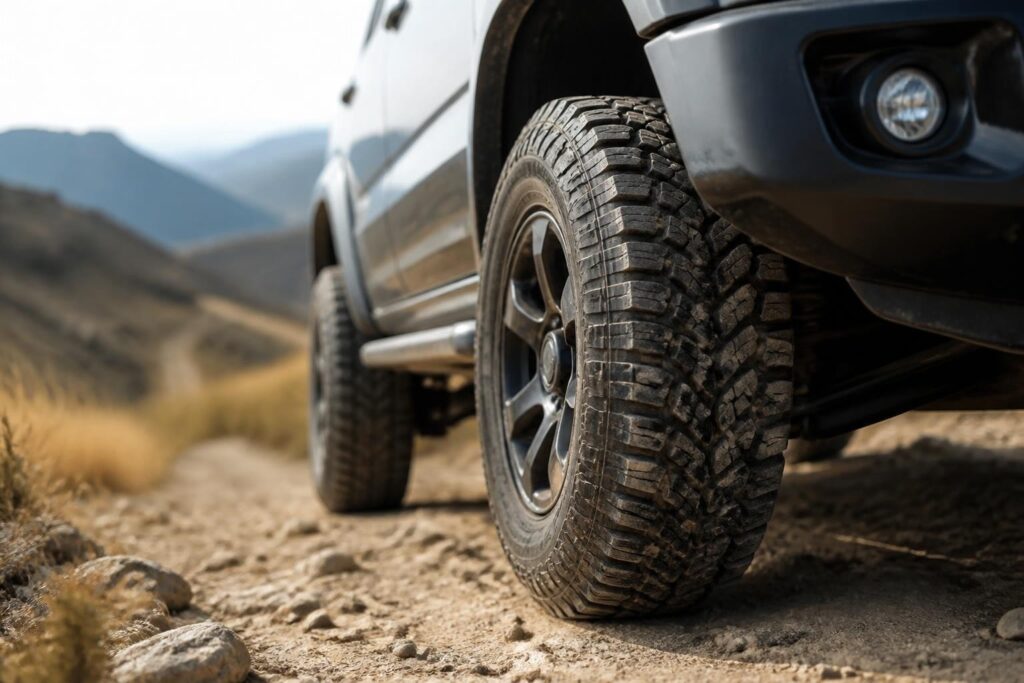
Pirelli at tyres showcase sophisticated tread design principles that distinguish them from conventional all-terrain offerings. The company employs what they call "adaptive tread patterns," which modify performance characteristics based on surface conditions and driving scenarios.
Multi-Compound Construction Methods
The construction of pirelli at tyres involves layering different rubber compounds within a single tread block. This approach creates distinct performance zones across the tire's contact patch.
Key compound distribution features:
- Harder outer compounds for durability on paved surfaces
- Softer central compounds for enhanced grip on loose terrain
- Silica-enriched sidewall materials for puncture resistance
- Temperature-responsive polymers that maintain flexibility across climate zones
According to Tire Technology International’s analysis of Pirelli’s all-season tire range, the brand's use of adaptive compounds represents a significant advancement in addressing the inherent compromise between highway comfort and off-road traction. This technology allows a single tire to perform multiple roles without the traditional trade-offs that have plagued all-terrain designs for decades.
Tread Pattern Geometry and Void Ratios
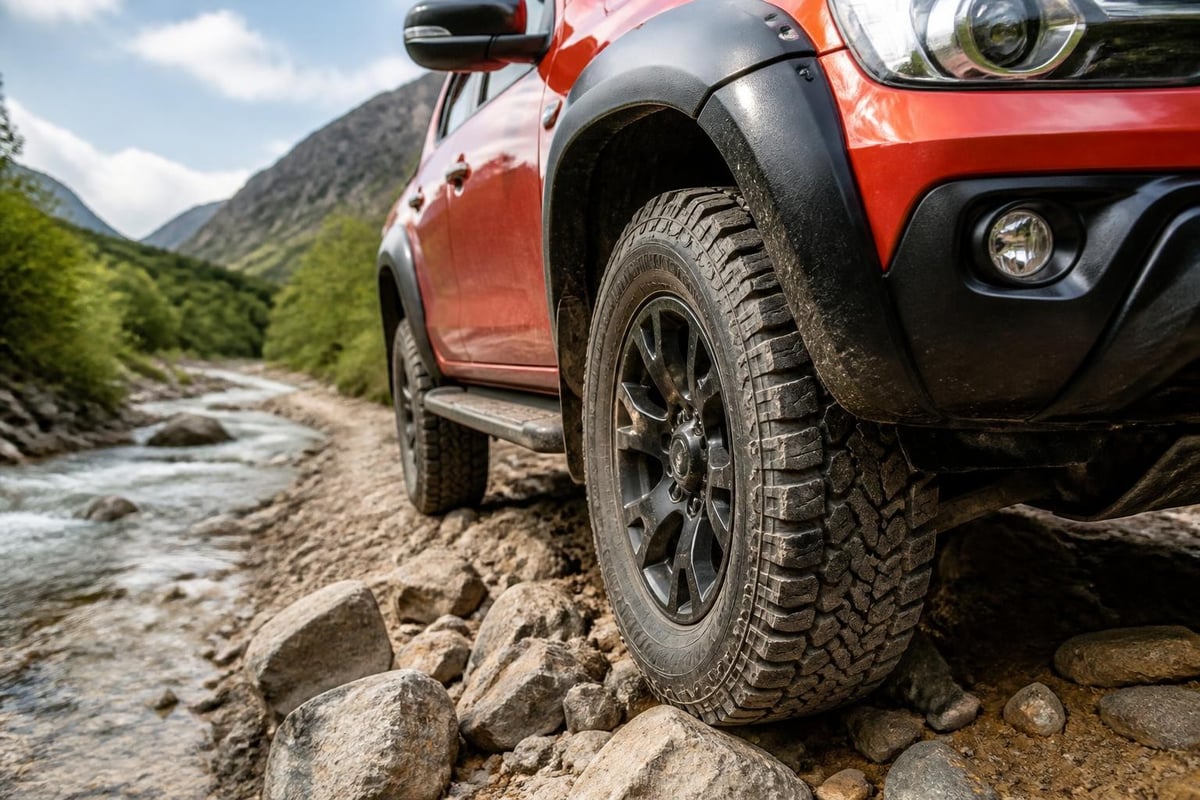
Pirelli at tyres feature carefully calculated void ratios that balance self-cleaning capability with road contact area. The tread geometry typically includes interlocking blocks that provide lateral stability during cornering while maintaining open channels for mud and debris ejection.
| Tread Feature | Highway Benefit | Off-Road Benefit |
|---|---|---|
| Continuous center rib | Reduced road noise, stability | Predictable straight-line tracking |
| Staggered shoulder blocks | Even wear distribution | Enhanced traction angles |
| 3D sipes | Wet braking performance | Snow and ice grip |
| Variable pitch sequence | Acoustic comfort | Self-cleaning efficiency |
The engineering team at Pirelli uses computational modeling to simulate how each tread element interacts with different surfaces. This digital-first approach reduces development time while increasing the precision of performance predictions across varied conditions.
Smart Tire Integration and Cyber Technology
One of the most innovative aspects of modern pirelli at tyres is the integration of sensor technology that transforms conventional tires into data-generating components of vehicle systems. Pirelli's "Cyber Tire" initiative represents a fundamental shift in how tires communicate with vehicles and drivers.
Embedded Sensor Capabilities
Pirelli’s Cyber Tire technology uses miniature sensors embedded within the tire structure to monitor multiple parameters in real-time. These sensors track tire pressure, temperature, tread depth, and even road surface conditions.
Data transmitted by Cyber Tire systems includes:
- Internal pressure variations during operation
- Temperature distribution across the tread face
- Load estimation based on sidewall deformation
- Surface wetness detection through acoustic signatures
- Remaining tread depth calculations
This information flows to the vehicle's electronic control units, where it informs traction control, stability systems, and even autonomous driving algorithms. For fleet operators managing mixed-terrain applications, this technology enables predictive maintenance scheduling that reduces unexpected failures and extends tire service life.
Real-Time Performance Optimization
The smart capabilities in pirelli at tyres enable dynamic adjustments to vehicle behavior based on actual tire conditions rather than theoretical models. When sensors detect reduced tread depth in specific zones, the system can alert drivers to rotate tires or adjust driving patterns to promote even wear.
Research published in academic studies on intelligent tire technology demonstrates how tire slip angle estimation using embedded sensors improves vehicle dynamics and safety. Pirelli has commercialized these concepts, making them available in consumer and commercial applications.
Market Positioning and Global Distribution
Pirelli at tyres occupy a premium segment within the global all-terrain market, competing primarily on technology and performance rather than price. This positioning strategy influences how distributors and manufacturers view the brand's impact on overall market dynamics.
Regional Market Variations
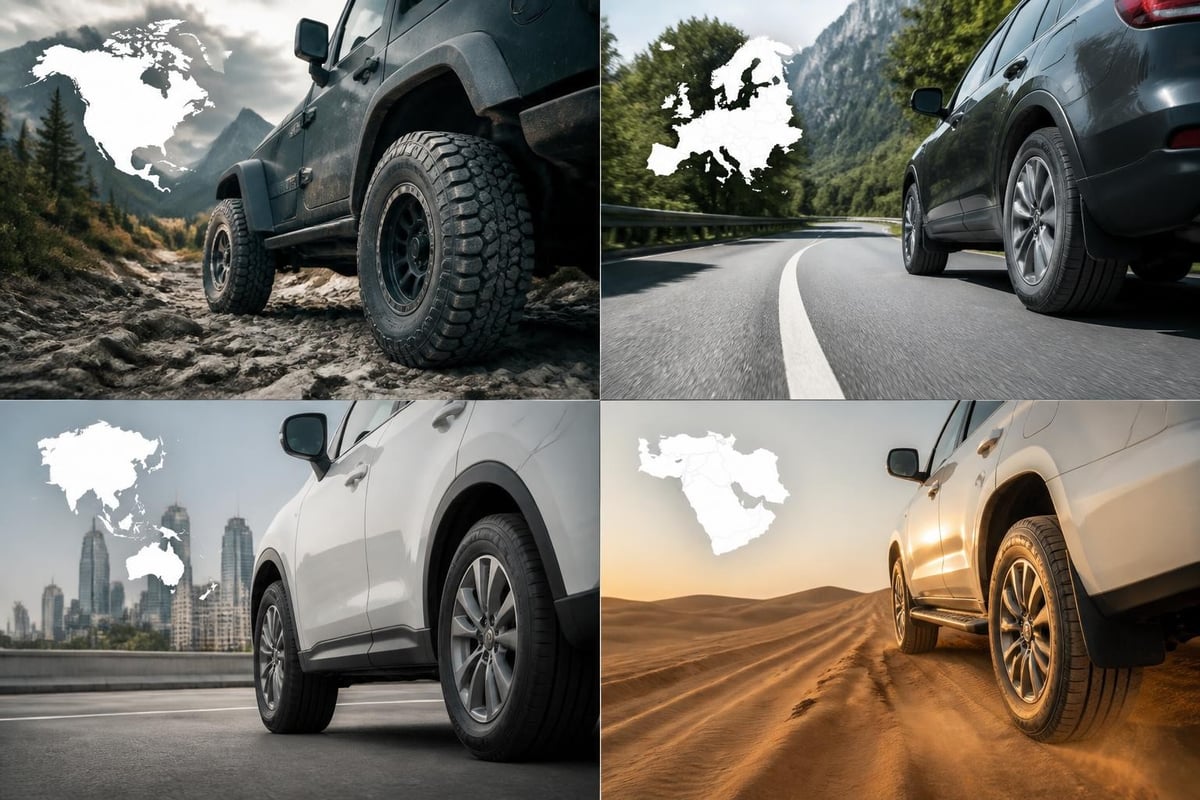
Different geographic markets show distinct preferences for AT tire characteristics. North American customers typically prioritize off-road capability and aggressive aesthetics, while European buyers emphasize on-road refinement and fuel efficiency.
| Region | Top Priority | Secondary Focus | Market Share Trend |
|---|---|---|---|
| North America | Off-road traction | Durability | Growing in premium SUV segment |
| Europe | Fuel efficiency | Wet performance | Stable with electric vehicle adoption |
| Asia-Pacific | Value proposition | Versatility | Expanding in emerging markets |
| Middle East | Heat resistance | Sand performance | Strong in luxury vehicle applications |
For tire distributors and manufacturers like those serving global markets, understanding these regional preferences helps inform product development priorities and inventory allocation decisions. The success of pirelli at tyres in premium segments demonstrates that technology differentiation can command price premiums even in competitive markets.
Competition and Market Dynamics
Pirelli at tyres compete against established players including BFGoodrich, Goodyear, Michelin, and Continental in the all-terrain category. Each manufacturer brings different strengths to the market, creating a complex competitive landscape.
The Italian brand differentiates through motorsport heritage, smart technology integration, and ultra-high-performance variants like the SCORPION™ XTM AT ELECT™, which is specifically engineered for electric vehicles. This product addresses the unique requirements of EVs, including higher torque loads, increased weight, and the need for low rolling resistance to maximize range.
Manufacturing Innovation and Quality Control
The production processes behind pirelli at tyres incorporate automation, artificial intelligence, and advanced materials science to achieve consistent quality at scale. Understanding these manufacturing approaches provides insights for other tire manufacturers seeking to improve their own operations.
Quality Assurance Protocols
Pirelli implements multi-stage quality verification throughout the manufacturing process. Each tire undergoes automated visual inspection, uniformity testing, and performance validation before leaving the factory.
Critical quality checkpoints include:
- Raw material composition verification
- Bead wire tension consistency
- Ply alignment accuracy during building
- Curing temperature and pressure profiles
- Post-cure geometry measurements
- Dynamic balance testing
These rigorous standards ensure that every pirelli at tyre meets specifications regardless of which global production facility manufactured it. For distributors evaluating tire suppliers, these quality systems provide confidence in product consistency across large volume orders.
Sustainability Initiatives in Production
Modern pirelli at tyres increasingly incorporate sustainable materials and manufacturing processes. The company has committed to reducing carbon emissions throughout its supply chain and increasing the percentage of renewable and recycled materials in tire construction.
Recent innovations include using bio-based polymers derived from agricultural byproducts and increasing the recycled steel content in bead wire. While these changes present technical challenges-maintaining performance while reducing virgin material content-Pirelli has demonstrated that sustainability and performance can coexist in premium tire products.
For tire manufacturers in Thailand and across Asia, these developments signal market expectations that will increasingly influence purchasing decisions. Distributors report growing customer interest in the environmental credentials of tire products, particularly in European and North American markets where regulatory frameworks increasingly favor sustainable manufacturing.
Performance Characteristics Across Applications
Pirelli at tyres serve diverse applications from light-duty passenger vehicles to heavy SUVs and light trucks. Each application presents unique performance requirements that influence design priorities and compound formulations.
Light Truck and SUV Applications
In the light truck segment, pirelli at tyres compete with both premium and value-oriented alternatives. The performance envelope for these applications typically emphasizes versatility-the ability to transition seamlessly from highway commuting to weekend off-road adventures.
Performance priorities for light truck AT applications:
- Highway noise levels below 72 decibels at 60 mph
- Wet braking distances within 10% of touring tires
- Off-road traction equivalent to dedicated terrain tires in moderate conditions
- Tread life warranties exceeding 50,000 miles
- Load capacity ratings supporting vehicle GVWR plus typical cargo
For distributors working with commercial truck tire applications, the engineering principles evident in pirelli at tyres offer valuable lessons in balancing competing performance requirements. The challenge of designing a single tire that performs well across varied conditions parallels the demands placed on commercial truck tires serving mixed route applications.
Performance Metrics and Testing Standards
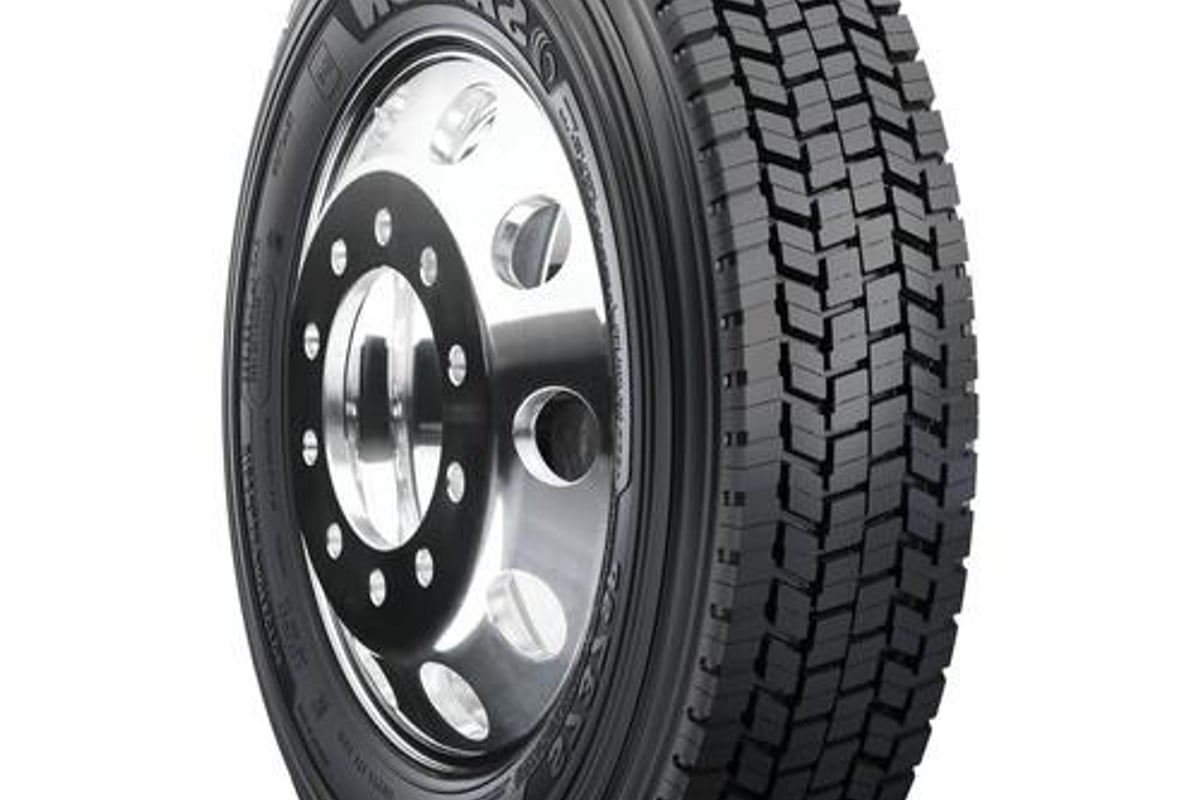
Pirelli subjects its AT tyres to comprehensive testing protocols that exceed regulatory minimums. These tests evaluate performance under controlled conditions and real-world scenarios across multiple geographies and climate zones.
| Test Category | Measurement Method | Pirelli Standard | Industry Average |
|---|---|---|---|
| Wet traction | Stopping distance from 50 mph | < 130 feet | 135-145 feet |
| Off-road traction | Drawbar pull on loose soil | > 0.65 coefficient | 0.55-0.60 coefficient |
| Tread life | Miles to 2/32" tread depth | 60,000+ miles | 50,000-55,000 miles |
| Rolling resistance | Watts per kilonewton | < 8.5 W/kN | 9.0-10.0 W/kN |
These performance benchmarks demonstrate how pirelli at tyres establish premium positioning through measurable superiority in key categories. For tire manufacturers evaluating their own product development targets, these metrics provide useful competitive reference points.
Technology Transfer and Industry Influence
The innovations pioneered in pirelli at tyres often influence broader industry trends as other manufacturers adopt similar approaches or develop competing solutions. This technology transfer process accelerates innovation across the tire sector.
Motorsport-Derived Technologies
Pirelli's extensive involvement in motorsport-including Formula 1, World Rally Championship, and various touring car series-creates a testing ground for technologies that eventually reach consumer products. The knowledge gained from developing race tyres for professional cycling and other competitive applications informs compound development and construction techniques used in AT tires.
Specific technologies that have migrated from motorsport to pirelli at tyres include run-flat construction methods, advanced silica compounds for wet grip, and thermal management strategies that prevent excessive heat buildup during sustained high-speed operation.
Academic Research Collaboration
Pirelli collaborates with universities and research institutions to advance tire science. Studies such as bimodal visuotactile tire sensing research explore future possibilities for tire intelligence that could transform how vehicles interact with road surfaces.
These academic partnerships often yield insights that benefit the entire tire industry, even when specific implementations remain proprietary. The movement toward viewing tires as active vehicle components rather than passive contact elements represents a paradigm shift that pirelli at tyres exemplify through Cyber Tire and related technologies.
Electric Vehicle Optimization
The rapid growth of electric vehicles has created new requirements for tire design. Pirelli at tyres increasingly incorporate features specifically addressing EV characteristics, including instant torque delivery, increased vehicle weight, and the need for minimal rolling resistance to maximize driving range.
EV-Specific Design Elements
Tires for electric vehicles must withstand higher instantaneous torque loads than comparable internal combustion vehicles. The immediate power delivery from electric motors places stress on tread blocks and contact patches in ways that conventional designs sometimes struggle to manage.
EV-optimized features in modern pirelli at tyres:
- Reinforced tread block bases to resist shearing forces
- Specialized sound-absorbing foam layers to counter EV cabin quietness
- Ultra-low rolling resistance compounds maximizing range efficiency
- Enhanced sidewall stiffness supporting increased vehicle weight
- Modified tread patterns reducing electromagnetic interference with vehicle sensors
The SCORPION range specifically targets electric SUVs and crossovers, which represent the fastest-growing EV segment. These tires demonstrate how pirelli at tyres adapt to emerging vehicle technologies while maintaining all-terrain capability.
Range Optimization Without Compromising Safety
The tension between rolling resistance reduction and grip performance presents significant engineering challenges. Lower rolling resistance typically requires harder compounds, which can compromise wet traction and off-road grip-critical capabilities for AT tires.
Pirelli addresses this through molecular-level compound engineering that modifies polymer chain structures to reduce internal friction without sacrificing surface grip characteristics. This nano-scale approach represents the frontier of tire technology, where improvements measured in fractions of a percentage point translate to meaningful real-world benefits.
For tire manufacturers serving global distribution networks through facilities in Thailand and other manufacturing centers, these technological developments signal investment priorities and R&D focus areas that will define competitive positioning over the next decade. Brands available through platforms like OTR TIRE THAI increasingly incorporate similar technologies as industry standards evolve.
Regulatory Compliance and Safety Standards
Pirelli at tyres meet or exceed regulatory requirements across major global markets, including DOT standards in North America, ECE regulations in Europe, and equivalent frameworks in Asia-Pacific markets. These compliance requirements influence design decisions and manufacturing processes throughout the product lifecycle.
International Certification Requirements
Different markets mandate specific testing protocols and performance minimums. Manufacturers selling globally must navigate this complex regulatory landscape while maintaining product consistency.
Major regulatory frameworks affecting AT tire design:
- FMVSS 139 – US tire pressure monitoring system compatibility requirements
- ECE R117 – European rolling sound emissions and wet grip standards
- ECE R109 – Retreaded tire specifications (affects original tire construction)
- CCC Certification – Chinese market compulsory product certification
- SNI Standards – Indonesian national standards for tire safety
Pirelli at tyres carry multiple certifications enabling distribution across diverse markets. For tire distributors evaluating supplier capabilities, understanding which certifications a manufacturer holds provides insight into their global reach and quality systems.
Future Regulatory Trends
Emerging regulations increasingly focus on tire environmental impact, including mandates for labeling systems that communicate rolling resistance, wet grip, and external noise to consumers. The European Union's tire label, introduced in 2012 and updated in 2021, has influenced similar initiatives in other markets.
Pirelli anticipates these requirements by designing pirelli at tyres that exceed current standards, providing headroom for future regulatory tightening. This forward-looking approach reduces the risk of products becoming non-compliant as requirements evolve, protecting distributor investments in inventory.
Distribution Strategy and Market Access
The way pirelli at tyres reach end customers involves multi-tier distribution networks that include exclusive dealerships, independent tire retailers, and increasingly, direct-to-consumer channels. Understanding this distribution architecture helps manufacturers and distributors position their own offerings effectively.
Channel Partner Selection Criteria
Pirelli maintains relatively selective distribution compared to volume-focused tire brands. The company prioritizes partners who can provide appropriate service levels, maintain brand presentation standards, and target customer segments aligned with premium positioning.
This selectivity creates opportunities for distributors who meet Pirelli's criteria but also limits overall market penetration compared to brands pursuing wider availability. The trade-off between exclusivity and volume represents a fundamental strategic choice that influences pricing power and brand perception.
Digital Commerce Evolution
Like many premium tire manufacturers, Pirelli has expanded digital commerce capabilities while protecting traditional dealer networks. The company's online presence enables product research, specification lookup, and dealer location services while generally routing actual purchases through authorized retailers.
For distributors operating in markets where tire inventory management spans multiple brands and categories, understanding how each manufacturer approaches digital commerce helps optimize omnichannel strategies that serve customer preferences without undermining dealer relationships.
Compound Development and Material Science
The rubber compounds used in pirelli at tyres represent years of materials research aimed at optimizing the complex interactions between polymers, fillers, curatives, and processing aids. These formulations determine fundamental tire characteristics including grip, wear rate, rolling resistance, and temperature stability.
Polymer Architecture Considerations
Modern tire compounds use multiple polymer types blended to achieve specific property combinations. Natural rubber provides tear strength and fatigue resistance, while synthetic rubbers like styrene-butadiene and butadiene contribute grip and wear resistance.
Pirelli at tyres typically employ solution-polymerized styrene-butadiene rubber (S-SBR) rather than emulsion-polymerized versions (E-SBR) in tread compounds. The solution process creates more consistent polymer structures with better silica dispersion, enabling the low rolling resistance and high wet grip combination that defines premium AT tire performance.
Key compound ingredients and their functions:
- Natural rubber – Provides building tack, tear strength, and heat resistance
- S-SBR – Delivers wet grip through molecular interaction with silica
- Polybutadiene – Enhances wear resistance and low-temperature flexibility
- Silica – Reduces rolling resistance while maintaining wet traction
- Carbon black – Strengthens compound and provides UV protection
- Curatives – Create molecular crosslinks during vulcanization
The precise ratios and grades of these ingredients remain proprietary, representing competitive advantages built through extensive testing and optimization. For manufacturers developing their own compound formulations, the general principles evident in pirelli at tyres provide useful reference points even without exact recipes.
Nano-Filler Integration
Recent advances in pirelli at tyres involve nano-scale fillers that modify compound properties at molecular levels. These materials, including nano-silica particles and carbon nanotubes, create reinforcement structures that traditional fillers cannot achieve.
The challenge with nano-fillers involves dispersion-ensuring these tiny particles distribute evenly throughout the compound rather than forming agglomerations that create weak points. Pirelli uses specialized mixing equipment and proprietary processing techniques to achieve the necessary dispersion quality, enabling the performance benefits these advanced materials offer.
Understanding the technology, market positioning, and innovation trajectory of pirelli at tyres provides valuable insights for tire industry professionals navigating an increasingly complex and technology-driven market. The principles evident in Pirelli's approach-smart technology integration, EV optimization, sustainable manufacturing, and performance-focused engineering-represent broader industry trends that will shape competitive dynamics through the remainder of this decade. Whether you're sourcing premium all-terrain tires or developing your own product lines, OTR TIRE THAI offers comprehensive tire solutions backed by international quality standards and competitive wholesale pricing for distributors across more than 80 countries, helping you meet evolving market demands with confidence.
