
Blog
Recommended Tire Brands: 2026 Guide for Distributors
Jul
Selecting recommended tire brands requires understanding performance metrics, manufacturing standards, and application-specific requirements across multiple vehicle categories. For distributors serving diverse markets in 2026, the tire landscape includes established global manufacturers, regional specialists, and emerging producers who deliver quality at competitive price points. The right brand choice depends on your target customer base, vehicle applications, and regional certification requirements. This comprehensive guide examines the criteria that define recommended tire brands and provides insights into evaluating suppliers for passenger car, commercial truck, agricultural, and specialty tire segments.
What Defines Recommended Tire Brands in 2026
The tire industry has evolved significantly, with quality standards rising across all market tiers. Recommended tire brands distinguish themselves through rigorous testing protocols, consistent manufacturing quality, and comprehensive warranty support.
Performance Testing and Certification Standards
Leading tire manufacturers invest heavily in proving grounds and laboratory facilities. These brands subject their products to thousands of test miles across varied conditions before market release. DOT certification in North America and ECE compliance in Europe represent baseline requirements, but top-tier brands exceed these standards through additional safety testing.
Independent testing organizations provide valuable third-party validation. Consumer Reports evaluates tire brands through rigorous testing that measures wet braking, dry handling, hydroplaning resistance, and tread wear. Their analysis of 129 tire models across 18 brands offers distributors objective performance data.
Key certifications to verify when evaluating recommended tire brands include:
- DOT certification for North American markets
- ECE R117 compliance for European distribution
- GCC certification for Middle Eastern markets
- INMETRO approval for Brazilian imports
- SNI certification for Indonesian distribution

Manufacturing Quality and Consistency
Supply chain reliability separates recommended tire brands from budget alternatives. Manufacturers with ISO 9001 quality management systems demonstrate commitment to consistent production standards. Advanced factories utilize automated mixing systems that ensure uniform compound properties across production runs.
Modern tire plants employ real-time quality monitoring throughout the manufacturing process. Sensors track compound temperature, mixing duration, and curing pressure to maintain specifications. Random sampling and X-ray inspection catch defects before products reach distribution channels.
| Quality Indicator | Premium Brands | Mid-Tier Brands | Budget Brands |
|---|---|---|---|
| Defect Rate | <0.1% | 0.2-0.5% | 0.5-2.0% |
| Compound Consistency | ±1% tolerance | ±3% tolerance | ±5% tolerance |
| Warranty Coverage | 5-7 years | 3-5 years | 1-3 years |
| Testing Frequency | Every batch | Daily sampling | Weekly sampling |
Passenger Car Tire Brand Evaluation
The passenger car radial (PCR) segment represents the highest volume category globally. Recommended tire brands in this space balance performance, comfort, and longevity while meeting diverse consumer expectations.
All-Season Performance Leaders
All-season tires dominate North American and European markets, requiring brands to excel across contradictory demands. Top performers deliver confident wet traction without sacrificing tread life or fuel efficiency. TireGrades analyzes brand performance across these competing priorities to identify consistent performers.
Silica-enhanced tread compounds have become standard among recommended tire brands. This technology improves wet grip while reducing rolling resistance for better fuel economy. Advanced siping patterns create thousands of biting edges that enhance winter traction without compromising summer stability.
Leading all-season brands typically offer:
- Tread life warranties ranging from 60,000 to 80,000 miles
- Severe snow certification (3PMSF symbol) on premium models
- Fuel efficiency ratings of C grade or better under EU labeling
- Low rolling resistance compounds meeting EPA SmartWay standards
High-Performance Summer Tire Specialists
Enthusiast-focused brands excel in dry grip and responsive handling. These recommended tire brands utilize asymmetric tread patterns with continuous center ribs for precise steering response. The compound formulations prioritize mechanical grip over tread longevity, accepting shorter service life as a performance trade-off.
Summer tire development requires extensive track testing. Manufacturers validate designs at high-speed facilities like the Nürburgring Nordschleife and Idiada Proving Ground. This real-world validation ensures products meet the demands of high-horsepower vehicles and aggressive driving.
Commercial Truck and Bus Tire Brands
The truck and bus radial (TBR) segment demands durability and cost-per-mile efficiency. Recommended tire brands in this category prioritize casing construction quality and retreadability to maximize fleet value.
Regional Haul and Long-Haul Specialists
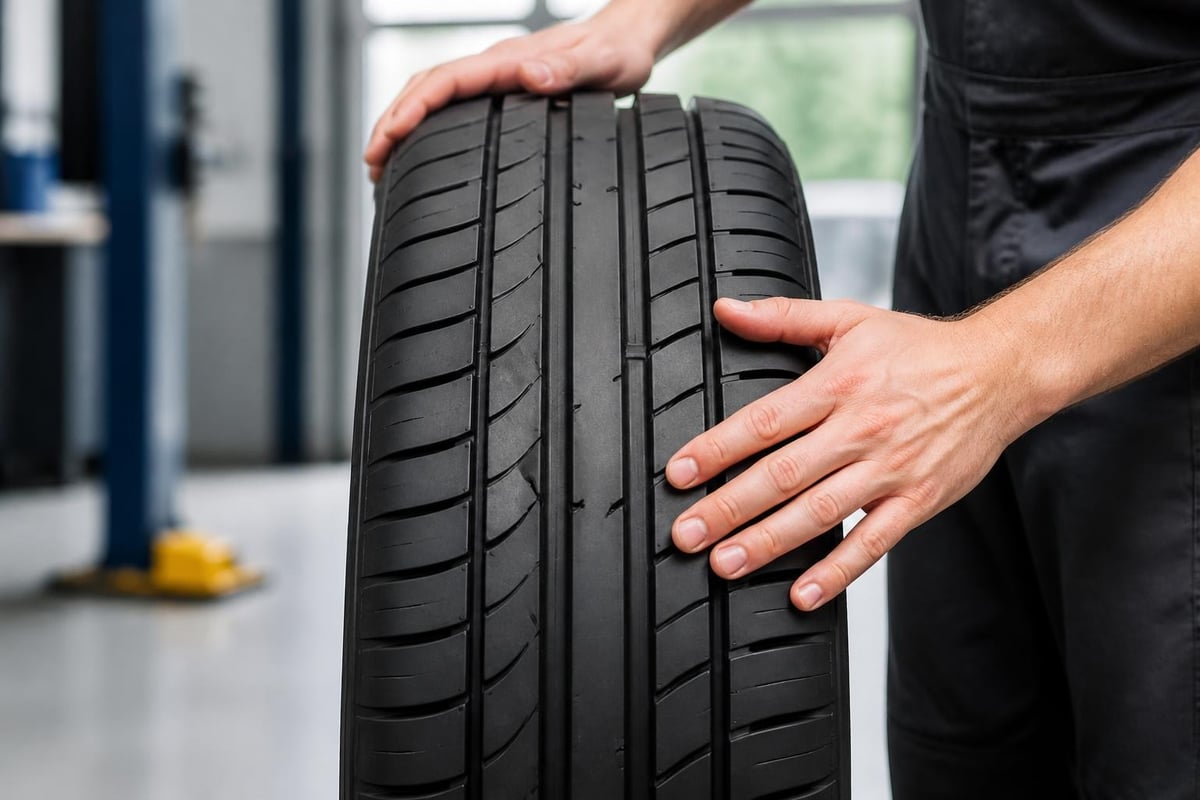
For distributors serving transportation fleets, understanding position-specific tire design is essential. Steer position tires require even wear characteristics and precise tracking. Drive axle tires need aggressive traction with stone ejection features. Trailer positions prioritize low rolling resistance to reduce fuel consumption.
Thailand-based manufacturers have emerged as significant players in the TBR market. OTR TIRE THAI produces a comprehensive range of semi truck tires covering steer, drive, and trailer positions with DOT and ECE certification for global distribution. Their drive tires feature deep closed-shoulder lug patterns with stone ejectors, while trailer models incorporate low-rolling-resistance compounds that help fleets meet EPA SmartWay efficiency targets.
| Tire Position | Key Requirements | Expected Mileage | Retread Potential |
|---|---|---|---|
| Steer | Even wear, tracking stability | 120,000-180,000 miles | 2-3 retreads |
| Drive | Traction, durability | 100,000-150,000 miles | 2-4 retreads |
| Trailer | Fuel efficiency, low resistance | 150,000-250,000 miles | 3-5 retreads |
Urban and Regional Fleet Applications
Medium-duty commercial vehicles operate under different stress profiles than highway tractors. Stop-and-go traffic, frequent turns, and curb scrubbing create unique wear patterns. Recommended tire brands for this segment feature reinforced sidewalls and scuff-resistant shoulder compounds.
Fleet managers increasingly evaluate tire brands based on total cost of ownership rather than initial purchase price. Understanding tire buying considerations helps distributors communicate value beyond upfront cost. Factors include fuel savings from low rolling resistance, downtime reduction through reliability, and extended service intervals.
Agricultural and Off-The-Road Tire Selection
Specialty tire segments require manufacturers with deep application expertise. Recommended tire brands in agricultural and OTR categories demonstrate understanding of soil compaction, traction mechanics, and load distribution.
Agricultural Tire Design Philosophy
Modern agricultural tires balance contradictory demands: minimal soil compaction during fieldwork versus maximum traction during tillage. Leading brands utilize Very High Flexion (VF) and Improved Flexion (IF) technologies that allow lower inflation pressures without sacrificing load capacity.
Lug angle and spacing significantly impact both traction and self-cleaning performance. Recommended tire brands optimize these parameters for specific crops and soil types. Rice paddy applications require different tread geometry than wheat harvesting or vineyard work.
Agricultural tire evaluation criteria:
- Load Index rating appropriate for modern high-capacity equipment
- Self-cleaning tread design to prevent mud buildup
- Stubble resistance in the sidewall and tread base
- Rim protection features to prevent damage during field operations
- Compound durability resistant to agricultural chemical exposure
Construction and Mining OTR Requirements
Off-The-Road tires for construction and mining represent the most demanding application category. Tire failure in these environments creates significant safety risks and operational downtime. Recommended tire brands invest in cut-resistant compounds, reinforced casing plies, and heat-dissipating designs.
Underground mining tires require specialized heat resistance. Continuous operation in confined spaces generates extreme temperatures that can degrade standard rubber compounds. Premium OTR brands formulate specialized compounds that maintain integrity at sustained high temperatures.
Industrial and Specialty Tire Categories
Forklift, solid, and industrial pneumatic tires serve critical roles in logistics and manufacturing operations. Recommended tire brands in these segments prioritize consistency and availability to minimize operational disruptions.
Forklift Tire Technologies
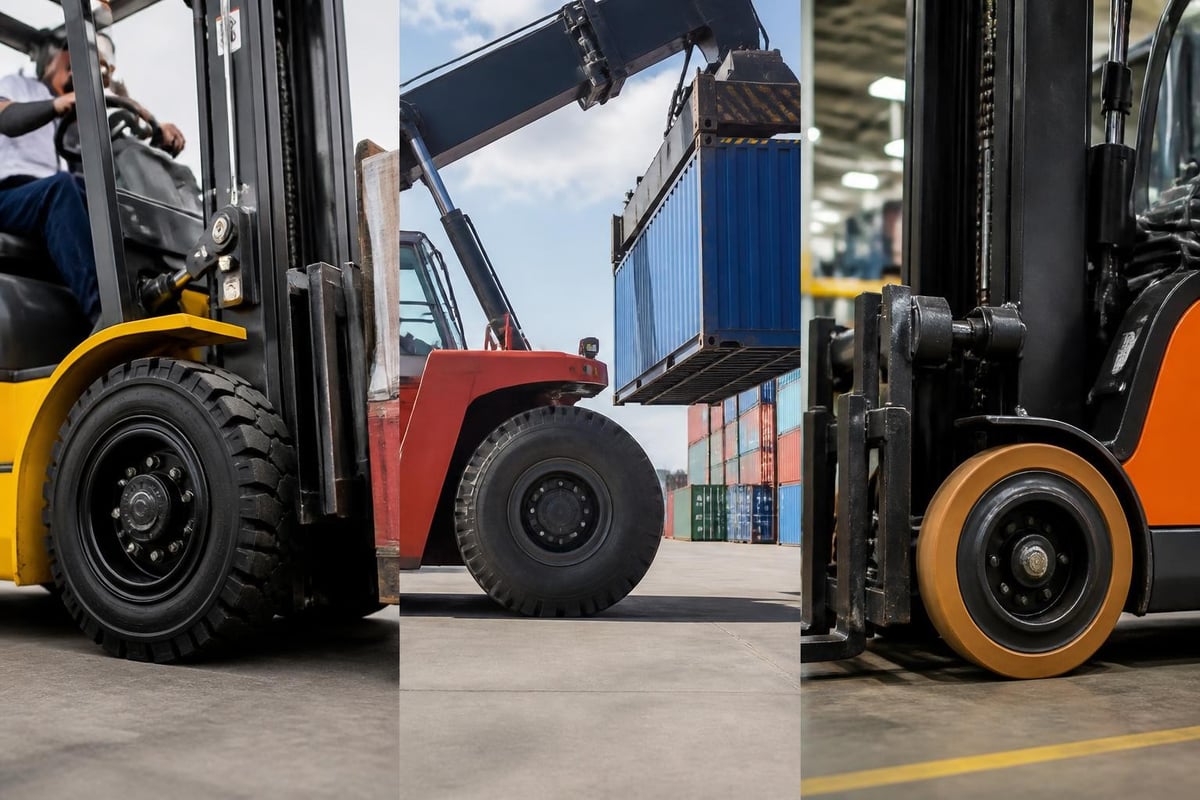
Material handling equipment operates in diverse environments from refrigerated warehouses to outdoor lumber yards. Tire selection impacts both operator safety and floor condition. Pneumatic tires provide cushioning on rough outdoor surfaces, while solid rubber tires eliminate puncture risk in debris-filled environments.
Non-marking compounds have become essential for food processing and clean manufacturing facilities. These specialized formulations prevent black scuff marks on polished concrete floors while maintaining adequate traction. Recommended tire brands offer comprehensive non-marking ranges across multiple tread patterns.
Forklift tire comparison:
| Tire Type | Best Applications | Typical Life | Advantages | Considerations |
|---|---|---|---|---|
| Pneumatic | Outdoor, rough surfaces | 2,000-3,000 hours | Cushioning, traction | Puncture risk, inflation maintenance |
| Solid Rubber | Indoor, debris areas | 5,000-10,000 hours | Puncture-proof, zero maintenance | Harder ride, higher cost |
| Polyurethane | Smooth floors, light duty | 3,000-5,000 hours | Floor-friendly, quiet | Limited load capacity |
Port and Terminal Specialty Tires
Container handling equipment at ports requires tires that withstand extreme loads and continuous operation. Reach stackers, straddle carriers, and rubber-tired gantry cranes demand specialty tire designs unavailable from general manufacturers. Recommended tire brands in this niche develop products in collaboration with equipment manufacturers to ensure compatibility.
Emerging Market Tire Brand Considerations
Distributors serving developing markets face unique challenges balancing quality expectations with price sensitivity. The rise of regional manufacturers has created new options beyond traditional global brands.
Thailand Manufacturing Hub Advantages
Thailand has emerged as a major tire production center, hosting both international brand factories and domestic manufacturers. The country's established rubber plantation industry provides raw material advantages, while modern port infrastructure facilitates global distribution. Exploring tire manufacturing resources reveals how regional producers achieve international quality standards.
Thailand-based manufacturers often offer more competitive wholesale pricing than global brands while meeting the same DOT and ECE certification requirements. For distributors, this creates opportunities to serve price-sensitive markets without compromising safety standards.
Regional manufacturer advantages include:
- Direct factory relationships eliminate intermediary markups
- Flexible minimum order quantities accommodate smaller distributors
- Customized tread patterns for regional market preferences
- Faster production lead times due to proximity to rubber sources
- Private label opportunities for distributor branding
Quality Verification for Regional Brands
Due diligence becomes critical when evaluating regional tire manufacturers. Consumer Reports’ tire buying guidance emphasizes the importance of third-party testing and certification verification. Distributors should request laboratory test reports, factory audit certificates, and sample products for evaluation.
Modern quality regional brands invest in the same compound testing equipment and mold precision as established global manufacturers. Computer-aided design ensures optimal tread pattern geometry, while automated production lines maintain consistency. The key differentiator often lies in research and development investment rather than manufacturing capability.
Brand Selection Criteria for Distributors
Building a recommended tire brands portfolio requires balancing multiple factors: market segment coverage, price positioning, warranty support, and supply chain reliability.
Market Segment Coverage Strategy
Successful tire distributors typically carry brands across multiple price tiers. Premium brands attract quality-focused customers and establish credibility. Mid-tier options serve the largest market segment where value and performance balance. Budget brands capture price-sensitive opportunities without excessive risk.
A balanced portfolio might include:
- Premium tier: Established global brand for flagship positioning
- Mid-tier: Regional manufacturer with proven track record
- Commercial specialist: Dedicated truck and bus tire producer
- Specialty segment: Agricultural or OTR focused supplier
Warranty and Technical Support Evaluation
Recommended tire brands distinguish themselves through comprehensive warranty programs and responsive technical support. Distributors should evaluate claim processing speed, approval rates, and the availability of local support representatives.
Continental’s tire purchase guidance demonstrates how premium manufacturers provide detailed technical resources. These materials help distributors educate customers and reduce inappropriate application issues that lead to premature failures.
Technical support elements to verify:
- Warranty claim turnaround time (industry standard is 15-30 days)
- Field service availability for commercial tire inspections
- Technical bulletin access for application guidance
- Training programs for distributor sales staff
- Digital tools for load and inflation calculation
Price-to-Performance Analysis Methods
Evaluating recommended tire brands requires moving beyond initial purchase price to total cost analysis. Fleet customers increasingly demand cost-per-mile metrics that account for longevity, fuel efficiency, and maintenance requirements.
Calculating Total Cost of Ownership
A comprehensive TCO analysis incorporates multiple cost elements over the tire's service life. Initial purchase represents only 15-25% of total ownership cost for commercial applications. Fuel consumption, maintenance, and downtime comprise the majority of lifetime expenses.
| Cost Element | Percentage of TCO | Optimization Strategy |
|---|---|---|
| Initial Purchase | 15-25% | Volume discounts, seasonal promotions |
| Fuel Consumption | 35-45% | Low rolling resistance compounds |
| Maintenance | 10-15% | Quality casings, retread programs |
| Downtime | 20-30% | Reliability, roadside assistance |
| Disposal | 5-10% | Retread potential, recycling programs |
Premium recommended tire brands often justify higher initial cost through superior fuel efficiency and extended tread life. A tire costing 20% more upfront but delivering 30% longer service life and 5% fuel savings provides measurable ROI for fleet operators.
Performance Metrics That Matter
Beyond laboratory test results, real-world performance data provides the most valuable brand evaluation. Understanding common tire brand characteristics helps distributors identify patterns in customer satisfaction and warranty claims.
Progressive distributors track performance metrics across their brand portfolio:
- Warranty claim rate by brand and application
- Customer repeat purchase rate indicating satisfaction
- Price elasticity showing demand sensitivity
- Inventory turn rate reflecting market acceptance
- Technical support call volume revealing application issues
Regional Certification and Compliance Requirements
International tire distribution demands understanding diverse regulatory frameworks. Recommended tire brands maintain certifications across multiple markets to facilitate global distribution.
North American and European Standards
The United States requires DOT certification demonstrating compliance with Federal Motor Vehicle Safety Standards. The marking includes manufacturer codes, tire size, construction details, and date of manufacture. European ECE regulations impose similar requirements with additional focus on noise emissions and rolling resistance.
Just Tires’ comprehensive buying guide explains how regulatory compliance affects consumer choice and safety. For distributors, ensuring all products carry appropriate certifications prevents legal liability and customs clearance issues.
Emerging Market Certification Landscape
Developing markets increasingly implement local certification requirements. Gulf Cooperation Council (GCC) nations require specific approvals. Brazil's INMETRO certification involves extensive local testing. Indonesia mandates SNI certification for imported tires.
Recommended tire brands streamline market entry by maintaining current certifications across major regions. Reviewing warranty policies reveals how manufacturers structure coverage across different regulatory environments. Distributors should verify certification validity before committing to container orders.
Building Supplier Relationships
Long-term success in tire distribution depends on strong manufacturer partnerships. Recommended tire brands view distributors as channel partners rather than transactional customers.
Factory Visit and Audit Importance
Personal factory visits provide insights that specification sheets cannot convey. Observing production processes, quality control procedures, and raw material handling reveals manufacturing commitment to excellence. Leading distributors conduct annual supplier audits using standardized evaluation criteria.
Factory audit checklist elements:
- Raw material sourcing and quality verification procedures
- Production equipment age and maintenance status
- Quality control systems and testing frequency
- Worker training programs and safety protocols
- Environmental compliance and waste management
- Research and development facilities and innovation pipeline
Communication and Logistics Coordination
Reliable communication channels prevent misunderstandings about specifications, delivery schedules, and quality expectations. Recommended tire brands assign dedicated export managers who understand distributor market conditions and can adjust production schedules for seasonal demand.
Modern tire manufacturers provide digital tools for order tracking, inventory management, and technical support. Cloud-based platforms allow distributors to monitor container status, access test certificates, and submit warranty claims. These systems reduce friction and enable faster response to market opportunities.
Selecting recommended tire brands requires balancing performance, certification, pricing, and supplier reliability across your target market segments. The tire industry continues evolving with regional manufacturers achieving international quality standards while offering competitive wholesale pricing. For distributors seeking reliable tire suppliers with comprehensive product ranges and global certification compliance, OTR TIRE THAI delivers premium quality across agricultural, commercial truck, industrial, and specialty tire categories with factory-direct pricing to over 80 countries. Contact their team to explore partnership opportunities and receive detailed product specifications for your market.
