
Blog
All Weather Tire Guide: Performance & Selection 2026
Jul
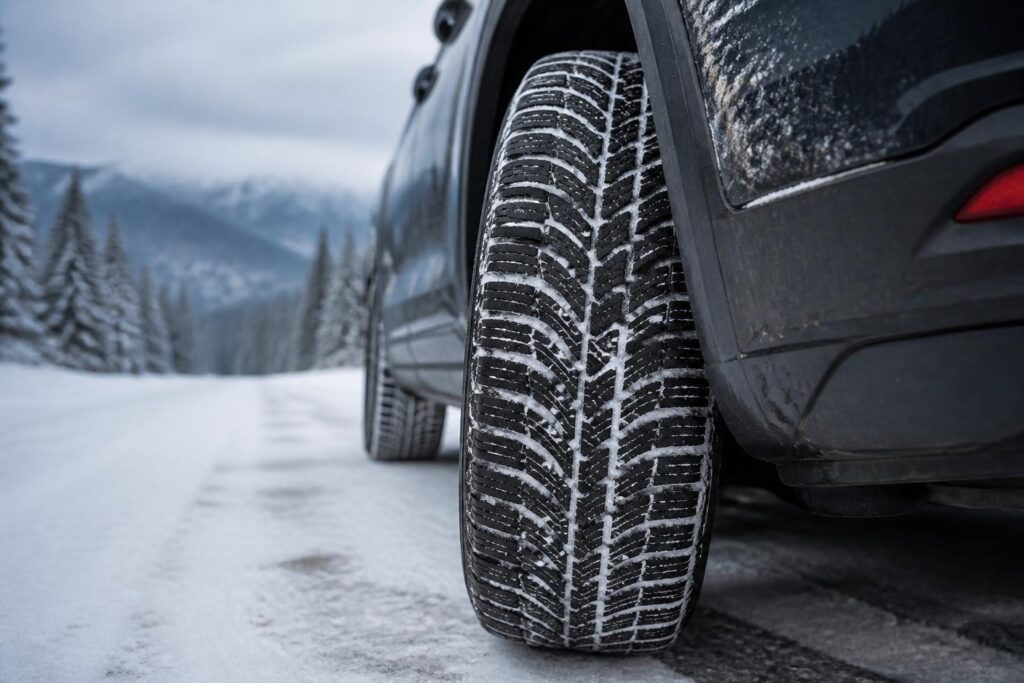
The all weather tire represents a significant evolution in tire technology, offering drivers and fleet managers a practical solution for year-round performance without seasonal tire swaps. Unlike traditional tire categories that excel in specific conditions but compromise in others, this hybrid category delivers certified winter performance while maintaining excellent warm-weather capabilities. As climate patterns become increasingly unpredictable and operational efficiency demands grow, understanding the distinct advantages of all weather tire technology has become essential for both passenger vehicle owners and commercial fleet operators.
Understanding All Weather Tire Technology
The all weather tire category emerged as manufacturers recognized a critical gap between all-season and winter tires. All-season tires typically use harder rubber compounds that remain flexible in warm temperatures but stiffen in cold weather, reducing traction when temperatures drop below 45°F. Winter tires, conversely, use softer compounds that excel in snow and ice but wear rapidly on warm pavement.
An all weather tire bridges this divide through advanced compound chemistry and tread design. The rubber remains pliable across a broader temperature range, from summer heat to winter cold. Most importantly, these tires carry the Three-Peak Mountain Snowflake (3PMSF) symbol, indicating they meet specific snow traction performance requirements established by the Tire and Rubber Association of Canada.
Key Construction Differences
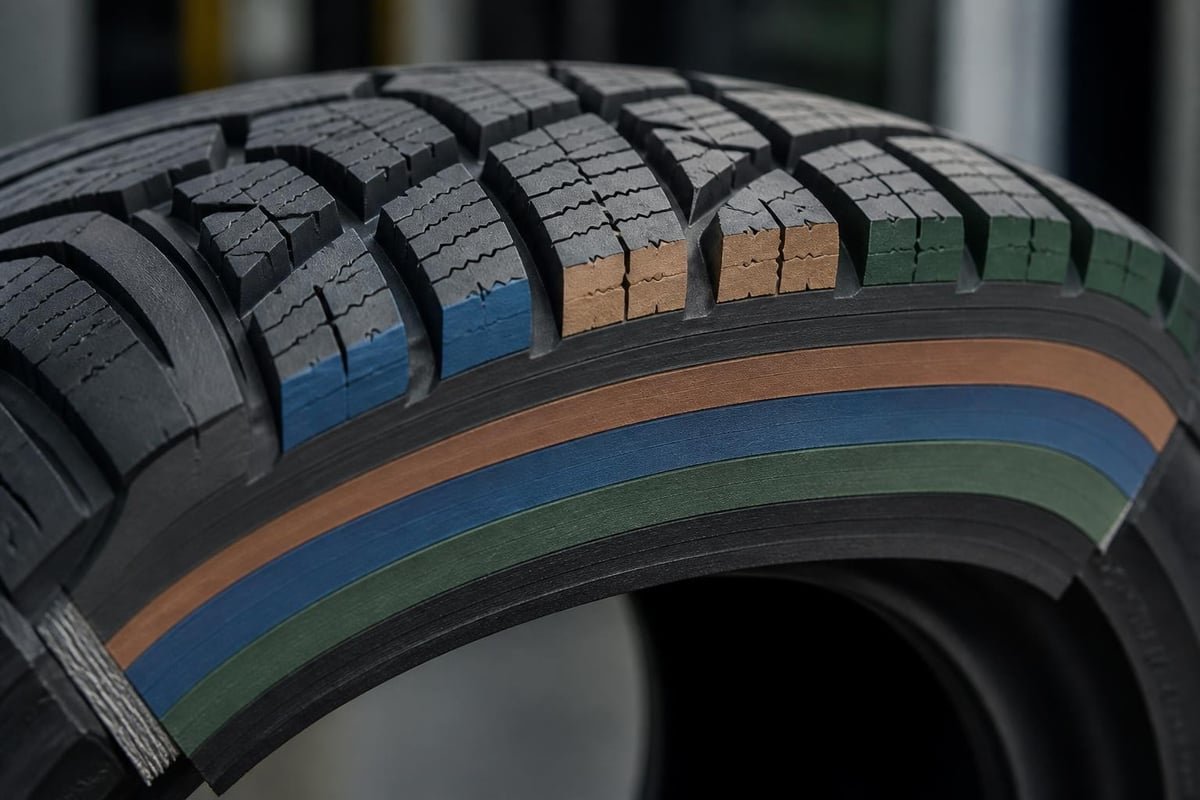
Modern all weather tire construction incorporates several distinctive features:
- Multi-compound tread formulations that balance winter grip with summer durability
- High-density siping that creates additional biting edges for snow and ice traction
- Directional or asymmetric tread patterns optimized for water evacuation and snow clearance
- Reinforced shoulder blocks that maintain stability during aggressive cornering
- Deep circumferential grooves that channel slush and water away from the contact patch
The tread depth on quality all weather tire products typically ranges from 10/32" to 12/32" when new, providing substantial reserve capacity for long service life. This depth allows the tire to maintain performance characteristics through multiple seasons of wear.
Performance Characteristics Across Seasons
Winter performance sets the all weather tire apart from conventional all-season options. During testing for 3PMSF certification, tires must demonstrate at least 110% of the reference tire's snow traction index. This certification process involves controlled acceleration tests on packed snow surfaces, ensuring measurable performance standards rather than marketing claims.
The snow traction advantage comes from specialized tread design elements. Deep sipes create thousands of biting edges that grip snow crystals, while wide lateral grooves prevent snow pack-up in the tread voids. The rubber compound maintains elasticity at temperatures well below freezing, allowing the tire to conform to surface irregularities and maximize contact area.
Wet Weather Capabilities
Rain, slush, and mixed precipitation represent some of the most challenging driving conditions. An all weather tire addresses these hazards through sophisticated water management systems built into the tread architecture.
| Performance Aspect | All Weather Tire | All-Season Tire | Winter Tire |
|---|---|---|---|
| Wet Braking (40°F) | Excellent | Good | Very Good |
| Hydroplaning Resistance | Excellent | Good | Good |
| Slush Handling | Excellent | Fair | Excellent |
| Dry Grip (70°F) | Very Good | Excellent | Good |
| Snow Traction | Excellent | Poor | Excellent |
The wide circumferential channels, often four or five across the tread face, provide escape routes for water displaced by the contact patch. As speeds increase and water depth rises, these channels become critical for maintaining tire-to-road contact and preventing hydroplaning.
Summer performance requires different considerations. While an all weather tire won't match a dedicated summer performance tire for ultimate dry grip, quality products deliver responsive handling and predictable cornering characteristics. The compound formulation resists excessive softening in high temperatures, maintaining tread block stability during hard acceleration and braking.
Application Considerations for Different Vehicle Types
Passenger cars and crossover vehicles represent the primary market for all weather tire technology. Drivers in regions with moderate winter conditions-areas that receive occasional snow and ice but don't experience prolonged deep winter-find these tires eliminate the hassle and expense of seasonal changeovers.
The sizing flexibility has expanded significantly since the category's introduction. Manufacturers now offer all weather tire options in diameters from 15" through 20", covering the vast majority of passenger vehicle applications. This availability makes adoption practical for fleet managers operating mixed vehicle types.
Commercial Vehicle Applications
Light truck and commercial van operators face unique challenges balancing load capacity, durability, and seasonal performance. For delivery fleets operating across diverse climates, switching between summer and winter tires may be logistically impractical or economically unfeasible.
All weather tire benefits for commercial use include:
- Reduced downtime from eliminating seasonal tire changes
- Lower inventory costs by maintaining single tire specification
- Consistent performance across unexpected weather events
- Simplified fleet management and maintenance scheduling
- Enhanced safety for drivers encountering variable conditions
Load rating becomes a critical consideration when specifying tires for commercial applications. An all weather tire must carry appropriate load index and speed ratings for the vehicle's gross vehicle weight rating and typical operating speeds. The reinforced construction necessary for winter certification often provides additional structural strength beneficial for commercial duty cycles. For fleet operators seeking versatile solutions across various vehicle types, exploring all-season tire options for trucks can provide valuable baseline comparisons.

Selection Criteria and Specifications
Choosing the right all weather tire requires evaluating multiple factors beyond basic size compatibility. The operating environment significantly influences which specific product will deliver optimal performance and value.
Temperature range considerations form the foundation of tire selection. Regions experiencing extended periods below 20°F may still benefit from dedicated winter tires, while areas where temperatures rarely drop below freezing might find traditional all-season tires adequate. The all weather tire sweet spot covers regions where temperatures fluctuate around freezing, creating the mixed conditions where this technology excels.
Tread Life Expectations
Durability represents a major consideration for both individual owners and fleet operators. Quality all weather tire products typically carry treadwear warranties ranging from 50,000 to 65,000 miles, though actual service life varies based on driving habits, vehicle alignment, and maintenance practices.
The treadwear rating provides a standardized comparison metric. Most all weather tire options carry UTQG treadwear ratings between 500 and 700, indicating above-average durability. This rating system, while not perfect, offers a baseline for comparing expected longevity across different products.
Compound chemistry affects wear patterns. The softer compounds necessary for cold-weather performance traditionally wore faster than harder all-season compounds. Modern formulations using advanced polymers and silica reinforcement have largely closed this gap. Understanding how tire manufacturers balance these competing demands helps explain the engineering complexity behind all weather tire development.
Cost Analysis and Value Proposition
Initial purchase price for an all weather tire typically falls between premium all-season and winter tire price points. A quality passenger car tire in a common size (225/65R17, for example) ranges from $140 to $180 per tire at wholesale, compared to $100-$130 for economy all-season tires and $160-$200 for dedicated winter tires.
The value calculation extends beyond purchase price alone. Eliminating seasonal tire swaps saves both direct costs and indirect expenses:
- Labor costs for mounting and balancing twice annually
- Storage fees for off-season tire sets
- Additional wheel sets if mounting on dedicated rims
- Valve stem and hardware replacement during service
- Scheduling time and vehicle downtime for seasonal changes
For a four-tire passenger vehicle, these ancillary costs can total $150-$300 annually. Over a typical five-year ownership period, the cumulative savings from using an all weather tire approach $750-$1,500, substantially offsetting the premium over basic all-season tires.
Fleet Economics
Commercial fleet operators must evaluate total cost of ownership across different operational models. A delivery fleet operating 50 vehicles in a region with moderate winters faces significant logistics managing seasonal tire changes. The math becomes compelling:
| Cost Factor | Two-Tire System | All Weather System |
|---|---|---|
| Tire Purchase (per vehicle) | $800 (summer) + $900 (winter) | $950 |
| Service Labor (annual) | $120 (two swaps) | $0 |
| Storage | $80/year | $0 |
| Five-Year Total (per vehicle) | $2,700 | $950 |
| Fleet of 50 Vehicles | $135,000 | $47,500 |
These calculations assume similar tread life between systems and don't account for the reduced complexity in inventory management, procurement, and scheduling. The operational advantages often prove as valuable as the direct cost savings. Organizations examining wholesale tire procurement strategies can apply similar total-cost-of-ownership frameworks when evaluating tire category options.
Maintenance and Care Requirements
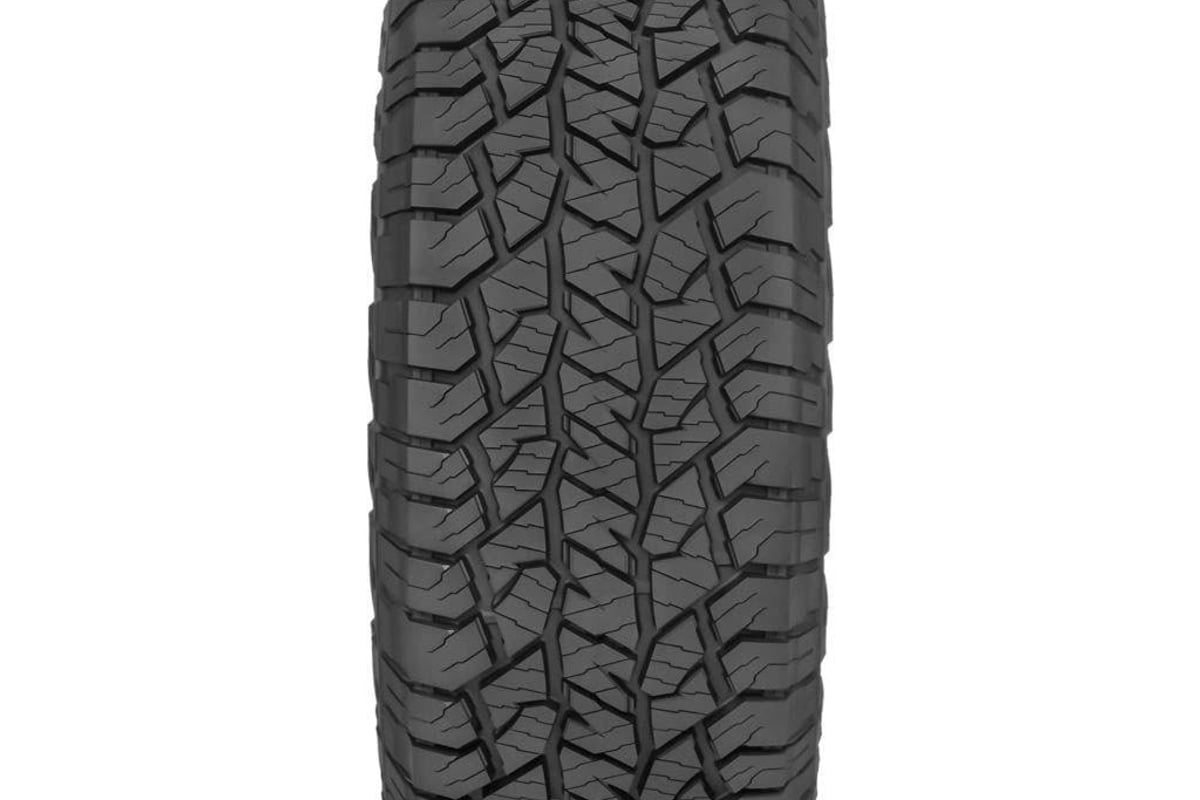
Proper maintenance maximizes the performance and longevity of any all weather tire. Regular rotation remains essential, with most manufacturers recommending 5,000 to 7,500-mile intervals. This practice ensures even wear across all tire positions, particularly important given the varied loads and steering inputs different positions experience.
Tire pressure monitoring takes on increased importance with all weather tire applications. The compound formulations used in these tires can mask pressure loss through their flexibility. Under-inflation accelerates shoulder wear, reduces fuel efficiency, and compromises both wet and winter traction. Check pressures monthly and before long trips, adjusting to the vehicle manufacturer's specifications found on the door placard.
Alignment and Suspension Considerations
Wheel alignment directly impacts tire life and performance. Misalignment causes accelerated, uneven wear that shortens service life and creates handling issues. The high-void tread patterns common in all weather tire designs can make wear patterns from alignment problems more pronounced.
Visual inspections should occur monthly, checking for:
- Irregular wear patterns indicating alignment issues
- Cuts, punctures, or embedded objects in the tread
- Sidewall damage from curb impacts or road hazards
- Abnormal tread depth variations between positions
- Age-related cracking in sidewall rubber compounds
Tread depth monitoring helps ensure safety margins remain adequate. While most jurisdictions require replacement at 2/32" remaining depth, winter performance degrades significantly before reaching this minimum. Consider replacement when depth reaches 5/32" in positions experiencing winter driving, as snow traction decreases measurably below this threshold.
Industry Trends and Future Developments
The all weather tire segment has experienced rapid growth since 2015, with market penetration increasing from roughly 2% to over 15% of passenger tire sales in North America. Several factors drive this expansion, including increased consumer awareness, expanded product offerings from major manufacturers, and changing climate patterns that create more variable winter conditions.
Product development continues advancing the category's capabilities. Recent innovations include:
- Chip-resistant compounds that maintain sipe integrity longer
- Foam sound-dampening inserts reducing interior noise levels
- Run-flat construction options for vehicles without spare tires
- Electric vehicle-optimized designs addressing higher torque and weight
- Extended wear formulations pushing tread life beyond 70,000 miles
The regulatory landscape may further accelerate adoption. Canadian provinces increasingly mandate winter tires or 3PMSF-rated tires during winter months. An all weather tire satisfies these requirements while remaining legal for year-round use, creating compelling compliance advantages over traditional all-season tires.
Manufacturing and Quality Standards
Quality control in all weather tire production demands rigorous testing protocols. Manufacturers must validate performance claims through standardized tests administered by independent laboratories. The 3PMSF certification process requires specific snow traction performance, while internal testing typically covers dozens of additional metrics.
Leading tire manufacturers invest heavily in compound development and tread design optimization. Computer modeling simulates tread block behavior under various loads, temperatures, and road conditions. This virtual testing supplements physical prototype testing on proving grounds and public roads across multiple climate zones.
For distributors and fleet managers evaluating suppliers, certifications provide important quality indicators. Look for DOT compliance in the U.S. market, ECE approval for European distribution, and manufacturer-specific quality management systems. These certifications ensure products meet baseline safety and performance standards regardless of production location.
Comparing Major Product Categories
The tire market offers numerous all weather tire options, each with specific design priorities and performance characteristics. Understanding these differences helps match products to applications.
Touring-focused designs prioritize ride comfort, low noise, and long tread life. These products work well for daily commuters and family vehicles operating primarily on paved roads. Tread patterns tend toward moderate void ratios, balancing winter traction with quiet highway operation.
Performance-oriented options target sportier vehicles where handling precision matters. These all weather tire variants use stiffer sidewalls, larger tread blocks, and grippier compounds. The trade-offs include slightly shorter tread life and increased road noise, acceptable compromises for drivers prioritizing driving dynamics.
SUV and light truck specific designs address the unique demands of heavier vehicles with higher centers of gravity. Reinforced construction carries higher load ratings, while tread patterns optimize for both pavement and occasional light off-road use. These products often feature increased tread depth and more aggressive shoulder lugs.
Regional Suitability Assessment
Geography plays a crucial role in determining whether an all weather tire represents the optimal choice. The ideal conditions for these products exist in regions characterized by:
- Average winter temperatures between 20°F and 40°F
- Seasonal snowfall between 10 and 50 inches annually
- Frequent freeze-thaw cycles creating mixed precipitation
- Variable weather patterns making dedicated winter tires impractical
- Legal winter tire requirements during specific months
The Pacific Northwest, mid-Atlantic states, and portions of the Midwest fit this profile well. Areas with severe winters-northern tier states, mountain regions, and Canadian provinces north of the 49th parallel-may still benefit from dedicated winter tires during the harshest months.
Conversely, southern regions rarely experiencing freezing temperatures gain little advantage from all weather tire technology. The winter-specific features provide no benefit in climates where snow and ice don't occur, making traditional all-season tires more cost-effective.
Climate change impacts deserve consideration in long-term planning. Many regions traditionally classified as "moderate winter" now experience greater weather variability, with occasional severe winter events becoming more common. An all weather tire provides insurance against these unpredictable conditions without requiring emergency tire changes. For manufacturers and distributors assessing global tire market trends, understanding these regional dynamics becomes increasingly important.
Installation and Break-In Procedures
New all weather tire installations require attention to several details ensuring optimal performance. Mount and balance procedures should follow industry standards, with particular attention to proper seating on the wheel bead and accurate weight placement. Dynamic balancing provides superior results compared to static methods, particularly for vehicles operating at highway speeds.
Tire pressure initialization matters more than many realize. Set pressures to manufacturer specifications when tires are cold, before driving. The first few miles of operation seat the tire fully on the rim and distribute internal lubricants. Recheck pressures after the first 50 miles of driving, adjusting if necessary.
Break-in considerations for all weather tire products include:
- Avoiding hard acceleration and aggressive cornering for the first 100 miles
- Monitoring for vibration or noise indicating balance issues
- Checking wheel torque after 25 miles to ensure proper lug nut seating
- Operating at moderate speeds initially to allow compound conditioning
- Expecting slightly reduced wet grip until molding oils wear away
The tread surface from manufacturing carries release compounds that reduce initial traction. Normal driving quickly removes this layer, typically within the first 50-100 miles. During this break-in period, exercise extra caution in wet conditions and avoid demanding maneuvers that rely on maximum grip levels.
Selecting the right tire category requires careful analysis of operating conditions, performance priorities, and total cost of ownership. All weather tire technology delivers compelling advantages for operators facing moderate winter conditions and variable weather patterns, combining certified winter performance with year-round convenience. Whether equipping a single vehicle or specifying tires for an entire commercial fleet, understanding these products' capabilities and limitations ensures informed decisions that optimize both safety and value. OTR TIRE THAI manufactures premium quality tires across multiple categories, serving distributors in over 80 countries with products engineered for diverse applications and operating environments.
