
Blog
Price of Dunlop Tyres: Complete 2026 Cost Guide
Jul
Understanding the price of Dunlop tyres requires analyzing multiple market factors, from manufacturing costs to brand positioning strategies. As one of the world's most recognized tire brands, Dunlop maintains a distinct pricing structure that reflects its heritage of performance engineering and quality standards. For distributors and fleet managers evaluating tire investments in 2026, comprehending what drives Dunlop's pricing helps make informed procurement decisions that balance upfront costs with long-term value.
Market Position and Brand Premium
Dunlop occupies a unique space in the global tire market, positioned between premium luxury brands and budget-oriented manufacturers. This middle-tier positioning directly influences the price of Dunlop tyres across all categories, from passenger car radials to commercial truck applications. The brand leverages its motorsport heritage and technical innovation to command prices typically 15-25% above generic alternatives while remaining more accessible than ultra-premium competitors.
Historical Brand Equity
Dunlop's 135-year history in tire manufacturing contributes to pricing power that newer brands cannot match. The company's involvement in Formula One racing, endurance motorsports, and original equipment partnerships with major automotive manufacturers justifies a brand premium. Consumers and fleet operators often pay this premium based on perceived reliability and performance benefits, though the actual cost differential varies significantly by tire category and regional market.
Key brand value drivers include:
- Proven performance in competitive motorsport environments
- Long-standing OEM relationships with vehicle manufacturers
- Extensive research and development capabilities
- Global distribution network spanning six continents
- Consistent quality control across manufacturing facilities
Size and Application Categories
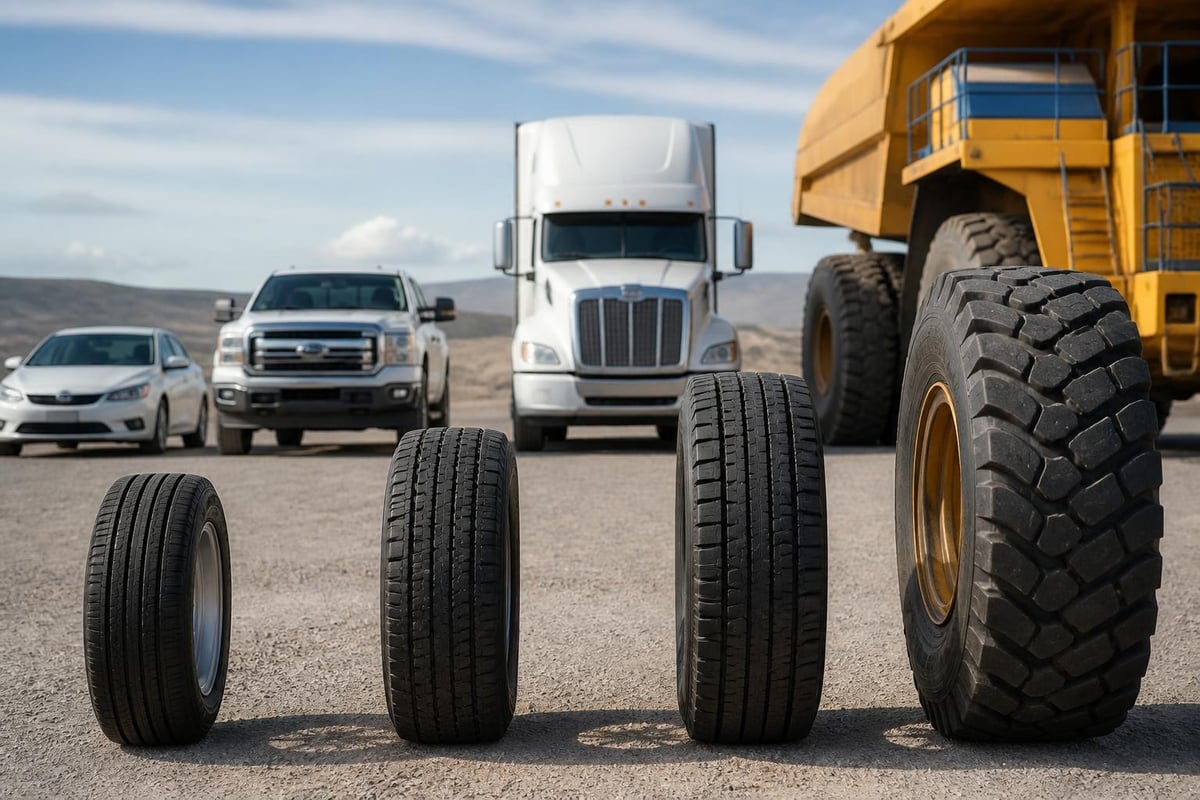
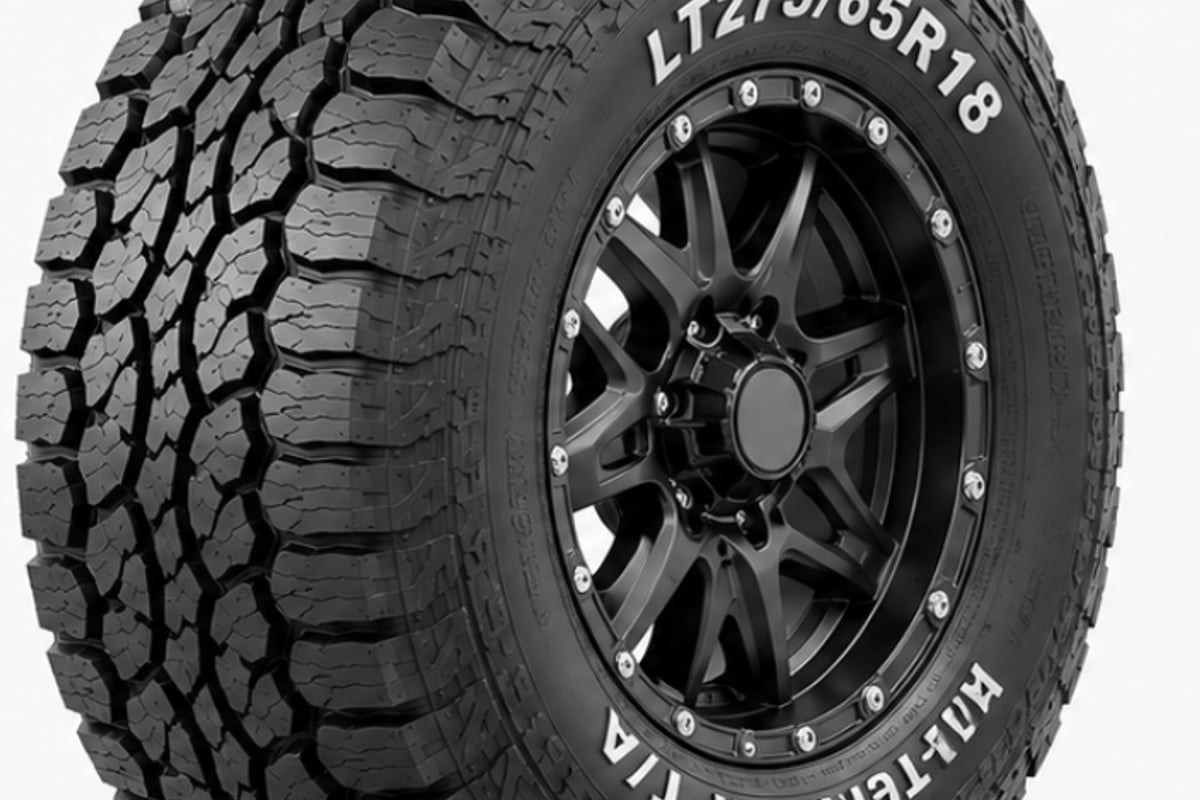
The price of Dunlop tyres varies dramatically based on physical dimensions and intended application. Passenger car tires in common sizes like 205/55R16 typically range from $85 to $145 per unit at retail pricing levels, while light truck variants in LT265/70R17 can command $180 to $280 each. Commercial truck tire prices climb further, with drive-position TBR tires often exceeding $400 per unit when purchased individually rather than through wholesale channels.
Passenger Car Radial Pricing
Standard touring tires represent Dunlop's highest-volume segment and most competitive pricing category. Models like the Dunlop Enasave series emphasize fuel efficiency and wear longevity, with prices reflecting the advanced silica compounds and optimized tread patterns. Performance-oriented lines such as Direzza and SP Sport Maxx command premium prices due to specialized rubber compounds engineered for enhanced grip and high-speed stability.
| Tire Category | Size Range | Typical Price Range | Primary Features |
|---|---|---|---|
| Economy Touring | 14"-16" | $75-$125 | Long treadwear, quiet operation |
| Performance All-Season | 16"-18" | $110-$190 | Enhanced wet grip, responsive handling |
| Ultra-High Performance | 18"-20" | $160-$320 | Maximum dry grip, track capability |
| SUV/Crossover | 17"-20" | $135-$245 | Load capacity, comfort tuning |
Manufacturing Technology and Cost Factors
Several technical elements directly impact the price of Dunlop tyres compared to competing brands. The company invests heavily in proprietary compounds, including advanced silica formulations that reduce rolling resistance while maintaining traction. Multiple factors influence tire pricing, from raw material quality to the sophistication of manufacturing processes employed during production.
Compound Development Costs
Dunlop's research facilities develop application-specific rubber compounds that balance competing performance characteristics. Winter tire compounds require expensive polymers that remain flexible at temperatures below freezing, adding $20-$40 per tire to manufacturing costs compared to all-season alternatives. These research and development expenses are distributed across production volumes, meaning lower-volume specialty tires carry proportionally higher R&D cost burdens.
Modern passenger car tire production utilizes automated manufacturing systems that ensure consistency while minimizing labor costs. However, larger commercial truck tires often require more manual processes for component assembly and quality inspection, contributing to their higher unit prices. The capital equipment required for producing different tire sizes also affects pricing, as manufacturers must recover machinery investments through product margins.
Regional Pricing Variations
The price of Dunlop tyres fluctuates significantly across different geographic markets due to import duties, distribution costs, and competitive landscapes. European markets typically see prices 10-18% higher than comparable sizes in Southeast Asian markets, while North American pricing falls between these extremes. Currency exchange rates, local taxes, and tariff structures create additional variability that distributors must navigate when sourcing inventory.
Distribution Channel Economics
Purchasing through authorized Dunlop dealers typically includes services like mounting, balancing, and disposal of old tires, but these convenience factors increase overall costs. Understanding tire price guides helps buyers recognize when dealer pricing includes value-added services versus pure product costs. Wholesale channels and direct manufacturer relationships can reduce per-unit costs by 30-45% for distributors willing to handle larger minimum order quantities.
Online tire retailers have disrupted traditional distribution models by eliminating multiple intermediary markups. However, buyers must then arrange separate installation services, which may negate some of the initial savings depending on local labor rates. The total cost of ownership calculation should include mounting fees, valve stem replacements, and alignment checks when comparing apparent price advantages across channels.
Performance Tier Pricing Strategy
Dunlop segments its product portfolio into distinct performance tiers, each commanding different price points based on target customer priorities. The strategy allows the brand to compete across multiple market segments while maintaining clear differentiation between economy, mid-range, and premium offerings within its own lineup.
Economy Segment Positioning
Entry-level Dunlop models focus on maximizing treadwear warranties and minimizing initial purchase prices, making them attractive for cost-conscious vehicle owners and fleet operators prioritizing lowest total cost per mile. These tires typically feature simpler tread patterns with fewer siping elements and use more conventional rubber compounds compared to premium lines. The price of Dunlop tyres in this segment competes directly with mid-tier offerings from budget-focused brands while leveraging Dunlop's reputation for basic quality assurance.
Common economy segment features:
- 60,000 to 80,000-mile treadwear warranties
- Symmetrical tread designs for easy rotation
- Standard all-season compound formulations
- Minimal special technologies or proprietary features
- Competitive pricing against house brands and value imports
Premium Performance Categories
High-performance and ultra-high-performance summer tires represent Dunlop's technology showcases, incorporating racing-derived compounds and construction techniques. These tires sacrifice tread longevity for maximum grip capability, with treadwear warranties often limited to 25,000-40,000 miles. The specialized production requirements and lower sales volumes mean premium Dunlop performance tires can cost 2-3 times more than equivalent-sized touring models.

Commercial and Specialty Applications
Commercial truck tire pricing follows different economics than passenger car categories, with the price of Dunlop tyres in TBR segments reflecting heavy-duty construction requirements and retreadability features. A single drive-position tire for a Class 8 truck can exceed $500 at retail, though wholesale pricing through established distribution channels significantly reduces per-unit costs for fleet operators.
Dunlop's commercial tire division offers position-specific designs optimized for steer, drive, and trailer axles. Steer tires emphasize precise handling and even wear patterns, while drive-position tires feature aggressive tread blocks for traction and stone ejection channels for durability. Trailer tires prioritize low rolling resistance to maximize fuel efficiency across the entire vehicle combination.
For distributors serving commercial fleets, understanding truck tire cost factors helps position Dunlop products against competing brands while explaining value propositions beyond initial purchase price. Total cost of ownership calculations must account for casing durability, retreadability potential, and fuel efficiency impacts that premium tires deliver over their service life.
Competitive Price Positioning Analysis
Analyzing where Dunlop falls within the broader competitive landscape reveals strategic pricing decisions that balance market share objectives with profit margin requirements. Against Japanese competitors like Bridgestone and Yokohama, Dunlop typically prices within 5-8% of comparable models, reflecting similar manufacturing quality standards and performance characteristics. European brands such as Continental and Michelin generally command 12-20% premiums over equivalent Dunlop specifications.
| Brand Tier | Representative Brands | Price Index vs. Dunlop | Target Market Segment |
|---|---|---|---|
| Ultra-Premium | Michelin, Continental | +15% to +25% | OEM fitments, performance enthusiasts |
| Premium | Bridgestone, Goodyear | -5% to +10% | Quality-conscious mainstream buyers |
| Mid-Tier | Dunlop, Yokohama | Baseline (100%) | Value-performance balance seekers |
| Budget | Cooper, Kumho | -20% to -30% | Price-sensitive consumers |
| Economy Imports | Linglong, Westlake | -35% to -50% | Minimum-cost requirements |
Understanding this competitive structure helps distributors position the price of Dunlop tyres appropriately within their local markets. The brand offers sufficient quality differentiation to justify premiums over budget imports while remaining accessible to customers who find ultra-premium brands financially prohibitive.
Seasonal Pricing Fluctuations
Tire pricing exhibits predictable seasonal patterns driven by consumer demand cycles and inventory management strategies. Winter tire prices typically peak during October and November as northern-climate drivers prepare for snow season, with the price of Dunlop tyres in winter-specific models climbing 8-15% above summer baseline pricing during these peak demand months. Conversely, aggressive discounting occurs during spring months as retailers clear winter inventory to make warehouse space for summer performance tires.
Strategic Purchasing Timing
Distributors can optimize procurement costs by timing large orders to coincide with manufacturer production cycles and promotional periods. Dunlop typically offers enhanced wholesale terms during the first quarter when consumer demand traditionally softens after holiday spending. Practical guides to tire costs emphasize understanding these cyclical patterns to maximize purchasing power throughout the annual calendar.
End-of-model-year closeouts present additional savings opportunities as Dunlop introduces updated designs with revised sidewall markings or minor compound improvements. Previous-generation models may be discounted 20-30% despite offering nearly identical performance characteristics, creating value opportunities for price-sensitive fleet customers who prioritize function over having the latest product revision.
Wholesale vs. Retail Pricing Structures
The gap between wholesale and retail pricing for Dunlop tires typically ranges from 35-50%, depending on distributor volume commitments and regional market conditions. Large fleet operators and tire retailers negotiating directly with regional Dunlop distributors access pricing tiers unavailable to individual consumers purchasing single sets. These wholesale relationships form the foundation of profitable tire distribution businesses across global markets.
Minimum order quantities significantly impact available pricing, with container-load commitments unlocking the most aggressive wholesale rates. A 40-foot container accommodates approximately 800-1,000 passenger car tires depending on size, representing substantial capital investment but delivering per-unit costs 40-45% below typical retail pricing. For established distributors, working with manufacturers like OTR TIRE THAI provides access to factory-direct pricing that maximizes margin potential while ensuring consistent quality standards.
Quality Certifications and Testing
Certification requirements add measurable costs to tire production but provide essential safety assurances and market access. Dunlop maintains DOT compliance for North American sales, ECE certification for European markets, and various regional standards across Asia-Pacific territories. The testing protocols required to achieve and maintain these certifications involve significant laboratory expenses and quality control overhead that contribute to final pricing structures.
Performance testing encompasses wet braking distances, dry handling characteristics, noise emissions, rolling resistance measurements, and high-speed endurance trials. Why tires cost so much often relates to the comprehensive validation processes premium manufacturers conduct before releasing products to market. Dunlop's commitment to meeting or exceeding regulatory standards across all markets ensures consistent safety performance but adds incremental costs compared to manufacturers who conduct minimal testing beyond basic compliance requirements.
Warranty Coverage Impact
Extended treadwear warranties represent significant financial commitments from manufacturers, as they assume liability for premature wear conditions across thousands of units. Dunlop's warranty programs vary by product line, with premium touring tires offering 70,000-80,000-mile coverage while high-performance summer tires may limit warranties to 30,000 miles due to softer compound formulations. These warranty obligations factor into pricing calculations, with longer guarantees requiring higher margins to cover potential claim expenses.
Manufacturers build statistical failure rate projections into pricing models based on historical claim data and compound durability testing. The price of Dunlop tyres in categories with generous warranty coverage reflects these anticipated costs, though actual claim rates typically run well below breakeven thresholds when quality control processes function effectively.
Raw Material Cost Influences
Natural rubber, synthetic polymers, steel cord, and carbon black represent the primary raw materials in tire manufacturing, with price volatility in commodity markets directly affecting production costs. Factors affecting tire costs include fluctuations in petroleum prices that impact synthetic rubber availability and pricing. Dunlop, like all major manufacturers, hedges some commodity exposure through futures contracts, but significant market movements ultimately flow through to wholesale and retail pricing adjustments.
Environmental regulations increasingly mandate incorporation of sustainable materials and recycled content, adding complexity and cost to compound formulation. Silica derived from rice husk ash, natural rubber from certified sustainable plantations, and recycled steel cord all command premiums over conventional materials. These environmental initiatives enhance brand reputation and appeal to sustainability-focused buyers but incrementally increase the price of Dunlop tyres compared to manufacturers using exclusively conventional material sourcing.
Technology Integration Costs
Modern tire development incorporates computer modeling, finite element analysis, and sophisticated testing equipment that represents substantial capital investment. Dunlop's engineering teams utilize these tools to optimize tread patterns, sidewall construction, and compound formulations before committing to production tooling. The amortization of these technology investments across product portfolios adds baseline costs to every tire manufactured, though high-volume models distribute these expenses across larger unit quantities than specialty low-volume applications.
Advanced development technologies include:
- Computer-aided design systems for tread pattern optimization
- Finite element analysis for stress distribution modeling
- Rolling resistance test drums simulating real-world conditions
- Indoor wet surface testing facilities
- High-speed uniformity measurement equipment
Installation and Service Considerations
While not strictly part of tire purchase prices, installation costs significantly impact total ownership expenses. Professional mounting and balancing typically add $20-$35 per tire, valve stem replacement costs $3-$8 per wheel, and disposal fees for old tires range from $3-$6 per unit. Understanding what good tires should cost requires accounting for these ancillary expenses that can add 15-20% to the base price of Dunlop tyres when purchased through full-service retail channels.
Some distributors offer package pricing that bundles installation services with tire purchases, simplifying cost comparison but potentially obscuring the actual product price from bundled service fees. Fleet operators with in-house mounting capabilities eliminate these service charges, making wholesale pricing even more attractive when internal labor and equipment costs remain below outsourced installation rates.
Future Pricing Trends
Electric vehicle adoption patterns will influence tire pricing dynamics over the coming years, as EVs' increased weight and instant torque delivery place unique demands on tire construction. Dunlop's development of EV-specific tire lines incorporates reinforced sidewalls, optimized compound hardness for weight support, and acoustic foam layers for cabin noise reduction. These specialized features will likely command 10-15% premiums over comparable internal combustion engine applications, establishing new pricing tiers within existing size categories.
Automated manufacturing technologies and artificial intelligence-driven quality control systems promise to reduce production costs over time, though these efficiency gains may be offset by rising labor rates in key manufacturing regions and increasing regulatory compliance expenses. The price of Dunlop tyres in 2026 reflects current cost structures, but ongoing industry evolution will continue reshaping competitive pricing dynamics throughout the remainder of the decade.
Understanding the various factors influencing the price of Dunlop tyres enables distributors and fleet managers to make strategic purchasing decisions that optimize value rather than simply minimizing upfront costs. Whether you're sourcing passenger car radials, commercial truck tires, or specialty applications, working with established manufacturers ensures consistent quality while wholesale partnerships deliver competitive pricing that supports profitable distribution operations. OTR TIRE THAI offers factory-direct access to premium quality tires across all major categories, serving distributors in over 80 countries with the combination of international standards and competitive wholesale pricing that drives successful tire distribution businesses.
