
Blog
Light Truck Tires: Complete Guide for 2026
Jul
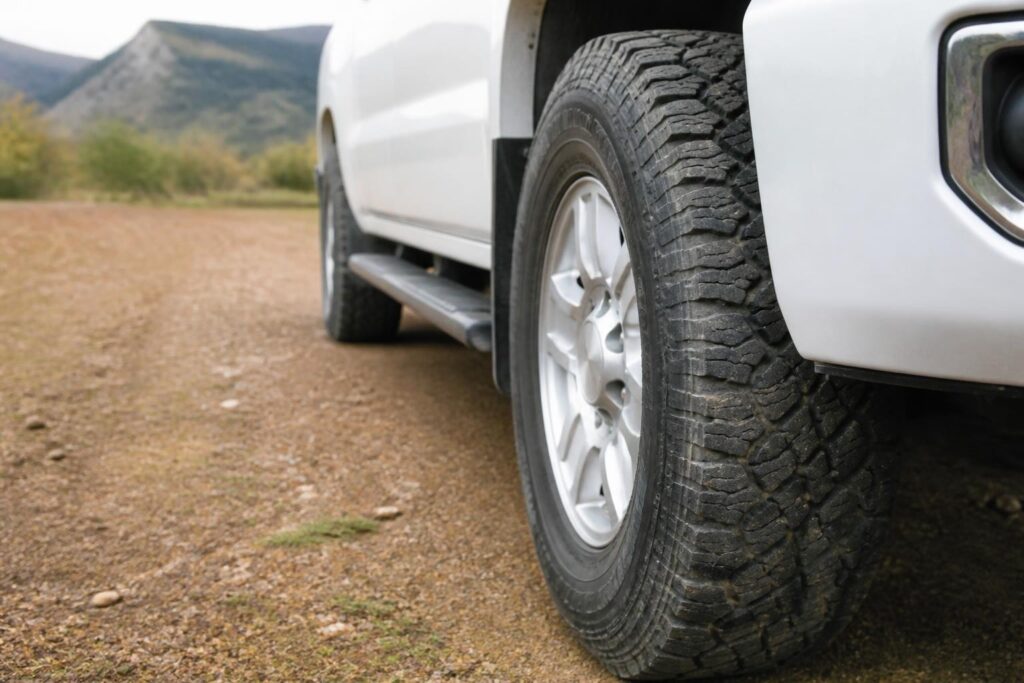
Light truck tires represent a critical segment in the commercial and recreational vehicle market, serving everything from pickup trucks and SUVs to delivery vans and off-road vehicles. Understanding the specifications, performance characteristics, and proper selection criteria for these tires ensures optimal safety, longevity, and operational efficiency. With evolving industry standards and expanding application requirements in 2026, distributors and fleet managers need comprehensive knowledge to make informed purchasing decisions.
Understanding Light Truck Tire Classifications
The tire industry uses specific designation systems to differentiate light truck tires from passenger car tires. The "LT" prefix before tire size indicates a light truck tire designed to carry heavier loads and withstand more demanding conditions than standard passenger car tires. These classifications aren't merely marketing distinctions-they represent fundamental differences in construction, load capacity, and performance parameters.
LT-Metric vs. P-Metric Designations
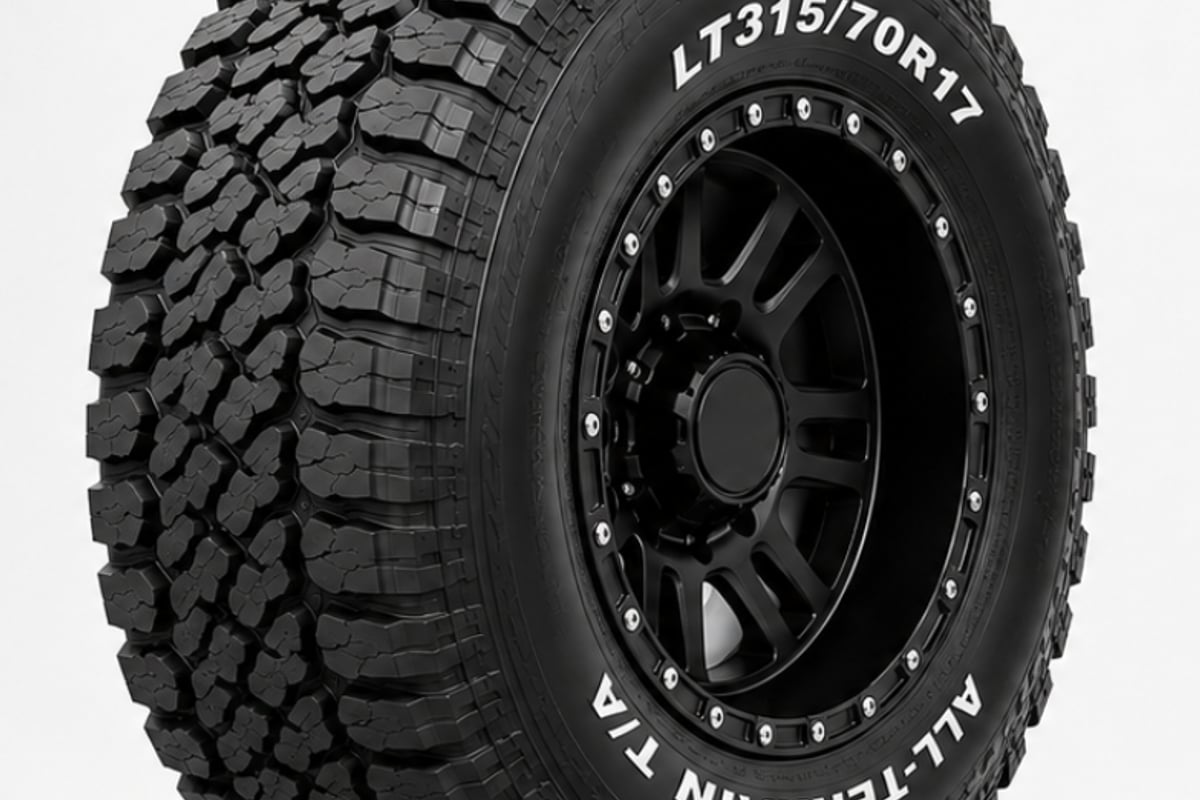
Light truck tires typically carry an LT-metric designation (such as LT265/70R17), which differs significantly from P-metric passenger tires. The construction includes additional ply layers, reinforced sidewalls, and compounds formulated for durability under load. According to industry load capacity standards, LT-metric tires can carry substantially more weight than their P-metric counterparts of similar dimensions.
The Tire Industry Association recently released important safety guidance for C-type light truck tires, highlighting regulatory clarifications that affect service recommendations. C-type tires, commonly used on commercial vans and box trucks, require specific inflation pressures and load calculations that differ from standard LT applications.
Key differences include:
- Ply Rating: LT tires feature higher ply ratings (typically 10-ply or higher equivalent)
- Load Range: Designated by letters (C, D, E, F) indicating maximum load capacity
- Inflation Pressure: LT tires operate at higher pressures, often 50-80 PSI
- Sidewall Strength: Enhanced resistance to cuts, punctures, and impact damage
- Tread Depth: Generally deeper tread for extended service life
Tread Pattern Categories and Applications
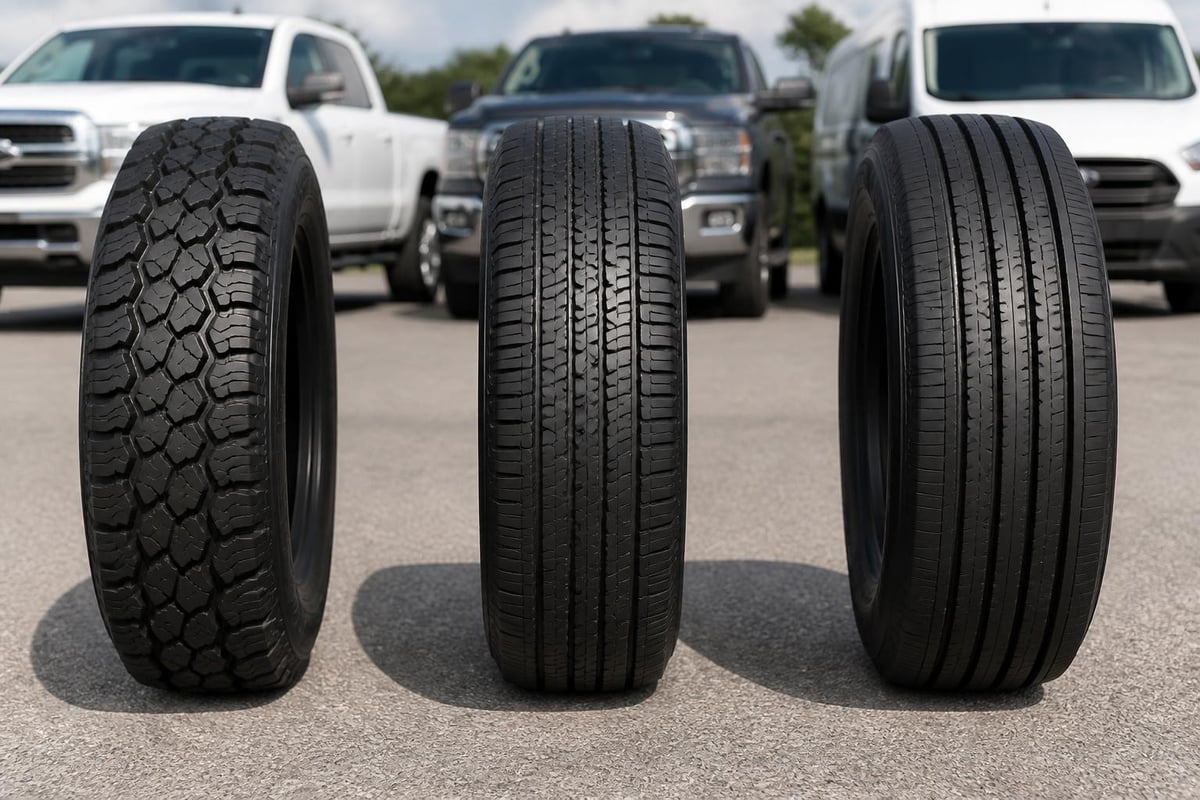
Light truck tires are manufactured in three primary tread pattern categories, each optimized for specific driving conditions and vehicle use profiles. Selecting the appropriate pattern directly impacts performance, fuel economy, noise levels, and tire longevity.
Highway Terrain (HT) Patterns
Highway terrain tires prioritize on-road performance with closed shoulder designs and continuous rib patterns. These tires excel in commercial applications where vehicles spend most operational time on paved surfaces. Fleet managers running urban delivery routes or highway transport benefit from the fuel efficiency and extended tread life these patterns provide.
The symmetric rib design promotes even wear distribution and quiet operation. Modern HT compounds incorporate silica blends that reduce rolling resistance while maintaining wet traction. For distributors serving commercial fleets, highway terrain light truck tires represent the highest volume segment due to their versatility and cost-effectiveness.
All-Terrain (AT) Patterns
All-terrain tires bridge the gap between highway comfort and off-road capability. The tread features larger blocks with more aggressive void patterns compared to HT designs. Shoulder lugs extend toward the sidewall for enhanced traction in loose surfaces while maintaining reasonable on-road manners.
All-terrain advantages:
- Versatile performance across multiple surface types
- Moderate off-road capability without sacrificing highway comfort
- Extended tread life compared to dedicated off-road tires
- Self-cleaning tread design for mixed conditions
- Three-peak mountain snowflake certification available on select models
Construction and utility vehicles frequently specify all-terrain light truck tires because they handle job site access roads while maintaining acceptable highway characteristics for commuting and material transport.
Mud-Terrain (MT) Patterns
Mud-terrain tires represent the most aggressive category with large, widely-spaced tread blocks designed for maximum traction in challenging off-road conditions. Deep voids between lugs facilitate self-cleaning in mud, sand, and rocky terrain. Sidewall lugs extend protection against punctures while providing additional bite in deep ruts.
The trade-offs for extreme off-road capability include increased road noise, reduced fuel economy, and faster tread wear on paved surfaces. MT tires suit specialized applications such as oil field services, mining support vehicles, and recreational off-road enthusiasts.
Load Index and Speed Rating Considerations
Proper load index selection ensures safe operation under maximum vehicle loads. Light truck tires display load index numbers that correspond to specific weight capacities per tire. Fleet managers must calculate the combined Gross Axle Weight Rating (GAWR) to verify tire capacity meets or exceeds vehicle requirements.
| Load Range | Ply Rating | Max Pressure | Typical Applications |
|---|---|---|---|
| C | 6 | 50 PSI | Light-duty pickups, small SUVs |
| D | 8 | 65 PSI | Medium-duty trucks, commercial vans |
| E | 10 | 80 PSI | Heavy-duty pickups, fleet vehicles |
| F | 12 | 95 PSI | Specialized heavy-load applications |
Speed ratings indicate the maximum sustained speed capability under load. Light truck tires commonly carry S (112 mph) or T (118 mph) ratings, though performance-oriented models may achieve H (130 mph) or higher. Commercial applications rarely require high speed ratings, but distributors serving mixed markets should stock appropriate ranges.

Selecting Tires for Specific Applications
Different vehicle types and operational profiles demand tailored tire solutions. Understanding customer application requirements enables distributors to recommend appropriate specifications that optimize performance and cost-effectiveness.
Pickup Truck Fleet Applications
Commercial pickup fleets hauling equipment, tools, and materials require robust light truck tires with high load ranges. These vehicles frequently operate at or near maximum payload capacity, making proper tire selection critical for safety and operational uptime. Load Range E tires provide the necessary capacity while delivering acceptable highway ride quality.
For wholesale distributors seeking reliable light truck tire supply, our Light Truck Tires (LT) range covers highway terrain, all-terrain, and mud-terrain patterns with DOT and ECE certification. Factory-direct pricing enables competitive positioning in regional markets while maintaining quality standards that meet international specifications.
SUV and Crossover Specifications
Sport utility vehicles span a wide performance spectrum from luxury highway cruisers to serious off-road machines. Light truck tires for SUVs must balance comfort, handling, and capability according to end-user requirements. Urban-oriented SUVs perform best with highway terrain patterns that minimize noise and maximize fuel efficiency.
Off-road capable SUVs benefit from all-terrain tires that provide confident traction on unpaved roads without excessive highway compromise. The latest tire selection guides for 2026 emphasize matching tread patterns to actual usage patterns rather than vehicle capability alone.
Delivery and Service Vehicles
Light commercial vehicles including delivery vans, service trucks, and utility vehicles log high annual mileage predominantly on paved surfaces. These applications prioritize tread life, fuel efficiency, and predictable replacement intervals. Highway terrain light truck tires with optimized tread compounds deliver the lowest total cost of ownership.
Fleet tire selection criteria:
- Projected annual mileage and route characteristics
- Typical payload as percentage of maximum capacity
- Seasonal weather conditions and terrain types
- Maintenance infrastructure and rotation schedules
- Budget constraints and replacement cycle planning
Maintenance and Service Best Practices
Proper maintenance extends tire life and ensures safe operation throughout the service interval. The revised tire replacement guidelines from industry associations provide authoritative recommendations for inspection intervals and replacement criteria.
Inflation Pressure Management
Maintaining correct inflation pressure represents the single most important maintenance task for light truck tires. Under-inflation causes excessive sidewall flexing, heat buildup, and accelerated shoulder wear. Over-inflation reduces contact patch area, creating harsh ride quality and center tread wear.
Commercial fleets should implement weekly pressure checks, particularly before long trips or when carrying maximum loads. Tire pressure monitoring systems (TPMS) provide real-time alerts but shouldn't replace manual verification. Temperature changes significantly affect pressure-tires lose approximately 1 PSI for every 10-degree Fahrenheit temperature drop.
Rotation Patterns and Intervals
Regular rotation equalizes wear across all tire positions, maximizing fleet tire life. Light truck tires should rotate every 5,000-7,000 miles depending on vehicle type and usage patterns. Different drive configurations require specific rotation patterns:
- Rear-wheel drive trucks: Rearward cross pattern (front tires move straight back, rear tires cross to front)
- Four-wheel drive vehicles: X-pattern rotation for uniform wear distribution
- Directional tread patterns: Front-to-back rotation on same side only
- Dual rear wheels: Include all six positions in rotation cycle
Rotation intervals coinciding with oil changes simplify fleet maintenance scheduling and improve compliance rates. Documentation of rotation dates and mileage helps track wear rates and predict replacement needs.
Seasonal Considerations and Climate Adaptation
Geographic location and seasonal weather patterns influence tire selection and maintenance requirements. Light truck tires face diverse challenges from desert heat to winter snow, requiring climate-appropriate specifications.
Winter Performance and Three-Peak Certification
Severe winter conditions demand specialized tread compounds and siping patterns. The three-peak mountain snowflake (3PMSF) symbol certifies that light truck tires meet specific snow traction performance standards. These tires use rubber compounds that remain pliable at low temperatures while tread designs incorporate thousands of sipes for ice and snow grip.
Fleet operators in northern regions should transition to 3PMSF-certified tires before first snowfall. All-season light truck tires provide adequate performance in mild winter conditions but lack the traction and braking performance of dedicated winter tires in severe weather.
Hot Climate Durability
High ambient temperatures accelerate tread wear and increase failure risk from heat-related damage. Light truck tires operating in desert or tropical climates require heat-resistant compounds and robust construction. Distributors serving these markets should prioritize tires with proven thermal stability.
Heat-related tire care:
- Reduce loads when possible during extreme heat periods
- Increase inflation pressure monitoring frequency
- Inspect for signs of heat damage (tread separation, sidewall bulges)
- Avoid prolonged parking on hot asphalt when loaded
- Consider reflective wheel covers for parked vehicles
Quality Standards and Certification Requirements
International quality standards ensure light truck tires meet minimum safety and performance requirements. Understanding certification marks helps distributors verify product legitimacy and communicate quality assurance to customers.
DOT and ECE Compliance
The U.S. Department of Transportation (DOT) requires all tires sold domestically to meet Federal Motor Vehicle Safety Standards. The DOT code molded into sidewalls identifies manufacturing location and production date. ECE (Economic Commission for Europe) certification indicates compliance with European standards, increasingly important for distributors serving global markets.
| Certification | Region | Key Requirements | Market Access |
|---|---|---|---|
| DOT | United States | FMVSS 139 compliance, quality testing | U.S. market mandatory |
| ECE | Europe | Regulation 30/54 standards | EU market mandatory |
| CCC | China | GB standards compliance | China market mandatory |
| INMETRO | Brazil | NBR standards verification | Brazil market mandatory |
Third-party testing validates manufacturer claims regarding load capacity, speed ratings, and performance characteristics. Reputable manufacturers provide detailed test data and certification documentation to wholesale partners.
Industry Reference Standards
Tire sizing, load tables, and performance parameters follow standards established by organizations including the Tire and Rim Association (T&RA) and European Tyre and Rim Technical Organisation (ETRTO). These authoritative data sources ensure consistency across manufacturers and markets.
The updated replacement guidelines manual provides comprehensive safety information and best practices for tire professionals, serving as an industry reference for proper service procedures.
Wholesale Distribution Strategies
Successful light truck tire distribution requires strategic inventory management, market positioning, and customer education. Distributors must balance product range breadth against inventory carrying costs while meeting diverse customer requirements.
Inventory Optimization
Light truck tire sizes span dozens of diameter, width, and aspect ratio combinations. Distributors should analyze regional demand patterns to stock the most frequently requested sizes while maintaining access to secondary sizes through efficient supply chain partnerships.
Core inventory recommendations:
- Focus on popular pickup truck sizes (LT265/70R17, LT275/65R18, LT285/70R17)
- Maintain depth in high-volume highway terrain patterns
- Stock moderate all-terrain selection for mixed-use customers
- Keep specialized sizes available through drop-ship arrangements
- Monitor seasonal demand shifts and adjust accordingly
Point-of-sale data analysis reveals replacement cycles and emerging size trends. Successful distributors leverage this information to optimize inventory turns while minimizing stockouts during peak seasons.

Market Segmentation and Customer Education
Different customer segments prioritize varying performance attributes and price points. Commercial fleet managers emphasize total cost of ownership and predictable replacement intervals. Retail consumers often prioritize brand recognition and specific performance characteristics like off-road capability or winter traction.
Distributors add value through technical expertise and application-specific recommendations. Providing customers with clear information about load ratings, tread pattern advantages, and proper maintenance extends tire life and builds long-term relationships. Educational materials, sizing guides, and installation best practices differentiate knowledgeable distributors from price-only competitors.
Emerging Technologies and Future Trends
The light truck tire segment continues evolving with new materials, construction techniques, and performance features. Staying informed about technological developments helps distributors anticipate market shifts and customer demands.
Advanced Tread Compounds
Silica-enhanced compounds deliver improved wet traction and reduced rolling resistance without sacrificing tread life. Newer formulations incorporate specialized polymers that maintain flexibility across wide temperature ranges. These materials particularly benefit all-season light truck tires used in variable climate regions.
Manufacturers increasingly employ computer modeling to optimize tread compound distribution across the contact patch. Variable hardness zones provide crisp handling response while maintaining ride comfort and even wear characteristics.
Smart Tire Integration
Embedded sensor technology enables real-time monitoring of tire pressure, temperature, and tread depth. Fleet applications particularly benefit from these systems through predictive maintenance capabilities and reduced roadside failures. While still emerging in the light truck segment, smart tire adoption will accelerate as sensor costs decline and fleet management systems become more sophisticated.
Sustainability Initiatives
Environmental considerations increasingly influence tire development and manufacturing processes. Sustainable materials including bio-based oils and recycled content reduce petroleum dependence without compromising performance. Extended tread life through improved compounds and construction techniques lowers replacement frequency and associated environmental impact.
Retreading programs for commercial light truck applications offer cost savings and sustainability benefits. Proper tire care and timely removal maximize casing eligibility for retreading, creating circular economy opportunities.
Selecting appropriate light truck tires requires understanding classification systems, load requirements, tread patterns, and application-specific demands that ensure safe, cost-effective operation across diverse commercial and recreational use cases. Whether you're a distributor serving regional markets or a fleet manager optimizing operational costs, partnering with an experienced manufacturer ensures access to quality products that meet international standards. OTR TIRE THAI delivers wholesale light truck tires with DOT and ECE certification to distributors in over 80 countries, combining Thai manufacturing excellence with factory-direct pricing that strengthens your competitive position.
