
Blog
Where Are Sailun Tires Made In? Manufacturing Guide
Jul
When evaluating tire brands for your business or fleet, understanding the manufacturing origin and production standards becomes essential. For distributors and buyers researching sailun tires made in locations, the answer reveals a story of strategic global expansion, advanced manufacturing technology, and quality-focused production. Sailun Group has built a reputation as one of the fastest-growing tire manufacturers, with facilities that employ cutting-edge processes to deliver products across passenger, commercial, and specialty tire segments. This comprehensive guide explores where Sailun tires are manufactured, what quality standards govern their production, and how their manufacturing footprint compares to other global tire brands.
Primary Manufacturing Locations for Sailun Tires
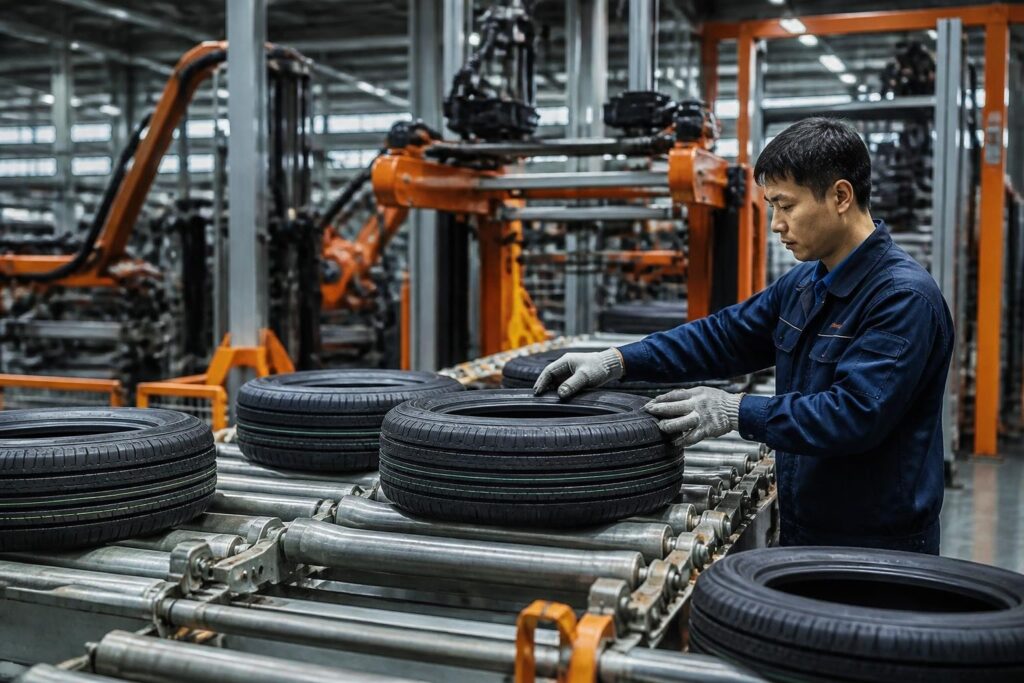
Sailun tires made in China represent the core of the company's production capacity. The headquarters and primary manufacturing complex is located in Qingdao, Shandong Province, where Sailun Group established its foundation in 2002. This facility houses some of the most advanced tire manufacturing equipment in Asia, incorporating automated ingredient batching systems, precision mixing technologies, and computer-controlled vulcanization processes.
The Qingdao facility spans over 3.5 million square meters and produces multiple tire categories. Passenger car radial (PCR) tires, light truck tires, and commercial truck tires all roll off production lines equipped with intelligent manufacturing systems. The company has invested heavily in Industry 4.0 technologies, including real-time quality monitoring, automated material handling, and data-driven process optimization.
Vietnam Production Expansion
Beyond China, sailun tires made in Vietnam have become an increasingly important part of the company's strategy. Sailun established its Vietnam facility in 2015 as part of a deliberate expansion to diversify manufacturing locations and better serve Southeast Asian and global markets. The Vietnam plant focuses primarily on passenger car tires and light truck applications, with annual production capacity exceeding 12 million units.
The Vietnam facility benefits from:
- Lower tariff exposure for exports to North American and European markets
- Strategic location for distribution throughout ASEAN countries
- Modern infrastructure built with the latest environmental standards
- Skilled workforce trained in advanced tire manufacturing techniques
Manufacturing Technology and Quality Standards
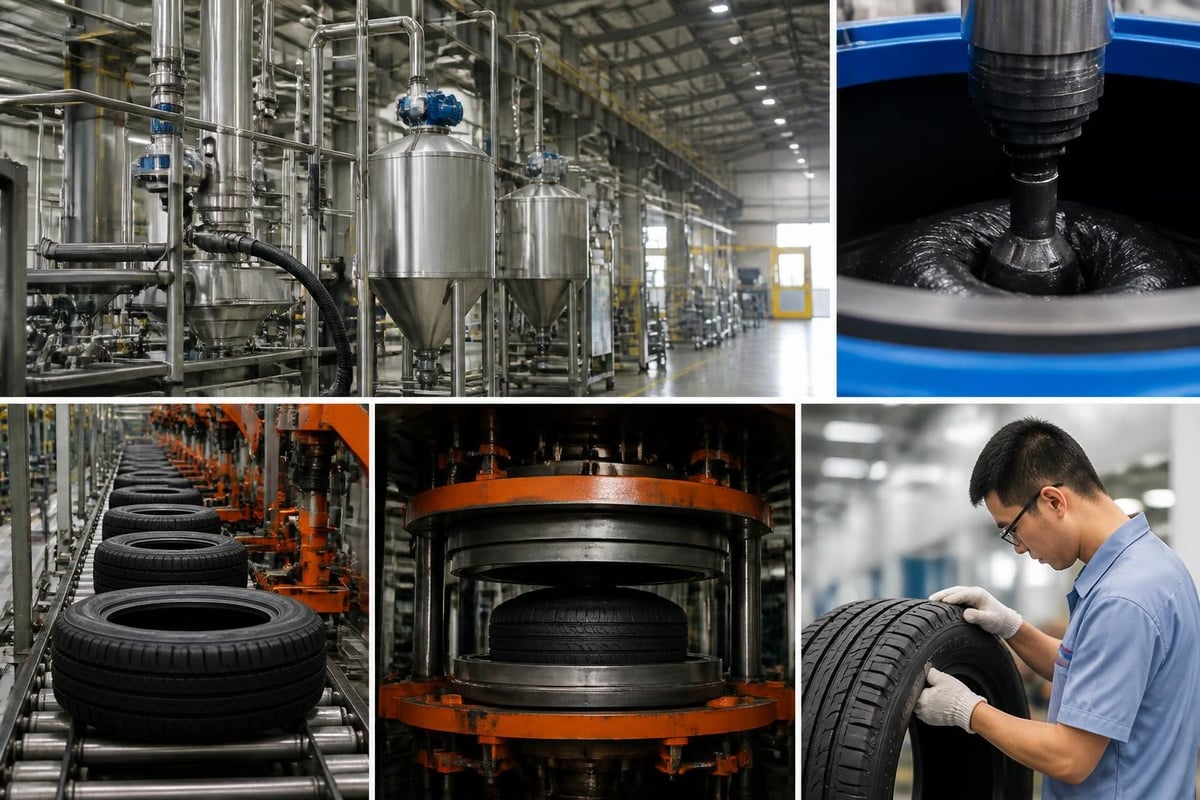
Understanding sailun tires made in facilities requires examining the production technologies that define their quality output. Sailun has invested significantly in proprietary manufacturing processes, most notably their EcoPoint3 liquid-phase mixing technology. This advanced production method represents a departure from traditional dry mixing, allowing for more precise control over compound characteristics.
The EcoPoint3 system balances three critical tire performance factors: rolling resistance, wet grip, and tread longevity. By achieving better molecular-level dispersion of carbon black and silica, the process creates more uniform compound structures. This translates to tires that demonstrate improved fuel efficiency without sacrificing safety or durability.
| Manufacturing Process | Traditional Method | Sailun EcoPoint3 |
|---|---|---|
| Mixing Technology | Dry batch mixing | Liquid-phase mixing |
| Compound Uniformity | Standard deviation ±3% | Standard deviation ±1% |
| Energy Consumption | Baseline 100% | Reduced by 15% |
| Rolling Resistance | Standard performance | 8-12% improvement |
Quality Assurance Protocols
Sailun's manufacturing quality control encompasses multiple inspection stages. Raw materials undergo spectroscopic analysis before entering production. During manufacturing, inline sensors monitor temperature, pressure, and cure times in real-time. Finished tires face destructive and non-destructive testing protocols that exceed industry minimums.
The company maintains certifications including ISO 9001, ISO 14001, and ISO/TS 16949. Additionally, sailun tires made in both China and Vietnam facilities meet DOT (Department of Transportation) standards for the United States market and ECE (Economic Commission for Europe) regulations for European distribution.
Product Categories and Manufacturing Allocation
Different tire categories from Sailun are manufactured at specific facilities based on equipment capabilities, market demand, and logistical efficiency. Understanding which sailun tires made in which facility helps distributors anticipate lead times and quality variations.
Passenger Car Tire Production
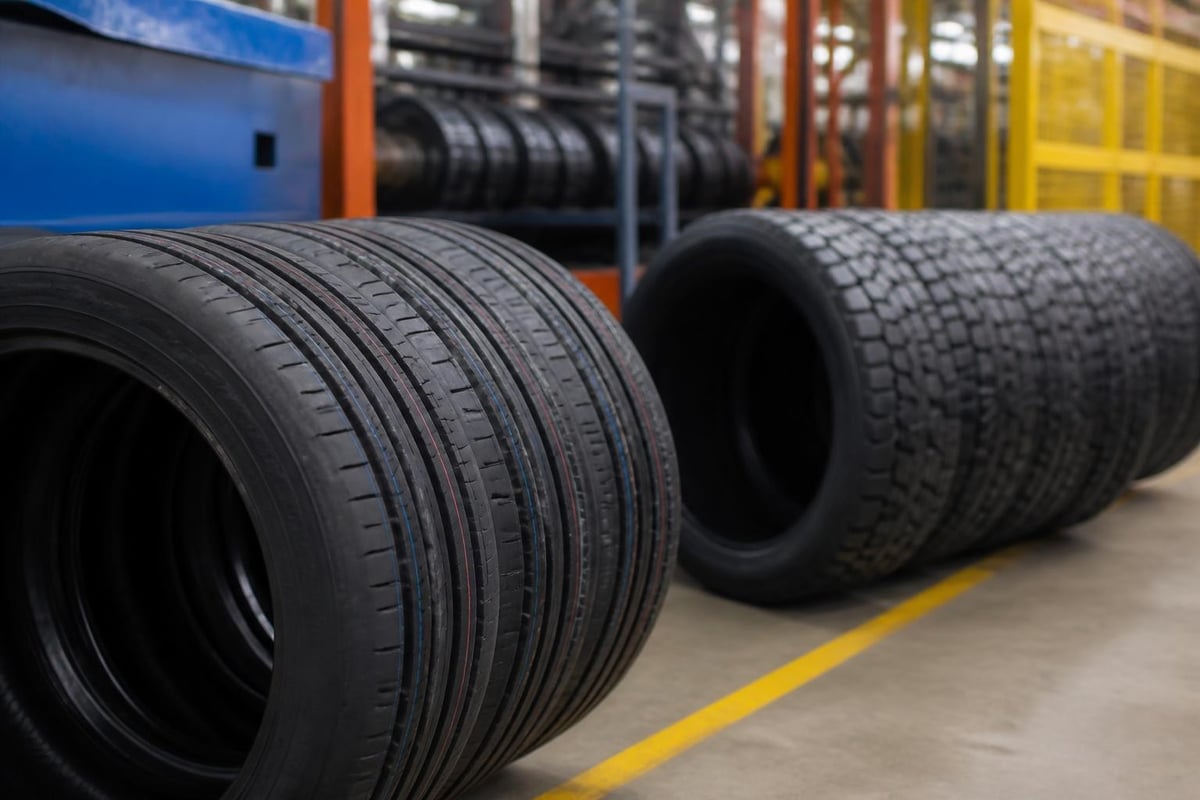
Passenger car radial (PCR) tires represent Sailun's largest production volume. Both the Qingdao and Vietnam plants produce PCR lines, with specific patterns allocated based on market destination:
- Touring tires: Manufactured at both locations with identical specifications
- Performance tires: Primarily produced in Qingdao with advanced silica compounds
- Winter tires: Specialized production in Qingdao using proprietary rubber formulations
- All-season tires: Split production between facilities based on size availability
The redundancy in production locations provides supply chain resilience. If one facility experiences maintenance downtime or capacity constraints, production can shift to maintain delivery schedules. This flexibility has proven valuable during global supply chain disruptions.
Commercial and Specialty Tire Manufacturing
Commercial truck and bus radial (TBR) tires require different manufacturing capabilities than passenger tires. The larger bead diameters, reinforced casing constructions, and specialized tread compounds demand dedicated equipment. Sailun tires made in the Qingdao facility include the complete TBR range, from regional haul patterns to long-distance highway designs.
The TBR manufacturing lines incorporate:
- Heavy-duty building drums capable of handling larger tire sizes
- Multi-stage curing presses with precise temperature control for thick sidewalls
- Reinforced bead manufacturing equipment for commercial load ratings
- Advanced tread extrusion systems for deep lug patterns
For businesses sourcing commercial truck tires, manufacturers like OTR TIRE THAI offer comprehensive TBR lineups that complement or provide alternatives to Sailun's offerings. Semi truck tires from Thailand include steer, drive, and trailer positions with similar quality standards and certifications, giving distributors additional sourcing options for fleet applications.
Comparing Sailun Manufacturing to Industry Standards
The question of where sailun tires made in facilities stand relative to premium brands requires examining both manufacturing technology and market positioning. Sailun operates in what industry analysts call the "value-premium" segment, positioned above budget imports but below established premium brands like Michelin, Bridgestone, and Continental.
Manufacturing Technology Comparison
Premium tire manufacturers typically operate multiple global facilities with regional production strategies similar to Sailun's approach. However, differences emerge in several areas:
Research and Development Investment: Premium brands allocate 3-5% of revenue to R&D, while Sailun invests approximately 2%. This affects the pace of innovation but also contributes to Sailun's competitive pricing.
Automation Levels: Sailun's newer facilities in Vietnam approach automation levels of premium brands, with robotic material handling and automated inspection. Older production lines in Qingdao are gradually being upgraded to match these standards.
Raw Material Specifications: Premium brands often use proprietary rubber compounds and exclusive silica grades. Industry reviews note that Sailun uses high-quality commercial-grade materials that meet specifications without commanding the premium pricing of custom formulations.
| Brand Category | R&D Investment | Automation Level | Warranty Period | Price Index |
|---|---|---|---|---|
| Premium (Michelin, Bridgestone) | 3-5% | 85-95% | 60,000-80,000 mi | 100 |
| Value-Premium (Sailun, Kumho) | 2-3% | 70-85% | 40,000-60,000 mi | 60-75 |
| Budget (Various imports) | <1% | 40-60% | 30,000-40,000 mi | 35-50 |
Real-World Performance and Customer Feedback
Understanding sailun tires made in China and Vietnam extends beyond specifications to include actual performance data. Consumer reviews and fleet testing provide insight into how manufacturing quality translates to road performance.
Passenger Tire Performance
Customer feedback for Sailun's passenger tire lines generally highlights value proposition. The S637 model, a popular all-season touring tire, receives praise for:
- Quiet operation on highway surfaces
- Predictable handling in dry and light wet conditions
- Competitive tread life for the price point
- Adequate winter traction for mild climates
Common critiques focus on performance limits in extreme conditions. Heavy rain handling and severe winter capability don't match premium alternatives, reflecting the compound and design choices that enable competitive pricing.
Commercial Application Results
Fleet managers testing sailun tires made in facilities for commercial applications report mixed but generally positive results. In regional delivery applications with mixed highway and urban driving, Sailun TBR tires demonstrate tread life within 85-92% of premium brand equivalents at substantially lower acquisition costs.
Key fleet performance observations include:
- Fuel economy: Rolling resistance measurements within 5-7% of SmartWay-verified premium tires
- Retreadability: Casing integrity supports one retread cycle in appropriate applications
- Irregular wear: Slightly higher incidence than premium brands, often manageable with proper inflation and rotation
- Road hazard resistance: Adequate performance in typical highway conditions
Certifications and Global Market Access
The regulatory compliance of sailun tires made in different facilities determines market access and influences distributor decisions. Sailun maintains comprehensive certification portfolios that enable sales in regulated markets worldwide.
North American Certifications
For the United States market, all Sailun tires undergo DOT compliance testing and carry the required DOT identification numbers. The company maintains testing partnerships with independent laboratories that verify:
- UTQG ratings (Uniform Tire Quality Grading) for treadwear, traction, and temperature resistance
- Federal Motor Vehicle Safety Standards compliance
- Labeling requirements including maximum load and pressure specifications
Canadian market access requires additional Transport Canada approvals, which Sailun products maintain across their passenger and light truck ranges.
European Market Requirements
European ECE regulations impose different testing protocols than North American standards. Sailun tires made in facilities certified for European export undergo:
- Wet grip testing on standardized surfaces with minimum performance thresholds
- Rolling resistance measurement for fuel efficiency labeling
- External rolling noise testing with maximum decibel limits
- Snow performance verification for winter-rated products
The European tire label system requires manufacturers to publish performance grades, creating transparency that benefits informed buyers. Comprehensive reviews note that Sailun's European-certified products typically achieve middle-grade ratings across categories, consistent with their value-premium positioning.
Supply Chain and Distribution Considerations
For distributors evaluating sailun tires made in various locations, supply chain logistics significantly impact operational efficiency. Lead times, minimum order quantities, and shipping routes vary between source facilities.
China-Based Sourcing
Orders from Qingdao typically involve:
- Container consolidation at China's major ports (Qingdao, Shanghai, Ningbo)
- Ocean transit times of 18-35 days to North American ports, 25-45 days to European destinations
- Larger minimum orders due to factory production runs and containerization economics
- Broader product selection including specialty sizes and patterns
Vietnam-Based Sourcing
The Vietnam facility offers different logistics characteristics:
- ASEAN trade preferences reducing tariffs for regional distribution
- Alternative routing avoiding potential China-specific trade restrictions
- Slightly shorter lead times to Southeast Asian markets
- Focus on high-volume sizes with less variety in specialty applications
Experienced distributors often maintain sourcing relationships with both facilities, selecting origin based on specific order requirements, tariff considerations, and delivery timing needs. Platforms like OTR TIRE THAI demonstrate how regional manufacturers can complement global brand sourcing, providing alternatives with local production advantages and established quality standards.
Environmental and Social Responsibility in Manufacturing
Modern tire buyers increasingly consider the environmental profile of sailun tires made in certified facilities. Sailun has implemented several sustainability initiatives across their manufacturing operations, though transparency and third-party verification lag behind premium brand leaders.
Environmental Management Systems
Both major Sailun facilities maintain ISO 14001 environmental management certification. Key environmental initiatives include:
- Solvent recovery systems that capture and reuse volatile organic compounds from production
- Water recycling infrastructure reducing freshwater consumption by approximately 40% since 2015
- Energy efficiency projects including cogeneration systems and LED lighting retrofits
- Waste reduction programs targeting manufacturing scrap and packaging materials
The EcoPoint3 mixing technology provides environmental benefits beyond product performance. The liquid-phase process consumes less energy than traditional methods and generates fewer airborne particulates, improving workplace conditions while reducing environmental impact.
Labor and Safety Standards
Performance assessments occasionally reference manufacturing conditions, though detailed third-party audits remain limited. Sailun reports compliance with local labor regulations in both China and Vietnam, including:
- Occupational safety programs with incident tracking
- Training protocols for equipment operators
- Protective equipment requirements
- Regular safety audits of high-risk work areas
The Vietnam facility, built more recently, incorporates modern safety infrastructure from its initial design, including automated material handling that reduces manual lifting and ergonomic risk factors.
Future Manufacturing Expansion and Strategy
Understanding where sailun tires made in the future will originate requires examining the company's strategic plans. Sailun Group has announced intentions to expand production capacity by approximately 30% by 2028, with investments targeting both existing facilities and potential new locations.
Capacity Expansion Plans
The Qingdao campus is undergoing phased upgrades to increase TBR production capacity. New building drums and curing presses will add approximately 2 million units of annual commercial tire capacity. The expansion emphasizes larger sizes (22.5-inch and 24.5-inch rim diameters) to serve growing demand in long-haul trucking applications.
Vietnam facility expansion focuses on passenger tire volume, particularly in the 16-inch to 18-inch rim diameter range that dominates global vehicle production. Automated finishing lines will increase throughput while maintaining quality consistency.
Potential Additional Locations
Industry speculation suggests Sailun may establish manufacturing presence in additional markets, though no official announcements have been made. Potential locations under consideration reportedly include:
- North America: Proximity to major markets, though labor costs pose challenges
- Eastern Europe: Access to European markets with favorable production costs
- South America: Serving growing Latin American automotive markets
Any new facilities would likely follow the Vietnam model: modern, highly automated plants focused on high-volume product lines with strong regional demand.
Making Informed Sourcing Decisions
For distributors and fleet managers, the question of sailun tires made in specific facilities matters primarily as it affects product quality, pricing, and availability. Several practical considerations should guide sourcing decisions:
Quality consistency: Products from both major facilities demonstrate comparable quality when properly specified. Request manufacturing location details for large orders and verify certification documentation.
Lead time planning: Factor origin location into inventory planning, especially when serving markets with seasonal demand peaks. China-sourced products typically require longer planning horizons.
Tariff and duty optimization: Consult with customs brokers to understand total landed costs, as origin country significantly impacts duty rates in many markets.
Alternative source development: Maintain relationships with multiple manufacturers, including regional specialists like OTR TIRE THAI, to ensure supply continuity and competitive pricing leverage.
Detailed assessments of Sailun products generally conclude that the brand delivers competitive value for cost-conscious buyers who prioritize reasonable performance over premium capabilities. Understanding manufacturing origins and quality systems helps distributors set appropriate customer expectations and position products effectively in their markets.
Understanding where Sailun tires are manufactured and the quality standards governing their production enables informed sourcing decisions that balance cost, performance, and supply chain reliability. Whether you're evaluating Sailun products or seeking alternatives with comparable quality standards, working with established manufacturers ensures access to certified products backed by proven production systems. OTR TIRE THAI offers comprehensive tire solutions across agricultural, commercial truck, passenger, and specialty segments, providing distributors in over 80 countries with premium quality products at wholesale pricing and the supply chain reliability that growing businesses require.
