
Blog
Wholesale Tires: A Complete Guide for Distributors 2026
Aug
The wholesale tire industry represents a critical backbone of the global automotive and transportation sectors, connecting manufacturers with distributors who serve countless businesses and consumers. For distributors seeking to build profitable operations in 2026, understanding the nuances of wholesale tires-from sourcing and quality verification to market positioning and logistics-becomes essential for long-term success. This comprehensive guide explores the key considerations that define successful wholesale tire distribution, with insights drawn from real-world market dynamics and industry best practices.
Understanding the Wholesale Tire Market Landscape
The wholesale tire sector has evolved dramatically over the past decade, with distribution channels becoming increasingly sophisticated and competitive. According to industry analysis from Modern Tire Dealer, independent wholesalers commanded approximately 80% of the U.S. consumer tire wholesale market in 2025, demonstrating the continued strength of specialized distributors over vertically integrated chains.
Market Segmentation and Demand Drivers
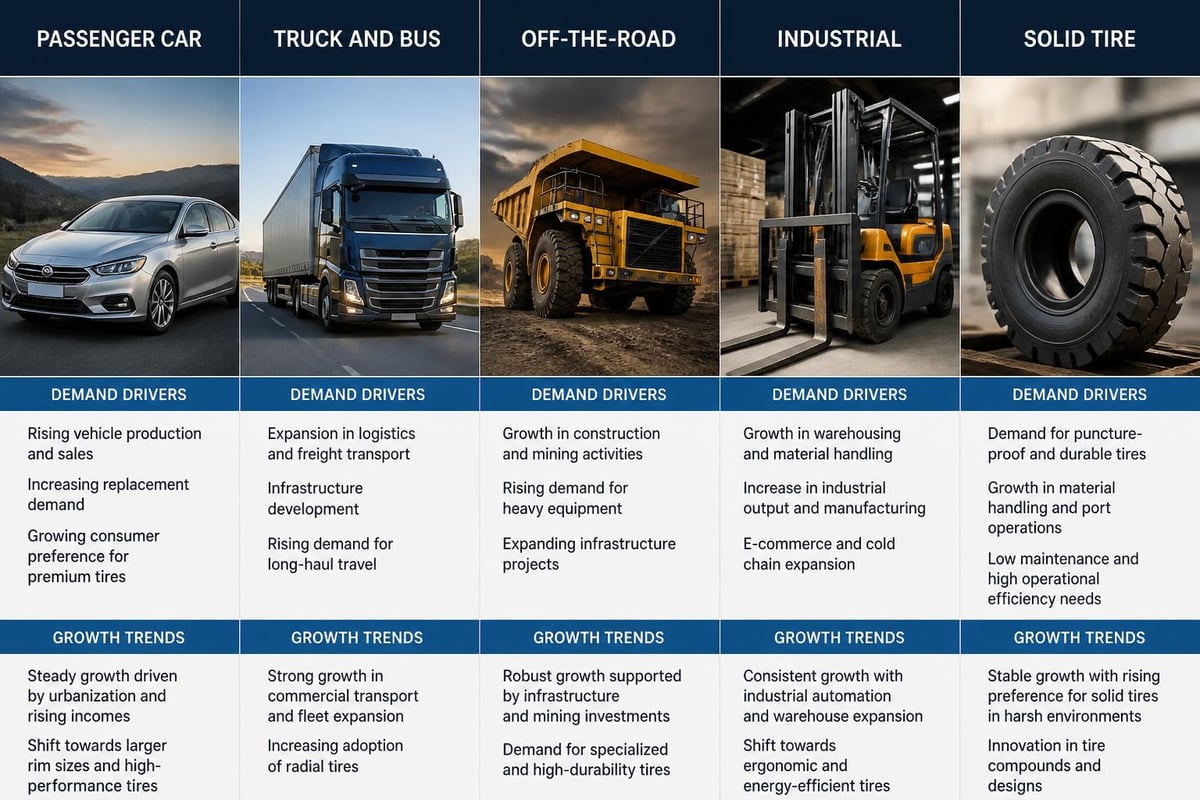
Wholesale tires encompass multiple product categories, each with distinct demand patterns and profit margins:
- Passenger car radial (PCR) tires for sedans, crossovers, and SUVs
- Truck and bus radial (TBR) tires for commercial fleets
- Off-The-Road (OTR) tires for mining, construction, and agriculture
- Industrial specialty tires for forklifts, material handling, and specialty vehicles
- Solid tires for demanding warehouse and manufacturing environments
The commercial segment continues to show robust growth, driven by expanding e-commerce logistics, infrastructure development across emerging markets, and fleet modernization initiatives. Distributors who diversify their wholesale tires portfolio across multiple segments typically achieve more stable revenue streams and reduced vulnerability to sector-specific downturns.
Geographic Considerations in Sourcing
Thailand has emerged as a significant manufacturing hub for quality wholesale tires, offering distributors an attractive combination of competitive pricing, established quality control systems, and proximity to high-growth Asian markets. Manufacturers in the region have invested heavily in European and American certification standards, including DOT, ECE, and ISO compliance, making their products viable for global distribution.
When evaluating wholesale tire suppliers from any geography, distributors should assess:
| Factor | Key Considerations | Impact on Business |
|---|---|---|
| Certification compliance | DOT, ECE, ISO, REACH standards | Market access and liability protection |
| Production capacity | Monthly output, scalability potential | Ability to meet growing orders |
| Quality consistency | Batch testing protocols, defect rates | Customer retention and warranty costs |
| Logistics infrastructure | Port proximity, container availability | Lead times and shipping costs |
| Payment terms | Credit facilities, deposit requirements | Working capital management |
Developing Effective Sourcing Strategies
Successful wholesale tire distributors recognize that sourcing represents far more than simply finding the lowest price. The most profitable operations build strategic partnerships with manufacturers who align with their market positioning and can support long-term growth objectives.
Direct Factory Relationships vs. Trading Companies
Distributors face a fundamental choice between sourcing wholesale tires directly from manufacturers or working through trading intermediaries. Direct relationships with factories like OTR TIRE THAI typically offer better pricing, more transparent quality control, and stronger collaboration on product development. However, they require higher minimum order quantities and more significant upfront commitment.
Trading companies provide flexibility and product variety but add margin layers that compress distributor profitability. For new entrants or those testing market segments, traders offer valuable testing ground. Established distributors with predictable volume typically migrate toward direct factory partnerships to maximize margins.
Quality Verification Protocols
Implementing rigorous quality verification processes protects distributors from costly warranty claims and reputation damage. Effective protocols include:
- Factory audits conducted by independent third parties or internal quality teams
- Pre-shipment inspections examining random samples from each production batch
- Performance testing validating key specifications like load rating, speed index, and tread wear
- Documentation review confirming certification authenticity and regulatory compliance
- Pilot programs introducing new wholesale tire lines with limited initial inventory
Research from arXiv on operational modal analysis demonstrates how advanced testing methods can identify potential tire performance issues before products reach the market, offering wholesalers additional quality assurance tools.
Building Competitive Distribution Operations
Once sourcing relationships are established, operational excellence determines which distributors thrive versus merely survive. The wholesale tire business demands sophisticated logistics, inventory management, and customer service capabilities.
Inventory Management Best Practices
Wholesale tire inventory represents significant capital investment and storage costs. Sophisticated distributors employ data-driven approaches to optimize stock levels:
Fast-moving categories like popular PCR sizes for regional vehicle fleets receive aggressive stocking with multiple replenishment cycles monthly. Slower-moving specialty items like specific OTR patterns are managed through just-in-time ordering or customer-specific procurement.
Seasonal patterns significantly impact wholesale tires demand. Winter tire inquiries spike in late summer and early fall as dealers prepare for cold-weather months. Agricultural tire needs peak during planting and harvest seasons. Smart distributors build these cyclical patterns into forecasting models and adjust safety stock accordingly.
Logistics and Delivery Networks
Distribution speed and reliability create competitive differentiation in commodity markets. Companies like Endica Distribution have built their market position on fast, free delivery capabilities that reduce dealer downtime and inventory carrying costs.
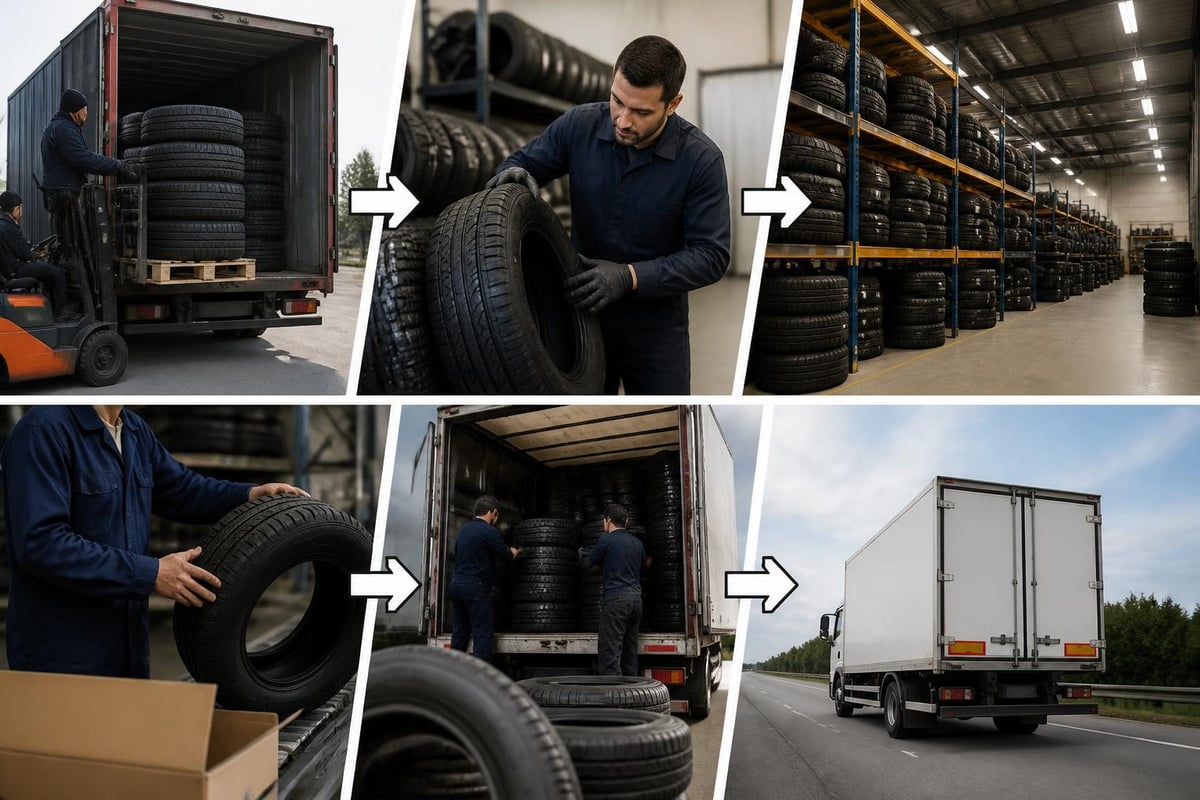
Effective logistics strategies for wholesale tires include:
- Regional distribution centers positioned to reach major markets within 24-48 hours
- Cross-docking facilities that reduce handling costs for high-volume products
- Fleet optimization balancing owned vehicles versus third-party carriers based on route density
- Technology integration providing customers with real-time order tracking and delivery windows
The physical characteristics of tires-bulky, heavy, and requiring careful handling to prevent damage-make logistics particularly challenging. Distributors who master these operational complexities gain sustainable competitive advantages.
Pricing Strategies and Margin Management
Wholesale tire pricing requires balancing multiple competing pressures: manufacturer costs, competitive positioning, customer expectations, and internal margin targets. Successful distributors develop sophisticated approaches that maximize profitability while maintaining market competitiveness.
Cost-Plus vs. Market-Based Pricing
Traditional cost-plus pricing starts with landed cost (product price plus freight, duties, and logistics) and adds fixed margin percentages. This approach ensures consistent profitability but may leave money on the table for high-demand products or price distributors out of competitive segments.
Market-based pricing examines competitor offerings and sets prices based on perceived value and competitive dynamics. This strategy maximizes revenue potential but requires constant market monitoring and can create margin volatility.
Most successful wholesale tire distributors employ hybrid approaches: cost-plus pricing establishes margin floors while market analysis identifies opportunities for premium pricing on differentiated products or services.
Volume Discount Structures
Creating effective volume discount tiers incentivizes larger orders while protecting margins:
| Order Volume | Discount Level | Strategic Purpose |
|---|---|---|
| 1-50 units | Base pricing | Accommodates small dealers, testing customers |
| 51-200 units | 3-5% discount | Encourages container consolidation |
| 201-500 units | 6-9% discount | Rewards committed partners, improves inventory turns |
| 501+ units | 10-12% discount | Locks in large fleet contracts, maximizes factory efficiency |
For specialized wholesale tires like semi truck tires from Thailand, which cover steer, drive, and trailer positions with features like stone ejectors for durability and low-rolling-resistance compounds for fuel efficiency, premium pricing often reflects the documented total cost of ownership advantages these products deliver to end users.
Marketing and Customer Acquisition
Despite operating in B2B channels, successful wholesale tire distributors increasingly adopt sophisticated marketing strategies previously associated with consumer brands. Building awareness, demonstrating expertise, and creating trust drive customer acquisition and retention.
Content Marketing and Educational Resources
Tire dealers face constant pressure to stay current on product innovations, application requirements, and service techniques. Distributors who provide valuable educational content position themselves as trusted partners rather than transactional vendors.
Effective content initiatives include:
- Technical specification guides helping dealers match wholesale tires to specific applications
- Installation and maintenance videos reducing warranty claims through proper handling
- Market trend reports providing dealers with competitive intelligence for their own sales efforts
- Application case studies documenting real-world performance in specific industries or conditions
This educational approach builds dealer loyalty and creates barriers to competitive switching based solely on price.
Digital Presence and E-Commerce Capabilities
While personal relationships remain important in wholesale tire distribution, digital capabilities increasingly separate market leaders from followers. Modern distributors provide:
- Online product catalogs with detailed specifications, certifications, and inventory availability
- E-commerce ordering systems enabling 24/7 order placement and account management
- Mobile apps allowing dealers to check inventory and place urgent orders from service bays
- Integration capabilities connecting distributor systems with dealer management software
Companies like USA Wheel & Tire Outlet have built national reach partly through robust digital infrastructure that makes ordering and tracking as simple as consumer e-commerce while maintaining the specialized support B2B customers require.
Quality Assurance and Warranty Management
Product quality represents the foundation of sustainable wholesale tire distribution. While competitive pricing attracts initial orders, consistent quality and responsive warranty support determine long-term success.
Implementing Quality Control Systems
Distributors cannot solely rely on manufacturer quality claims. Implementing independent verification protects both business reputation and financial performance:
Incoming inspection protocols examine sample tires from each shipment for specification compliance, visual defects, and proper marking. Performance testing on representative samples validates key claims around load capacity, speed rating, and tread compound characteristics.
Documentation systems track quality metrics by manufacturer, production batch, and product line. This data identifies emerging issues before they become widespread problems and provides objective evidence for manufacturer discussions about quality concerns.
Warranty Program Design
Thoughtful warranty programs balance customer protection with financial sustainability:
- Manufacturer warranties transferred to end users with distributor administration
- Distributor-backed extended coverage for premium products or strategic accounts
- Prorated adjustments based on tread wear for premature failures
- Rapid replacement programs minimizing dealer downtime for quality-related issues
Clear warranty terms and efficient claims processing transform potential customer service problems into relationship-strengthening opportunities. Distributors who handle warranty issues professionally build dealer confidence that encourages specification of their wholesale tires over competitors.
Industry Trends Shaping Future Success
The wholesale tire industry continues evolving in response to technological advancement, regulatory changes, and shifting customer expectations. Forward-thinking distributors position themselves ahead of these trends rather than reacting to them.
Sustainability and Environmental Regulations
Environmental concerns increasingly influence wholesale tire specifications and business practices:
- Low rolling resistance compounds reducing fleet fuel consumption and emissions
- Sustainable materials incorporating recycled content and renewable resources
- Extended tread life reducing replacement frequency and disposal volumes
- Retreading programs for commercial tires extending casing life and reducing raw material consumption
Distributors who understand and communicate these environmental benefits help dealers serve increasingly sustainability-focused fleet customers. Companies like Parrish Tire Company emphasize their commitment to environmental responsibility as part of their value proposition.
Technology Integration in Tire Management
Smart tire technology and fleet telematics create new opportunities for wholesale tire distributors:
Tire pressure monitoring systems (TPMS) integration requires distributor knowledge of sensor compatibility and programming. Predictive maintenance platforms using tire sensor data to forecast replacement needs enable distributors to proactively approach fleet customers with timely offers.
Distributors who develop expertise in these technologies transition from product vendors to fleet efficiency partners, creating stickier customer relationships and justifying premium pricing for value-added services beyond the wholesale tires themselves.
Global Supply Chain Diversification
Recent disruptions have driven many distributors to diversify their supply base geographically. Rather than concentrating purchases with single-country manufacturers, sophisticated buyers establish relationships across multiple regions:
- Asian manufacturers providing competitive pricing and improving quality
- European producers offering premium performance and brand heritage
- North American factories ensuring supply security and reduced lead times
This diversification strategy balances cost optimization with risk management, ensuring wholesale tire availability even when specific regions face production or logistics challenges.
Financial Management for Wholesale Tire Businesses
Strong operational execution must be supported by sound financial management to build sustainable, profitable wholesale tire distribution businesses.
Working Capital Optimization
The wholesale tire business requires significant working capital to fund inventory and extend payment terms to dealer customers. Efficient management of this capital determines return on investment:
Inventory financing through manufacturer payment terms, bank lines of credit, or specialized inventory lenders reduces the cash required to stock adequate selection. Account receivable management including credit checks, payment term structures, and collection processes balances competitive payment terms with cash flow needs.
Cash conversion cycle analysis measuring the time between paying suppliers and collecting from customers identifies opportunities to improve capital efficiency without sacrificing competitive positioning.
Profitability Analysis by Segment
Not all wholesale tire categories deliver equal profitability. Sophisticated distributors analyze gross margin, inventory turns, and warranty costs by product segment to optimize their portfolio:
| Product Category | Typical Gross Margin | Annual Inventory Turns | Warranty Rate | Net Profitability |
|---|---|---|---|---|
| Passenger Car | 15-20% | 8-12x | 0.5-1.0% | Moderate |
| Light Truck | 18-25% | 6-10x | 0.8-1.5% | High |
| Commercial Truck | 20-28% | 4-8x | 1.0-2.0% | High |
| OTR/Specialty | 25-35% | 2-6x | 1.5-3.0% | Variable |
This analysis reveals that highest gross margin products don't always deliver best net profitability when inventory carrying costs and warranty exposure are factored. Data-driven decisions about product mix optimize overall business profitability rather than maximizing any single metric.
Building Long-Term Competitive Advantages
As wholesale tire markets mature and competition intensifies, sustainable competitive advantages become increasingly important. Distributors who build defensible market positions enjoy better margins and more stable growth.
Specialized Market Expertise
Deep expertise in specific tire applications creates value that generic wholesalers cannot match. Distributors who specialize in agricultural tires understand planting and harvest cycles, soil conditions affecting tire selection, and the total cost of ownership calculations farmers use. This knowledge enables consultative selling that builds customer loyalty beyond price competition.
Similar specialization opportunities exist in construction, mining, port operations, and other industrial segments where application knowledge adds significant value to product distribution.
Brand Portfolio Strategy
Strategic distributors curate their wholesale tires portfolio to serve different market segments:
Premium international brands satisfy customers prioritizing proven performance and brand recognition, supporting higher margins through perceived value. Value-oriented factory brands compete effectively in price-sensitive segments while maintaining acceptable quality standards.
Private label programs developed with manufacturing partners create proprietary products that eliminate direct price comparison and build distributor brand equity. The key is matching each brand tier to specific customer segments rather than attempting to serve all buyers with a single positioning.
Service Differentiation
As products become increasingly commoditized, service excellence creates competitive separation:
- Technical support hotlines helping dealers solve application challenges
- Training programs building dealer staff expertise and confidence
- Marketing co-op funds supporting dealer promotional activities
- Fast emergency delivery for critical breakdowns minimizing customer downtime
These service elements cost money to provide but generate loyalty that protects margins and increases customer lifetime value.
Building a successful wholesale tire distribution business requires balancing multiple competing priorities: sourcing quality products at competitive prices, managing complex logistics and inventory, and delivering exceptional customer service that justifies your value in the supply chain. Whether you're establishing a new distribution operation or optimizing an existing business, partnering with a reliable manufacturer who understands distributor needs makes all the difference. OTR TIRE THAI combines manufacturing expertise across passenger, commercial, agricultural, industrial, and specialty tire categories with a proven commitment to distributor success in over 80 countries, offering the quality, consistency, and support your wholesale tire business needs to thrive in 2026 and beyond.
