
Blog
Best Rated Tire Brands: 2026 Manufacturer Guide
Aug
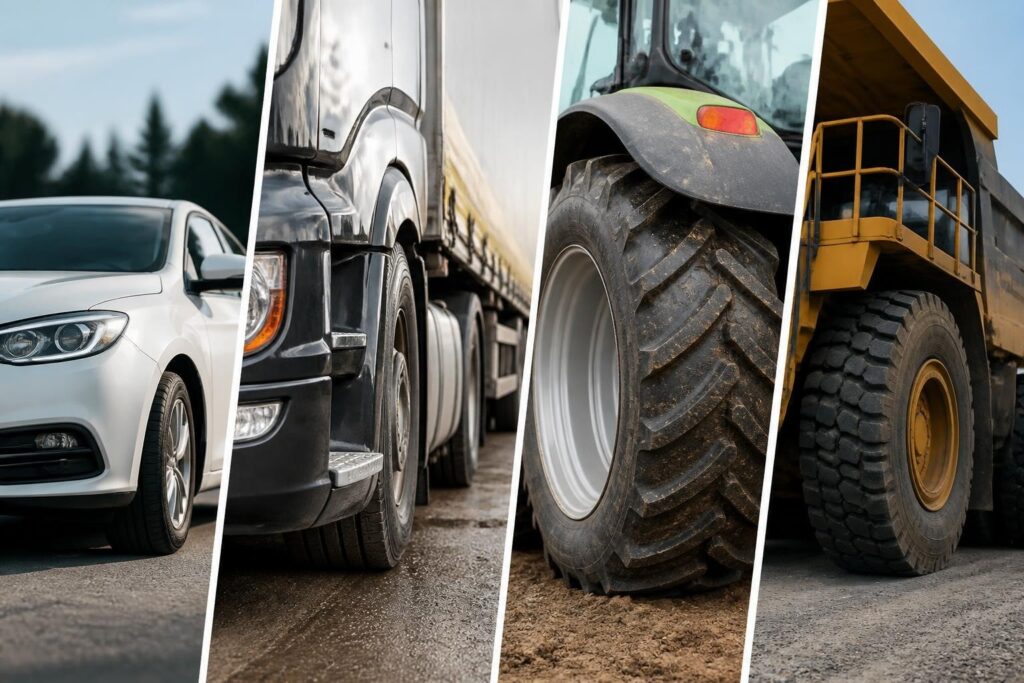
Selecting the right tires for your fleet, distribution network, or retail operation requires understanding which manufacturers consistently deliver quality, performance, and value. The tire industry has evolved significantly, with established brands facing competition from emerging manufacturers who have invested heavily in technology and quality control. This comprehensive guide examines the best rated tire brands across multiple segments, helping distributors, fleet managers, and procurement professionals make informed decisions based on performance data, industry certifications, and customer satisfaction metrics from 2026.
Understanding Tire Brand Quality Standards
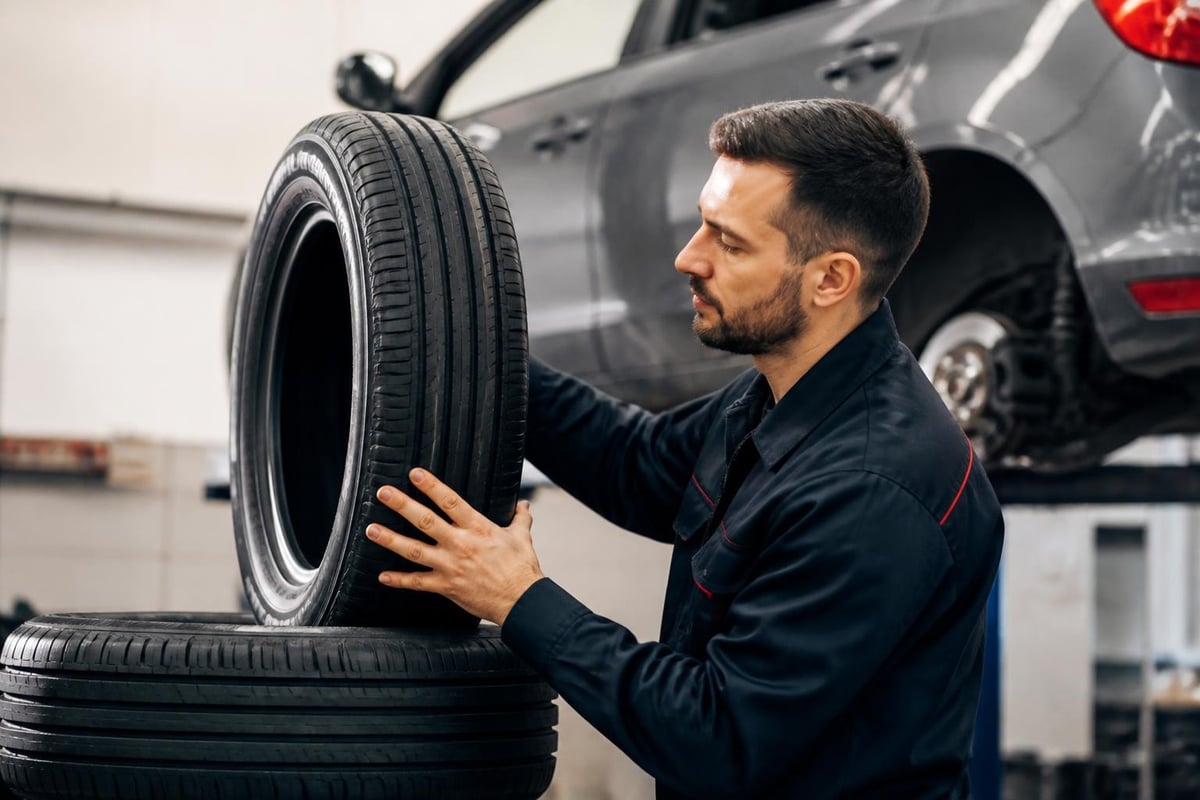
Quality ratings for tire manufacturers stem from multiple evaluation criteria. Independent testing organizations assess tread life, wet traction, dry handling, noise levels, and rolling resistance. Certification bodies like DOT (Department of Transportation), ECE (Economic Commission for Europe), and SmartWay verify compliance with safety and environmental standards.
Key Performance Metrics
When evaluating the best rated tire brands, industry professionals examine specific performance indicators:
- Tread life warranty coverage and actual mileage delivery
- Wet and dry traction scores from standardized tests
- Rolling resistance coefficients affecting fuel economy
- Load capacity ratings verified through stress testing
- Temperature resistance grades for various climates
- Noise level measurements in decibels
The gap between premium European brands and value-oriented Asian manufacturers has narrowed considerably. Modern production facilities in Thailand, Vietnam, and Indonesia now match European quality standards while offering competitive pricing structures.
Premium Tier Manufacturers
Several brands consistently rank at the top of industry evaluations. These manufacturers invest heavily in research and development, maintaining strict quality control protocols across their global production networks.
| Brand Category | Key Strengths | Target Applications | Price Position |
|---|---|---|---|
| European Premium | Advanced compounds, extensive R&D | Passenger luxury, high-performance | Premium |
| Japanese Premium | Reliability, longevity, innovation | All-season passenger, commercial | Premium |
| American Heritage | Truck tire expertise, wide distribution | Commercial fleet, passenger | Mid-Premium |
European Excellence
European tire manufacturers have built reputations on engineering precision and performance innovation. Their passenger car tires excel in wet weather conditions, which explains their dominance in markets with frequent rainfall. Their commercial truck divisions produce tires that prioritize fuel efficiency and retreadability, making them popular with large logistics operations focused on total cost of ownership.
These brands maintain research centers across multiple continents, testing new compounds in extreme conditions from Arctic cold to desert heat. The investment shows in their warranty programs, which often extend beyond industry standards.
Japanese Engineering Leadership
Japanese tire manufacturers emphasize consistency and durability. Their production philosophy focuses on eliminating defects through rigorous quality control rather than sorting good tires from bad ones. This approach has earned them strong loyalty among fleet operators who value predictable performance.
Their all-season passenger tires rank highly for balanced performance across multiple conditions. Commercial truck tire lines feature advanced casing designs that support multiple retreading cycles, extending service life substantially.
Value-Oriented Quality Brands
The best rated tire brands now include manufacturers from emerging production regions who have achieved international quality certifications while maintaining competitive pricing structures. Thailand has emerged as a particularly important production hub, with manufacturers investing in modern facilities and partnering with established international brands.
Asian Manufacturing Excellence
Thai tire manufacturers have transformed their quality positioning since 2020. Modern factories incorporate automated production lines, computerized quality inspection systems, and compound mixing technologies comparable to European facilities. Many have achieved ISO certifications, DOT approval, and ECE homologation across their product ranges.
Key advantages of Thai-manufactured tires include:
- Factory-direct pricing eliminating multiple distribution layers
- Modern production technology installed within the past five years
- Strategic partnerships with international brands for technology transfer
- Proximity to natural rubber sources ensuring material quality
- Government support for manufacturing excellence initiatives
Distribution partners report that Thai-manufactured tires deliver performance comparable to established brands at price points 20-30% lower, making them attractive for price-sensitive markets without compromising safety standards.
Commercial Truck Tire Segment
Commercial truck operations demand tires that balance initial cost, fuel efficiency, and total mileage delivery. The best rated tire brands in this segment focus on specific performance characteristics that drive return on investment.
Steer Position Requirements
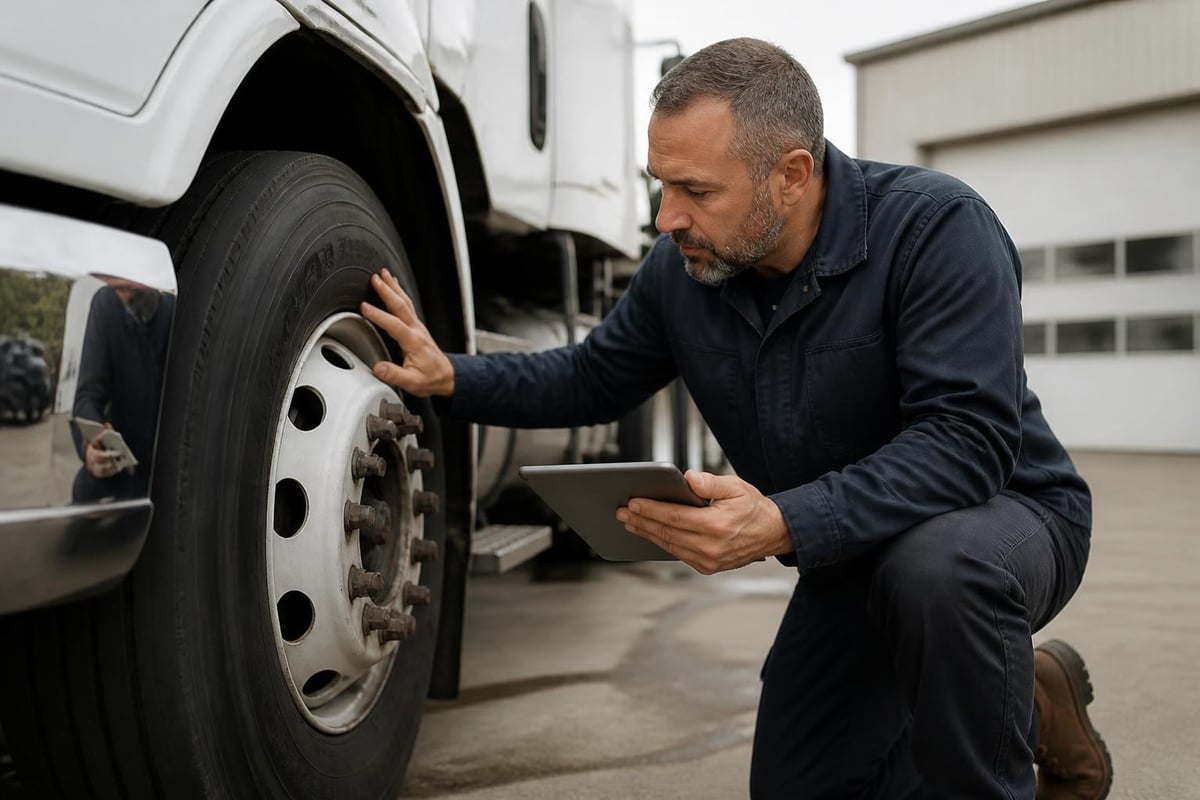
Steer tires require specific design characteristics. Five-rib patterns optimize straight-line stability, reducing driver fatigue on long hauls. Even wear distribution across the tread face extends service life and maintains handling predictability. Leading manufacturers use advanced silica compounds that maintain grip in wet conditions while minimizing rolling resistance.
For operations prioritizing durability and value, manufacturers offering wholesale commercial truck tires from Thailand have gained traction. These tires feature high-rib center patterns delivering precise straight tracking on city streets, with reinforced shoulder blocks that resist scuffing against curbs and loading docks. The tread compound is optimized for even wear distribution across the full service life, reducing replacement frequency.
Drive and Trailer Positions
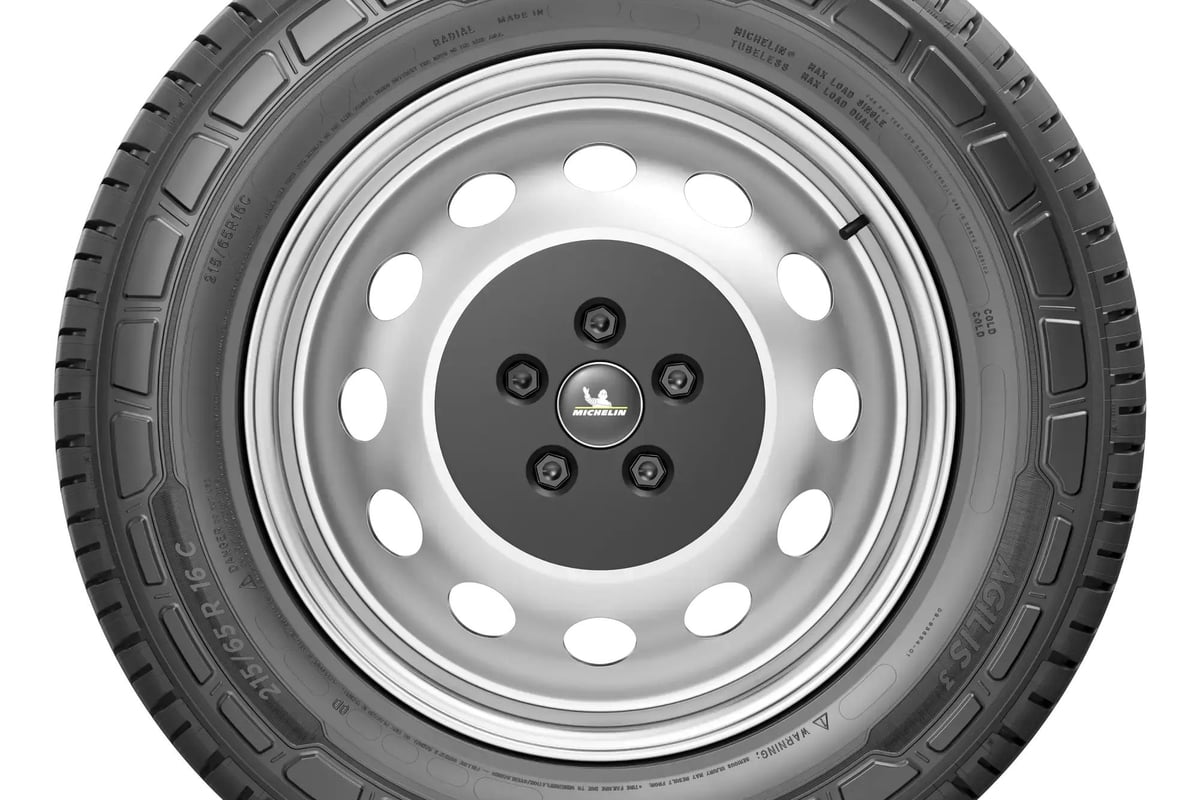
Drive position tires face the most demanding conditions, requiring deep tread patterns with aggressive lugs for traction and stone ejectors to prevent retention damage. Closed shoulder designs protect casing integrity while deep grooves evacuate water effectively.
Trailer tires emphasize fuel economy through low rolling resistance compounds. SmartWay-verified trailer tires can reduce fuel consumption by 3-5% compared to non-verified alternatives, generating significant savings across large fleets.
| Position | Primary Function | Key Features | Expected Mileage |
|---|---|---|---|
| Steer | Directional control, stability | Five-rib pattern, even wear | 120,000-150,000 |
| Drive | Traction, power transfer | Deep lugs, stone ejectors | 100,000-130,000 |
| Trailer | Fuel efficiency, load capacity | Low rolling resistance | 150,000-200,000 |
Passenger and Light Truck Categories
Consumer tire ratings reflect different priorities than commercial applications. Comfort, noise levels, and appearance factors influence satisfaction alongside traditional performance metrics.
All-Season Versatility
The best rated tire brands in the passenger segment offer all-season compounds that perform adequately in diverse conditions without requiring seasonal changeovers. Modern all-season tires use multi-compound treads with harder centers for longevity and softer shoulders for cornering grip.
Technology improvements have narrowed the performance gap between all-season and dedicated winter tires in moderate climates. Computer-optimized tread patterns reduce road noise significantly compared to designs from five years ago.
Performance and SUV Applications
High-performance passenger tires prioritize grip and handling response. These tires use softer compounds and asymmetric tread patterns optimized for cornering forces. Trade-offs include shorter tread life and higher noise levels.
SUV and light truck tires must balance on-road comfort with off-road capability. Highway terrain patterns emphasize fuel efficiency and quiet operation for daily driving. All-terrain designs incorporate larger tread blocks and reinforced sidewalls for occasional unpaved use. Mud-terrain tires feature aggressive open patterns for serious off-road applications.
Specialty and Industrial Segments
Agricultural, construction, and material handling operations require specialized tire designs. The best rated tire brands in these segments understand unique application demands.
Agricultural Tire Innovation
Modern agricultural tires use innovations like increased flexion (IF) and very high flexion (VF) technologies. These designs allow lower inflation pressures that reduce soil compaction while carrying equivalent loads. Lug patterns are optimized for specific soil conditions, with narrower spacing for hard surfaces and wider spacing for muddy fields.
Radial construction has become standard in agricultural tires, offering longer service life, better fuel economy, and improved ride comfort compared to bias-ply alternatives. Premium manufacturers warrant agricultural radials for up to ten years, reflecting confidence in durability.
Forklift and Industrial Applications
Material handling operations require tires that withstand constant stop-and-go cycles, heavy loads, and abrasive surfaces. Solid tires eliminate puncture concerns in environments with metal debris or sharp objects. Pneumatic industrial tires offer cushioning for operations prioritizing load protection or operator comfort.
Industrial tire selection factors:
- Operating surface characteristics and debris presence
- Load weights and distribution patterns
- Operating hours per day and shift intensity
- Indoor versus outdoor environmental exposure
- Maintenance capability and replacement logistics
Premium industrial tire brands engineer compounds specifically for heat dissipation during continuous operation. Sidewall reinforcements prevent damage from impact with racking or dock edges.
Off-The-Road and Mining Applications
OTR tires represent the most demanding segment, with individual tires costing tens of thousands of dollars. Performance directly impacts production efficiency in mining, quarrying, and large construction operations.
Construction and Earthmoving
Loader and dozer tires must resist cuts from sharp rocks while providing traction in loose materials. L-series tires feature deep, self-cleaning treads that maintain grip in mud and soft soil. E-series designs prioritize cut resistance and stability for hard surface applications.
Articulated dump truck tires balance load capacity with heat dissipation. Operations running multiple shifts demand tires that maintain structural integrity despite continuous high loads and speeds. Premium OTR brands use steel-belted radial construction with heat-resistant compounds.
Mining Operations
Mining tires operate under extreme conditions with rock sizes that would destroy passenger tires instantly. The best rated tire brands in this segment invest heavily in compound development and casing engineering. Advanced monitoring systems track tire temperatures, pressures, and wear rates to optimize replacement timing.
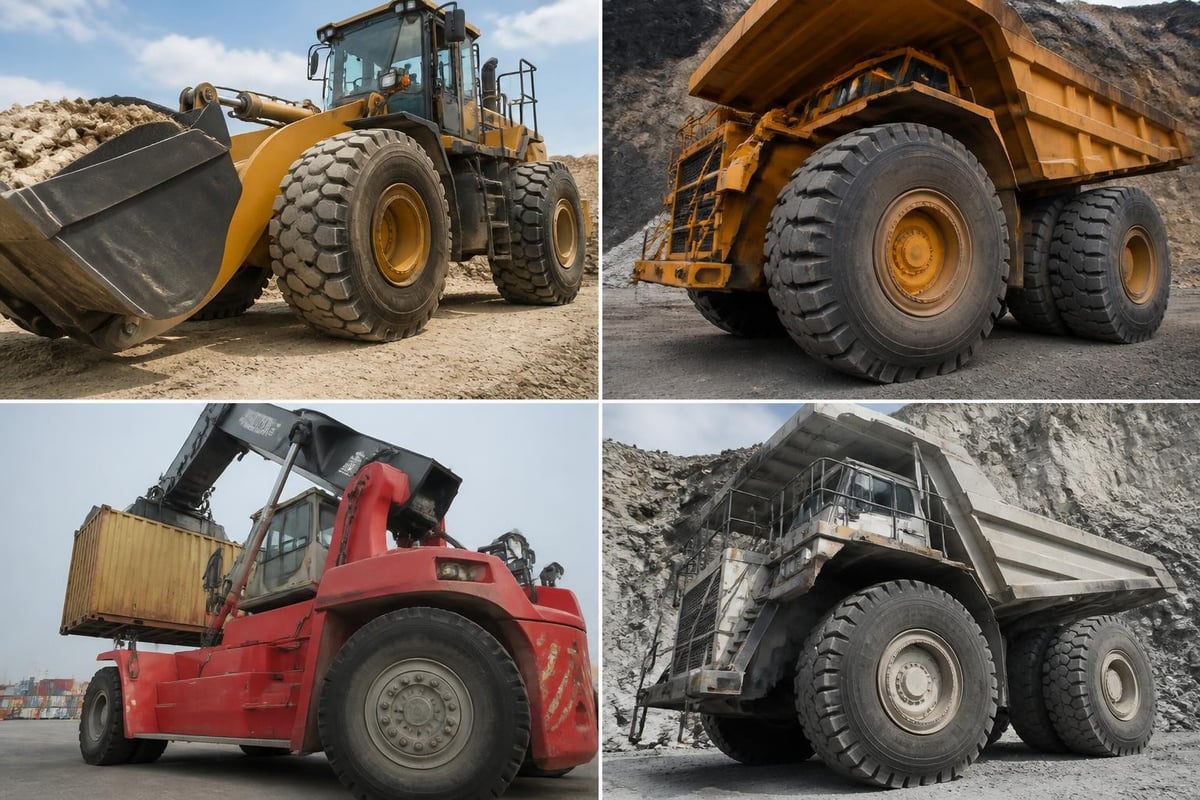
Radial OTR tires have gained market share from bias alternatives due to cooler operation, longer life, and better fuel economy. Initial cost premiums are offset by extended service intervals and reduced downtime.
| OTR Category | Typical Diameter | Load Range | Operating Speeds | Primary Challenge |
|---|---|---|---|---|
| Loader | 25-35 inches | 20-40 tons | 20-30 mph | Rock penetration |
| Articulated Dump | 29-33 inches | 30-50 tons | 30-40 mph | Heat buildup |
| Rigid Dump | 40-63 inches | 60-400 tons | 15-40 mph | Load distribution |
| Grader | 20-24 inches | 15-25 tons | 25-35 mph | Side thrust forces |
Emerging Technologies and Future Trends
The tire industry continues evolving with new materials, manufacturing processes, and design approaches. The best rated tire brands invest in technologies that will define the next generation of products.
Sustainable Materials
Natural rubber alternatives derived from dandelions, guayule, and synthetic processes are entering production. These materials address supply chain concerns while potentially improving performance characteristics. Silica from rice husks and recycled materials reduce environmental impact without compromising quality.
Manufacturers are developing tires with higher percentages of renewable and recycled content. Several brands have announced targets to produce tires from 100% sustainable materials by 2030, though performance validation continues.
Smart Tire Technology
Embedded sensors monitor tire pressure, temperature, and tread depth in real time. Fleet management systems integrate this data to optimize maintenance schedules and prevent failures. Premium manufacturers offer connectivity options that alert drivers to developing issues before they cause downtime.
Predictive analytics use tire sensor data combined with route information to forecast replacement needs. This allows operations to schedule tire changes during planned maintenance windows rather than responding to emergencies.
Airless Tire Development
Non-pneumatic tire designs eliminate puncture concerns and maintenance requirements. Current airless tires target low-speed applications like material handling and lawn equipment. Manufacturers are working to overcome heat dissipation and ride quality challenges that prevent highway use.
Several major brands have demonstrated airless passenger car tires capable of highway speeds, though commercial availability remains years away. The technology shows particular promise for autonomous vehicles where maintenance elimination adds significant value.
Certification and Compliance Standards
International tire sales require compliance with regional safety and environmental regulations. The best rated tire brands maintain certifications across multiple jurisdictions, simplifying global distribution.
Regional Regulatory Requirements
DOT certification is mandatory for tire sales in the United States. The marking indicates compliance with Federal Motor Vehicle Safety Standards, including strength, endurance, and labeling requirements. ECE homologation allows tire sales across European Union member states and many other countries recognizing ECE standards.
Major certification frameworks include:
- DOT (United States)
- ECE (Europe and affiliated countries)
- CCC (China Compulsory Certification)
- INMETRO (Brazil)
- Gulf Standards for GCC countries
Smart manufacturers pursue multiple certifications during initial product development rather than adapting existing designs for different markets. This approach reduces time to market and ensures consistent performance across regions.
Environmental Standards
EPA SmartWay verification identifies tires meeting rolling resistance thresholds for improved fuel economy. Commercial truck fleets increasingly specify SmartWay tires to meet corporate sustainability commitments and reduce operating costs.
European tire labels display rolling resistance, wet grip, and noise ratings directly on products. This transparency allows buyers to compare environmental and performance characteristics across brands. Similar labeling requirements are expanding to other regions.
Distributor and Fleet Considerations
Selecting tire brands involves factors beyond individual product performance. Supply chain reliability, technical support, and warranty administration significantly impact total cost of ownership.
Supply Chain Reliability
Consistent product availability prevents costly downtime. The best rated tire brands maintain adequate inventory across distribution channels and communicate proactively about supply constraints. Direct relationships with manufacturers provide visibility into production schedules and allocation priorities.
Regional warehousing reduces lead times and freight costs. Manufacturers with strategically located distribution centers can deliver orders within days rather than weeks, minimizing working capital tied up in safety stock.
Technical Support Services
Quality manufacturers provide training on proper tire selection, installation, and maintenance. Technical representatives help optimize tire specifications for specific applications, improving performance and longevity. Access to engineering support becomes critical when addressing unusual failures or developing custom solutions.
Warranty administration reflects a manufacturer's commitment to quality. Straightforward claims processes and fair adjustment policies build confidence in product reliability. Some premium brands offer prorated warranties based on remaining tread depth rather than arbitrary time or mileage limits.
Choosing among the best rated tire brands requires balancing performance requirements, budget constraints, and operational priorities specific to your applications. Whether you need passenger car tires, commercial truck solutions, or specialized industrial products, focus on manufacturers with proven quality certifications, reliable supply chains, and responsive technical support. OTR TIRE THAI manufactures premium quality tires across all major segments at wholesale prices, serving distributors in over 80 countries with DOT and ECE certified products backed by comprehensive technical support. Contact our team to discuss your specific tire requirements and discover how our Thailand-manufactured solutions deliver international quality at competitive pricing.
