
Blog
Good Tire Brands: 2026 Performance & Value Guide
Aug
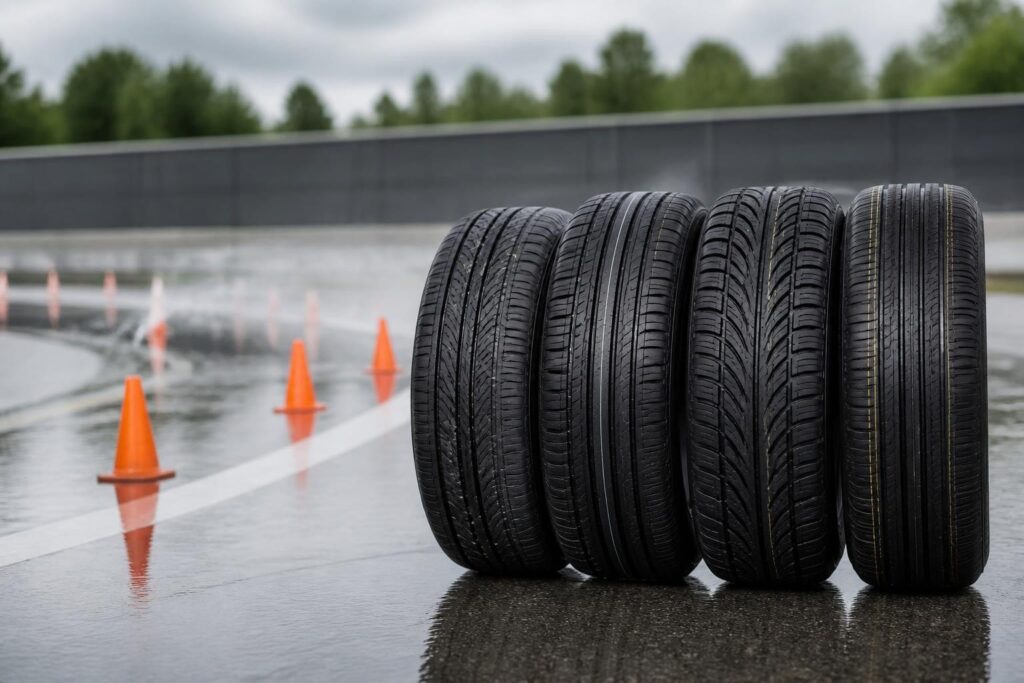
Choosing the right tire brand can mean the difference between confident driving and costly replacements. With hundreds of manufacturers competing globally, identifying good tire brands requires understanding which companies consistently deliver safety, longevity, and performance across different vehicle categories. This comprehensive guide examines the industry's leading brands, testing methodologies, and how manufacturers differentiate themselves in 2026's competitive tire market.
What Defines Good Tire Brands in 2026
Performance consistency across diverse conditions separates exceptional tire brands from average manufacturers. The best brands invest heavily in research and development, producing tires that excel in multiple testing categories simultaneously.
Core Performance Metrics That Matter
Braking distance on wet pavement remains the single most critical safety metric. Good tire brands consistently achieve stopping distances under 150 feet from 60 mph on wet surfaces, while inferior brands may require 180 feet or more. That 30-foot difference can prevent accidents.
Tread life expectancy directly impacts total cost of ownership. Premium brands typically deliver 60,000 to 80,000 miles on passenger car tires, while budget alternatives may wear out at 40,000 miles. When evaluating good tire brands, calculating cost per mile provides better value assessment than initial purchase price alone.
| Performance Category | Premium Brand Standard | Mid-Range Standard | Budget Standard |
|---|---|---|---|
| Wet Braking (60-0 mph) | 135-145 feet | 145-160 feet | 160-180 feet |
| Tread Life | 70,000+ miles | 50,000-65,000 miles | 35,000-50,000 miles |
| Rolling Resistance | Low (fuel efficient) | Moderate | Higher |
| Snow Traction Rating | Excellent | Good | Fair to Good |
Premium Tier: Brands That Set Industry Standards
Three European brands have dominated independent testing for decades. Michelin, Continental, and Bridgestone consistently rank among good tire brands in professional evaluations worldwide.
Michelin's engineering philosophy prioritizes longevity without sacrificing grip. Their silica-based tread compounds maintain flexibility across temperature ranges, delivering strong wet traction even as tires age. Consumer Reports testing of 129 tire models regularly places Michelin at the top for overall performance balance.
Continental excels in wet weather performance, particularly in European markets where rain-soaked roads challenge tire design. Their proprietary rubber compounds contain high silica content that enhances water evacuation through tread grooves. The German brand also leads in original equipment manufacturer partnerships, supplying tires for luxury vehicle production lines.
Japanese Engineering Excellence
Bridgestone and Yokohama represent Japan's contribution to good tire brands. Bridgestone's global research network produces innovations like run-flat technology and fuel-efficient compounds now adopted industry-wide. Their Potenza line serves performance enthusiasts, while Turanza targets comfort-oriented drivers.
Yokohama focuses on specialized applications, excelling in ultra-high-performance summer tires. Their Advan series competes in motorsports, with technology trickling down to consumer products. Independent testing reveals Yokohama tires often outperform price expectations, delivering premium-level grip at mid-range pricing.
Mid-Range Excellence: Value Without Compromise
Several brands occupy the sweet spot between premium pricing and budget limitations. These good tire brands deliver 85-90% of premium performance at 60-70% of the cost.
Goodyear maintains strong market presence through extensive distribution networks and consistent quality. Their Assurance line provides reliable all-season performance for family vehicles, while Eagle targets performance applications. Recent industry analysis shows Goodyear adapting to market pressures while maintaining quality standards.
Hankook and Kumho represent South Korea's tire manufacturing strength. Both brands invest substantially in motorsports partnerships and technology development. Hankook supplies original equipment to major automakers, demonstrating confidence in their engineering capabilities. Kumho's Ecsta line provides weekend track enthusiasts with affordable high-performance options.
Emerging Market Manufacturers
Thai tire manufacturers have elevated quality standards to compete internationally. These good tire brands focus on commercial and specialty applications where durability matters more than brand prestige.
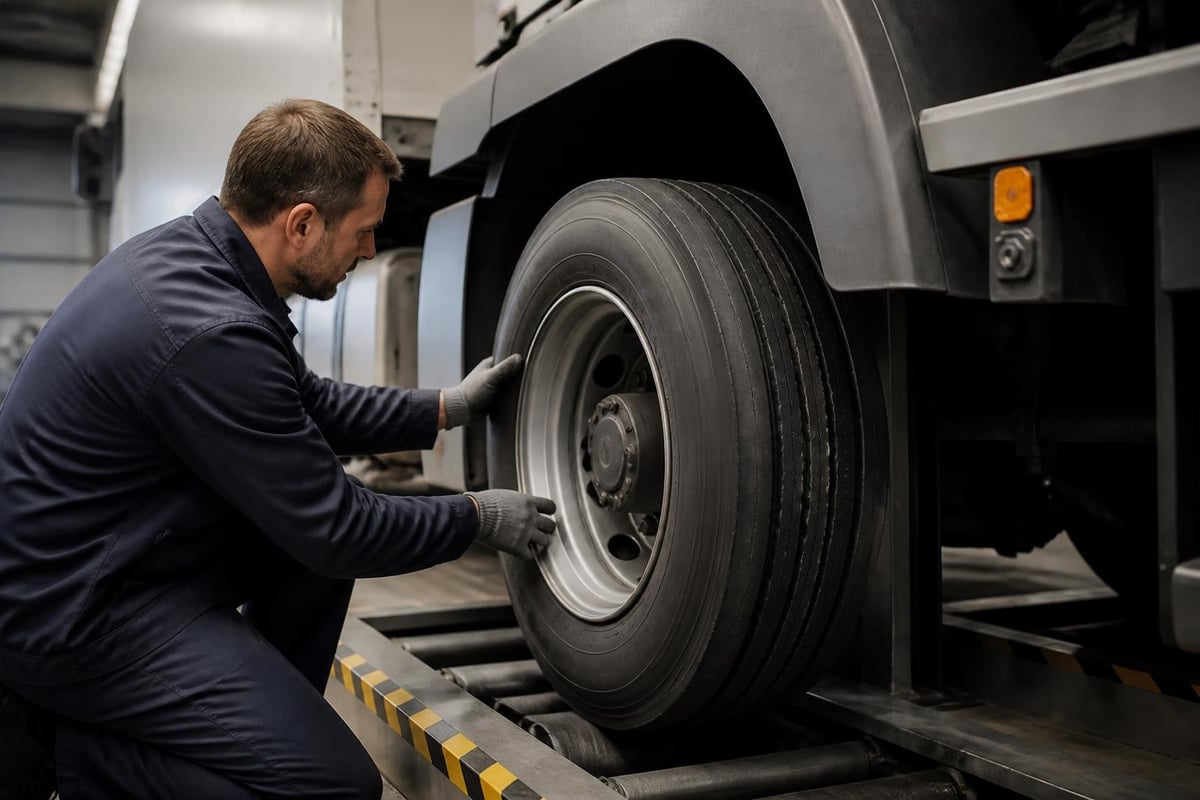
Agricultural tire segments particularly benefit from manufacturers who understand regional farming conditions. Semi truck tires manufactured in Thailand now meet DOT and ECE certifications while offering wholesale pricing that makes fleet operators take notice. The combination of international quality standards with competitive pricing positions these manufacturers as serious alternatives for commercial applications.
Specialty Categories and Brand Leadership
Different vehicle types demand specialized tire engineering. Good tire brands often excel in specific niches rather than attempting universal dominance.
Off-Road and All-Terrain Specialists
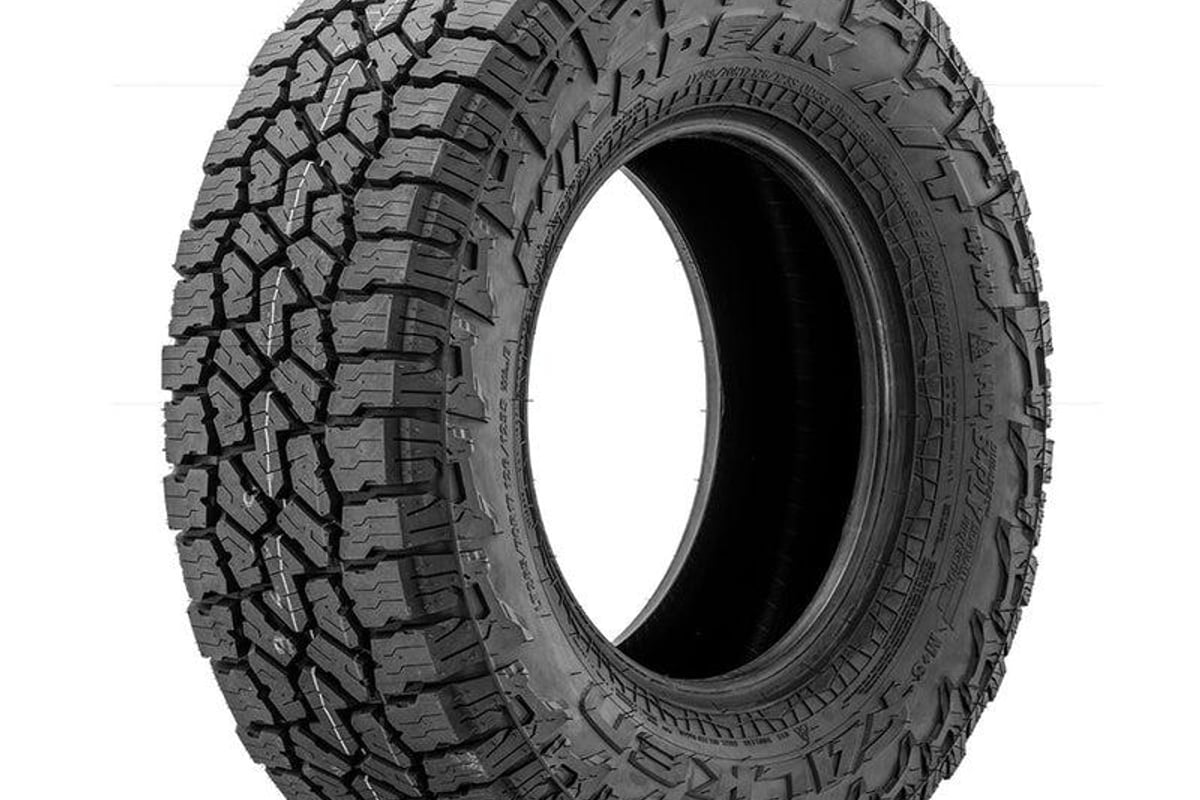
BFGoodrich built reputation on off-road capability. Their All-Terrain T/A KO2 remains the benchmark for light truck tires, balancing highway manners with trail competence. The aggressive tread pattern and thick sidewalls resist punctures on rocky terrain while maintaining reasonable road noise.
General Tire focuses exclusively on rugged applications. Their Grabber line serves overlanders and off-road enthusiasts who prioritize durability over refinement. Independent testing confirms these tires withstand abuse that would destroy typical passenger car rubber.
Winter Tire Excellence
Nokian dominates winter tire testing conducted in Scandinavian conditions. Finnish engineering produces tires that grip ice and packed snow better than any competitor. Their Hakkapeliitta line uses innovative stud patterns and rubber compounds engineered specifically for sub-freezing temperatures.
Blizzak technology from Bridgestone provides the strongest winter tire option from a major global brand. The multicellular compound grips ice through microscopic bite edges that remain effective throughout the tire's lifespan.
Testing Methodologies: How Brands Are Evaluated
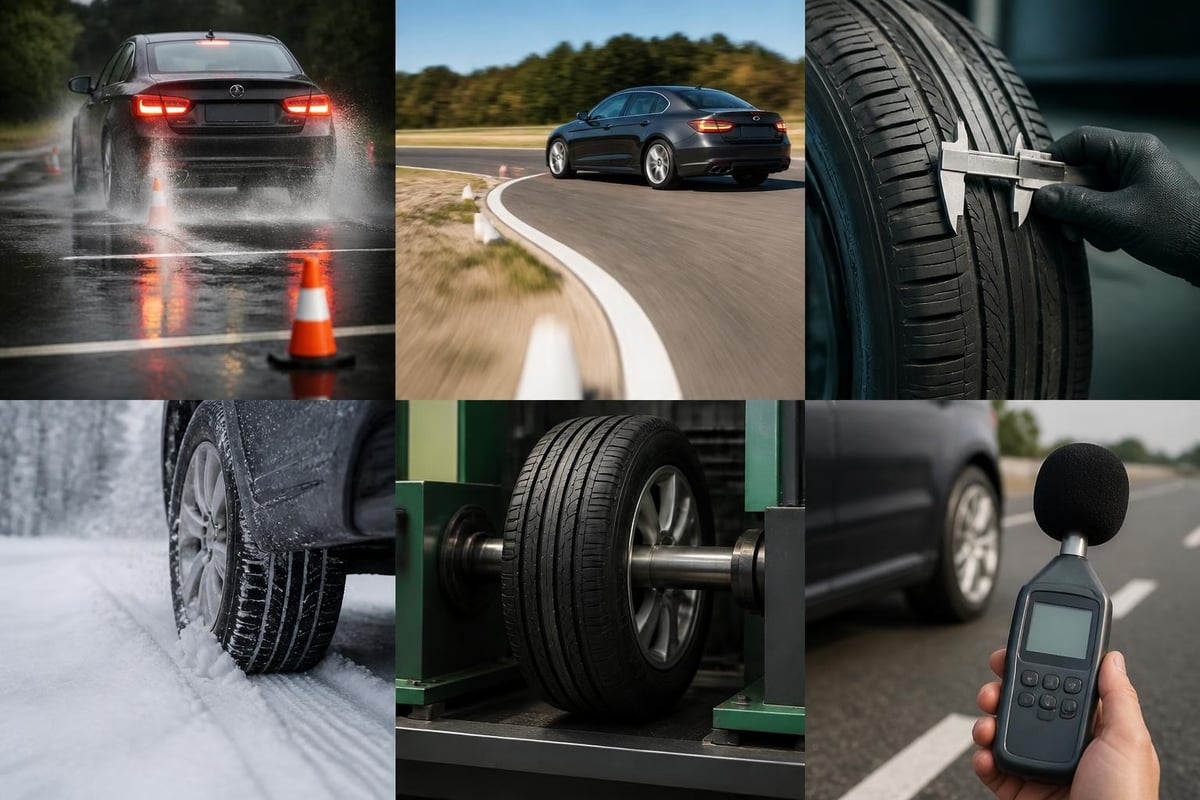
Independent testing organizations provide objective performance data that separates marketing claims from measurable results. Understanding these methodologies helps identify genuinely good tire brands.
ADAC’s 2026 summer tire testing evaluates dry braking, wet braking, handling characteristics, environmental impact, and overall value. The German automotive club's rigorous protocols reveal which brands earn "recommended" status across multiple criteria.
Consumer Testing Platforms
Tire Rack’s continuous testing program allows direct comparison between competing brands in identical conditions. Their instrumented vehicle testing measures objective performance data, while consumer surveys provide real-world feedback on noise, comfort, and longevity.
Key testing components include:
- Wet braking from 50 mph on standardized surfaces
- Dry handling through measured slalom courses
- Hydroplaning resistance at various speeds and water depths
- Snow traction on packed and loose surfaces
- Tread wear projections based on controlled mileage accumulation
- Noise levels measured in decibels at highway speeds
Brand Tier Comparison Across Applications
| Brand Category | Passenger Car Leaders | Light Truck Leaders | Commercial/Industrial Leaders |
|---|---|---|---|
| Premium | Michelin, Continental, Bridgestone | BFGoodrich, Goodyear, Michelin | Michelin, Bridgestone, Continental |
| Mid-Range | Goodyear, Hankook, Yokohama | General Tire, Falken, Toyo | Hankook, Kumho, regional specialists |
| Value | Cooper, Falken, Kumho | Cooper, Mastercraft, Hercules | Emerging Asian manufacturers |
| Specialty | Pirelli (performance), Nokian (winter) | Dick Cepek, Mickey Thompson | Agricultural & OTR specialists |
Manufacturing Innovation and Quality Control
Good tire brands distinguish themselves through manufacturing precision and quality assurance protocols. Modern tire production combines automated consistency with rigorous inspection processes.
Advanced mixing technologies ensure tread compounds maintain exact chemical ratios across production runs. Computerized building machines position steel belts and rubber layers with micron-level precision. These manufacturing standards directly impact tire uniformity, which affects ride comfort and wear patterns.
Certification and Standards Compliance
DOT certification in North America requires manufacturers meet minimum safety standards for tread depth, load capacity, and heat resistance. ECE certification adds European requirements for wet grip and rolling resistance. Good tire brands exceed these baseline standards, pursuing voluntary certifications that demonstrate superior performance.
Quality control extends beyond initial production. Leading manufacturers track warranty claims, analyze field failures, and continuously refine formulations. This feedback loop separates brands that improve iteratively from those that simply meet minimum specifications.
Regional Market Considerations
Geographic conditions influence which brands perform best in specific markets. Good tire brands adapt product lines to match regional climate, road conditions, and driving patterns.
North American markets favor larger tire sizes for trucks and SUVs, with emphasis on all-season capability. European preferences lean toward fuel efficiency and wet weather performance on smaller diameter wheels. Asian markets increasingly demand high-performance options as vehicle ownership expands.
Climate-Specific Engineering
Desert environments require UV-resistant sidewall compounds that resist cracking under intense sun exposure. Arctic conditions demand rubber formulations that remain pliable at -40°F. Tropical climates with heavy rainfall prioritize water evacuation and hydroplaning resistance.
Manufacturers targeting global distribution must engineer tires that perform adequately across climate zones, or develop regional product lines. Good tire brands typically pursue the latter strategy, optimizing designs for specific markets rather than creating compromised universal solutions.
Commercial Fleet Considerations
Fleet operators evaluate tire brands through different criteria than individual consumers. Total cost of ownership, retreadability, and consistent availability matter more than brand prestige.
Commercial truck tire selection balances initial purchase price against expected mileage and fuel economy impact. Premium brands justify higher costs through documented longer tread life and lower rolling resistance. Mid-range brands compete by offering acceptable performance at significantly reduced pricing.
Retread Programs and Sustainability
Leading commercial tire brands design casings specifically for multiple retreading cycles. A premium truck tire casing may support three to four retreads, extending total service life beyond 500,000 miles. This sustainability reduces both costs and environmental impact.
Retread compatibility varies significantly between brands. Good tire brands in the commercial segment engineer robust casings with standardized specifications that retread facilities can process efficiently. Poor casing integrity leads to rejection rates that negate initial savings.
Price-to-Performance Analysis
Understanding value requires comparing performance metrics against actual street pricing. Good tire brands deliver measurable performance advantages that justify premium costs, or provide acceptable capability at reduced prices.
A $200 premium tire that lasts 80,000 miles costs $2.50 per thousand miles. A $120 budget tire lasting 40,000 miles costs $3.00 per thousand miles. The premium tire also provides superior wet braking and fuel efficiency throughout its longer lifespan.
Seasonal Tire Economics
Dedicated winter tires from good tire brands provide dramatically superior cold-weather safety compared to all-season compromises. The incremental cost of maintaining separate winter and summer sets pays dividends in both performance and tire longevity, since each set operates in its optimal temperature range.

Making the Right Brand Choice
Tire selection should match driving conditions, performance priorities, and budget constraints. No single brand excels universally across all applications and price points.
Drivers in wet climates should prioritize brands with documented wet braking superiority. Those facing winter conditions benefit from dedicated winter tires from cold-weather specialists. Performance enthusiasts need brands that maintain grip under hard cornering and braking.
Commercial operators should request performance data specific to their operating conditions, including actual fleet mileage reports. Good tire brands provide this documentation willingly, confident their products withstand scrutiny.
Warranty Coverage Comparison
Tread life warranties vary significantly between brands and product lines. Premium brands typically offer 60,000 to 80,000-mile warranties, while budget alternatives may provide only 40,000 miles or no warranty at all.
Read warranty terms carefully. Some manufacturers prorate replacement costs linearly, while others use stepped depreciation schedules. Exclusions for improper inflation, alignment issues, or road hazards can void coverage entirely.
Future Trends in Tire Manufacturing
Sustainable materials and manufacturing processes increasingly differentiate good tire brands. Natural rubber alternatives, recycled materials, and reduced petroleum content appeal to environmentally conscious consumers and regulatory bodies.
Airless tire technology continues development, though widespread adoption remains years away. Current prototypes eliminate blowout risks but sacrifice ride comfort and add weight. Leading brands invest in this research while acknowledging current limitations.
Smart tire technology embedding sensors for pressure, temperature, and tread depth monitoring moves toward mainstream adoption. Premium brands integrate these systems with vehicle telematics, providing predictive maintenance alerts. This technology trickles down to mid-range brands as costs decrease.
Selecting from good tire brands requires balancing performance needs, budget constraints, and application-specific requirements. Whether prioritizing wet weather safety, winter traction, commercial durability, or off-road capability, leading manufacturers offer specialized solutions backed by independent testing and field-proven results. OTR TIRE THAI delivers premium quality across agricultural, industrial, commercial truck, and specialty tire categories, providing distributors worldwide with wholesale pricing on internationally certified products. Contact our team to discuss which tire solutions best match your market requirements and performance standards.
