
Blog
Tyre Brands: A Complete Guide for Industry Professionals
Aug
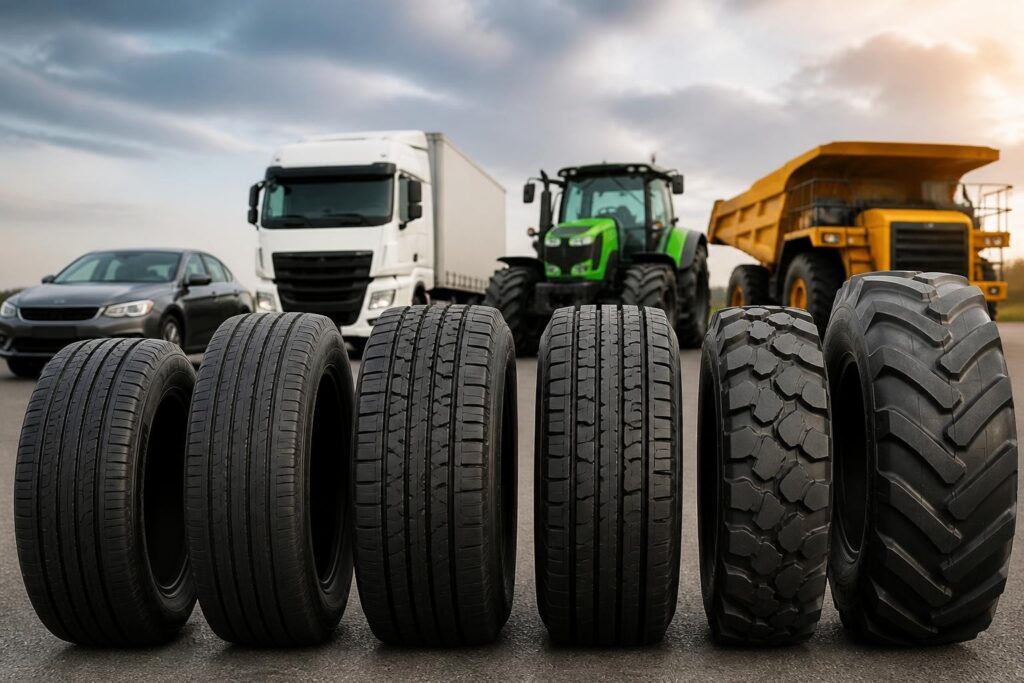
Selecting the right tyre brands for your fleet, distribution network, or procurement strategy requires understanding a complex marketplace shaped by innovation, regulation, and regional dynamics. The global tyre industry in 2026 encompasses household names with century-long histories alongside specialized manufacturers delivering targeted solutions for specific applications. Whether you're sourcing passenger car tyres, commercial truck products, or specialized industrial solutions, knowing how tyre brands position themselves across quality tiers, technology investments, and market segments enables smarter purchasing decisions and stronger partnerships.
The Global Tyre Brand Landscape
The worldwide tyre market remains highly concentrated among a small group of manufacturers while simultaneously featuring hundreds of regional and specialty players. According to the Global Tire Report 2025, the top fifteen manufacturers account for approximately seventy-five percent of total production volume, yet thousands of smaller brands serve niche markets and regional demands.
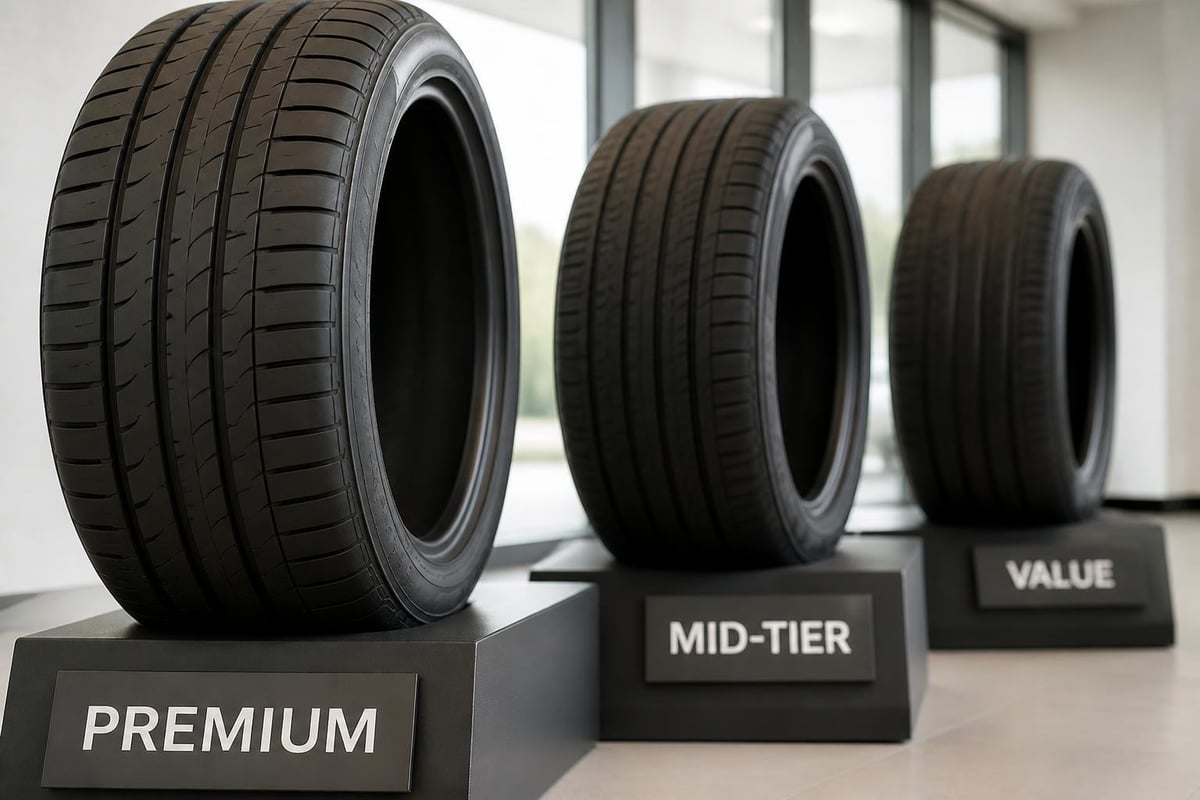
Premium-tier tyre brands typically invest three to five percent of revenue into research and development, maintaining proving grounds across multiple continents and employing teams of materials scientists. These brands command price premiums of twenty to forty percent over mid-tier competitors by emphasizing advanced compounds, noise reduction technology, and comprehensive warranty programs.
Mid-tier manufacturers focus on delivering reliable performance at competitive price points. Many operate as original equipment suppliers to automotive manufacturers while simultaneously building aftermarket presence. Their product development cycles mirror premium brands but with narrower model ranges and less aggressive marketing budgets.
Brand Classification by Application
Different vehicle categories demand specialized engineering approaches, leading tyre brands to develop distinct expertise areas:
- Passenger car specialists emphasize comfort, fuel efficiency, and wet-weather performance
- Commercial vehicle brands prioritize durability, retreadability, and total cost of ownership
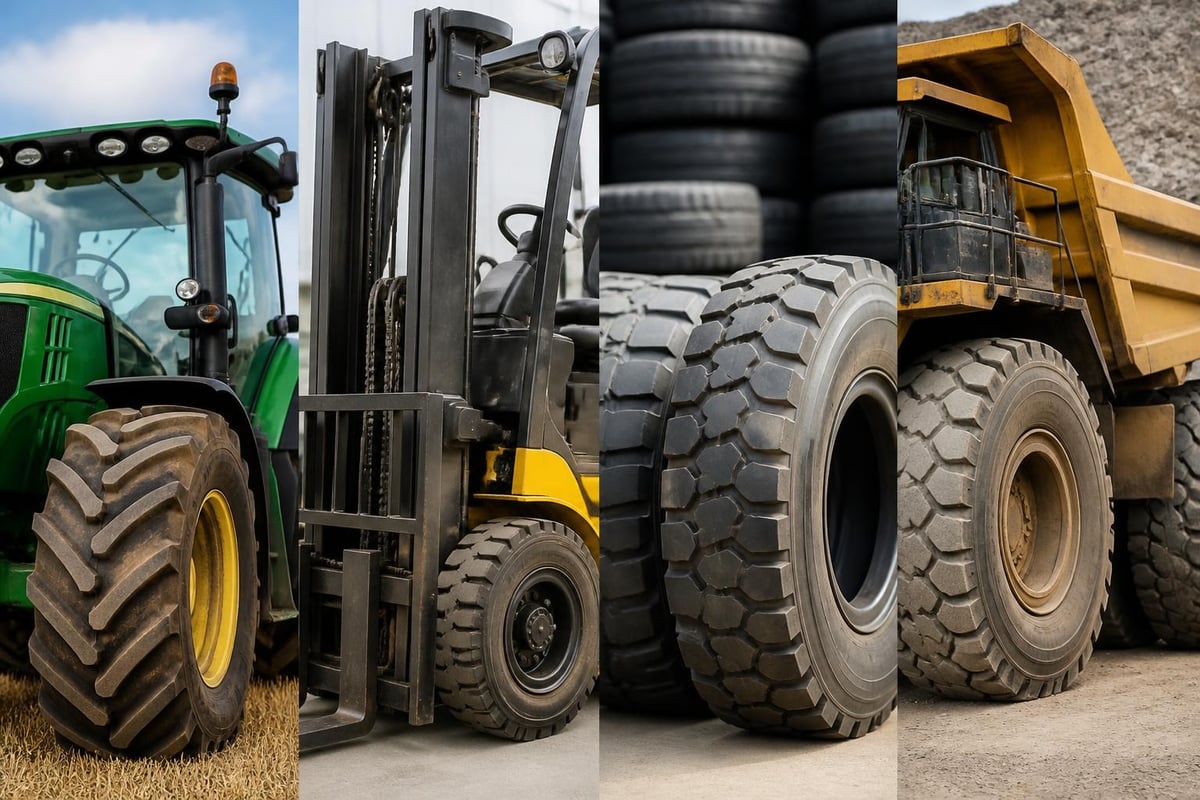
- Agricultural tyre manufacturers focus on soil protection, traction, and extended service intervals
- Off-The-Road producers engineer for extreme loads, cut resistance, and heat dissipation
- Industrial specialists develop non-marking compounds, puncture resistance, and precision handling
The most successful tyre brands often excel in two or three adjacent categories rather than attempting universal coverage. A manufacturer with deep expertise in truck radials can leverage similar construction techniques when developing agricultural or OTR products, creating natural brand extensions that benefit from shared research investments.
Performance Differentiators Among Tyre Brands
Beyond marketing claims, measurable performance gaps separate tyre brands across key metrics. Independent testing organizations evaluate products on standardized courses, providing objective comparisons that inform procurement decisions.
Wear Characteristics and Longevity
Tread life represents one of the most significant total-cost-of-ownership factors. Recent comparative testing shows substantial variation even among premium brands. The ADAC tyre abrasion study comparing products from various manufacturers since 2023 revealed wear rate differences exceeding thirty percent between best and worst performers in identical conditions.
High-quality tyre brands achieve extended service life through:
- Advanced silica compounds that balance grip with abrasion resistance
- Optimized tread depth that provides reserve capacity without excessive rolling resistance
- Even pressure distribution through casing design that prevents irregular wear patterns
- Temperature management via heat-dissipating sidewall construction
For commercial fleets operating semi trucks across long-haul routes, tyre brands offering an additional ten thousand miles of service life can generate savings exceeding hundreds of dollars per tyre position annually. These performance advantages compound across entire fleets, making brand selection a strategic financial decision rather than a simple purchasing transaction.
Fuel Efficiency and Rolling Resistance
Rolling resistance coefficients vary significantly across tyre brands, directly impacting fuel consumption. A Class 8 tractor-trailer equipped with low-rolling-resistance tyres from leading brands can improve fuel economy by three to five percent compared to average products, translating to thousands of dollars in annual savings per vehicle.
| Performance Metric | Premium Brands | Mid-Tier Brands | Value Brands |
|---|---|---|---|
| Rolling Resistance Coefficient | 4.5-5.5 kg/tonne | 5.5-6.5 kg/tonne | 6.5-8.0 kg/tonne |
| Wet Braking Distance (80-0 km/h) | 28-32 meters | 32-37 meters | 37-45 meters |
| Expected Tread Life (Commercial) | 120,000-150,000 km | 100,000-120,000 km | 80,000-100,000 km |
These performance gaps reflect fundamental differences in manufacturing precision, compound formulation, and quality control processes. Top tyre brands maintain tolerances measured in hundredths of millimeters during production, ensuring consistency across millions of units annually.
Regional Tyre Brand Dynamics
Geographic factors heavily influence brand positioning and market access. Asian manufacturers have dramatically expanded global market share over the past two decades, leveraging advanced production facilities and competitive labor costs to challenge established European and American brands.
Southeast Asian production hubs now manufacture tyres meeting international quality certifications including DOT, ECE, and ISO standards. Thailand has emerged as a significant manufacturing center, with multiple facilities producing passenger car radials, truck and bus radials, and specialized industrial products for export to over eighty countries worldwide.
European tyre brands maintain strong positions in their home markets through brand heritage and regulatory advantages, while also operating manufacturing facilities across Asia, Africa, and South America. American brands similarly pursue global footprints, though many have shifted production away from North America to reduce costs.
Regulatory Influence on Brand Strategy
Compliance requirements shape how tyre brands develop and position products across different markets. The European Commission’s 2026 regulatory framework introduces standardized abrasion testing protocols and labeling requirements that affect both original equipment and replacement market products, forcing all brands selling into EU markets to meet uniform environmental standards.
These regulations create competitive advantages for brands already investing in low-abrasion compounds and sustainable manufacturing processes while challenging manufacturers that previously competed primarily on price. The result accelerates industry-wide improvements but also consolidates market share among brands capable of meeting stricter requirements.
For distributors sourcing products from multiple tyre brands, understanding regional regulatory landscapes becomes essential. Products certified for European markets may require modifications before entering other regions, while tyres meeting North American standards might need additional testing for Asian markets.
Premium Versus Value Brand Considerations
The price differential between premium and value tyre brands often exceeds one hundred percent for equivalent sizes, raising questions about whether performance advantages justify cost premiums.
Total Cost Analysis
Fleet managers increasingly evaluate tyre brands using total cost of ownership rather than purchase price alone. This methodology considers:
- Initial acquisition cost per tyre including volume discounts
- Expected service life based on warranty terms and historical data
- Fuel efficiency impact from rolling resistance coefficients
- Maintenance requirements including rotation frequency and balancing needs
- Retreadability for commercial applications where casing durability enables multiple life cycles
- Downtime costs from premature failures or irregular wear requiring early replacement
When analyzed across these dimensions, mid-tier tyre brands often deliver optimal value for commercial applications. They provide eighty to ninety percent of premium brand performance at sixty to seventy percent of the cost, yielding favorable total cost profiles for most operating conditions.
Premium brands justify their pricing in demanding applications where maximum performance margins prove critical. Emergency vehicles, high-speed coaches, and specialized haulers operating in extreme conditions benefit from the incremental safety and reliability advantages that characterize top-tier products.
Specialized Tyre Brand Segments
Beyond mainstream passenger and commercial categories, specialized tyre brands serve niche markets with unique requirements.
Agricultural Tyre Manufacturers
Farm equipment demands tyres that maximize traction while minimizing soil compaction. Leading agricultural tyre brands develop products with:
- Large footprints distributing loads across wider contact patches
- Flexible sidewalls that allow lower inflation pressures in field conditions
- Self-cleaning tread patterns that shed mud and maintain grip
- Reinforced construction resisting stubble punctures and sidewall cuts
The agricultural segment features fewer major brands than passenger car markets, with specialized manufacturers commanding strong market positions through technical expertise and distributor relationships built over decades.
Industrial and Material Handling Brands
Forklift tyres, solid tyres, and press-on bands represent distinct engineering challenges. These tyre brands focus on:
- Non-marking compounds for warehouse environments with aesthetic floor requirements
- Puncture-proof construction using solid rubber or foam-filled designs
- Load capacity optimization supporting equipment rated for multiple tonnes
- Durability in applications involving continuous operation across extended shifts
Industrial tyre brands often operate below consumer radar despite producing millions of units annually for factories, warehouses, and ports worldwide. Their technical requirements demand specialized manufacturing equipment and compound formulations distinct from highway tyres.
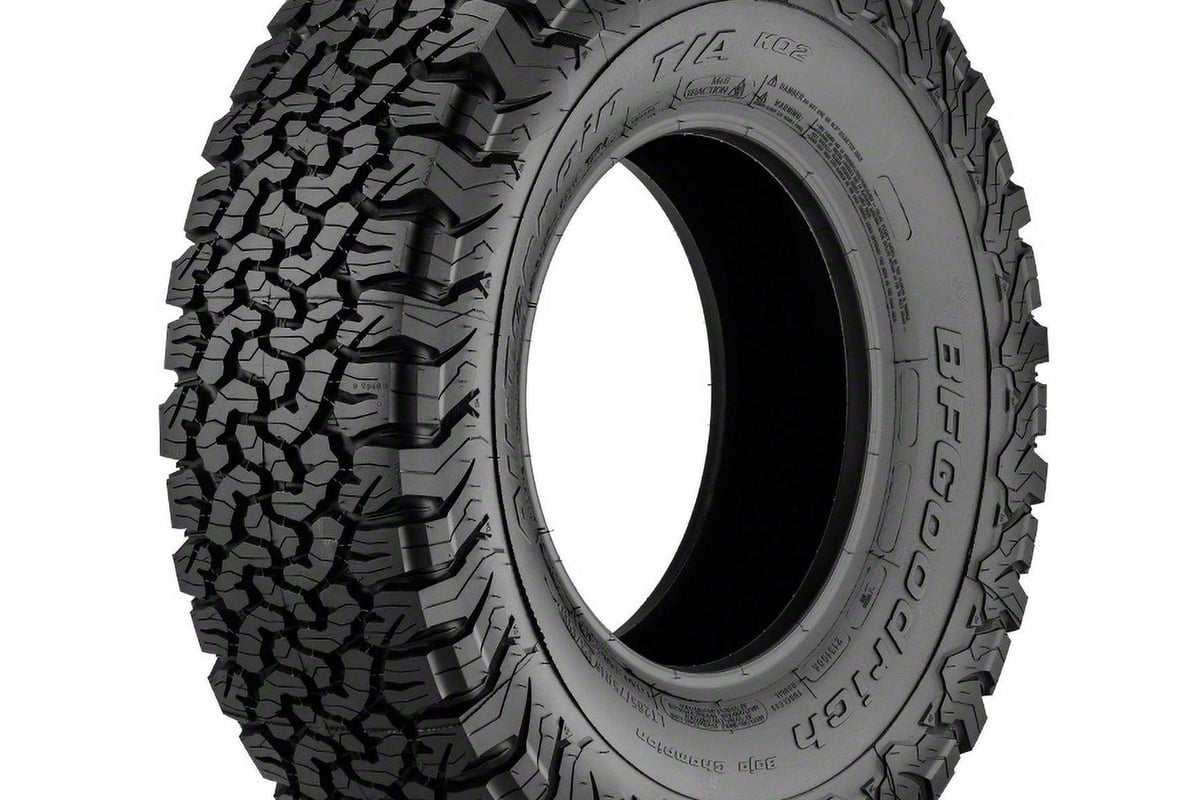
For distributors seeking reliable commercial truck solutions, manufacturers offering comprehensive TBR lineups covering steer, drive, and trailer positions deliver operational simplicity and parts inventory efficiency. Factory-direct relationships with specialized producers enable competitive pricing while maintaining international quality standards across all axle positions.
Brand Selection Criteria for Distributors
Distributors evaluating tyre brands for their product portfolios should assess multiple factors beyond product quality alone.
Supply Chain Reliability
Consistent availability separates professional brands from opportunistic manufacturers. Distributors need partners capable of:
- Maintaining inventory across comprehensive size ranges
- Meeting container minimums without requiring mixed-brand shipments
- Providing predictable lead times that enable accurate customer commitments
- Supporting emergency orders when unexpected demand surges occur
Established tyre brands invest in forecasting systems and maintain safety stock specifically to support distributor partners. Smaller manufacturers may offer attractive pricing but lack the working capital to buffer supply chain disruptions, creating risk for distributors dependent on continuous product flow.
Technical Support and Documentation
Professional tyre brands provide distributors with complete technical specifications, installation guidelines, and warranty documentation. This support infrastructure enables distributors to:
- Train installation technicians on proper mounting procedures
- Answer customer questions about load ratings and speed indices
- Process warranty claims efficiently with clear documentation requirements
- Market products confidently using certified performance data
Value brands often lack these support systems, placing burden on distributors to develop their own technical resources or operate with limited product knowledge that undermines customer confidence.
Brand Reputation and Market Positioning
Consumer perception varies significantly across tyre brands, influencing both retail demand and price realization. Premium brands invest heavily in motorsport sponsorships, advertising campaigns, and retail displays that build recognition and command loyalty.
Brand equity translates directly into pricing power. Retailers can charge premium prices for recognized brands because consumers perceive value beyond functional performance. This psychological advantage creates self-reinforcing cycles where established brands generate margins that fund further marketing investments.
Building Multi-Brand Portfolios
Successful distributors typically represent three to five complementary tyre brands rather than competing lines:
| Portfolio Position | Brand Type | Target Customer | Margin Profile |
|---|---|---|---|
| Premium anchor | Global top-tier | Quality-focused buyers | 15-20% |
| Mid-tier volume | Strong regional | Value-conscious fleets | 20-25% |
| Commercial specialist | TBR/OTR focus | Fleet operators | 18-22% |
| Value option | Competitive pricing | Budget segment | 25-30% |
This structure enables distributors to capture customers across price sensitivity levels while maintaining average margins above twenty percent. Offering only premium brands limits market coverage, while stocking exclusively value products commoditizes the business and invites price-based competition.
Quality Certifications and Manufacturing Standards
International quality certifications provide objective validation of tyre brand capabilities. DOT certification confirms products meet United States safety standards, while ECE approval enables sale throughout European markets. ISO 9001 certification demonstrates quality management system maturity.
Leading tyre brands maintain multiple certifications across different product lines, enabling global distribution without market-specific restrictions. These certifications require ongoing compliance audits, facility inspections, and batch testing that verify consistent manufacturing standards.
Manufacturing location influences perception even when quality certifications remain constant. European-manufactured tyres command premiums in some markets despite Asian facilities of the same brands producing identical specifications. Educated buyers focus on certifications and performance data rather than production geography, recognizing that modern manufacturing creates equivalent quality regardless of facility location.
Emerging Trends Shaping Tyre Brands
Several industry developments are reshaping how tyre brands compete and position themselves heading into the next decade.
Sustainability and Environmental Performance
Environmental regulations and corporate responsibility commitments push tyre brands toward sustainable practices:
- Increased natural rubber content replacing petroleum-derived materials
- Silica compounds reducing rolling resistance and fuel consumption
- Reduced abrasion formulations that minimize microplastic pollution
- Recycling programs enabling end-of-life tyre recovery and reprocessing
Brands leading these initiatives gain competitive advantages as regulations tighten and corporate buyers establish sustainability requirements for their supply chains. Fleet operators increasingly evaluate tyre brands on environmental impact alongside traditional performance metrics.
Digital Integration and Smart Tyre Technology
Connected tyre systems embedding sensors that monitor pressure, temperature, and wear patterns represent growing competitive differentiators. Premium tyre brands partner with telematics providers to offer integrated fleet management solutions that extend beyond the physical product.
These technologies enable:
- Real-time pressure monitoring preventing underinflation and premature wear
- Predictive maintenance scheduling based on actual tread depth measurements
- Route optimization considering road surface conditions and tyre capabilities
- Automated inventory management triggering replacement orders before failures occur
As these systems mature, tyre brands transform from product suppliers into service providers, creating recurring revenue streams and deeper customer relationships that resist price-based competition.
Brand Loyalty Versus Performance-Based Selection
Procurement strategies range from single-brand loyalty to continuous performance-based evaluation. Each approach offers distinct advantages depending on operational priorities.
Brand loyalty programs provide volume discounts, priority allocation during shortages, and enhanced technical support. Fleet operators running thousands of vehicles benefit from standardizing on two or three preferred brands, simplifying training, inventory management, and warranty processing.
Performance-based selection evaluates tyre brands continuously across cost and performance metrics, switching suppliers when better options emerge. This approach maximizes short-term value but increases administrative complexity and prevents building strategic supplier relationships.
Most sophisticated operators blend these strategies, maintaining preferred brand relationships while periodically testing alternative products to validate competitive positioning. This hybrid approach captures relationship benefits while preventing complacency that allows preferred suppliers to drift into noncompetitive pricing.
Understanding the complex landscape of tyre brands enables smarter sourcing decisions that balance quality, performance, and total cost of ownership across diverse applications. Whether your operation requires passenger car tyres, commercial truck products, or specialized industrial solutions, working with manufacturers that combine international quality certifications with competitive wholesale pricing delivers optimal value. OTR TIRE THAI offers comprehensive tyre solutions manufactured to global standards and distributed to partners in over eighty countries worldwide, providing the quality and reliability your distribution network demands.
