
Blog
Semi Truck Tires Near Me: 2026 Buyer’s Guide

Aug
Finding reliable semi truck tires near me has become increasingly complex in 2026, with fleet managers balancing immediate availability against cost efficiency and regulatory compliance. Whether you operate a single Class 8 tractor or manage a regional fleet, understanding the landscape of local tire suppliers, federal safety standards, and wholesale alternatives can save thousands of dollars annually while maintaining safety and uptime. This guide examines every aspect of sourcing semi truck tires, from decoding tire specifications and understanding federal tire safety requirements to evaluating local dealers versus direct manufacturer relationships.
Understanding Semi Truck Tire Specifications
Before searching for semi truck tires near me, you need to decode the sidewall markings that define performance, compatibility, and legal compliance. Semi truck tire sizing follows a standardized format that communicates critical information to fleet managers and technicians.
Decoding the Tire Size Format
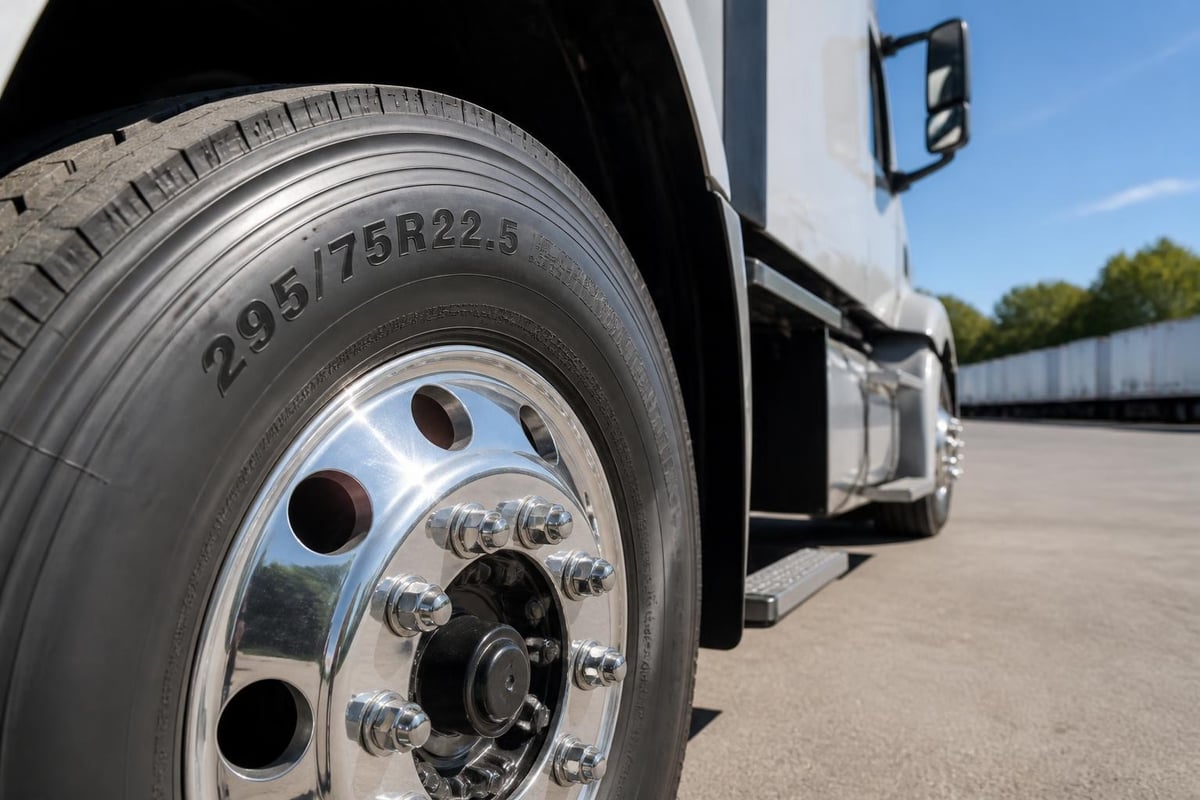
The most common semi truck tire size in North America is 295/75R22.5, which breaks down into four essential components. The first number (295) represents the tire's width in millimeters from sidewall to sidewall when properly inflated. The second number (75) is the aspect ratio, expressing sidewall height as a percentage of width. The "R" indicates radial construction, which has become the industry standard for commercial applications. Finally, 22.5 indicates the rim diameter in inches.
Understanding these specifications helps when communicating with suppliers about semi truck tires near me. A comprehensive tire size guide explains how each dimension affects fuel economy, load capacity, and handling characteristics.
Load Index and Speed Rating
Beyond physical dimensions, every semi truck tire carries a load index and speed rating stamped on the sidewall. The load index is a numerical code (typically 144 to 154 for semi trucks) that corresponds to maximum weight capacity per tire. Speed ratings use letter codes, with "L" (75 mph) being common for long-haul applications.
| Load Index | Max Load (lbs) | Common Application |
|---|---|---|
| 144 | 5,510 | Trailer positions |
| 146 | 5,950 | Drive axles |
| 149 | 6,610 | Steer axles (heavy loads) |
| 152 | 7,390 | Specialized heavy-haul |
When searching for semi truck tires near me, matching these specifications to your actual operating conditions prevents premature failure and ensures compliance with weight regulations.
Federal Safety Standards for Commercial Tires
Every tire mounted on commercial vehicles operating in the United States must meet specific federal safety requirements. The Department of Transportation enforces tire safety standards under 49 CFR § 393.75, which establishes minimum tread depth, prohibited defects, and inflation requirements.
Minimum Tread Depth Requirements
Federal regulations mandate different minimum tread depths depending on tire position. Steer axle tires must maintain at least 4/32 inch of tread depth across the entire width. Drive and trailer tires require a minimum of 2/32 inch. These standards exist because steer tires directly impact vehicle control, especially in wet conditions.
When evaluating semi truck tires near me for replacement, measuring existing tread helps determine urgency. Many fleet managers replace tires before reaching legal minimums to maintain optimal fuel efficiency and avoid roadside inspections.
Prohibited Tire Conditions
Federal law identifies several conditions that automatically disqualify a tire from service. Any tire with exposed fabric or belt material must be removed immediately. Cuts or separations deeper than one inch are prohibited, as are sidewall bulges caused by ply or belt separation.
- Exposed belts or body cords (immediate replacement required)
- Tread separation extending beyond the injury area
- Sidewall damage exposing internal structure
- Improper repair using plugs alone on cuts exceeding 1/4 inch
- Mixing bias and radial tires on the same axle
Understanding these violations helps fleet managers conducting pre-trip inspections and explains why some local tire shops refuse to service certain tires when you search for semi truck tires near me.
Local Tire Dealers vs. Wholesale Direct Sources
The traditional approach to finding semi truck tires near me involves visiting local commercial tire dealers or calling mobile tire service providers. However, the economics of tire procurement have shifted significantly, with many fleet operators exploring wholesale direct relationships.
Benefits of Local Commercial Tire Dealers
Local dealers offer immediate availability and emergency service that proves invaluable during breakdowns. Most commercial tire shops maintain inventory of popular sizes (11R22.5, 295/75R22.5, 11R24.5) and provide 24/7 roadside assistance within their service area. Technicians handle mounting, balancing, and disposal of old casings while your truck remains on-site or at their facility.
Key advantages of local suppliers:
- Same-day or next-day availability for common sizes
- Mobile service trucks for roadside emergencies
- Established relationships with tire manufacturers for warranty claims
- On-site balancing and alignment services
- Acceptance of used casings for retread programs
The convenience premium for searching semi truck tires near me typically ranges from 15% to 40% above wholesale pricing, depending on market conditions and dealer markup strategies.

Wholesale Direct Manufacturing Relationships
Forward-thinking fleet managers increasingly establish relationships with tire manufacturers or their regional distributors. This approach requires planning ahead rather than emergency purchasing, but delivers substantial cost savings on volume orders. For fleets operating ten or more power units, direct manufacturer relationships can reduce tire costs by 25% to 45% compared to retail pricing.
When evaluating manufacturers beyond the immediate "semi truck tires near me" search radius, consider factors like minimum order quantities, shipping logistics, and certification standards. International manufacturers with DOT and ECE certification offer quality comparable to domestic brands at competitive wholesale prices.
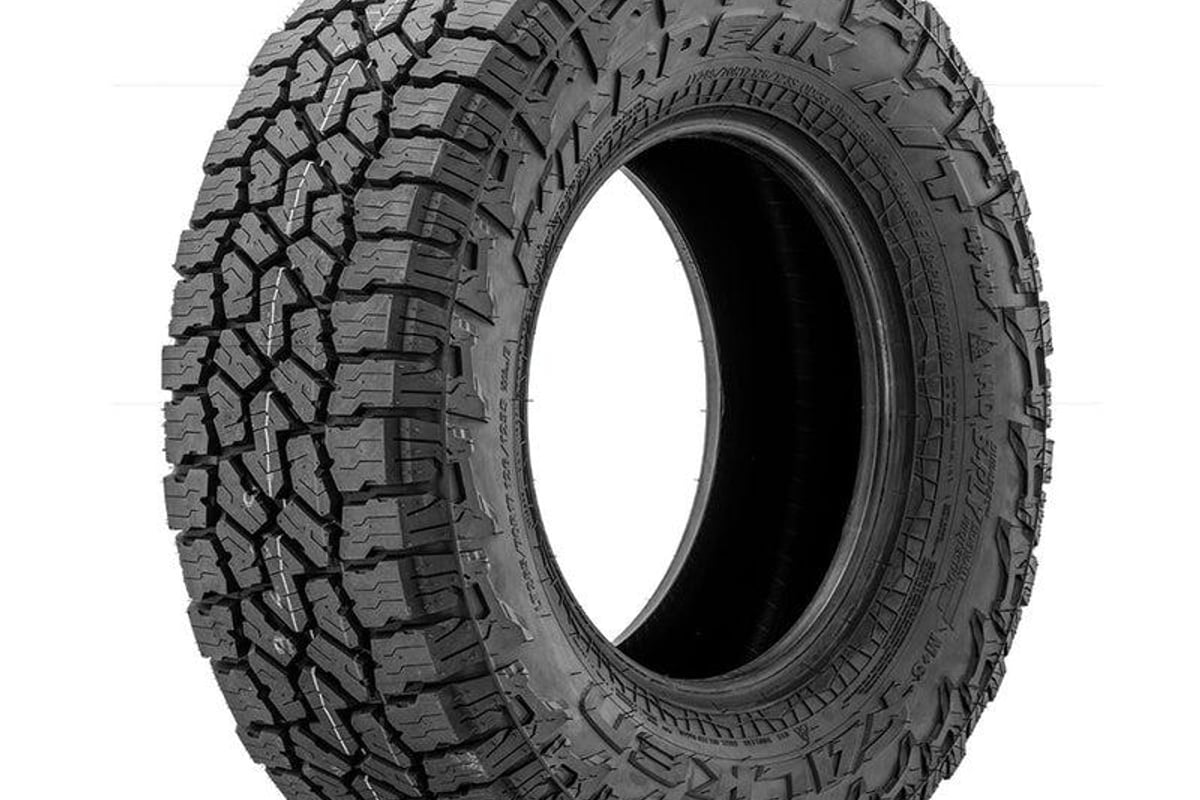
Our Semi Truck Tires from Thailand are engineered for all three axle positions, with steer tires featuring optimized five-rib patterns for stability, drive tires using deep closed-shoulder lugs with stone ejectors, and trailer tires built with low-rolling-resistance compounds meeting EPA SmartWay standards. These wholesale options deliver factory-direct pricing while maintaining the quality certifications required for legal operation across North America.
Position-Specific Tire Selection
Not all semi truck tires perform the same job, and choosing the right tire for each axle position maximizes service life and operational efficiency. Understanding position-specific requirements helps refine your search for semi truck tires near me.
Steer Axle Tire Requirements
Steer tires face unique demands that distinguish them from drive or trailer positions. They must provide precise directional control, resist irregular wear patterns, and maintain performance as tread depth decreases. The U.S. Tire Manufacturers Association recommends specific tread patterns and construction features for steer applications.
Critical steer tire characteristics:
- Five-rib tread pattern for straight-line tracking
- Circumferential grooves for water evacuation
- Reinforced bead area to resist mounting damage
- Optimized casing for multiple retread cycles
- Speed-rated compound for sustained highway operation
Most fleet managers replace steer tires when tread reaches 6/32 inch rather than waiting for the legal 4/32 inch minimum, as handling precision degrades noticeably in the final wear stages.
Drive Axle Tire Characteristics
Drive tires transmit torque to the road surface while carrying substantial vertical loads. This dual function requires tread designs that balance traction, durability, and resistance to chipping or tearing. Deep tread depths (24/32 to 28/32 inch when new) extend service life and accommodate retreading.
| Feature | Benefit | Typical Specification |
|---|---|---|
| Lug depth | Extended service life | 24/32" to 28/32" new |
| Stone ejectors | Prevents casing damage | Integrated in tread grooves |
| Reinforced shoulders | Resists scrubbing wear | Extra rubber compound |
| Retreadability | Lower cost per mile | 2-3 retread cycles |
When searching for semi truck tires near me for drive positions, inquire about retread programs that extend casing life and reduce long-term costs.
Trailer Tire Specifications
Trailer tires prioritize fuel efficiency and even wear over traction, since they don't transmit driving or braking forces. SmartWay-verified low-rolling-resistance designs reduce fuel consumption by 3% to 6% compared to conventional trailer tires, which translates to meaningful cost savings over a trailer's operational life.
Modern trailer tires incorporate harder rubber compounds and optimized sidewall profiles that minimize flexing heat. This engineering reduces rolling resistance while maintaining load capacity and durability expectations.
Cost Factors and Service Time Expectations
Understanding the complete cost picture beyond initial purchase price helps fleet managers make informed decisions when searching for semi truck tires near me. Total cost of ownership includes purchase price, installation labor, disposal fees, and downtime expenses.
Typical Pricing Structure by Position
Tire pricing varies significantly based on axle position, brand positioning, and whether you're buying premium, mid-tier, or economy-grade products. As of 2026, typical retail pricing at local dealers ranges as follows:
- Steer tires: $325 to $550 per tire (premium brands command upper range)
- Drive tires: $375 to $625 per tire (deep lug patterns cost more)
- Trailer tires: $285 to $485 per tire (low-rolling-resistance adds premium)
- Mounting & balancing: $35 to $65 per tire
- Disposal fees: $8 to $15 per tire
Wholesale direct pricing typically runs 25% to 40% below these retail benchmarks, though you'll need to arrange your own mounting or negotiate installation separately with local service providers.
Service Time and Labor Considerations
When you need semi truck tires near me installed, understanding standard repair times helps plan around operational schedules. According to industry standard repair time surveys, tire replacement tasks vary based on complexity and accessibility.
Average service times for tire work:
- Single tire replacement (wheel off vehicle): 0.6 to 0.9 hours
- Dual tire replacement (one wheel assembly): 1.1 to 1.5 hours
- Complete axle service (all tires one axle): 2.5 to 3.5 hours
- Tire rotation (all positions): 3.0 to 4.0 hours
- Flat repair (tire removal and reinstall): 0.8 to 1.2 hours
These times assume standard working conditions without complications like seized lug nuts or damaged wheel studs. Mobile service adds 0.3 to 0.5 hours for setup and travel time.
Tire Maintenance Programs for Extended Service Life
Proactive maintenance significantly extends tire life and reduces the frequency of searching for semi truck tires near me due to premature failures. Well-maintained tires typically deliver 25% to 35% more miles than neglected ones.
Inflation Pressure Management
Proper inflation remains the single most important factor in tire longevity. Under-inflation causes excessive heat buildup, accelerates shoulder wear, and increases rolling resistance (wasting fuel). Over-inflation reduces the tire's contact patch, causing rapid center wear and harsh ride quality.
Most fleets check tire pressure weekly using calibrated gauges. The correct pressure appears on the tire sidewall and the vehicle's tire placard, though operating conditions may require adjustments. Cold inflation pressure should be measured before the vehicle has been driven.
Inflation best practices:
- Check pressure when tires are cold (before operation or three hours after)
- Use dual-head gauges designed for commercial applications
- Adjust for ambient temperature changes (1 PSI per 10°F variation)
- Install valve caps with seals to prevent slow leaks
- Replace valve stems annually or when showing age cracking
Automated tire pressure monitoring systems (TPMS) have become increasingly popular, alerting drivers to pressure loss before catastrophic failure occurs.
Tread Depth Monitoring and Rotation
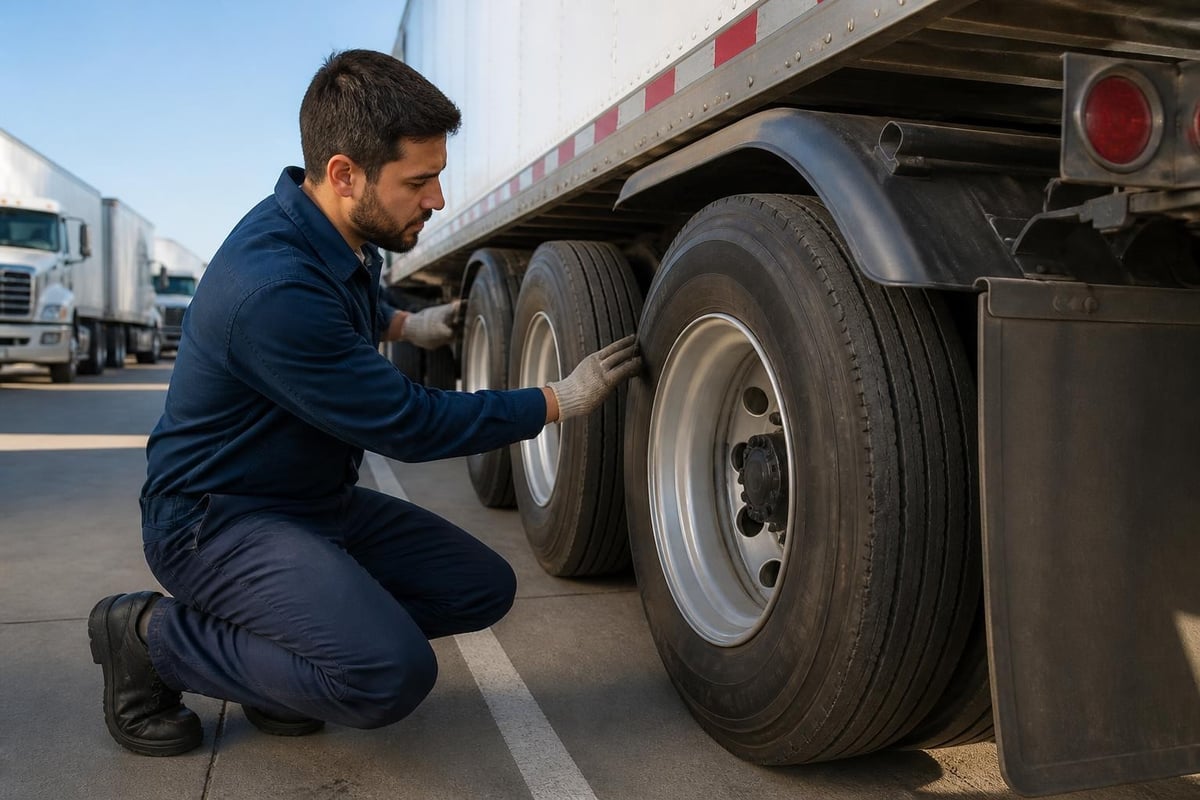
Regular tread depth measurement identifies irregular wear patterns early, when corrective action can salvage the tire. Measure depth at multiple points across the tread width, as irregular wear often appears at shoulders or center ribs first.
Recommended measurement frequency:
- Monthly inspections for all tire positions
- Documentation of measurements in maintenance logs
- Rotation every 25,000 to 30,000 miles for dual drive positions
- Immediate investigation when one position wears 3/32" faster than others
Tires showing uneven wear indicate alignment issues, improper inflation, or mechanical problems that require attention beyond simple tire replacement.
Selecting Quality Suppliers Beyond Geographic Proximity
While searching for semi truck tires near me prioritizes convenience, expanding your supplier evaluation criteria ensures long-term value and reliability. Quality indicators extend beyond physical location to include certifications, warranty programs, and technical support.
Certification and Compliance Standards
All tires sold for commercial use in the United States must carry DOT certification indicating compliance with Federal Motor Vehicle Safety Standards. Additional certifications like ECE (European) or SmartWay verification demonstrate broader quality commitments and specialized performance characteristics.
When evaluating any supplier of semi truck tires near me or beyond, verify:
- DOT certification number molded into the sidewall
- Load and speed ratings appropriate for your application
- Manufacturing date code (avoid tires older than three years)
- Warranty terms covering defects and premature wear
- Technical support availability for sizing and application questions
International manufacturers with established distribution networks often provide identical certifications to domestic brands while offering more competitive pricing structures.
Total Cost of Ownership Calculations
Smart procurement teams evaluate tires based on cost per mile rather than purchase price alone. This calculation incorporates initial cost, expected mileage, fuel efficiency impact, and retreadability.
| Cost Factor | Budget Tire | Mid-Tier Tire | Premium Tire |
|---|---|---|---|
| Purchase price | $325 | $425 | $525 |
| Expected miles | 75,000 | 95,000 | 115,000 |
| Retreads possible | 1 | 2 | 3 |
| Cost per mile | $0.043 | $0.045 | $0.046 |
| Fuel efficiency | Baseline | +2% | +4% |
When fuel savings and extended casing life are factored into total cost, premium tires often deliver lower per-mile costs despite higher initial investment. This analysis helps justify moving beyond the cheapest semi truck tires near me to value-optimized solutions.
Building Supplier Relationships for Fleet Success
Successful fleet tire management extends beyond individual purchase transactions to building strategic supplier relationships. Whether working with local dealers or direct manufacturers, strong partnerships deliver value through preferential pricing, priority service, and technical consultation.
Volume Commitment Benefits
Suppliers reward consistent volume with better pricing, extended payment terms, and priority allocation during industry shortages. Fleet managers should quantify annual tire consumption across all positions and leverage that volume when negotiating agreements.
Negotiation leverage points:
- Annual unit commitment across all tire positions
- Single-source agreements for standardized specifications
- Scheduled replacement programs rather than emergency purchases
- Payment terms (net 30, net 60, volume rebates)
- Technical services inclusion (training, pressure monitoring, wear analysis)
Even smaller fleets operating fifteen to twenty power units represent significant annual volume that warrants supplier attention and competitive terms.
Emergency Service and Coverage Areas
Despite best planning, tire failures and road hazards create emergency needs. When establishing supplier relationships beyond immediate semi truck tires near me options, clarify emergency service coverage and response times. Many tire manufacturers maintain networks of authorized service providers who extend their warranty coverage and provide emergency assistance.
Document each supplier's:
- Emergency service phone numbers (24/7 availability)
- Geographic coverage areas and response time commitments
- Mobile service capabilities and equipment
- After-hours surcharges and minimum service fees
- Inventory depth for emergency replacement needs
This information proves critical when a driver experiences a tire failure two hundred miles from your terminal in the middle of a weekend.
Environmental and Efficiency Considerations
Modern fleet operations increasingly prioritize environmental impact alongside traditional cost and performance metrics. Tire selection significantly influences fuel consumption, emissions, and end-of-life waste management.
Low Rolling Resistance Technology
Rolling resistance accounts for approximately 15% to 25% of a semi truck's fuel consumption. Lower rolling resistance directly translates to reduced fuel expense and carbon emissions. EPA SmartWay certification identifies tires that meet strict efficiency standards while maintaining safety and durability requirements.
Low-rolling-resistance tires achieve efficiency through several engineering approaches:
- Optimized tread compounds that minimize hysteresis (energy loss through flexing)
- Reduced tread depth on trailer positions where traction is less critical
- Aerodynamic sidewall profiles that reduce air resistance
- Lighter overall construction reducing rotational mass
The fuel savings from SmartWay-verified trailer tires typically pay back the price premium within 35,000 to 50,000 miles of operation, making them economically attractive even before considering environmental benefits.
Retread Programs and Circular Economy
Professional retreading extends casing life by two or three cycles, reducing material consumption and waste while cutting costs. Quality retreads deliver performance comparable to new tires at 35% to 50% of the purchase price. When searching for semi truck tires near me, inquire about retread programs and casing management.
Retread program elements:
- Casing inspection and quality standards
- Buffing and repair processes
- New tread application methods (mold cure vs. pre-cure)
- Warranty coverage on retreaded products
- Pricing structure and core credit programs
Establishing retread relationships with suppliers ensures consistent quality and simplifies logistics around casing return and finished product delivery.
Technology Integration in Modern Tire Management
Fleet management technology has transformed how operators monitor, maintain, and purchase semi truck tires. Integration of tire pressure monitoring, telematics data, and procurement platforms reduces manual oversight while improving decision quality.
Tire Pressure Monitoring Systems
Automatic TPMS alerts drivers and fleet managers to pressure deviations before they cause failures or excessive wear. Modern systems transmit real-time data from sensors mounted inside or on valve stems, integrating with electronic logging devices and fleet management platforms.
Benefits extend beyond safety to include:
- Fuel savings from maintaining optimal pressure across the fleet
- Extended tire life by preventing under-inflation damage
- Reduced roadside failures through early warning systems
- Compliance documentation for maintenance records
- Predictive analytics identifying chronic pressure loss patterns
When evaluating semi truck tires near me or from any supplier, consider TPMS compatibility and whether the supplier offers integrated monitoring solutions.
Data-Driven Procurement Decisions
Fleet management software now aggregates tire performance data across positions, routes, and operating conditions. This information reveals which tire specifications deliver best value for your specific applications, moving procurement decisions from supplier relationships alone to data-validated performance.
Advanced analytics identify:
- Actual cost per mile by tire brand and position
- Failure rates and warranty claim frequency
- Fuel efficiency impact measured through telematics
- Seasonal performance variations
- Optimal replacement timing before legal minimums
This empirical approach helps justify moving beyond convenient semi truck tires near me options when data demonstrates superior value from alternative sources.
Finding semi truck tires near me balances immediate availability against long-term value, with smart fleet managers evaluating local dealers alongside wholesale manufacturing relationships. By understanding tire specifications, federal safety requirements, position-specific needs, and total cost of ownership, you can make procurement decisions that optimize both operational efficiency and budget performance. OTR TIRE THAI manufactures DOT-certified semi truck tires for steer, drive, and trailer positions, delivering wholesale pricing and international quality standards to distributors across North America. Explore our complete TBR lineup and discover how factory-direct relationships reduce costs while maintaining the performance your fleet demands at OTR TIRE THAI.
