
Blog
Off Road Truck Tires: Selection & Performance Guide
Aug
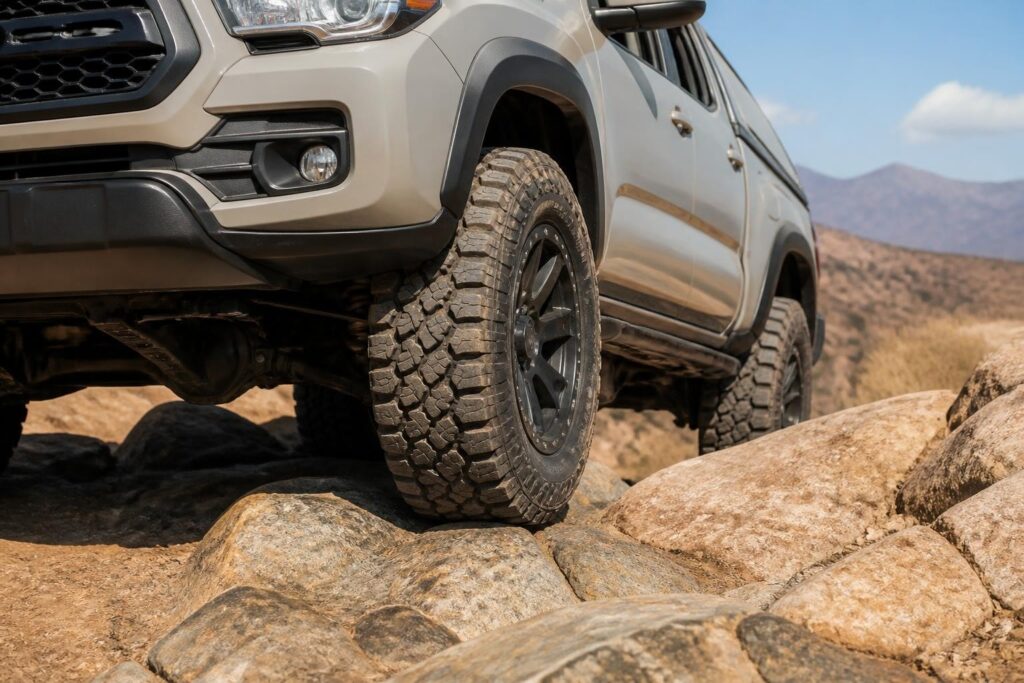
Selecting the right off road truck tires transforms how a vehicle performs in challenging terrain. Whether navigating construction sites, rural delivery routes, or recreational trails, tire choice directly impacts traction, durability, and operational costs. For distributors and fleet managers in 2026, understanding the technical differences between tire categories and construction methods enables smarter inventory decisions and better customer service. This guide examines the key factors that separate adequate off-road performance from exceptional capability.
Understanding Off Road Truck Tire Categories
The off-road tire market segments into three primary categories, each engineered for specific terrain profiles and usage patterns. All-terrain (AT) tires balance on-road comfort with moderate off-road capability, making them ideal for vehicles that split time between pavement and unpaved roads. These tires typically feature symmetrical tread patterns with moderate void ratios around 30-40 percent.
Mud-terrain (MT) tires prioritize extreme off-road traction through aggressive tread blocks, wide voids exceeding 50 percent, and reinforced sidewalls. The trade-off comes in the form of increased road noise, reduced fuel economy, and faster wear on paved surfaces. Recent comparative testing has highlighted the performance differences between all-terrain and mud-terrain designs across various terrain types.
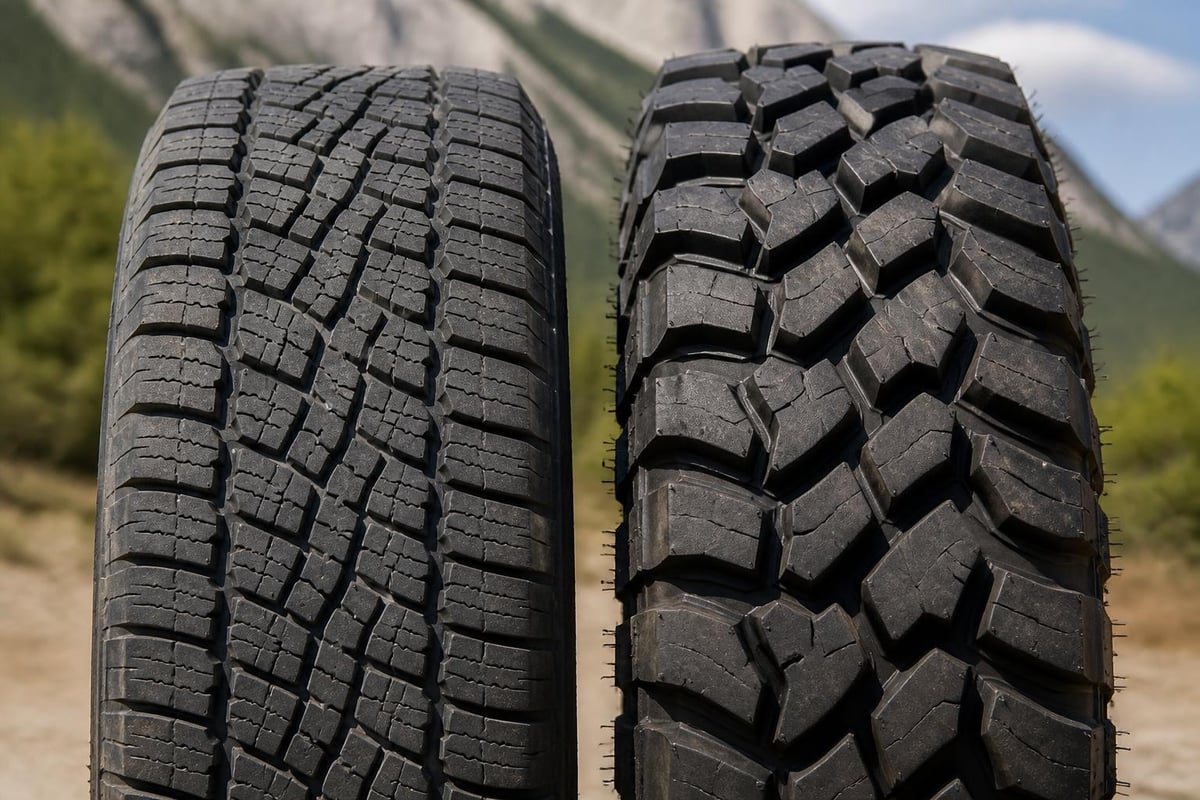
Hybrid or rugged-terrain tires occupy the middle ground, incorporating elements from both categories. They offer more aggressive traction than standard AT tires while maintaining better on-road manners than full MT designs. This segment has grown significantly as commercial users demand versatility without compromise.
Tread Pattern Engineering
Tread design governs how a tire interacts with different surfaces. Open-shoulder patterns with large void spaces excel at ejecting mud, snow, and loose material, preventing packed debris from reducing traction. Stepped edges and alternating block heights create multiple biting edges that grip uneven surfaces.
Siping density also affects performance. Three-dimensional sipes provide flexibility for wet traction while maintaining block stability under load. Excessive siping can reduce tread stiffness, leading to irregular wear patterns and reduced high-speed stability on pavement.
| Tread Feature | All-Terrain | Mud-Terrain | Best Use Case |
|---|---|---|---|
| Void Ratio | 30-40% | 50-60% | AT: Mixed use, MT: Soft terrain |
| Block Size | Medium | Large | AT: Balanced, MT: Maximum grip |
| Siping | High density | Moderate | AT: Wet roads, MT: Self-cleaning |
| Shoulder Design | Closed | Open | AT: Highway, MT: Rock crawling |
Construction Technologies for Durability
Modern off road truck tires employ advanced construction methods to withstand the unique stresses of unpaved operation. The casing structure begins with multiple polyester or nylon plies arranged at specific angles to distribute loads evenly. Steel belts beneath the tread provide puncture resistance and maintain contact patch stability during acceleration and braking.
Sidewall reinforcement varies by application. Two-ply sidewalls suit light-duty recreational use, while three-ply configurations handle commercial loads and resist damage from rocks, roots, and kerbs. Some manufacturers add Kevlar or aramid fibers to the sidewall compound, dramatically improving cut resistance without adding excessive weight.
Understanding how ply structures interact with load forces helps explain why construction quality matters as much as tread design. Adhesion between rubber compounds and reinforcing materials determines long-term durability, particularly in the high-stress shoulder area where most structural failures originate.
Load Range and Ply Rating Considerations
Off-road applications often subject tires to dynamic loads that exceed the static vehicle weight. Load range designations (C, D, E) indicate the maximum inflation pressure and corresponding load capacity. Load Range E tires, for example, support higher pressures up to 80 PSI and carry heavier loads than Load Range C alternatives.
Higher load ranges use additional plies and thicker rubber gauges, adding weight but improving resistance to impacts and pinch flats. The trade-off involves ride comfort; stiffer construction transmits more vibration to the vehicle chassis. Fleet operators must balance load requirements against driver comfort and vehicle wear.
- Load Range C: Light-duty pickups, recreational use, 50 PSI max
- Load Range D: Work trucks, moderate commercial duty, 65 PSI max
- Load Range E: Heavy commercial, construction, 80 PSI max
- Load Range F/G: Extreme commercial applications, specialty vehicles
Terrain-Specific Selection Criteria
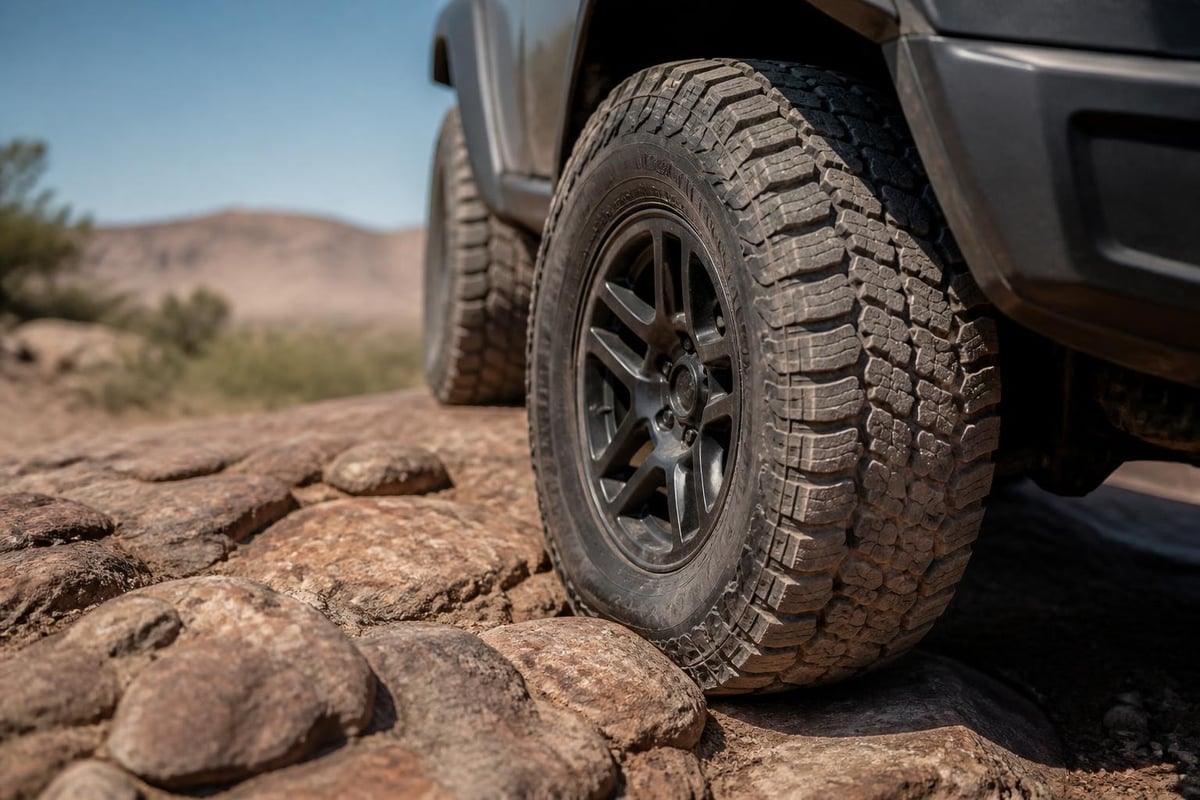
Different off-road environments demand specific tire characteristics. Rocky terrain requires reinforced sidewalls, puncture-resistant compounds, and sturdy shoulder blocks that resist chunking. Tread depth should remain moderate (15-17 mm) to prevent excessive flex that can tear tread blocks when climbing over sharp edges.
Mud and clay conditions favor tall, widely-spaced lugs that self-clean as the tire rotates. Tread depths exceeding 18 mm help maintain traction as the tire penetrates the soft surface layer. Open shoulder designs prevent mud from packing into the tread, which would eliminate traction and create dangerous hydroplaning conditions.
Sand and loose soil demand a different approach altogether. Lower air pressures (often 15-20 PSI) increase the contact patch, spreading vehicle weight across a larger footprint. Tires with more flexible sidewalls conform better to soft surfaces. Some operators prefer narrower tires that can cut through to firmer substrate rather than floating on loose material.
Seasonal Performance Factors
Temperature variations affect rubber compounds significantly. Summer compounds harden in freezing conditions, losing flexibility and traction. Conversely, winter-rated compounds can overheat and wear rapidly during high-temperature operation on pavement.
Multi-season off road truck tires use polymer blends that maintain flexibility across broader temperature ranges. Look for the Three-Peak Mountain Snowflake symbol on sidewalls, indicating certified severe snow service capability. This certification requires specific traction testing in icy and snowy conditions.
Size and Fitment Optimization
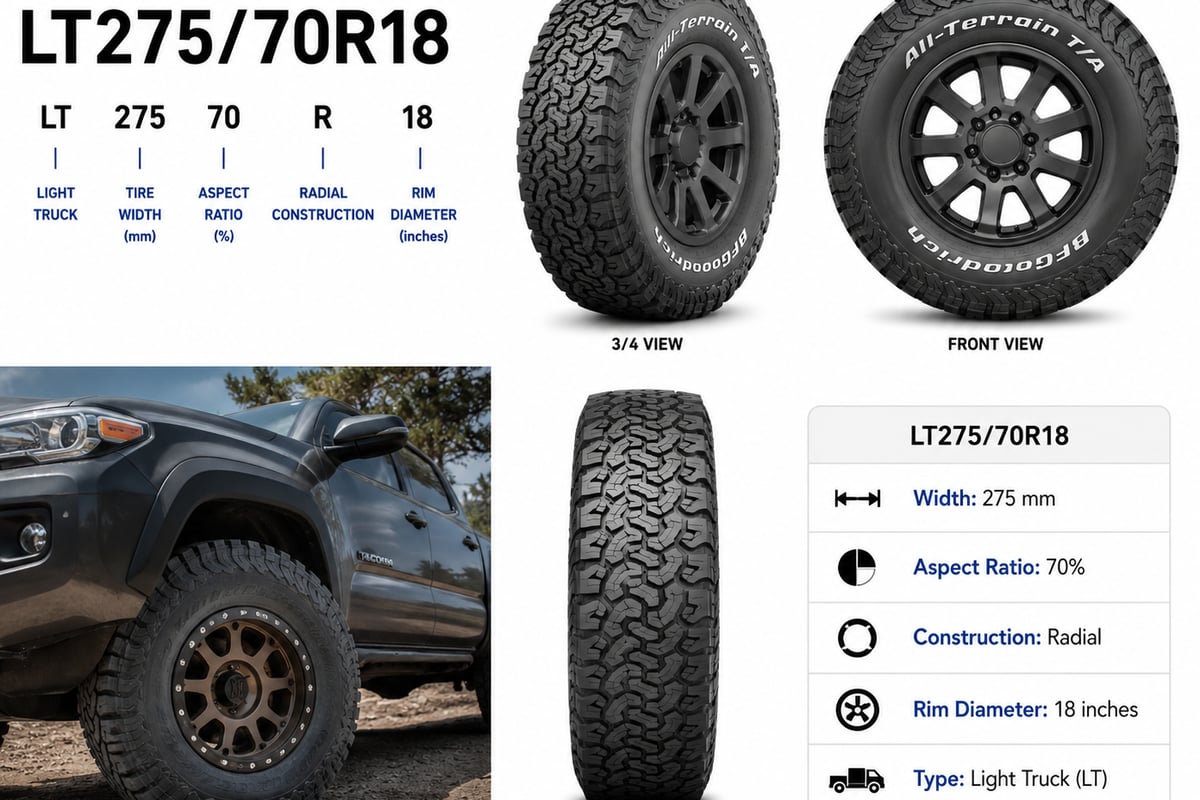
Tire diameter directly affects gearing, speedometer accuracy, and ground clearance. Increasing diameter by one size (for example, moving from 285/75R16 to 305/70R16) raises the vehicle approximately one inch and changes the effective gear ratio by roughly 3 percent. This impacts acceleration, fuel economy, and engine RPM at highway speeds.
Width considerations involve more than aesthetics. Wider tires (10.5-12.5 inches) provide larger contact patches for improved traction but can reduce fuel economy through increased rolling resistance. Narrow tires (8.5-9.5 inches) often perform better in mud by cutting through to firmer ground rather than floating on top.
| Dimension Change | Impact on Performance | Fleet Consideration |
|---|---|---|
| +1 inch diameter | -3% acceleration, +1" clearance | Recalibrate speedometer |
| +1 inch width | +5% contact patch, -2% fuel economy | Check fender clearance |
| -10% sidewall height | Sharper handling, rougher ride | Increased wheel damage risk |
Backspacing and offset determine how far the tire extends beyond the fender. Insufficient clearance leads to rubbing during suspension compression or steering lock. Always verify fitment with suspension travel testing before committing to inventory purchases.
Maintenance and Longevity Best Practices
Regular rotation extends tire life by equalizing wear patterns across all positions. For light trucks and SUVs, rotate every 5,000-7,000 miles using a cross pattern for non-directional treads. Directional treads require front-to-rear rotation only.
Pressure monitoring becomes critical for off-road tires due to frequent inflation adjustments. Under-inflation causes excessive sidewall flexing, generating heat that breaks down rubber compounds. Over-inflation reduces the contact patch, concentrating wear on the center tread blocks and creating a harsh ride.
Visual inspections should occur before and after off-road excursions. Check for:
- Embedded stones or debris between tread blocks
- Sidewall cuts, bulges, or exposed cords
- Uneven wear patterns indicating alignment issues
- Valve stem damage from trail debris
- Bead area damage from low-pressure operation
Distributors looking to stock premium light truck options should consider offerings that balance off-road capability with on-road refinement. Our highway terrain (HT) tires are engineered for fuel efficiency and quiet rolling on paved roads, making them ideal for commercial pickup fleets and delivery vehicles, while our all-terrain (AT) designs bridge the gap for mixed-use applications.
Compound Technology Advances
Modern rubber compounds incorporate silica to reduce rolling resistance while maintaining wet traction. This chemistry modification helps offset the fuel economy penalty typically associated with aggressive off road truck tires. Some manufacturers add chip-resistant polymers that extend tread life in abrasive conditions like gravel roads and construction sites.
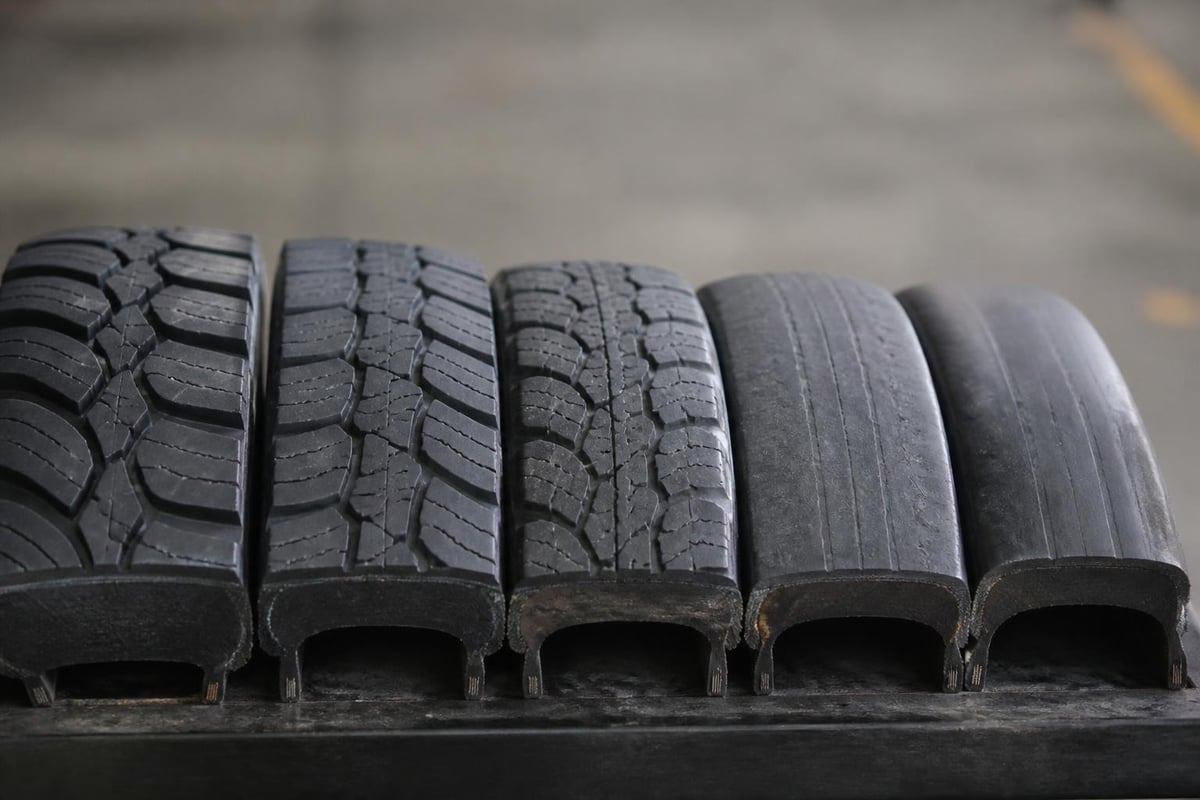
UV stabilizers protect sidewalls from sun damage, particularly important for vehicles stored outdoors in tropical and desert climates. Without adequate protection, sidewalls develop surface cracking that eventually penetrates to the underlying structure, requiring premature replacement.
Commercial Fleet Considerations
Fleet managers evaluating off road truck tires must consider total cost of ownership beyond initial purchase price. A less expensive tire that wears out 30 percent faster delivers poor value compared to a premium option that provides longer service life and better fuel economy.
Warranty coverage varies significantly between manufacturers. Basic warranties cover manufacturing defects only, while premium programs include road hazard protection, treadwear guarantees, and even fuel savings credits. Review warranty terms carefully, noting exclusions for commercial use, which can void coverage entirely on consumer-grade tires.
Standardizing on specific sizes and models simplifies inventory management and enables bulk purchasing discounts. However, maintaining some variety allows matching tires to specific vehicle roles within the fleet. Delivery trucks operating primarily on paved roads benefit from different tires than service vehicles regularly accessing remote sites.
Performance Documentation
Establishing baseline metrics enables data-driven tire decisions. Track for each tire set:
- Initial installation date and mileage
- Rotation schedule and actual execution dates
- Tread depth measurements at 25%, 50%, and 75% of expected life
- Fuel economy changes after installation
- Failure modes and mileage at retirement
This data reveals which tire models deliver the best value for specific applications. Over 12-24 months, clear patterns emerge showing which designs excel in your operating environment.
Regulatory and Safety Standards
Off road truck tires sold in major markets must meet specific safety standards. The Department of Transportation (DOT) code stamped on every tire sidewall indicates manufacturing location, plant code, and production date. Tires older than six years require careful inspection regardless of tread depth, as rubber compounds degrade over time even without use.
European ECE regulations impose additional requirements for passenger and light commercial tires, including wet braking performance minimums and rolling resistance maximums. Distributors serving international markets should verify that inventory meets destination country requirements to avoid customs delays or rejection.
Load capacity markings must match or exceed vehicle requirements. Operating tires below their rated load capacity by at least 10 percent provides a safety margin for dynamic loads encountered off-road. This buffer accommodates impacts, rapid direction changes, and uneven weight distribution that momentarily exceed static calculations.
Industry Trends and Future Developments
Manufacturers continue improving off-road tire technology through computational design methods and advanced materials. Computer modeling now predicts how tread patterns interact with specific terrain types before building physical prototypes, accelerating development cycles and improving first-generation performance.
Sustainable materials are gradually entering commercial tire production. Natural rubber alternatives derived from dandelions and synthetic alternatives show promise for reducing environmental impact without compromising performance. These developments particularly interest fleet operators with sustainability mandates and carbon reduction targets.
Smart tire technology embedding sensors in the tire structure enables real-time pressure and temperature monitoring. Early commercial applications focus on heavy equipment and trucking fleets, but the technology is scaling down to light trucks. Predictive maintenance alerts warn drivers of developing issues before they cause failures or safety incidents.
Choosing the right off road truck tires requires balancing traction needs, durability requirements, and total cost of ownership. Understanding how construction methods, tread designs, and compound technologies interact with your specific terrain and usage patterns enables informed decisions that improve fleet performance and reduce operating costs. Whether you're a distributor building inventory for diverse customer needs or a fleet manager optimizing vehicle capability, OTR TIRE THAI provides wholesale access to premium tire solutions manufactured to international quality standards and shipped to over 80 countries worldwide.
