
Blog
Commercial Truck Tires: Selection, Maintenance & Cost Guide
Aug
Selecting the right commercial truck tires can make or break a fleet's profitability in 2026. With fuel costs, regulatory pressures, and maintenance expenses all rising, tire choices directly impact your bottom line through fuel efficiency, replacement intervals, and downtime. Whether you operate regional delivery trucks, long-haul semi-trailers, or mixed urban fleets, understanding tire technology, position-specific requirements, and total cost of ownership will help you maximize your investment while maintaining safety and compliance.
Understanding Commercial Truck Tire Categories
Commercial truck tires fall into distinct categories based on vehicle size, application, and axle position. The industry typically divides them into light commercial (LT), medium-duty commercial (17.5" and 19.5" rim sizes), and heavy-duty truck and bus radial (TBR) tires for Class 7–8 vehicles.
Light Commercial vs. Medium-Duty Applications
Light truck (LT) tires serve pickup trucks, SUVs, cargo vans, and smaller delivery vehicles up to Class 3. These tires balance passenger-car ride quality with enhanced load capacity, typically featuring reinforced sidewalls and higher ply ratings than standard passenger tires.
Medium-duty commercial truck tires use 17.5-inch and 19.5-inch rim diameters and are engineered specifically for box trucks, refuse haulers, municipal vehicles, and regional delivery fleets. Unlike their light-truck cousins, these tires feature commercial-grade casings designed for repeated high-load cycles, frequent stop-and-start operation, and urban environments with curb impacts and pothole hazards.
Key differences include:
- Load capacity: Medium-duty tires carry significantly higher per-axle loads
- Casing construction: Heavier belt packages and reinforced bead areas
- Tread compounds: Formulated for cut and chip resistance rather than comfort
- Service life expectations: Measured in years of fleet operation, not passenger-car mileage
Heavy-Duty TBR Tire Position Requirements
Class 7 and Class 8 trucks demand position-specific commercial truck tires optimized for steer, drive, or trailer axles. Each position creates unique demands that require specialized engineering.

Steer-position tires prioritize lateral stability, responsive handling, and even wear distribution across the footprint. Most feature five-rib all-position patterns that maintain straight-line tracking while allowing confident lane changes under load. The compound formulation emphasizes long tread life and resistance to irregular wear patterns like cupping or heel-toe wear.
Drive-position commercial truck tires deliver maximum traction for acceleration, hill climbing, and challenging road surfaces. Deep lug patterns with closed shoulders provide biting edges while stone ejectors prevent retention in the tread grooves. These tires typically wear faster than steer or trailer positions due to higher torque loads and scrubbing during turns.
Trailer tires focus almost exclusively on fuel economy and durability. Low-rolling-resistance compounds reduce parasitic drag, translating directly to fuel savings across annual mileage. Wide, shallow ribs minimize flex and heat generation while maintaining enough tread depth to satisfy regulatory minimums through extended service intervals.
Selecting Tires for Your Operating Environment
Fleet managers must match tire specifications to actual operating conditions rather than simply purchasing the least expensive option or defaulting to OEM recommendations without analysis.
Highway vs. Mixed-Service Applications
Over-the-road fleets running interstate highways need different commercial truck tires than regional carriers mixing highway miles with urban delivery stops. Long-haul applications benefit from SmartWay-verified low-rolling-resistance designs that deliver measurable fuel savings over hundreds of thousands of miles.
Regional and mixed-service operations require more robust tread compounds that resist chunking, tearing, and rapid wear from frequent acceleration and braking cycles. The Tire and Rim Association provides detailed load and inflation tables that help fleets match tire specifications to their duty cycles.
| Application Type | Priority Features | Expected Tread Life | Fuel Impact |
|---|---|---|---|
| Long-haul highway | Low rolling resistance, even wear | 150,000+ miles | High efficiency |
| Regional mixed-service | Traction, durability, retreadability | 100,000–125,000 miles | Moderate efficiency |
| Urban delivery | Cut resistance, sidewall protection | 75,000–100,000 miles | Lower priority |
| Vocational/construction | Traction, casing strength, puncture resistance | 50,000–75,000 miles | Not prioritized |
Climate and Seasonal Considerations
Temperature extremes affect tire performance through compound flexibility, tread grip, and structural integrity. Fleets operating in northern climates face cold-weather challenges where rubber compounds stiffen, reducing traction and increasing the risk of sidewall cracking.
Southern and southwestern operators contend with high ambient temperatures and scorching road surfaces that accelerate oxidation and can cause tread separation if tires are underinflated or overloaded. Heat buildup represents the single largest threat to commercial truck tires in warm climates, making proper inflation management critical.
Three-peak mountain snowflake (3PMSF) certified commercial truck tires are now available for fleets requiring enhanced winter traction without switching to dedicated snow tires. While less common in commercial applications than passenger vehicles, severe-service winter tires provide measurable safety benefits for fleets operating in mountain passes or regions with frequent snow and ice.
Regulatory Compliance and Safety Standards
Federal Motor Carrier Safety Regulations govern commercial truck tires through detailed serviceability requirements enforced during roadside inspections. Understanding these regulations prevents costly violations and vehicle out-of-service orders.
CVSA Out-of-Service Criteria
The Commercial Vehicle Safety Alliance establishes annual out-of-service criteria that define when tire condition requires immediate removal from service. Inspectors assess tread depth, sidewall condition, improper repairs, and load-carrying capacity during Level I inspections.
Critical out-of-service violations include:
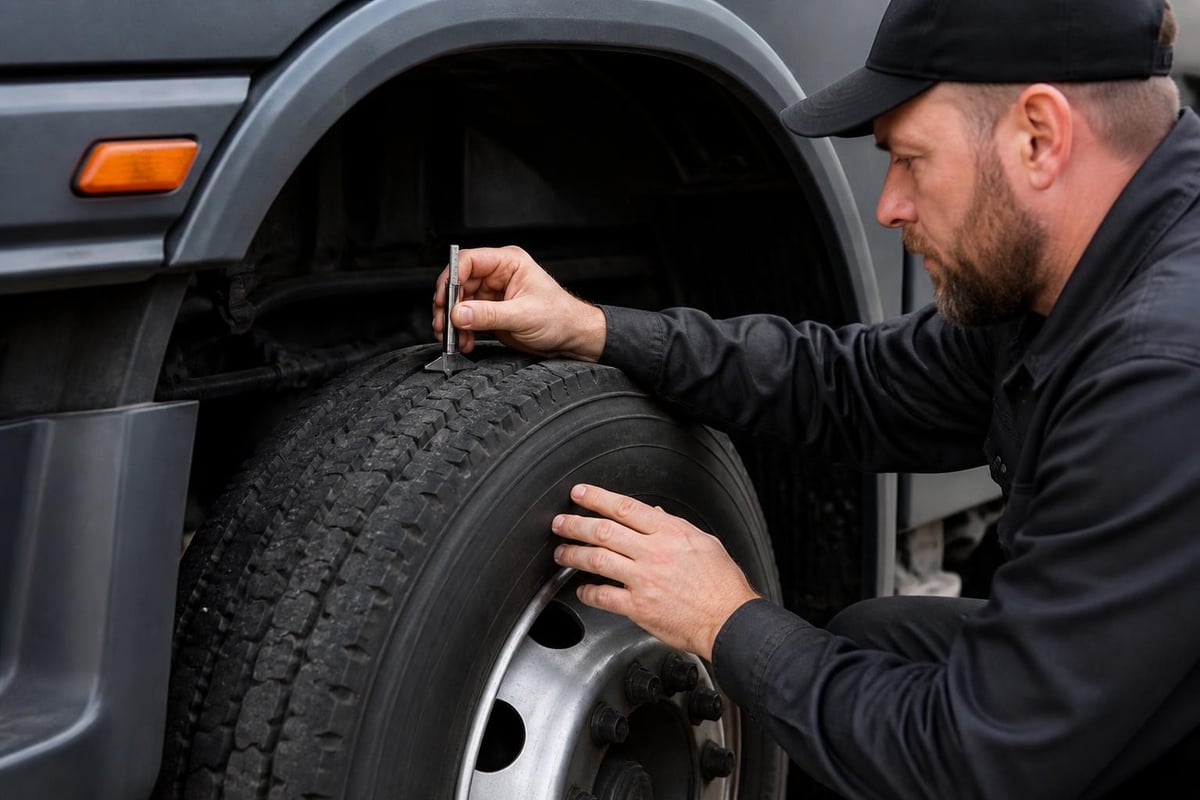
- Tread depth below 4/32" on steer axles (2/32" on other positions)
- Sidewall damage exposing ply or belt material
- Audible air leaks from tire or valve assembly
- Tread or sidewall separation
- Visible bulges indicating ply failure
- Incorrect tire size or load rating for application
A single out-of-service violation can sideline a vehicle until the defect is corrected, creating costly delays and damaging carrier safety scores that affect insurance premiums and customer contracts.
DOT and ECE Certification Requirements
All commercial truck tires sold in the United States must display a Department of Transportation (DOT) serial number on the sidewall indicating manufacturing location, size code, and production week/year. This identifier is essential for recall tracking and age verification.
The U.S. Tire Manufacturers Association maintains a searchable recall database allowing fleets to verify whether any tires in service are subject to safety recalls. Regular recall checks should be part of every fleet's tire management program, particularly when purchasing used equipment or accepting trade-ins.
European ECE certification provides an additional quality benchmark for tires meeting international standards for performance, safety, and environmental compliance. Distributors sourcing commercial truck tires for international markets often specify dual DOT/ECE certification to ensure regulatory acceptance across borders.
Maximizing Tire Life and Performance
Proper tire management extends far beyond initial purchase decisions. Systematic maintenance, inflation management, and rotation programs directly impact total cost of ownership.
Inflation Management Systems
Underinflation remains the leading cause of premature commercial truck tire failure, yet many fleets still rely on manual pressure checks that occur too infrequently to catch slow leaks. Even a 10% pressure loss increases rolling resistance, accelerates shoulder wear, and elevates operating temperatures that degrade the casing.
Automatic tire inflation systems (ATIS) maintain optimal pressure continuously, compensating for temperature changes and slow leaks without driver intervention. Fleet maintenance best practices increasingly recommend ATIS for trailers as a cost-effective technology that pays for itself through extended tire life and fuel savings.
Tire pressure monitoring systems (TPMS) provide real-time alerts when pressure drops below preset thresholds, allowing drivers or maintenance personnel to address issues before catastrophic failure occurs. While TPMS requires more driver engagement than ATIS, it offers a lower-cost entry point for fleets beginning to implement systematic pressure management.
Rotation and Alignment Protocols
Position rotation extends total tire life by equalizing wear across all wheel positions. Most commercial fleets rotate steer tires to trailer positions once tread depth reaches 8/32", allowing them to continue service in a lower-demand position while maintaining regulatory compliance.
Recommended rotation intervals:
- Steer to trailer: Every 25,000–40,000 miles or when tread reaches 8/32"
- Drive position: Rotate within axle set every 15,000–25,000 miles
- Full vehicle rotation: Based on observed wear patterns and position-specific tread depth
Wheel alignment deserves equal attention, as misalignment causes rapid irregular wear that can destroy commercial truck tires in a fraction of their normal service life. Annual alignment checks for power units and post-impact inspections after curb strikes or pothole impacts prevent thousands in premature replacement costs.
Retreading Economics and Casing Management
Commercial truck tires represent one of the few vehicle components designed for multiple service lives through professional retreading. Understanding retread economics and casing management transforms tires from a consumable expense into a managed asset.
When Retreading Makes Financial Sense
Premium commercial truck tire casings can support two to three retread cycles when properly maintained, effectively tripling the original investment. A new drive tire costing $450 delivers approximately 125,000 miles of service. Retreading that same casing for $175 provides another 100,000 miles, reducing per-mile tire costs by 40–50%.
Not all commercial truck tires are suitable retread candidates. Factors affecting retread eligibility include:
- Original tire quality: Premium casings with robust construction retread better than economy tires
- Service history: Proper inflation and maintenance throughout first life
- Casing condition: No structural damage, belt separation, or sidewall impact breaks
- Application match: Retread compounds should match the service environment
The Tire Industry Association provides recommended practices for retread inspection, repair materials, and application-specific tread designs that help fleets maximize retread success rates.
Building a Casing Management Program
Successful retread programs begin with proper casing selection and tracking from initial purchase. Fleets should maintain records linking each tire's DOT serial number to its service history, including vehicle assignment, mileage at removal, removal reason, and retread history.
| Casing Grade | Characteristics | Retread Potential | Best Use |
|---|---|---|---|
| Premium | Multi-retread design, heavy casings | 2–3 retreads | Long-haul fleets |
| Mid-grade | Single-retread capability | 1–2 retreads | Regional carriers |
| Economy | Thin casings, limited repairability | 0–1 retreads | Low-mileage applications |
Systematic casing inspection at removal identifies repairable damage before it progresses to catastrophic failure. Nail hole repairs, minor sidewall cuts, and tread injuries can be professionally repaired if caught early, preserving casing value and extending total service life.
Procurement Strategies for Fleet Buyers
Commercial truck tire purchasing requires balancing upfront costs, performance requirements, and long-term total cost of ownership. Savvy fleet managers evaluate suppliers on multiple criteria beyond unit price.
Evaluating Total Cost of Ownership
The lowest-cost tire per unit rarely delivers the lowest cost per mile. Total cost of ownership analysis should incorporate:
- Purchase price (including volume discounts and payment terms)
- Expected tread life based on application and historical data
- Fuel efficiency impact (rolling resistance coefficient)
- Retread potential and casing residual value
- Warranty coverage and manufacturer support
- Mounting and balancing costs
A tire costing 15% more but delivering 25% longer tread life and superior fuel economy represents better value than the cheapest option. Fleet buyers should request performance data and case studies from suppliers demonstrating real-world results in similar applications.
Working with Wholesale Tire Distributors
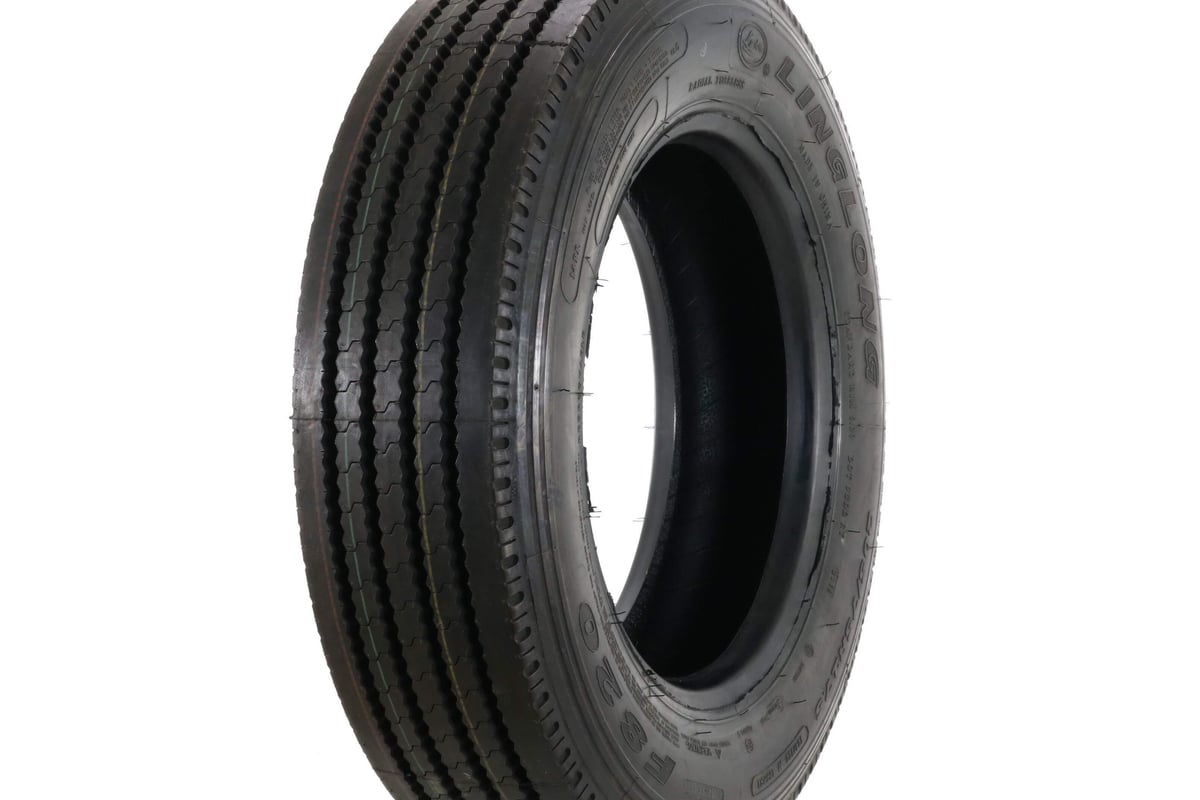
Many medium and large fleets source commercial truck tires directly from wholesale distributors rather than retail channels, capturing significant cost savings without sacrificing quality or support. Factory-direct pricing from manufacturers eliminates distributor markups while maintaining access to technical support and warranty service. For operations requiring medium-duty commercial truck tires for box trucks, dump trucks, or delivery fleets, wholesale distributors offering commercial truck tires with DOT and ECE certification can provide significant cost advantages. These tires feature high-rib center patterns for precise tracking and reinforced shoulder blocks that resist curb scuffing, with tread compounds optimized for even wear distribution across the full service life.
Establishing relationships with multiple approved suppliers provides supply chain resilience and competitive leverage during price negotiations. Leading distributors offer value-added services including tire management software, emergency road service, and on-site mounting at fleet facilities.
Certification and Quality Verification
International quality standards provide objective benchmarks when evaluating commercial truck tires from unfamiliar manufacturers. DOT certification confirms compliance with U.S. safety standards, while ECE approval indicates meeting European Union performance requirements.
Third-party testing certifications such as SmartWay verification for low-rolling-resistance tires offer independent validation of environmental and efficiency claims. Fleet buyers should request test data and certifications during the qualification process, particularly when considering new suppliers or private-label brands.
Technology Trends Shaping Commercial Tires
The commercial truck tire industry continues evolving through materials science, manufacturing technology, and data-driven fleet management integration.
Smart Tire Technologies
Embedded sensors within commercial truck tires now monitor temperature, pressure, and tread depth in real time, transmitting data wirelessly to fleet management systems. These smart tires provide predictive maintenance alerts, allowing fleets to schedule service proactively rather than reacting to failures.
Advanced sensor systems track individual tire performance across multiple service lives, building historical databases that inform purchasing decisions and identify optimal applications for specific tire models. Integration with telematics platforms creates comprehensive asset management that connects tire performance to vehicle utilization, route characteristics, and driver behavior.
Sustainable Materials and Manufacturing
Environmental pressures and raw material costs are driving innovation in commercial truck tire compounds and construction. Silica-enhanced tread compounds reduce rolling resistance without sacrificing tread life, while advanced belt materials increase strength with less weight.
Several manufacturers now incorporate recycled materials and bio-based compounds into commercial tire production, reducing petroleum dependence and environmental impact. These sustainability initiatives increasingly align with corporate environmental goals and customer preferences without compromising performance or durability.
Common Fleet Tire Management Mistakes
Even experienced fleet operators fall into predictable tire management traps that inflate costs and reduce safety.
Ignoring Position-Specific Requirements
Installing all-position tires across every wheel position seems to simplify inventory management, but it sacrifices performance and economy. Steer tires on drive axles wear rapidly and provide inadequate traction. Drive tires on steer axles create harsh ride quality and accelerated wear through excessive scrubbing in turns.
Position-optimized commercial truck tires deliver superior results when matched to their intended application, easily justifying the modest inventory complexity of maintaining separate steer, drive, and trailer tire stocks.
Inconsistent Inflation Maintenance
Weekly pressure checks sound reasonable in theory but rarely happen consistently across large fleets. Drivers change, routes vary, and manual processes depend on human discipline that inevitably breaks down during busy periods.
Automated systems eliminate human factors while providing continuous rather than periodic monitoring. The investment in ATIS or TPMS pays for itself through reduced failures, extended tire life, and improved fuel economy within the first year for most fleets.
Premature Tire Disposal
Removing commercial truck tires when tread reaches 6/32" or 5/32" wastes thousands of miles of remaining service life. While steer axles must maintain 4/32" minimum tread depth, drive and trailer positions remain legal down to 2/32" in most jurisdictions.
Tires removed from steer service can transition to trailer positions, extending total life cycle without compromising safety or compliance. Systematic rotation programs maximize every dollar invested in commercial truck tires while maintaining fleet safety standards.
Strategic commercial truck tire management in 2026 requires balancing regulatory compliance, total cost of ownership, and operational demands specific to your fleet's applications. From selecting position-appropriate tires and implementing systematic maintenance to leveraging retread economics and working with wholesale distributors, every decision impacts your bottom line and safety record. OTR TIRE THAI manufactures premium commercial truck tires, TBR tires, and specialty tires for distributors in over 80 countries, combining international quality standards with factory-direct wholesale pricing. Contact us today to discuss how our tire solutions can optimize your fleet's performance and profitability.
