
Blog
Commercial Truck Tires Wholesale: Complete 2026 Guide
Sep
The commercial truck tire wholesale market has evolved dramatically over the past decade, driven by changing regulatory standards, supply chain restructuring, and increasing fleet efficiency demands. For distributors, fleet managers, and procurement specialists, understanding how to navigate the wholesale tire landscape is essential for maintaining competitive advantage while ensuring safety and compliance. The global commercial tire market reached $68 billion in 2025, with wholesale channels accounting for approximately 42% of all commercial tire transactions. As we progress through 2026, the dynamics of sourcing commercial truck tires wholesale continue to shift in response to technological advances, environmental regulations, and manufacturing innovations across Asia, Europe, and North America.
Understanding the Commercial Truck Tire Wholesale Market
The wholesale tire distribution model serves as the critical link between manufacturers and end users. Unlike retail channels that focus on individual vehicle owners, the commercial truck tires wholesale sector caters to fleet operators, leasing companies, tire service centers, and regional distributors who purchase in volume.
Market segmentation in 2026 reflects several distinct buyer categories. Large fleet operators with 500+ vehicles typically negotiate directly with manufacturers or tier-one distributors, securing multi-year contracts with fixed pricing and delivery schedules. Mid-sized fleets (50-500 trucks) work primarily through regional wholesale distributors who stock multiple brands and offer flexible ordering. Smaller operations and independent service centers rely on local wholesale suppliers who provide mixed inventory and rapid fulfillment.
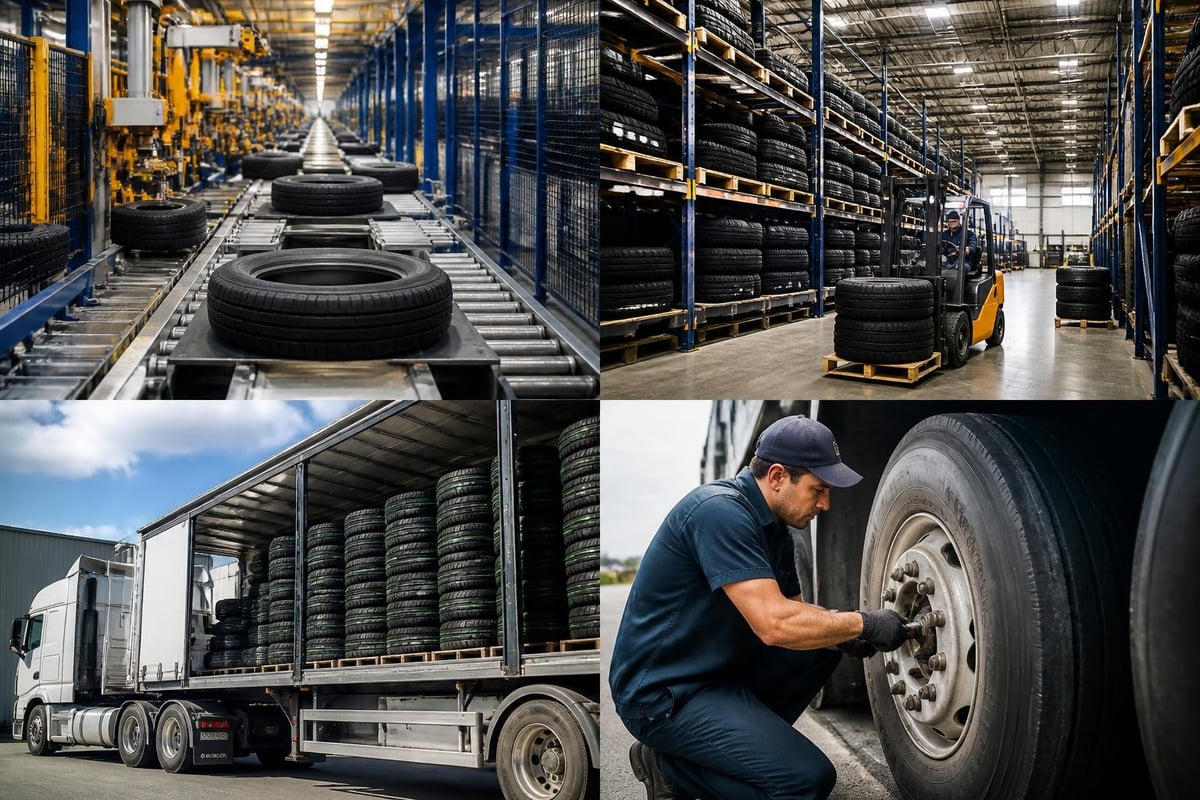
Geographic manufacturing concentration shapes wholesale pricing and availability. Thailand, China, India, and Indonesia account for 64% of global commercial tire production, while European and North American factories focus on premium segments and specialized applications. Transportation costs, tariffs, and lead times all factor into the total landed cost that wholesale buyers must evaluate.
Key Specifications in Wholesale Procurement
Commercial truck tire specifications vary significantly by application, vehicle class, and operational environment. The most common sizes in wholesale channels include:
| Size | Application | Typical Load Range |
|---|---|---|
| 11R22.5 | Long-haul steer/trailer | G, H |
| 11R24.5 | Regional haul | G, H |
| 295/75R22.5 | Drive position | G, H |
| 285/75R24.5 | All positions | G, H |
| 425/65R22.5 | Wide-base single | L, M |
Understanding load ratings, ply ratings, and speed categories is non-negotiable when sourcing commercial truck tires wholesale. A Class 8 tractor operating at 80,000 pounds gross vehicle weight requires tires rated for specific load capacities at designated inflation pressures. Misspecification leads to premature failure, safety incidents, and regulatory violations.
The U.S. Department of Transportation maintains strict requirements for commercial motor vehicle tires, including tread depth minimums (4/32" for steer axles, 2/32" for other positions) and age restrictions in certain applications. Wholesale buyers must ensure their inventory meets all applicable standards for their target markets.
Quality Standards and Certification Requirements
Regulatory compliance forms the foundation of responsible wholesale sourcing. In 2026, commercial truck tires sold in major markets must carry multiple certifications demonstrating conformity with safety and performance standards.
DOT (Department of Transportation) certification remains mandatory for all tires sold in the United States. The DOT code stamped on every tire sidewall identifies the manufacturing plant, tire size, and production week/year. ECE (Economic Commission for Europe) certification applies to tires marketed in European Union member states and many other countries that recognize ECE standards.
Testing and Performance Verification
Beyond basic certification, discerning wholesale buyers evaluate manufacturers based on comprehensive testing protocols:
- Load endurance testing: Simulates prolonged operation at maximum load to verify structural integrity
- High-speed testing: Validates performance at sustained highway speeds under various load conditions
- Bead durability testing: Ensures secure mounting and air retention throughout service life
- Rolling resistance measurement: Quantifies fuel efficiency impact, increasingly important for fleet TCO
- Wet traction testing: Demonstrates braking and handling performance on wet surfaces
The European Commission’s tire labeling framework provides standardized grades for rolling resistance, wet grip, and external rolling noise. These metrics enable wholesale buyers to compare products objectively and make data-driven procurement decisions aligned with fleet performance goals.
Third-party testing and certification from organizations like TÜV, SGS, and Intertek add additional credibility. Manufacturers who invest in independent verification typically command premium positioning in wholesale channels.
Pricing Strategies and Cost Analysis
Commercial truck tires wholesale pricing follows a complex structure influenced by raw material costs, manufacturing scale, logistics, and market positioning. Understanding these dynamics helps buyers negotiate effectively and optimize total cost of ownership.
Base manufacturing costs break down into several components. Natural rubber, synthetic rubber, carbon black, steel cord, and textile reinforcement account for approximately 60% of production cost. Energy (15%), labor (12%), overhead and quality control (8%), and profit margin (5%) comprise the remainder. These proportions vary by manufacturing location and production technology.

Volume-Based Pricing Tiers
Wholesale pricing typically follows a tiered structure based on order quantity and relationship duration:
| Order Volume (Units) | Discount off MSRP | Payment Terms | Lead Time |
|---|---|---|---|
| 40-99 | 35-40% | Net 30 | 4-6 weeks |
| 100-499 | 42-48% | Net 45 | 6-8 weeks |
| 500-999 | 50-55% | Net 60 | 8-12 weeks |
| 1,000+ | 58-65% | Negotiated | 12-16 weeks |
Container-load purchasing (approximately 300-500 tires depending on size) typically represents the threshold for optimal pricing. Buyers who commit to regular shipments throughout the year often secure better terms than those placing sporadic spot orders.
Freight costs significantly impact landed pricing for imported commercial truck tires wholesale. A 40-foot container from Southeast Asia to the U.S. West Coast costs $2,400-$3,800 in 2026, while East Coast delivery runs $4,200-$6,500. European destinations range from $2,800-$4,500 depending on port. These costs translate to $8-$18 per tire depending on load efficiency.
Supplier Selection and Evaluation
Choosing the right manufacturing partner or primary distributor represents one of the most consequential decisions in commercial truck tires wholesale. A systematic evaluation process reduces risk and establishes a foundation for long-term success.
Manufacturing capacity and consistency determine a supplier's ability to fulfill commitments during both stable periods and demand surges. Site visits reveal production scale, equipment modernity, quality control systems, and inventory management practices. Factories producing 5,000+ tires daily typically maintain more stable quality and delivery performance than smaller operations.
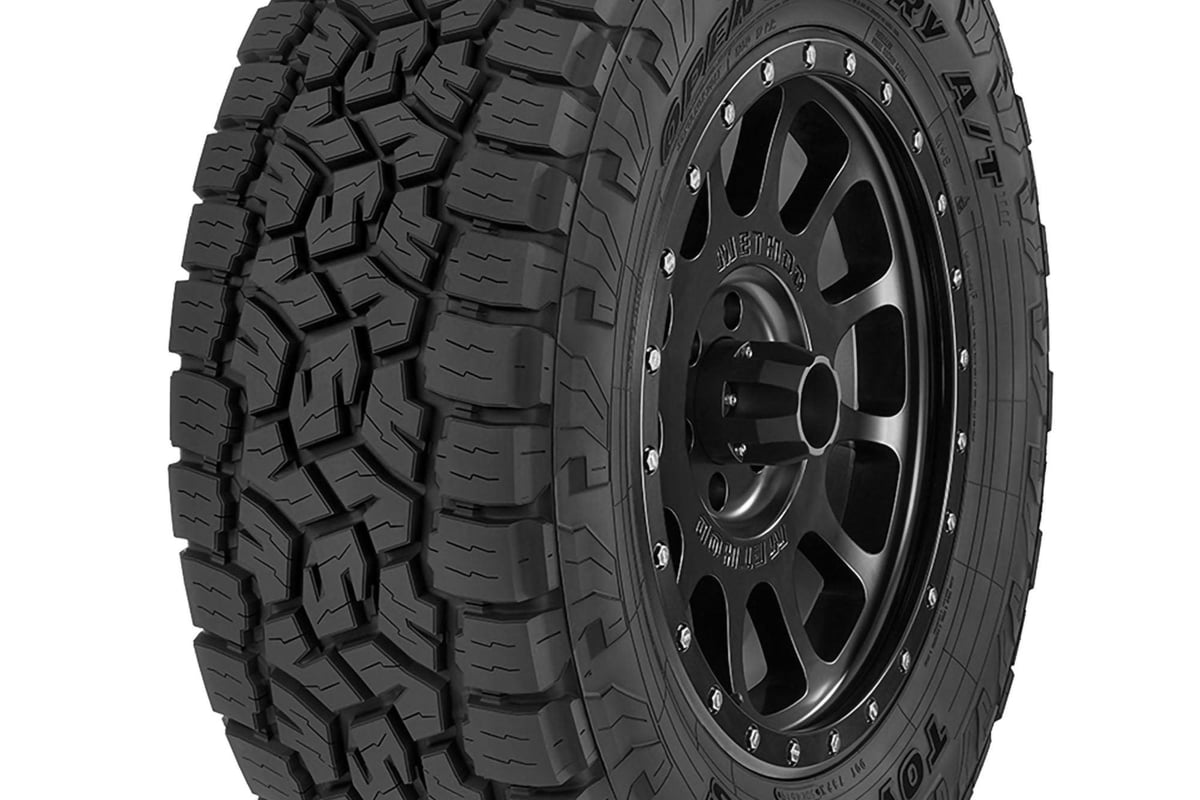
For fleet operators and distributors seeking reliable wholesale partners, our Semi Truck Tires from Thailand deliver proven performance across steer, drive, and trailer positions with full DOT and ECE certification. The optimized five-rib steer pattern and deep closed-shoulder drive design meet the demanding requirements of both long-haul and regional applications.
Due Diligence Checklist
A comprehensive supplier evaluation should address these critical areas:
Financial stability: Request audited financial statements, credit references, and bank verifications. Suppliers experiencing cash flow difficulties may compromise quality or fail to honor warranties.
Quality management systems: ISO 9001 certification provides baseline assurance. ISO/TS 16949 (automotive-specific) or IATF 16949 indicates more rigorous quality frameworks.
Testing capabilities: In-house laboratories capable of performing FMVSS 119, ECE R54, and other regulatory tests demonstrate technical sophistication.
Warranty programs: Clear warranty terms covering workmanship defects, with straightforward claims processes and reasonable adjustment policies.
Technical support: Access to engineering staff who can assist with specification questions, application guidance, and performance troubleshooting.
References from existing customers provide invaluable insight. Speaking with 3-5 current wholesale buyers reveals patterns in delivery reliability, product consistency, and responsiveness to issues.
Inventory Management and Warehousing
Effective inventory management separates profitable wholesale operations from those struggling with cash flow and obsolescence challenges. Commercial truck tires represent significant capital investment, with holding costs ranging from 18-25% annually when accounting for warehouse space, insurance, shrinkage, and opportunity cost.
Strategic stocking decisions balance availability against working capital efficiency. Fast-moving sizes like 11R22.5 and 295/75R22.5 in popular load ranges warrant higher inventory levels, while specialty sizes operate on a just-in-time or made-to-order basis.
Optimal Stock Rotation
First-in, first-out (FIFO) rotation prevents age-related degradation. Tire rubber compounds contain antioxidants and antiozonants that gradually deplete over time, even in storage. Most manufacturers recommend selling tires within three years of production and advise against installing tires more than six years old, regardless of tread depth.
Proper warehouse conditions extend shelf life and maintain product integrity:
- Temperature: 50-70°F (10-21°C) optimal; avoid extremes above 95°F (35°C)
- Humidity: 40-70% relative humidity prevents rubber drying
- Sunlight: Complete UV protection; rubber degrades rapidly under direct sunlight
- Position: Store vertically or in racks; avoid stacking more than 6 high to prevent sidewall deformation
- Spacing: Maintain air circulation; prevent contact with solvents, oils, or chemicals
Sophisticated wholesale operations implement barcode or RFID tracking systems that monitor each tire's production date, receipt date, and warehouse location. This technology enables automatic FIFO enforcement and age-based inventory alerts.
Market Trends Shaping Wholesale Demand
The commercial truck tires wholesale landscape in 2026 reflects several powerful trends that are reshaping buyer priorities and manufacturer strategies.
Fuel efficiency has emerged as a dominant selection criterion. With diesel prices fluctuating between $3.80 and $4.60 per gallon across most U.S. markets, every percentage point of rolling resistance reduction translates to measurable cost savings. Low-rolling-resistance tires can improve fuel economy by 3-5%, worth approximately $800-$1,400 annually per truck operating 100,000 miles.
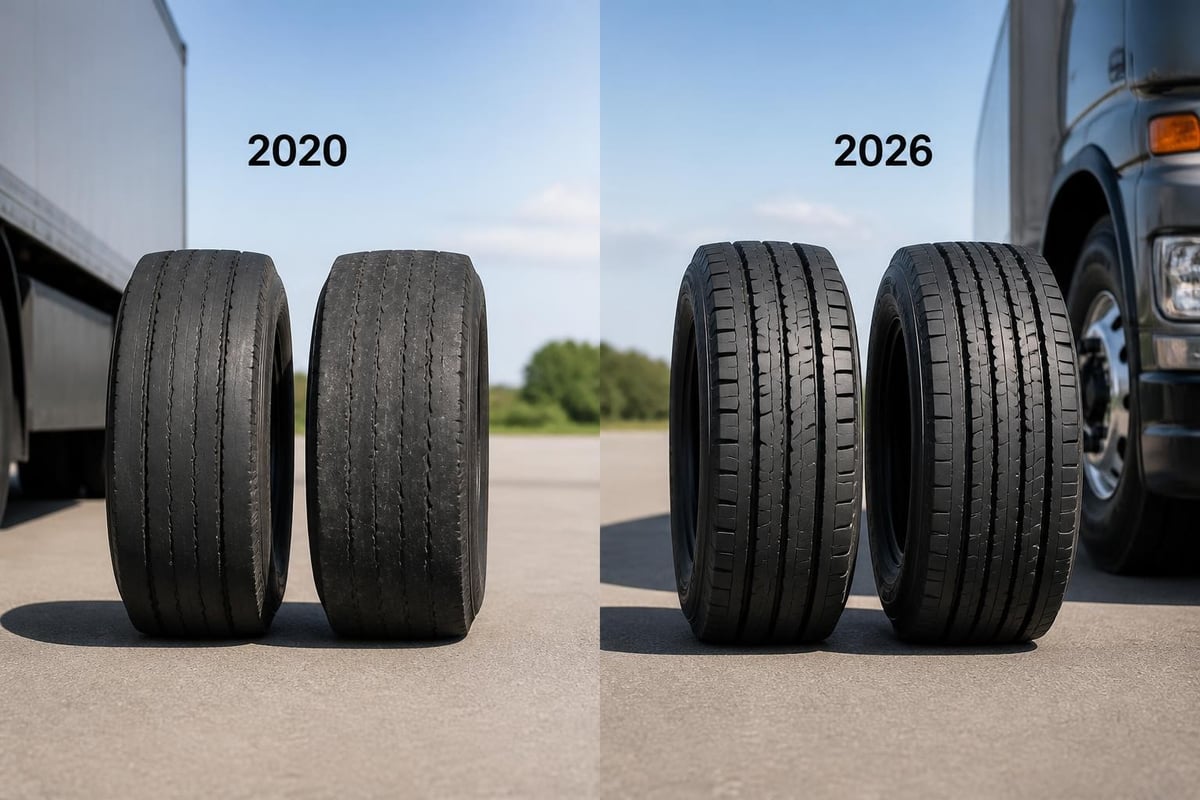
Extended durability technologies are gaining traction as fleets seek to maximize tire life and reduce roadside failures. Advanced tread compounds, optimized casing construction, and improved bead designs are pushing average removal mileage from 150,000 miles to 180,000-200,000 miles in linehaul applications. This 20-30% life extension significantly improves total cost of ownership despite potentially higher initial purchase prices.
Smart Tire Technology Integration
Tire pressure monitoring systems (TPMS) are becoming standard in commercial applications, driven by both regulatory mandates and fleet efficiency programs. Wholesale buyers increasingly specify tires compatible with sensor integration, while some premium products include embedded sensors that communicate pressure, temperature, and tread depth data to fleet management platforms.
Retreadability remains a critical consideration in commercial truck tires wholesale. High-quality casings designed for multiple retreads (typically 2-4 cycles) offer superior economics compared to run-to-removal strategies. Wholesale buyers should verify casing specifications, including belt package construction and rubber gauge thickness, to ensure compatibility with professional retreading operations. Industry analysis from FleetOwner highlights how supply dynamics and import pressures are influencing wholesale procurement strategies in 2026.
Service and Support Infrastructure
Technical support capabilities separate commodity wholesale suppliers from true value partners. The complexity of modern commercial tire applications demands expertise that extends beyond simple product availability.
Application engineering assistance helps buyers match specific tire designs to operational requirements. A concrete mixer running local routes faces entirely different demands than a linehaul tractor operating interstate highways. Tread pattern, compound formulation, casing construction, and load rating all require careful specification to optimize performance and cost.
Training and Education Programs
Progressive wholesale suppliers invest in customer education through multiple channels:
- Web-based resources: Technical bulletins, installation guides, maintenance procedures, and troubleshooting tools
- On-site training: Hands-on sessions covering proper mounting, inflation, inspection, and rotation practices
- Webinars and seminars: Quarterly updates on new products, application best practices, and industry trends
- Certification programs: Structured training leading to recognized credentials in commercial tire service
The Tire Industry Association offers comprehensive resources that support professional development for wholesale buyers and service technicians working in the commercial segment.
Field support representatives who conduct tire audits, analyze failure patterns, and recommend specification changes provide tangible value beyond the transaction. These services help wholesale buyers optimize their product mix, reduce premature removals, and improve overall fleet tire performance.
Regulatory Compliance and Documentation
Navigating the regulatory environment is essential for successful commercial truck tires wholesale operations. Requirements vary significantly by jurisdiction, and non-compliance can result in product seizures, fines, and reputational damage.
Import documentation for wholesale tire shipments must include commercial invoices detailing product descriptions, quantities, unit values, and origin declarations. Harmonized Tariff Schedule (HTS) classification determines applicable duty rates, which range from 0% to 4% for most commercial truck tire categories entering the United States under normal trade relations.
Country of origin marking must appear on every tire in accordance with U.S. Customs and Border Protection regulations. The DOT code serves this purpose for tires manufactured in the United States, while imported tires require additional origin markings.
Safety Standard Compliance
All commercial truck tires wholesale must comply with Federal Motor Vehicle Safety Standard (FMVSS) 119, which specifies performance requirements for tires used on motor vehicles with gross vehicle weight ratings above 10,000 pounds. Compliance testing addresses:
- Strength and endurance under maximum load
- High-speed performance characteristics
- Resistance to bead unseating
- Proper labeling and marking requirements
Maintaining comprehensive compliance documentation protects wholesale buyers from liability. Certificates of conformity, test reports, and quality assurance records should accompany every shipment. The USTMA’s care and service guidelines provide authoritative technical recommendations that support proper handling and application.
Building Long-Term Wholesale Partnerships
Sustainable success in commercial truck tires wholesale stems from relationships built on mutual value creation rather than transactional price negotiation. The most profitable wholesale buyers invest in partnerships that deliver consistent quality, reliable supply, and continuous improvement.
Transparency in communication establishes trust and enables collaborative problem-solving. Sharing forecast data helps manufacturers plan production and allocate capacity. Providing feedback on product performance drives quality improvements and application optimization. Discussing market trends and competitive dynamics allows both parties to adapt strategies proactively.
Performance Metrics and Continuous Improvement
Establishing clear performance metrics creates accountability and drives operational excellence:
| Metric | Target | Measurement Frequency |
|---|---|---|
| On-time delivery | ≥95% | Monthly |
| Order accuracy | ≥98% | Monthly |
| Quality acceptance rate | ≥99.5% | Per shipment |
| Warranty claim rate | ≤0.3% | Quarterly |
| Response time (technical inquiries) | ≤24 hours | Ongoing |
Regular business reviews (quarterly or semi-annually) provide structured opportunities to assess performance against these metrics, address systemic issues, and align on strategic initiatives. Forward-looking discussions about product development, market expansion, and supply chain optimization strengthen the partnership foundation.
Volume commitment strategies that balance flexibility with predictability benefit both parties. Blanket purchase orders with scheduled releases provide manufacturers with production visibility while giving wholesale buyers flexibility in timing and allocation. Multi-year agreements with annual price adjustments based on transparent indices (raw material costs, exchange rates, freight) reduce negotiation friction and support long-term planning.
Risk Management in Wholesale Sourcing
Effective risk management protects wholesale tire operations from disruptions that can cascade through the supply chain and damage customer relationships. A comprehensive approach addresses multiple risk categories.
Supply chain diversification reduces dependency on single sources. Maintaining qualified suppliers in multiple geographic regions provides alternatives during factory disruptions, natural disasters, or geopolitical instability. Even buyers who source 70-80% from a primary partner should develop relationships with secondary suppliers capable of providing coverage.
Quality assurance protocols catch defects before distribution. Incoming inspection procedures should include visual examination of 100% of tires for obvious defects, dimensional verification of sample units, and periodic DOT code verification to ensure product matches documentation.
Insurance and liability coverage protects against catastrophic scenarios. Product liability insurance with limits appropriate to business scale and geographic reach is non-negotiable. Additional coverage for inventory while in transit, in warehouse storage, and during loading/unloading operations closes potential gaps.
Digital Transformation in Wholesale Distribution
Technology adoption is accelerating across the commercial truck tires wholesale sector, driven by efficiency demands and customer expectations for seamless transactions.
E-commerce platforms designed for B2B wholesale enable 24/7 ordering, real-time inventory visibility, and automated replenishment. Sophisticated systems integrate with customers' fleet management software and procurement platforms, streamlining the ordering process and reducing administrative overhead.
Data analytics capabilities transform wholesale operations from reactive to predictive. Analysis of historical sales patterns, seasonal trends, and market shifts enables optimized inventory positioning. Predictive modeling identifies emerging opportunities and potential issues before they materialize in financial results.
Electronic data interchange (EDI) standardizes transaction documents between trading partners, eliminating manual entry errors and accelerating order processing. Purchase orders, advance ship notices, invoices, and payment remittances flow automatically between systems, reducing cycle times and improving accuracy.
Mobile applications extend functionality to field personnel who need access to inventory, pricing, and customer data while away from office systems. Sales representatives can check stock availability, generate quotes, and place orders during customer visits, accelerating response times and improving service levels.
The commercial truck tires wholesale market in 2026 demands sophisticated approaches to sourcing, quality assurance, and partnership management. Success requires balancing immediate pricing considerations against long-term value drivers including product quality, supplier reliability, and total cost of ownership. As a leading tire manufacturer serving distributors across 80+ countries, OTR TIRE THAI combines factory-direct wholesale pricing with internationally certified quality across our complete range of commercial truck, agricultural, industrial, and specialty tires. Contact our distribution team to discuss how our manufacturing capabilities and global logistics network can strengthen your competitive position in the commercial tire market.
