
Blog
Radial Tires: Engineering, Benefits & Buyer’s Guide
Sep
Modern vehicles depend on advanced tire technology to deliver safety, efficiency, and performance across diverse operating conditions. Since their introduction in the mid-twentieth century, radial tires have transformed the automotive and commercial transport industries. Understanding the engineering principles, performance advantages, and selection criteria for radial tires enables fleet managers, distributors, and procurement professionals to make informed purchasing decisions that optimize total cost of ownership while meeting demanding operational requirements.
Understanding Radial Tire Construction
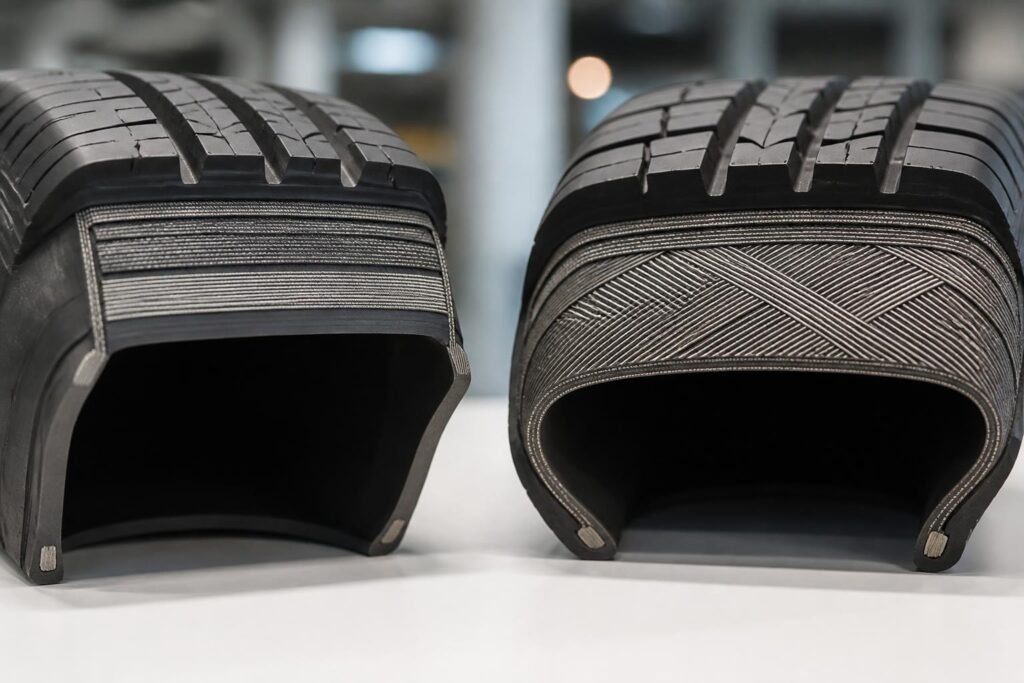
Radial tires derive their name from the arrangement of internal reinforcing cords. Unlike traditional bias-ply tires where cords run diagonally across the tire at alternating angles, radial construction features cords that extend from bead to bead at 90-degree angles to the direction of travel. This perpendicular orientation creates a radial pattern from the wheel's center outward.
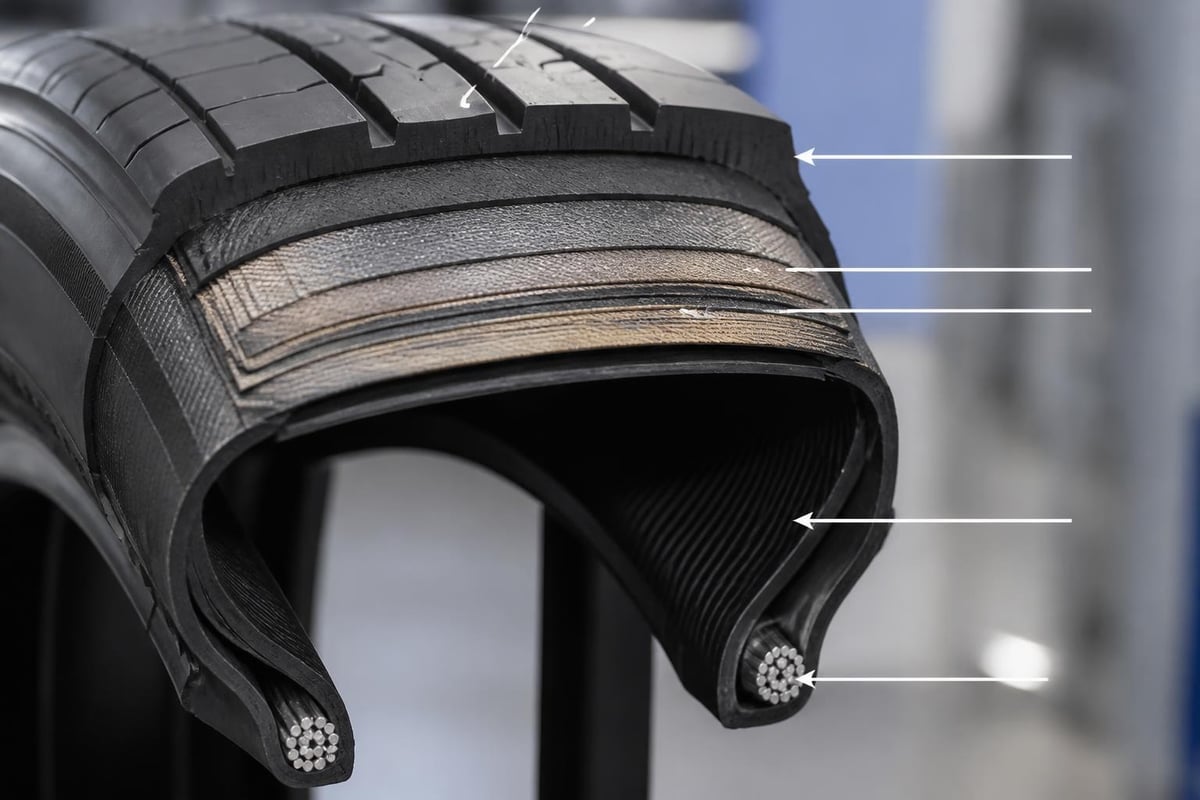
The typical radial tire consists of several distinct layers working together as an integrated system. The innermost layer forms an airtight seal, followed by body plies made from textile cords (commonly polyester or rayon) running radially. Steel belts sit beneath the tread, oriented at opposing angles to provide dimensional stability and resist centrifugal forces during rotation. The tread compound itself is engineered for specific applications, from highway cruising to off-road traction.
Key Structural Components
Each component serves a specific engineering function:
- Bead bundle: High-tensile steel wire anchors the tire to the rim and withstands mounting forces
- Radial body plies: Flexible cords provide casing strength while allowing sidewall flex
- Steel belt package: Typically two or more layers stabilize the tread and resist punctures
- Cap plies: Additional reinforcement (often nylon) controls centrifugal growth at highway speeds
- Tread compound: Rubber formulation balancing wear, traction, and rolling resistance
The European Tyre and Rim Technical Organisation (ETRTO) publishes comprehensive technical standards governing radial tire dimensions, load ratings, and construction specifications. These standards ensure global interoperability between tires and rims while maintaining minimum safety thresholds across manufacturers.
Performance Advantages of Radial Design
Radial tires deliver measurable benefits compared to bias-ply alternatives across multiple performance dimensions. The flexible sidewall design allows the tread to maintain optimal contact with the road surface independently of sidewall deflection, improving traction and cornering stability.
Fuel Economy and Rolling Resistance
The single most significant advantage for commercial operators is reduced rolling resistance. Radial construction minimizes internal friction as the tire flexes during rotation. According to EPA analyses of tire rolling resistance and fuel economy, switching from bias-ply to radial tires can improve fuel efficiency by three to seven percent in typical highway operations.
This efficiency gain translates directly to operating cost reductions. For a long-haul trucking fleet covering 100,000 miles annually per vehicle, a five-percent fuel savings represents thousands of dollars per truck. When multiplied across an entire fleet, the economic impact becomes substantial and measurable within the first year of operation.
| Performance Metric | Radial Tires | Bias-Ply Tires |
|---|---|---|
| Rolling Resistance | 20-30% lower | Baseline |
| Tread Life | 30-50% longer | Baseline |
| Heat Generation | Significantly reduced | Higher internal friction |
| Ride Comfort | Superior | Stiffer, harsher |
Durability and Service Life
Radial tires typically deliver 30 to 50 percent longer tread life than bias-ply equivalents in equivalent service conditions. The steel belt package distributes forces evenly across the contact patch, promoting uniform wear patterns. Lower operating temperatures reduce compound degradation and casing stress, extending both tread life and casing durability for potential retreading.
The flexible sidewalls absorb road impacts more effectively, protecting the tire structure from damage. This resilience proves especially valuable in demanding applications such as delivery routes with frequent curb strikes or construction sites with sharp debris hazards.
Application-Specific Radial Tire Categories
Modern radial tire offerings span a wide spectrum of vehicle types and operating environments. Each category features design optimizations tailored to specific performance priorities and regulatory requirements.
Passenger Car Radials (PCR)
Passenger car radial tires prioritize ride comfort, wet traction, noise suppression, and fuel efficiency. Tread patterns feature thousands of sipes (thin cuts) that create biting edges for wet and winter traction. Compound formulations balance grip with tread longevity, often using silica-enhanced mixtures that maintain flexibility across temperature ranges.
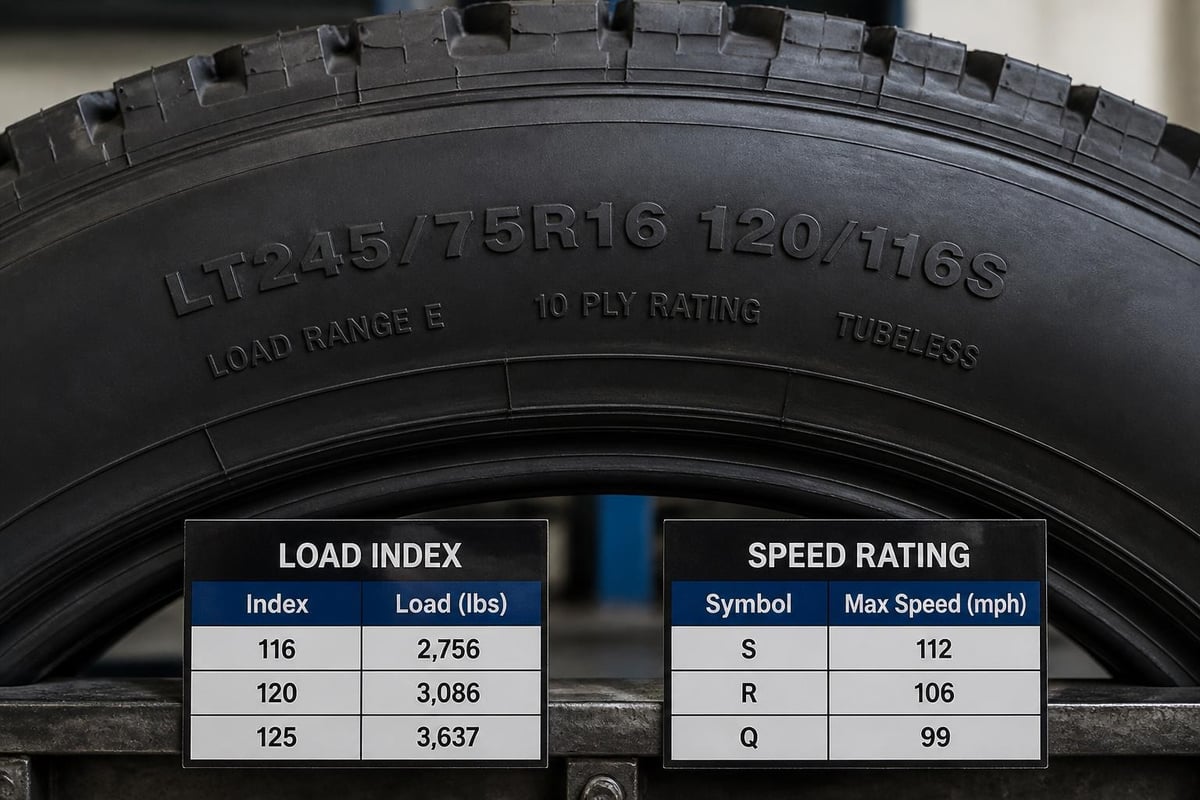
Sizing follows standardized conventions, with common dimensions like 205/55R16 indicating section width (205mm), aspect ratio (55% of width), radial construction (R), and rim diameter (16 inches). Load index and speed rating codes appear after the size designation, providing essential performance specifications.
Truck and Bus Radials (TBR)
Commercial truck operations demand maximum cost-effectiveness measured in dollars per mile delivered. TBR radial tires feature deeper tread depths (18-24/32" new), reinforced casings rated for multiple retreads, and specialized compounds for specific wheel positions.
Steer axle tires emphasize straight-line stability and even wear through multi-rib tread patterns. Drive axle radials use aggressive lug patterns with stone ejectors for traction and self-cleaning. Trailer positions prioritize fuel efficiency through low rolling resistance designs. For fleets seeking reliable steer, drive, and trailer coverage, our Semi Truck Tires from Thailand deliver position-optimized performance with fuel-saving compounds that meet EPA SmartWay efficiency standards while providing the long-haul durability commercial operators require.
Off-The-Road (OTR) Radials
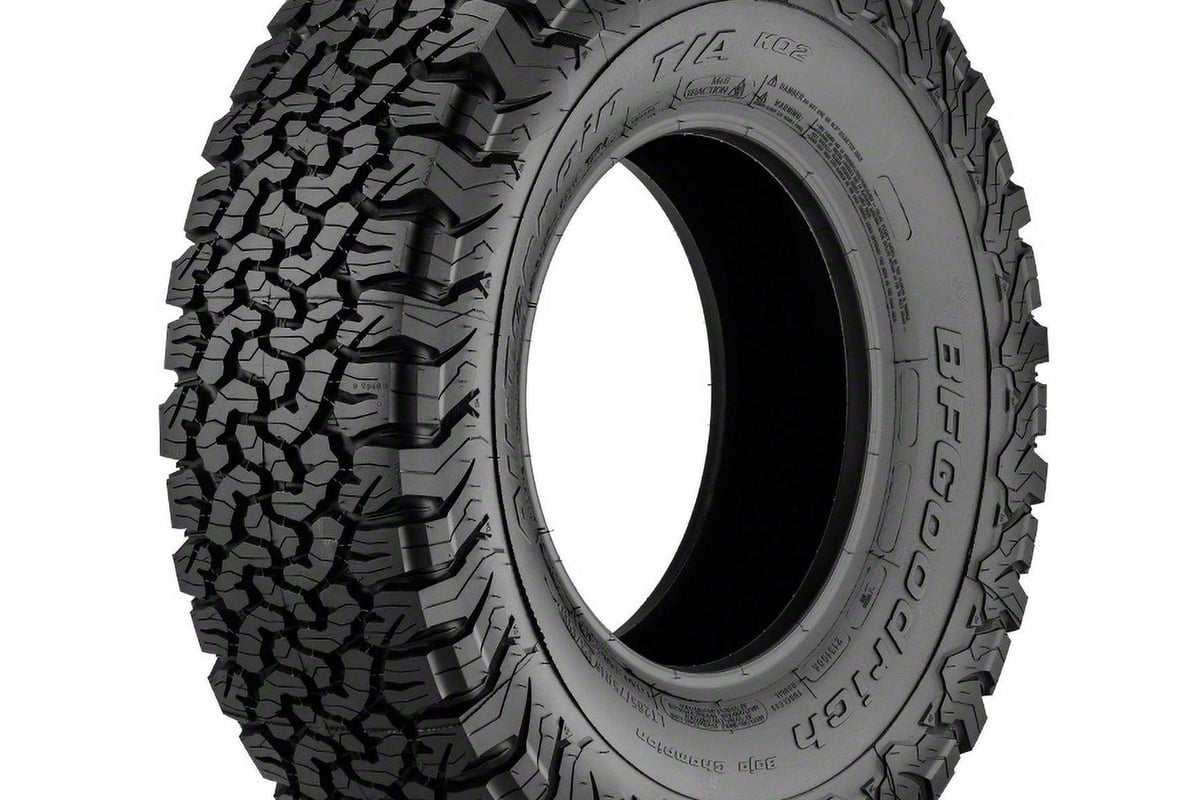
Mining, construction, and forestry equipment operate in extreme conditions that demand specialized radial tire engineering. OTR radials feature extra-deep lugs, cut-resistant compounds, and massive load capacities measured in tens of thousands of pounds per tire.
The transition from bias-ply to radial construction in OTR applications occurred more gradually than in highway segments due to initial concerns about sidewall damage resistance. Modern OTR radial designs have overcome these limitations while delivering fuel savings and longer service life that justify premium pricing through total cost analysis.
Selection Criteria for Commercial Buyers
Procurement decisions for radial tires require evaluating multiple factors beyond initial purchase price. A comprehensive assessment considers total lifecycle costs, operational requirements, and performance verification.
Load and Speed Ratings
Every radial tire carries standardized load index and speed rating codes that define safe operating parameters. The load index (a numerical code from 0 to 279) corresponds to maximum load capacity at specified inflation pressure. Speed ratings (letter codes from L to Y) indicate the maximum sustained speed capability.
Critical specification elements:
- Ensure load rating exceeds actual loaded weight with safety margin
- Match speed rating to vehicle's maximum operating speed
- Verify inflation pressure requirements for rated load capacity
- Consider temperature ratings for extreme climate operations
- Check for specific regulatory certifications (DOT, ECE, SNI)
According to ETRTO technical recommendations, proper load and inflation matching is essential for preventing premature tire failure and maintaining manufacturer warranties. Operating radial tires above rated capacity or below specified pressure accelerates wear and increases failure risk.
Tread Pattern and Compound Selection
Tread design directly impacts performance across wet traction, noise generation, wear rate, and rolling resistance. Deep grooves channel water away from the contact patch to prevent hydroplaning. Lateral sipes create biting edges for acceleration and braking grip. Solid center ribs enhance steering response and promote even wear.
Compound chemistry involves complex tradeoffs between competing performance objectives. Softer compounds deliver better grip but wear faster. Harder formulations extend tread life at the expense of traction. Modern multi-compound treads use harder rubber in the center for longevity while placing softer material at shoulders for cornering grip.
Quality Verification and Testing Standards
Reputable manufacturers submit radial tires to rigorous quality assurance protocols throughout production. Testing regimens include dimensional verification, uniformity measurement, high-speed endurance trials, and destructive examination of sample tires from each production batch.
Industry standards organizations publish testing methodologies that provide objective performance benchmarks. ASTM International standards such as F1426 establish procedures for identifying irregular wear patterns, while recent research in tire modeling explores advanced numerical simulation techniques for predicting radial tire durability under varied loading conditions.
Maintenance Best Practices for Radial Tire Fleets
Proper maintenance protocols maximize the inherent durability advantages of radial tire construction while preventing premature removal from service. Systematic inspection and care programs deliver measurable return on investment through extended tire life and reduced roadside failures.
Inflation Pressure Management
Maintaining correct inflation pressure represents the single most important maintenance factor for radial tire longevity. Under-inflation causes excessive sidewall flexing, generating heat that degrades rubber compounds and internal components. Over-inflation reduces contact patch size, concentrating wear in the tread center and compromising traction.
Commercial operations should implement pressure checking protocols at minimum weekly frequency, with daily checks for severe-service applications. Tire pressure monitoring systems (TPMS) provide real-time alerts but require calibration verification and sensor battery replacement over time.
| Pressure Deviation | Consequences | Severity |
|---|---|---|
| 10% under-inflation | 10% reduction in tire life, increased fuel consumption | Moderate |
| 20% under-inflation | 30% reduction in tire life, structural damage risk | Severe |
| 10% over-inflation | Irregular center wear, reduced traction | Moderate |
| 20% over-inflation | Impact damage susceptibility, harsh ride | Severe |
Visual Inspection and Wear Monitoring
Regular visual inspection identifies developing problems before catastrophic failure occurs. Trained technicians should examine radial tires for:
- Tread depth: Measure across multiple points using depth gauges; replace when reaching legal minimums or retread eligibility thresholds
- Irregular wear patterns: Identify causes such as misalignment, improper inflation, or mechanical defects
- Sidewall condition: Check for cuts, bulges, weather checking, or exposed cords
- Foreign object penetration: Remove nails or debris before they migrate to critical structural components
- Valve condition: Verify valve core sealing and cap presence
Real-world service bulletins from vehicle manufacturers document common radial tire failure modes and diagnostic procedures. These technical resources help maintenance personnel recognize early warning signs and implement corrective action.
Rotation and Alignment Protocols
Systematic tire rotation extends service life by promoting even wear distribution across all wheel positions. Rotation intervals typically range from 6,000 to 8,000 miles for commercial vehicles, with specific patterns depending on drive configuration and tire type.
Proper wheel alignment ensures radial tires track straight and maintain optimal contact patch geometry. Misalignment causes rapid shoulder wear, increased rolling resistance, and reduced fuel economy. Commercial fleets should verify alignment after any suspension work, impact event, or when irregular wear patterns become apparent during inspection.
Economic Analysis for Fleet Operations
Financial justification for radial tire selection requires comprehensive cost modeling that extends beyond purchase price to encompass total ownership expenses. Sophisticated fleet managers evaluate cost per mile delivered rather than cost per tire purchased.
Total Cost of Ownership Calculation
A complete TCO analysis includes multiple cost components:
- Initial purchase price per tire delivered and mounted
- Fuel consumption impact over the tire's service life based on rolling resistance
- Maintenance labor for mounting, balancing, rotation, and inspection
- Casing value for retreadable positions (first, second, or third retread capability)
- Downtime costs from unscheduled tire failures and roadside service calls
Premium radial tires from established manufacturers often command 20 to 30 percent higher purchase prices than economy alternatives. However, this initial premium frequently generates positive return through extended service life, reduced fuel consumption, and lower failure rates. A comprehensive analysis across 100,000 miles of operation typically reveals lower per-mile costs despite higher upfront investment.
Retreading Economics
Radial tire casings with sound structural integrity support multiple retread cycles, extending economic life well beyond the original tread. High-quality TBR casings commonly complete two or three retread cycles before retirement, with premium casings occasionally supporting four retreads in ideal conditions.
Retreading delivers cost savings of 40 to 60 percent compared to new tire replacement while maintaining performance standards appropriate for trailer and drive positions. Environmental benefits include reduced raw material consumption and landfill diversion, supporting corporate sustainability initiatives alongside economic advantages.
Industry Trends and Future Developments
The radial tire industry continues evolving through materials innovation, manufacturing advances, and increasing integration of smart technology. Understanding emerging trends helps buyers anticipate future developments and plan long-term procurement strategies.
Advanced Materials and Compounds
Research into tire materials and manufacturing innovations explores silica-enhanced compounds, bio-based materials, and nanocomposite reinforcements that promise improved performance across multiple dimensions. Silica technology, widely adopted in passenger radials, is gradually migrating to commercial segments where fuel efficiency gains justify development investment.
Sustainable material sourcing addresses environmental concerns while maintaining performance standards. Natural rubber alternatives from sources like guayule and dandelion show promise for reducing dependence on traditional rubber tree cultivation. Recycled materials integration supports circular economy principles while maintaining structural integrity requirements.
Smart Tire Technology Integration
Connected tire systems embed sensors within radial tire construction to monitor pressure, temperature, and tread depth in real time. Data transmission to fleet management systems enables predictive maintenance, optimized replacement timing, and early failure detection before safety-critical events occur.
Advanced systems track individual tire history across multiple vehicles and retread cycles, building comprehensive performance databases that inform procurement decisions and maintenance protocols. Integration with telematics platforms creates unified asset management spanning vehicles, tires, and operational efficiency metrics.
Radial tire technology delivers proven performance advantages across passenger, commercial, and off-the-road applications through superior engineering, materials science, and manufacturing precision. Whether you're managing a commercial fleet, operating a tire distribution business, or sourcing for OEM applications, OTR TIRE THAI manufactures premium radial tires across passenger car, truck and bus, agricultural, industrial, and OTR segments with wholesale pricing, international quality certifications, and proven reliability across 80+ countries worldwide.
