
Blog
Common Tire Brands: A Comprehensive Industry Guide 2026
Sep
The tire industry in 2026 represents a complex ecosystem of manufacturers, each vying for market share across distinct segments and geographic regions. Understanding common tire brands requires more than recognizing household names. It involves analyzing manufacturing capabilities, technological innovation, market positioning, and the value proposition each brand delivers to different customer segments. Whether you're a distributor evaluating inventory options, a fleet manager selecting commercial solutions, or simply curious about the global tire market, recognizing the key players and their strengths provides essential context for informed purchasing decisions.
The Landscape of Common Tire Brands
The global tire market encompasses hundreds of manufacturers, but a concentrated group dominates retail shelves and distribution channels worldwide. Common tire brands typically fall into three distinct tiers: premium manufacturers known for cutting-edge technology and performance, mid-range brands offering balanced value, and budget-focused producers emphasizing affordability.
Premium brands command significant market share through sustained investment in research and development. These manufacturers maintain extensive testing facilities, partner with automotive OEMs for original equipment fitments, and leverage motorsports to validate performance claims. Their marketing budgets and dealer networks create widespread brand recognition among consumers.
Global Market Leaders
Several Japanese, American, and European manufacturers consistently rank among the most recognized common tire brands worldwide:
- Bridgestone holds the largest global market share and operates manufacturing facilities across six continents
- Michelin pioneered radial tire technology and maintains a strong reputation for longevity and fuel efficiency
- Goodyear leverages over a century of innovation and maintains significant presence in both consumer and commercial segments
- Continental combines tire manufacturing with automotive systems integration, particularly in driver-assistance technologies
- Pirelli focuses on high-performance and premium segments with strong motorsports heritage
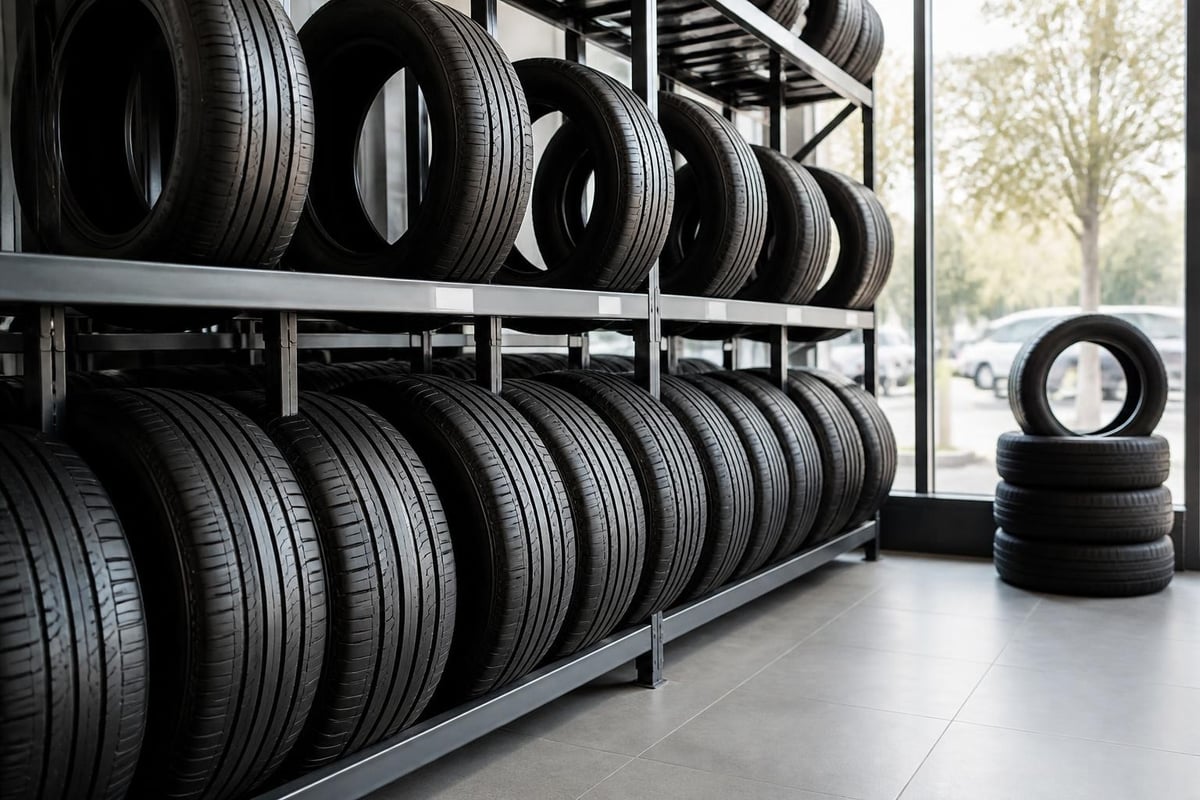
These industry leaders invest billions annually in product development, testing infrastructure, and manufacturing automation. According to industry data from the U.S. Tire Manufacturers Association, tire shipments and replacement market dynamics reflect the competitive intensity among these established players.
Asian Manufacturing Powerhouses
Asian manufacturers have dramatically reshaped the landscape of common tire brands over the past two decades. South Korean brands like Hankook and Kumho have climbed from regional players to globally recognized names through aggressive expansion and OEM partnerships.
Chinese manufacturers represent the fastest-growing segment, with companies like Triangle, Linglong, and Double Coin expanding distribution networks across Africa, Latin America, and increasingly into European and North American markets. These brands often compete on price while steadily improving quality certifications and performance metrics.
Thai tire manufacturers have carved a specialized niche in commercial, agricultural, and specialty segments, offering competitive pricing with international certifications. The manufacturing infrastructure in Thailand benefits from established supply chains, skilled labor, and strategic geographic positioning for export to both Asian and Western markets.
Understanding Brand Positioning and Value Tiers
Common tire brands differentiate themselves through distinct positioning strategies that align with specific customer priorities. This segmentation reflects fundamental differences in manufacturing processes, material selection, warranty coverage, and distribution models.
Premium Segment Characteristics
Premium common tire brands justify higher price points through measurable performance advantages and comprehensive warranty programs. These manufacturers invest heavily in silica-enhanced compounds that reduce rolling resistance for improved fuel economy. Advanced tread designs incorporate computer-modeled void ratios that optimize wet traction while maintaining low noise levels.
Testing methodologies employed by premium brands exceed regulatory requirements. Independent testing commissioned by consumer advocates consistently demonstrates performance disparities between premium, mid-range, and budget tires across critical safety metrics including wet braking distance, hydroplaning resistance, and high-speed stability.
| Brand Tier | Typical Warranty | R&D Investment | Performance Testing | Price Premium |
|---|---|---|---|---|
| Premium | 60,000-80,000 mi | 5-7% of revenue | Extensive independent validation | 100% baseline |
| Mid-Range | 40,000-60,000 mi | 2-4% of revenue | Industry-standard protocols | 60-75% of premium |
| Budget | 30,000-50,000 mi | <2% of revenue | Regulatory minimums | 40-55% of premium |
Mid-Range Value Proposition
Mid-range common tire brands occupy the largest volume segment in most markets. These manufacturers balance performance adequacy with competitive pricing, targeting consumers who prioritize reliability over cutting-edge technology. Brands in this category often serve as private-label suppliers to major retailers while maintaining their own branded distribution.
Manufacturing efficiency drives profitability in the mid-range segment. These producers optimize economies of scale through standardized construction methods across multiple product lines. While they may not pioneer new compound technologies, mid-range brands quickly adopt proven innovations once patents expire or licensing becomes economical.
Budget and Value Brands
Budget-tier common tire brands focus on price-sensitive markets and applications where cost per mile matters more than maximum performance. These manufacturers typically concentrate production in regions with lower labor costs and may utilize older-generation manufacturing equipment purchased from premium brands during facility upgrades.
Quality variation within the budget segment has narrowed considerably as international safety standards have harmonized. Modern budget tires meet the same regulatory requirements as premium alternatives, though they may achieve compliance through different material selections and construction approaches.
Specialized Segment Leaders
Beyond passenger car tires, common tire brands often specialize in particular vehicle categories or application types. This specialization allows manufacturers to concentrate engineering resources and build reputation within targeted markets.
Commercial and Trucking Specialists
The commercial tire segment requires different performance priorities than passenger vehicles. Load capacity, retreadability, and total cost of ownership drive purchasing decisions rather than ride comfort or aesthetics.
Common tire brands in the trucking segment include traditional names like Goodyear and Michelin alongside specialists focusing exclusively on commercial applications. Semi Truck Tires from Thailand manufactured by companies like OTR TIRE THAI exemplify specialized production targeting fleet operators. These TBR (Truck and Bus Radial) products cover steer, drive, and trailer positions with purpose-built tread patterns. Steer tires feature optimized five-rib patterns for straight-line stability, drive tires use deep closed-shoulder lug designs with stone ejectors for durability, and trailer tires incorporate low-rolling-resistance compounds that help fleets meet EPA SmartWay efficiency standards.
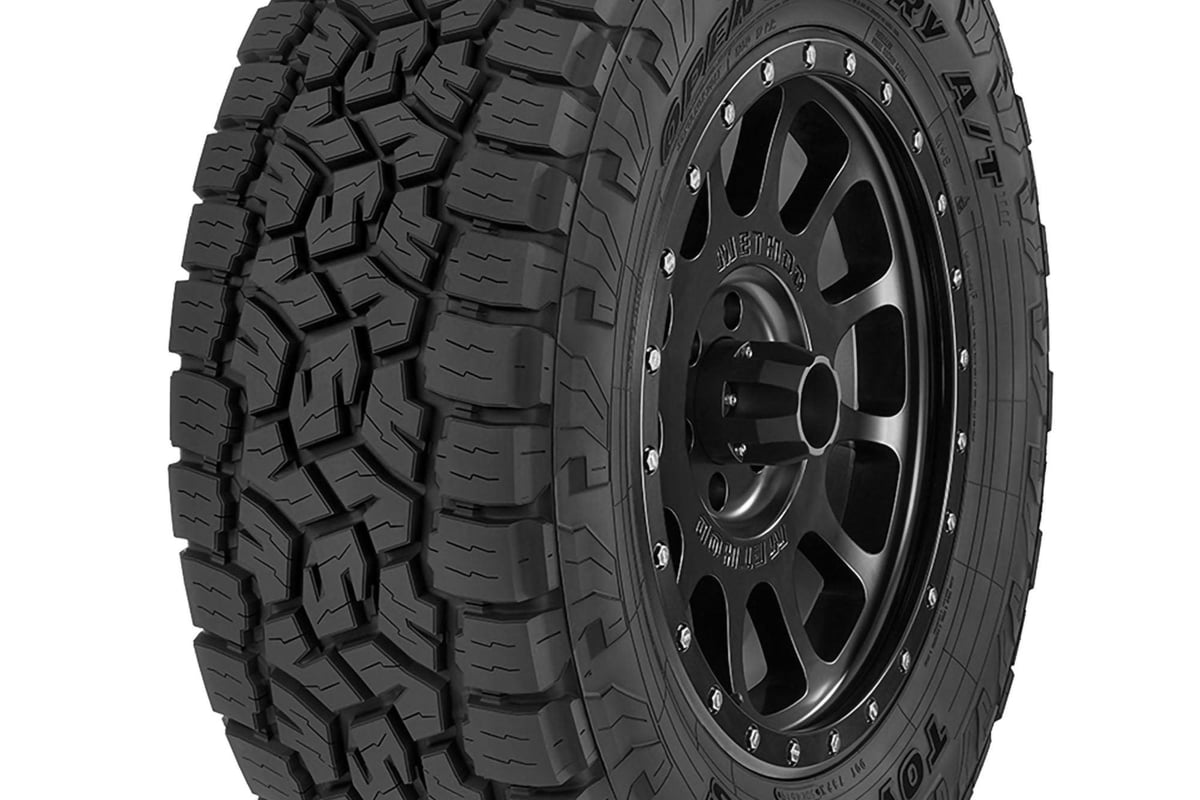
Regional commercial tire preferences vary significantly based on infrastructure conditions and regulatory environments. European fleets prioritize fuel efficiency and noise reduction due to strict emissions standards and urban delivery restrictions. Asian and African markets often favor robust construction and retreadability to maximize service life on varied road surfaces.
Agricultural and Off-Road Applications
Agricultural tire brands serve a specialized market with unique requirements for traction, flotation, and sidewall durability. Leading common tire brands in this segment include Trelleborg, Titan, BKT, and specialized divisions within larger manufacturers.
Off-the-road (OTR) tires for mining, construction, and industrial equipment represent high-value, low-volume production requiring specialized engineering. These tires must withstand extreme loads, puncture hazards, and harsh operating environments while delivering predictable service life for maintenance planning.
Technical Differentiation Among Common Tire Brands
Understanding the technical factors that separate common tire brands helps distributors and fleet managers make informed selections based on application requirements rather than marketing claims alone.
Construction Methods and Materials
Modern radial tire construction has become standard across most common tire brands, but material selection and layering sequences create meaningful performance differences. Premium brands typically specify higher-grade natural rubber content, precisely controlled synthetic blends, and advanced reinforcement materials.
Steel belt construction varies in wire gauge, spacing, and orientation angles. Technical research published by SAE International explores how digital modeling helps engineers optimize belt package designs for specific performance targets, with premium brands investing more heavily in simulation and validation.
Tread compound formulation represents the most guarded intellectual property among common tire brands. Silica content, carbon black ratios, and proprietary polymers determine the fundamental trade-offs between:
- Wet traction versus tread life
- Rolling resistance versus grip
- Temperature stability versus ride comfort
- Noise generation versus handling response
Testing and Validation Standards
All common tire brands selling in regulated markets must comply with minimum safety standards, but testing rigor varies substantially. The European Tire and Rim Technical Organisation (ETRTO) publishes comprehensive recommendations that harmonize sizing, markings, and performance standards across manufacturers.
Premium brands typically exceed regulatory minimums through voluntary testing protocols:
- Wet braking on calibrated surfaces at multiple speeds and temperatures
- Hydroplaning resistance measured through standardized water depth and speed ramps
- High-speed endurance beyond typical highway speeds to verify structural integrity
- Noise emissions in controlled acoustic environments at various speeds
- Rolling resistance on standardized drums under defined load and inflation conditions
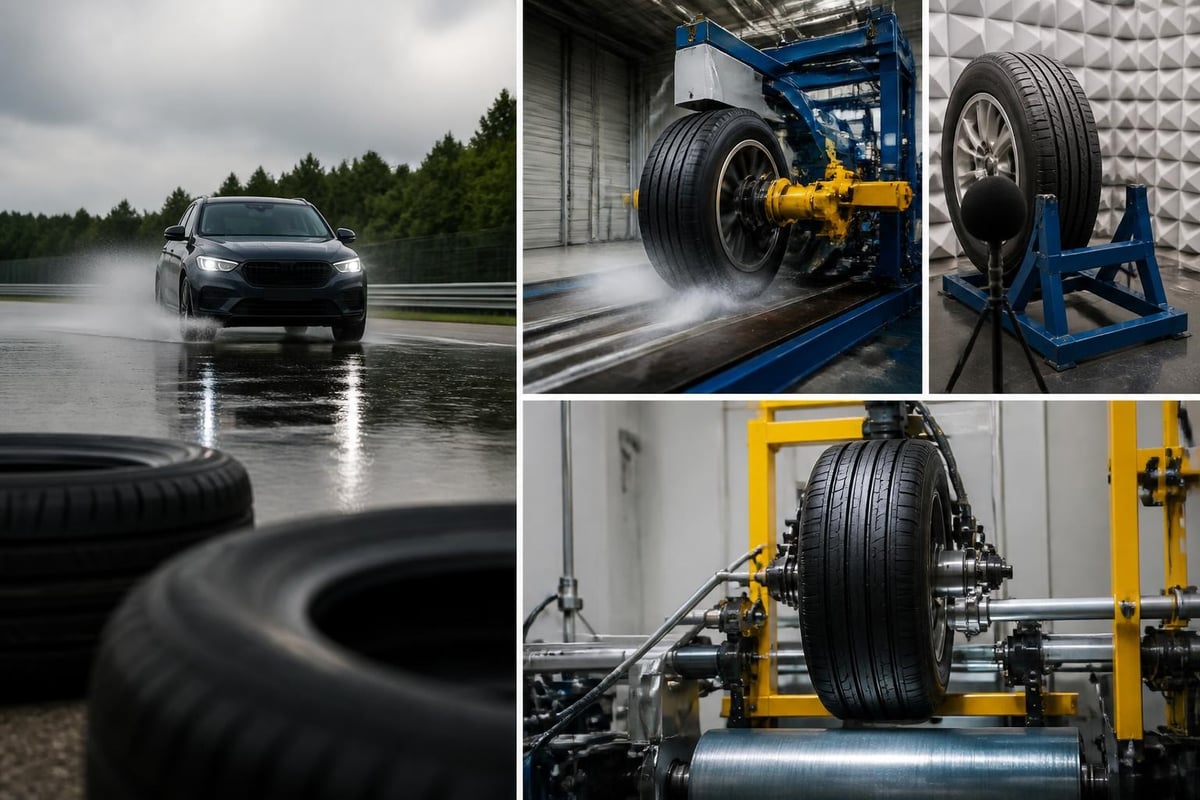
Budget common tire brands generally limit testing to regulatory compliance, which still ensures basic safety but may not validate performance at the extreme edges of the operating envelope. Research by Transport Research Laboratory on tire aging demonstrates how material quality affects long-term structural integrity and performance degradation patterns.
Environmental Considerations and Sustainability
Environmental impact has emerged as a significant differentiator among common tire brands as regulatory pressure and consumer awareness increase. The tire industry faces scrutiny over raw material sourcing, manufacturing emissions, product longevity, end-of-life disposal, and increasingly, microplastic pollution from tire wear.
Particulate Emissions and Wear Characteristics
Recent environmental research has identified tire wear particles as a significant source of microplastic pollution. UK studies highlighted by industry publications classify tire microparticles as high-concern pollutants, prompting regulatory discussions about wear-rate standards.
Common tire brands respond differently to this challenge based on their market positioning and regulatory exposure. Premium manufacturers invest in compounds that balance longevity with performance, potentially reducing total particulate release through extended service life. Budget brands may prioritize initial cost over tread life, potentially increasing replacement frequency and cumulative environmental impact.
Sustainable Manufacturing Practices
Leading common tire brands have announced ambitious sustainability targets for the next decade:
- Transitioning to renewable or recycled materials for 30-50% of raw material inputs by 2030
- Achieving carbon neutrality in manufacturing operations through renewable energy and process optimization
- Developing commercially viable recycling or repurposing pathways for end-of-life tires
- Improving fuel efficiency through low-rolling-resistance designs that reduce vehicle emissions
Implementation progress varies significantly. European and Japanese manufacturers generally lead in public reporting and third-party verification, while some emerging-market brands lack transparent sustainability metrics despite potentially efficient manufacturing footprints.
Selection Criteria for Distributors and Commercial Buyers
Choosing among common tire brands requires balancing multiple factors that vary in importance depending on application, market, and business model. Distributors evaluating inventory options face different considerations than fleet managers selecting for operational deployment.
Key Decision Factors
Performance requirements form the foundation of brand selection. Consumer Reports’ comprehensive tire buying guide emphasizes matching tire characteristics to driving conditions, vehicle type, and usage patterns. Commercial applications add considerations like retreadability, total cost per mile, and downtime risk.
Warranty and support differentiate common tire brands significantly. Premium manufacturers typically offer:
- Longer tread-life warranties with prorated replacement value
- Road-hazard coverage for a specified period or mileage
- Ride-comfort guarantees allowing returns if customers are dissatisfied
- 24/7 roadside assistance programs for select product lines
Budget brands usually limit warranties to manufacturing defects, placing the risk of premature wear on the purchaser.
Supply chain reliability matters enormously for distributors managing inventory investment and customer expectations. Established common tire brands maintain multi-facility production that reduces disruption risk from regional events. Newer or smaller brands may rely on single-source manufacturing that creates vulnerability to production interruptions.
Regional Market Considerations
Common tire brands don't maintain uniform presence across all markets. Distribution networks, certification compliance, and brand recognition vary by region:
| Region | Dominant Brand Profile | Key Certifications | Market Preferences |
|---|---|---|---|
| North America | Mix of domestic and Japanese premium brands | DOT, UTQG ratings | Performance, warranty, fuel efficiency |
| Europe | European premium brands, emerging Asian mid-range | ECE, EU label ratings | Environmental compliance, noise limits |
| Asia-Pacific | Regional brands, Japanese premium | CCC (China), SNI (Indonesia), local standards | Price-performance balance, availability |
| Latin America | Mix of regional production and imports | INMETRO (Brazil), regional variations | Durability, cost, retreadability |
| Africa/Middle East | Chinese and regional Asian brands dominant | SASO (Saudi), varied local requirements | Price, puncture resistance, heat tolerance |
Quality Verification and Due Diligence
Distinguishing genuine quality differences among common tire brands requires objective evaluation beyond marketing materials. Distributors and large-volume buyers should implement verification processes before committing to significant inventory positions.
Third-Party Testing and Certifications
Independent testing provides unbiased performance data that allows direct comparison among common tire brands. Organizations conducting repeatable testing include automotive clubs (AAA, ADAC), consumer advocacy groups, and specialized tire testing facilities.
AAA’s tire safety guidance offers practical frameworks for evaluating tread depth, inflation maintenance, rotation schedules, and replacement criteria that apply across all brands. These fundamentals affect real-world performance regardless of brand premium.
International certifications verify compliance with regional safety and environmental standards:
- DOT (Department of Transportation) certification for U.S. market access
- ECE (Economic Commission for Europe) approval for European markets
- CCC (China Compulsory Certification) for Chinese distribution
- INMETRO for Brazilian market compliance
- GCC (Gulf Cooperation Council) standardization mark for Middle Eastern markets
Factory Audits and Manufacturing Verification
Serious distributors evaluating new common tire brands should conduct or commission factory audits before establishing supply relationships. Key audit focus areas include:
- Quality management systems certified to ISO/TS 16949 or equivalent automotive standards
- Raw material sourcing and supplier qualification processes
- In-process testing frequency and statistical process controls
- Final inspection protocols and defect-rejection criteria
- Traceability systems that allow batch tracking for quality investigations
Manufacturing location influences production costs but doesn't automatically determine quality levels. Modern Asian factories often equal or exceed Western facilities in automation, process control, and quality systems while maintaining lower labor costs.
Market Trends Reshaping Common Tire Brands
The tire industry in 2026 faces transformative pressures that will reshape the competitive landscape among common tire brands over the next decade. Understanding these trends helps distributors anticipate shifts in customer preferences and supply chain dynamics.
Electric Vehicle Adaptation
Electric vehicle proliferation demands tire modifications that favor different performance characteristics than traditional internal combustion applications:
- Increased load capacity to accommodate heavy battery packs
- Lower rolling resistance to maximize driving range
- Reduced noise since electric powertrains eliminate engine sound masking
- Enhanced durability for instant-torque acceleration stress
Common tire brands are introducing EV-specific product lines, though availability varies by manufacturer. Premium brands lead with dedicated EV fitments, while mid-range and budget brands gradually adapt existing platforms with modified specifications.
Smart Tire Technology
Sensor integration transforms tires from passive components into data-generating systems that monitor pressure, temperature, tread depth, and load conditions in real-time. Premium common tire brands invest heavily in connected tire ecosystems that integrate with vehicle telematics and fleet management platforms.
Budget brands face challenges incorporating smart technology while maintaining price competitiveness, potentially creating a widening technology gap between brand tiers. Commercial applications show the highest adoption rates, where data-driven maintenance scheduling delivers measurable ROI through reduced downtime and optimized replacement timing.
Direct-to-Consumer Disruption
Online tire retail continues disrupting traditional distribution models, forcing common tire brands to reassess channel strategies. Direct-to-consumer brands bypass traditional wholesale networks, offering simplified product lines with transparent pricing and home installation services.
Established common tire brands respond through hybrid approaches: maintaining wholesale distribution while launching DTC initiatives or partnering with online retailers. This channel evolution affects distributor relationships and margin structures across the industry.
Understanding the landscape of common tire brands empowers distributors and fleet managers to make informed decisions based on application requirements, performance priorities, and total cost of ownership rather than marketing alone. Whether you prioritize cutting-edge technology, balanced value, or cost efficiency, matching brand capabilities to operational needs delivers optimal results. For distributors seeking reliable manufacturing partners with comprehensive product ranges across agricultural, commercial, industrial, and specialty segments, OTR TIRE THAI offers international-quality tires at wholesale prices, serving markets in over 80 countries with proven performance and competitive value.
