
Blog
Best Highway Tires: A Complete Buyer’s Guide for 2026
Sep
Selecting the best highway tires for your vehicle requires balancing performance, safety, fuel economy, and longevity. Whether you operate a commercial fleet, drive a passenger car daily, or manage light truck operations, the right highway tire delivers reliable traction on paved roads while minimizing rolling resistance and road noise. Highway tires are engineered specifically for on-road use, featuring symmetrical tread patterns, continuous center ribs, and compounds optimized for smooth pavement. Understanding the key performance metrics and how different tire technologies address specific highway driving needs will help you make an informed purchasing decision that protects your investment and keeps drivers safe.
Understanding Highway Tire Design Philosophy
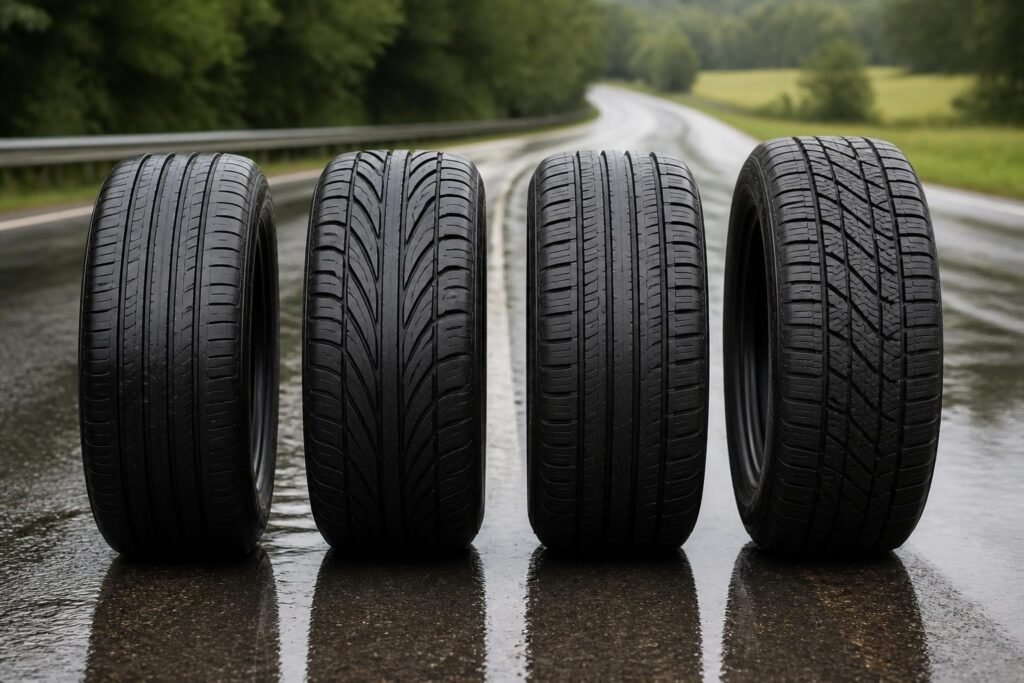
Highway tires prioritize on-road performance over off-road capability. Manufacturers engineer these tires with closed-shoulder designs and circumferential grooves that channel water efficiently while maintaining continuous contact with dry pavement.
The best highway tires incorporate three fundamental design elements. First, symmetric tread patterns ensure even wear distribution and quiet operation at highway speeds. Second, optimized siping creates thousands of biting edges that improve wet traction without compromising tread block stiffness. Third, advanced rubber compounds balance grip, rolling resistance, and treadwear to deliver predictable performance across a wide temperature range.
Tread Pattern Architecture
The tread design directly influences how a tire performs in various highway conditions. Continuous center ribs provide straight-line stability and responsive steering feel, essential for long-distance highway driving. Lateral grooves evacuate water from the contact patch, reducing hydroplaning risk during heavy rain.
Independent testing by Consumer Reports consistently shows that tread pattern geometry affects wet braking distances by fifteen to twenty feet from sixty miles per hour. The best highway tires feature four to five wide circumferential channels that move water outward while maintaining sufficient rubber contact for dry traction.
| Tread Feature | Performance Benefit | Trade-off |
|---|---|---|
| Continuous center rib | Straight tracking, low noise | Reduced snow traction |
| Wide circumferential grooves | Hydroplaning resistance | Slightly higher rolling resistance |
| Dense siping | Wet grip, ice traction | Accelerated wear in hot climates |
| Closed shoulders | Even wear, fuel efficiency | Less aggressive appearance |
Compound Chemistry and Rolling Resistance
Tire compounds represent a careful balance between contradictory performance goals. Silica-enhanced formulations reduce rolling resistance while maintaining wet grip, directly impacting fuel economy. According to EPA guidance on tire efficiency, low rolling resistance tires can improve fuel economy by three to eight percent compared to standard highway tires.
The best highway tires use multi-compound construction, placing harder rubber in the center for longevity and softer compounds on shoulders for cornering grip. This segmented approach extends treadwear ratings while preserving performance characteristics throughout the tire's service life.
Key Performance Metrics for Highway Applications
Evaluating highway tire performance requires examining standardized ratings and real-world testing data. The Uniform Tire Quality Grading (UTQG) system provides baseline comparisons, though manufacturers' testing protocols vary significantly.
Treadwear Ratings and Longevity
UTQG treadwear numbers represent relative durability, with higher values indicating longer expected life. The best highway tires typically carry ratings between 500 and 700, translating to forty thousand to seventy thousand miles under normal driving conditions.
Commercial applications demand different durability standards. Fleet managers should examine tread depth specifications and compound formulations designed for high-mileage operations. Some manufacturers warranty their highway tires for specific mileage thresholds, providing concrete performance guarantees beyond UTQG estimates.
- Premium highway tires: 600-700 treadwear, 60,000-80,000 mile warranties
- Standard highway tires: 400-500 treadwear, 40,000-50,000 mile warranties
- Budget highway tires: 300-400 treadwear, limited or no mileage warranties
Traction and Temperature Grades
UTQG traction grades (AA, A, B, C) measure straight-line braking on wet pavement. The best highway tires achieve AA ratings, demonstrating superior wet stopping capability. Temperature ratings (A, B, C) indicate heat dissipation performance during sustained highway speeds.
High-speed stability becomes critical for vehicles frequently operating at seventy to eighty miles per hour. Federal Highway Administration data shows that tire-related crashes increase substantially when temperatures exceed rated capacities, making proper temperature specifications essential for safety.
Size Selection and Load Requirements
Matching tire size to vehicle specifications ensures optimal performance and safety. The alphanumeric size code embossed on every tire sidewall contains critical information about dimensions and load capacity.
Decoding Size Specifications
A tire marked 225/65R17 102H conveys specific measurements: 225mm section width, sixty-five aspect ratio (sidewall height as percentage of width), radial construction, seventeen-inch rim diameter, 102 load index (1,874 pounds per tire), and H speed rating (130 mph maximum).
The best highway tires precisely match OEM specifications or approved plus-sizing combinations. Deviating from recommended sizes alters speedometer accuracy, ground clearance, and suspension geometry. Fleet operators should consult load and inflation tables to ensure tires meet gross vehicle weight requirements with appropriate safety margins.
Load Index and Ply Rating
Load index determines maximum weight capacity at specified inflation pressure. Commercial vehicles require load range designations (C, D, E) indicating ply rating and pressure capacity. Highway applications typically use load range E tires for heavy-duty pickups and commercial vans, supporting pressures up to eighty PSI.
| Vehicle Type | Typical Load Range | Max Pressure | Application |
|---|---|---|---|
| Passenger cars | Standard (SL) | 35-44 PSI | Daily commuting |
| Light trucks/SUVs | Load Range C-D | 50-65 PSI | Mixed use |
| Commercial vans | Load Range E | 80 PSI | Fleet operations |
| Medium-duty trucks | Load Range F-G | 95-110 PSI | Commercial hauling |
Wet Weather Performance Technologies
Hydroplaning occurs when water builds up faster than tread grooves can evacuate it, causing complete loss of traction. The best highway tires incorporate multiple technologies to maintain contact with wet pavement.
Groove Geometry and Water Evacuation
Groove volume determines how much water a tire can channel away from the contact patch. Wider and deeper grooves move more water but reduce tread block stiffness. Advanced designs use variable-depth grooves that maximize early-life wet performance while maintaining adequate channels as the tire wears.
AAA’s tire buying guide emphasizes that groove depth below four thirty-seconds of an inch significantly compromises wet traction, regardless of original design. Regular tread depth monitoring ensures tires remain effective throughout their service life.
Siping Density and Pattern
Sipes are thin slits molded into tread blocks that create additional biting edges. Three-dimensional sipes interlock when the tire contacts pavement, maintaining block rigidity while providing enhanced wet and winter traction. The best highway tires balance sipe density with tread block stability to prevent irregular wear patterns.
Research published by SAE International demonstrates that sipe orientation significantly affects tread block durability under highway loading conditions. Properly engineered siping extends both wet performance and overall tire longevity.
Noise Reduction and Ride Comfort
Highway driving amplifies tire noise characteristics, making acoustic engineering a priority for premium tire designs. Pattern noise results from air movement through tread grooves, while impact noise comes from road surface irregularities.
Pitch Sequencing and Acoustic Tuning
The best highway tires employ variable pitch tread blocks that break up repetitive sound waves. By arranging blocks in specific sequences, engineers eliminate dominant frequencies that create annoying drone at highway speeds. This technology reduces cabin noise by three to five decibels compared to older designs.
Computer-optimized pitch sequencing analyzes thousands of potential arrangements to identify the quietest combinations. Premium highway tires often feature sixty to eighty unique tread elements arranged in proprietary patterns that minimize harmonic resonance.
Sidewall Construction and Cushioning
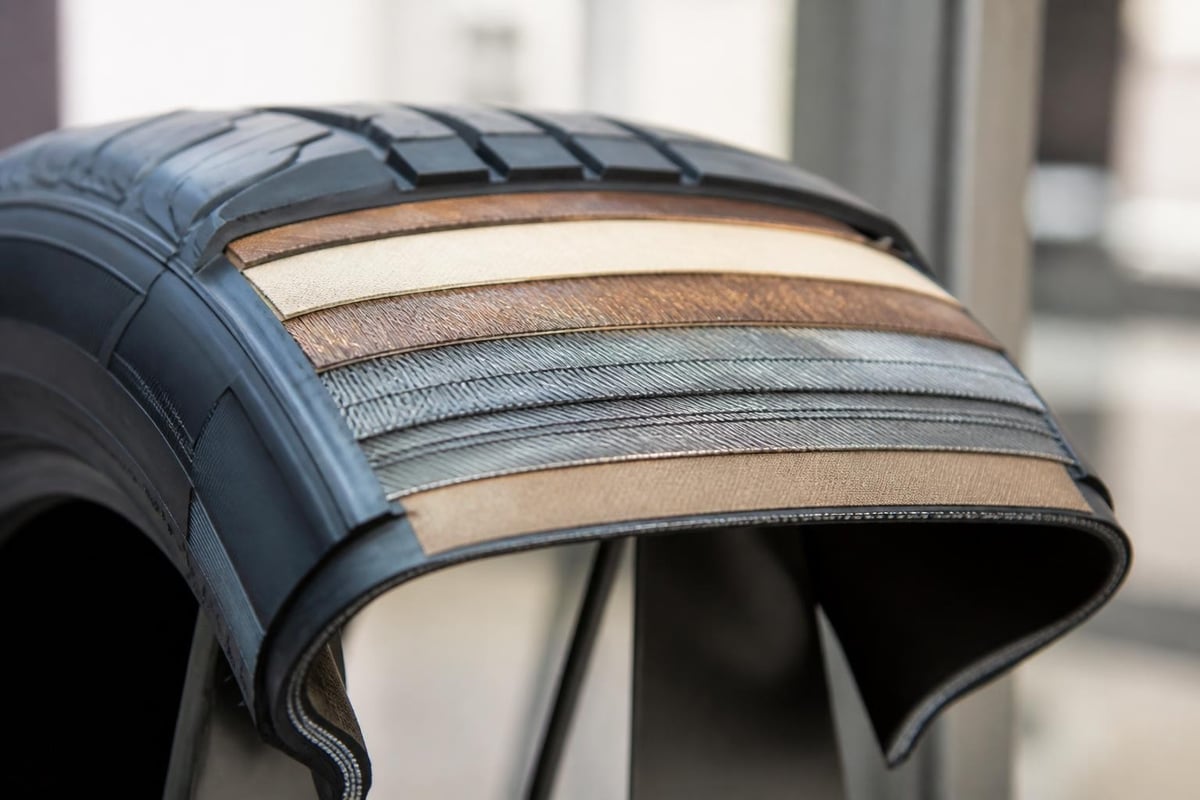
Polyester casing layers and sidewall profile geometry determine how tires absorb road impacts. The best highway tires use multiple polyester plies beneath steel belts, creating a compliant structure that filters out small bumps while maintaining lateral stiffness for cornering.
Aspect ratio significantly influences ride quality. Lower-profile tires (fifty series and below) provide sharper handling but transmit more impact harshness. Higher-profile designs (sixty-five series and above) prioritize comfort, making them ideal for highway-focused vehicles.
Commercial Fleet Considerations
Fleet operators evaluate highway tires through a total cost of ownership lens, weighing acquisition price against fuel economy, maintenance intervals, and service life.
Fuel Economy Impact
EPA SmartWay verified low rolling resistance tires meet strict efficiency criteria while maintaining safety and durability standards. These tires can reduce fuel consumption by up to four percent across a fleet, generating substantial savings over thousands of vehicles and millions of miles.
The best highway tires for commercial applications feature low rolling resistance compounds and optimized belt packages that minimize energy loss through flexing. For a fleet averaging forty thousand miles annually per vehicle, a three percent fuel economy improvement on premium highway tires typically recovers the initial cost premium within eighteen to twenty-four months.
For light truck and commercial van operations, our Light Truck Tires (LT) deliver highway-optimized performance with factory-direct value. The highway terrain patterns are engineered specifically for fuel efficiency and quiet rolling on paved roads, making them ideal for commercial pickup fleets and delivery vehicles that operate primarily on highways.
Retreading Viability and Sustainability
Commercial highway tires with robust casing construction support multiple retreading cycles, extending total service life beyond one hundred thousand miles. Retreadable casings reduce per-mile tire costs by forty to sixty percent compared to new tire replacement schedules.
Fleet managers should specify highway tires designed for retreading from initial purchase. Features like steel belt edge protection and reinforced bead areas ensure casings survive the stresses of highway service and remain suitable for professional retreading operations.
Safety Standards and Certifications
Regulatory compliance ensures highway tires meet minimum performance thresholds. Understanding certification marks helps buyers identify products that satisfy legal requirements and industry best practices.
DOT and FMVSS Requirements
The Department of Transportation mandates that all highway tires sold in North America meet Federal Motor Vehicle Safety Standard 139 for passenger cars and 119 for light trucks. These standards specify minimum performance levels for endurance, high-speed capability, and strength.
Recent recalls, including a high-profile case covered by Associated Press, highlight the importance of proper traction testing and certification. The best highway tires carry current DOT codes and comply with all applicable safety standards without exception.
International Quality Standards
European ECE R30 and R54 regulations impose additional testing requirements beyond DOT standards. Tires meeting both certifications demonstrate broader compliance and often represent higher manufacturing quality. The best highway tires for global markets carry multiple certifications, ensuring acceptability across different regulatory jurisdictions.
ISO 9001 certification for manufacturing facilities indicates systematic quality management processes. Buyers should verify that tire manufacturers maintain current ISO certification and implement robust quality control throughout production.
Maintenance Practices for Optimal Performance
Even the best highway tires require proper maintenance to deliver rated performance and longevity. Systematic inspection and service protocols maximize return on tire investment.
Inflation Pressure Management
Maintaining correct inflation pressure represents the single most important tire maintenance practice. Underinflation by just ten percent increases rolling resistance by five percent, accelerates shoulder wear, and generates excessive heat. Overinflation reduces contact patch size, compromising wet traction and ride comfort.
The best practice involves checking tire pressure monthly when tires are cold, before significant driving. Digital pressure gauges provide accuracy within one PSI, ensuring precise adjustment to vehicle manufacturer specifications. Fleet operations benefit from automatic tire inflation systems that continuously maintain optimal pressure.
- Check pressure before driving, when tires are cold
- Use accurate digital gauge calibrated within six months
- Adjust to vehicle placard specification, not maximum sidewall pressure
- Verify pressure after significant temperature changes (twenty-degree swings)
- Document readings for trend analysis and early leak detection
Rotation Schedules and Alignment
Regular rotation equalizes wear across all tire positions, maximizing tread life. The best highway tires should rotate every five to eight thousand miles following vehicle-specific patterns. Front-wheel-drive vehicles typically use front-to-rear rotation, while rear-drive and all-wheel-drive platforms may require cross-rotation patterns.
Wheel alignment directly affects tire longevity and vehicle handling. Annual alignment checks, or immediately after impacts with curbs or potholes, prevent irregular wear patterns. Research from IIHS testing protocols demonstrates that proper alignment contributes significantly to crash avoidance capability by ensuring predictable vehicle response during emergency maneuvers.
Tread Depth Monitoring
Minimum legal tread depth in most jurisdictions is two thirty-seconds of an inch, but the best highway tires lose significant wet performance well before reaching this limit. Replace tires when tread depth reaches four thirty-seconds to maintain adequate hydroplaning resistance.
Tread wear indicators molded into grooves provide visual replacement cues. Premium highway tires often include multiple indicator bars at different depths, allowing proactive replacement planning before critical thresholds. Digital tread depth gauges enable precise monitoring and documentation for fleet maintenance records.
Advanced Technologies in Modern Highway Tires
Tire development continues advancing through material science innovations and manufacturing process improvements. The best highway tires incorporate cutting-edge technologies that were laboratory concepts just five years ago.
Run-Flat Systems and Self-Supporting Designs
Run-flat tires feature reinforced sidewalls that support vehicle weight after complete air pressure loss, allowing continued driving for fifty miles at fifty miles per hour. This technology eliminates immediate roadside tire changes, improving safety in high-traffic highway environments.
Self-supporting run-flat designs add weight and reduce ride comfort compared to conventional highway tires. Buyers must weigh mobility benefits against performance trade-offs, considering whether their typical driving patterns justify the additional cost and compromised ride quality.
Smart Tire Integration and Monitoring
Tire pressure monitoring systems (TPMS) became mandatory in 2008, but advanced implementations now track temperature, tread depth, and dynamic loading. The best highway tires increasingly incorporate embedded sensors that communicate detailed performance data to vehicle systems.
Commercial fleet applications benefit from tire intelligence platforms that predict maintenance needs, optimize replacement timing, and identify vehicles with alignment or suspension issues. These systems reduce operating costs by preventing premature tire wear and maximizing service intervals.
Sustainable Materials and Manufacturing
Environmental considerations drive tire manufacturers toward sustainable natural rubber sources, recycled materials, and renewable energy production processes. The best highway tires balance ecological responsibility with performance requirements.
Silica derived from rice hull ash and renewable oils replacing petroleum-based compounds demonstrate that sustainability and performance compatibility continue improving. Premium manufacturers publish environmental product declarations detailing carbon footprint and recyclability metrics.
Seasonal Considerations for Highway Driving
While highway tires excel on dry and wet pavement, extreme weather conditions may require specialized tire choices. Understanding seasonal performance characteristics helps buyers make informed decisions.
All-Season Capabilities and Limitations
All-season highway tires incorporate rubber compounds that remain flexible across temperatures from twenty to ninety degrees Fahrenheit. The best all-season designs feature M+S (mud and snow) designation, indicating enhanced traction in light winter conditions compared to summer-only tires.
However, all-season tires compromise optimal warm-weather grip for broader temperature range usability. Performance-oriented drivers in warm climates often prefer summer highway tires that maximize dry and wet traction without winter weather accommodation.
Winter Tire Transition Strategies
The best highway tires cannot match dedicated winter tires below forty degrees Fahrenheit. Three-peak mountain snowflake (3PMSF) certification indicates severe snow service capability, representing a higher standard than basic M+S designation.
Fleet operators in regions with consistent winter weather should implement seasonal tire changeover programs. Storing summer highway tires during winter months and switching to 3PMSF-certified winter tires preserves both tire sets and maintains optimal safety across all weather conditions.
Choosing the best highway tires requires evaluating performance priorities, understanding certification standards, and implementing proper maintenance protocols. The right tire selection delivers measurable benefits in fuel economy, safety, and total cost of ownership while providing confidence across varied highway conditions. OTR TIRE THAI manufactures premium highway tires for passenger cars, light trucks, and commercial vehicles, delivering international quality standards at wholesale pricing to distributors worldwide. Contact our technical team to discuss how our highway tire solutions can optimize your fleet performance and reduce operating costs.
