
Blog
Best All Weather Tires for SUV: 2026 Expert Guide
Sep
Finding the best all weather tires for suv applications has become a critical decision for fleet managers, distributors, and vehicle owners who need year-round performance without the hassle of seasonal tire changes. All-weather tires bridge the gap between traditional all-season and dedicated winter tires, offering certified snow performance while maintaining on-road comfort and longevity. In 2026, advances in rubber compounds and tread engineering have made these tires a practical choice for SUVs operating in diverse climates, from mild winters to regions with unpredictable snowfall. Understanding the technical specifications, performance benchmarks, and selection criteria will help you make an informed decision that balances safety, cost, and operational efficiency.
Understanding All-Weather Tire Technology
All-weather tires represent a specialized category distinct from conventional all-season tires. The key differentiator is the Three-Peak Mountain Snowflake (3PMSF) symbol, which certifies that a tire has met the industry's standardized snow traction performance requirements. According to the U.S. Tire Manufacturers Association technical standards, tires bearing the 3PMSF marking must achieve a traction index of at least 110 compared to a reference tire on packed snow.
Key Performance Characteristics
When evaluating the best all weather tires for suv applications, several performance dimensions matter:
- Snow and ice traction: Certified 3PMSF performance ensures reliable braking and acceleration in winter conditions
- Wet handling: Advanced siping patterns evacuate water to maintain hydroplaning resistance
- Dry road stability: Reinforced tread blocks provide responsive steering at highway speeds
- Tread life: Durable compounds extend service intervals, reducing total cost of ownership
- Rolling resistance: Modern designs minimize fuel consumption without sacrificing grip
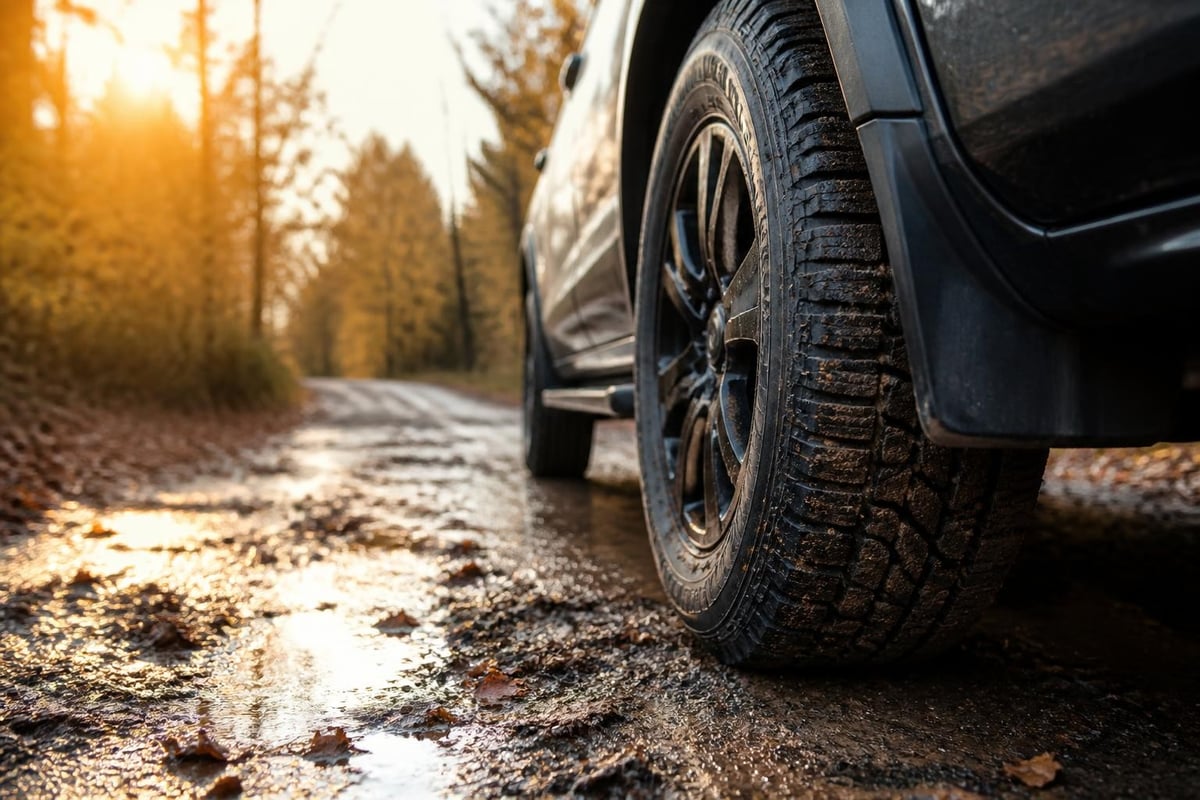
The rubber compound formulation is critical. All-weather tires use a silica-enhanced blend that remains pliable in cold temperatures while resisting excessive wear in warm conditions. This differs from winter tires, which use softer compounds optimized solely for freezing temperatures, and all-season tires, which harden in cold weather and lose grip.
Top-Performing All-Weather Tires for SUVs in 2026
Recent independent testing has identified several standout models for SUV applications. Consumer Reports’ comprehensive tire testing evaluates tires across snow traction, wet braking, dry handling, and tread wear projections.
Performance Comparison Table
| Tire Model | Snow Traction | Wet Braking | Dry Handling | Projected Tread Life | Price Category |
|---|---|---|---|---|---|
| Michelin CrossClimate2 | Excellent | Excellent | Very Good | 70,000+ miles | Premium |
| Goodyear Assurance WeatherReady | Very Good | Excellent | Good | 60,000 miles | Mid-range |
| Bridgestone WeatherPeak | Very Good | Very Good | Very Good | 65,000 miles | Premium |
| Continental CrossContact LX25 | Good | Very Good | Very Good | 55,000 miles | Mid-range |
| Nokian WR G4 SUV | Excellent | Very Good | Good | 50,000 miles | Premium |
Detailed tire testing from Car and Driver confirms that the Michelin CrossClimate2 leads in balanced performance, offering exceptional snow grip without sacrificing dry-road responsiveness. The asymmetric tread pattern features deep V-shaped grooves that bite into snow while maintaining stable handling on clear pavement.
Segment-Specific Considerations
The best all weather tires for suv use depend on vehicle size and application. Compact crossovers benefit from tires in the 235/55R18 to 245/60R18 range, while mid-size and full-size SUVs typically require 265/65R17 through 275/55R20 sizes. Heavier vehicles place greater demands on tire structure and require:
Load rating sufficiency: SUVs over 5,000 pounds need tires with load indexes of 109 or higher to safely support the vehicle weight plus cargo and passengers.
Reinforced sidewalls: Enhanced sidewall construction prevents flex under cornering loads and improves steering precision.
Heat dissipation: Larger contact patches generate more friction, so advanced compounds that resist thermal breakdown are essential.
The Science Behind Winter Certification
Understanding what makes a tire truly capable in winter conditions requires examining the 3PMSF testing protocol. AAA’s tire type guide explains that the certification process measures acceleration traction on medium-packed snow using a standardized ASTM test vehicle.
Testing Protocol Breakdown
- Control baseline: A reference tire establishes the benchmark traction index of 100
- Candidate testing: The tire under evaluation performs the same acceleration test
- Index calculation: The candidate must achieve an index of 110 or higher (10% better than the reference)
- Certification: Only tires meeting or exceeding 110 earn the 3PMSF symbol
This objective standard separates genuine winter-capable tires from those merely marketed as "all-season." Traditional all-season tires may carry the M+S (mud and snow) marking, but this designation has no performance requirement and relies on tread design appearance rather than actual testing.
For fleet operators and distributors evaluating the best all weather tires for suv applications, the 3PMSF certification provides assurance that tires will perform when winter conditions arrive unexpectedly. This matters particularly in transitional climates where snowfall may be infrequent but severe when it occurs.
Balancing Performance and Efficiency
Modern SUV owners increasingly prioritize fuel efficiency alongside safety. Research from the North American Council for Freight Efficiency demonstrates that tire rolling resistance directly impacts fuel consumption, with low-rolling-resistance designs reducing consumption by 3-7% compared to conventional tires.
Efficiency Without Compromise
The challenge for all-weather tire designers is maintaining low rolling resistance while preserving the flexible compound and aggressive siping needed for snow traction. Recent innovations address this through:
- Computer-optimized tread patterns: Finite element analysis identifies designs that minimize energy loss during each revolution
- Multi-compound construction: Different rubber formulations in the tread cap versus base layer optimize both grip and efficiency
- Lightweight construction: Advanced casing materials reduce overall tire mass without sacrificing strength
According to EPA SmartWay verification standards, tires achieving low-rolling-resistance certification demonstrate measurable environmental benefits. While these standards primarily apply to commercial truck tires, the same engineering principles benefit SUV applications, particularly for light truck and fleet vehicles where fuel costs accumulate significantly.
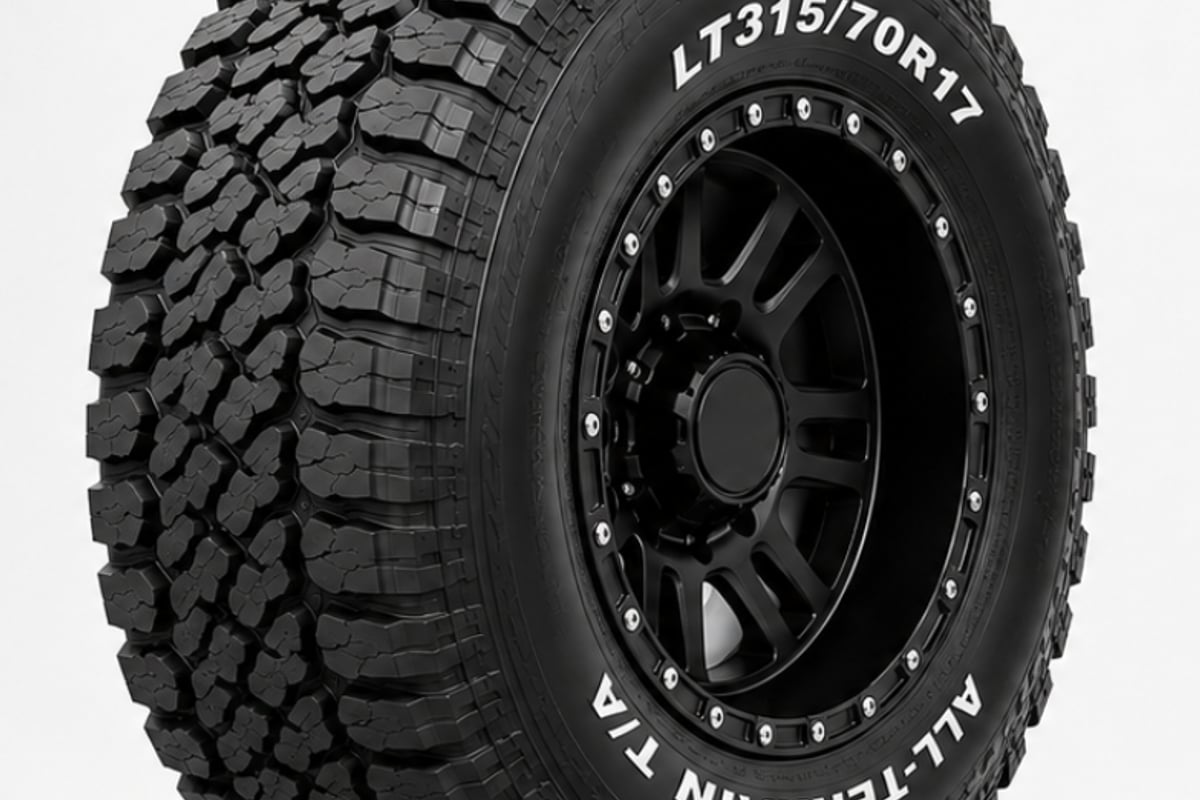
For distributors sourcing the best all weather tires for suv applications, manufacturers that invest in compound technology often produce tires that excel in both efficiency and winter performance. Light truck tires designed for SUVs and pickup trucks increasingly incorporate these dual benefits, particularly in highway-terrain patterns optimized for mixed-use scenarios. Our light truck tire range, for instance, includes all-terrain patterns that deliver on-road comfort for commercial fleets while maintaining durability across varied conditions.
Size Selection and Load Considerations
Proper tire sizing goes beyond matching the dimensions printed on the sidewall. SUVs span a wide range of weights and purposes, from compact crossovers under 4,000 pounds to full-size three-row SUVs exceeding 6,500 pounds.
Critical Sizing Parameters
Aspect ratio impact: The aspect ratio (sidewall height as a percentage of width) affects ride quality and handling. Lower aspect ratios (45-55) provide sharper handling but transmit more road harshness, while higher ratios (60-70) offer better ride comfort and snow performance due to increased sidewall flex.
Load index matching: Every tire carries a load index number indicating maximum weight capacity. For example:
| Load Index | Max Load per Tire | Suitable SUV Weight Range |
|---|---|---|
| 105 | 2,039 lbs | Up to 4,500 lbs total |
| 109 | 2,271 lbs | 4,500-5,500 lbs |
| 113 | 2,535 lbs | 5,500-6,500 lbs |
| 117 | 2,833 lbs | 6,500-7,500 lbs |
Speed rating appropriateness: The speed rating (S, T, H, V, etc.) indicates sustained speed capability. Most SUVs use H-rated (130 mph) or V-rated (149 mph) tires. While all-weather tires typically carry H or V ratings, ensure the rating matches or exceeds the vehicle's capability and intended use.
Installation Best Practices
When installing the best all weather tires for suv applications, consistency across all four positions is critical. Mixing tire types, tread depths, or even different models of all-weather tires can create handling imbalances, particularly in all-wheel-drive systems that assume uniform traction at all four corners.
Professional installation includes:
- Mounting and balancing to manufacturer specifications
- Setting tire pressure to the vehicle's recommended PSI (typically 32-36 PSI for SUVs)
- Performing alignment checks to prevent uneven wear
- Programming TPMS sensors to recognize new tire specifications
Real-World Performance Testing
Laboratory testing provides controlled comparison, but real-world conditions introduce variables that affect tire performance. Tire Rack’s independent testing protocols include on-road evaluations where professional drivers assess subjective qualities like steering feel, ride comfort, and noise levels.
What Testing Reveals
Recent 2026 testing of leading all-weather SUV tires shows measurable differences in braking distances:
- Dry pavement (60-0 mph): Top performers stop in 110-115 feet, with minimal variation between models
- Wet pavement (60-0 mph): Differences widen to 125-140 feet, with advanced tread patterns showing clear advantages
- Packed snow (40-0 mph): Range extends from 85-105 feet, where 3PMSF certification proves most valuable
- Ice (30-0 mph): All all-weather tires struggle compared to dedicated winter tires, ranging from 135-160 feet
The data confirms that while all-weather tires excel in snow, they cannot match dedicated winter tires on ice. MotorTrend’s analysis of customer feedback indicates that most buyers accept this trade-off, prioritizing year-round convenience over absolute winter performance.
For regions experiencing occasional snow but minimal ice, all-weather tires provide the optimal balance. However, areas with frequent ice storms or prolonged below-freezing temperatures may still benefit from dedicated winter tire installations.
Maintenance and Longevity Optimization
Maximizing the service life of all-weather tires requires proactive maintenance. Unlike summer tires that simply wear down, all-weather tires must retain their specialized characteristics throughout their lifespan.
Essential Maintenance Schedule
Monthly pressure checks: Underinflation by just 5 PSI can reduce tread life by 15% and increase rolling resistance significantly. Check pressure when tires are cold, before driving.
Rotation every 5,000-7,000 miles: SUVs often show accelerated front tire wear due to engine weight and steering forces. Regular rotation equalizes wear across all four tires.
Alignment annually: Misalignment causes uneven wear patterns that compromise both performance and longevity. Signs include vehicle pull, off-center steering wheel, and feathered tread edges.
Tread depth monitoring: While most tires start with 10/32" to 12/32" tread depth, winter performance degrades significantly below 6/32". The best all weather tires for suv applications should be considered for replacement at 5/32" remaining depth, well before the legal minimum of 2/32".
Storage Considerations for Seasonal Fleets
Fleet operators who run different tire sets seasonally should store off-season tires properly. Clean tires thoroughly before storage, removing road debris and brake dust. Store in a cool, dry location away from direct sunlight, ozone sources (electric motors), and petroleum products. Tires should be stored upright if mounted on wheels, or stacked horizontally if unmounted.
Making the Investment Decision
Cost analysis for the best all weather tires for suv applications extends beyond initial purchase price. Total cost of ownership includes purchase price, projected tread life, fuel economy impact, and avoided costs from eliminating seasonal tire changes.
Total Cost Comparison
Consider a mid-size SUV driven 15,000 miles annually in a region with moderate winter conditions:
Option 1: Premium all-weather tires
- Initial cost: $1,200 (four tires)
- Projected life: 60,000 miles (4 years)
- Installation: $100
- Annual cost: $325
Option 2: All-season tires plus winter tire set
- All-season cost: $800
- Winter tire cost: $900
- Storage/change fees: $150/year
- Projected all-season life: 50,000 miles
- Projected winter life: 30,000 miles (6 winter seasons)
- Annual cost: $444
The all-weather option saves approximately $119 annually in this scenario, while providing better winter capability than all-season tires. The calculation shifts for vehicles in mild climates (where winter tires are unnecessary) or severe climates (where dedicated winter tires justify their cost).
Distributor and Fleet Considerations
For tire distributors and fleet managers, inventory decisions balance customer demand against warehouse capacity. Stocking the best all weather tires for suv applications in popular sizes (265/65R17, 265/70R17, 275/55R20) captures the largest market segment. According to industry data, these three sizes account for approximately 35% of SUV tire sales in North America.
Volume purchasing directly from manufacturers offers significant advantages. Factory-direct pricing typically runs 20-30% below retail distributor costs, allowing competitive end-user pricing while maintaining healthy margins. Additionally, manufacturer-direct relationships ensure consistent quality control and access to technical support for customer questions.
Weather-Specific Performance Insights
All-weather tire performance varies across different precipitation and temperature conditions. Understanding these nuances helps match tires to regional climate patterns.
Performance by Condition
Light snow (1-3 inches): All-weather tires perform nearly identically to dedicated winter tires, with 3PMSF certification ensuring adequate traction for starting, stopping, and cornering.
Heavy snow (6+ inches): Tread depth becomes critical. Deeper snow requires taller tread blocks to maintain contact with the road surface beneath. All-weather tires maintain advantage over all-season tires but may lag behind aggressive winter tire tread patterns.
Slush conditions: The combination of water and snow challenges tread evacuation capability. Tires with larger void ratios (percentage of grooves versus rubber) excel here, though this may compromise dry-road noise levels.
Freezing rain and ice: All-weather tires provide marginal improvement over all-season tires but cannot match dedicated winter tires with micro-biting edges. Practical winter driving guidance from Popular Mechanics notes that severe ice conditions may still require tire chains regardless of tire type.
Mixed conditions (day freeze, afternoon thaw): All-weather tires excel in these transitional scenarios common in spring and fall, maintaining flexibility across the temperature range.
Regional Climate Matching
Different climate zones favor specific tire characteristics:
- Mountain/high elevation: Prioritize deep tread and 3PMSF certification for extended snow season
- Midwest plains: Balance snow capability with highway comfort for long commutes
- Coastal regions: Emphasize wet handling and hydroplaning resistance over extreme cold performance
- Southern snowbelt: Focus on occasional-use reliability rather than continuous winter performance
The best all weather tires for suv applications in each region may differ based on these priorities.
Installation and Break-In Period
New tires require a break-in period for optimal performance. During the first 500 miles, tire manufacturers recommend moderate driving to allow the tread surface to wear slightly and release mold lubricants used in manufacturing.
Break-In Best Practices
- Avoid aggressive acceleration and hard braking for the first 300-500 miles
- Take corners at moderate speeds while the tread surface conditions
- Monitor tire pressure more frequently during the first month, as new tires may show slight pressure changes as they seat on the rim
- Expect improved wet traction after initial break-in as the surface layer wears away
After break-in, all-weather tires deliver consistent performance throughout most of their tread life. Unlike some summer performance tires that show degraded grip in the final 20% of tread life, all-weather designs maintain winter certification down to approximately 50% tread depth remaining.
Industry Trends Shaping 2026 and Beyond
Tire technology continues evolving, with several trends influencing the best all weather tires for suv market:
Sustainability initiatives: Manufacturers increasingly use renewable materials, with some 2026 models incorporating up to 30% sustainable content including natural rubber, rice husk ash silica, and recycled materials. These advances maintain performance while reducing environmental impact.
Smart tire integration: Embedded sensors beyond basic TPMS now monitor tread depth, temperature distribution, and road surface conditions. This data helps fleet managers optimize replacement timing and identify vehicles needing alignment or suspension service.
Compound innovations: New polymer blends extend the temperature range where tires maintain pliability, potentially allowing single-tire solutions for even broader climate ranges than current all-weather designs serve.
Manufacturing precision: Advanced manufacturing techniques reduce weight while improving uniformity, which enhances ride quality and extends bearing life in hub assemblies.
Selecting the best all weather tires for suv applications requires balancing winter capability, year-round performance, longevity, and total cost of ownership against your specific climate and usage patterns. The 3PMSF certification provides an objective baseline for winter performance, while independent testing reveals the nuanced differences between leading models. Whether you're a fleet manager optimizing operational costs, a distributor serving diverse customer needs, or a vehicle owner seeking maximum versatility, all-weather tires deliver proven value in the right applications. OTR TIRE THAI manufactures premium passenger car radial tires and light truck tires at wholesale prices, serving distributors in over 80 countries with DOT and ECE certified products engineered for durability and performance across demanding applications.
