
Blog
Car Tire Guide: Selection, Maintenance & Safety in 2026
Sep
Selecting the right car tire represents one of the most critical decisions vehicle owners face. The performance, safety, and efficiency of any passenger vehicle depend fundamentally on the four contact patches connecting metal and asphalt. Modern car tire technology has evolved dramatically over the past decade, incorporating advanced materials, sustainable manufacturing processes, and data-driven design. Whether you operate a single vehicle or manage an entire fleet, understanding the nuances of tire selection, maintenance, and replacement cycles directly impacts both safety outcomes and total cost of ownership.
Understanding Car Tire Construction and Components
The modern car tire is a marvel of engineering, combining multiple layers of specialized materials into a single integrated product. Each component serves a distinct purpose in delivering the performance characteristics drivers expect.
Internal Structure and Materials
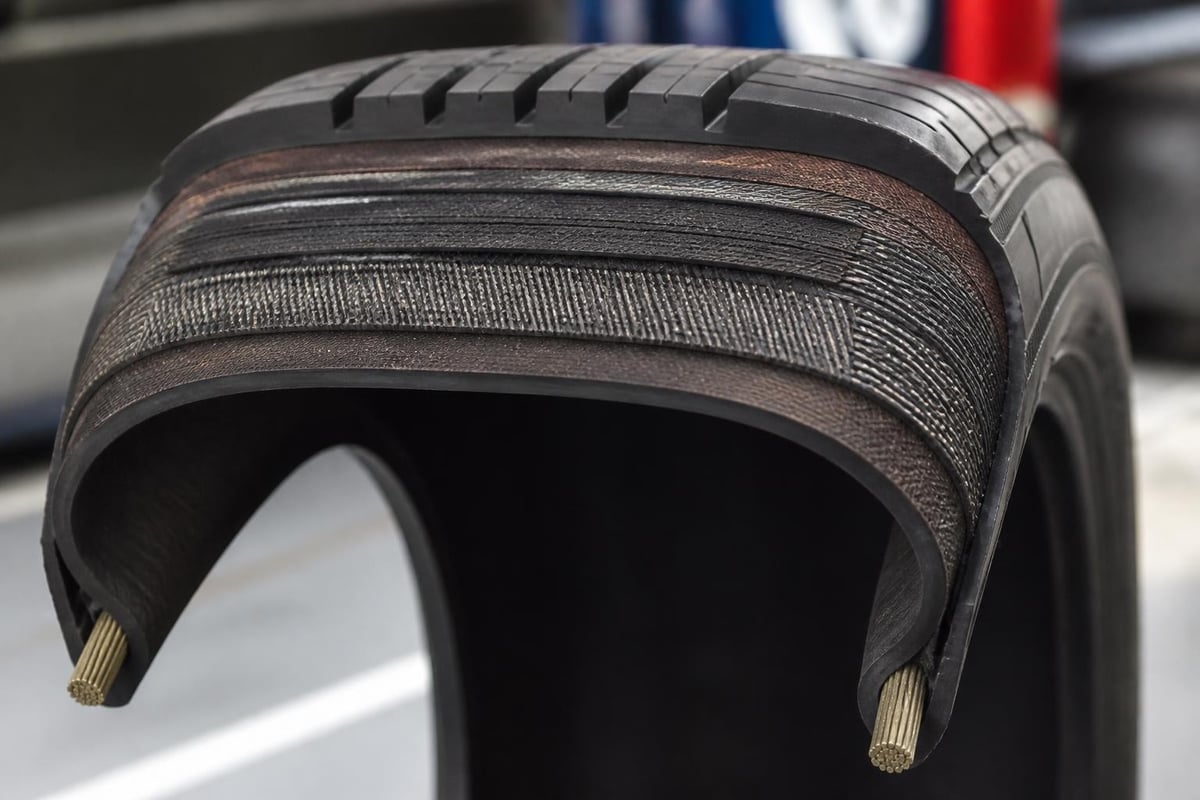
At the core of every radial car tire sits a network of steel belts and polyester cords arranged in specific patterns. The casing, or tire body, contains radial plies that run perpendicular to the direction of travel. This radial construction allows the sidewall and tread to function independently, improving ride comfort while maintaining structural integrity under load.
Key structural elements include:
- Bead bundle: Steel wire loops that anchor the tire to the wheel rim
- Inner liner: Airtight rubber layer that replaces the inner tube
- Body plies: Fabric cords (polyester, rayon, or aramid) providing strength
- Steel belts: Two or more layers adding rigidity and puncture resistance
- Tread: Specialized rubber compound with grooves and sipes for traction
The sidewall connects these components and displays critical information including size designation, load index, speed rating, and manufacturing date. Reading this alphanumeric code correctly ensures proper tire selection for specific vehicle requirements.
Tread Design Philosophy
Tread patterns determine how a car tire interacts with road surfaces under varying conditions. Symmetric patterns feature identical designs across the tire centerline, offering quiet operation and even wear for standard highway driving. Asymmetric patterns combine different tread zones, with the outboard shoulder optimized for cornering grip and the inboard section designed for water evacuation.
Directional patterns, identified by V-shaped grooves pointing forward, excel at channeling water away from the contact patch. These tires must be mounted with the rotation arrow pointing in the travel direction. The depth and configuration of these grooves directly influence wet-weather performance, with deeper channels providing better hydroplaning resistance but potentially compromising dry grip.
Types of Car Tires for Different Applications
Matching tire type to driving conditions and vehicle use represents a fundamental step in optimizing performance and safety. The car tire market offers specialized products for nearly every conceivable application.
All-Season vs. Performance Categories
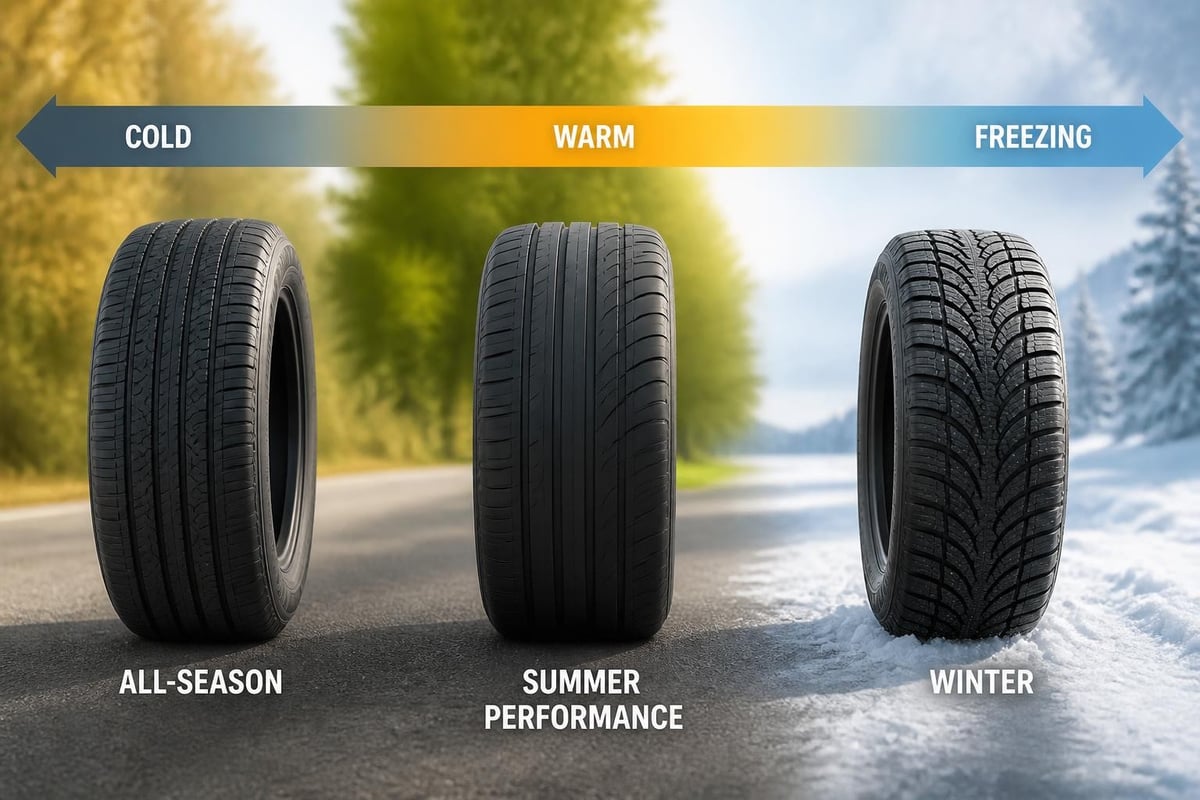
All-season car tires dominate the North American market, providing balanced performance across temperature ranges typically encountered in most regions. These tires feature moderate tread depth, a rubber compound engineered to remain pliable from 40°F to 90°F, and siping patterns that enhance grip on light snow while maintaining dry-road stability.
| Tire Category | Best Use Case | Tread Life | Wet Performance | Winter Capability |
|---|---|---|---|---|
| All-Season | Daily commuting, mixed conditions | 50,000-70,000 mi | Good | Limited (above 32°F) |
| Summer Performance | Warm climate, spirited driving | 30,000-50,000 mi | Excellent | Poor (not below 40°F) |
| Winter/Snow | Below-freezing temperatures | 25,000-40,000 mi | Very Good | Excellent |
| All-Weather | Year-round, including severe snow | 50,000-65,000 mi | Very Good | Good (Three-Peak rated) |
Summer performance tires sacrifice cold-weather flexibility for maximum dry and wet grip in temperatures above 40°F. The tread compound contains higher silica content and less natural rubber, creating a stickier contact patch that enhances cornering limits and braking response. These tires become dangerously hard in near-freezing conditions, making them unsuitable for winter use.
Specialized Applications
Run-flat technology allows continued driving after complete pressure loss, typically up to fifty miles at fifty mph. Reinforced sidewalls support the vehicle's weight without air pressure, eliminating the immediate need for roadside tire changes. The trade-off includes harsher ride quality and reduced tread life compared to conventional car tire designs.
Winter-specific tires employ rubber compounds formulated to remain soft below 45°F, with deep tread blocks and thousands of tiny sipes that bite into snow and ice. The Three-Peak Mountain Snowflake symbol certifies that a tire has met specific snow-traction performance requirements in standardized testing, as outlined by AAA’s tire safety guidance.
Selecting the Right Car Tire for Your Vehicle
Proper tire selection begins with understanding the specifications outlined in your vehicle's owner's manual and the placard typically mounted on the driver's door jamb. These documents specify the original equipment size, load capacity, and speed rating approved by the manufacturer.
Decoding Tire Size and Ratings
A typical passenger car tire size might read "225/55R17 97V." This alphanumeric code contains critical information:
- 225: Section width in millimeters
- 55: Aspect ratio (sidewall height as percentage of width)
- R: Radial construction
- 17: Wheel diameter in inches
- 97: Load index (each tire supports 1,609 pounds)
- V: Speed rating (sustained speeds up to 149 mph)
The load index becomes particularly important for vehicles carrying heavy cargo or towing trailers. Exceeding the maximum load capacity accelerates wear and increases failure risk. Speed ratings indicate the maximum sustained speed a tire can safely handle, though they don't represent a recommendation to exceed posted limits.
Plus-Sizing Considerations
Many vehicle owners opt for plus-sizing, installing wheels with larger diameters while maintaining overall tire diameter. A common upgrade from 17-inch to 18-inch wheels might change the tire size from 225/55R17 to 225/50R18. This modification reduces sidewall height while keeping the total rolling circumference nearly identical.
Benefits of plus-sizing include:
- Enhanced cornering response from shorter, stiffer sidewalls
- Improved brake cooling with larger wheel diameter
- Visual appeal and customization options
Potential drawbacks:
- Harsher ride quality over rough pavement
- Increased vulnerability to pothole damage
- Higher replacement costs for lower-profile tires
According to Consumer Reports’ tire selection guidance, maintaining the original equipment overall diameter ensures accurate speedometer readings and preserves the manufacturer's intended handling characteristics.
Car Tire Maintenance for Longevity and Safety
Systematic maintenance extends car tire life while preserving the safety margin built into new tread. Simple inspection routines catch developing problems before they lead to failures or accidents.
Pressure Management
Proper inflation pressure represents the single most important maintenance task for any car tire. Underinflation causes excessive heat buildup in the sidewalls, accelerating degradation of the internal structure. The tire flexes more than designed, increasing rolling resistance and fuel consumption by up to three percent. Overinflation creates a smaller contact patch, reducing traction and causing premature wear in the center tread blocks.
Check pressure monthly when tires are cold, meaning the vehicle hasn't been driven for at least three hours. Use the pressure specified on the door jamb placard, not the maximum pressure molded into the sidewall. Seasonal temperature changes require adjustment, as pressure drops approximately one psi for every ten-degree Fahrenheit decrease.
Rotation and Alignment
Regular rotation equalizes wear across all four positions, typically extending tire life by fifteen to twenty percent. Front tires on front-wheel-drive vehicles wear faster on the outer shoulders due to combined steering and drive forces. Rear tires on the same vehicle often develop wear in the center from carrying less weight.
| Rotation Pattern | Best For | Frequency |
|---|---|---|
| Forward Cross | Front-wheel drive, non-directional | Every 5,000-7,500 miles |
| Rearward Cross | Rear-wheel drive, all-wheel drive | Every 5,000-7,500 miles |
| X-Pattern | All-wheel drive, symmetric tread | Every 5,000-7,500 miles |
| Side-to-Side | Directional tread, staggered sizes | Same axle only, 5,000-7,500 miles |
Wheel alignment affects tire wear patterns and vehicle handling. Misalignment causes the vehicle to pull to one side and creates distinctive wear signatures: feathering along tread blocks, excessive shoulder wear, or scalloped patterns. Annual alignment checks prevent these issues, with immediate inspection warranted after impacts with curbs or deep potholes.
Performance Factors and Real-World Testing
Understanding how different car tire characteristics influence driving dynamics helps drivers make informed selections based on their priorities. Performance attributes often involve trade-offs, requiring buyers to balance competing objectives.
Wet Traction and Hydroplaning Resistance
A car tire's ability to maintain grip on wet pavement depends on tread compound chemistry, void ratio, and groove design. Hydrophilic silica particles in the rubber compound attract water molecules, helping the tire maintain contact with the pavement surface. The void ratio, or percentage of the tread area occupied by grooves, determines how quickly water evacuates from the contact patch.
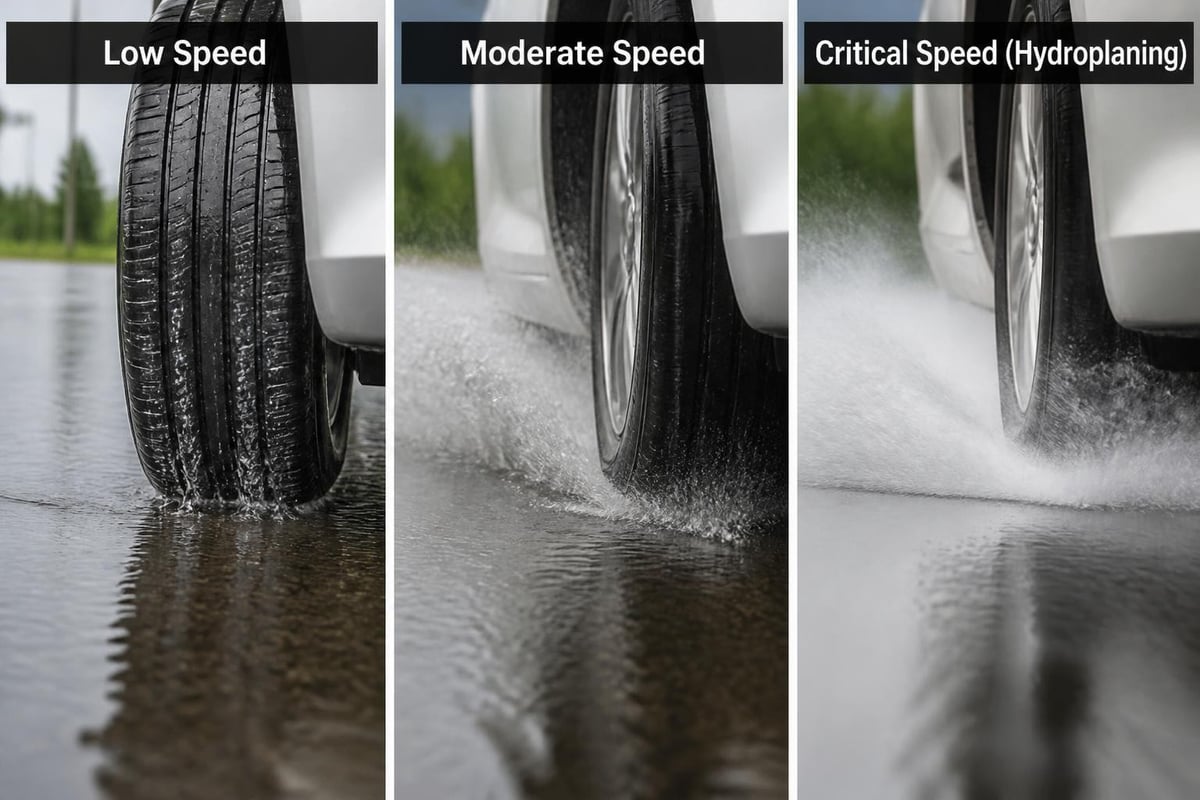
Hydroplaning occurs when water pressure builds faster than the tire can displace it, lifting the tread completely off the pavement. Critical hydroplaning speed depends on tire pressure, tread depth, and water depth. A simple formula approximates the onset speed: multiply the square root of tire pressure (in psi) by ten. A tire inflated to thirty-six psi begins hydroplaning around sixty mph in standing water.
Research from the Insurance Institute for Highway Safety has documented the relationship between tread depth and crash risk in wet conditions. Tires worn to four thirty-seconds of an inch (approximately three millimeters) show significantly degraded wet performance compared to new tires with ten thirty-seconds depth.
Rolling Resistance and Fuel Economy
Rolling resistance measures the energy lost as a car tire deforms under load. Approximately fifteen to twenty percent of fuel consumption in a typical passenger vehicle goes toward overcoming tire rolling resistance. Low-rolling-resistance designs incorporate specialized compounds and optimized construction to minimize this energy loss.
Tire manufacturers reduce rolling resistance through several approaches: using silica-enhanced compounds that flex with less internal friction, reducing tire weight through thinner sidewalls, and stiffening the tread area to minimize deformation. These modifications can improve fuel economy by two to four percent compared to standard designs.
For commercial fleets and wholesale tire distributors, these efficiency gains translate directly to operational savings. Light Truck Tires (LT) engineered with low-rolling-resistance compounds help pickup fleets reduce fuel costs while maintaining the load capacity and durability required for commercial applications.
Environmental Considerations and Tire Sustainability
The environmental footprint of car tire manufacturing, use, and disposal has gained increasing attention from regulators and consumers. Understanding these impacts helps inform purchasing decisions and end-of-life management.
Manufacturing and Raw Materials
Producing a single car tire requires approximately seven gallons of petroleum for synthetic rubber and energy inputs. Natural rubber from Hevea trees supplements synthetic materials, with a typical passenger tire containing about thirty percent natural and seventy percent synthetic rubber. Carbon black, derived from petroleum feedstock, reinforces the rubber compound and improves durability.
Tire manufacturers increasingly incorporate sustainable materials including silica from rice hull ash, natural rubber from certified plantations, and recycled steel. Some companies have developed tires containing up to thirty percent renewable or recycled content without compromising performance specifications.
Tire Wear Particles and Microplastics
Recent research has identified tire wear as a significant source of microplastic pollution. As the tread wears during normal driving, tiny particles break free and enter the environment. A comprehensive Springer review traced these particles from roadways through stormwater systems to rivers and oceans.
Each car tire sheds approximately four pounds of material over its lifetime. In the United States alone, passenger vehicles generate roughly one point eight million tons of tire wear particles annually. These particles contain chemical additives including zinc compounds, antioxidants, and vulcanization accelerators that may pose ecological risks in aquatic environments.
Ongoing research at institutions like Imperial College London examines airborne tire-wear particles and their potential health implications. Preliminary findings suggest these particles contribute to urban air pollution, though the magnitude of human health effects remains under investigation.
End-of-Life Management
Proper disposal of worn car tires prevents environmental contamination and recovers valuable materials. The EPA’s used tire guidance outlines best practices for collection, storage, and recycling.
Modern tire recycling processes include:
- Shredding into chips for civil engineering applications (drainage layers, playground surfaces)
- Pyrolysis to recover oil, gas, and carbon black for industrial use
- Devulcanization breaking sulfur bonds to allow rubber reuse in new products
- Crumb rubber production for asphalt modification and molded products
Approximately eighty-one percent of scrap tires generated in North America entered beneficial reuse channels in 2025, with the remainder going to landfills or illegal dumps. Tire-derived fuel represents the largest single application, with shredded tires providing energy to cement kilns and paper mills.
Technology Innovations Shaping Car Tire Evolution
The tire industry continues investing in technologies that enhance performance, extend service life, and reduce environmental impact. Several emerging innovations promise to reshape the car tire market over the next decade.
Smart Tire Systems
Integrated sensors embedded in the tire structure or mounted on the wheel monitor real-time conditions including pressure, temperature, and tread depth. Advanced systems measure contact patch dynamics, providing data on load distribution and road surface conditions. This information feeds vehicle stability control systems and alerts drivers to developing problems before they become safety hazards.
Current smart tire capabilities:
- Continuous pressure and temperature monitoring
- Tread wear estimation through contact patch analysis
- Load measurement for proper weight distribution
- Surface condition detection (dry, wet, snow, ice)
By 2028, industry analysts project that thirty percent of new passenger vehicles will ship with factory-installed tire intelligence systems beyond basic pressure monitoring.
Sustainable Material Development
Tire manufacturers are developing alternatives to petroleum-based materials. Dandelion rubber from Taraxacum kok-saghyz roots provides natural rubber without tropical plantation requirements. Guayule shrubs grown in arid regions offer another domestic rubber source. Recycled polyester from plastic bottles replaces virgin materials in tire cord construction.
The European tyre industry’s policy recommendations outline targets for incorporating sustainable materials, with goals of forty percent renewable or recycled content by 2030 and carbon-neutral production by 2050.
Airless and Self-Sealing Technologies
Non-pneumatic tire designs eliminate the need for air pressure through spoke-like structures or foam cores. These airless car tires cannot suffer punctures or blowouts, though current prototypes sacrifice some ride comfort and limit maximum speeds. Michelin, Bridgestone, and other manufacturers continue refining designs for passenger vehicle applications.
Self-sealing tires incorporate a viscous sealant layer inside the tread area. When a puncture occurs, the sealant flows into the hole and hardens, preventing pressure loss for punctures up to a quarter-inch diameter. This technology provides convenience without the weight penalty of run-flat construction.
When to Replace Your Car Tires
Knowing when a car tire has reached the end of its serviceable life prevents accidents and maintains vehicle performance. Multiple factors influence replacement timing beyond simple tread depth measurements.
Tread Depth Assessment
The legal minimum tread depth in most jurisdictions is two thirty-seconds of an inch. However, tire performance degrades substantially before reaching this threshold. Safety organizations recommend replacement at four thirty-seconds for all-season tires and five thirty-seconds for winter tires.
Quick tread depth checks:
- Insert a penny into the tread groove with Lincoln's head upside down; if you see the entire head, replace the tire
- Look for built-in wear bars (raised sections in the tread grooves) that become flush with the tread surface at two thirty-seconds
- Use a tread depth gauge for precise measurement across multiple points
Uneven wear patterns indicate alignment issues, improper inflation, or suspension problems requiring attention before installing new tires.
Age-Related Degradation
Even with adequate tread depth, tire rubber degrades over time through oxidation, ozone exposure, and UV radiation. The rubber compounds gradually harden, losing flexibility and grip. Internal structure weakens as the bonds between rubber and reinforcing materials deteriorate.
Most tire manufacturers recommend replacement after six years regardless of tread depth, with an absolute maximum service life of ten years from the manufacturing date. The four-digit DOT date code molded into the sidewall indicates week and year of manufacture: "2618" means the twenty-sixth week of 2018.
| Storage Condition | Expected Life | Primary Degradation Factor |
|---|---|---|
| Regular use, garage-kept | 6-8 years | Normal wear, moderate UV/ozone |
| Regular use, outdoor parking | 5-7 years | Accelerated UV/ozone exposure |
| Spare tire, trunk-mounted | 8-10 years | Heat cycling, limited UV |
| Indoor storage, off-vehicle | 10+ years | Minimal degradation when controlled |
Visible signs of age-related damage include fine cracks in the sidewall (weather checking), tread separation, or bulges indicating internal structure failure.
Damage Assessment
Punctures in the tread area smaller than a quarter-inch diameter are generally repairable if they haven't been driven on while flat. Sidewall damage is never repairable due to the high flex stresses in that area. Impact breaks from hitting curbs or potholes may not be immediately visible but can cause internal damage leading to delayed failure.
Professional inspection after any significant impact identifies internal damage before it causes a blowout. Tire shops use specialized equipment to detect separation between layers invisible from the outside.
Understanding car tire selection, maintenance, and replacement timing directly influences vehicle safety, operating costs, and environmental impact. From proper inflation and rotation schedules to recognizing when age or wear demands replacement, informed decisions keep drivers safe while maximizing value. Whether you're managing a vehicle fleet or sourcing inventory for retail distribution, OTR TIRE THAI provides premium-quality passenger car radial tires and comprehensive commercial tire solutions manufactured to international standards and delivered at competitive wholesale pricing to distributors across more than eighty countries.
