
Blog
Tires All Season: Complete Guide for Commercial Fleets

Sep
Choosing the right tire solution for commercial vehicles represents one of the most critical fleet management decisions. Tires all season have become the default choice for millions of vehicles worldwide, offering a balanced performance profile designed to handle multiple weather conditions without requiring seasonal changeovers. For fleet managers, distributors, and business owners operating in diverse climates, understanding the engineering principles, performance characteristics, and practical limitations of all-season tire technology enables more informed procurement decisions and optimized total cost of ownership. This comprehensive guide examines the science behind all-season tire construction, comparative performance data across weather conditions, and strategic considerations for commercial applications.
Understanding All-Season Tire Technology and Design Philosophy
All-season tires represent a compromise solution engineered to deliver acceptable performance across a wide temperature range and varied road conditions. Unlike summer tires optimized exclusively for warm weather grip or winter tires formulated for freezing temperatures, tires all season use a rubber compound that remains flexible across a broader thermal spectrum. This versatility comes through carefully balanced trade-offs in tread design, rubber formulation, and structural architecture.
The tread compound in all-season tires typically employs a silica-enhanced rubber mixture that maintains adequate pliability in temperatures ranging from approximately 40°F to 100°F. This intermediate hardness prevents the tire from becoming overly stiff in cold weather while avoiding excessive softness and accelerated wear in summer heat. According to Consumer Reports’ comprehensive all-season tire testing, modern formulations have significantly improved wet-weather performance while maintaining respectable dry-road characteristics.
Tread Pattern Architecture and Water Evacuation
The distinctive tread pattern of tires all season features multiple design elements working in concert. Wide circumferential grooves channel water away from the contact patch, reducing hydroplaning risk on wet surfaces. Lateral grooves and sipes-thin slits cut into the tread blocks-create additional biting edges that improve traction on light snow and wet pavement.
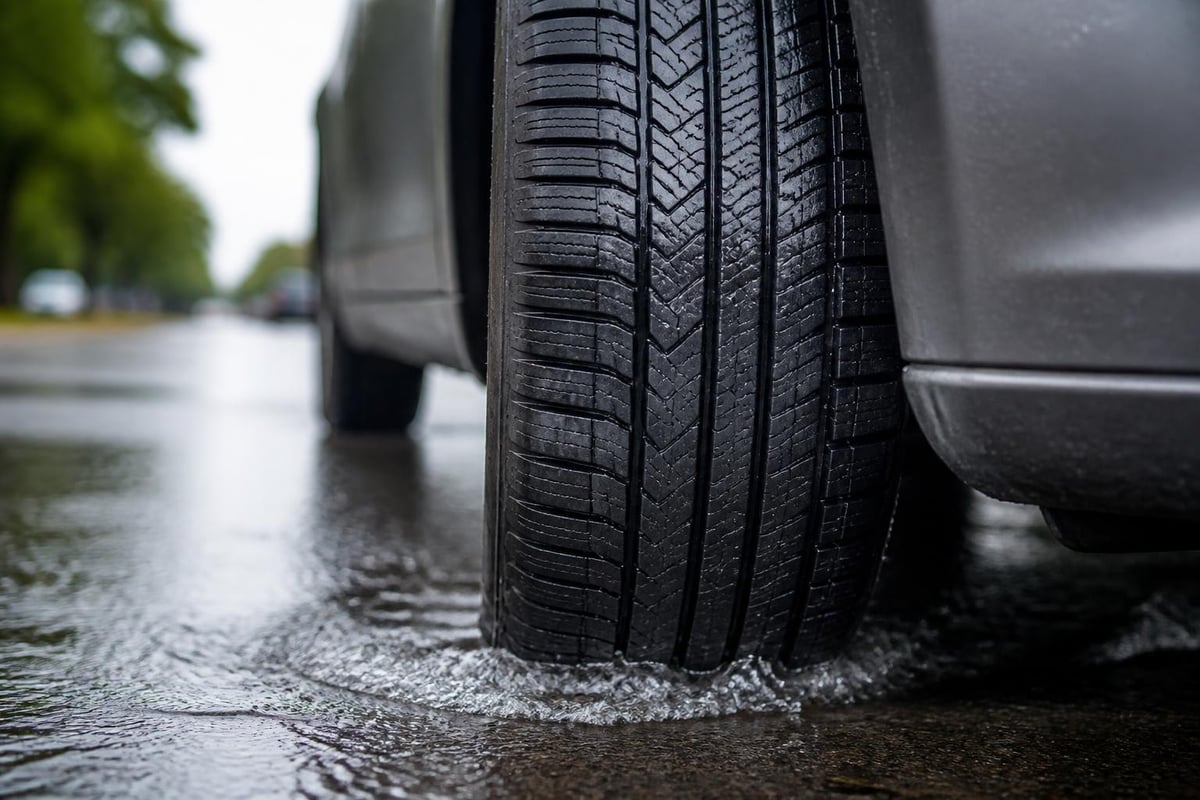
Most commercial-grade all-season tires incorporate a symmetric or asymmetric tread design:
- Symmetric patterns offer uniform wear characteristics and can be rotated in any direction, simplifying fleet maintenance protocols
- Asymmetric patterns feature distinct inner and outer tread zones, with the outer shoulder optimized for dry cornering and the inner section designed for water evacuation
- Directional patterns use V-shaped grooves that efficiently channel water but require specific mounting orientation
The tread depth on new tires all season typically ranges from 10/32" to 12/32", providing a balance between initial grip and projected service life. This specification sits between summer tires (often 9/32" to 10/32") and dedicated winter tires (which may start at 12/32" to 14/32" for maximum snow traction).
Performance Benchmarks Across Weather Conditions
Evaluating tires all season requires understanding their performance envelope across different driving scenarios. Independent testing organizations provide valuable comparative data that reveals both capabilities and limitations.
Dry Pavement Performance
On dry roads, all-season tires deliver respectable handling and braking performance, though they typically lag behind summer tires optimized exclusively for these conditions. The harder compound necessary for year-round durability reduces the ultimate grip available during aggressive cornering or emergency braking.
For commercial fleet applications, dry-weather performance metrics include:
| Performance Metric | All-Season Tires | Summer Tires | Performance Gap |
|---|---|---|---|
| Braking Distance (60-0 mph) | 132-142 feet | 125-135 feet | 5-7% longer |
| Cornering Grip (lateral G) | 0.82-0.88 | 0.90-0.98 | 8-10% lower |
| Treadwear Rating (typical) | 500-700 | 300-500 | 40-60% longer life |
The EPA’s automotive trends analysis highlights how tire rolling resistance affects fleet fuel economy. All-season tires generally offer lower rolling resistance than winter tires, contributing to improved fuel efficiency during the majority of operating conditions.
Wet Weather and Hydroplaning Resistance
Wet-weather performance represents a critical safety consideration for commercial operations. Tires all season demonstrate significant variation in their ability to maintain traction on rain-soaked pavement. The groove depth, pattern design, and rubber formulation all influence how effectively water is evacuated from beneath the tire.
Testing conducted by AAA’s independent tire research program reveals that premium all-season tires can approach summer tire wet-braking performance, while budget options may require 10-15% additional stopping distance. Hydroplaning resistance-the tire's ability to maintain road contact at higher speeds on standing water-depends heavily on tread pattern and depth.
Cold Weather and Light Snow Capability
The most controversial aspect of tires all season involves their winter weather performance. While these tires can handle light snow and cold temperatures better than summer tires, they cannot match the traction provided by dedicated winter rubber in severe conditions.
The rubber compound in all-season tires begins to lose flexibility below approximately 45°F, reducing their ability to conform to road surfaces and grip icy patches. According to NHTSA technical guidance on tire performance differences, all-season tires may experience 20-30% longer braking distances on ice compared to winter-specific tires.
Regional regulations vary regarding acceptable tire types for winter driving. Parks Canada safety requirements specify that certain all-season tires meeting the Three-Peak Mountain Snowflake (3PMSF) symbol standard qualify as acceptable winter tires, while others do not meet this threshold for severe snow service.
Service Life Expectations and Treadwear Analysis
One of the primary advantages of tires all season for commercial fleets is their projected service life. The harder compound formulation that compromises ultimate grip also delivers superior treadwear characteristics compared to summer tires.
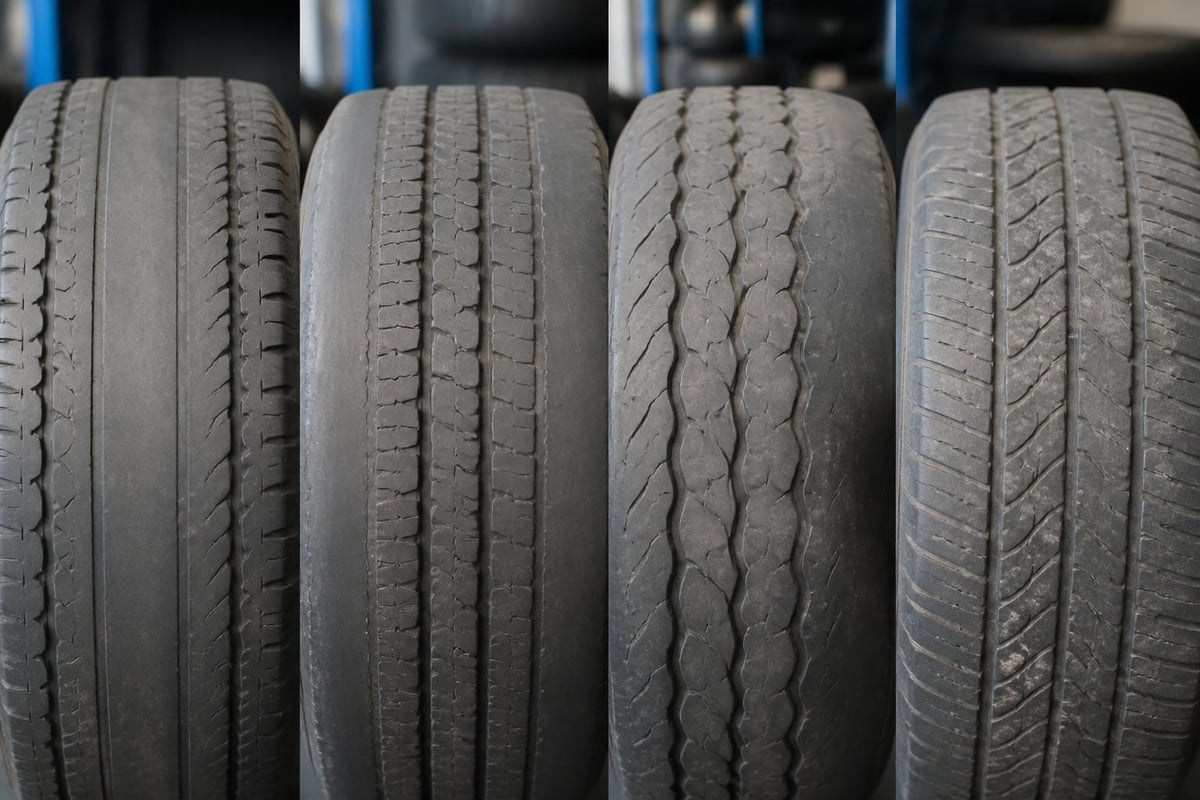
Consumer Reports’ treadwear testing methodology provides valuable benchmarks for expected tire longevity. Their controlled testing reveals that many modern all-season tires exceed their published treadwear warranties, with some premium options delivering 70,000 to 80,000 miles of service under normal driving conditions.
Factors Affecting All-Season Tire Longevity
Multiple variables influence how long tires all season will perform effectively:
- Inflation pressure maintenance – Under-inflation accelerates shoulder wear and increases rolling resistance, while over-inflation causes rapid center tread wear
- Wheel alignment precision – Misalignment creates uneven wear patterns that can cut tire life by 30-50%
- Rotation frequency – Regular rotation (typically every 5,000-7,000 miles) promotes even wear across all tire positions
- Load distribution – Consistent overloading stresses tire structure and accelerates tread degradation
- Driving style – Aggressive acceleration, hard braking, and high-speed cornering reduce service life
- Road surface quality – Rough, abrasive pavement wears tread faster than smooth highway surfaces
- Climate extremes – Sustained operation in very hot or very cold conditions affects compound durability
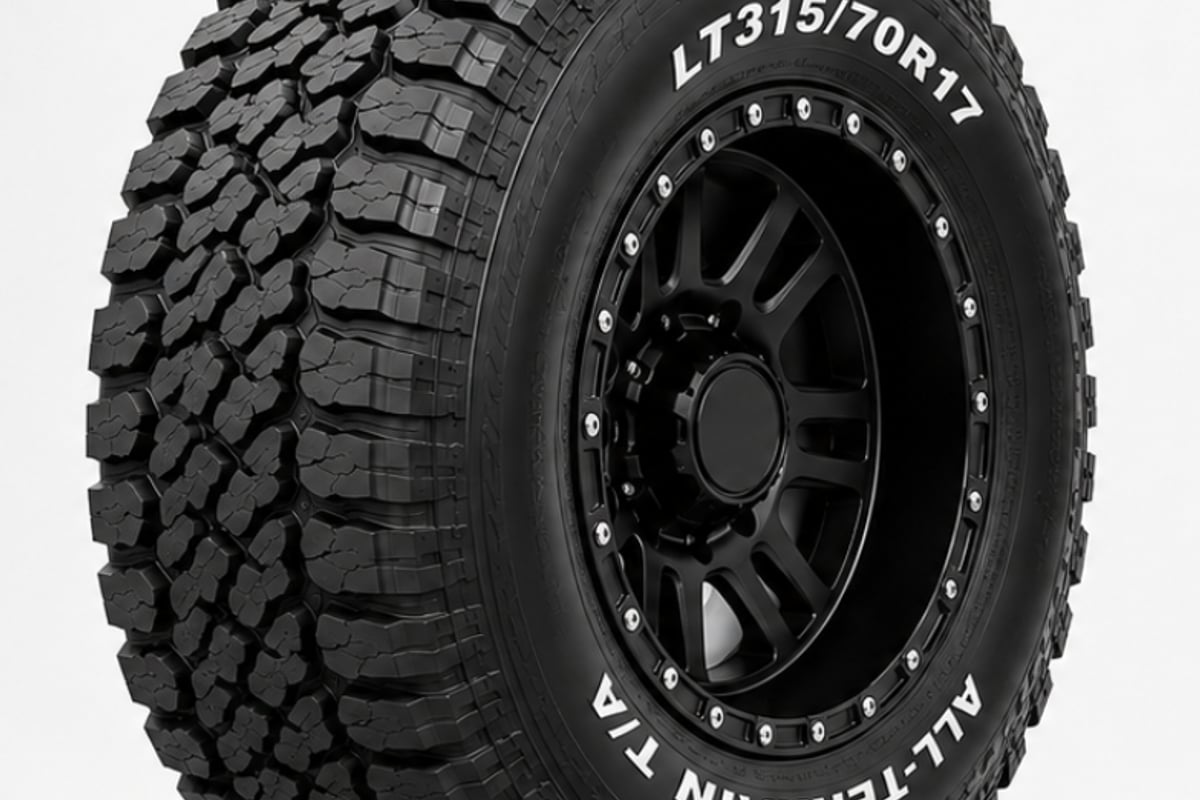
For commercial truck applications, all-season tire selection involves additional considerations beyond passenger vehicle criteria. Light truck all-season tires incorporate reinforced sidewalls and higher load ratings to accommodate heavier payloads and extended service intervals. These commercial-grade options often feature deeper initial tread depth and more robust construction to withstand the demanding duty cycles typical of delivery vehicles, service trucks, and fleet applications.
Comparing All-Season vs. Dedicated Seasonal Tire Strategies
Fleet managers must evaluate whether a single all-season tire solution provides better value than maintaining separate summer and winter tire inventories. This decision involves analyzing upfront costs, storage requirements, changeover labor, and performance priorities.
Total Cost of Ownership Analysis
| Cost Component | All-Season Strategy | Dual Tire Strategy |
|---|---|---|
| Initial Tire Investment | $800-1,200 per vehicle | $1,400-2,200 per vehicle |
| Seasonal Changeover Labor | $0 | $100-200 annually |
| Storage Requirements | None | Climate-controlled space needed |
| Typical Replacement Cycle | 4-6 years | 6-8 years (combined) |
| Performance Optimization | Moderate all conditions | Excellent seasonal match |
The AAA guidance on tire selection emphasizes that geographic location significantly influences the optimal strategy. Regions experiencing mild winters with infrequent snow may find tires all season perfectly adequate, while areas with consistent sub-freezing temperatures and heavy snowfall benefit substantially from dedicated winter rubber.
Operational Considerations for Commercial Fleets
Commercial vehicle operators face unique constraints when selecting tire strategies:
Advantages of All-Season Approach:
- Simplified inventory management with single tire specification
- Eliminated changeover scheduling and associated vehicle downtime
- Reduced warehouse space requirements for tire storage
- Lower administrative burden tracking seasonal tire sets
- Consistent handling characteristics year-round
Disadvantages of All-Season Approach:
- Compromised performance in extreme weather conditions
- Potential safety concerns during severe winter weather
- Reduced grip during summer heat compared to summer-specific tires
- May not meet regulatory requirements in certain jurisdictions
- Lower fuel efficiency than optimized summer tires during warm months
Advanced Technologies in Modern All-Season Tire Design
Recent innovations have significantly improved the performance capabilities of tires all season, narrowing the gap between all-season and dedicated seasonal options. Manufacturers continue investing in research aimed at reducing the traditional compromises inherent in all-season designs.
Compound Technology Advancements
Contemporary all-season tire compounds incorporate sophisticated polymer blends and additives that enhance performance across temperature ranges. Silica reinforcement improves wet traction without sacrificing tread life. Carbon black fillers provide structural strength and heat resistance. Specialty polymers maintain flexibility at lower temperatures than previous generations.
Some manufacturers now offer "all-weather" tires as a distinct category between true all-season and winter tires. These products carry the Three-Peak Mountain Snowflake certification, indicating they meet minimum snow traction requirements while still offering reasonable warm-weather performance.
Manufacturing Quality and Consistency
The Tire Industry Association provides resources highlighting the importance of manufacturing precision in tire performance. Modern production facilities employ computerized inspection systems that verify tread uniformity, balance specifications, and structural integrity before tires enter distribution channels.
For distributors sourcing tires all season for diverse international markets, manufacturing quality consistency becomes paramount. Variations in compound mixing, curing temperatures, or tread molding can create performance differences even within the same product line. Reputable manufacturers maintain strict quality control protocols across all production facilities to ensure consistent performance characteristics.
Selection Criteria for Commercial Applications
Choosing appropriate tires all season for commercial vehicle fleets requires systematic evaluation of operational requirements, environmental conditions, and performance priorities. A structured selection process helps identify the optimal balance between cost, capability, and service life.
Critical Specification Parameters
Load Index and Speed Rating
Every tire carries load index and speed rating specifications that define maximum weight capacity and sustained speed capability. Commercial applications must never exceed these ratings, as doing so compromises structural integrity and safety margins. Light truck and commercial van applications typically require Load Range C, D, or E ratings depending on gross vehicle weight.
Treadwear, Traction, and Temperature Grades
The Uniform Tire Quality Grading (UTQG) system provides comparative ratings:
- Treadwear numbers indicate expected longevity relative to baseline (higher numbers suggest longer life)
- Traction grades (AA, A, B, C) measure wet-stopping ability
- Temperature grades (A, B, C) indicate heat resistance and high-speed capability
Fuel Efficiency Impact
The EPA’s consumer guidance on tire choices notes that low rolling resistance tires can improve fuel economy by 3-5%. For commercial fleets consuming thousands of gallons annually, this efficiency gain translates directly to operating cost reductions. All-season tires with optimized rolling resistance characteristics deliver measurable fuel savings compared to less efficient designs.
Climate Zone Matching
Geographic operating territory fundamentally shapes tire selection decisions:
Mild Climate Zones (USDA Zones 8-10)
Year-round temperatures rarely drop below freezing. Tires all season perform excellently in these conditions, with minimal winter weather compromise. Focus selection on wet-weather performance, tread life, and fuel efficiency rather than cold-weather capability.
Moderate Climate Zones (USDA Zones 5-7)
These regions experience distinct seasons with occasional winter snow and ice. Premium all-season tires with 3PMSF certification offer acceptable year-round performance for most commercial applications. Fleets should maintain tire chains or consider dedicated winter tires for critical-operation vehicles.
Severe Climate Zones (USDA Zones 1-4)
Prolonged winter conditions with regular snow and ice make dedicated seasonal tire strategies more appropriate. All-season tires struggle to provide adequate traction during extended freezing periods, creating safety concerns and operational challenges.
Maintenance Protocols for Maximizing All-Season Tire Performance
Proper maintenance practices directly influence how effectively tires all season perform throughout their service life. Commercial fleets implementing systematic tire management programs achieve superior safety outcomes, extended replacement intervals, and lower total operating costs.
Pressure Monitoring and Adjustment
Maintaining correct inflation pressure represents the single most important tire maintenance task. Under-inflation by just 10 PSI can reduce tire life by 15-20% while increasing rolling resistance and fuel consumption. Over-inflation compromises ride quality and accelerates center tread wear.
Best Practice Pressure Management:
- Check pressures weekly when tires are cold (before operation)
- Adjust to manufacturer specifications on vehicle placard or tire sidewall
- Account for load variations and adjust pressure accordingly
- Install tire pressure monitoring systems (TPMS) on all commercial vehicles
- Document pressure readings to identify slow leaks or valve issues
Rotation Schedules and Patterns
Regular tire rotation distributes wear evenly across all positions, maximizing the service life of tires all season. Different vehicle configurations require specific rotation patterns:
Front-Wheel Drive Vehicles:
Move front tires straight back; rear tires cross to opposite front positions
Rear-Wheel Drive Vehicles:
Move rear tires straight forward; front tires cross to opposite rear positions
All-Wheel Drive Vehicles:
Use X-pattern rotation, crossing all tires to opposite corners
Directional Tread Patterns:
Front-to-rear rotation only on same side; no crossing
Visual Inspection and Damage Assessment
Monthly visual inspections identify developing problems before they cause failures:
- Measure tread depth at multiple points across each tire
- Look for uneven wear patterns indicating alignment or pressure issues
- Check sidewalls for cuts, bulges, or weather checking
- Remove stones or debris lodged in tread grooves
- Inspect valve stems for cracks or leaks
- Verify wheel weights remain attached and balanced
Tires all season should be removed from service when tread depth reaches 4/32" for optimal wet-weather performance, though legal minimums typically allow operation to 2/32". Commercial fleet policies often establish more conservative replacement thresholds to maintain safety margins.
Environmental and Regulatory Considerations
Tire selection and management involve environmental stewardship responsibilities and regulatory compliance obligations. Fleet operators must navigate evolving requirements while minimizing environmental impact.
Fuel Economy Regulations and Tire Efficiency
Government fuel economy standards increasingly influence tire specifications. The EPA's automotive efficiency programs encourage adoption of low rolling resistance tires that reduce energy consumption. All-season tires meeting SmartWay certification standards demonstrate independently verified efficiency characteristics.
For commercial truck fleets, tire rolling resistance directly affects fuel costs per mile. A 10% reduction in rolling resistance can improve fuel economy by 2-3%, yielding substantial savings across high-mileage operations. Selecting efficient tires all season contributes to both cost reduction and emissions mitigation.
Tire Disposal and Recycling Programs
End-of-life tire management requires responsible disposal practices. Most jurisdictions prohibit landfill disposal of whole tires due to environmental concerns. Commercial operations should partner with certified tire recyclers who process scrap tires into crumb rubber, tire-derived fuel, or civil engineering applications.
Reputable tire distributors often provide take-back programs that simplify disposal logistics while ensuring environmental compliance. These services add value beyond initial product cost and support corporate sustainability objectives.
Winter Tire Mandates and Regional Requirements
Certain jurisdictions mandate winter tire installation during specified months or under particular weather conditions. Quebec requires winter tires from December through March. Some European countries enforce seasonal tire regulations with specific performance standards.
Fleet operators conducting cross-border operations must understand and comply with varying tire requirements. While premium tires all season with 3PMSF certification satisfy many winter tire mandates, some regulations specifically exclude all-season designs regardless of certification.
Procurement Strategies for Commercial Tire Buyers
Large-scale tire purchasing decisions involve multiple stakeholders and require systematic evaluation of supplier capabilities, product performance, and total cost implications. Professional buyers employ structured approaches to tire procurement that optimize value across the complete product lifecycle.
Supplier Evaluation Criteria
Selecting tire suppliers for commercial fleet applications extends beyond initial price comparisons. Comprehensive supplier assessment considers:
Product Range and Availability
Does the supplier maintain adequate inventory across required sizes and specifications? Can they support emergency replacements with same-day delivery? Do they offer the full range of tires all season needed for diverse vehicle types?
Technical Support and Training
Premium tire suppliers provide application engineering assistance, helping fleets select optimal specifications for specific duty cycles. They offer technician training on proper mounting, balancing, and maintenance procedures.
Warranty Coverage and Claims Support
Warranty terms vary significantly between manufacturers and distributors. Evaluate coverage duration, mileage limits, pro-rated adjustment policies, and claims processing efficiency. Document required for warranty claims should be clearly specified upfront.
Geographic Distribution Network
National or international fleet operations require suppliers with broad service networks capable of supporting vehicles across operating territories. Centralized procurement with regional distribution simplifies administration while ensuring consistent product quality.
Volume Pricing and Contract Negotiations
Commercial tire purchases benefit from economy of scale. Fleet buyers should leverage purchasing volume to negotiate favorable terms:
- Tiered pricing structures based on annual volume commitments
- Extended payment terms for established accounts
- Consignment inventory programs that defer payment until installation
- Performance guarantees with adjustment provisions for premature wear
- Inclusion of mounting, balancing, and disposal services in pricing
Long-term supply agreements provide pricing stability and inventory security but require careful specification to accommodate evolving fleet needs and emerging tire technologies.
Selecting and managing tires all season for commercial applications requires balancing performance requirements, operating conditions, and economic constraints. Understanding tread design principles, performance characteristics across weather conditions, and proper maintenance protocols enables fleet managers to make informed decisions that optimize safety, efficiency, and total cost of ownership. Whether you're a distributor serving diverse markets or a fleet operator managing hundreds of vehicles, partnering with an experienced tire manufacturer ensures access to quality products and technical expertise. OTR TIRE THAI delivers premium commercial tire solutions to distributors in over 80 countries, combining international quality standards with competitive wholesale pricing and comprehensive technical support.
