
Blog
Tire Distributors: Building Networks in 2026
Sep
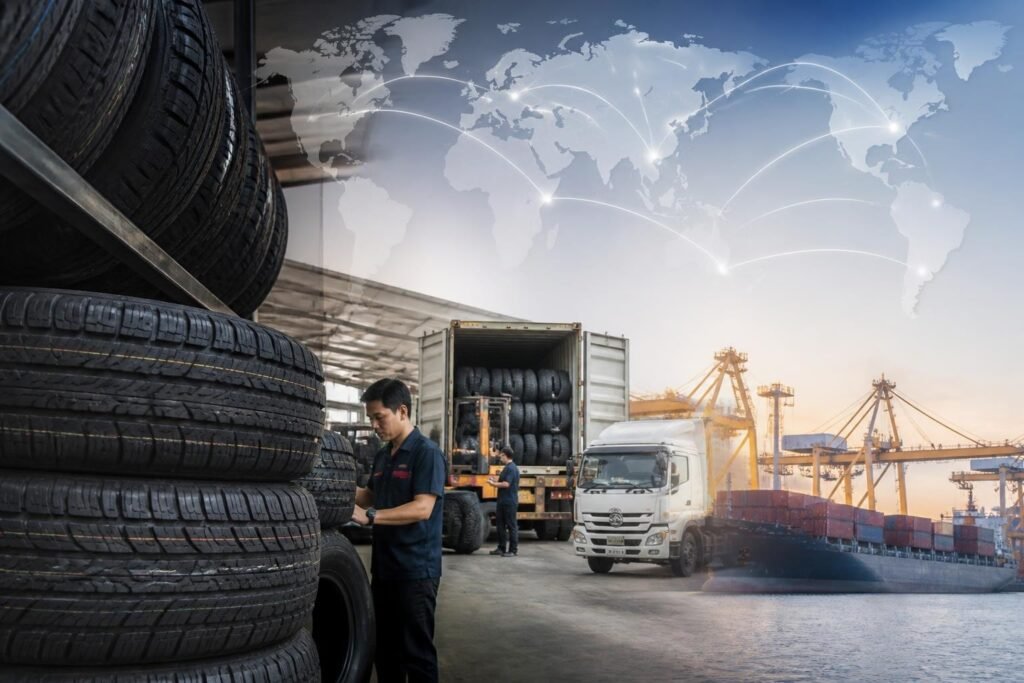
The tire distribution landscape has evolved dramatically over the past decade, transforming from regional warehouse operations into sophisticated global networks that connect manufacturers with end users across continents. Tire distributors serve as the critical bridge between production facilities and the diverse market segments that depend on reliable rubber products, from agricultural operations to commercial trucking fleets. In 2026, successful distributors balance traditional relationship-building with digital inventory systems, sustainability mandates, and the complexities of international logistics. Understanding how these intermediaries operate, select partners, and manage their supply chains reveals the infrastructure that keeps vehicles moving worldwide.
The Role of Tire Distributors in Modern Supply Chains
Tire distributors function as specialized logistics and sales intermediaries who purchase bulk inventory from manufacturers and resell to retailers, fleet operators, and commercial buyers. Unlike general freight handlers, these businesses maintain temperature-controlled warehouses, specialized handling equipment, and technical knowledge about compound chemistry, tread patterns, and application-specific performance.
Core Functions and Value Proposition
The primary value tire distributors deliver lies in inventory aggregation and risk mitigation. Manufacturers benefit from selling container loads to a smaller number of distributors rather than managing thousands of individual dealer accounts. Retailers and fleet buyers gain access to diverse product lines without carrying the capital cost of months of safety stock.
Key distributor services include:
- Consolidated warehousing across multiple manufacturers and product categories
- Break-bulk operations that split container shipments into dealer-sized orders
- Technical support and product selection guidance for buyers
- Credit terms that ease cash flow for smaller retailers
- Reverse logistics for warranty claims and end-of-life tire recycling
According to the Modern Tire Dealer Facts issue, wholesale distribution accounts for approximately 70% of replacement tire sales in North America, underscoring the channel's dominance in the aftermarket. The remaining volume flows through direct-to-dealer factory programs and online marketplaces.

Market Segmentation and Specialization
Most tire distributors specialize by vehicle category or geographic territory. Passenger car and light truck distributors often serve independent tire dealers and auto service chains. Commercial truck tire distributors focus on fleet operators, truck stops, and heavy-duty repair facilities. Agricultural and off-the-road (OTR) distributors serve mining operations, construction contractors, and farm equipment dealerships.
This segmentation reflects the distinct technical requirements and buying patterns of each market. A distributor carrying semi truck tires for long-haul fleets needs deep knowledge of SmartWay certification, casing retreadability, and cost-per-mile analysis, while a passenger car distributor emphasizes seasonal demand planning for winter and all-season products.
Selecting Manufacturing Partners and Building Product Portfolios
The decision to partner with specific tire manufacturers represents one of the most strategic choices a distributor makes. Product quality, pricing structure, warranty support, and delivery reliability all factor into these relationships.
Evaluation Criteria for Manufacturing Partnerships
Distributors typically assess potential manufacturing partners across multiple dimensions. Product certification stands at the top of most checklists, with DOT, ECE, and ISO standards serving as baseline requirements for entry into regulated markets. Beyond compliance, distributors examine test data for wet traction, treadwear, and rolling resistance to ensure products meet customer performance expectations.
Pricing and margin structure must support the distributor's business model while remaining competitive at retail. Factory-direct pricing from manufacturers eliminates middleman markups, but distributors also evaluate volume rebate programs, co-op advertising allowances, and payment terms. A 2% net-30 discount versus net-60 terms can significantly impact working capital requirements.
| Evaluation Factor | Why It Matters | Red Flags |
|---|---|---|
| Certifications | Market access and legal compliance | Missing DOT/ECE for target markets |
| Quality consistency | Return rates and customer satisfaction | Batch-to-batch variation complaints |
| Lead times | Inventory planning and stockout prevention | Frequent production delays |
| Warranty support | Cost of claims and customer confidence | Slow claim processing, high denial rates |
| Technical resources | Pre-sale support and problem solving | No field engineers or product training |
Manufacturing capacity and supply consistency matter enormously for tire distributors who promise availability to their dealer networks. A manufacturer that runs out of popular sizes mid-season forces distributors to scramble for alternatives or lose sales. Geographic proximity to manufacturing facilities affects lead times and freight costs, which is why many North American distributors maintain relationships with both Asian and domestic producers to balance cost and replenishment speed.
Building a Balanced Product Mix
Successful tire distributors curate portfolios that span multiple price points and performance tiers. The typical structure includes a premium line with maximum margin potential, a mid-tier "value" brand that competes on price-performance ratio, and an economy line for price-sensitive customers.
This three-tier approach allows distributors to serve diverse customer segments without channel conflict. A premium tire might carry a 40% gross margin but turn slowly, while an economy tire moves in high volume at 25% margin. Blended across the portfolio, the distributor achieves target profitability while maintaining competitive positioning at every price level.
Many distributors also stock specialized application products, such as winter tires, off-road patterns, or industrial solid tires, that command higher margins due to technical differentiation and limited competition. These niche categories often generate disproportionate profit relative to their sales volume.
Warehouse Operations and Inventory Management
Physical infrastructure separates professional tire distributors from brokers or dropshippers. Purpose-built distribution centers incorporate design features specific to tire handling, storage, and preservation.
Facility Design and Handling Systems
Modern tire warehouses use vertical racking systems that maximize cubic storage while maintaining accessibility. Tires stack well but require careful handling to prevent sidewall damage and deformation. Most facilities employ narrow-aisle forklifts with specialized tire clamps or mandrels that grip inner diameters without marking sidewalls.
Climate control represents a significant operational investment. Rubber compounds age through oxidation and UV exposure, so distributors store tires in temperature-controlled environments away from direct sunlight. Many facilities maintain 60-75°F with humidity control to minimize ozone cracking and compound degradation. The EPA’s Used Tires Quick Start Guide outlines storage best practices that prevent environmental hazards while preserving product quality.
Security and loss prevention have become critical concerns as tire theft has increased. The Tire Distribution Center Playbook details measures including perimeter fencing, surveillance systems, serialized inventory tracking, and delivery driver background checks. High-value product lines such as large OTR tires or popular truck sizes warrant extra protection.

Demand Forecasting and Replenishment
Inventory management for tire distributors requires balancing two competing pressures: the capital cost of carrying months of stock versus the revenue lost to stockouts on popular sizes. Sophisticated distributors use point-of-sale data from their dealer networks combined with historical sales patterns to forecast demand by SKU.
Seasonal products such as winter tires require advance planning. Distributors typically build inventory during summer months when warehouse space is available, then ship heavily in September through November as snow-belt dealers prepare for seasonal changeovers. This creates predictable cash flow cycles, with receivables peaking in late fall as dealers take delivery but before they collect from consumers.
Lead time variability from international manufacturers adds complexity to replenishment planning. Container shipments from Thailand may require 30-45 days ocean transit plus customs clearance and inland freight, creating a total pipeline of 60-75 days from purchase order to warehouse receipt. Distributors buffer this uncertainty with safety stock levels calibrated to demand volatility and supplier reliability.
Logistics Networks and Transportation Management
Moving tires efficiently from manufacturing facilities to distribution centers and onward to customers requires specialized transportation planning. Tires are bulky relative to their value, which makes freight optimization critical to profitability.
Inbound Container Management
Most tire distributors source significant volume from Asian manufacturers, particularly Thailand, China, and Vietnam. Understanding container economics drives purchasing decisions. A 40-foot high-cube container holds approximately 800-1,000 passenger car tires or 300-400 truck tires depending on size. Ocean freight rates fluctuate with fuel costs and global shipping capacity, as tracked by the Journal of Commerce.
Distributors negotiate annual contracts with freight forwarders to stabilize inbound costs, but spot-market rates can swing 30-40% during peak shipping seasons. Some large distributors operate their own customs brokerage to expedite clearance and reduce per-container fees. Consolidation of multiple product lines from a single manufacturer into mixed containers improves inventory diversity without increasing total shipment count.
Outbound Delivery Networks
Regional delivery represents the last-mile component of tire distribution. Most distributors operate dedicated truck fleets for deliveries within 200-300 miles of their warehouses, switching to LTL carriers for more distant accounts. Route optimization software balances delivery frequency with truck utilization, grouping accounts geographically to minimize empty miles.
- Daily routes serve high-volume dealers within metropolitan areas
- Weekly routes cover outlying territories with lower density
- Emergency service provides same-day delivery for critical stockouts at premium pricing
- Customer pickup accommodates buyers with their own trucks seeking lower net pricing
Delivery timing matters to dealer customers who operate with minimal inventory. Many distributors offer morning delivery windows before dealers open for retail business, allowing fresh stock to be available for same-day installation. This service level differentiates professional distributors from e-commerce competitors who rely on parcel carriers with less predictable timing.
Market Trends Reshaping Distribution Models
The tire distribution industry faces several structural changes that are redefining competitive dynamics and operational requirements in 2026.
Digital Transformation and E-Commerce
Online tire retailers have disrupted traditional distribution by offering direct-to-consumer sales with mobile installation services. While this channel remains relatively small for commercial truck and specialty tires, it has captured significant passenger car market share in urban markets. Traditional distributors have responded by launching B2B e-commerce platforms that allow dealer customers to check real-time inventory, place orders, and track deliveries digitally.
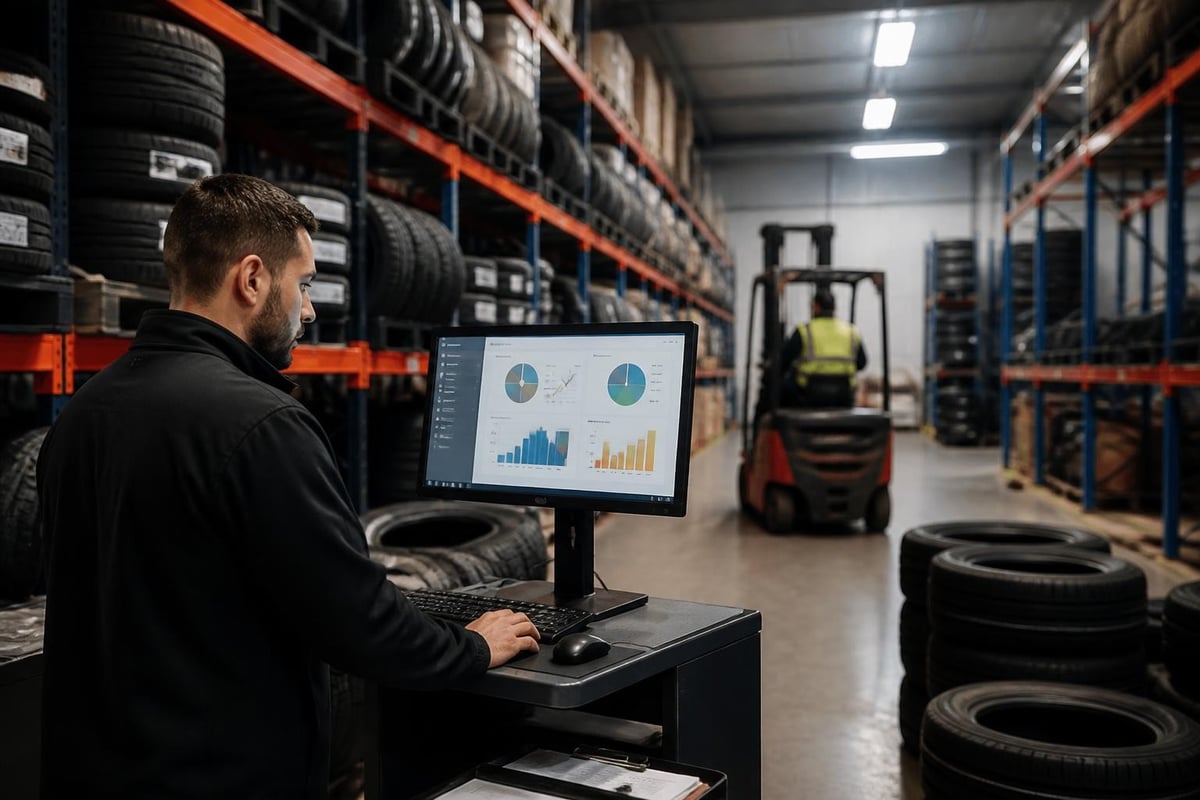
Warehouse management systems (WMS) and transportation management systems (TMS) have become essential technology investments. Supply Chain Dive’s coverage of major distributor operations highlights how real-time inventory visibility and automated replenishment reduce working capital requirements while improving fill rates. RFID tagging of individual tires enables precise tracking from receipt through outbound delivery, reducing shrinkage and improving traceability for warranty claims.
Sustainability and Circular Economy Initiatives
End-of-life tire management has shifted from a disposal problem to a value-recovery opportunity. Progressive tire distributors now operate take-back programs that collect used tires from dealers, routing them to recycling facilities that produce rubber crumb for playgrounds and asphalt modification. Some distributors have invested in tire-derived fuel programs or pyrolysis facilities that convert scrap tires into carbon black and oil.
The USTMA Factbook reports that approximately 81% of scrap tires generated in the United States now enter beneficial end-use markets, up from less than 50% in the 1990s. Distributors who facilitate this reverse logistics earn environmental goodwill while generating incremental revenue from scrap tire fees.
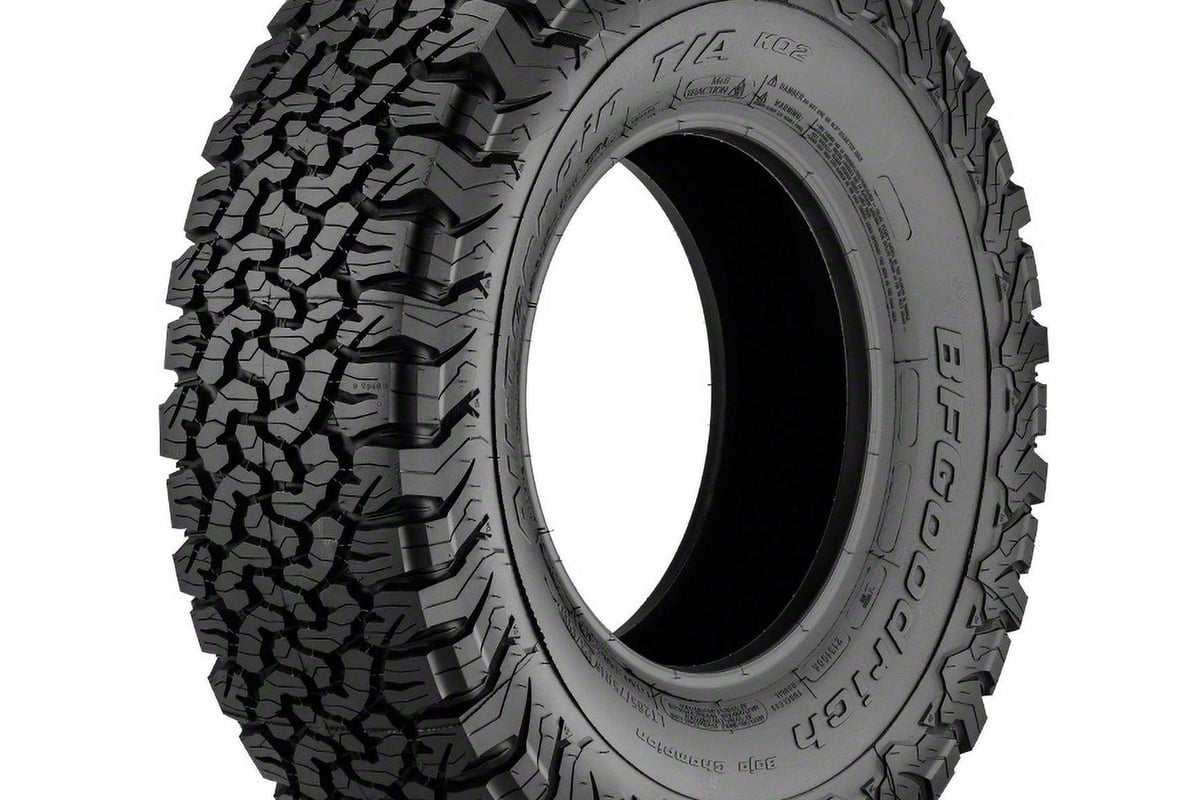
For distributors serving the commercial trucking segment, stocking high-quality semi truck tires from reliable manufacturers ensures fleets receive products that deliver low total cost of ownership through extended tread life and retreadability. Products meeting SmartWay specifications help fleet customers comply with fuel efficiency mandates while reducing operating costs per mile.
Financial Considerations and Business Models
Tire distribution operates on relatively thin gross margins compensated by high inventory turnover. Understanding the financial mechanics helps explain industry consolidation trends and strategic decisions.
Margin Structure and Profitability Drivers
Typical gross margins for tire distributors range from 20% to 35% depending on product category and competitive intensity. Specialty and OTR tires command higher margins due to limited distribution and technical sales requirements. High-volume passenger car tires in competitive markets may run as low as 18-22% gross margin.
Operating expenses consume the majority of gross profit:
- Warehouse occupancy and handling (6-8% of sales)
- Delivery and logistics (4-6% of sales)
- Sales force and technical support (5-7% of sales)
- Administrative overhead (3-4% of sales)
This leaves net operating margins in the 3-6% range for well-run operations, with return on invested capital driven by inventory turn. A distributor turning inventory 6 times annually generates higher ROI than one turning 4 times, even at identical margin percentages.
| Turn Rate | Avg. Inventory Investment | Annual Sales (@ 25% GM) | GMROI |
|---|---|---|---|
| 4× | $2.5M | $10M | 100% |
| 6× | $1.67M | $10M | 150% |
| 8× | $1.25M | $10M | 200% |
Working capital management represents a perpetual challenge. Distributors extend 30-60 day payment terms to dealers while paying manufacturers in 30-45 days, creating a cash gap during growth periods. Floor plan financing programs help dealers carry inventory while passing interest costs to the end buyer.
Consolidation and Scale Economics
The tire distribution industry has consolidated significantly over the past two decades. Regional independents have been acquired by national platforms such as American Tire Distributors (ATD) and TBC Corporation, which leverage purchasing power with manufacturers and operational efficiency across warehouse networks. Research from MacKay & Company tracks these trends and their impact on manufacturer channel strategies.
Scale advantages include better freight rates through volume commitments, lower cost of capital from institutional backing, and shared overhead across larger revenue bases. However, regional independents retain advantages in market knowledge, relationship depth with local dealers, and flexibility to carry niche product lines that don't meet national platform volume thresholds.
Building Successful Distributor-Dealer Relationships
While much of tire distribution involves logistics and inventory mechanics, the business ultimately depends on trust relationships between distributors and their dealer customers.
Value Beyond Product Availability
Dealers choose distributors based on multiple factors beyond price and product selection. Technical support helps dealers match tire specifications to customer applications, troubleshoot performance complaints, and stay current on new product introductions. Distributors who invest in field sales representatives with genuine technical expertise earn loyalty that survives competitive pricing pressure.
Credit terms and financial stability matter especially to smaller independent dealers. A distributor that maintains consistent inventory and doesn't tighten credit during economic downturns becomes a valued partner. Conversely, distributors who abruptly reduce credit lines or cherry-pick accounts during supply shortages damage long-term relationships.
Training programs represent another value-added service. Many distributors offer certification courses on tire installation, balancing, TPMS service, and safety practices. These programs improve dealer service quality while building switching costs that insulate the distributor from pure price competition.
Adapting to Changing Customer Expectations
Today's dealers expect digital tools that streamline ordering and account management. Mobile apps that allow shop technicians to check stock and place orders from the service bay have become table stakes in metropolitan markets. Integration with dealer management systems (DMS) enables automatic replenishment based on installation data rather than manual reorder points.
Transparency around delivery timing has increased in importance as dealers reduce their own inventory levels. Real-time GPS tracking of delivery trucks and proactive exception notifications (delays, stockouts, back-orders) maintain dealer confidence even when problems occur. Communication quality often matters more than perfect execution, as dealers can manage customer expectations when they have accurate information.
International Distribution Networks and Cross-Border Trade
For tire manufacturers based in Thailand and other Asian production centers, building effective distributor networks in target markets represents a critical go-to-market challenge.
Market Entry Strategies
Manufacturers typically enter new geographic markets through exclusive distributor agreements that grant territorial rights in exchange for minimum purchase commitments. This approach allows manufacturers to penetrate markets without direct investment in local warehousing and sales infrastructure.
The ideal distributor partner combines financial capacity to stock adequate inventory, established relationships with dealers and end users, and technical capability to support the product line. Due diligence includes verification of warehouse facilities, review of financial statements, reference checks with other manufacturers, and assessment of the sales organization's reach within the target market.
Container minimum orders create natural barriers to small-scale distribution. A manufacturer requiring 10-container annual minimums effectively limits partnerships to distributors with sufficient sales velocity to absorb that volume. This protects both parties from fragmented distribution that dilutes brand presence and margin structure.
Managing Multi-Tier Distribution Channels
In larger markets, tire distributors often operate in tiers. Master distributors purchase directly from manufacturers in multi-container quantities, then supply regional sub-distributors who serve specific territories or vertical markets. This pyramid structure extends market reach while maintaining manufacturer relationships with a manageable number of direct accounts.
The challenge in multi-tier systems lies in margin allocation and price discipline. Each level requires adequate margin to justify their value-added activities, but excessive channel layering makes the final retail price uncompetitive. Manufacturers must enforce minimum advertised pricing (MAP) policies and monitor gray-market activity where distributors sell outside their authorized territories to capture margin arbitrage.
The tire distribution ecosystem connects global manufacturing capacity with local market demand through specialized intermediaries who manage inventory risk, provide technical expertise, and operate sophisticated logistics networks. Success in 2026 requires distributors to balance traditional relationship skills with digital tools, sustainability mandates, and financial discipline while navigating consolidation pressures and evolving customer expectations. For dealers and fleet operators seeking reliable supply partners, understanding how distributors operate clarifies what to value beyond price alone. OTR TIRE THAI serves distributors in over 80 countries with factory-direct pricing on agricultural, forklift, solid, TBR, PCR, OTR, and industrial tires, delivering the quality and consistency that build lasting distribution partnerships across diverse markets worldwide.
