
Blog
Best Tires for SUV: Complete Buyer’s Guide 2026
Sep
Selecting the right tires for your sport utility vehicle directly impacts safety, fuel economy, handling, and total cost of ownership. With dozens of manufacturers offering hundreds of SKUs across multiple categories, finding the best tires for SUV applications requires understanding your driving profile, climate, and performance priorities. Whether you operate a light-duty crossover for daily commutes or manage a fleet of full-size SUVs for mixed on-road and off-road duty, the tire you mount determines braking distance, hydroplaning resistance, tread life, and rolling resistance.
Understanding SUV Tire Categories
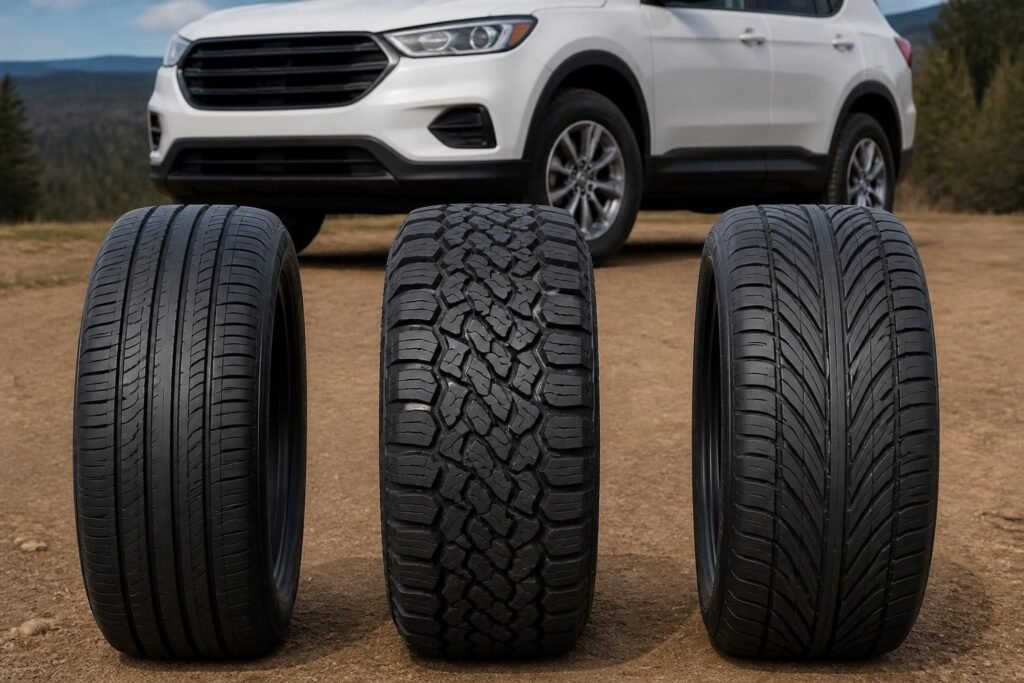
Modern SUVs span a wide range of weights, drivetrain configurations, and use cases. The best tires for SUV vehicles are designed to match these specific demands rather than offering a one-size-fits-all solution.
Highway Terrain (HT) Tires
Highway terrain tires prioritize on-road comfort, low noise, and fuel efficiency. They feature symmetrical tread patterns with continuous center ribs that promote even wear and reduce rolling resistance. HT compounds typically incorporate silica for strong wet grip while maintaining longevity.
Key benefits of highway terrain tires:
- Lower rolling resistance improves fuel economy by 3-7% versus aggressive patterns
- Quieter cabin environment at highway speeds
- Longer tread life (50,000-70,000 miles typical)
- Superior wet-weather braking and hydroplaning resistance
These tires suit crossovers and SUVs that rarely leave pavement. Consumer Reports testing consistently shows HT tires delivering the shortest wet-braking distances in the SUV category.
All-Season Tires
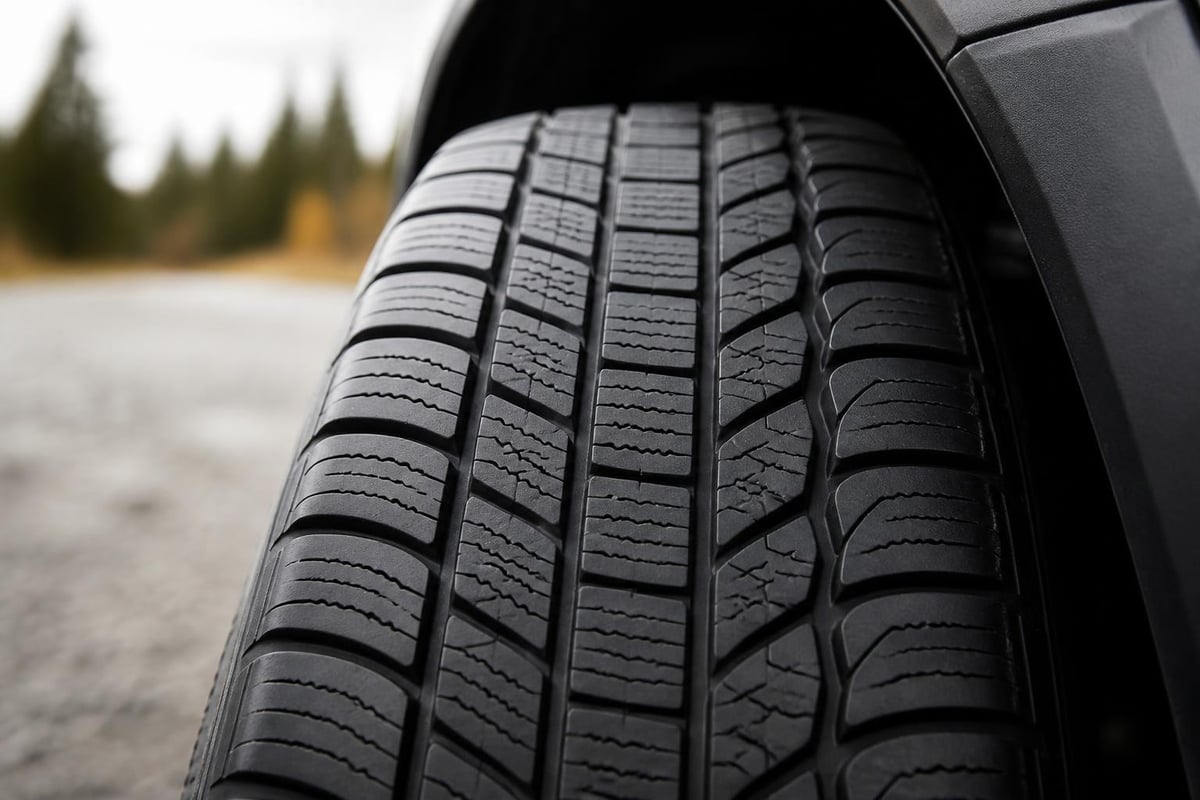
All-season SUV tires balance year-round traction with reasonable tread life. Their asymmetric patterns combine lateral sipes for snow traction with solid shoulder blocks for dry cornering stability. Most carry the Three-Peak Mountain Snowflake (3PMSF) symbol, certifying performance in moderate winter conditions.
Modern all-season compounds use advanced polymers that remain pliable in temperatures down to 20°F while resisting heat buildup during summer highway driving. This dual-season capability makes them the most popular choice for SUV owners in temperate climates.
All-Terrain (AT) Tires
All-terrain tires bridge the gap between highway manners and off-road capability. Their open tread patterns feature large interlocking lugs with stone ejectors and reinforced sidewalls to handle gravel, dirt, and mild rock crawling.
| Feature | Highway Terrain | All-Season | All-Terrain |
|---|---|---|---|
| On-road noise | Very low | Low | Moderate-High |
| Fuel economy | Excellent | Good | Fair |
| Off-road grip | Poor | Limited | Strong |
| Tread life | 60,000+ mi | 50,000+ mi | 40,000+ mi |
| Winter traction | Fair | Good | Excellent |
AT tires suit pickup-based SUVs and crossovers that regularly encounter unpaved roads or need enhanced winter capability. Independent testing from Auto Express demonstrates that leading AT patterns now match older HT designs for wet-weather safety while adding substantial off-pavement traction.
Mud-Terrain (MT) Tires
Mud-terrain tires feature aggressive, widely spaced lugs designed for maximum traction in mud, sand, and rock. Their stiff sidewalls resist punctures and enable low-pressure operation for improved flotation. MT tires prioritize off-road performance over on-road refinement, generating significant road noise and reduced fuel economy.
These tires best serve dedicated off-road SUVs and vehicles operating in construction, mining, or extreme recreational environments. For distributors serving these markets, offering DOT-certified MT patterns ensures legal road use between job sites.
Critical Performance Factors
The best tires for SUV applications excel across multiple performance dimensions. Understanding how manufacturers balance these competing priorities helps distributors match products to customer needs.
Load Index and Speed Rating
SUVs place unique demands on tire construction. A mid-size crossover weighs 3,800-4,500 pounds, while full-size body-on-frame SUVs reach 5,500-7,000 pounds. Each tire must support one-quarter of vehicle weight plus dynamic loads during cornering and braking.
Load index indicates maximum weight capacity per tire. Most SUV applications require load indexes between 100-126, corresponding to 1,764-3,748 pounds per tire. Selecting tires with insufficient load capacity accelerates sidewall flex, generates excessive heat, and risks catastrophic failure.
Speed rating denotes safe sustained speed capability. Common SUV ratings include:
- S (112 mph): Entry-level crossovers
- T (118 mph): Mid-size SUVs, light trucks
- H (130 mph): Performance crossovers
- V (149 mph): High-performance SUVs
Matching speed rating to vehicle capability ensures structural integrity during emergency maneuvers. Research from the Insurance Institute for Highway Safety confirms that tire-related factors contribute significantly to single-vehicle crashes, with improper tire selection among the leading causes.
Rolling Resistance and Fuel Economy
Rolling resistance directly impacts fuel consumption. Academic studies published in journals covering tire mechanics show that a 10% reduction in rolling resistance coefficient improves fuel economy by approximately 2-3% in real-world driving.
Low rolling resistance (LRR) tires achieve efficiency through:
- Optimized tread compounds with lower hysteresis
- Reduced tread depth (within safety margins)
- Stiffer sidewall construction
- Lighter overall tire weight
The EPA SmartWay program verifies LRR tires for commercial fleets, establishing standardized testing protocols that increasingly influence passenger SUV tire development. For distributors, offering verified LRR options addresses growing fleet demand for sustainability and operating cost reduction.
Wet Traction and Hydroplaning Resistance
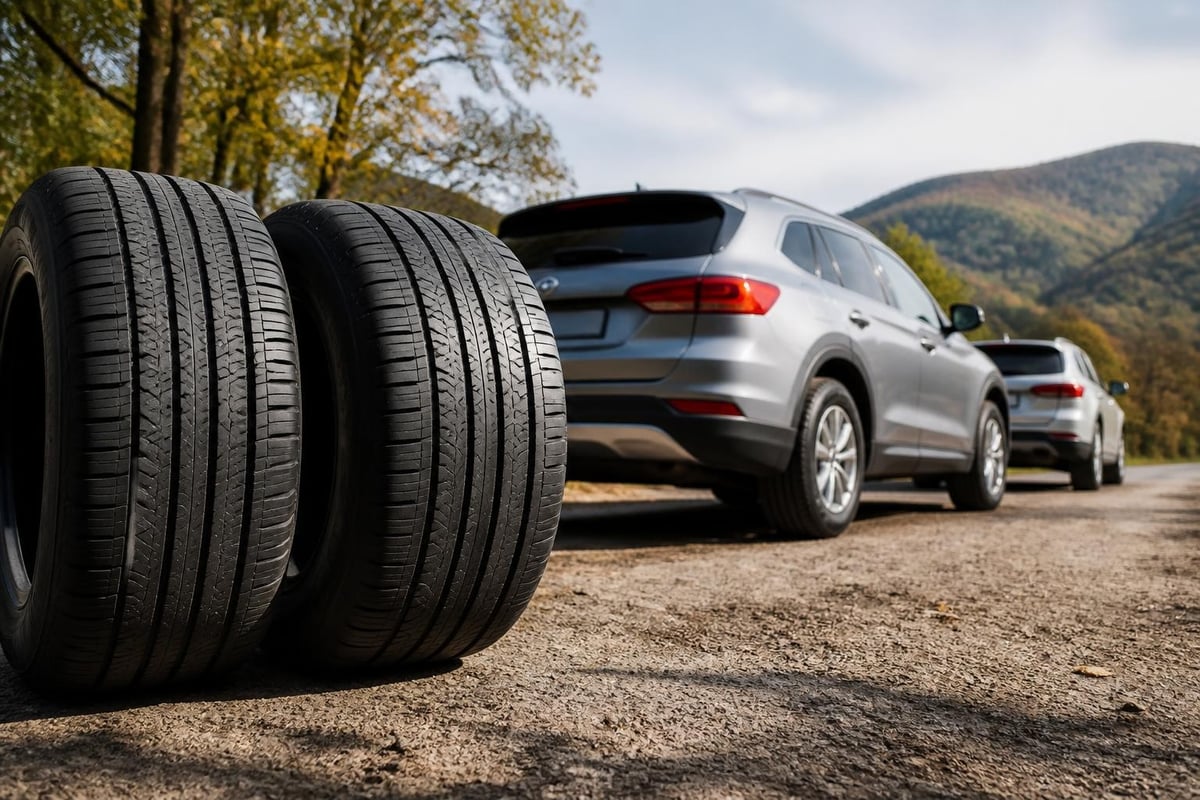
Wet-weather performance separates premium from budget SUV tires. Effective water evacuation requires adequate tread depth, sufficient void ratio (typically 25-35% for SUV tires), and a compound that maintains grip on wet pavement.
Hydroplaning occurs when water builds between tread and road surface, eliminating contact. Wider SUV tires hydroplane at lower speeds than narrow passenger car tires due to increased water volume. Quality SUV tires incorporate:
- Deep circumferential grooves (primary water channels)
- Lateral grooves connecting to shoulders
- High-density siping for water film penetration
- Drainage angles optimized for typical SUV speeds
Testing protocols measure wet braking from 50 mph and lateral grip on wet skid pads. The best tires for SUV applications stop 15-20 feet shorter than average performers in wet conditions-a critical margin that can prevent collisions.
Size Selection and Fitment Considerations
Proper tire sizing balances performance, appearance, and mechanical compatibility. SUV tire sizes follow the P-metric or LT (Light Truck) designation system.
Decoding Tire Size Markings
A typical SUV tire size reads: P265/70R17 115T
- P: Passenger vehicle (LT indicates Light Truck construction)
- 265: Section width in millimeters
- 70: Aspect ratio (sidewall height as percentage of width)
- R: Radial construction
- 17: Wheel diameter in inches
- 115: Load index
- T: Speed rating
Light truck tires feature heavier-ply construction and higher load capacity than P-metric equivalents in the same size. For SUVs frequently carrying heavy loads or towing trailers, LT-designated tires provide necessary durability margins.
Plus-Sizing and Minus-Sizing
Many SUV owners consider changing tire diameter for aesthetic or performance reasons. Plus-sizing (larger diameter, lower aspect ratio) typically improves handling response and appearance while reducing ride comfort and increasing cost. Minus-sizing (smaller diameter, higher aspect ratio) enhances comfort and reduces replacement cost but may compromise handling.
The key principle: maintain overall tire diameter within ±3% of original equipment specification to preserve speedometer accuracy, ABS calibration, and suspension geometry.
Distributors working with fleet managers and commercial operators should emphasize that light truck tire construction provides superior durability for heavy-duty SUV applications. OTR TIRE THAI’s light truck tire range offers highway terrain, all-terrain, and mud-terrain patterns with DOT and ECE certification, delivering factory-direct pricing for distributors serving pickup truck and SUV fleets across international markets.
Seasonal Tire Strategies
Climate significantly influences optimal tire selection. The best tires for SUV use vary by regional temperature patterns and precipitation.
Winter Tire Performance
Dedicated winter tires transform SUV capability in snow and ice. Their rubber compounds remain flexible below 45°F, while aggressive siping and void ratios exceeding 35% bite into packed snow.
Winter tire advantages for SUVs:
- 60% shorter stopping distances on ice versus all-season tires
- Superior lateral grip during low-speed maneuvering in snow
- Enhanced control during emergency avoidance maneuvers
- Reduced risk of getting stuck in unplowed parking areas
Many European countries mandate winter tires or chains during specified months. Distributors serving these markets require inventories that comply with local regulations while meeting performance expectations.
Summer Performance Tires
High-performance SUVs benefit from summer tires designed for warm-weather grip. Their compounds maximize dry and wet traction above 45°F but become dangerously hard in freezing temperatures. Summer SUV tires suit regions with mild winters or vehicles used seasonally.
| Climate Zone | Recommended Strategy |
|---|---|
| Year-round warm (Southern US, Southeast Asia) | Summer or high-performance all-season |
| Four-season moderate (Central US, Central Europe) | All-season with 3PMSF symbol |
| Cold winters (Northern US, Scandinavia) | Dedicated winter + summer tire rotation |
| Extreme winter (Canadian Prairies, Russian Far East) | Studded winter tires (where legal) |
Tread Life and Warranty Considerations
Tread life represents a significant portion of total cost of ownership. The best tires for SUV applications balance initial price with miles-to-replacement.
Treadwear Ratings and Real-World Performance
The Uniform Tire Quality Grading (UTQG) system assigns treadwear ratings based on standardized testing. A rating of 500 theoretically lasts twice as long as a tire rated 250. However, real-world tread life depends heavily on:
- Driving style (aggressive acceleration and braking reduce life by 25-40%)
- Road surface (rough asphalt accelerates wear)
- Climate (extreme heat degrades compounds faster)
- Maintenance (improper inflation reduces life by 10,000+ miles)
Premium SUV tires typically carry UTQG ratings of 500-700, while budget options rate 400-500. Research from the National Academies Transportation Research Board demonstrates that treadwear ratings provide rough comparisons within a manufacturer's product line but vary significantly between brands due to different testing approaches.
Mileage Warranties
Many manufacturers offer mileage warranties ranging from 40,000 to 80,000 miles for SUV tires. These warranties provide pro-rated credit if tires wear below 2/32" tread depth before the specified mileage.
Important warranty limitations:
- Require proof of regular rotation (typically every 5,000-7,000 miles)
- Exclude damage from road hazards, improper inflation, or alignment issues
- Apply only to original purchaser with sales documentation
- Calculate credit based on remaining mileage, not purchase price
For fleet buyers, manufacturer warranties matter less than total cost per mile. Calculating replacement cost divided by actual service life reveals true value, with premium tires often delivering lower per-mile costs despite higher purchase prices.
Premium Versus Value Tire Segments
The SUV tire market spans wide price ranges. Understanding what separates premium from value offerings helps distributors position inventory appropriately.
Premium Tire Characteristics
Premium manufacturers invest heavily in compound research, tread design simulation, and real-world testing. Their SUV tires typically feature:
- Advanced silica compounds for wet grip without tread life sacrifice
- Computer-optimized tread patterns reducing noise through variable pitch sequencing
- Reinforced construction using aramid or nylon cap plies
- Extended warranties backed by decades of brand reputation
Premium tires command 40-80% price premiums over value brands. They deliver measurable advantages in wet braking, tread life, and refinement that matter most to luxury SUV owners and safety-focused fleet managers.
Value Tier Performance
Value-tier SUV tires use proven tread designs and standard compound formulations. While they meet minimum safety standards and DOT certification requirements, they typically trail premium options in:
- Wet-weather braking distances (10-15% longer)
- Tread life (15,000-20,000 fewer miles)
- Noise levels (2-4 dB higher at highway speeds)
- Rolling resistance (3-5% higher fuel consumption)
For price-sensitive buyers, budget-conscious fleet operators, or vehicles nearing end-of-service life, value tires deliver adequate performance at lower acquisition cost. The key is setting appropriate expectations about performance differences.
Commercial and Fleet Applications
Commercial SUV operators face different priorities than retail consumers. Fleet tire selection emphasizes total cost of ownership, predictable service intervals, and consistent availability.
Fleet-Specific Requirements
Retreadability: While less common for SUVs than commercial trucks, some heavy-duty SUV tires accept retreading. This extends casing life and reduces per-mile costs for high-mileage fleets.
Uniform wear characteristics: Fleet managers prefer tires that wear predictably across vehicles to simplify inventory management and rotation scheduling.
Availability: Distributors serving fleets must maintain inventory depth to support emergency replacements without downtime.
Fuel efficiency: Even small rolling resistance improvements multiply across fleet vehicle-miles. A 2% fuel economy gain saves a 50-vehicle SUV fleet operating 30,000 miles annually approximately 3,000 gallons of fuel per year at current consumption rates.
Mixed Service Considerations
Many commercial SUVs operate in mixed duty cycles: highway between job sites, light off-road at construction or service locations, and occasional heavy loads. The best tires for SUV fleet applications handle this variability without premature failure.
All-terrain patterns with reinforced sidewalls provide the necessary versatility, accepting 80% highway operation while delivering adequate traction for the 20% off-pavement work. Load range E construction supports occasional heavy cargo without the harsh ride of dedicated commercial truck tires.
Maintenance Practices for Maximum Longevity
Even the best tires for SUV applications fail to reach their potential without proper maintenance. Distributors who educate customers on these practices reduce warranty claims and build lasting relationships.
Inflation Pressure Management
Underinflation represents the single largest cause of premature tire failure. Running 10 PSI low (common on vehicles without tire pressure monitoring systems) causes:
- 25% reduction in tread life
- 15% increase in rolling resistance
- Excessive heat buildup risking blowouts
- Compromised handling during emergency maneuvers
SUVs require higher pressures than passenger cars due to greater weight. Typical specifications range from 32-40 PSI cold, with higher pressures for maximum load conditions. Monthly pressure checks using accurate gauges prevent costly early replacement.
Rotation and Alignment
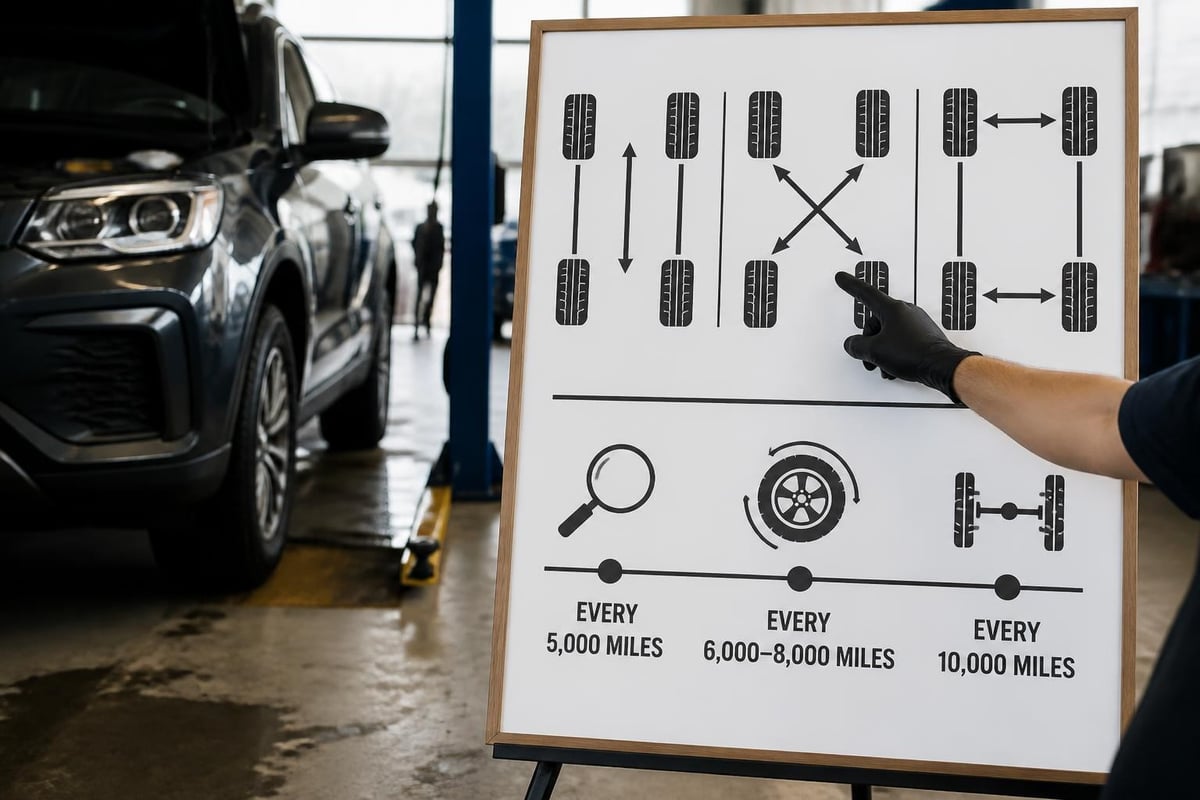
Tire rotation extends tread life by equalizing wear across all positions. SUVs with different front and rear tire sizes (staggered fitments) require side-to-side rotation only. Standard SUV configurations benefit from front-to-back rotation every 5,000-7,000 miles.
Common rotation patterns:
- Forward cross: Front tires move straight back; rear tires cross to opposite front positions
- X-pattern: All tires cross to opposite corners
- Side-to-side: Staggered fitments move left to right and vice versa
Wheel alignment affects tire wear profoundly. Misalignment as small as 0.5° causes rapid edge wear and reduces tread life by 10,000+ miles. Annual alignment checks, plus immediate inspection after pothole impacts or curb strikes, preserve tire investment.
Storage Practices
For distributors warehousing inventory or customers storing seasonal tires, proper storage prevents degradation:
- Store tires in cool, dry locations away from direct sunlight
- Keep away from electric motors, generators, and welding equipment (ozone damage)
- Stack unmounted tires horizontally or stand vertically in racks
- Avoid contact with petroleum products, solvents, or chemicals
- Rotate warehouse stock to prevent flat-spotting during long storage
Emerging Technologies and Future Trends
The SUV tire market continues evolving with new technologies that enhance safety, sustainability, and performance.
Run-Flat Technology
Run-flat tires allow continued operation after air loss, typically at reduced speeds (50 mph) for limited distances (50 miles). They eliminate roadside tire changes and the need for spare tires, reducing vehicle weight. However, they cost 30-50% more than conventional tires, deliver firmer rides, and often cannot be repaired after punctures.
Self-Sealing Tires
Self-sealing technology incorporates a viscous sealant layer inside the tire that automatically fills punctures up to ¼" diameter. Unlike run-flats, self-sealing tires maintain normal ride quality and repairability while preventing 85% of roadside flats. They add modest cost (10-15% premium) and suit both retail and fleet applications.
Sustainable Materials
Manufacturers increasingly incorporate renewable and recycled materials. Technologies include:
- Silica derived from rice husk ash replacing petroleum-based fillers
- Natural rubber from guayule reducing tropical deforestation
- Recycled steel belts lowering manufacturing carbon footprint
- Bio-based oils replacing petroleum process oils
These developments address regulatory pressure in Europe and environmental preferences among corporate fleet buyers without compromising performance.
Intelligent Tire Systems
Sensor-equipped tires communicate pressure, temperature, and tread depth data to vehicle systems and fleet management platforms. This real-time monitoring enables:
- Predictive maintenance scheduling based on actual wear rates
- Immediate alerts for rapid pressure loss or overheating
- Optimized replacement timing maximizing tread life without safety compromise
- Fleet-wide analytics revealing operational patterns affecting tire performance
Selecting the best tires for SUV applications requires balancing performance priorities, operating conditions, and budget constraints while ensuring safety margins for your specific use case. Whether you're equipping a single vehicle or managing a diverse fleet, understanding tire categories, performance factors, and maintenance requirements enables informed decisions that optimize both safety and total cost of ownership. OTR TIRE THAI manufactures a comprehensive range of light truck and passenger radial tires that meet international quality standards, serving distributors across more than 80 countries with factory-direct pricing and DOT/ECE certification for both highway and all-terrain SUV applications. Contact our team to discuss tire solutions tailored to your market's specific requirements and climate conditions.
