Blog
America Tire Brand: Quality Standards & Market Position

Oct
The america tire brand landscape represents one of the most competitive and highly regulated segments of the global tire industry. With strict Department of Transportation (DOT) standards, demanding performance requirements, and sophisticated consumer expectations, tire manufacturers targeting the American market must meet rigorous quality benchmarks that exceed many international standards. Whether you're a distributor evaluating product lines or a fleet manager selecting tires for commercial operations, understanding what defines a competitive america tire brand in 2026 provides critical insight into sourcing decisions, quality expectations, and long-term performance outcomes.
Understanding America Tire Brand Standards
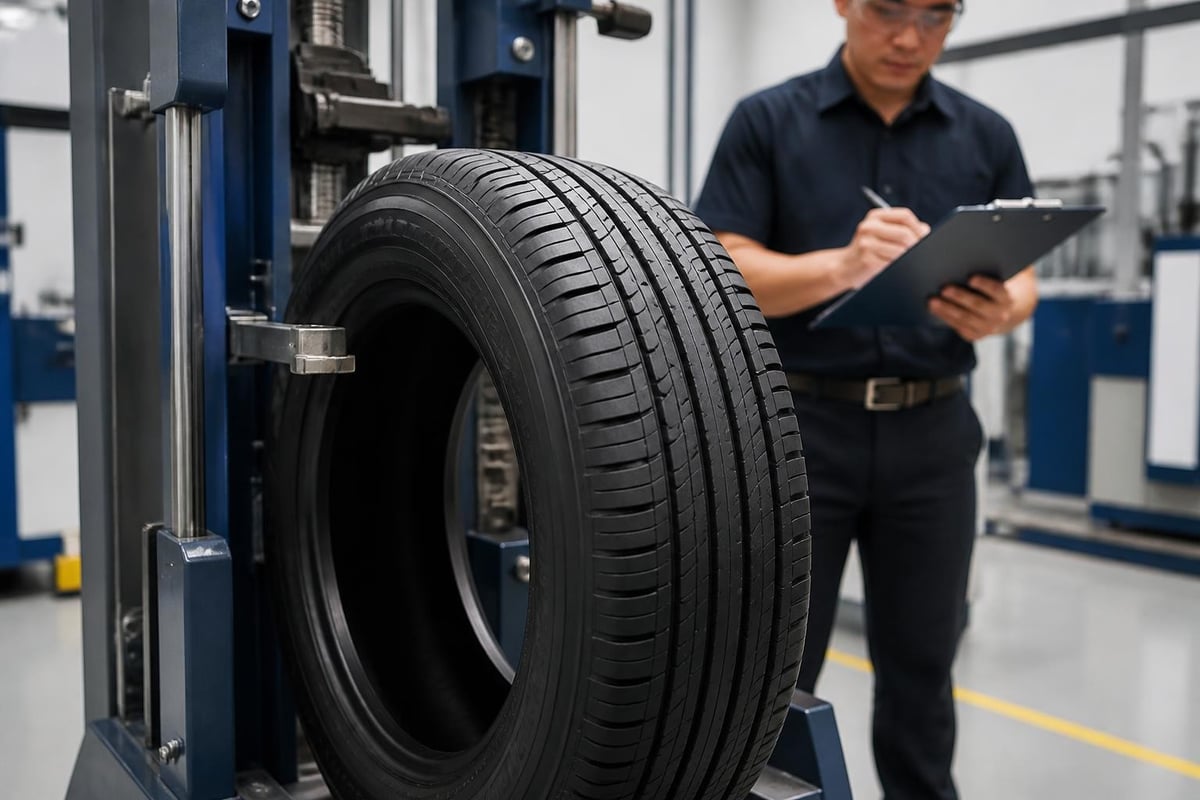
American tire standards set the benchmark for safety and performance worldwide. The National Highway Traffic Safety Administration (NHTSA) enforces comprehensive testing protocols that every america tire brand must satisfy before products reach consumers. These requirements encompass load-carrying capacity, speed ratings, tread wear indicators, temperature resistance, and traction performance across wet and dry conditions.
DOT Certification Requirements
The DOT certification process represents the gateway for any manufacturer seeking to supply the American market. This certification involves multiple stages of testing and documentation:
- Laboratory testing for structural integrity and material composition
- Field trials measuring real-world performance across various climate zones
- Manufacturing facility audits verifying quality control systems
- Ongoing compliance monitoring with periodic retesting requirements
- Traceability systems linking every tire to its production batch
Each tire sold in the United States must display a DOT identification number that traces back to the specific manufacturing week and plant. This transparency ensures accountability and enables rapid recall procedures when safety concerns emerge.
UTQG Rating System
The Uniform Tire Quality Grading (UTQG) system provides consumers with standardized performance metrics. Every america tire brand displays three key ratings on the sidewall: treadwear, traction, and temperature resistance. Treadwear ratings typically range from 300 to 800 for passenger tires, with higher numbers indicating longer expected service life under controlled test conditions.
Traction grades (AA, A, B, C) measure wet-braking performance on asphalt and concrete surfaces. Temperature ratings (A, B, C) indicate heat dissipation capabilities at sustained highway speeds. These standardized metrics allow distributors to compare products objectively across different manufacturers and price points.
Market Segments for America Tire Brands
The United States tire market divides into distinct segments, each with specialized requirements and competitive dynamics. Understanding these categories helps manufacturers and distributors position products effectively.
Passenger Car Radial Tires
Passenger car radial (PCR) tires dominate unit sales volume in the American market. This segment includes touring tires for sedans, performance tires for sports cars, and all-season options for mainstream vehicles. Consumer preferences have shifted toward higher-performance, longer-lasting compounds that reduce replacement frequency while maintaining fuel efficiency.
Premium america tire brand offerings in this category typically feature silica-enhanced tread compounds, advanced siping patterns for wet traction, and noise-reduction technologies for quiet cabin environments. Mid-tier brands compete on value propositions that balance performance with accessible pricing for cost-conscious consumers.
| Segment | Key Features | Primary Buyers |
|---|---|---|
| Touring | Comfort, longevity, all-season | Individual consumers, rental fleets |
| Performance | Handling, cornering, responsiveness | Enthusiasts, luxury vehicle owners |
| All-Season | Year-round capability, value | Mass-market consumers, fleet operators |
Light Truck and SUV Applications
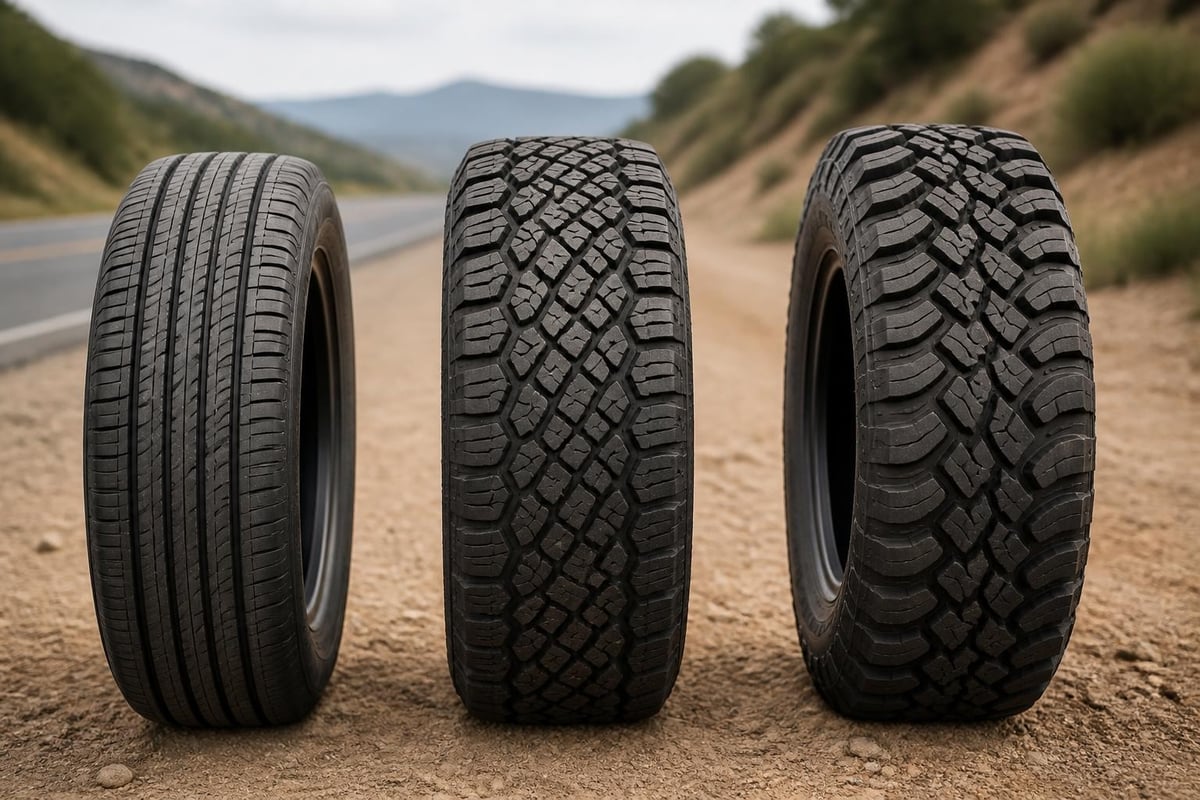
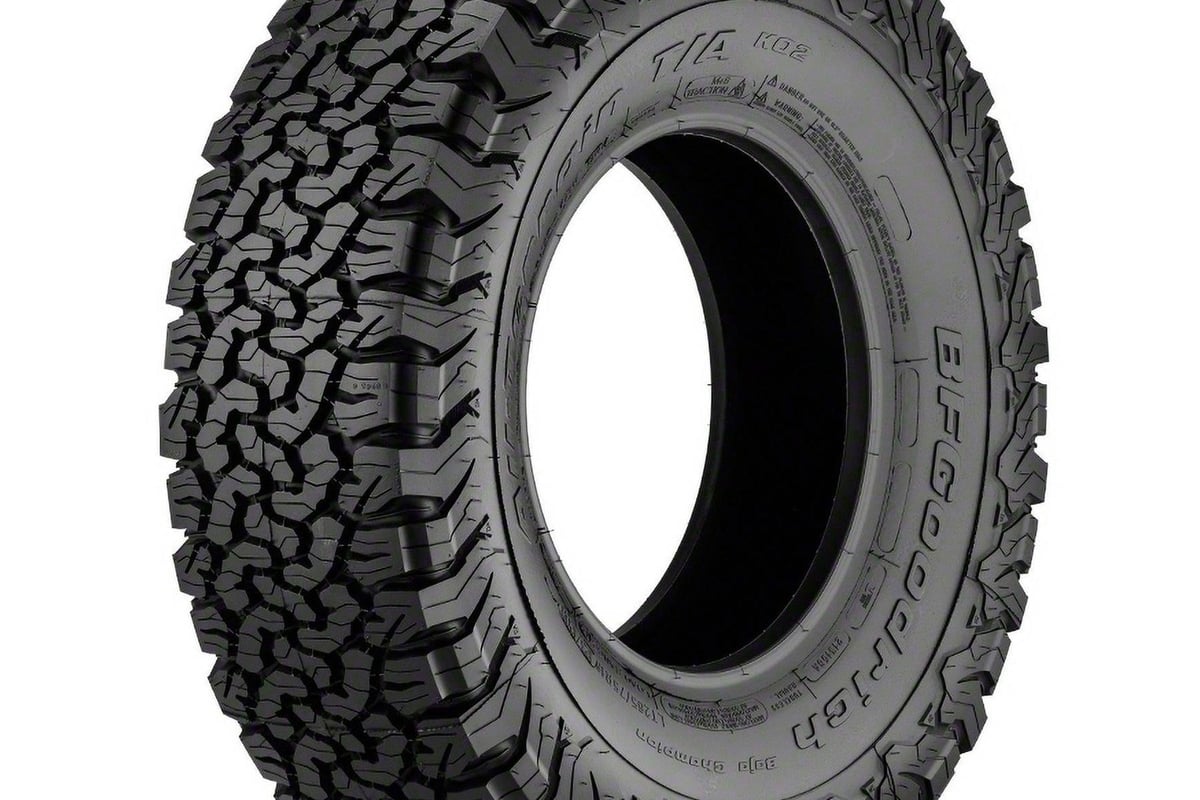
Light truck (LT) and SUV tire demand continues expanding as American consumers favor larger vehicles. This segment requires products that handle heavier loads while maintaining ride comfort and fuel economy. Highway terrain (HT) patterns serve suburban drivers who rarely venture off pavement, while all-terrain (AT) tires appeal to recreational users who need versatility across multiple surfaces.
For distributors serving this market, SUV tires have become essential inventory items as vehicle manufacturers increasingly blur the lines between traditional passenger cars and crossover utility vehicles. The load index requirements for light truck applications exceed passenger car specifications, demanding reinforced construction and higher-pressure capabilities.
Commercial Truck and Fleet Operations
Commercial truck tire specifications vary dramatically based on vehicle class and operational profile. Medium-duty trucks operating in urban delivery routes face different challenges than long-haul semi-trucks covering interstate highways. An america tire brand succeeding in commercial segments must offer position-specific designs for steer axles, drive axles, and trailer applications.
Steer-position tires prioritize straight-line stability and even wear distribution across multiple seasons. Drive-position tires require deep tread patterns with excellent traction and stone-ejection capabilities. Trailer tires focus on rolling resistance reduction and durability under sustained highway speeds. Our Semi Truck Tires from Thailand demonstrate how specialized manufacturing can deliver position-specific solutions that meet rigorous American fleet requirements while providing competitive wholesale pricing for international distributors.
Fleet managers evaluate total cost of ownership rather than initial purchase price alone. Factors including fuel economy impact, retreadability, and projected miles-to-removal determine real-world value. Premium commercial tires may command higher upfront costs but deliver superior lifecycle economics through extended service intervals and reduced downtime.
Quality Benchmarks That Define Competitive Brands
Beyond regulatory compliance, successful america tire brand positioning requires meeting performance expectations that separate commodity products from premium offerings. These quality indicators influence purchasing decisions across distribution channels and end-user segments.
Material Engineering and Compound Technology
Modern tire compounds blend natural rubber, synthetic polymers, silica, carbon black, and specialty chemicals in precise ratios. The specific formulation determines critical characteristics:
- Tread compound balancing wear resistance against traction
- Sidewall composition providing flex durability and impact protection
- Belt package materials ensuring high-speed stability
- Inner liner formulation maintaining air retention over extended periods
- Bead wire specifications guaranteeing secure rim mounting
Leading manufacturers invest heavily in compound research, developing proprietary mixtures that outperform competitors in targeted applications. Winter tire compounds remain pliable at temperatures where standard all-season rubber hardens and loses grip. Summer performance compounds sacrifice cold-weather flexibility for maximum dry traction at elevated temperatures.
Manufacturing Process Control
Consistent quality requires sophisticated manufacturing systems. Automated mixing ensures compound uniformity across production batches. Computer-controlled curing presses apply precise temperature and pressure profiles that optimize molecular bonding. Multi-stage inspection protocols catch defects before finished products leave the factory floor.
An america tire brand earning distributor confidence demonstrates verifiable quality systems including:
- ISO 9001 quality management certification
- Real-time process monitoring with statistical control
- Destructive testing sampling at regular intervals
- Non-destructive X-ray inspection of internal construction
- Final balance and uniformity verification for every tire
These manufacturing controls separate established brands from marginal competitors attempting to enter the market with substandard quality systems.
Market Trends Shaping America Tire Brand Strategy
The American tire market continues evolving in response to regulatory changes, consumer preferences, and technological advances. Manufacturers and distributors must adapt strategies to align with emerging trends.
Fuel Efficiency and Rolling Resistance
Environmental regulations increasingly mandate fuel economy improvements across vehicle fleets. The EPA SmartWay program certifies low-rolling-resistance tires that reduce fuel consumption without compromising safety or durability. Commercial fleet operators prioritize SmartWay-verified products that deliver measurable cost savings and environmental benefits.
Rolling resistance depends on multiple factors including tread compound formulation, tire construction geometry, and inflation pressure maintenance. Each 10% reduction in rolling resistance typically improves fuel economy by 1-2%. For large fleets traveling millions of annual miles, these efficiency gains translate to substantial operational savings.
Extended Mileage Warranties
Consumer expectations for tread life have risen dramatically over the past decade. Many america tire brand offerings now include mileage warranties ranging from 50,000 to 80,000 miles for passenger applications. These guarantees signal manufacturer confidence in compound durability and provide consumers with purchase assurance.
Commercial tire warranties typically specify mileage-to-removal targets for specific applications. Long-haul trailer tires may warrant 200,000+ miles under proper maintenance protocols. Urban delivery drive tires face more modest targets reflecting the harsh stop-and-go environment that accelerates wear.
| Application | Typical Warranty | Key Factors |
|---|---|---|
| Passenger All-Season | 60,000-70,000 miles | Compound formulation, driving style |
| Light Truck HT | 50,000-60,000 miles | Load distribution, alignment maintenance |
| Commercial Steer | 150,000-200,000 miles | Regular rotation, inflation monitoring |
| Commercial Drive | 100,000-150,000 miles | Torque application, road surface quality |
Smart Tire Technology Integration
Advanced tire monitoring systems increasingly integrate sensors that track inflation pressure, temperature, and tread depth in real time. Fleet operators leverage this data to optimize maintenance schedules, prevent roadside failures, and extend tire service life. Forward-thinking america tire brand manufacturers design products compatible with tire pressure monitoring system (TPMS) requirements and emerging telematics platforms.
Connected tire technologies enable predictive maintenance strategies that intervene before minor issues escalate into costly failures. Temperature spikes indicate developing problems with brakes or bearings. Gradual pressure loss suggests slow leaks requiring attention. Uneven wear patterns trigger alignment checks that prevent premature replacement.
Sourcing Considerations for Distributors
Tire distributors balancing inventory investment against customer expectations face complex sourcing decisions. The america tire brand selection process weighs multiple factors beyond unit cost alone.
Geographic Manufacturing Advantages
Global tire production concentrates in regions offering competitive labor costs, established supply chains, and quality manufacturing infrastructure. Thailand has emerged as a major production hub serving international markets with products meeting American certification standards. Manufacturers in Thailand combine skilled workforces with modern equipment and proximity to natural rubber sources.
Distributors sourcing from Asian manufacturers gain access to low-cost car tires and commercial products that compete effectively against established brands while maintaining certification compliance. Container-based logistics enable efficient shipping to American ports, with lead times typically ranging from four to six weeks depending on routing and customs clearance.
Brand Recognition Versus Private Label
Distributors must decide between carrying recognized brand names or developing private-label offerings. Established america tire brand names provide instant consumer confidence but typically involve higher wholesale costs and distribution restrictions. Private-label programs allow greater margin control and market differentiation but require investment in brand development and quality assurance.
Successful private-label strategies focus on specific market niches where value positioning resonates with target buyers. Budget-conscious consumers purchasing tire categories for older vehicles prioritize affordability over prestige branding. Commercial fleet operators evaluate technical specifications and lifecycle costs rather than marketing messages aimed at retail consumers.
Quality Verification Protocols
Distributors accepting new supply partners should implement verification procedures confirming product quality and certification authenticity. Sample testing through independent laboratories validates claimed performance characteristics. Factory audits assess manufacturing capabilities and quality systems firsthand. Documentation review confirms DOT registrations and compliance certifications remain current.
Reputable manufacturers welcome distributor scrutiny and provide transparent access to quality records. Red flags include reluctance to share test data, inconsistent product markings, or evasive responses regarding certification status. The america tire brand landscape includes numerous legitimate manufacturers alongside questionable operators seeking to circumvent standards through mislabeling or fraudulent documentation.
Competitive Positioning Strategies
Manufacturers and distributors develop market positioning based on target customer profiles, competitive dynamics, and operational capabilities. Several strategic approaches dominate the american tire brand landscape.
Premium Performance Positioning
Premium brands justify higher prices through demonstrable performance advantages in specific applications. Ultra-high-performance summer tires deliver superior dry grip for sports car enthusiasts. Specialized winter tires outperform all-season alternatives in snow and ice conditions. Off-road mud-terrain tires provide extreme traction for rock-crawling applications.
Technical innovation supports premium positioning. Manufacturers invest in compound research, construction engineering, and testing programs that generate measurable improvements over commodity products. Marketing communications emphasize performance data, expert endorsements, and competitive test results that validate premium claims.
Value-Focused Market Entry
Value brands compete by offering acceptable performance at accessible price points. These products meet certification requirements and deliver safe, reliable service without premium features or extended warranties. Target buyers prioritize affordability for vehicles nearing end-of-life or serving basic transportation needs without performance expectations.
Successful value positioning requires efficient operations that minimize costs without compromising safety. Manufacturers achieve economies through standardized product lines, simplified construction methods, and focused distribution through price-conscious retail channels. Clear communication about target applications prevents customer disappointment from unrealistic performance expectations.
Fleet and Commercial Specialization
Some manufacturers focus exclusively on commercial applications, developing deep expertise in specific vehicle classes or operational profiles. Specialization enables targeted product development addressing unique fleet requirements that mass-market brands overlook.
Commercial fleet buyers value technical support, application engineering, and ongoing account management that helps optimize total cost of ownership. Specialized manufacturers provide these services alongside products engineered for demanding duty cycles. Long-term partnership approaches build loyalty that transcends transaction-based pricing competition.
Quality Assurance Beyond Certification
While DOT certification establishes minimum safety standards, leading america tire brand manufacturers implement quality systems exceeding regulatory requirements. These enhanced practices differentiate premium suppliers from minimal compliance operators.
Extended Testing Protocols
Comprehensive testing programs subject tires to conditions more severe than certification minimums. Accelerated aging simulates years of environmental exposure. Endurance testing verifies performance under sustained maximum loads. Obstacle impact trials confirm sidewall durability against curb strikes and road hazards.
Winter tire testing occurs in Arctic environments where temperatures plunge below standard test ranges. Summer performance validation includes track testing at speeds exceeding highway limits. These extended protocols identify potential failures before products reach consumers, protecting brand reputation and preventing liability exposure.
Continuous Improvement Systems
Quality-focused manufacturers treat every customer complaint and warranty claim as improvement opportunities. Root cause analysis identifies underlying issues rather than addressing isolated symptoms. Design modifications incorporate lessons learned from field performance data. Production process adjustments eliminate defect sources discovered through statistical analysis.
This continuous improvement philosophy builds quality into products and processes rather than relying on inspection to catch problems. The result is consistently superior products that meet customer expectations across diverse applications and operating conditions.
Understanding what defines a competitive america tire brand in 2026 requires evaluating regulatory compliance, quality systems, market positioning, and performance capabilities that extend beyond minimum certification standards. Whether you're sourcing products for distribution networks or specifying tires for commercial fleets, these quality benchmarks and market insights guide informed decisions. OTR TIRE THAI manufactures a complete range of agricultural, commercial truck, passenger car, and specialty tires meeting American DOT standards, serving distributors in over 80 countries with factory-direct wholesale pricing and internationally recognized quality certifications.
