
Blog
Telematics Data Your Commercial Tire Shop Should Be Asking Fleets About
Sep
As fleets add more GPS, TPMS, ELDs, and fuel systems, they collect huge amounts of data every day. The problem is that most of that data never reaches the commercial tire shop that is trying to keep their trucks rolling. That gap costs tire life, increases roadside calls, and leaves profit sitting on the table for both sides.
Here at OTR Tire Thai, we see this gap clearly when fleets prepare for late Q3 and Q4. They worry about uptime during peak shipping, monsoon rains in Southeast Asia, and winter roads in northern regions. Yet their tire conversations still lean on driver complaints and quick visual checks instead of hard data. Let us walk through the telematics information your tire counter should start asking for so you can sell smarter and keep your fleet customers moving.
Why Telematics Data Belongs in Your Tire Bay
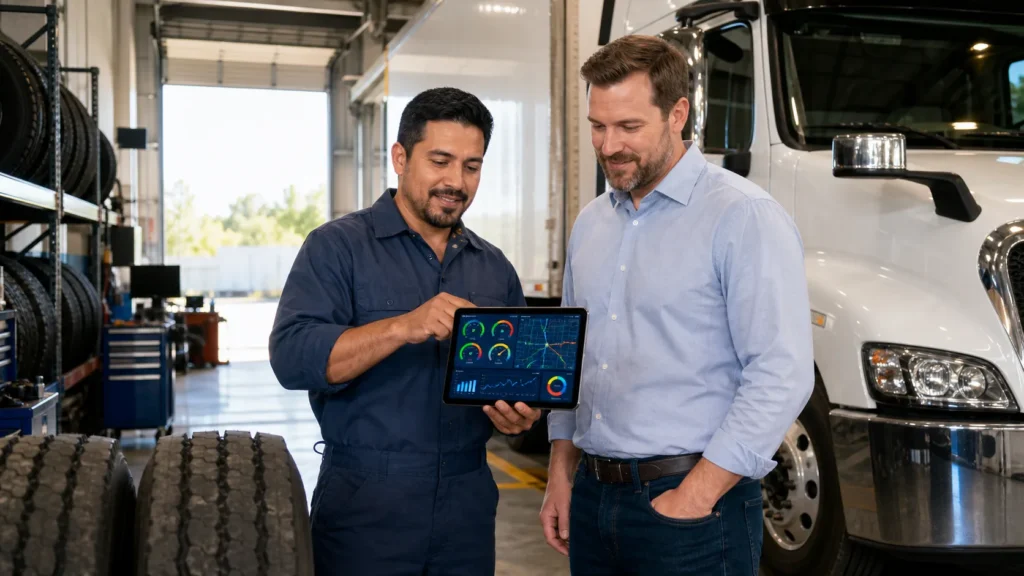
A typical fleet visit goes like this: a driver mentions a vibration, someone glances at the tread, maybe kicks a tire, and then a decision gets made. That is guesswork. When you bring telematics into that talk, your advice turns from opinion into proof on paper, and fleets respect that.
With telematics in the mix, your commercial tire shop can:
- Back up every recommendation with real numbers
- Explain irregular wear instead of just shrugging at it
- Spot problems days or weeks before a blowout
Fleet expectations are changing fast. Many fleet managers now read monthly utilization reports, driver scorecards, and TPMS alerts. They expect their tire partner to speak that same language, not just measure tread depth and casing condition.
There is also hidden revenue and retention in that data. When you see clear patterns of:
- Under-inflation
- Chronic overloading
- Poor alignment or suspension issues
you can offer pressure programs, alignment checks, and driver training support. That kind of help turns you into a long-term partner, not just the place that sells them the next set of tires.
Telematics Data Your Shop Should Request
You do not need everything. You just need the pieces that make tire decisions smarter.
Start by asking fleets or their telematics provider for:
- Vehicle and asset identifiers: VIN, unit number, axle configuration, wheel position codes, and current mileage, so you can tie wear and failures to exact spots on the vehicle.
- Utilization and duty cycle data: average and peak loads, route types like urban, regional, long-haul, off-road, daily mileage, stop-start frequency, and idle time. This tells you what the tire is actually facing every day.
- Speed, braking, and cornering patterns: harsh braking events, frequent sharp turns, speeding frequency, and average speeds. These clues explain shoulder wear, heat buildup, and impact damage.
- TPMS and pressure-related data: long-term pressure trends, low-pressure and high-temperature alerts, how long it takes to fix those alerts, and pressure differences between duals.
With this short list, your team can start moving from “what looks worn” to “what the data says is happening.”
Turning Raw Data Into Smarter Tire Recommendations
Data alone does not help until you turn it into action at the counter. The goal is to match the right OTR, TBR, or PCR tire to the real job, predict failures, and plan retreads instead of reacting to breakdowns.
Here is how to use the information:
- Match tire specs to duty: If utilization data shows heavy stop-start urban routes, you lean to patterns and constructions made for scrub resistance. If it shows long, steady highway runs in hot climates, you pick tires built for cooler running and even wear.
- Predict failures before they hit: If a certain wheel position has frequent low-pressure alerts or high running temperatures, set a flag for a closer inspection or scheduled replacement before the next big trip.
- Optimize rotations and retreads: Use mileage per position and wheel-end temperature data to fine-tune rotation timing and pick the best casings for retread, while retiring those that show repeated stress or heat.
When you talk this way at the counter, fleets hear that you are managing their tire program, not just reacting to worn rubber.
Using Data by Season, Climate, and Application
Telematics really shines when seasons shift and operating conditions change. Late Q3 is planning time for many fleets, and the data they already have can guide tire choices for the next few months.
For Q4 and winter peaks in colder regions, ask for:
- Historical braking and speed data in snow- or ice-prone areas
- Temperature readings during earlier cold periods
- Routes with steep grades or heavy stop-start during busy shipping weeks
This supports your case for winter-rated or all-weather patterns and pre-season inspections.
In tropical and Southeast Asian climates, especially where we operate, the wet season changes everything. Ask for:
- Route segments that often run in heavy rain or standing water
- Average speeds during storms
- Past hydroplaning or skidding incidents
Then you can recommend deeper tread depths, wet-grip compounds, and tighter pressure control through the monsoon months.
For off-road and mixed-service fleets, such as construction, mining, or agriculture, request:
- Percentage of time spent off paved roads
- Ground speeds on site
- Typical load cycles and site surface conditions
This tells you when to move into OTR or mixed-service TBR tires built for impact resistance and cut or chip protection.
How to Receive and Use the Data in Your Shop
You do not want a raw data dump. You want clear, readable information that fits into your normal workflow.
Ask fleets and telematics partners for:
- Simple CSV files or PDF summaries with clear KPIs like number of pressure events per month, average loads, and harsh braking incidents
- Access to a basic dashboard view, if possible, for quick checks on problem vehicles
From there, build quick-read tire health scorecards that show:
- Overall tire health scores by vehicle
- Top risk units and wheel positions
- Recommended actions before the next season or route change
Train your counter team and outside sales reps to turn those charts into plain language. For example, “Your drive axle shows frequent overloading on regional routes; we should look at a higher load rating pattern before peak season hits.”
Partnering with Global Manufacturers for Data-Backed Programs
A strong manufacturing partner can help you read these patterns and connect them to specific tire choices. That is where a global supplier like OTR Tire Thai fits in. Because we work with fleets across different countries, climates, and applications, we see how similar data patterns play out in real tire life.
Together with your commercial tire shop, telematics data can guide:
- Which OTR, TBR, and PCR products match each duty cycle
- How to adjust stocking plans before monsoon, winter, or Q4 shipping spikes
- When to standardize specs for cross-border fleets, and when local road or climate demands a different pattern
When fleets see you and your manufacturing partner speaking the same data language they already use, your shop becomes a strategic part of their operation, not just a line on their expense sheet.
Keep Your Fleet Moving With the Right Tires
If you are ready to upgrade your trucks with reliable, cost-effective tires, our commercial tire shop has the inventory and expertise to support your operation. At OTR Tire Thai, we help you match tire performance to your routes, loads, and budget so you can reduce downtime and improve safety. Tell us about your fleet size, applications, and priorities, and we will recommend options that make financial sense. For tailored pricing or bulk orders, simply contact us and we will respond with a detailed wholesale quotation.
