
Blog
Rain-Soaked Job Sites Demand the Right 23.5R25 Construction Tire
Oct
Keep Crews Moving Through Rain and Deep Mud
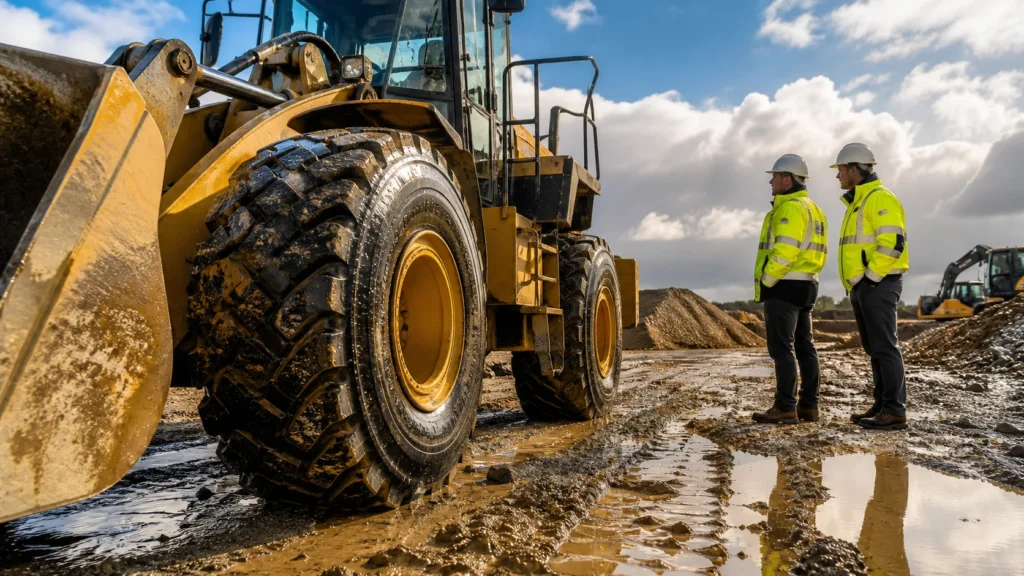
A well-matched 23.5R25 construction tire helps your equipment hold its ground when rain changes a firm job site into mud, standing water, and slippery haul roads. Lost traction can slow loading, grading, and material movement while wheel spin cuts ruts that make the site even harder to work.
During October, rain can still affect job sites in Thailand and other wet-season markets. As a Thailand-based tire exporter, we know that conditions can vary widely from one destination to the next. The best tire choice depends on the surface, the machine, its loads, inflation practices, and the reliability of the supply behind your fleet.
Match Tread Design to Wet Site Conditions
Rain-soaked ground does not behave the same everywhere. Deep mud can clog a tread quickly, while packed clay may become slick like soap. Wet sand can shift under load, and rain on rock or loose gravel can reduce grip in a different way. Before choosing a tire, we recommend looking closely at the surfaces your machines travel most often.
Tread appearance alone does not tell the whole story. A pattern that looks aggressive may not be the best match for every loader, grader, quarry support machine, or construction application. The right choice should reflect how the machine works, how fast it travels, and how often it moves between soft ground and harder surfaces.
Open, self-cleaning tread designs can be a smart option when mud is the main problem. Their wider spaces can help release soil as the tire turns, giving the lugs a better chance to keep biting into the ground. Tighter block patterns can make more sense where wet conditions are mixed with abrasive rock, gravel, or hard-packed travel areas.
When reviewing tread options, focus on these practical questions:
- Does the site have deep mud that may pack between the lugs?
- Will the machine work on sharp rock or rough aggregate?
- Does the equipment spend time on access roads between work zones?
- Is stable tread wear as important as maximum soft-ground traction?
Tread depth and lug shape also matter in the rain. A tire that sheds mud and moves water away from the contact area can help reduce wheel spin. In contrast, a tread that fills with clay or soil may lose much of its forward bite. We encourage buyers to discuss available tread designs with a tire manufacturer or supplier before choosing a pattern for a demanding wet-site application.
Choose A 23.5R25 Construction Tire For Real Site Loads
The size name 23.5R25 gives useful basic information, but it is only the beginning of proper fitment. The 23.5 refers to the tire’s section width, the R means it has radial construction, and the 25 identifies the rim diameter. Your machine manufacturer’s requirements and approved rim specifications must always guide the final fitment decision.
For many wet construction applications, radial construction can be helpful because it may create a larger, steadier contact area on uneven ground. That broader footprint can support traction and ride comfort as equipment travels over ruts, loose material, and rough haul roads. It may also help fleets manage heat and wear when machines move between stockpiles, loading zones, and site entrances.
Load capacity deserves just as much attention as tread design. Rain can make materials heavier, while unstable ground can place added strain on tires during loading, turning, and repeated travel. An underspecified tire may face excess heat, casing stress, or early damage when the job becomes more demanding.
Before placing an order, we recommend confirming:
- Machine model and approved 23.5R25 fitment
- Rim size and rim condition
- Actual operating loads, including wet material
- Duty cycle, travel distance, and turning demands
- Load rating, ply rating or star rating where applicable
A 23.5R25 construction tire should be selected for the real work your machine performs, not only for its usual dry-weather conditions. This is especially important for wheel loaders that continue operating when the ground softens and material handling cannot stop.
Maintain Pressure and Loads Through Wet Weather
Even the right tire cannot perform as intended if inflation pressure is wrong. Underinflation can cause extra sidewall flex and heat buildup, increasing the risk of casing damage. Overinflation can reduce the tire’s footprint, which may make it harder to maintain traction on wet ground.
Pressure should be set according to the manufacturer’s load and inflation tables, not adjusted by guesswork when rain arrives. Lowering pressure without proper guidance can create problems that are not immediately visible, especially when a machine carries full loads over uneven terrain. Proper pressure supports tire stability, load handling, and a more consistent contact patch.
A rainy-season inspection routine gives operators a better chance to catch small concerns before they stop a machine. After work in flooded areas, mud, or debris-filled zones, we suggest paying close attention to:
- Embedded stones, metal, or other debris
- Cuts, punctures, and exposed casing areas
- Mud packed tightly into tread channels
- Sidewall scuffs, cracks, or impact damage
- Bead-area concerns and buildup around wheel assemblies
Clearing mud from wheels and checking for uneven wear can also reveal site conditions that are harder on tires than expected. Keeping records of pressure checks, operating hours, rotations, repairs, and repeated hazards gives your team better information for future tire decisions. Over time, those notes can show whether a tread pattern, pressure setting, or tire specification is truly suited to the work.
Secure Wet-Weather Inventory Before the Next Storm
Heavy rain is easier to manage when your fleet is already prepared. The right tread design, correct fitment, suitable load capacity, and steady maintenance routine can help equipment stay productive when access roads soften and working areas become less predictable.
For wholesale buyers serving varied markets, we recommend planning inventory around the conditions your customers actually face. At OTR Tire Thai, we support distributors and fleets with OTR, industrial, agricultural, specialty, TBR, and PCR tire options, including major tire brands.
A wet-season tire plan should account for more than the next delivery. Confirm machine fitment early, compare tread options for the site surface, review load demands, and keep pressure and inspection records current. With those pieces in place, a 23.5R25 construction tire can be better prepared to handle the mud, water, and changing ground that come with the next storm.
Keep Your Fleet Ready for Demanding Conditions
Browse our selection of 23.5R25 construction tire options to find a dependable fit for your equipment and operating conditions. At OTR Tire Thai, we help businesses compare off-road tire solutions based on machine requirements, workloads, and job site demands. For wholesale pricing or product guidance, contact us today.
