
Blog
Top 10 Brands of Tires in 2026: Industry Expert Review
Oct
Selecting the right tire brand represents one of the most critical decisions for fleet managers, distributors, and vehicle owners in 2026. The global tire industry has evolved significantly, with manufacturers investing heavily in compound technology, tread design innovation, and sustainability initiatives. Understanding which brands consistently deliver performance, safety, and value helps businesses optimize their procurement strategies and minimize total cost of ownership. This comprehensive analysis of the top 10 brands of tires evaluates manufacturers based on testing data, market presence, technological advancement, and real-world performance across multiple vehicle categories.
Global Leaders in Tire Manufacturing
The tire industry continues to consolidate around manufacturers with proven track records in research, development, and quality control. Independent testing from Consumer Reports provides valuable benchmarks for comparing brand performance across wet braking, dry handling, and tread life metrics.
Michelin: Premium Performance Engineering
Michelin maintains its position as the benchmark for premium tire performance across passenger car, light truck, and commercial vehicle segments. The French manufacturer's proprietary silica compounds deliver exceptional wet grip while maintaining low rolling resistance for fuel efficiency.
Key strengths include:
- Advanced tread wear indicators with precise wear monitoring
- Industry-leading warranty coverage up to 80,000 miles on select passenger models
- Comprehensive commercial truck tire lineup with proven retread capabilities
- Extensive testing protocols including over 6,000 individual performance assessments per new tire design
Michelin's Premier LTX series demonstrates the brand's commitment to all-season versatility, while the X-Line Energy commercial range delivers documented fuel savings of 3-5% compared to competitive products.
Bridgestone: Innovation Through Technology
Japan's Bridgestone Corporation leverages vertical integration and materials science to produce tires that balance performance with longevity. The company's Enliten technology reduces tire weight by up to 2 kilograms per tire without compromising durability.
| Technology | Benefit | Application |
|---|---|---|
| Enliten Platform | 20% material reduction | Passenger & light truck |
| NanoPro-Tech | Enhanced wet performance | Premium touring |
| Run-Flat Technology | Extended mobility after puncture | Luxury vehicles |
The Bridgestone Ecopia line addresses commercial fleet demands for fuel efficiency, while the M-series delivers proven performance in regional and long-haul trucking applications.
Goodyear: American Heritage Meets Modern Engineering
Goodyear remains a cornerstone of the North American tire market with manufacturing facilities strategically positioned to serve fleet customers efficiently. The Akron-based manufacturer has invested over $1.2 billion in smart tire technology and predictive analytics since 2024.
Goodyear's Fuel Max technology suite includes advanced tread compounds that maintain grip characteristics while reducing rolling resistance by up to 15% compared to previous-generation commercial tires. The company's distribution network ensures rapid availability for emergency replacements across major trucking corridors.
Specialized Performance Leaders
Several manufacturers have carved distinctive niches within the top 10 brands of tires by focusing on specific vehicle segments or performance characteristics.
Continental: German Precision Engineering
Continental combines automotive systems expertise with tire manufacturing to create integrated solutions for modern vehicles. The German manufacturer supplies original equipment to over 30 vehicle manufacturers globally.
Continental's competitive advantages:
- EcoPlus technology for commercial vehicles reduces fuel consumption
- ContiSeal technology provides self-sealing capabilities for punctures up to 5mm
- Advanced sensor integration for tire pressure and temperature monitoring
- Extensive winter tire portfolio with proven Arctic performance
The ContiGuard system represents the industry's most sophisticated approach to tire health monitoring, providing real-time data on pressure, temperature, and estimated remaining tread life.
Yokohama: Engineering for Diverse Applications
Japan's Yokohama Rubber Company delivers consistent quality across passenger, light truck, and commercial vehicle segments. The manufacturer's BluEarth technology focuses on environmental performance without sacrificing grip or durability.
Yokohama's 902L commercial drive tire features a specialized compound that resists chunk-out damage on construction sites while maintaining highway efficiency. This dual-purpose capability makes Yokohama particularly attractive for mixed-use fleet applications.
Pirelli: Performance-Oriented Solutions
Italian manufacturer Pirelli maintains its reputation for high-performance applications while expanding into commercial vehicle segments. The company's Perfect Fit strategy ensures tires are engineered specifically for target vehicle platforms.
Pirelli's collaboration with vehicle manufacturers during development phases results in tires optimized for specific weight distributions, torque characteristics, and handling dynamics. This approach delivers measurable improvements in steering response and stability.
Value-Focused Manufacturers
The top 10 brands of tires include manufacturers that prioritize accessibility and cost-effectiveness without compromising essential safety standards.
Hankook: Korean Innovation
South Korea's Hankook Tire has emerged as a serious competitor in both replacement and original equipment markets. The company's investment in European testing facilities and North American manufacturing demonstrates commitment to global quality standards.
Hankook's SmartFlex technology adapts compound characteristics based on temperature and load conditions, delivering consistent performance across varying operating environments. The Ventus line provides premium performance at competitive price points, while the SmartWork commercial series targets cost-conscious fleet operators.
Kumho: Balanced Performance
Kumho Tire focuses on delivering dependable performance across mainstream vehicle segments. The Korean manufacturer has established partnerships with major automakers for original equipment supply, validating the brand's engineering capabilities.
Testing data shows Kumho tires consistently meet or exceed industry safety standards for wet and dry braking, with tread life warranties competitive within each price segment. The Road Venture AT51 demonstrates particular strength in light truck applications requiring mixed-surface capability.
Emerging Global Competitors
Toyo: Specialized Expertise
Japan's Toyo Tire Corporation has built reputation through focused excellence in specific applications. The Toyo M-Line drives particular strength in vocational trucking, where durability under severe conditions justifies premium positioning.
Application-specific engineering:
- Open Country series for off-road and overlanding enthusiasts
- Observe line for winter performance in extreme climates
- M-series commercial tires for construction and mining applications
Toyo's Open Country R/T Trail combines highway comfort with genuine off-road capability, addressing the growing adventure vehicle segment.
BFGoodrich: Off-Road Authority
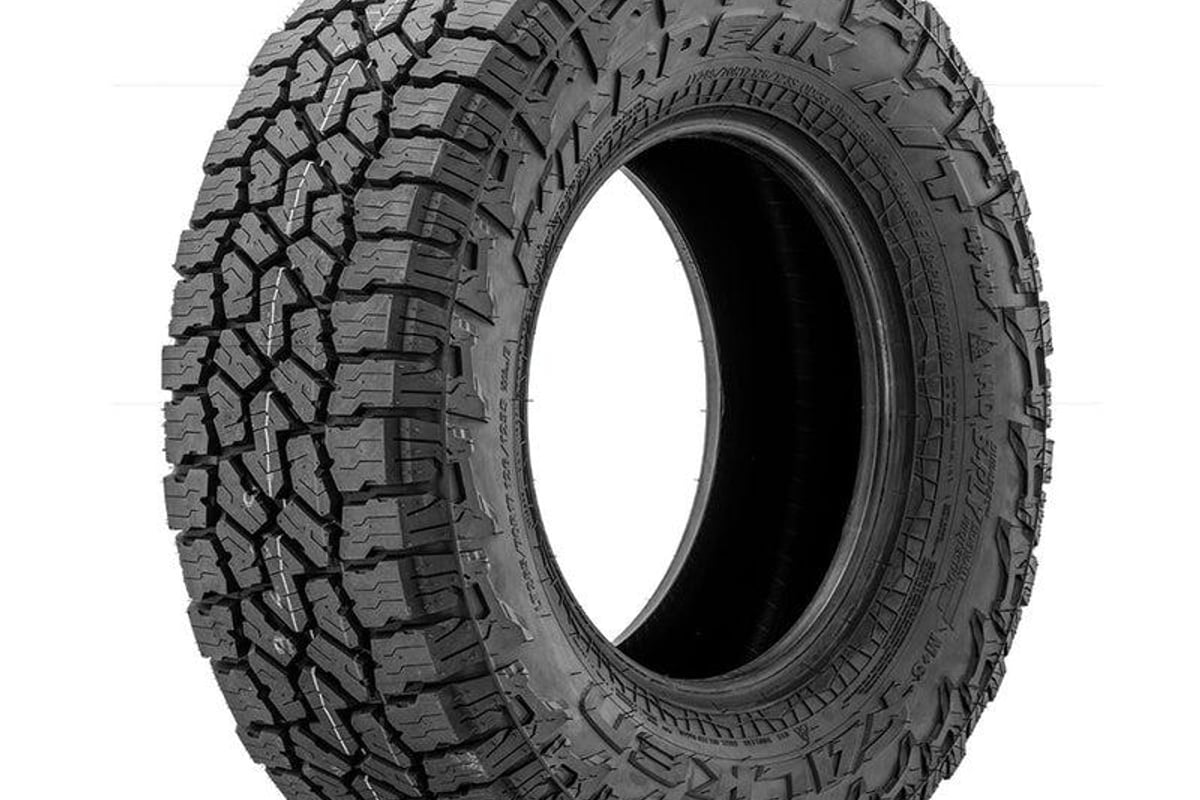
As a Michelin subsidiary, BFGoodrich maintains independent brand identity focused on off-road and performance applications. The All-Terrain T/A KO2 remains the benchmark for light truck all-terrain capability, with proven durability in professional off-road racing.
BFGoodrich commercial truck tires leverage Michelin's compound technology and retread infrastructure while maintaining competitive pricing for regional haul and delivery applications. For distributors seeking reliable semi truck tire options, established manufacturers provide comprehensive position-specific solutions including steer, drive, and trailer patterns optimized for fuel efficiency and even wear.
Regional Manufacturers with Global Reach
Cooper: American Value Engineering
Cooper Tire (now part of Goodyear) maintains distinct product lines targeting value-conscious consumers and fleet operators. The brand's Discoverer line addresses light truck and SUV applications with competitive pricing and solid warranty coverage.
Cooper's commercial vehicle range emphasizes total cost of ownership through extended tread life and retread compatibility. Distribution through independent dealers provides personalized service often unavailable from larger competitors.
| Brand Tier | Target Customer | Key Differentiator | Warranty Range |
|---|---|---|---|
| Premium | Performance-focused | Advanced technology | 60,000-80,000 mi |
| Mid-range | Balanced value | Proven reliability | 50,000-65,000 mi |
| Value | Cost-conscious | Essential performance | 40,000-55,000 mi |
Selection Criteria for Commercial Applications
Fleet managers evaluating the top 10 brands of tires should prioritize factors beyond initial purchase price. Research from the Insurance Institute for Highway Safety demonstrates how proper tire selection and maintenance directly impact commercial vehicle safety outcomes.
Critical evaluation factors:
- Total Cost of Ownership: Initial price, fuel efficiency impact, expected tread life, and retread potential
- Position-Specific Performance: Steer axle stability, drive axle traction, trailer efficiency
- Warranty Coverage: Mileage guarantees, workmanship defects, road hazard protection
- Service Network: Availability of emergency road service and replacement inventory
- Regulatory Compliance: DOT certification, SmartWay verification, regional requirements
Understanding these criteria helps buyers navigate manufacturer marketing claims and focus on measurable performance differences.
Testing Standards and Validation
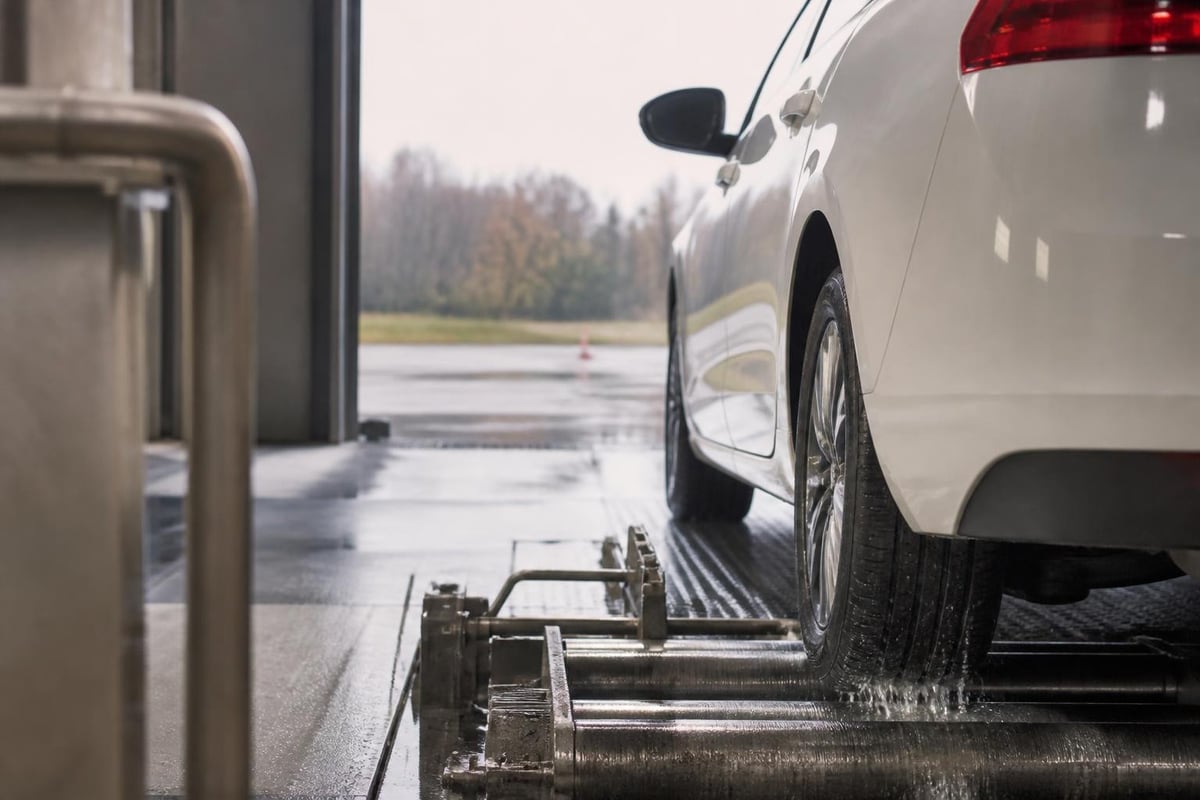
The tire industry employs rigorous testing protocols to validate performance claims. European testing organizations like ADAC conduct independent comparative evaluations that remove manufacturer bias from performance assessments.
Standard test procedures include:
- Wet braking from 80 km/h on calibrated surfaces with specific water depth
- Dry handling on standardized circuits with professional test drivers
- Rolling resistance measurement on precision drums under controlled load
- Accelerated wear testing to project real-world tread life
- Noise emission testing in compliance with EU regulations
These standardized methodologies allow direct comparison across the top 10 brands of tires, revealing genuine performance differences that impact safety and operating costs.
Regional Considerations and Climate Adaptation
Tire selection must account for operating environment and seasonal conditions. Manufacturers within the top 10 brands of tires offer region-specific compounds and tread patterns optimized for local conditions.
Climate-specific recommendations:
- Cold regions: Severe snow rating (3PMSF symbol), flexible compounds maintaining grip below 7°C
- Hot climates: Heat-resistant compounds, reinforced construction for sustained high-speed operation
- Wet environments: Deep circumferential grooves, high-silica content for hydroplaning resistance
- Mixed conditions: All-season compounds with M+S rating, symmetric tread patterns
Understanding local predominant conditions ensures tire specifications align with actual operating demands rather than marketing appeal.
Maintenance Impact on Brand Performance
Even premium tires from the top 10 brands of tires underperform without proper maintenance protocols. Industry data from the U.S. Tire Manufacturers Association indicates that proper inflation alone can extend tire life by 25% and improve fuel economy by 3%.
Essential maintenance practices include:
- Monthly pressure checks adjusted for load and temperature
- Quarterly alignment verification to prevent irregular wear
- Regular rotation following manufacturer-specified intervals
- Visual inspection for damage, embedded objects, and irregular wear patterns
- Professional balancing when vibration develops
These practices maximize return on investment regardless of brand selection, though premium manufacturers typically show greater tolerance for minor maintenance lapses.
Future Trends Shaping Brand Leadership
The tire industry continues evolving rapidly, with manufacturers investing in technologies that will define the next generation of products. Smart tire systems integrating sensors for real-time monitoring represent the immediate frontier, while sustainable materials and circular economy initiatives address long-term environmental concerns.
Leading brands are developing airless tire designs for specific applications, reducing puncture risk and eliminating inflation pressure management. Electric vehicle-specific designs address unique demands including instant torque, heavy battery weight, and low noise requirements.
Distributors and fleet managers should monitor how brands within the top 10 brands of tires invest in these emerging areas, as early adoption may provide competitive advantages in specific market segments.
Procurement Strategies for Distributors
Tire distributors serving commercial fleets require manufacturer partnerships that extend beyond product quality. Inventory support programs, marketing cooperation, and technical training determine whether brand relationships deliver sustainable profitability.
Evaluation criteria for distributor partnerships:
- Minimum order quantities and stocking requirements
- Return policies for defective or slow-moving inventory
- Co-op advertising and promotional support
- Technical training for sales staff and service technicians
- Geographic exclusivity or protected territories
Building relationships with multiple brands from the top 10 brands of tires provides flexibility to address diverse customer requirements while maintaining negotiating leverage on pricing and terms.
For additional resources on tire specifications and applications, explore the comprehensive product catalog covering various vehicle segments and duty cycles.
Understanding the top 10 brands of tires empowers distributors, fleet managers, and vehicle owners to make informed decisions based on application requirements, operating conditions, and total cost of ownership. OTR TIRE THAI manufactures premium-quality tires across agricultural, forklift, solid, commercial truck, passenger car, and specialty segments, delivering international quality standards at wholesale prices to distributors in over 80 countries. Whether you need position-specific truck tires, all-terrain light truck solutions, or specialized industrial applications, OTR TIRE THAI combines proven engineering with factory-direct value to support your business growth.
