
Blog
Chinese Tires: Market Insights for Global Distributors
Oct
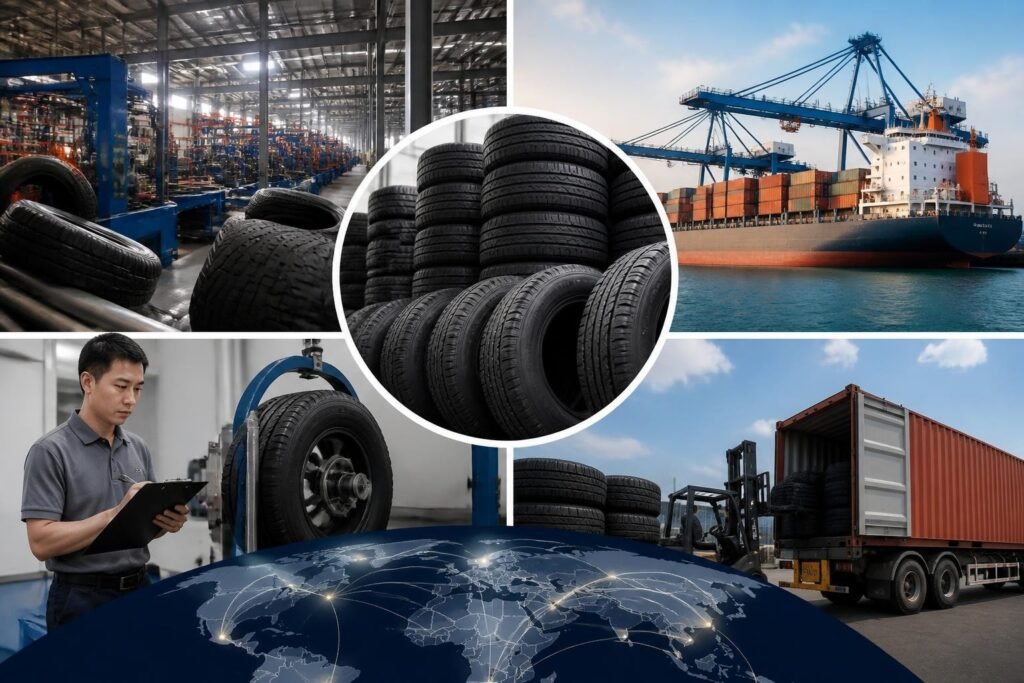
The global tire industry has witnessed dramatic shifts over the past two decades, with Chinese manufacturers emerging as dominant players in production volume and international trade. Chinese tires now represent a significant portion of the world's tire supply, spanning passenger car radials, commercial truck tires, off-the-road segments, and specialty applications. For tire distributors, procurement managers, and fleet operators worldwide, understanding the Chinese tire landscape-from quality certifications to pricing dynamics-has become essential for strategic sourcing decisions. This comprehensive analysis examines market trends, regulatory frameworks, quality considerations, and competitive positioning to help industry professionals navigate this complex sector effectively.
Understanding the Chinese Tire Manufacturing Ecosystem
China's tire industry evolved from modest domestic production in the 1990s to become the world's largest tire manufacturer by volume. The country produces approximately 900 million tires annually across all categories, accounting for roughly 40% of global tire production capacity. This massive scale creates significant economies that influence pricing structures and competitive dynamics throughout the international market.
Production Capacity and Regional Clusters
Chinese tire manufacturing concentrates in three primary geographic clusters. Shandong Province hosts the majority of large-scale producers, with facilities clustered around Qingdao, Dongying, and Weifang. Jiangsu Province serves as a secondary hub focusing on passenger car radials and light truck applications. Guangdong Province specializes in specialty tires, solid tires, and industrial applications serving the logistics sector.
Key production characteristics include:
- Vertical integration from synthetic rubber compounding through finished tire assembly
- Investment in radial tire technology since the early 2000s
- Automation levels varying significantly between tier-one exporters and domestic-focused manufacturers
- Capacity utilization rates typically between 75-85% industry-wide
Technology Transfer and Manufacturing Standards
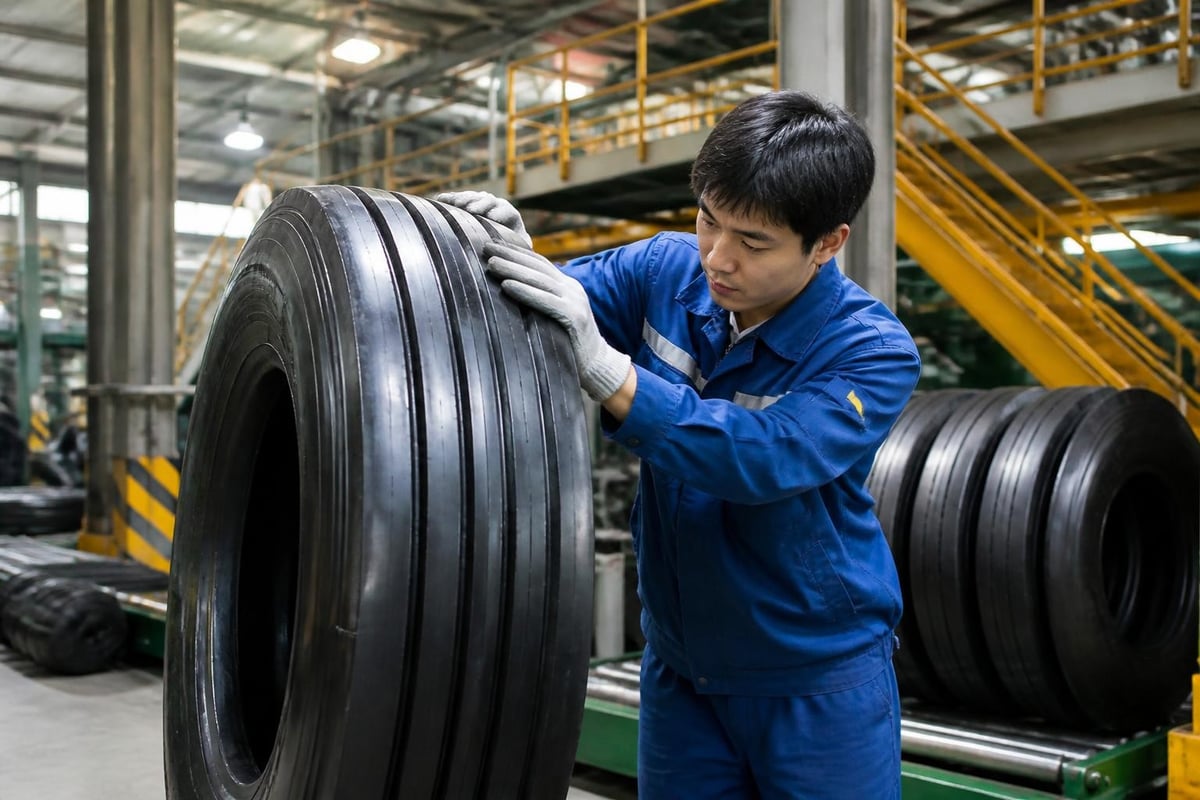
The technological foundation of chinese tires improved substantially through joint ventures, licensing agreements, and independent R&D investment. Major Chinese manufacturers partnered with European and American tire companies during the 2000s, absorbing manufacturing processes, compound formulations, and quality control protocols. By 2026, leading Chinese producers operate facilities that meet or exceed international manufacturing standards.
Modern Chinese tire facilities typically implement ISO 9001 quality management systems, ISO 14001 environmental protocols, and IATF 16949 automotive quality standards. The China Rubber Industry Association publishes industry benchmarks and facilitates technology sharing among member companies, raising baseline capabilities across the sector.
Quality Standards and Certification Framework
Quality remains the most critical consideration for distributors evaluating chinese tires. The range spans from premium offerings that compete directly with established international brands to budget-tier products targeting price-sensitive markets. Understanding certification frameworks helps buyers segment suppliers effectively.
International Compliance Requirements
Chinese tire manufacturers serving export markets must obtain multiple certifications depending on destination regions. DOT (Department of Transportation) certification remains mandatory for the United States market, requiring manufacturers to register facilities, meet Federal Motor Vehicle Safety Standards (FMVSS), and maintain detailed production records. European markets require ECE (Economic Commission for Europe) certification under UN Regulation No. 30 for passenger car tires and Regulation No. 54 for commercial tires.
The European Union’s tire labelling regulation introduced in 2021 established mandatory label requirements displaying fuel efficiency, wet grip performance, and external rolling noise. Chinese exporters targeting European distributors invest heavily in testing to achieve favorable label ratings, particularly in the fuel efficiency category where improved rolling resistance directly reduces fleet operating costs.
| Certification | Market | Key Requirements | Testing Focus |
|---|---|---|---|
| DOT | United States | FMVSS compliance, facility registration | Durability, high-speed performance |
| ECE | Europe | UN regulations, labelling | Fuel efficiency, wet grip, noise |
| CCC | China domestic | GB national standards | Safety minimums |
| INMETRO | Brazil | Local testing protocols | Tropical conditions |
| GSO | GCC countries | Gulf standards | High-temperature performance |
National Standards Evolution
China's national standards for tires, administered through SAMR (State Administration for Market Regulation), underwent significant revisions between 2020-2025. Updated GB 9743 standards for passenger car tires and GB 9744 for commercial truck tires incorporated more stringent safety requirements, rolling resistance limits, and durability testing protocols. These revisions aligned Chinese domestic standards more closely with international benchmarks, reducing the performance gap between export-grade and domestic-grade tires.
Market Dynamics and Trade Considerations
The international trade environment for chinese tires reflects complex dynamics involving pricing pressures, trade policy, and competitive positioning. Distributors must navigate these factors when developing sourcing strategies and evaluating supplier relationships.
Pricing Structure and Cost Advantages
Chinese tires typically offer 20-40% lower wholesale pricing compared to equivalent specifications from North American, European, or Japanese manufacturers. This cost advantage stems from multiple factors: lower labor costs, proximity to synthetic rubber production, economies of scale, and vertical integration that reduces input costs. However, pricing varies significantly across Chinese manufacturers based on brand positioning, technology investment, and target market segments.
Premium Chinese tire brands invest in marketing, warranty programs, and performance testing to justify pricing closer to international competitors. Mid-tier manufacturers focus on value positioning, offering solid performance at moderate price points. Budget manufacturers compete primarily on price, targeting replacement markets in developing economies where upfront cost outweighs total cost of ownership considerations.
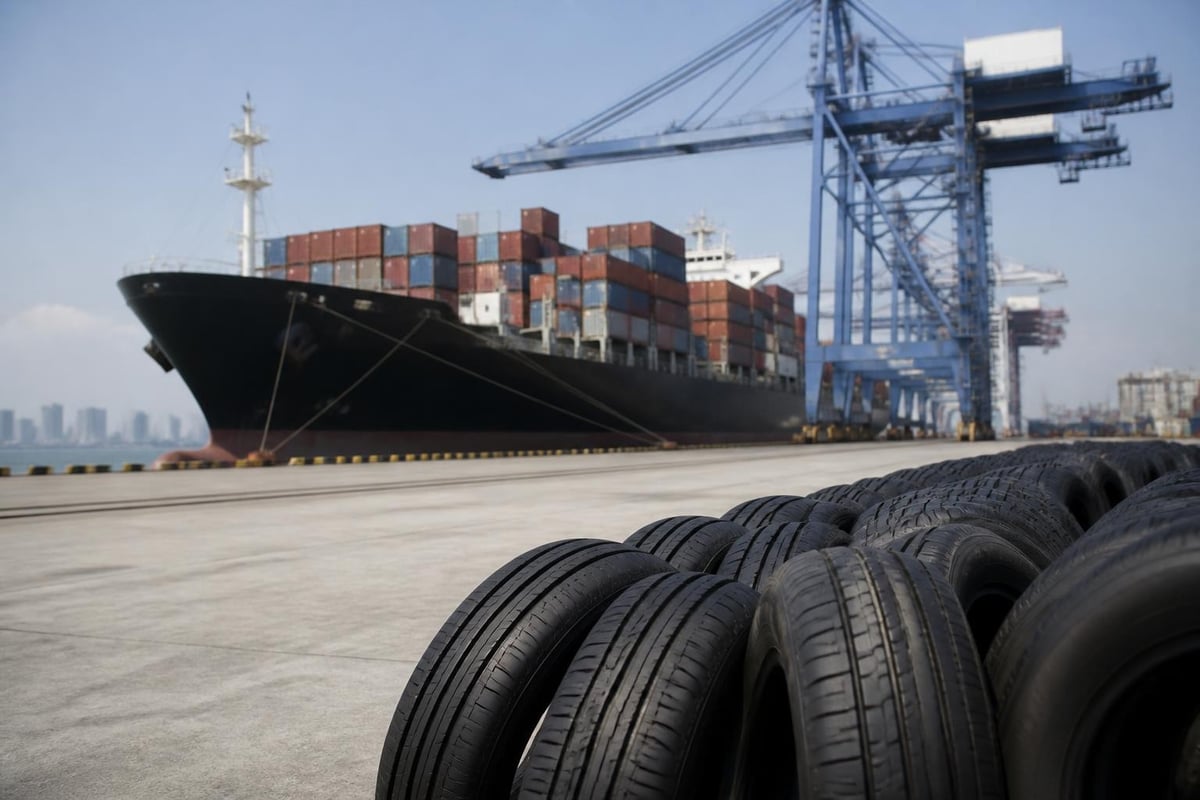
For distributors sourcing commercial truck tires or passenger radials, evaluating total landed cost requires factoring freight, duties, inventory carrying costs, and warranty exposure. Container shipping from Chinese ports to North American or European destinations adds significant logistics costs that narrow the price advantage, particularly for lower-value tire segments.
Anti-Dumping Actions and Trade Policy
Trade tensions periodically impact chinese tires through anti-dumping investigations and protective tariffs. The European Commission’s 2025 investigation into alleged dumping of passenger car and light truck tires from China exemplifies ongoing trade policy challenges. Such investigations can result in provisional duties, definitive measures, or negotiated price undertakings that fundamentally alter competitive dynamics.
Recent trade policy developments include:
- United States maintains Section 301 tariffs on Chinese tire imports since 2018
- European Union conducts periodic anti-dumping reviews on passenger and light-commercial segments
- India, Brazil, and Turkey have implemented safeguard measures on specific tire categories
- ASEAN markets generally maintain lower barriers, creating alternative entry points
Sophisticated distributors diversify sourcing across multiple manufacturing origins to mitigate trade policy risk. Thailand has emerged as an alternative production base offering competitive pricing while avoiding China-specific trade barriers.
Performance Evaluation and Testing Standards
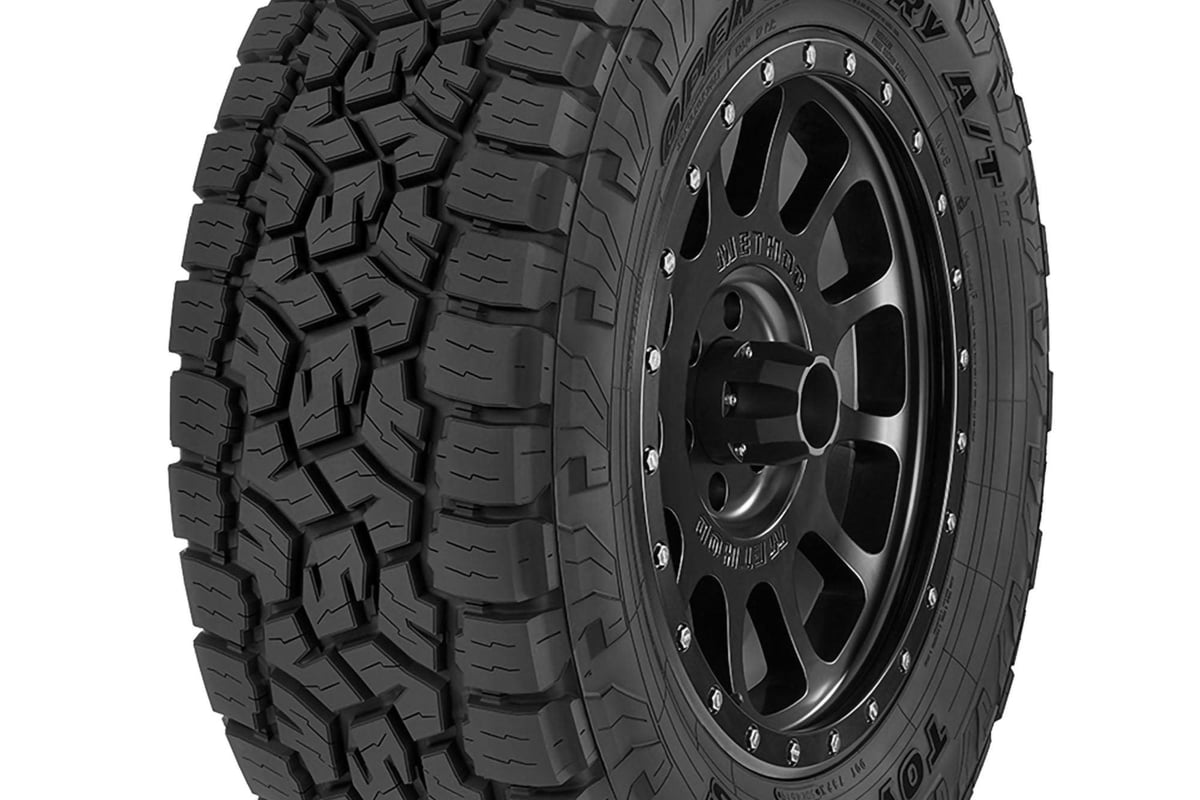
Objective performance assessment separates marketing claims from measurable tire capabilities. Distributors serious about quality verification should understand testing methodologies and benchmark data sources.
Independent Testing Protocols
Organizations like Consumer Reports conduct comprehensive tire testing across multiple performance dimensions: dry braking, wet braking, handling, tread life, ride comfort, and noise. Their testing methodology provides valuable third-party validation independent of manufacturer claims. Chinese tire brands increasingly submit products for such independent testing to build credibility with international distributors and end customers.
Key performance metrics for evaluating chinese tires include:
- Tread life projection: Laboratory abrasion testing and real-world mileage data
- Wet traction coefficient: Measured on standardized wet surfaces at specified speeds
- Rolling resistance: Energy loss affecting fuel economy, measured in kg/ton
- High-speed durability: Performance under sustained high-speed conditions
- Load-carrying capacity: Verified against published load indices
Field Performance Data
Real-world performance data from fleet operators provides the most actionable intelligence for commercial tire buyers. Chinese tire manufacturers with established export programs typically maintain extensive field trial data demonstrating performance in specific applications. Distributors should request documented fleet trials showing actual mileage achieved, removal analysis, and comparative data against incumbent tire brands.
Strategic Sourcing Considerations for Distributors
Developing an effective sourcing strategy for chinese tires requires balancing multiple commercial, technical, and operational factors. Successful distributors approach Chinese suppliers as strategic partners rather than purely transactional vendors.
Supplier Evaluation Framework
A structured supplier assessment process reduces risk and identifies manufacturers aligned with specific market positioning. Recommended evaluation criteria include facility audits, quality system reviews, financial stability assessment, technical capability verification, and references from existing international customers. Tier-one Chinese manufacturers welcome serious distributor visits and provide transparent access to production facilities, testing laboratories, and engineering teams.
Essential due diligence steps:
- Physical factory inspection covering compound mixing, building operations, curing, and final inspection
- Review of raw material sourcing and quality control on carbon black, steel cord, and synthetic rubber
- Assessment of testing capabilities including durability drums, uniformity machines, and performance testing
- Verification of certification authenticity through issuing body databases
- Financial review to ensure manufacturing continuity and warranty support capability
Logistics and Working Capital Implications
Container logistics and payment terms significantly impact the economics of chinese tires sourcing. Standard payment terms range from 30% deposit with balance against bill of lading to letter of credit arrangements. Lead times typically span 30-45 days from order confirmation to port departure, with ocean transit adding 20-30 days to North American West Coast ports or 35-45 days to European ports.
Working capital requirements for chinese tires sourcing exceed domestic purchasing due to longer cash conversion cycles. Distributors must fund inventory for 60-90 days before realizing sales revenue, compared to 30-45 days with regional suppliers. This working capital burden particularly affects smaller distributors without established trade financing arrangements.
Product Category Breakdown
Chinese manufacturers serve virtually every tire segment, though capabilities and market share vary significantly across categories. Understanding category-specific dynamics helps distributors identify where chinese tires offer the strongest value proposition.
Passenger Car Radials
The passenger car radial segment represents the largest volume category for chinese tires. According to World Bank trade data, China exports over 400 million passenger car tires annually, serving replacement markets worldwide. Quality in this segment ranges dramatically, with premium Chinese brands delivering performance comparable to second-tier international brands while budget offerings serve pure price-point buyers.
Performance differentiates primarily in wet traction, tread life, and noise characteristics. Premium Chinese passenger tires incorporate silica-enhanced tread compounds, advanced void patterns for water evacuation, and noise-canceling technologies that narrow gaps with established brands. Testing data shows top-tier Chinese passenger car radials achieving wet braking distances within 5-8% of premium European competitors.
Commercial Truck Tires
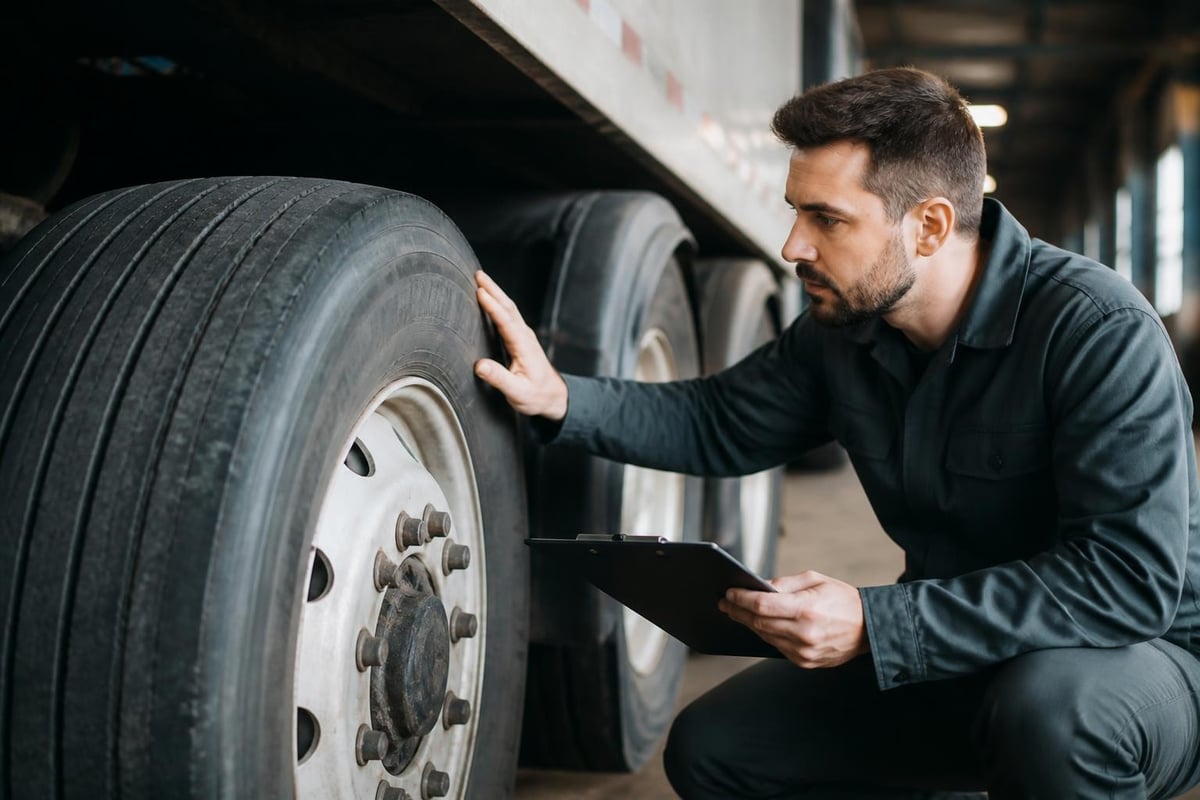
Chinese manufacturers captured significant market share in commercial truck tire categories through aggressive pricing and improving quality. Drive-position tires for long-haul trucking, steer-position tires for highway applications, and trailer tires for efficiency-focused fleets all feature prominently in Chinese production portfolios. The European Rubber Journal’s China Tire Report documents continued capacity expansion in TBR (Truck and Bus Radial) segments targeting export markets.
Commercial tire buyers prioritize total cost per mile, making retreading capability, casing durability, and predictable tread life essential. Leading Chinese TBR manufacturers invested heavily in steel cord quality, belt package design, and compound formulations specifically engineered for multiple retreading cycles. Field data from North American fleets shows quality Chinese drive tires achieving 120,000-150,000 miles to first removal with proper maintenance.
Off-The-Road and Specialty Segments
Chinese manufacturers developed substantial capabilities in off-the-road tire segments including construction equipment, agricultural applications, industrial material handling, and port equipment. These specialty categories often demand specific compound formulations, reinforcement structures, and tread patterns engineered for unique operating environments. Chinese OTR tire production serves both original equipment manufacturers and the global aftermarket through distributor networks.
Quality Chinese agricultural tires feature R1 (field) and R4 (industrial) tread patterns with self-cleaning void designs and lug geometries optimized for traction without excessive soil compaction. Industrial solid tires for forklift and material handling applications utilize advanced polyurethane formulations and resilient compounds that extend service life while reducing operator fatigue through improved cushioning.
Quality Control and Consistency Challenges
While top-tier Chinese tire manufacturers achieve impressive quality standards, consistency across production batches remains a consideration. Distributors must implement receiving inspection protocols and maintain quality dialogue with suppliers to ensure sustained performance.
Batch Variation Management
Production consistency depends on rigorous process controls throughout the manufacturing chain. Variables including natural rubber quality fluctuations, carbon black batch variation, mixing process precision, and building operator technique all influence final tire characteristics. Leading Chinese manufacturers implement statistical process control, automated compound testing, and uniformity screening that minimize batch-to-batch variation.
Distributors should establish clear quality specifications beyond basic dimension and weight parameters. Specifications might include uniformity limits (radial force variation, lateral force variation), compound hardness tolerances, and visual inspection criteria. Detailed specifications provide objective rejection criteria and create accountability mechanisms with suppliers.
Warranty Administration
Warranty structures for chinese tires vary significantly based on manufacturer sophistication and target market positioning. Premium Chinese brands offer mileage warranties comparable to international competitors, typically 40,000-60,000 miles for passenger tires and structured commercial tire warranties based on documented removal analysis. Budget manufacturers often provide minimal warranty coverage, shifting risk to distributors.
Effective warranty administration requires documented field failure analysis, clear claims procedures, and responsive supplier communication. Distributors should negotiate warranty terms that align with their market positioning and establish charge-back mechanisms for legitimate warranty claims. The administrative burden of warranty processing should factor into total cost calculations when comparing Chinese versus alternative sources.
Market Outlook and Future Trends
The Chinese tire industry continues evolving through technology investment, brand development, and geographic expansion. Several trends will shape the competitive landscape through the next decade, creating both opportunities and challenges for global distributors.
Technology Investment Patterns
Leading Chinese tire manufacturers dramatically increased R&D spending since 2020, focusing on low-rolling-resistance compounds for electric vehicle applications, run-flat technologies, and intelligent tire systems incorporating sensors. These investments aim to close performance gaps with established brands and position Chinese manufacturers for emerging mobility trends.
Electric vehicle tires represent a strategic priority for Chinese manufacturers given China's leadership in EV production. EV-specific tires require enhanced load-carrying capacity to support heavier battery packs, noise optimization due to reduced powertrain sound masking, and low rolling resistance to maximize driving range. Chinese tire companies collaborate closely with domestic EV manufacturers, gaining experience that translates to export market opportunities.
Sustainability and Regulatory Alignment
Environmental regulations increasingly influence tire manufacturing globally. The European Union's tire labelling updates, California's rolling resistance standards, and emerging regulations targeting tire particulate emissions create new compliance requirements. Chinese manufacturers invest in sustainable materials research, recycling programs, and manufacturing process improvements to meet evolving standards.
Silica usage in tread compounds increased substantially as manufacturers seek improved wet traction and reduced rolling resistance simultaneously. Advanced silica technologies derived from rice husk ash and other sustainable sources offer environmental benefits while maintaining performance characteristics. Tire distributors focused on environmentally conscious markets should evaluate Chinese suppliers' sustainability credentials and material sourcing practices alongside traditional performance metrics.
The Chinese tire sector presents complex opportunities for distributors willing to invest in supplier relationships, quality verification, and market positioning. Success requires moving beyond simplistic price comparisons to comprehensive assessments of performance, consistency, logistics, and total cost dynamics. As manufacturing capabilities continue maturing and trade frameworks evolve, strategic sourcing approaches will separate distributors who capture value from those challenged by quality inconsistencies or trade disruptions. OTR TIRE THAI manufactures premium quality tires in Thailand across agricultural, commercial truck, passenger car, OTR, and specialty segments, offering distributors internationally certified products at competitive wholesale pricing without the trade policy complications affecting Chinese sourcing. Contact our team to discuss how our Thai manufacturing platform serves your distribution requirements with dependable quality and responsive partnership.
