
Blog
All Season Truck Tires: A Complete Guide for 2026
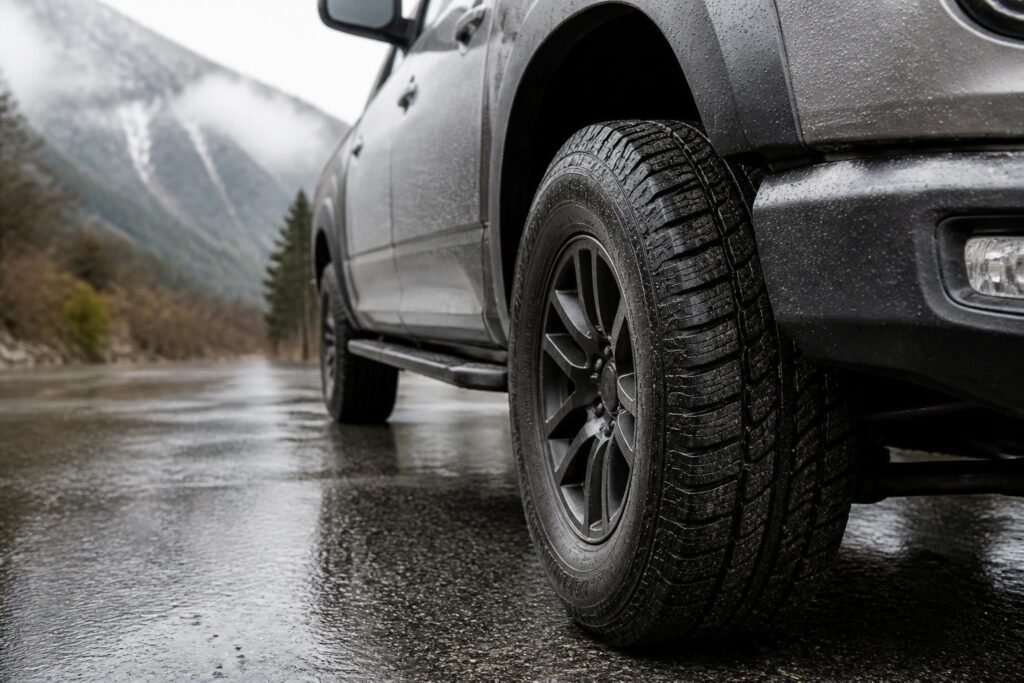
Oct
Truck operators face a critical decision when selecting tires: specialized seasonal rubber or year-round versatility. All season truck tires represent a practical compromise for fleets and owner-operators who need consistent performance across multiple weather conditions without the expense and downtime of seasonal changeovers. Understanding how these tires balance competing demands-wet traction, dry handling, tread life, and light-winter capability-helps fleet managers and distributors make informed purchasing decisions that maximize uptime and minimize total cost of ownership.
Understanding All Season Truck Tire Construction
All season truck tires employ a fundamentally different engineering approach than passenger car all-season radials. The construction begins with a specialized rubber compound formulated to remain pliable across a broader temperature range, typically from 20°F to 100°F. This compound balances silica content for wet grip against carbon black for durability and heat resistance under heavy loads.
The casing structure uses steel belts and polyester or nylon plies rated for the higher inflation pressures and load indices required by light trucks, medium-duty commercial vehicles, and pickup fleets. Most all season truck tires carry Load Range D, E, or F ratings, corresponding to 8, 10, or 12-ply equivalent strength. These reinforcements prevent casing failure under the axle loads common in commercial service.
Tread Pattern Architecture
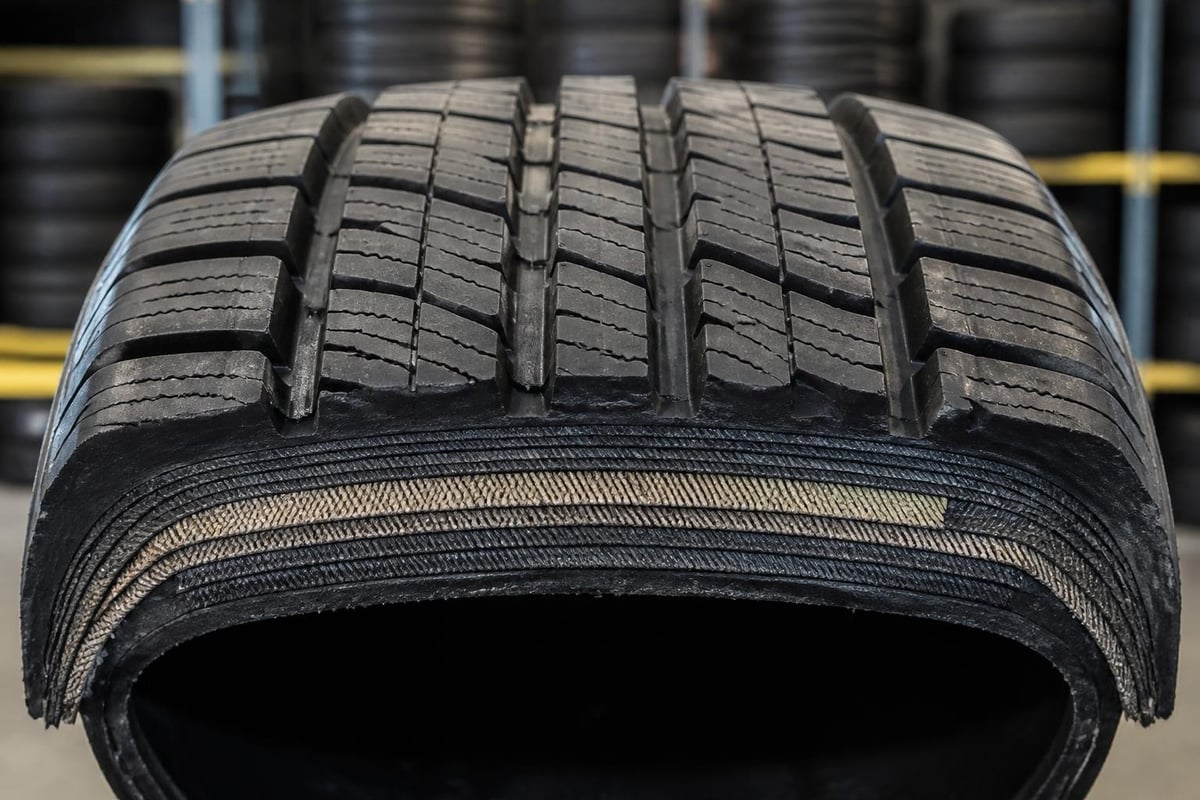
Tread design distinguishes all season truck tires from dedicated summer or winter patterns. Engineers create hybrid blocks that feature:
- Circumferential grooves (typically 4–5) that channel water away from the contact patch
- Lateral sipes cut into tread blocks to enhance edge grip on wet pavement and packed snow
- Variable-pitch block sequencing to reduce road noise at highway speeds
- Shoulder blocks with reinforced bases to resist irregular wear from heavy cornering loads
The void ratio-the percentage of tread surface occupied by grooves rather than rubber-usually falls between 22% and 32% for all season truck tires. This balance evacuates water effectively while maintaining enough contact rubber for dry traction and even wear.
Performance Characteristics Across Conditions
Year-round capability requires compromises. All season truck tires deliver adequate performance in most conditions but excel in none. Consumer Reports testing consistently shows that dedicated summer tires outperform all-season designs in dry braking and cornering, while winter-rated tires provide superior snow and ice traction.
Wet-Weather Performance
Hydroplaning resistance and wet braking define safety in rain. All season truck tires use deep circumferential channels-often 11/32" to 13/32" when new-to evacuate water. The SAE J2909 test procedure measures stopping distance on wet surfaces, revealing that tread depth and compound together determine performance.
Research on tire behavior under varying conditions demonstrates that water depth as shallow as 2mm can dramatically reduce contact pressure. Lateral sipes create additional biting edges that maintain traction as the tire rolls through standing water. Premium all season truck tires incorporate 3D interlocking sipes that resist collapse under braking force while still opening to grip wet surfaces.
| Condition | Tread Depth | Relative Wet Grip |
|---|---|---|
| New tire | 12/32" | 100% (baseline) |
| Half worn | 6/32" | 72–78% |
| Legal minimum | 2/32" | 35–45% |
Cold-Weather and Light-Snow Capability
All season truck tires maintain flexibility down to approximately 20°F, though performance degrades below this threshold. The compound hardens in extreme cold, reducing edge grip and extending braking distances. The Three-Peak Mountain Snowflake (3PMSF) symbol certifies tires for severe snow service, but most traditional all-season designs do not earn this designation.
For light snow accumulation (under 2 inches on paved roads), all season truck tires provide adequate traction for most commercial routes. The lateral sipes bite into compacted snow, while the tread blocks evacuate slush. However, fleets operating in mountain passes or regions with frequent winter storms should consider dedicated winter tires or all-weather alternatives that carry the 3PMSF rating.
Selection Criteria for Fleet Applications
Choosing the right all season truck tires requires matching tire specifications to operational demands. Fleet managers must balance initial purchase price against total cost per mile, which includes fuel efficiency, tread life, and unscheduled downtime.
Load Range and Ply Rating
Light trucks and commercial vehicles operate at higher inflation pressures than passenger cars. The load range designation indicates the tire's maximum load capacity at a specified pressure:
- Load Range D: 65 psi maximum, suitable for ¾-ton pickups and light delivery vans
- Load Range E: 80 psi maximum, standard for 1-ton pickups and box trucks
- Load Range F: 95 psi maximum, required for heavy-duty commercial chassis
Underspecifying load range leads to premature casing failure, irregular wear, and potential blowouts. Guidance on tire selection emphasizes matching or exceeding the original equipment (OE) load rating, especially for vehicles that frequently carry maximum payload.
Speed Rating Considerations
All season truck tires typically carry S (112 mph), T (118 mph), or H (130 mph) speed ratings. Commercial fleets rarely need ratings above S, but pickup trucks used for both work and personal transportation may benefit from higher ratings. The speed rating also correlates with sidewall stiffness and handling precision at highway speeds.

Original Equipment Replacement
Many fleet operators default to the tire brand and model specified by the vehicle manufacturer. OE tires undergo extensive validation testing for that specific platform, ensuring compatibility with suspension tuning, traction control calibration, and load distribution. However, aftermarket all season truck tires often deliver comparable or superior performance at lower cost.
When evaluating aftermarket alternatives, verify that the replacement tire matches these OE specifications:
- Overall diameter (within 3% to maintain speedometer accuracy and drivetrain gearing)
- Load index (equal to or greater than OE)
- Speed rating (equal to or greater than OE)
- Tread width (within 10mm to prevent rubbing)
The U.S. Tire Manufacturers Association guidelines provide detailed technical standards for proper fitment and service practices.
Maintenance Practices for Extended Service Life
All season truck tires deliver 40,000 to 70,000 miles under normal service conditions, but actual tread life depends heavily on maintenance discipline. Regular inspections and proper inflation management prevent 80% of premature tire removals.
Inflation Pressure Management
Under-inflation represents the single largest cause of commercial tire failure. Operating just 10% below specification increases rolling resistance by 3–4%, raises casing temperatures, and accelerates shoulder wear. Fleet-grade tire pressure monitoring systems (TPMS) alert drivers to slow leaks before they cause damage.
Check pressures weekly when tires are cold (driven less than one mile) using a calibrated gauge. Adjust to the pressure specified on the vehicle's placard or the tire manufacturer's load/inflation table. All season truck tires lose approximately 1–2 psi per month through normal permeation, plus an additional 1 psi for every 10°F temperature drop.
Rotation Schedules
Regular rotation equalizes wear across all positions. For rear-wheel-drive trucks, the rearward-cross pattern moves rear tires to the front (same side) and front tires to the opposite rear positions. Four-wheel-drive vehicles benefit from a modified X-pattern that accounts for drivetrain configuration.
Rotate all season truck tires every 5,000 to 7,000 miles, or at every other oil change interval. Document rotation dates and tread depths to track wear rates and identify vehicles with alignment or suspension issues. Uneven wear patterns-cupping, scalloping, or one-sided wear-indicate mechanical problems that replacement tires cannot solve.
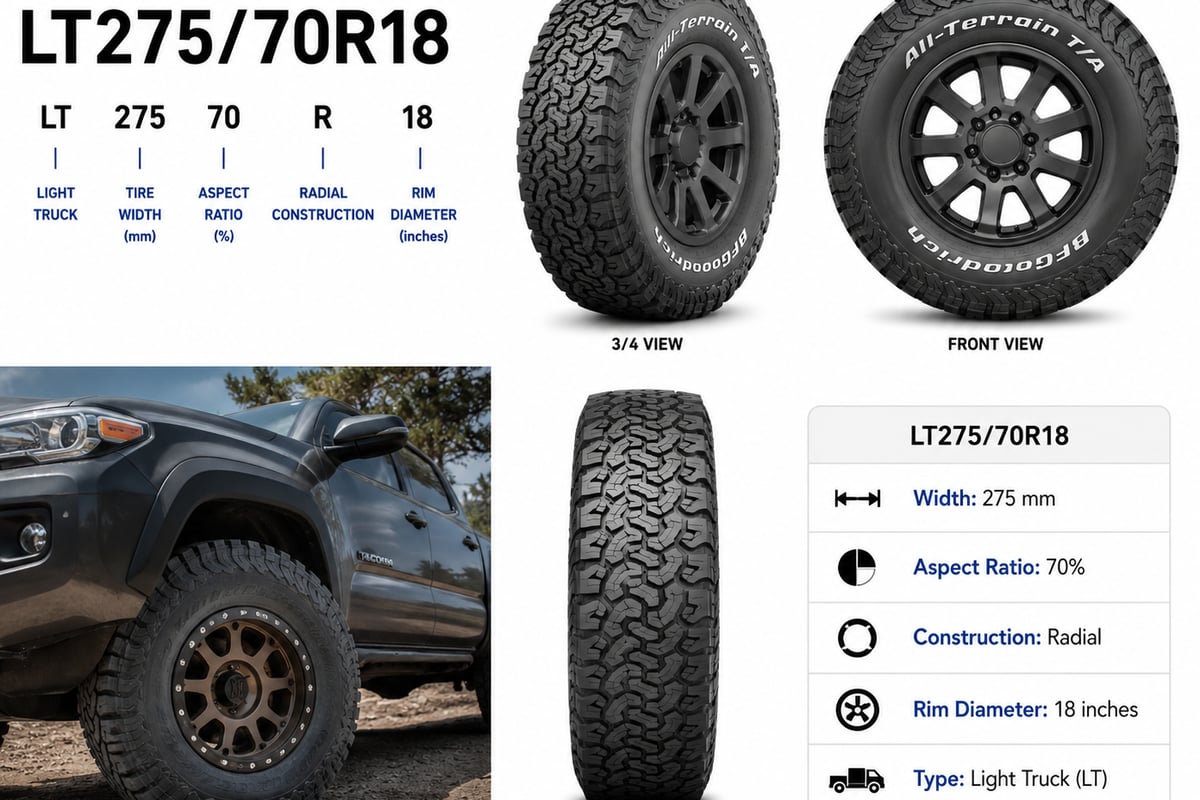
Our Light Truck Tires (LT) cover the full spectrum of light truck and SUV applications, with highway terrain (HT) patterns engineered for fuel efficiency and quiet rolling on paved roads alongside all-terrain (AT) designs that balance on-road comfort with off-pavement capability.
Alignment and Balancing
Professional alignment services verify that camber, caster, and toe angles fall within manufacturer specifications. Misalignment causes rapid edge wear and increased rolling resistance. Commercial fleets should align trucks annually or after any suspension work, pothole impact, or curb strike.
Dynamic wheel balancing eliminates vibration and prevents cupping wear. All season truck tires require rebalancing after mounting and whenever drivers report vibration at specific speeds. Heavy-duty balancers can handle the larger diameter and weight of truck wheels, ensuring even weight distribution at highway speeds.
Compound Technology and Tread Life Economics
Modern all season truck tires incorporate silica-enhanced tread compounds that extend service life without sacrificing wet traction. Silica molecules create flexible bonds that maintain grip on wet surfaces while reducing hysteresis (internal friction) that generates heat and accelerates wear.
Treadwear Ratings and Real-World Mileage
The Uniform Tire Quality Grading (UTQG) system assigns treadwear ratings based on controlled testing. A rating of 500 indicates the tire should last five times longer than the 100-baseline reference tire under test conditions. However, UTQG testing occurs on smooth tracks with light loads, so real-world mileage varies significantly.
All season truck tires typically carry UTQG ratings between 400 and 700. Fleets can expect:
| UTQG Rating | Light-Duty Pickup (½ ton) | Heavy-Duty Commercial (1+ ton) |
|---|---|---|
| 400–500 | 40,000–55,000 miles | 35,000–45,000 miles |
| 500–600 | 55,000–70,000 miles | 45,000–60,000 miles |
| 600–700 | 70,000–85,000 miles | 60,000–75,000 miles |
Variables including payload, route terrain, inflation discipline, and driving habits cause 30–40% variation around these estimates. Tracking actual removal mileage helps fleet managers validate tire selection and identify opportunities for specification changes.

Commercial Applications and Use Cases
All season truck tires serve distinct market segments, each with specific performance priorities. Understanding these applications helps distributors recommend appropriate products and fleet managers optimize specifications.
Delivery and Last-Mile Fleets
Urban delivery vehicles operating on paved routes prioritize fuel efficiency, quiet operation, and even wear. These fleets accumulate 25,000 to 40,000 miles annually with frequent starts, stops, and low-speed maneuvering. All season truck tires for this segment emphasize:
- Low rolling resistance compounds for fuel savings
- Reinforced shoulders to resist curb damage
- Intermediate void ratios (24–28%) for all-weather grip without excessive road noise
Step vans, box trucks, and medium-duty commercial chassis in this category benefit from load range E or F tires with H-rated speed capability for occasional highway driving.
Construction and Contractor Vehicles
Pickup trucks hauling equipment to job sites encounter gravel roads, dirt lots, and occasional off-pavement travel. These operators need all season truck tires with enhanced sidewall protection and puncture resistance. However, true off-road tires sacrifice too much highway comfort and fuel economy for mixed-use applications.
All-terrain (AT) patterns within the all-season category provide a middle ground. These designs feature:
- Aggressive shoulder lugs for traction in loose soil and mud
- Stone ejectors in tread grooves to prevent retention
- Reinforced sidewalls with multiple ply layers
- Slightly higher void ratios (28–32%) for self-cleaning
Contractors who split time between paved highways and unpaved sites find AT all season truck tires deliver acceptable performance in both environments.
Long-Haul and Regional Fleets
Pickup trucks supporting regional sales territories or long-distance towing accumulate 30,000 to 50,000 miles annually, primarily on interstate highways. These applications prioritize tread life, fuel efficiency, and stable handling at highway speeds. Highway-terrain (HT) all season truck tires optimize for these demands through:
- Closed-shoulder designs that reduce rolling resistance
- Five-rib patterns for straight-line tracking stability
- Lower void ratios (22–26%) with deep circumferential channels
- Harder compound formulations for extended mileage
Regular tire inspections catch developing issues before they cause roadside failures, particularly important for vehicles operating far from service facilities.
Environmental and Regulatory Considerations
Tire selection increasingly reflects environmental performance mandates and corporate sustainability goals. All season truck tires contribute to fleet emissions through rolling resistance, which accounts for 15–20% of fuel consumption in highway driving.
Fuel Efficiency Standards
The EPA SmartWay program certifies tires that meet verified fuel efficiency thresholds. SmartWay-verified all season truck tires reduce rolling resistance through optimized tread compounds and construction techniques. Fleets adopting these tires achieve 3–5% fuel savings compared to baseline designs, translating to measurable reductions in diesel consumption and CO₂ emissions.
California's Advanced Clean Trucks regulation and similar state-level initiatives create incentives for low-rolling-resistance tires. Fleet operators should verify that replacement all season truck tires carry SmartWay verification or equivalent third-party efficiency ratings when operating in regulated states.
End-of-Life Management
Tire casings contain valuable materials including steel, textile fibers, and recoverable rubber. Responsible fleets partner with recycling programs that process used tires into crumb rubber for athletic surfaces, asphalt modifier, or alternative fuels. All season truck tires typically contain 15–20 pounds of steel and 25–30 pounds of recoverable rubber.
Some premium all season truck tires qualify for retreading, extending service life by replacing worn tread while preserving the casing. Retreading reduces material consumption by 70% compared to new tire manufacturing, offering both environmental and economic benefits for fleets with disciplined casing management programs.
Distributor Sourcing and Quality Verification
Tire distributors serving commercial fleets must verify that all season truck tires meet minimum quality and safety standards. International manufacturing provides cost advantages, but introduces risks related to quality consistency and regulatory compliance.
Certification Standards
All season truck tires sold in North America must carry Department of Transportation (DOT) certification, indicated by a code molded into the sidewall. The DOT code identifies the manufacturing plant, tire size, and production date (week and year). European markets require ECE certification (E-mark), while other regions maintain separate approval processes.
Premium manufacturers submit tires for independent testing by organizations including TÜV, SAE, and Consumer Reports. These third-party validations provide objective performance data beyond manufacturer claims. Distributors should request test reports documenting wet braking, tread life, and rolling resistance when evaluating new suppliers.
Manufacturing Origin and Brand Partnerships
Thailand has emerged as a significant tire manufacturing hub, with modern facilities producing all season truck tires for global distribution. Thai manufacturers invest in European-grade mixing equipment, precision mold manufacturing, and automated inspection systems that ensure dimensional consistency.
When sourcing from international manufacturers, distributors should conduct factory audits verifying:
- Raw material specifications and supplier qualification processes
- In-process quality controls including compound testing and X-ray inspection
- Final inspection protocols and statistical process control implementation
- Warranty administration and customer complaint tracking systems
Established manufacturers maintain partnerships with recognized international brands, providing additional quality assurance through brand-owner oversight of manufacturing processes.
Performance Testing and Fleet Validation
Before committing to large-volume purchases, fleet managers should pilot all season truck tires through controlled field trials. A structured validation process identifies performance issues before they affect the entire fleet.
Test Protocol Design
Effective tire trials install new all season truck tires on 5–10% of the fleet, distributed across representative duty cycles and vehicle types. Match test tires with control tires (the current specification) on identical vehicles operating similar routes. Track these key performance indicators:
- Tread depth measurements at 5,000-mile intervals
- Fuel consumption (MPG) calculated over minimum 10,000-mile periods
- Unscheduled maintenance events (punctures, irregular wear, failures)
- Driver feedback on handling, noise, and ride comfort
- Total cost per mile including purchase price and actual service life
Document vehicle identification, installation date, starting mileage, and initial tread depth for each test tire. Regular inspections capture wear patterns and developing issues that might not trigger immediate failures but indicate long-term problems.
Data Analysis and Decision Criteria
After 15,000 to 25,000 test miles, compare performance metrics between test and control groups. Statistical significance requires adequate sample sizes-at least eight vehicles per tire type-to account for route variation and driver behavior differences. Calculate cost per mile by dividing total tire cost by projected service life based on current wear rates.
All season truck tires should demonstrate equal or better performance than the control specification in at least three of these four categories: tread life, fuel economy, unscheduled maintenance, and driver satisfaction. A 5% improvement in any single category justifies adoption if other metrics remain neutral.
Wholesale Pricing and Distribution Economics
All season truck tires represent a significant capital investment for fleets and distributors. Understanding pricing structures helps buyers negotiate favorable terms and manage inventory efficiently.
Volume Pricing Tiers
Manufacturers typically offer tiered pricing based on annual purchase volume. Entry-level distributors placing 500–2,000 tires annually receive base pricing, while regional wholesalers moving 10,000+ units qualify for top-tier discounts. Price breaks often occur at these thresholds:
| Annual Volume | Typical Discount | Rebate Programs |
|---|---|---|
| 500–2,000 | Base pricing | None |
| 2,000–5,000 | 8–12% off base | Quarterly rebates |
| 5,000–10,000 | 15–20% off base | Marketing co-op funds |
| 10,000+ | 22–28% off base | Volume incentives + co-op |
Container-load purchases (typically 1,100–1,500 tires depending on size) unlock additional freight savings by eliminating mixed-container handling fees. Direct factory sourcing from manufacturers like OTR TIRE THAI provides access to wholesale pricing unavailable through domestic intermediaries.
Inventory Management
All season truck tires require less inventory complexity than seasonal tire programs since the same SKUs sell year-round. However, distributors must still balance dozens of size variations across load ranges and speed ratings. ABC inventory classification helps prioritize:
A-items (top 20% of SKUs generating 80% of revenue): Maintain 8–12 weeks of inventory with automatic reorder triggers
B-items (next 30% of SKUs generating 15% of revenue): Stock 4–6 weeks with monthly review cycles
C-items (remaining 50% of SKUs generating 5% of revenue): Order as needed or maintain minimal safety stock
Just-in-time delivery partnerships with manufacturers reduce carrying costs while ensuring availability of fast-moving sizes. Many Asian tire manufacturers operate regional warehouses in North America that ship within 24–48 hours.
Selecting the right all season truck tires requires balancing performance, durability, and total cost across diverse operating conditions. Fleet managers and distributors who understand construction differences, maintenance requirements, and application-specific demands can optimize specifications that deliver maximum value. OTR TIRE THAI manufactures premium light truck and commercial tire solutions backed by international certifications and distributed to over 80 countries, offering fleet operators and wholesale buyers factory-direct access to quality all-season products engineered for demanding commercial service.
