
Blog
Tires Farm: Complete Guide to Agricultural Tire Selection

Oct
Agricultural operations demand specialized tire solutions that can withstand the unique challenges of farm environments. From heavy loads and rough terrain to seasonal weather variations and extended operating hours, tires farm applications require careful consideration of multiple performance factors. Modern agricultural tires have evolved significantly, incorporating advanced compounds, innovative tread designs, and construction methods that maximize productivity while minimizing soil compaction. Understanding these tire technologies and selecting the right products for specific farming operations can dramatically impact equipment uptime, fuel efficiency, and overall operational costs throughout the growing season.
Understanding Agricultural Tire Categories
The tires farm market encompasses several distinct categories, each engineered for specific equipment types and operational requirements. Tractor tires represent the largest segment, with designs optimized for front-wheel assist, two-wheel drive, and four-wheel drive configurations. These tires must provide excellent traction in soft soil conditions while delivering stability during road transport between fields.
Implement tires serve a different purpose entirely. Mounted on equipment like grain carts, manure spreaders, and tillage tools, these tires prioritize load-carrying capacity and flotation characteristics. The goal is to distribute weight across a larger footprint, reducing ground pressure and preserving soil structure.
Specialty Farm Equipment Tires
Beyond traditional categories, modern farming operations utilize an expanding array of specialized equipment. Combine harvester tires must handle extreme loads during peak harvest while providing gentle ground contact to prevent rutting. Sprayer tires are designed with narrow profiles that minimize crop damage in established fields, yet they must still support the substantial weight of full chemical tanks.
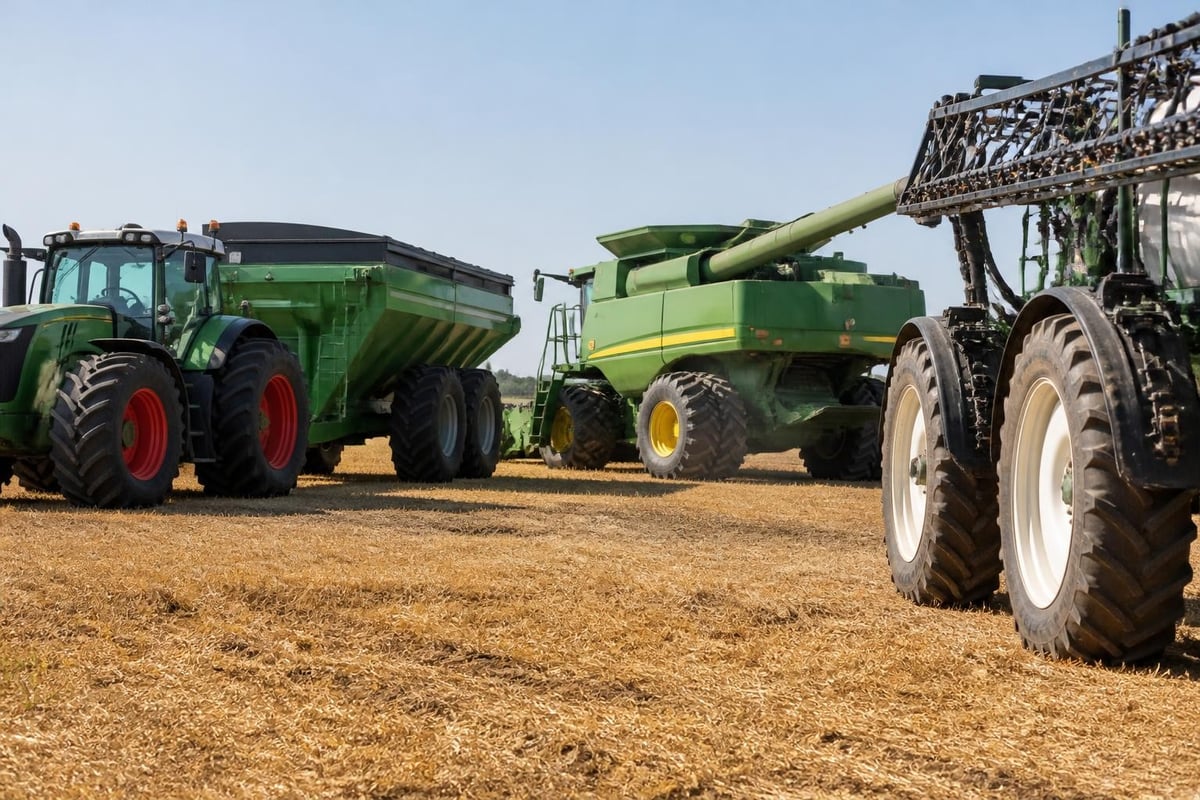
Key performance characteristics across farm tire categories:
- Traction efficiency: Lug angle, depth, and spacing optimized for soil engagement
- Load capacity: Reinforced sidewalls and multiple-ply construction for heavy implements
- Flotation: Wide footprints that distribute weight to prevent compaction
- Self-cleaning: Open tread patterns that shed mud and debris
- Dual-purpose capability: Balanced on-road and off-road performance
Selecting Tires Farm Equipment Based on Soil Conditions
Soil type fundamentally influences tire selection decisions. Clay soils present unique challenges, becoming extremely sticky when wet and rock-hard when dry. Tires operating in clay-heavy fields require aggressive lug angles (typically 23 to 45 degrees) and deeper tread depths to maintain traction. The spacing between lugs must be wide enough to allow self-cleaning as soil accumulates during operation.
Sandy soils demand a completely different approach. While sand provides less resistance when dry, it offers minimal traction. Wider tires with larger contact patches help distribute weight and prevent excessive sinking. According to EPA guidance on tire management, proper tire selection and maintenance also plays a role in equipment longevity and eventual recycling considerations.
| Soil Type | Recommended Lug Angle | Tread Depth | Inflation Strategy |
|---|---|---|---|
| Heavy clay | 23-30 degrees | 2.5-3.5 inches | Lower pressure for flotation |
| Loam | 30-35 degrees | 2.0-2.5 inches | Moderate pressure adjustment |
| Sandy | 35-45 degrees | 1.5-2.0 inches | Higher pressure to prevent sinking |
| Rocky/gravelly | Reinforced lugs | 2.0-2.5 inches | Higher pressure for puncture resistance |
Seasonal Considerations
Farm tire performance varies dramatically across seasons. Spring planting often occurs in wet, compacted soil following winter freeze-thaw cycles. Tires must provide traction without causing excessive rutting that creates water pooling issues later in the season. Summer cultivation and spraying operations benefit from tires that minimize soil disturbance in established crop rows.
Harvest season places maximum demands on tires farm systems. Combines, grain carts, and transport equipment operate at or near maximum load capacity. Tire pressure becomes critical during this period, as even slight under-inflation can lead to sidewall damage, excessive heat buildup, and premature failure.
Advanced Tire Technologies for Modern Farming
Radial construction has revolutionized agricultural tire performance over the past two decades. Unlike bias-ply designs, radial tires farm applications feature flexible sidewalls that allow the tread to maintain consistent ground contact across varying terrain. This construction method reduces soil compaction by up to 30% compared to traditional bias tires while improving fuel efficiency through lower rolling resistance.
Benefits of radial agricultural tires include:
- Longer tread life (up to 50% more than comparable bias tires)
- Improved ride comfort reducing operator fatigue
- Better traction at lower inflation pressures
- Enhanced fuel economy (3-8% improvement)
- Reduced soil compaction protecting long-term field productivity
Very High Flexion (VF) and Improved Flexion (IF) tire technologies represent the cutting edge of agricultural tire design. These specialized constructions allow operators to carry the same load at 40% lower inflation pressure (VF) or 20% lower pressure (IF) compared to standard radial tires. The reduced ground pressure preserves soil structure, particularly important in no-till and conservation farming systems.
Central Tire Inflation Systems
Progressive farms are increasingly adopting central tire inflation systems (CTIS) that allow operators to adjust tire pressure from the tractor cab. This technology enables optimal pressure settings for field work (maximizing flotation and traction) and road transport (improving stability and reducing wear). Studies show that proper inflation management can extend tire life by 15-25% while improving fuel efficiency and reducing downtime.
Maintenance Practices That Extend Tire Life
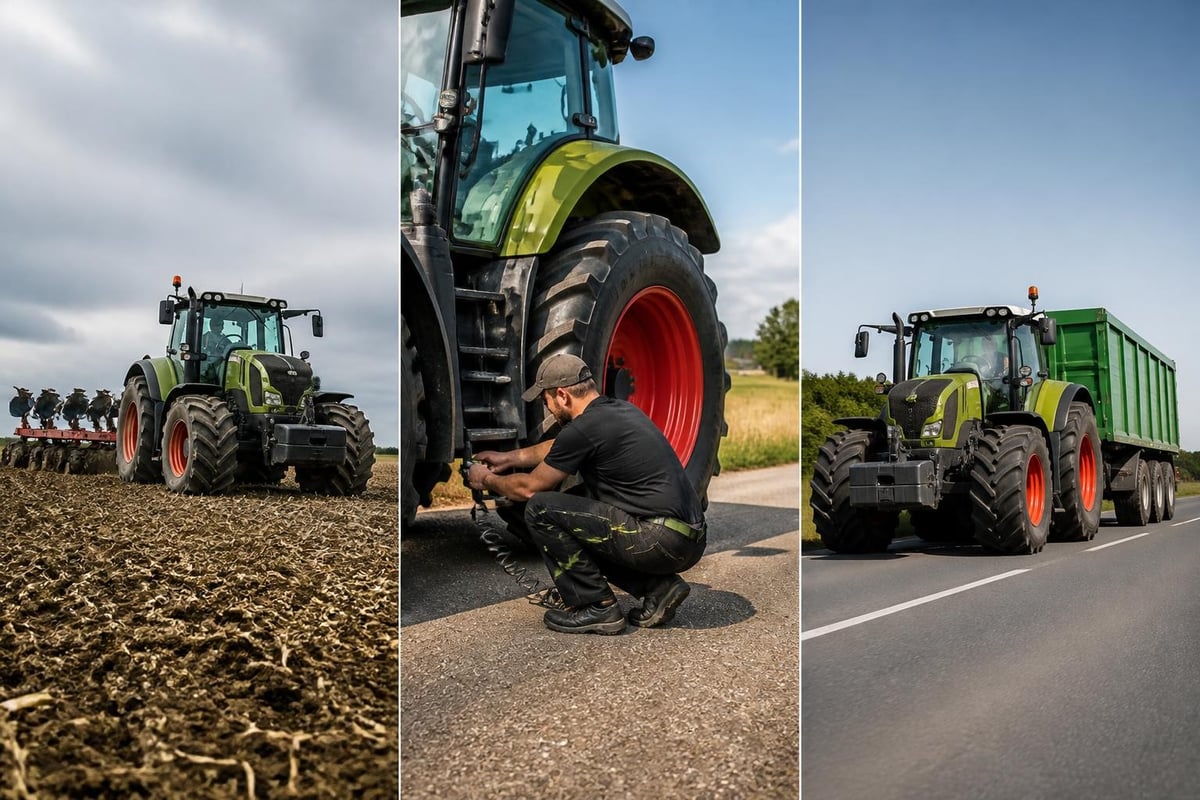
Systematic inspection routines form the foundation of effective tires farm maintenance programs. Daily visual inspections should check for embedded debris, cuts, and unusual wear patterns. Foreign objects like rocks, wire, and metal fragments can penetrate the tire casing if not removed promptly, leading to catastrophic failures during critical operations.
Monthly detailed inspections require more thorough assessment. Measure tread depth at multiple points across the tire width to identify uneven wear indicating alignment issues or improper inflation. Examine sidewalls for cracking, bulging, or evidence of chemical damage from fertilizers and herbicides. Check valve stems for leaks and ensure valve caps are properly installed to prevent contamination.
Critical maintenance checkpoints:
- Inflation pressure verification: Check cold tire pressure weekly, adjusting to manufacturer specifications
- Tread depth measurement: Monitor wear rates and rotate tires to equalize service life
- Wheel balance assessment: Rebalance when vibration becomes noticeable
- Bolt torque inspection: Verify wheel nut torque after initial 50 hours, then every 500 hours
- Alignment verification: Annual alignment checks prevent premature wear
Storage Considerations
Proper off-season storage significantly extends tire life. Equipment stored outdoors should be positioned on concrete or gravel rather than directly on soil, which can wick moisture into the tire structure. If possible, elevate equipment to remove weight from tires, preventing flat-spotting during extended storage periods. Cover tires to protect them from UV radiation, which degrades rubber compounds and accelerates cracking.
The U.S. Tire Manufacturers Association’s market reporting provides valuable context on tire lifecycle management and proper disposal practices when farm tires reach end of life. Understanding these broader industry trends helps farm operators make informed decisions about tire investment and replacement timing.
Load Capacity and Inflation Management
Understanding load/inflation tables is essential for optimizing tires farm performance and longevity. Every agricultural tire carries a load index and speed rating that dictate safe operating parameters. Operating beyond these limits, even occasionally, can cause internal structural damage that may not become apparent until catastrophic failure occurs weeks or months later.
The relationship between load capacity and inflation pressure follows a precise curve defined by tire manufacturers. For standard radial tires, increasing inflation pressure by 6 PSI typically increases load capacity by approximately 200 pounds per tire. However, this relationship isn't linear, and exceeding maximum rated pressure provides no additional benefit while increasing the risk of impact damage and reducing traction.
| Equipment Type | Typical Load Range | Recommended Pressure (Field) | Recommended Pressure (Road) |
|---|---|---|---|
| Tractor (front) | 2,500-5,000 lbs | 18-24 PSI | 28-32 PSI |
| Tractor (rear) | 4,000-8,000 lbs | 12-18 PSI | 24-30 PSI |
| Grain cart (loaded) | 8,000-12,000 lbs | 20-28 PSI | 30-40 PSI |
| Combine | 10,000-15,000 lbs | 22-30 PSI | 32-42 PSI |
Dynamic Load Distribution
Modern farm equipment often operates with highly variable weight distribution. A grain cart transitions from empty (minimal load on tires) to fully loaded (maximum capacity) multiple times per day during harvest. This dynamic loading cycle places unique stresses on tire structures. Ideally, inflation pressure should be adjusted to match the current load state, but practical considerations often limit adjustments to field versus road configurations.
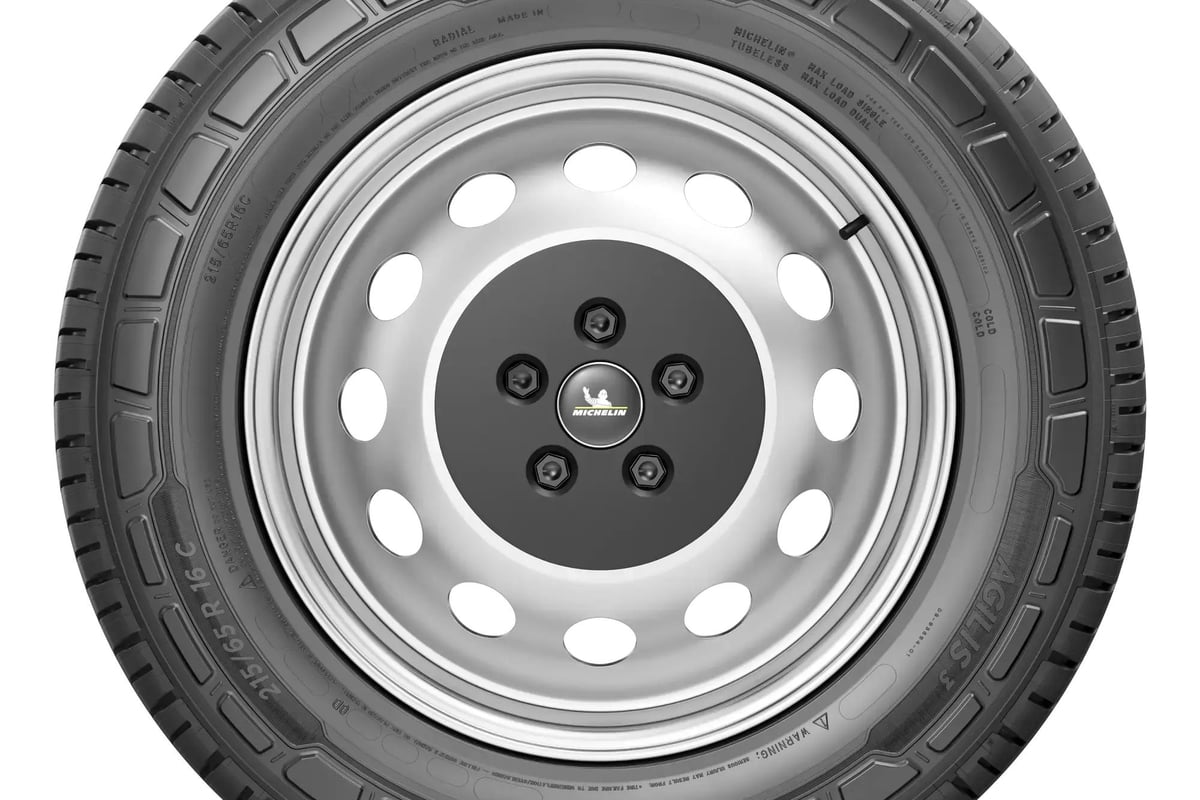
Commercial truck tires designed for highway applications share some operational similarities with farm equipment, particularly regarding load management and inflation requirements. For farm operations that also utilize commercial vehicles for grain hauling or equipment transport, understanding these parallels can improve overall fleet tire management. Commercial Truck Tires from manufacturers specializing in heavy-duty applications offer reinforced construction and load-optimized compounds suitable for mixed-use farm fleets.
Tread Pattern Selection for Different Operations
Tread pattern directly influences how tires farm equipment performs across various tasks. R-1 (regular tread) patterns feature aggressive lugs spaced at 45-degree angles, ideal for primary tillage and heavy draft work in challenging soil conditions. These tires excel in traction but can be harsh on established turf and tend to accumulate significant mud in wet conditions.
R-1W (wet traction) designs incorporate lugs approximately 20% deeper than standard R-1 patterns. The additional depth extends service life and improves performance in muddy conditions, but the increased tread rubber also raises the tire's initial cost by 15-25%. For operations in high-rainfall regions or those frequently working wet ground, the investment typically pays dividends through improved productivity and reduced slippage.
Common agricultural tread patterns:
- R-1: Standard farm service, balanced performance across conditions
- R-1W: Deep lugs for wet/muddy conditions and extended service life
- R-2: Rice and cane pattern with extra-deep lugs for extreme conditions
- R-3: Turf pattern for minimal ground disturbance
- R-4: Industrial pattern for loader tractors and road applications
Matching Patterns to Equipment Roles
Front tractor tires typically use a different pattern than rears, optimized for steering response rather than maximum traction. Three-rib and five-rib patterns common on front tires provide excellent directional stability and wear resistance during road transport while still delivering adequate traction during field work. Rear tires carry the majority of load and provide primary traction, justifying more aggressive R-1 or R-1W patterns.
Implement tires often utilize I-1 (implement service) patterns featuring circumferential ribs rather than directional lugs. This design minimizes soil disturbance when equipment is towed behind tractors and provides a smooth, stable platform for mounted implements. The California CalRecycle tire management planning framework includes considerations for agricultural tire disposal, an important factor as operations upgrade to newer patterns and technologies.
Cost Analysis and Return on Investment
Premium agricultural tires typically cost 25-40% more than economy alternatives, prompting careful cost-benefit analysis. However, total cost of ownership calculations reveal that initial purchase price represents only one component of lifetime expenses. Fuel consumption, downtime, soil health impacts, and service life all contribute to the true economic picture.
Fuel savings alone can justify premium tire investments. Radial tires reduce rolling resistance compared to bias-ply alternatives, translating to 3-8% fuel savings depending on operation type and soil conditions. For a farm consuming 10,000 gallons of diesel annually, this represents $1,500-$4,000 in savings at 2026 fuel prices. Over a tire's typical 3,000-5,000 hour service life, these savings substantially offset the initial price premium.
Tire investment evaluation factors:
- Initial purchase cost: Base price plus mounting and balancing
- Expected service life: Hours of operation before replacement
- Fuel efficiency impact: Rolling resistance and traction characteristics
- Downtime costs: Reliability and resistance to damage
- Soil health preservation: Compaction effects on future yields
Lifecycle Cost Modeling
Sophisticated operations employ lifecycle cost models that project total ownership expenses across expected service life. These models account for inflation pressure management capabilities (CTIS-equipped versus manual adjustment), tread pattern effects on fuel consumption, and the agronomic value of reduced soil compaction. When soil compaction reduces corn yields by even 5-10 bushels per acre over affected areas, the economic impact over several seasons can exceed the cost differential between economy and premium tires.
The ASTM F3012 standard for playground surfacing demonstrates one beneficial end-use market for recycled agricultural tires, though planning for eventual disposal remains important. Understanding these downstream recycling pathways helps operations make informed decisions about tire selection and replacement timing.
Emerging Technologies and Future Trends
Non-pneumatic tire designs represent a potential revolution in tires farm applications. These airless constructions eliminate inflation pressure management challenges and puncture risks entirely. Current prototypes demonstrate load-carrying capacity comparable to conventional agricultural tires while providing similar traction characteristics. Durability testing continues, with several manufacturers projecting commercial availability for select farm equipment categories by 2028-2030.
Smart tire technologies embedding pressure and temperature sensors directly into tire structures are already available for some high-end agricultural equipment. These systems provide real-time monitoring of tire conditions, alerting operators to pressure loss, excessive heat buildup, or irregular wear patterns before they cause failures. Integration with precision agriculture platforms allows tire performance data to inform broader operational decisions about field conditions and equipment deployment.
Technologies shaping the future of farm tires:
- Sensor integration: Real-time monitoring of pressure, temperature, and tread wear
- Advanced compounds: Longer-lasting materials resistant to agricultural chemicals
- Variable geometry: Tread patterns that adapt to changing soil conditions
- Sustainable materials: Bio-based rubber compounds reducing petroleum dependence
- Predictive maintenance: AI-driven systems forecasting tire replacement needs
Regulatory and Environmental Considerations
Evolving environmental regulations influence tires farm selection and management practices. Several agricultural regions have implemented or are considering restrictions on tire disposal methods, pushing operations toward manufacturers and distributors with comprehensive take-back programs. The NFPA guidance on tire storage and fire prevention becomes relevant for farms maintaining significant tire inventories, particularly those stockpiling used tires awaiting proper disposal or recycling.
Soil health regulations and voluntary conservation programs increasingly recognize tire selection as a factor in sustainable farming practices. VF and IF tire technologies that reduce soil compaction align with USDA conservation compliance requirements and may provide documentation supporting participation in environmental stewardship incentive programs. As these connections strengthen, tire selection becomes not just an equipment decision but a component of broader farm sustainability strategies.
Regional Adaptation and Climate Considerations
Geographic location fundamentally shapes optimal tires farm specifications. Operations in the northern United States and Canada face freeze-thaw cycles that create unique traction challenges. Soil conditions transition rapidly from frozen and rock-hard to saturated and muddy within days during spring thaw. Tire compounds must remain flexible at temperatures well below freezing while providing adequate traction in these variable conditions.
Southern regions encounter different challenges. Extended growing seasons mean tires accumulate operating hours faster, accelerating wear. High ambient temperatures during summer harvest increase the risk of heat-related tire failures, particularly when equipment operates at maximum load capacity for extended periods. Selecting tires with heat-resistant compounds and robust construction becomes critical in these environments.
The CPSC playground safety handbook provides insight into how recycled tire materials perform across different climate zones, informing broader understanding of rubber compound behavior under varied environmental conditions. While focused on playground applications, the material science principles apply to agricultural tire selection.
Altitude and Terrain Factors
Operations at higher elevations must account for reduced atmospheric pressure affecting tire inflation. A tire inflated to 24 PSI at sea level will measure approximately 26 PSI at 5,000 feet elevation due to reduced ambient air pressure. This phenomenon requires adjustment to manufacturer inflation recommendations to maintain proper load capacity and prevent over-inflation damage at elevation.
Terrain characteristics beyond soil type also influence tire selection. Farms with significant acreage on steep slopes require tires with superior lateral stability and resistance to sidewall collapse under lateral loading. Rocky terrain demands reinforced sidewalls and cut-resistant compounds, even if it means accepting slightly reduced traction in optimal soil conditions. Operations spanning diverse terrain often maintain equipment sets with different tire specifications optimized for specific field characteristics.
Selecting and maintaining the right tires farm equipment requires balancing multiple performance factors, operational requirements, and economic considerations. From understanding load capacity relationships and tread pattern effects to implementing systematic maintenance programs and planning for technological evolution, successful tire management directly impacts productivity, equipment longevity, and long-term soil health. Whether you're operating a small family farm or managing a large commercial agricultural enterprise, partnering with experienced tire manufacturers ensures access to the latest technologies and expert guidance tailored to your specific needs. OTR TIRE THAI delivers premium agricultural tires backed by international quality certifications, serving distributors across more than 80 countries with wholesale pricing and comprehensive technical support for farm operations of all sizes.
