
Blog
Best Winter Snow Tires for SUV: 2027 Guide

Oct
Winter driving conditions demand specialized tire technology, especially for sport utility vehicles that carry families and cargo through challenging weather. The best winter snow tires for SUV applications combine advanced rubber compounds with aggressive tread patterns designed to maintain grip when temperatures drop below 45°F (7°C). While all-season tires might seem adequate, dedicated winter tires deliver 30-40% shorter braking distances on ice and snow, making them essential equipment for drivers in regions that experience regular winter precipitation. This guide explores the critical features, performance characteristics, and selection criteria that separate exceptional winter SUV tires from merely adequate options.
Understanding Winter Tire Technology for SUVs
Winter tires incorporate three fundamental engineering advances that transform performance in cold conditions. The rubber compound remains pliable at low temperatures, unlike all-season or summer tires that harden and lose grip. Modern winter tire compounds use silica-enriched formulations that maintain flexibility down to -40°F (-40°C), ensuring the tread blocks can conform to microscopic road surface irregularities.
Tread pattern design represents the second pillar of winter performance. Deep sipes-thin slits molded into tread blocks-create thousands of biting edges that grip ice and packed snow. The best winter snow tires for SUV vehicles feature multidirectional sipe patterns that maintain traction during acceleration, braking, and cornering. Wide circumferential grooves channel slush and water away from the contact patch, reducing hydroplaning risk on wet winter roads.
The Three-Peak Mountain Snowflake Symbol
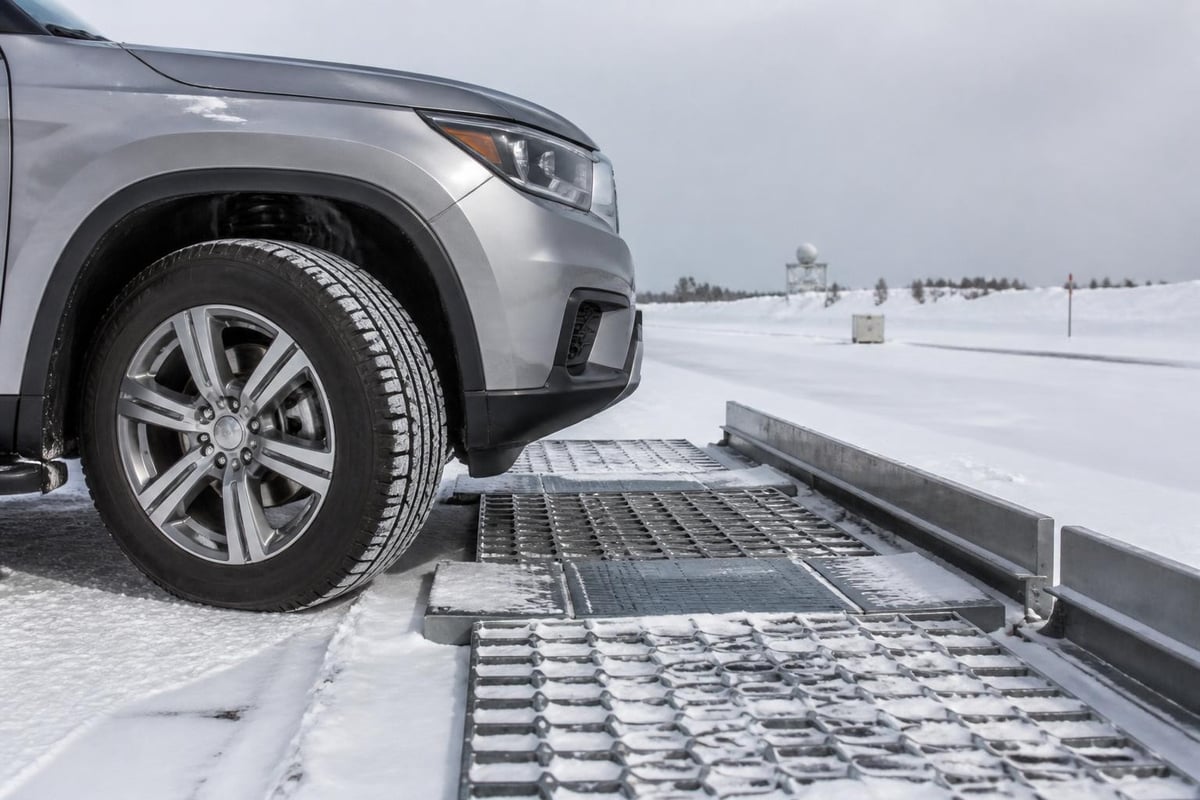
Regulatory testing standards help consumers identify genuine winter tires. The Three-Peak Mountain Snowflake (3PMSF) symbol certifies that a tire meets specific snow traction performance requirements established by the tire industry. According to Transport Canada’s guidance on winter tire standards, 3PMSF-rated tires must deliver at least 10% better traction than a reference all-season tire on packed snow.
Key certification requirements include:
- Standardized snow traction testing on medium-packed snow surfaces
- Performance verification at temperatures below 25°F (-4°C)
- Consistent results across multiple test runs
- Independent laboratory validation
This symbol appears on the tire sidewall and provides immediate visual confirmation that a product meets winter performance standards. Many jurisdictions across North America now require 3PMSF tires during winter months, making this certification practically mandatory for seasonal tire programs.
Critical Performance Factors for SUV Winter Tires
SUVs present unique challenges for winter tire design because of their higher center of gravity, increased weight, and varied usage patterns. A full-size SUV weighing 5,500 pounds requires substantially different tire characteristics than a compact crossover at 3,200 pounds. Consumer Reports’ winter tire testing methodology evaluates multiple performance categories that matter for real-world driving.
Ice and Snow Traction Metrics
Braking distance on ice represents the most critical safety metric. Premium winter tires can stop a mid-size SUV from 50 mph in approximately 180-200 feet on glare ice, while all-season tires might require 250-280 feet-a difference that can prevent collisions. Snow traction testing measures acceleration grip on unpacked and packed snow surfaces, simulating conditions from fresh powder to well-traveled roads.
Cornering stability becomes especially important for SUVs, which experience higher body roll than sedans. Winter tires must maintain predictable handling characteristics when lateral forces increase during turns. Lateral acceleration tests measure how much side grip remains available before the tire begins to slide, with top-performing winter SUV tires maintaining 0.65-0.75g on snow-covered surfaces.
| Performance Category | Premium Winter Tire | All-Season Tire | Performance Difference |
|---|---|---|---|
| Ice braking (50-0 mph) | 190 feet | 265 feet | 39% shorter |
| Snow acceleration (0-20 mph) | 3.8 seconds | 5.2 seconds | 37% faster |
| Lateral grip on snow | 0.72g | 0.48g | 50% more grip |
| Wet braking (60-0 mph) | 135 feet | 142 feet | 5% shorter |
Dry and Wet Road Capability
Winter tires spend considerable time on bare pavement, making dry road performance equally important. Early-generation winter tires felt vague and imprecise on dry asphalt, but modern designs deliver confident handling. The best winter snow tires for SUV use now incorporate variable-depth siping that reduces tread block squirm while maintaining winter grip.
Wet traction determines safety during winter rain and during freeze-thaw cycles. Hydroplaning resistance depends on groove volume-the total void space that can channel water away from the tire. SUV winter tires typically feature 32-38% void ratios, significantly higher than the 22-28% common in all-season SUV tires. This aggressive channeling prevents water from building up between tire and road.
Top Features in 2026 Winter SUV Tire Designs
Contemporary winter tire technology reflects years of compound research and computer-aided tread design. Car and Driver’s comprehensive winter tire analysis highlights innovations that separate current-generation products from earlier designs. Manufacturers now use finite element analysis to optimize every aspect of tire construction for cold-weather performance.
Advanced rubber compounds incorporate multiple polymer chains that maintain flexibility across temperature ranges. Styrene-butadiene rubber (SBR) blends with natural rubber and synthetic elastomers create compounds that stay pliable at -30°F while resisting wear during above-freezing conditions. Silica content has increased from 15-20% in older designs to 25-35% in premium 2026 models, improving both ice grip and rolling resistance.
Tread Block Technology
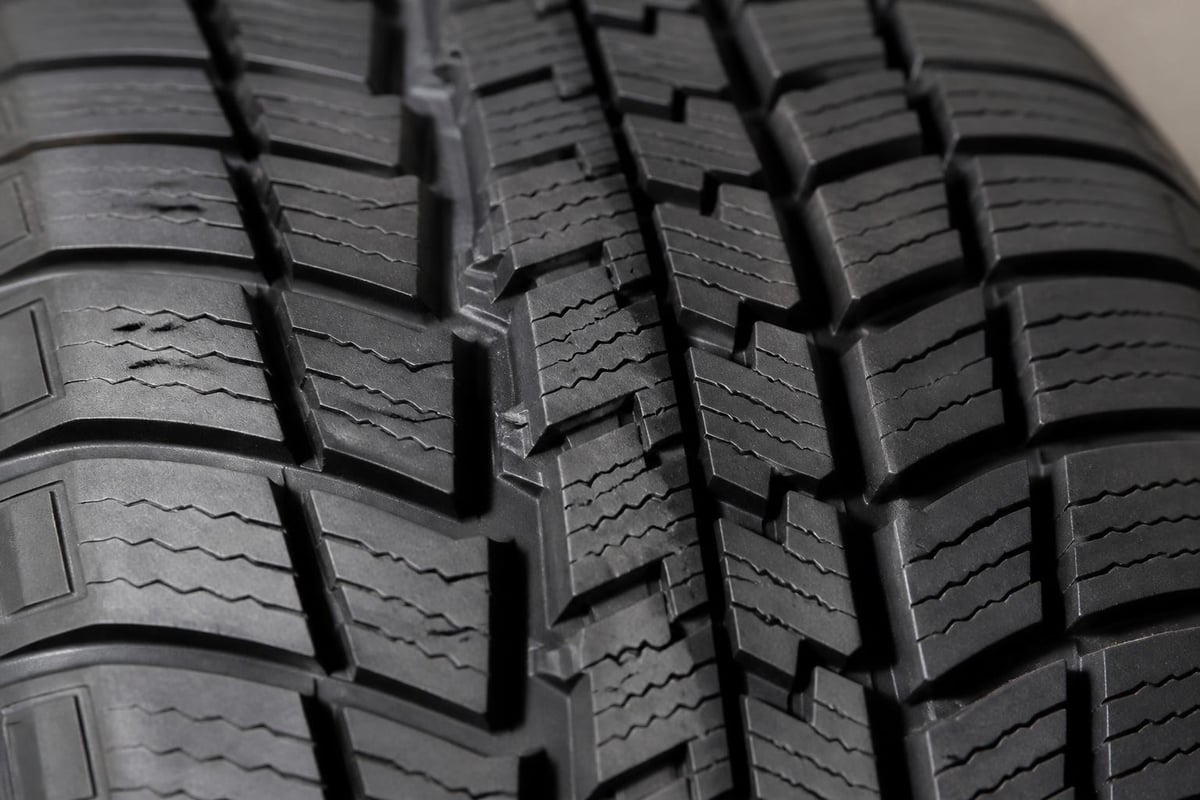
Tread block shape and arrangement directly impact snow traction and ice grip. 3D interlocking sipes feature raised edges that engage with opposing edges under load, creating rigidity for dry road handling while flexing open on ice to create biting edges. This dual-function design eliminates the traditional compromise between winter grip and handling precision.
- Center rib continuity: Maintains steering response and straight-line stability
- Shoulder block angles: Optimized for cornering grip on snow-covered curves
- Tread block chamfers: Reduce road noise and improve ride comfort
- Progressive siping density: Higher sipe count in contact patch center, lower at shoulders
Staggered tread block arrangements break up the rhythmic pattern that generates tire noise. Many drivers hesitate to choose winter tires because of perceived noise penalties, but 2026 designs deliver sound levels within 2-3 decibels of comparable all-season SUV tires.
Sizing and Fitment Considerations for SUVs
Selecting the correct tire size involves more than matching the numbers on your current tires. Many SUV owners choose to downsize wheel diameter for winter, installing winter tires on 17- or 18-inch wheels while running 20- or 22-inch wheels with all-season tires during warmer months. This approach provides multiple advantages including lower tire cost, improved ride comfort, and additional sidewall protection against pothole damage.
OEM tire sizes typically appear on a placard inside the driver's door jamb, listing approved tire dimensions and inflation pressures. However, most SUVs accept a range of tire sizes within certain parameters. Maintaining overall tire diameter within 3% of OEM specifications preserves speedometer accuracy and prevents drivetrain stress in all-wheel-drive vehicles.
Load Index and Speed Rating Requirements
SUVs require adequate load capacity, especially when carrying passengers and cargo. The load index-a numerical code indicating maximum weight per tire-must meet or exceed the vehicle manufacturer's specifications. A tire with load index 104 supports 1,984 pounds per tire, while index 109 handles 2,271 pounds. Multiply by four to determine total vehicle capacity, remembering that actual vehicle weight plus payload must stay below this threshold.
Speed ratings indicate sustained high-speed capability, though winter driving rarely involves extended high-speed operation. Most winter SUV tires carry T ratings (118 mph) or H ratings (130 mph), which exceed practical winter driving speeds while allowing manufacturers to optimize compounds for cold-weather grip rather than heat resistance. Some performance-oriented winter tires offer V ratings (149 mph) for SUVs that see occasional high-speed driving.
When shopping for winter tires, vehicle history becomes important if you're purchasing a used SUV. Services like Carfax Vin Check reveal whether previous owners maintained the vehicle properly and can show if the SUV has been in accidents that might have affected suspension alignment-critical for proper tire wear and handling.
Installation and Maintenance Best Practices
Professional installation ensures proper mounting, balancing, and inflation-factors that directly affect winter tire performance and longevity. Tire mounting involves more than simply bolting wheels onto hubs; technicians must verify that wheel torque specifications match manufacturer requirements and that tire pressure monitoring system (TPMS) sensors function correctly. Many SUV owners maintain separate wheel sets for winter and summer tires, eliminating seasonal tire-changing labor costs.
Installation checklist for winter SUV tires:
- Inspect wheel condition for cracks, corrosion, or damage
- Mount tires with proper bead seating and lubricant
- Balance each tire-wheel assembly to within 0.25 ounce
- Torque lug nuts to manufacturer specification in star pattern
- Set inflation pressure to door-placard recommendation plus 3 psi
- Verify TPMS sensor functionality and battery condition
- Perform alignment check if previous tire wear shows irregular patterns
Tire pressure decreases approximately 1 psi for every 10°F temperature drop, so winter pressures require monthly monitoring. Under-inflated tires reduce tread life, increase fuel consumption, and compromise handling. Over-inflation creates a harsh ride and concentrates wear in the center tread area.
Tread Depth Monitoring and Replacement Timing
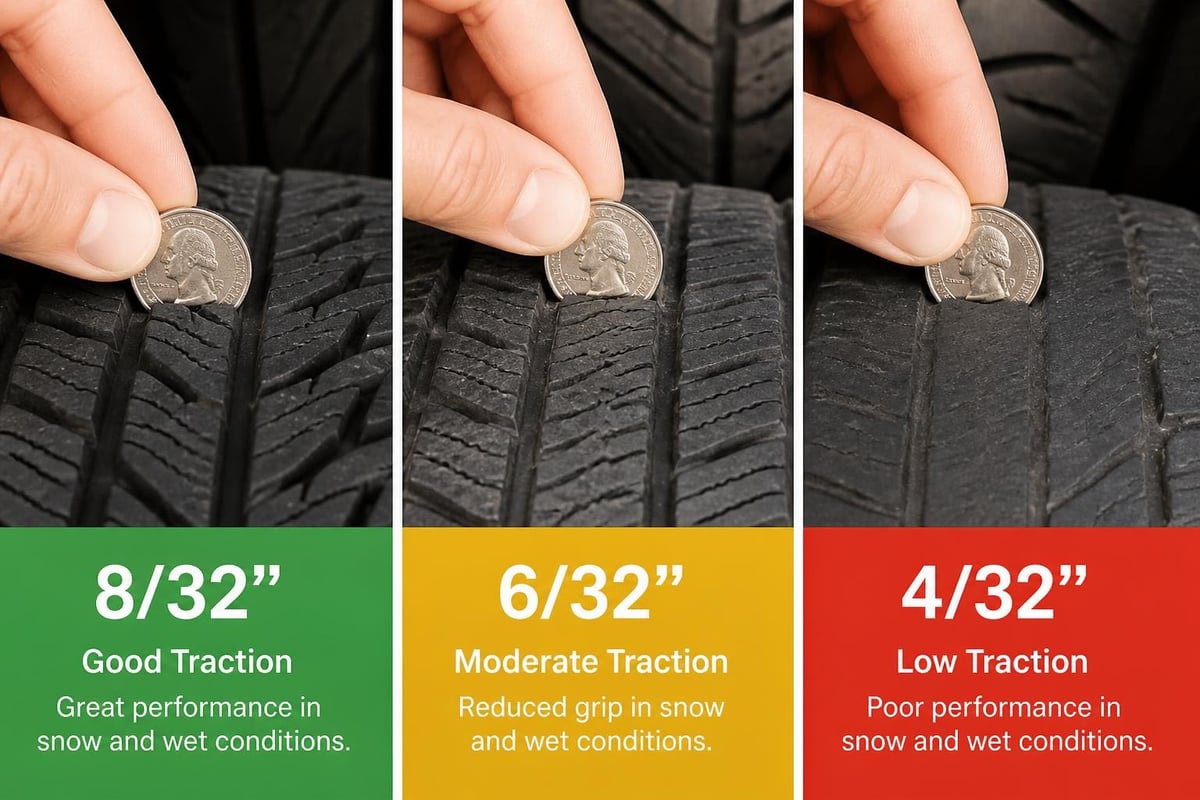
Winter tires lose effectiveness as tread depth decreases. While most passenger car tires remain legal until 2/32-inch tread depth, winter tires should be replaced at 4/32 inch-the point where snow and slush evacuation capability drops significantly. AAA’s tire maintenance guidance recommends measuring tread depth monthly during winter months and replacing tires before they reach the 4/32-inch threshold.
Tread depth gauge measurement provides accurate assessment, though the quarter test offers a quick field check. Insert a quarter into the tread groove with Washington's head pointing down. If you can see the top of Washington's head, the tire has worn to 4/32 inch or less and needs replacement for winter use. This simple test helps maintain the safety margin that the best winter snow tires for SUV applications require.
Comparing Premium and Value Winter Tire Options
Winter tire pricing spans a wide range, from economy models at $110-140 per tire to premium offerings at $200-300 per tire for common SUV sizes. This price variation reflects differences in compound technology, manufacturing precision, and expected tread life. Premium manufacturers invest millions in winter tire research, operating dedicated cold-weather testing facilities in Arctic regions.
Value-oriented winter tires meet 3PMSF certification requirements and deliver competent basic performance, making them suitable for drivers who encounter occasional winter weather. Premium tires provide measurably superior ice braking, quieter operation, and longer tread life. TRAC Canada’s independent winter tire testing reveals that premium tires often deliver 15-20% better ice braking performance than value alternatives.
| Feature Category | Premium Winter Tire | Mid-Range Winter Tire | Value Winter Tire |
|---|---|---|---|
| Ice braking performance | Excellent (shortest distance) | Good (moderate distance) | Adequate (meets minimum standards) |
| Expected tread life | 50,000-60,000 miles | 35,000-45,000 miles | 25,000-35,000 miles |
| Dry road handling | Responsive, car-like | Competent, minor vagueness | Acceptable for winter use only |
| Road noise level | Comparable to all-season | 3-4 dB higher than all-season | 5-7 dB higher than all-season |
| Price per tire (common SUV size) | $220-280 | $150-200 | $110-150 |
Total cost of ownership calculations should factor in tread life expectations. A premium tire costing $240 that lasts 55,000 miles delivers 4.4 cents per mile, while a $130 value tire lasting 30,000 miles costs 4.3 cents per mile-virtually identical despite the 85% price difference. The premium tire's performance advantage justifies selection for drivers who regularly navigate winter conditions.
Regional Considerations and Climate Matching
Geographic location dramatically influences which winter tire characteristics matter most. SUV owners in the upper Midwest and Northeast prioritize ice and deep snow capability, while Pacific Northwest drivers need exceptional wet traction and moderate snow performance. Kelley Blue Book’s analysis of vehicles for snow driving emphasizes matching tire selection to actual driving conditions rather than theoretical worst-case scenarios.
Climate-specific tire selection priorities:
- Northern Plains/Upper Midwest: Extreme temperature flexibility, ice braking, packed snow traction
- Mountain States: Deep snow flotation, chain compatibility, severe service ratings
- Northeast Urban: Ice braking, wet traction, dry road handling, moderate tread life
- Pacific Northwest: Hydroplaning resistance, wet grip, slush evacuation
- Transition Zones (Mid-Atlantic): Balanced performance across all conditions, long tread life
Studded winter tires remain legal in many northern states and Canadian provinces, offering maximum ice grip through metal studs that penetrate surface ice. However, studs accelerate pavement wear, generate increased road noise, and reduce dry pavement grip. Most contemporary studless winter tires deliver comparable ice performance through advanced compounds and tread designs, making studs unnecessary for most SUV applications.
All-Wheel Drive and Winter Tire Synergy
A common misconception holds that all-wheel-drive SUVs don't benefit from winter tires because AWD provides sufficient traction. In reality, AWD affects only acceleration grip-it provides no advantage for braking or cornering, the situations where most winter accidents occur. The best winter snow tires for SUV vehicles equipped with AWD create a synergistic system that maximizes safety across all driving maneuvers.
SAE International’s research on tire traction testing demonstrates that tire grip fundamentally limits vehicle performance regardless of drivetrain configuration. A two-wheel-drive SUV with winter tires stops shorter on ice than an AWD SUV with all-season tires. AWD excels at transmitting engine power to the road, but only the tire contact patches-four hand-sized areas-actually generate the forces that accelerate, brake, and turn the vehicle.
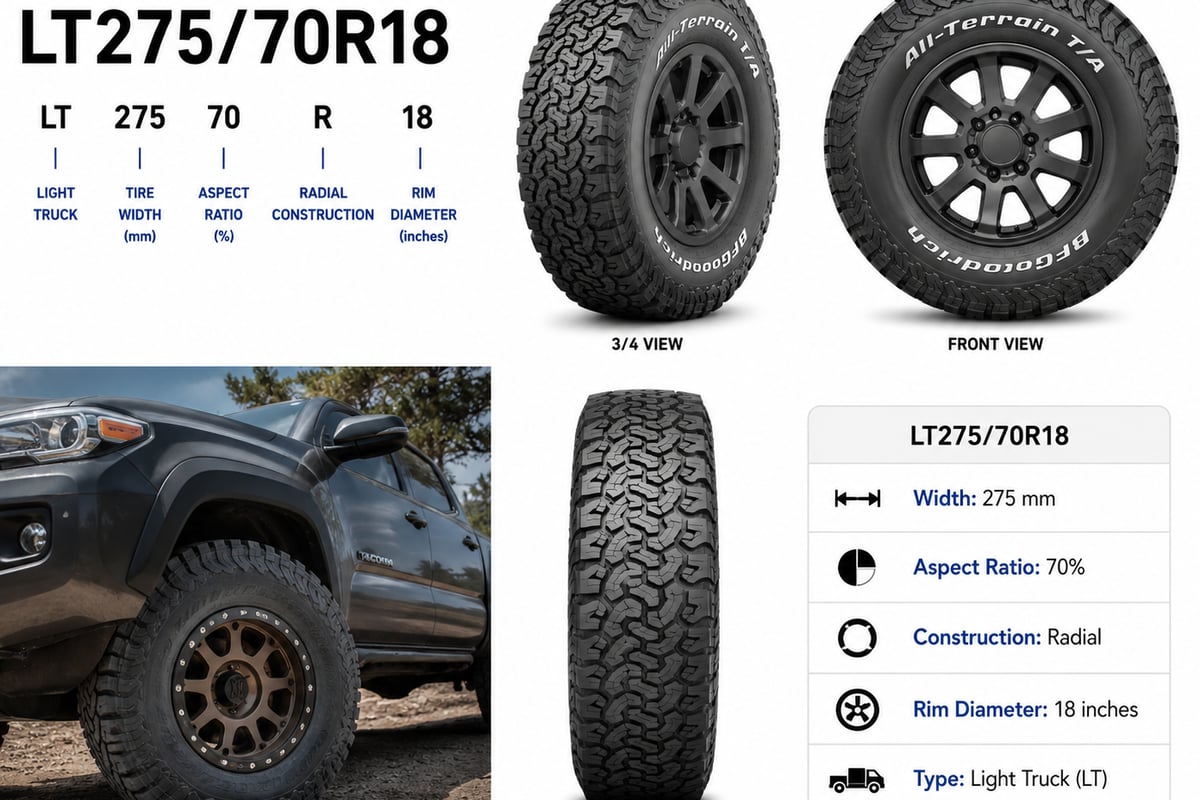
For fleet operators and businesses managing SUV inventories, understanding the tire-vehicle system becomes critical for safety and cost management. While OTR TIRE THAI specializes in commercial and industrial tire applications, the engineering principles that make their light truck tire range effective in demanding conditions apply equally to winter tire design.
Winter Tire Installation Configurations
Installing winter tires on all four wheel positions delivers optimal performance and balanced handling. Some owners attempt to save money by installing winter tires only on the drive axle, but this approach creates dangerous handling imbalances. Front-only winter tire installation on an AWD SUV produces oversteer during braking, while rear-only installation causes understeer and poor directional stability.
Storage and Off-Season Care
Proper storage extends winter tire life and maintains performance characteristics. Tires should be cleaned to remove road salt, brake dust, and petroleum products before storage. Store tires in a cool, dry location away from direct sunlight, ozone sources (electric motors), and petroleum products. Temperature fluctuations accelerate compound degradation, so climate-controlled storage provides ideal conditions.
Tires mounted on wheels can be stored stacked horizontally or hung on wall hooks. Unmounted tires should stand vertically and be rotated quarter-turns monthly to prevent flat-spotting. Tire storage bags protect against UV exposure and dust accumulation while allowing air circulation that prevents moisture buildup and compound degradation.
Many tire dealers offer seasonal storage services, maintaining climate-controlled warehouses specifically for customer tire sets. This service eliminates home storage space requirements while ensuring professional care. Storage costs typically range from $60-120 per season, a modest investment that protects tires worth $800-1,200 for a full SUV set.
Evaluating Warranty and Tread Life Guarantees
Winter tire warranties vary significantly among manufacturers. Premium brands often include workmanship and materials warranties covering 5-6 years, while value brands may limit coverage to 2-3 years. Mileage warranties on winter tires remain less common than on all-season tires because winter tires typically operate only during cold months, accumulating fewer annual miles.
Key warranty components to evaluate:
- Defect coverage period and mileage limits
- Uniformity guarantees (protection against out-of-round or imbalanced tires)
- Road hazard protection availability
- Pro-rated replacement terms after initial coverage period
- Manufacturer's responsibility for mounting and balancing costs
Some manufacturers offer first-winter satisfaction guarantees, allowing returns within 30-45 days if the customer isn't satisfied with performance. This risk-free trial period demonstrates manufacturer confidence and reduces purchase hesitation. Documentation requirements typically include original purchase receipt and proof that tires were installed by a professional shop.
Selecting the best winter snow tires for SUV applications requires balancing performance priorities, budget constraints, and actual driving conditions. The investment in proper winter tires delivers measurable safety improvements and can prevent costly accidents during challenging weather. Whether you operate a commercial fleet or manage personal vehicles, OTR TIRE THAI offers wholesale tire solutions backed by international quality standards and distribution across 80+ countries. Contact our team to explore tire options that match your specific requirements and benefit from factory-direct pricing on premium tire products.
