
Blog
All Season Tires for Trucks: Complete 2026 Guide

Jul
Truck operators face a critical decision when selecting tires: should they invest in specialized seasonal rubber or opt for all season tires truck applications that promise year-round versatility? This choice impacts everything from operational costs and safety to fuel efficiency and driver confidence. Unlike passenger vehicles, trucks carry heavier loads, endure more demanding duty cycles, and often operate in commercial environments where downtime translates directly to lost revenue. Understanding the engineering, performance characteristics, and real-world trade-offs of all season tires truck models helps fleet managers and owner-operators make informed decisions that align with their operational requirements and budget constraints.
Understanding All Season Tire Technology for Trucks
All season tires truck designs represent a sophisticated compromise between summer tire performance and winter tire capability. Manufacturers engineer these tires with tread compounds that remain pliable across a broad temperature range, typically from 45°F down to freezing and up to summer heat extremes. The compound formulation uses silica-enhanced rubber that maintains flexibility in cold weather while resisting excessive wear in hot conditions.
The tread pattern architecture distinguishes all season tires truck variants from specialized alternatives. Engineers incorporate continuous center ribs for highway stability and even wear distribution, while lateral grooves and sipes provide water evacuation channels that reduce hydroplaning risk. Shoulder blocks feature a balance between open space for traction and solid contact patches for cornering stability.
Tread Depth and Wear Characteristics
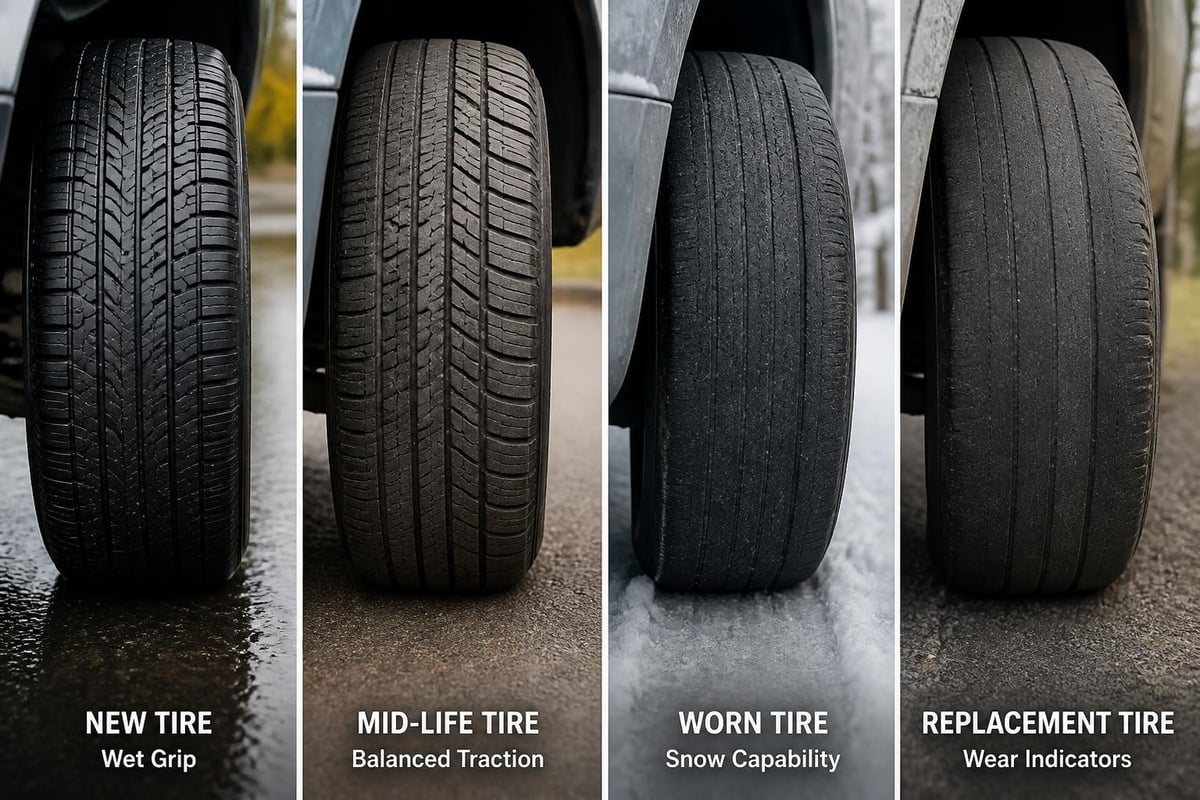
Commercial truck applications demand significantly deeper tread depths than passenger vehicles. All season tires truck models typically feature initial tread depths between 16/32" and 19/32", compared to 10/32" for passenger car tires. This additional rubber volume extends service life under heavy loads and provides consistent performance as the tire wears.
Key tread depth milestones include:
- 18/32" to 16/32": Optimal wet traction and hydroplaning resistance
- 15/32" to 12/32": Maintained all-season capability with gradual performance degradation
- 11/32" to 8/32": Reduced snow traction, acceptable wet performance
- 7/32" and below: Replacement recommended for safety and efficiency
Comparing All Season Versus Specialized Tire Options
Fleet managers evaluating all season tires truck solutions must understand how these versatile options stack up against purpose-built alternatives. All-season versus all-terrain tires present different value propositions depending on operating conditions, routes, and seasonal requirements.
| Tire Type | Highway Comfort | Off-Road Capability | Winter Traction | Tread Life | Fuel Economy |
|---|---|---|---|---|---|
| All Season | Excellent | Limited | Moderate | 50,000-70,000 mi | Best |
| All Terrain | Good | Very Good | Good | 40,000-60,000 mi | Good |
| Mud Terrain | Fair | Excellent | Fair | 30,000-50,000 mi | Fair |
| Winter | Good | Poor | Excellent | 25,000-40,000 mi | Good |
The performance differences become particularly apparent in specific operating scenarios. All season tires truck models excel on predominantly paved routes with occasional light snow exposure, delivering superior fuel economy through lower rolling resistance. Their quieter operation reduces driver fatigue on long highway runs, while optimized tread patterns minimize irregular wear patterns that plague more aggressive designs.
Real-World Performance Benchmarks
Testing data from commercial fleets reveals measurable differences in operational costs. All season tires truck installations typically achieve 15-20% better fuel economy compared to all-terrain alternatives due to reduced rolling resistance. This advantage compounds over the tire's service life, potentially saving $200-$400 per tire position in fuel costs alone.
Wet braking performance represents another critical factor. High-quality all season tires truck designs stop 10-15 feet shorter from 60 mph on wet pavement compared to all-terrain tires, thanks to optimized siping density and compound formulations. This safety margin proves invaluable in emergency situations and contributes to lower accident rates in fleet operations.
Load Range and Construction Standards
All season tires truck applications demand robust construction to handle commercial payloads safely. Load range ratings indicate the tire's maximum load capacity at specified inflation pressures, with most light truck applications requiring Load Range E (10-ply rating) or higher for adequate safety margins.
The internal structure features steel belt packages that resist punctures and maintain shape under load. Polyester or nylon casing plies provide flexibility for ride comfort while supporting the tire's load-bearing capacity. Premium all season tires truck models incorporate additional reinforcement layers in the sidewall and bead areas to prevent damage from curb impacts and mounting stresses.
Speed Rating Considerations
Commercial truck tires carry speed ratings that indicate sustained high-speed capability. Common ratings for all season tires truck categories include:
- L-rated: 75 mph maximum sustained speed
- M-rated: 81 mph maximum sustained speed
- N-rated: 87 mph maximum sustained speed
- R-rated: 106 mph maximum sustained speed
Most regional haul and delivery applications operate comfortably within L or M speed ratings, while long-haul over-the-road trucks benefit from N or R ratings that provide thermal stability margins during extended highway operation. The differences between tire categories extend beyond tread pattern to these fundamental performance specifications.
Seasonal Performance Characteristics
Understanding how all season tires truck models perform across different seasons helps operators set realistic expectations and plan preventive maintenance schedules. Temperature extremes challenge even the best all-season compounds, creating performance variations that savvy fleet managers anticipate and accommodate.

Spring and Fall Transition Periods
These shoulder seasons showcase all season tires truck designs at their best. Temperatures cycling between 35°F and 65°F fall squarely within the optimal operating range for all-season compounds. Frequent rain events test wet traction capabilities, where well-maintained tires with adequate tread depth excel at water evacuation and hydroplaning resistance.
Spring maintenance priorities include:
- Inspect tread depth after winter wear
- Check inflation pressure as temperatures rise
- Examine sidewalls for weather checking or cracking
- Rotate tires to equalize wear patterns
- Document performance issues for replacement planning
Summer Heat Management
Sustained temperatures above 85°F accelerate tread wear and increase internal tire temperatures. All season tires truck applications must dissipate heat effectively to prevent compound degradation and potential failures. Proper inflation pressure becomes critical, as underinflated tires generate excessive heat through increased flexing.
Fleet operators in southern climates report 10-15% shorter service life compared to moderate climate operations, primarily due to accelerated tread wear from hot pavement contact. Regular pressure checks every two weeks during summer months help maximize tire longevity and maintain fuel efficiency.
Winter Performance Limits
All season tires truck variants maintain adequate traction in light snow conditions (2-4 inches) but struggle in deeper accumulations or ice. The three-peak mountain snowflake symbol identifies tires meeting specific winter traction standards, though few traditional all-season designs achieve this certification.
Operators in regions with frequent winter storms exceeding 4 inches should consider dedicated winter tires or chains for critical routes. The comparison of tire performance in severe weather reveals significant safety margins favoring specialized winter rubber.
Fleet Cost Analysis and Total Cost of Ownership
Evaluating all season tires truck options requires looking beyond initial purchase price to calculate true total cost of ownership. This comprehensive analysis includes acquisition costs, fuel economy impacts, maintenance expenses, and projected service life under specific operating conditions.
| Cost Factor | Annual Impact (per tire) | 5-Year Total |
|---|---|---|
| Initial Purchase | $250-$450 | $250-$450 |
| Fuel Economy | $120-$180 | $600-$900 |
| Maintenance/Rotation | $30-$50 | $150-$250 |
| Early Replacement (if needed) | $0-$150 | $0-$300 |
| Total | $400-$830 | $1,000-$1,900 |
Premium all season tires truck models commanding higher initial prices often deliver superior total cost of ownership through extended service life and better fuel economy. A tire costing $150 more upfront but delivering 15,000 additional miles and 3% better fuel economy generates net savings over its service life.
Calculating Break-Even Points
Fleet managers can determine optimal tire selection by analyzing break-even mileage between tire options. For example, comparing a $300 standard all-season tire achieving 50,000 miles against a $425 premium tire achieving 65,000 miles:
- Standard tire cost per mile: $0.006
- Premium tire cost per mile: $0.0065
When factoring 2% fuel economy improvement from premium tire rolling resistance optimization, the premium option breaks even at approximately 35,000 miles and delivers superior value beyond that point.
Proper Selection Based on Duty Cycle
Matching all season tires truck specifications to actual operational demands prevents premature wear and maximizes performance. Different duty cycles impose unique stress patterns that favor specific tire characteristics.
Regional Delivery and Distribution
Short-haul operations involving frequent stops, starts, and turns demand all season tires truck designs with reinforced shoulder blocks and stiff sidewalls. These features resist scrubbing during tight maneuvers in loading docks and urban environments. Tread compounds optimized for lower temperatures suit operations beginning early morning when tire temperatures haven't reached optimal levels.
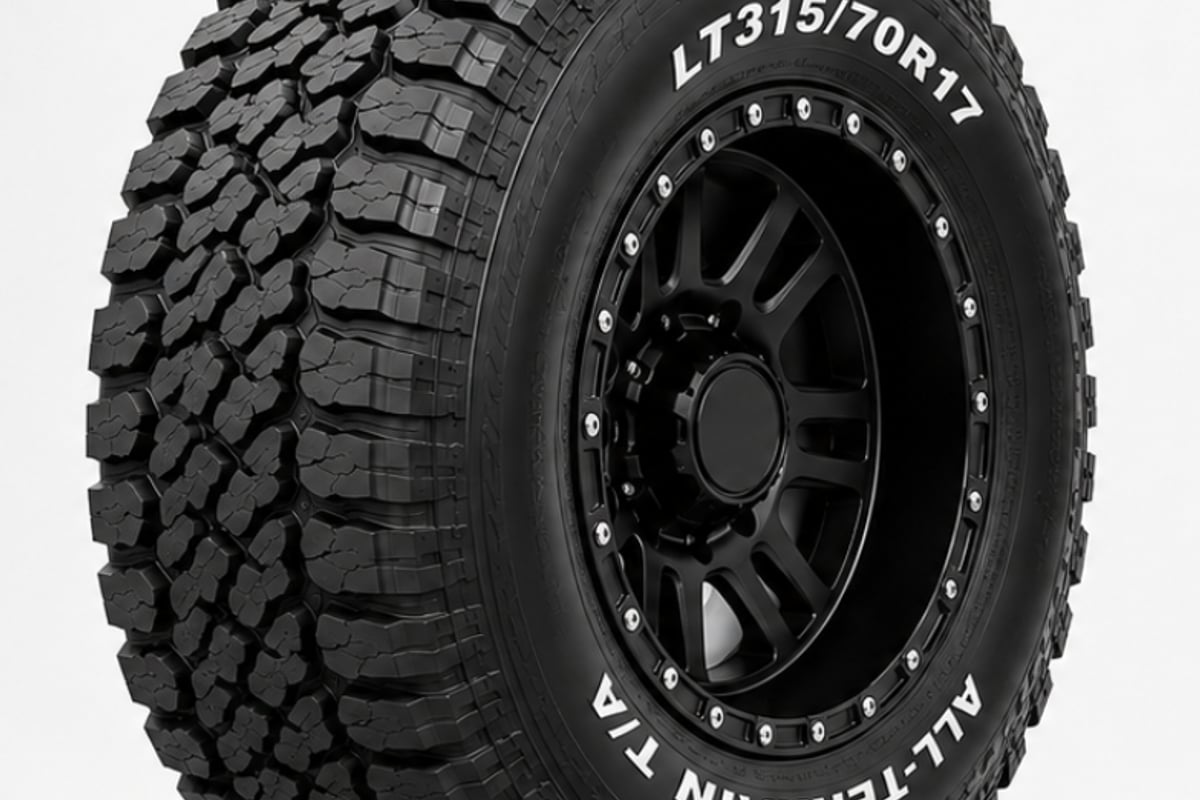
For businesses operating light truck fleets in delivery applications, selecting the right tire becomes essential for controlling operating costs. Our light truck tire range covers the full spectrum of applications, with highway terrain (HT) patterns engineered specifically for fuel efficiency and quiet rolling on paved delivery routes, making them ideal for commercial pickup fleets and distribution vehicles.
Long-Haul Highway Operations
Over-the-road trucks accumulate miles primarily on interstate highways at sustained speeds. These applications benefit from all season tires truck models featuring continuous center ribs that promote even wear and straight-line tracking. Lower rolling resistance compounds directly impact fuel economy, the single largest operating expense for long-haul carriers.
Heat dissipation capabilities become critical for sustained high-speed operation. Quality all season tires incorporate optimized belt packages and tread designs that channel heat away from critical internal structures, preventing thermal degradation that shortens service life.
Mixed-Use Commercial Applications
Contractors, utility companies, and service businesses operate trucks across varied terrain and conditions. These operators require all season tires truck options balancing on-road comfort with occasional off-pavement capability. Moderate siping density provides wet traction without compromising tread block stability, while reinforced casings protect against job site hazards.
Maintenance Best Practices for Extended Service Life
Proper maintenance protocols significantly impact all season tires truck longevity and performance consistency. Systematic inspection and service procedures identify developing issues before they compromise safety or require premature replacement.
Essential maintenance intervals include:
- Weekly visual inspections for obvious damage, foreign objects, or abnormal wear
- Monthly pressure checks adjusted for temperature variations and load changes
- Quarterly rotation following manufacturer specifications (typically every 6,000-8,000 miles)
- Semi-annual alignment verification to prevent accelerated wear patterns
- Annual comprehensive inspection documenting tread depth, sidewall condition, and age
Pressure Management Systems
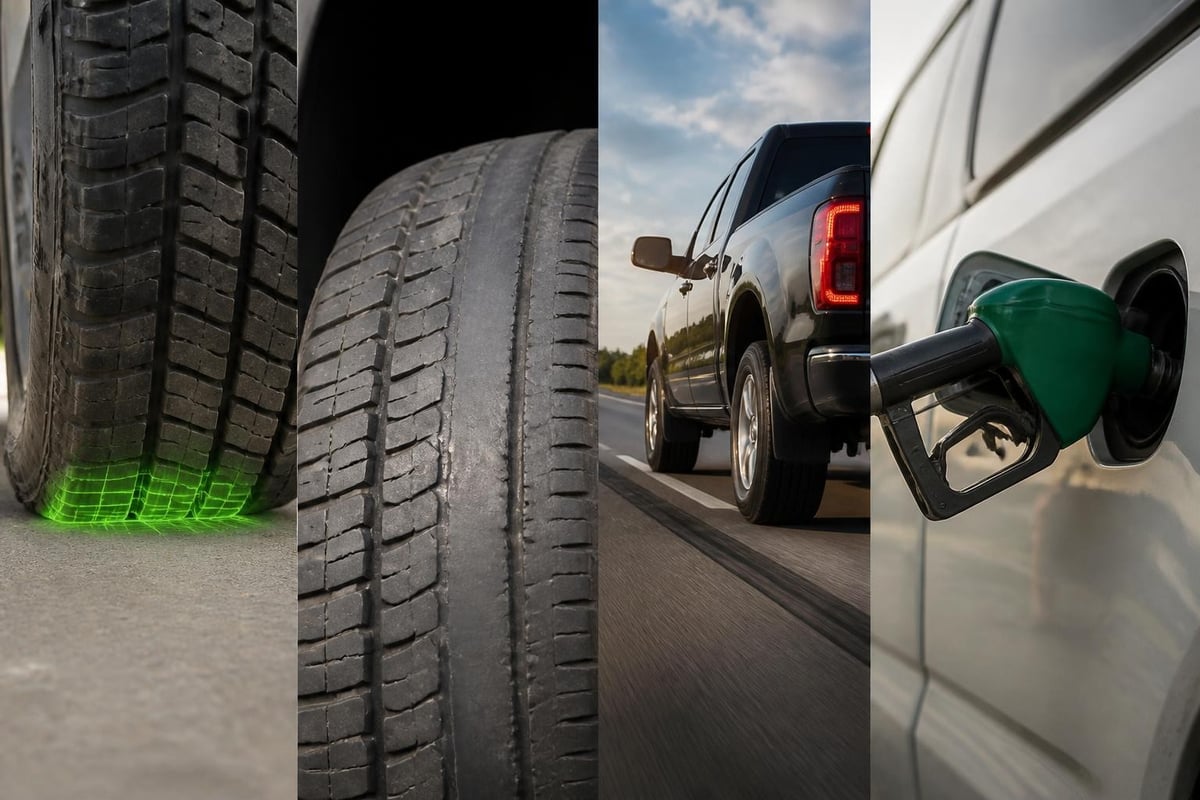
Proper inflation pressure represents the single most important maintenance factor for all season tires truck applications. Underinflation by just 10% increases rolling resistance by 3-5%, reduces fuel economy proportionally, and accelerates shoulder wear. Overinflation concentrates wear in the center tread ribs and creates a harsh ride that fatigues drivers.
Tire pressure monitoring systems (TPMS) provide real-time pressure data, alerting operators to slow leaks or rapid deflation events. Advanced systems track historical data, identifying patterns that indicate valve stem deterioration, rim issues, or systematic underinflation requiring operational changes.
Rotation Patterns and Wear Equalization
Systematic rotation extends service life by distributing wear across all tire positions. Front tires on trucks typically wear faster due to steering loads and braking forces, while rear positions often show center wear from constant load. Proper rotation patterns equalize these stresses, maximizing total fleet mileage.
Standard rotation patterns for dual rear axle trucks involve moving front tires to the outer rear positions, outer rear tires to inner rear positions, and inner rear tires to the front. This cycle ensures each tire experiences all positions over its service life, preventing premature removal of tires with significant remaining tread depth.
Load Distribution and Weight Management
All season tires truck performance depends critically on proper load distribution and weight management. Exceeding rated load capacity accelerates wear, generates excessive heat, and increases failure risk. Understanding load ratings and implementing weight management protocols protects tire investment and ensures regulatory compliance.
Each tire position carries a maximum load rating at specified inflation pressure. For example, a Load Range E tire at 80 PSI typically supports 3,042 pounds. Dual rear configurations double this capacity, but uneven weight distribution between duals can overload individual tires while the axle remains within limits.
Calculating Actual Load Per Tire
Fleet managers should periodically weigh loaded trucks at certified scales, recording individual axle weights. Dividing axle weight by the number of tires reveals actual load per tire position:
- Weigh fully loaded truck at certified scale
- Record front axle weight and rear axle weight separately
- Divide front axle weight by two (number of front tires)
- Divide rear axle weight by four (number of dual rear tires)
- Compare actual loads to tire load ratings at current inflation pressure
This analysis often reveals opportunities to redistribute cargo, adjust inflation pressure, or upgrade to higher load range tires for improved safety margins.
Advanced Technologies in Modern All Season Designs
Recent innovations have significantly improved all season tires truck capabilities, narrowing the performance gap with specialized seasonal tires. Manufacturers leverage computer modeling, advanced materials, and precision manufacturing to enhance versatility without compromising durability.
Silica-enhanced tread compounds maintain flexibility across broader temperature ranges compared to traditional carbon black formulations. This chemistry improvement delivers measurably better wet traction and winter performance while maintaining summer heat resistance. Some premium designs incorporate different compounds across the tread face, placing winter-optimized rubber in shoulder zones while using wear-resistant compounds in center ribs.
Three-Dimensional Siping Patterns
Modern all season tires truck models feature interlocking sipes that create biting edges for traction while maintaining tread block stability. Unlike traditional straight sipes that can reduce block stiffness, 3D sipes interlock as the tread block compresses, preserving handling precision and wear characteristics.
These sophisticated patterns emerge from finite element analysis that predicts tread block behavior under various load, speed, and temperature conditions. The result is measurably improved ice and wet traction without sacrificing dry handling or accelerating wear rates.
Environmental Considerations and Sustainability
The tire industry faces increasing pressure to reduce environmental impact through improved fuel economy, extended service life, and sustainable materials. All season tires truck designs play a significant role in commercial fleet sustainability initiatives through their influence on fuel consumption and replacement frequency.
Low rolling resistance technologies reduce fuel consumption by 3-5% compared to conventional designs, translating to meaningful CO2 emissions reductions across large fleets. A 100-truck fleet saving 3% on fuel consumption avoids approximately 150 tons of CO2 emissions annually while reducing operating costs substantially.
Extended service life reduces the number of tires entering waste streams. Quality all season tires truck models achieving 65,000-70,000 miles replace conventional 50,000-mile tires at a 30% lower frequency, proportionally reducing manufacturing energy consumption, raw material extraction, and end-of-life disposal challenges.
Retreading Opportunities
Premium all season tires truck casings designed for multiple retreads offer the most sustainable option for appropriate applications. High-quality initial construction enables two or three retread cycles, effectively quadrupling tire life while consuming only 15-20% of the energy required for new tire manufacturing.
Not all all season truck tires support retreading. Operators planning to retread should select premium-grade initial tires from manufacturers supporting retread programs, inspect casings carefully throughout service life, and maintain detailed service records documenting operating conditions and maintenance history.
Regulatory Compliance and Safety Standards
All season tires truck operations must comply with Department of Transportation (DOT) regulations governing tread depth, age limits, and condition standards. Understanding these requirements prevents citations during roadside inspections and ensures fleet safety.
Federal regulations require minimum 4/32" tread depth on steer axle tires and 2/32" on other positions, though many fleet policies mandate replacement at higher thresholds. Age-related deterioration affects all tires regardless of remaining tread depth, with most manufacturers recommending replacement after 6-10 years from the manufacturing date encoded in the tire sidewall DOT number.
DOT tire regulations key points:
- Minimum 4/32" tread depth on steer axles, 2/32" on drive and trailer positions
- No fabric exposed through tread or sidewall
- No cuts deep enough to expose casing cords
- Proper size and load rating for vehicle application
- Matching dual tire sizes and inflation pressures
Regional regulations may impose stricter requirements, particularly regarding winter traction devices in mountain states. Operators running routes through multiple jurisdictions must comply with the most restrictive applicable standards.
Selecting the right all season tires truck configuration requires balancing performance requirements, operating conditions, budget constraints, and service life expectations to optimize total cost of ownership while maintaining safety standards. Whether you operate light delivery trucks, regional distribution fleets, or long-haul operations, matching tire specifications to your specific duty cycle delivers measurable operational benefits. For distributors seeking premium all season truck tire solutions at competitive wholesale pricing, OTR TIRE THAI manufactures DOT and ECE certified tires for light truck, commercial, and semi-truck applications, delivering factory-direct value to distribution partners in over 80 countries worldwide.
