
Blog
Radial Construction Tire: Technology & Benefits Guide

Oct
The radial construction tire represents one of the most significant technological advancements in the tire industry since pneumatic tires were first introduced. Unlike traditional bias-ply designs, radial tires feature cord plies that run perpendicular to the direction of travel, delivering exceptional strength, durability, and performance characteristics that have made them the industry standard across passenger vehicles, commercial trucks, and specialized equipment. Understanding the engineering principles behind radial construction helps fleet managers, distributors, and vehicle owners make informed decisions about tire selection and maintenance strategies.
The Engineering Foundation of Radial Construction
A radial construction tire derives its name from the orientation of the internal cord plies, which extend radially from bead to bead at 90-degree angles to the centerline of the tread. This design creates a fundamental difference from bias-ply tires, where cords run diagonally across the tire at alternating angles.
The structural architecture consists of several critical layers working in harmony. The carcass ply forms the foundation, with textile or steel cords running from one bead to the other in a radial pattern. Above this foundation, circumferential steel belts encircle the tire beneath the tread, providing crucial stability and strength. These belts restrict tread movement during rotation and resist punctures from road hazards.
Key Structural Components
The belt package typically includes two or more layers of steel cord reinforcement positioned at opposing angles to each other. This configuration creates a rigid platform that maintains optimal tread contact with the road surface while allowing the sidewalls to flex independently.
Primary structural elements include:
- Body ply cords oriented at 90 degrees to the tread centerline
- Multiple steel belt layers for dimensional stability
- Reinforced bead area for secure rim mounting
- Flexible sidewall construction for improved ride quality
- Tread compound designed for specific application requirements
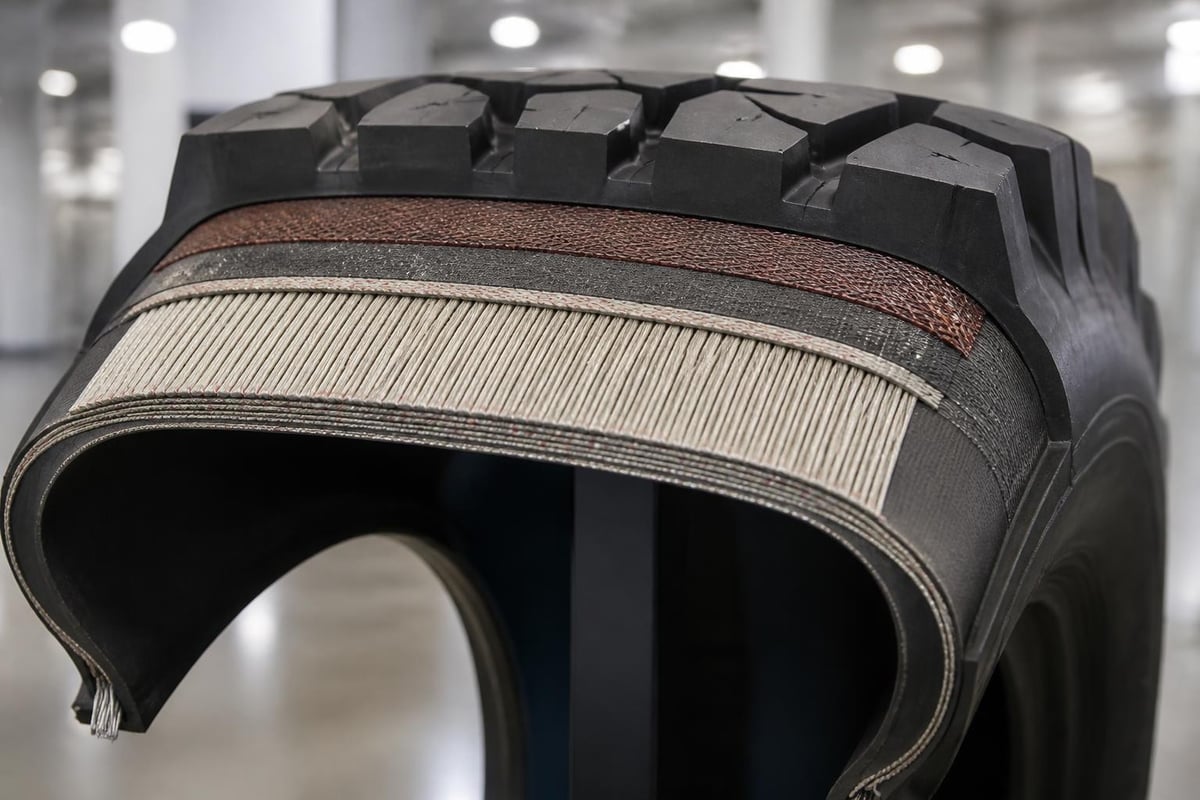
The separation of functions between the radial carcass and the stabilizing belts enables engineers to optimize each component independently. Sidewalls can be designed for comfort and heat dissipation while belts handle the demands of load carrying and tread stability.
Performance Advantages in Commercial Applications
Commercial fleet operators have embraced radial construction tire technology because of measurable improvements in total cost of ownership. The rigid belt package maintains consistent tread contact across the footprint, distributing wear evenly and extending service life significantly compared to bias-ply alternatives.
Fuel efficiency represents one of the most compelling advantages. The flexible sidewall construction of radial tires reduces rolling resistance by approximately 15-20% compared to bias-ply designs. This reduction translates directly into lower fuel consumption, particularly important for long-haul trucking operations covering hundreds of thousands of miles annually.
Heat Management and Durability
The radial construction tire excels at heat dissipation, a critical factor in preventing premature failure. Because the sidewalls flex independently from the tread area, internal temperatures remain lower during extended highway operation. Cooler operating temperatures preserve rubber compounds and structural integrity, extending casing life for potential retreading.
For semi-truck and bus applications, commercial truck tires built with radial construction technology deliver exceptional value through improved fuel economy and extended service intervals. Fleet managers consistently report 20-30% longer tread life when switching from bias-ply to radial designs.
| Performance Metric | Radial Construction | Bias-Ply Construction |
|---|---|---|
| Rolling Resistance | Lower (baseline) | 15-20% higher |
| Tread Life | Longer (baseline) | 20-30% shorter |
| Heat Buildup | Moderate | Significantly higher |
| Retreadability | Excellent (3-4 cycles) | Limited (1-2 cycles) |
| Sidewall Flexibility | High | Restricted |
The steel belt package also provides superior resistance to tread separation and impact damage. When a radial construction tire encounters road hazards, the rigid belts distribute impact forces across a wider area, reducing the likelihood of localized damage that could compromise structural integrity.
Regulatory Standards and Testing Protocols
Manufacturing radial tires requires strict adherence to international quality standards and safety regulations. In the United States, the Federal Motor Vehicle Safety Standard No. 139 establishes specific performance requirements for new pneumatic radial tires used on light vehicles, including endurance testing, high-speed performance, and strength specifications.
Testing protocols evaluate multiple performance dimensions to ensure radial construction tires meet safety thresholds. Endurance testing subjects tires to extended operation under load to verify structural integrity over time. High-speed testing confirms that belt packages maintain stability at maximum rated speeds without tread separation or catastrophic failure.
Quality Assurance Processes
Manufacturers implement rigorous quality control measures throughout production. X-ray inspection systems examine belt alignment and cord spacing to detect manufacturing defects before tires leave the factory. Uniformity testing identifies vibration-causing irregularities in tire construction that could affect ride quality or longevity.
Standard testing procedures include:
- Bead unseating resistance to verify rim retention
- Plunger energy absorption for impact resistance
- Low inflation pressure performance evaluation
- Dimensional stability under load and temperature variation
- Physical property testing of rubber compounds
The ASTM testing standards provide detailed methodologies for evaluating tire performance characteristics, ensuring consistency across manufacturers and enabling accurate product comparisons. These standardized approaches help distributors and fleet purchasers make evidence-based procurement decisions.
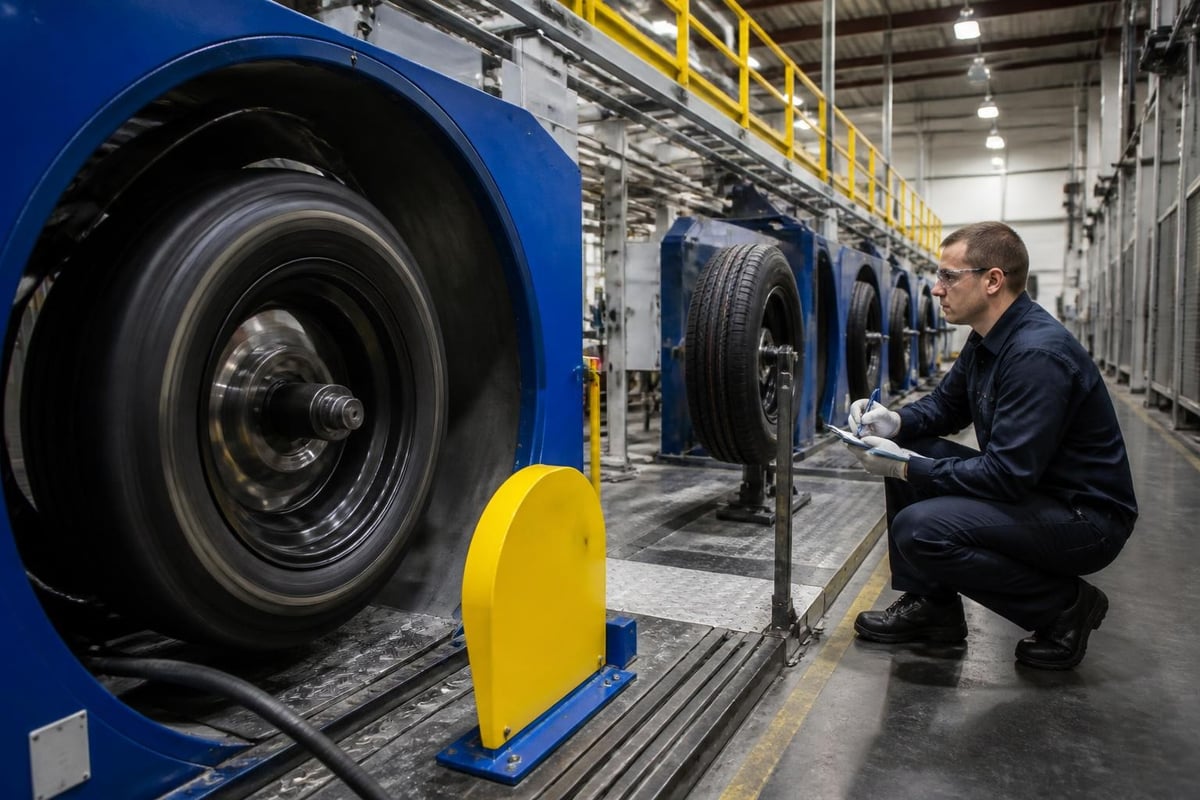
Third-party certification bodies conduct independent verification testing to confirm manufacturer claims. Certifications from organizations like DOT (Department of Transportation) and ECE (Economic Commission for Europe) provide assurance that radial construction tires meet recognized international safety standards.
Material Science and Manufacturing Innovation
Advanced material science drives continuous improvement in radial construction tire performance. Modern radial tires incorporate sophisticated rubber compounds engineered at the molecular level to balance competing demands for traction, durability, and rolling resistance.
Silica-enhanced tread compounds reduce rolling resistance without sacrificing wet traction, a critical innovation for both fuel economy and safety. These compounds maintain flexibility across a wider temperature range, preserving performance in both hot summer conditions and cold winter environments.
Steel Belt Technology
The belt package represents the heart of radial construction tire technology. High-tensile steel cords undergo precise manufacturing processes to achieve consistent diameter and strength characteristics. These cords are coated with brass to promote adhesion with surrounding rubber compounds, creating a unified composite structure.
Belt angles are carefully engineered for specific applications. Passenger car radial tires typically use belt angles between 18-22 degrees to balance ride comfort with handling precision. Commercial truck radials often employ steeper angles for enhanced load-carrying capability and tread stability under heavy loads.
Manufacturing processes have evolved significantly since radial tires were first commercialized in the mid-20th century. The U.S. Tire Manufacturers Association documents how automation and precision engineering have transformed production capabilities, enabling consistent quality across millions of units annually.
Application-Specific Design Variations
While all radial construction tires share fundamental architectural principles, engineers customize designs for specific vehicle categories and operating conditions. Passenger car radials prioritize comfort and handling responsiveness, with relatively thin sidewalls and flexible construction optimized for smooth pavement.
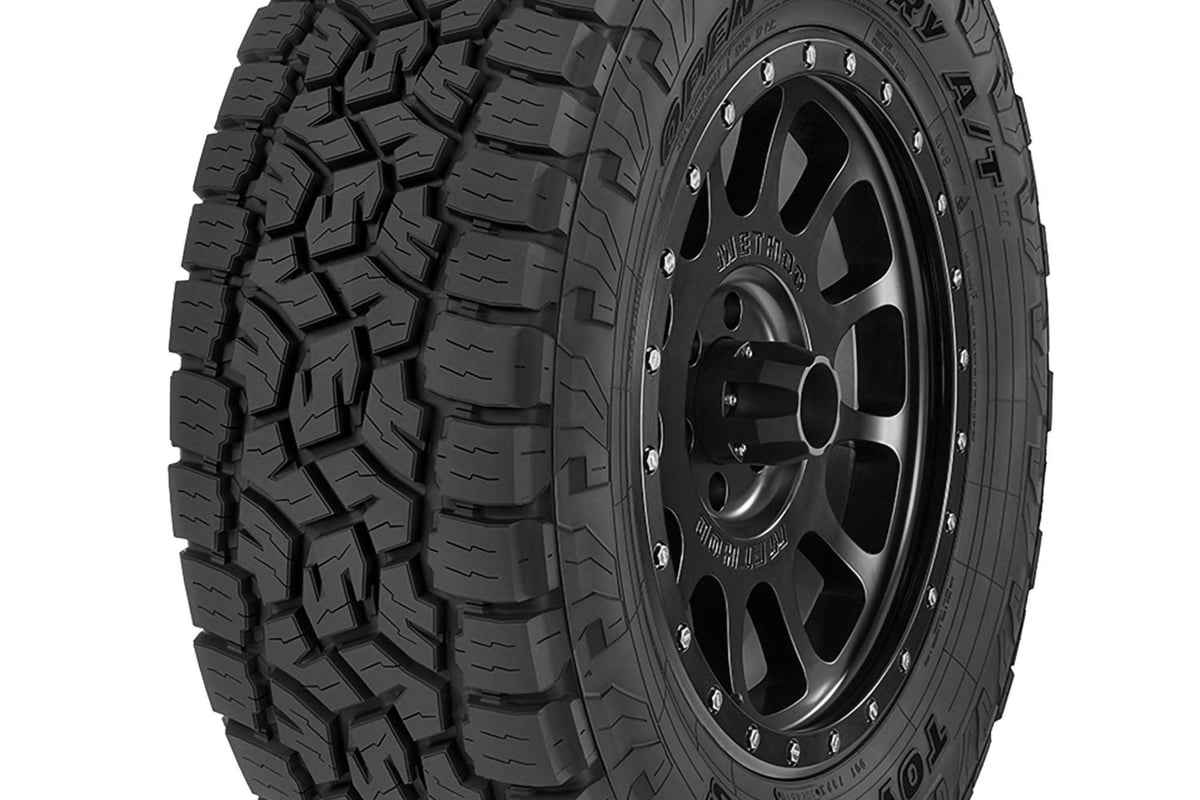
Light truck and SUV applications demand more robust construction to handle varying load conditions and occasional off-road use. These tires feature reinforced sidewalls and aggressive tread patterns while maintaining the core benefits of radial construction technology.
Commercial Vehicle Requirements
Semi-truck radial tires face extreme demands in terms of load capacity, mileage accumulation, and operating conditions. Steer-position tires emphasize straight-line tracking and even wear through optimized rib patterns and belt configurations. Drive-position radials feature deep tread designs with enhanced traction for power delivery and braking.
Trailer-position tires focus on rolling resistance reduction and long-distance durability. Low-profile designs with fuel-efficient compounds help fleets meet environmental regulations while controlling operating costs. The flexible sidewalls of radial construction allow trailer tires to absorb road irregularities without transmitting excessive vibration to cargo.
| Application Type | Key Design Features | Primary Performance Goals |
|---|---|---|
| Passenger Car | Thin sidewalls, comfort-tuned | Ride quality, handling, noise reduction |
| Light Truck | Reinforced construction, variable tread | Versatility, load capacity, traction |
| Semi-Truck Steer | Rib pattern, precise tracking | Stability, even wear, responsiveness |
| Semi-Truck Drive | Deep lugs, traction compound | Durability, power transfer, all-weather grip |
| Trailer Position | Low-resistance compound | Fuel efficiency, long-distance durability |
Off-the-road (OTR) radial construction tires for mining and construction equipment represent the most extreme application of radial technology. These massive tires combine radial flexibility with reinforced belts capable of supporting loads exceeding 50 tons while operating in punishing environments with sharp rocks and abrasive surfaces.
Maintenance and Lifecycle Management
Proper maintenance maximizes the substantial investment in radial construction tire technology. Regular pressure monitoring represents the single most important maintenance practice, as underinflation accelerates sidewall fatigue and increases rolling resistance. The flexible sidewalls of radial tires can mask visual evidence of low pressure, making systematic pressure checks essential.
Rotation schedules help ensure even wear distribution across all tire positions. For commercial vehicles, regular inspection protocols identify early signs of irregular wear patterns that may indicate alignment issues, suspension problems, or improper inflation pressure. Addressing these issues promptly prevents premature tire removal and protects the casing for future retreading.
Retreading Economics
The robust casing construction of radial tires makes them excellent candidates for retreading, a practice that extends service life while reducing environmental impact and operating costs. High-quality commercial radial casings can support three or four retread cycles, effectively quadrupling the value derived from the original tire investment.
Retread success depends on maintaining casing integrity throughout the initial service life. Proper inflation, load management, and timely removal when tread depth reaches legal minimums preserve the structural soundness necessary for retreading. Casing inspection using shearography and other advanced techniques identifies internal separations or damage that could compromise retread performance.
Retread lifecycle management includes:
- Initial tire selection with retreadability considerations
- Consistent pressure maintenance throughout service life
- Removal at appropriate remaining tread depth (typically 4/32" for commercial applications)
- Comprehensive casing inspection and repair
- Professional retreading using quality materials and processes
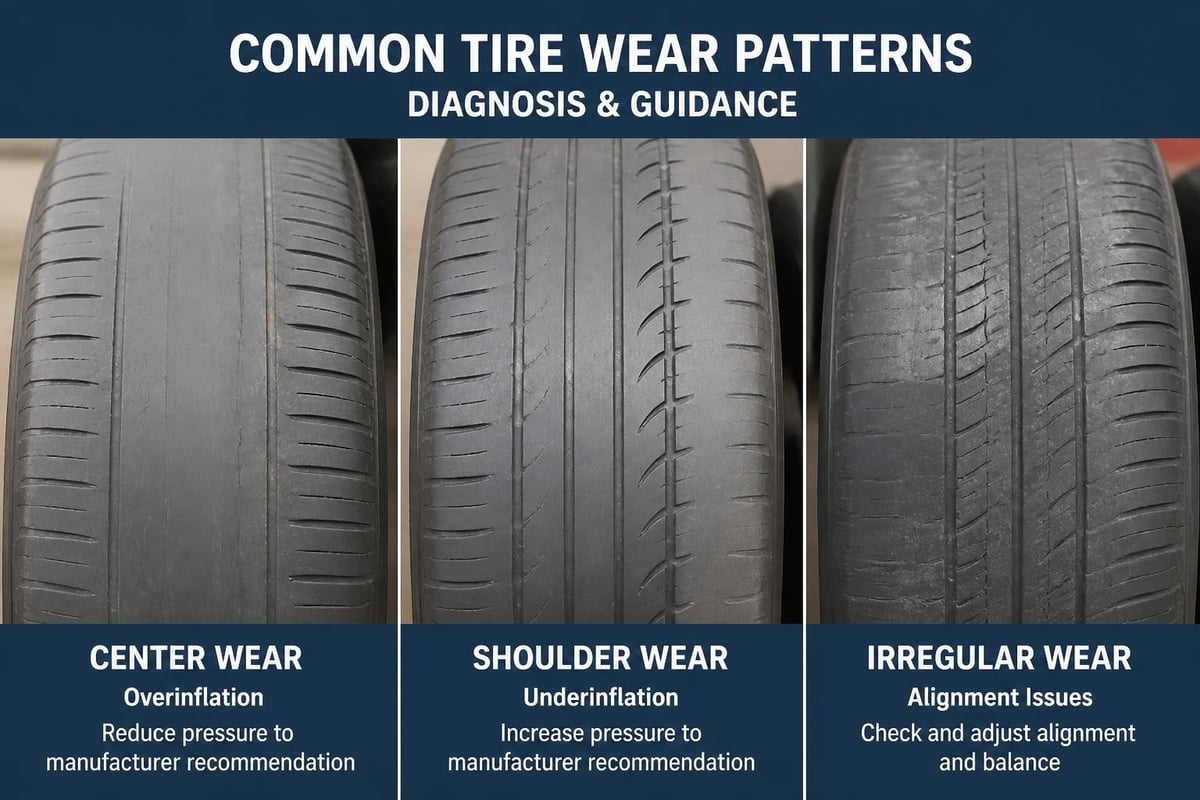
Fleet management systems increasingly incorporate tire lifecycle tracking to optimize total cost of ownership. By monitoring mileage, tread depth, and maintenance history for individual tires, fleet managers make data-driven decisions about rotation schedules, retread timing, and replacement intervals.
Global Manufacturing and Distribution Networks
Radial construction tire manufacturing has evolved into a globally distributed industry, with production facilities strategically located to serve regional markets while achieving economies of scale. Thailand has emerged as a significant manufacturing hub, combining technical expertise with efficient production infrastructure and access to natural rubber resources.
Modern tire factories operate with high levels of automation while maintaining stringent quality control throughout the production process. Automated tire building machines assemble components with precision measured in fractions of a millimeter, ensuring consistency that manual processes cannot achieve. Computerized curing presses apply precisely controlled heat and pressure to vulcanize the assembled components into finished tires.
Supply Chain Considerations
Distributors sourcing radial construction tires for resale must evaluate multiple factors beyond unit price. Quality consistency, delivery reliability, technical support, and warranty administration significantly impact total business value. Established manufacturers with proven track records provide assurance that products will meet performance expectations and regulatory requirements across diverse markets.
The global nature of tire distribution requires attention to certification and compliance requirements in destination markets. OTR TIRE THAI maintains certifications for over 80 countries, ensuring that distributors can confidently serve customers with products meeting local regulatory standards.
Testing and validation protocols vary by region, with European ECE standards, U.S. DOT requirements, and other regional specifications requiring separate certification processes. Manufacturers serving global markets invest in comprehensive testing capabilities to satisfy these diverse regulatory frameworks.
Environmental Impact and Sustainability Initiatives
The tire industry continues advancing environmental sustainability through material innovation, manufacturing efficiency, and end-of-life management programs. Radial construction tire technology contributes to sustainability goals through improved fuel efficiency and extended service life compared to alternative designs.
Rolling resistance reduction directly translates to lower carbon emissions from vehicle operation. A 10% reduction in rolling resistance can improve fuel economy by 1-2%, meaningful when multiplied across millions of vehicles. Commercial fleets operating radial construction tires consume less fuel, reducing both operating costs and environmental impact.
Extended tread life and retreadability reduce the number of tires manufactured and discarded. When a radial truck tire delivers 200,000 miles of original tread life plus three retreads adding 150,000 miles each, the total service of 650,000 miles from one casing substantially reduces material consumption and waste generation compared to shorter-lived alternatives.
Manufacturing processes increasingly incorporate recycled materials and renewable resources. Natural rubber from sustainable plantations provides a renewable alternative to synthetic rubber derived from petroleum. Recycled steel finds application in belt construction, closing material loops and reducing virgin resource consumption.
Radial construction tire technology delivers measurable advantages in performance, durability, and total cost of ownership across commercial and passenger vehicle applications. Understanding the engineering principles, maintenance requirements, and application-specific variations enables informed procurement and lifecycle management decisions. OTR TIRE THAI manufactures premium radial tires across multiple categories, from passenger car and light truck to heavy-duty commercial and specialized applications, delivering international quality at wholesale prices to distributors in over 80 countries.
